The Epic Classroom with Trevor Muir
The Epic Classroom with Trevor Muir is a show for educators who want to make their teaching more memorable and transformational. Host Trevor Muir shares stories, practical ideas, and inspiration drawn from real classrooms and his own experience as a teacher and speaker. Episodes focus on building stronger relationships with students, fostering creativity, and creating learning experiences that stick with kids long after the bell rings. The tone is encouraging and story-driven, aimed at helping teachers rediscover purpose and energy in their work.
Episodes

When PBL Goes Beyond the Classroom
What if a project students made in science class actually ended up being used by people on the other side of the world?
In this episode, I talk with educator Kelli about an incredible project where her students designed and built solar ovens that were eventually sent to Uganda and are actually being used there. We talk about how the project came together, how she still taught the required
The Lasting Impact of Teachers
In this episode, Trevor reflects on the teachers who shaped his life, from losing a spelling bee in middle school to seeing a former teacher waiting in the crowd at graduation years later. Along the way, he explores the powerful research behind mentorship, role models, and the lasting impact educators have on students long after they leave the classroom.
Portrait of A Graduate Email List:

Support Dogs and Why Your School Needs One
What if a dog could change the feel of a school?
After the pandemic, Laura Schuler saw students struggling in ways she hadn’t before. Instead of waiting for a perfect solution, she helped bring school support dogs into her district.
In this episode, we break down how the program works, what it costs, and why it’s making a difference.
Read the how-to guide on starting a support dog program
The Problem-Solving Gap
Most employers today aren’t asking, “What do you know?” They’re asking, “What can you do?” Problem solving has become one of the most valuable skills in the workforce, yet it’s one of the least consistently developed in school. In this episode, I unpack the growing shift toward skills-based hiring and what it reveals about the gap between how students are taught and what they’ll actually
Why the Future of Work Is Project-Based
From freelancers and engineers to designers, city planners, and researchers, millions of people earn a living by solving problems through project work. Yet in many classrooms, projects still show up as add-ons instead of the main way students learn.
In this episode, Trevor unpacks why students need to learn how to do projects, not just complete them. You’ll hear why “dessert projects” fal
Why You Don’t Have to Love Every Part of Teaching
This week we explore the 20% rule and why you don’t need to love every part of work. Learn how finding and protecting the parts you enjoy can help you avoid burnout.
Twin Cities Teachers Speak: What It’s Like to Teach During ICE Raids
Over the past month, schools in the Twin Cities have been operating in the shadow of ongoing ICE raids and heightened immigration enforcement. The impact has been felt far beyond the headlines, inside classrooms, hallways, and school communities. In this episode, I speak with three educators who are teaching in Minneapolis and St. Paul right now.
They share what they are seeing in their s
Finding Good News in a Broken World
In a world dominated by bad news, this episode explores why teaching students to notice and share real good news matters more than ever. Get The Good News Project free here: https://www.trevormuir.com/good-news
Sign Up for the Weekly Newsletter: https://www.trevormuir.com/newsletter
My Students' Favorite Unit Ever
In this episode, I’m sharing one of the most impactful projects I ever did with my students, and it all came down to one thing: their work mattered.
My class was studying tolerance, conflict, and what it looks like for people to live together throughout history. Instead of teaching it the traditional way, we partnered with a local college and gave students a real challenge: master the con
Why Students (and Adults) Need Boredom
A look at how boredom fuels creativity for students and professionals, and simple classroom strategies to build quiet, low-stimulation moments that spark ideas.
Read the Article: https://www.trevormuir.com/blog/need-boredom
The Day My Lesson Got Shut Down and What It Taught Me
In this episode I share a winter lesson that almost got shut down after a single complaint and how my principal’s unexpected pivot changed the entire day. What happened next taught me one of the most important lessons about leadership, flexibility, and what modern students need from us. This episode is about staying open, adjusting when the moment calls for it, and why adaptability is one
Teach the Ask: Helping Students Communicate What They Need
In this episode, I talk about the importance of knowing how to ask for what you want and need, along with what I’ve learned about helping students develop the skill of making clear, respectful requests. Because asking is one of the most essential forms of communication in adulthood, and it’s something we can start teaching long before students enter the workforce. We’ll explore how teache
Making Space for One-on-One Teaching
A story about the power of one-on-one teaching, why it matters, and how teachers can make space for it, even in a busy classroom. Email Trevor at trevor@trevormuir.com Collaboration Toolkit: https://www.trevormuir.com/collaboration-toolkit
The Secret to Getting Students Interested in What They're Learning
In this episode we talk about strategies to spark student curiosity and excitement in the classroom. Learn how passion, relevance, and student choice can turn flat lessons into engaging learning experiences. Here's the research I mention: https://news.gallup.com/poll/648896/schools-struggle-engage-gen-students.aspx?utm Read my article here: https://www.trevormuir.com/blog/student-interest
Why Note-Taking Still Matters in the Age of AI
With AI tools able to record, transcribe, and even generate polished notes in seconds, it is easy to wonder: do students still need to take notes at all? In this episode, Trevor explores why the answer is a resounding yes. You will hear the brain science behind note-taking, why it leads to deeper comprehension than passive listening, and how different strategies—from handwritten notes to

The Myth of the Shrinking Attention Span
If your students seem distracted, this episode explains why it’s not a decline in attention span but a lack of purpose — and what you can do to fix it.
Collaboration Toolkit (FREE): https://www.trevormuir.com/collaboration-toolkit
Read the article: https://www.trevormuir.com/blog/attention-span
Watch the video: https://youtu.be/pltYo40JzPg
Teaching in the Wake of Tragedy
In the days after the shooting that killed Charlie Kirk and yet another school shooting, many teachers are wondering how to respond to students who are processing fear, grief, and confusion. In this episode, Trevor shares personal stories of how teachers’ reactions shaped him during past tragedies like Columbine, 9/11, and Sandy Hook. He unpacks the psychology of emotional contagion,

Brains, Calculators, and the Purpose of School
When calculators first appeared in classrooms, many schools banned them. Decades later, we’re asking the same kinds of questions about AI and other innovations. What do we hold onto, and what do we change? In this episode, Trevor explores the history of calculators in schools, the neuroscience of learning, the enduring value of art and music, and a simple litmus test for deciding what bel

Grading for Growth and Mastery
In this episode, we unpack why traditional grading often fails to reflect student growth—and how competency-based grading offers a more accurate, equitable alternative. We explore what it looks like to grade for mastery, not averages, and share simple ways teachers can start making the shift.
Read the article: https://www.trevormuir.com/blog/competency-based-grading
Check out the LHR
How to Trick Kids Into Loving Learning (Without Them Noticing)
What if the key to student engagement isn’t about attention spans, but about giving kids a reason to care? In this episode, I sit down with Jerry Kolber—executive producer of Brain Games and Who's Smarted?—to talk about the science of engagement, the power of relevance, and why a simple “because” can transform the way students learn. We’ll explore how great teaching isn’t about forcing in
Do We Still Need Teachers?
Watch the Video: https://www.youtube.com/watch?v=L3HLzzrwYSw If we have artificial intelligence, do we still need school? Will it replace traditional classrooms? Is AI better at teaching reading and writing and math? Can school take place from a computer? Does learning always have to be plugged in? If we have chatbots with limitless knowledge and information, the entire world, at our fing
Y is For Yet- Growth Mindset with Shannon Anderson
In this episode, I had an incredible conversation with Shannon Anderson about growth mindset and helping students develop one. Shannon is an award-winning children's book author, teacher, and national speaker. She served as the regional advisor for the Indiana Society of Children's Book Writers and Illustrators and was named one of the Top 10 Teachers who inspired the Today Show in 2019.
The Long Game of Teaching
The impact of teachers stretches far beyond the physical time with students in the classroom. But the extent of the long reach of teachers is hard to remember in the midst of all of the challenges. Here's a little story of a teacher from my past and a near-miraculous meeting 30 years later.
The Power of Yet
Today we talk about math class, slapping the word YET onto the end of certain sentences, a 99 year-old skydiver, and why teaching a growth mindset is one of the most important tasks of every educator.
Free YET posters: https://www.trevormuir.com/yet-posters
A Feast for Connection: Building Community in School
In this episode, I share a tradition from my first school: hosting a Thanksgiving feast for the entire school. More than just a meal, it was a way to build a sense of community, foster connections, and help students feel a deeper bond with their school. We’ll explore how creating a culture of belonging can impact student engagement and learning—and how small, intentional efforts can make

Teaching Collaborative Problem Solving
Creative struggle is difficult, but it's also important. In this technology age, students have become so used to instant gratification, accessing the information and the answers they need instantly rather than dealing with the stress and frustration that can come with creative problem solving. But the reality is, sometimes the struggle is necessary. So as educators, we have to teach them

Teaching in This Charged Political Climate
There is a measurable uptick in mean and divisive behavior in schools right now, almost as if children are mirroring the current political climate. Let's talk about leading students in this charged political climate.
www.trevormuir.com
www.trevormuir.com/speaking

The AI Dilemma in Classrooms: Ban or Adapt?
Listen on Apple Podcasts. Listen on Spotify. Listen on Youtube.
In this episode, we dive into the growing concern among educators about the impact of AI tools like ChatGPT in the classroom. With only 6% of American teachers believing AI does more good than harm, we explore the fears surrounding academic dishonesty, shortcuts, and the loss of critical thinking. However, banning AI isn’t th
The Power of Outdoor Learning
From exposure to vitamin D and its positive effects on our well-being, to the cognitive benefits that come with fresh air, to the innate joy and freedom of being outdoors, outdoor learning is beneficial for both students—and teachers. In this episode I share some ideas for how any teacher can get outside more with their students.
Read the article: https://www.trevormuir.com/blog/outdoor-l
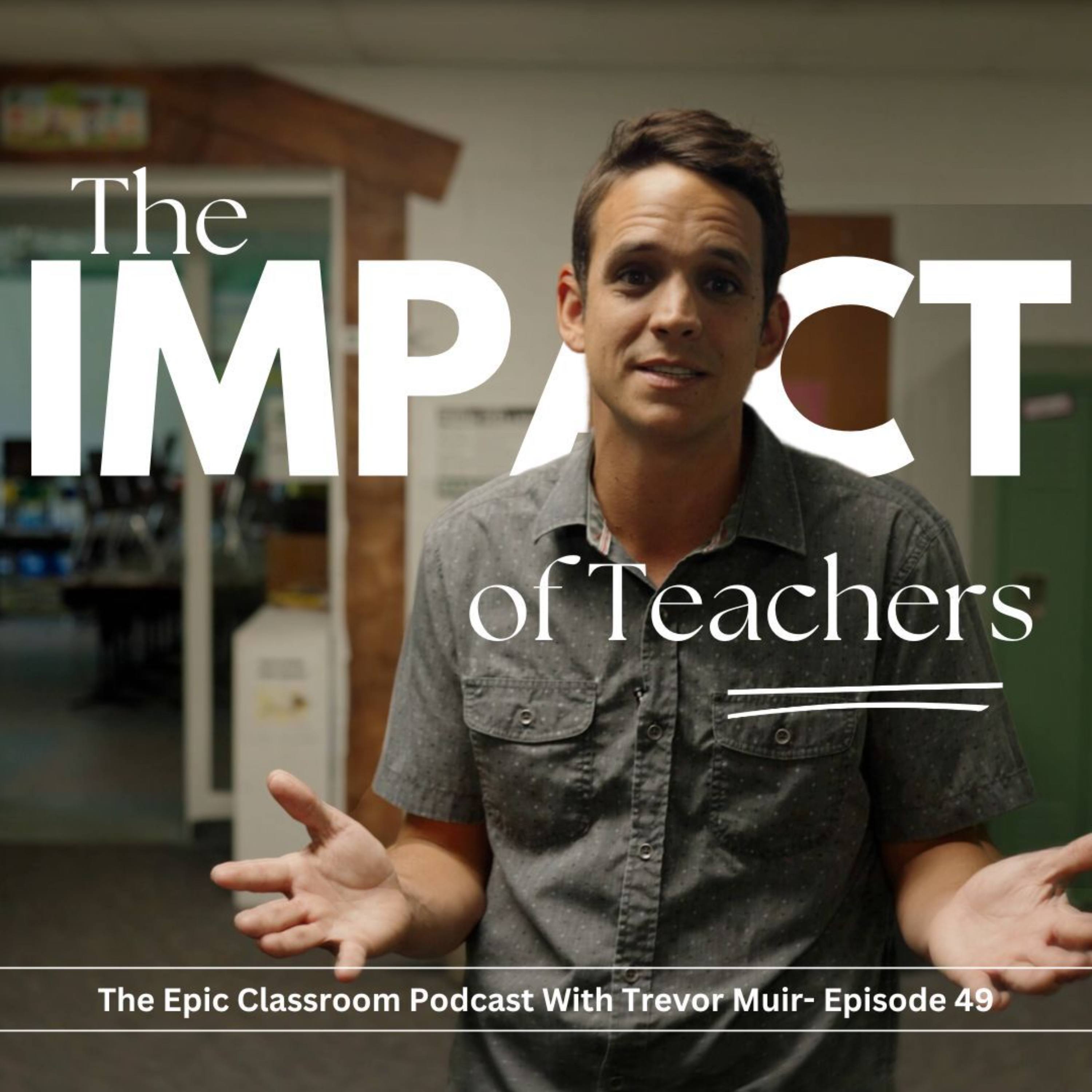
The Impact of Teachers
Some of our most impact childhood memories happen in school. Teachers and other educators have a massive influence on their students' identities, memories, and future. Let's dive into that and explore the brain science of why that happens and how we can leave our students with a positive impression of school.
Helping Students See the Bigger Picture
We all—educators and students— worker harder and smarter when we can identify the bigger picture of our work. That's what we dive into in this episode.
Holding High Expectations for Students
Let's talk about the importance of holding high expectations for students and some strategies to do it well.
Pre-order the New Teacher Mindset: https://www.amazon.com/New-Teacher-Mindset-Innovative-Strategies/dp/1394210086/ref=sr_1_1?crid=ETFBNFNCOW6W&keywords=new+teacher+mindset+muir&qid=1706209905&sprefix=new+teacher+mindset+muir%2Caps%2C108&sr=8-1
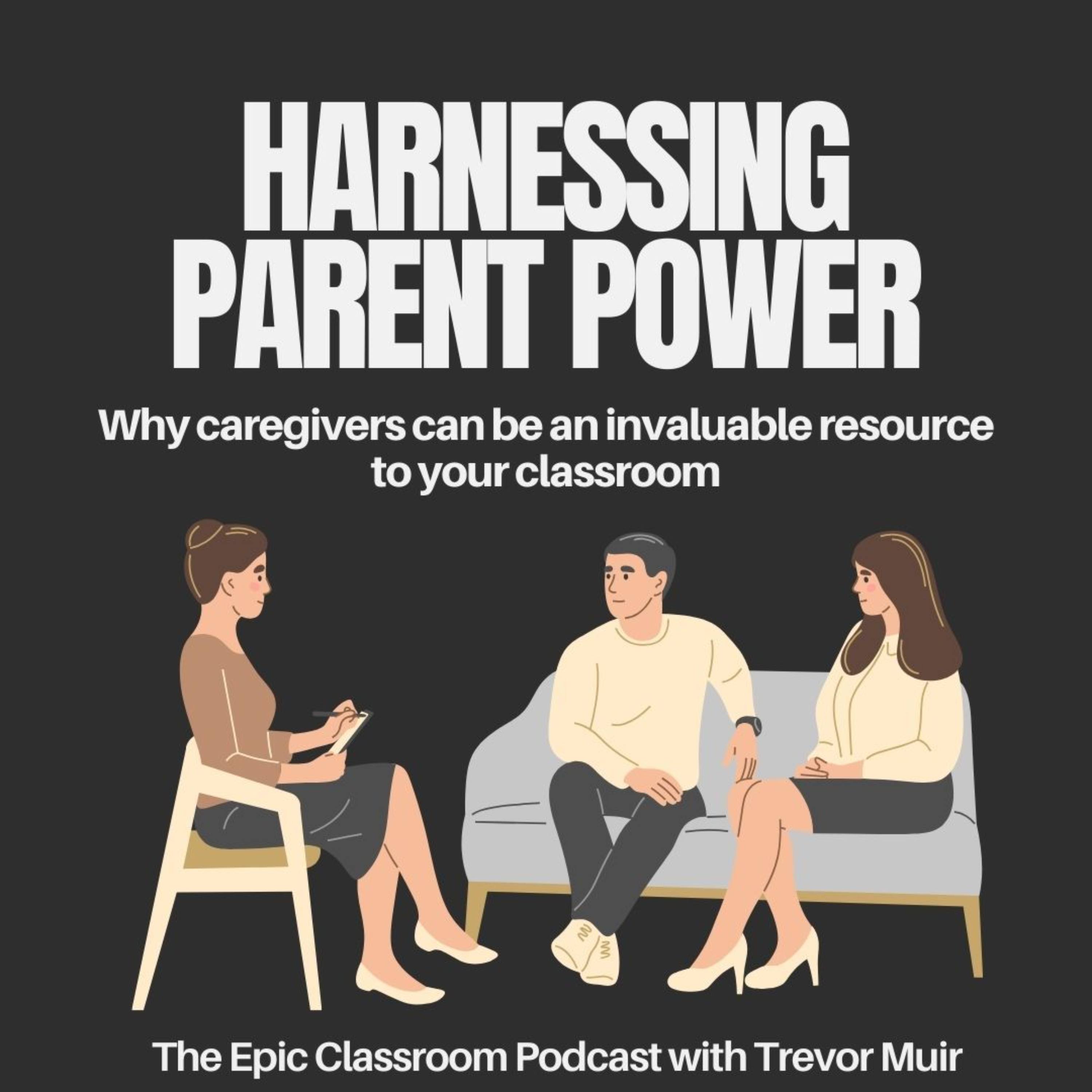
Harnessing Parent Power
Why caregivers can be an invaluable resource to your classroom.
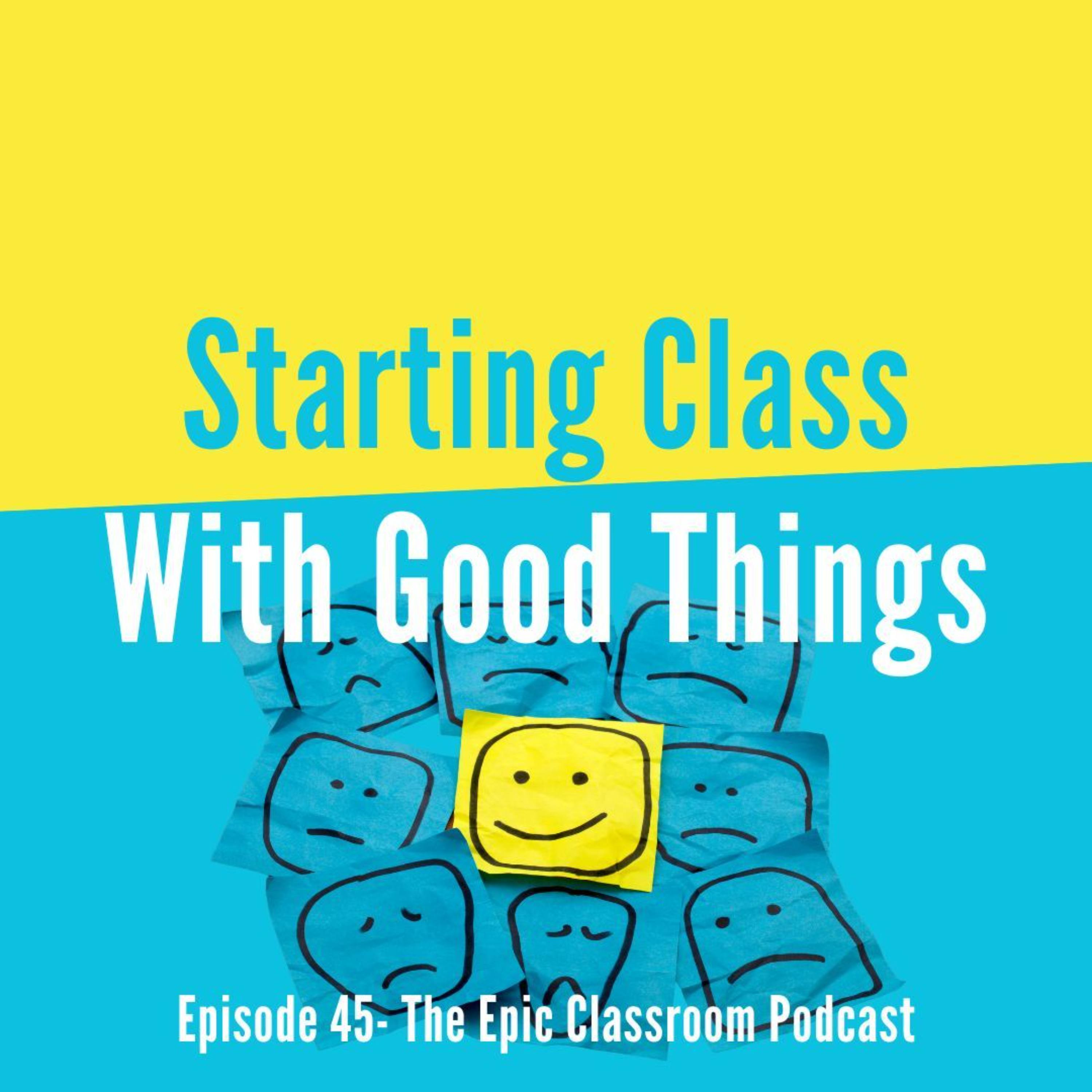
Starting Class With Good Things
"Good Things" is a calculated way for students to get the most out of every class period. Like many teaching approaches, while not always obvious, there is a method to the madness. It is a routine to help establish classroom culture, a shared set of values that unify the group and create a sense of cohesion. These collective values form the foundation for all of the learning that hap
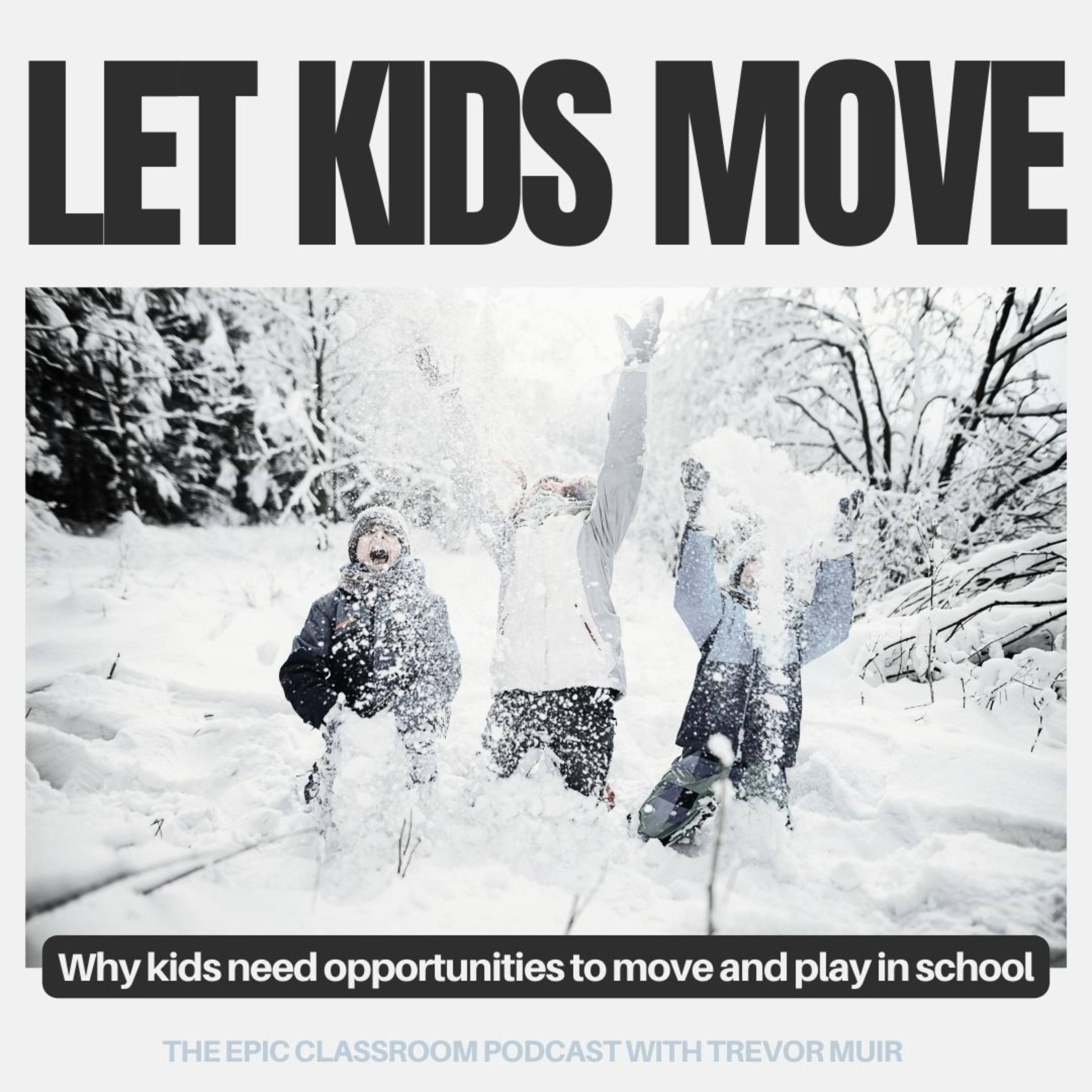
Let Kids Move: Why kids need opportunities to move and play in school
I live here in Michigan, And we've had a whole string of snow days lately. And for my kids it's been like an endless recess. sledding and snow forts and snowball fights, and getting together with the neighbor kids and playing for hours and hours outside. It’s felt like the good old days, before video games and tablets. It's been cold, but for an eight and a 9-year-old, there's nothing qui
Becoming "Highly Effective" in the New Year
When I was a new teacher, I cared so much about earning the label of "Highly Effective" following my teacher evaluation. I've since learned the joy of labels wears off quickly, and the real joy comes from recognizing my own growth.
In this episode, we talk about this and how to spot growth in the new year.

The Value of a Fun and Joyful Class
Is the school week before the Holiday Break a big waste of time? Holiday parties, watching Christmas movies, not doing a lot of academic work—well, from the outside looking in, it might look like that, but I don't think it is. Celebrations, relaxing, having fun—these are some of the best parts of being human. I know I need fun in my work life, and so do kids. This is culture-building. Whe

Why Some Kids Hate Christmas
For many students, the holidays are a time of joy and anticipation. However, that often isn't the case for every student. The reality is, for some students, no school for 2 weeks means no regular meals for 2 weeks, no daily contact with teachers who love and care about them, and if you live where I live, often no warm air for 2 weeks. This is why you may notice certain kids act-out as a r

When a Student Hates Their Teacher
We've all been there. You pour your heart and soul into your work, only to have a student declare dislike- maybe even hate- for you as their teacher. That's what we talk about in this episode.

What GPA Really Means
I graduated from college with a 2.75 GPA. Not great. Then I received a 4.0 in my masters program. Did I all of a sudden become smarter in those two years? Did my brain grow exponentially after I earned my bachelor's degree? Or is GPA actually reflective of something else. Let's get into it.
PBL ChatGPT Prompt Guide
What Epic Classroom Really Means
You might see the word 'epic' and think BIG, EXCITING, or, FUN. But that's not what I mean when I use that word as it relates to the classroom. It means something much more powerful and significant than just creating enjoyable experiences for students. This is what dive into in episode 38. You're going to like this one.

Creating a Positive & Engaging Classroom Climate
Let's talk about creating a classroom climate that helps make students feel safe, secure, and ready to engage in this year.

36: There Are No Perfect Teachers
You don’t have to be perfect to get to know your students and build relationships with them. Perfection isn't required to make your class memorable and even fun. Heck, sometimes it won’t be memorable and fun, and that’s okay.
Students still learn and grow and fail and succeed in my imperfect classes.
35: The Community and Your Classroom
In this episode, we explore the critical role of educators in building meaningful connections with parents and community members to support student learning. We discuss the many benefits that come from establishing strong partnerships between schools and families, including increased student engagement, improved academic performance, and greater support for student well-being.
I share som

34: What's Fun Got to Do With It?
Kids like to have fun. Grown-ups like to have fun. We all like to have fun.
And it turns out, we often learn better when we're having fun. In the episode, we talk about the impact of adding elements of fun to learning units and the impact it can have on student engagement.
33: The Hardest Part About Teaching
I tried everything under the sun to connect with this student. I gave up my lunch hours to work with him on assignments. I let him come in before school and hang out with me, hoping the relationship would build some rapport. I tried calling home a number of times, but always the calls went to voicemail. Heck even for spirit week I wore one of his sweaters to match him in a desperate attem
32: From Problems to Projects
Coming up with engaging project and unit ideas takes a little creativity, but it's worth it to give students authentic and purposeful learning experiences. Here are my favorite ways to come up with engaging and meaningful project ideas.

31: Teaching How to Give and Receive Critical Feedback
Giving critical feedback can be a very difficult task for anyone, especially students who are working with their peers. It is the job of the teacher to model this process, and show how being critical can be different than being negative.
30: What's the Point of Grades?
Are grades meant to reflect how much a student has learned; a snapshot of their knowledge and skills at a specific moment in time? Or are they a measure of work ethic and integrity? Is it possible to do both? Let's dive into it.

29: Using Service Learning to Boost Student Engagement
What if the primary motivation for learning wasn't grades or pressure from parents or teachers?
Research shows that when students are engaged in service learning, they experience measurable growth in social, behavioral, emotional, and cognitive development. And I think we could all use more student engagement right now. Let's dig into it.
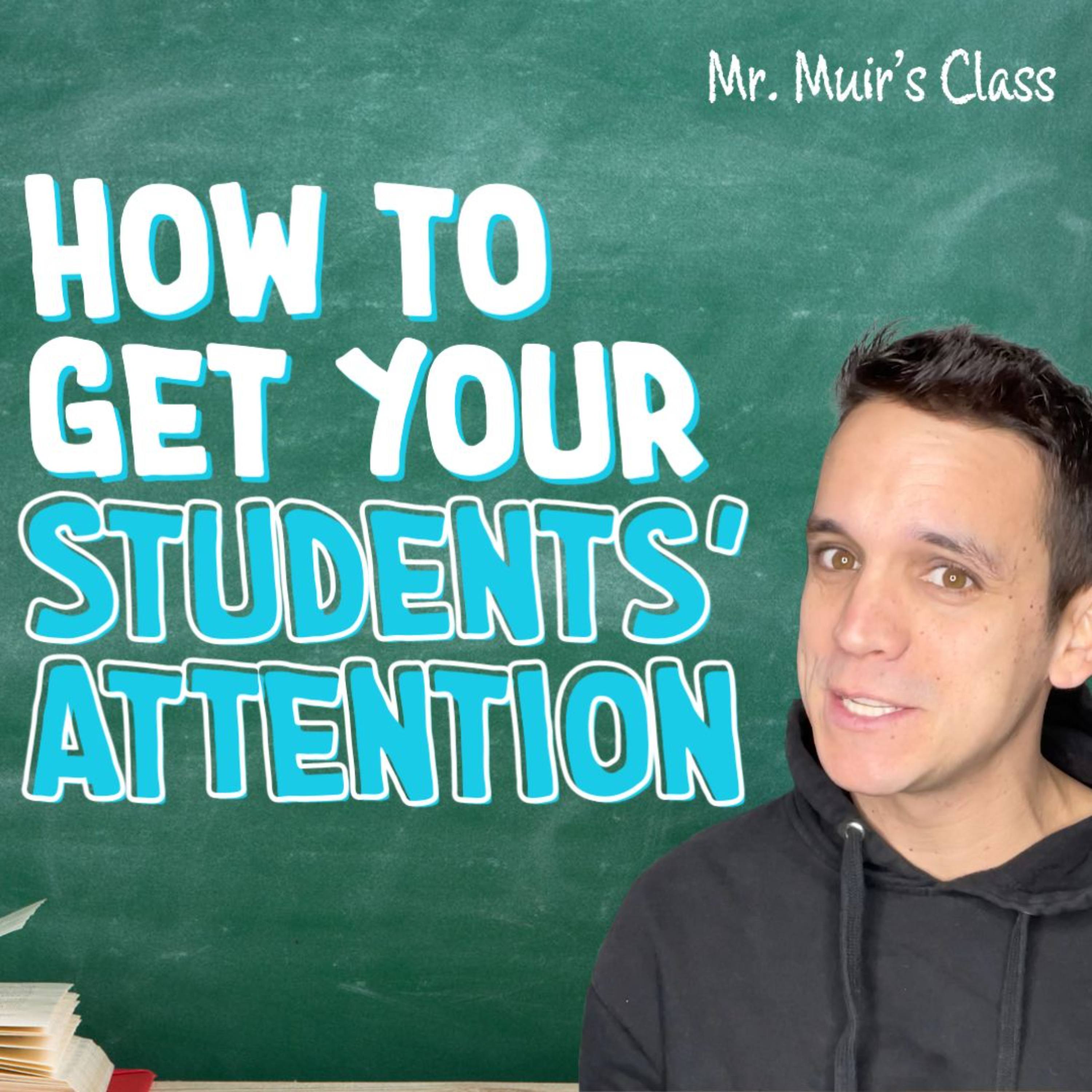
28: How to Get Your Students’ Attention (Without losing your cool)
Most teachers have been through this exact scenario: You try to start class with a line like, “Okay everyone, we’re going to get started.” And a couple students might glance up at you, indignant that this adult is bothering them. So a little louder you say, “Everyone! Time to start class!” This gets the attention of a few more students, but still the majority of kids keep talking to each
27: Developing the Ideal Graduate
When we see young people struggling in the workforce, or data that shows that the top reason people are fired from their jobs is because they don’t have soft skills, I think we have to ask if these skills are being emphasized enough. When standardized tests are primarily focused on one piece of the ideal graduate, or college admissions just look at GPA and test scores, it has a ripple eff

26: Why Artificial Technology Won't Cancel English Class
Last week some Artificial Intelligence technology called ChatGPT was introduced, and it’s got a lot of people freaking out.
The Atlantic had a headline that asks, “Is the College Essay Dead?” A Forbes headline says, “Teachers Fear ChatGPT Will Make Cheating Easier Than Ever.” The website asks, “Could an AI bot be writing students’ homework?”
The reason there’s a bit of alarm right now is

25: Wisdom From a 50-Year Teacher
This might be my favorite episode yet. I sat down with Dr. Sheri Steelman, a teacher of 50 years, published author, inspiring human, AND my mentor teacher during student-teaching. Sheri shares wisdom from her many years in the classroom and how she's adapted to the many changes in the world of education.
Sheri's new book: https://www.amazon.com/Walking-Shakespeares-Shoes-Co

24: Teaching Students How to Ask Good Questions
Asking questions is an essential skill. It's how we express our curiosity, solve problems, engage in public discourse, and gain deeper understanding of what we are learning. In this episode, I share some concrete ways to helps students generate deeper, more productive, and effective questions.
Get the Question Formulation Technique Poster FREE here: https://www.trevormuir.com/bl
23: Ditching Teaching Practices That Don't Work
Educators are so often given new ideas and strategies to get better at what we do, but we don’t have space for them. There’s got to be room to grow, and sometimes that means making room by discarding practices that aren’t working like they use to, or never worked and you are finally realizing that.
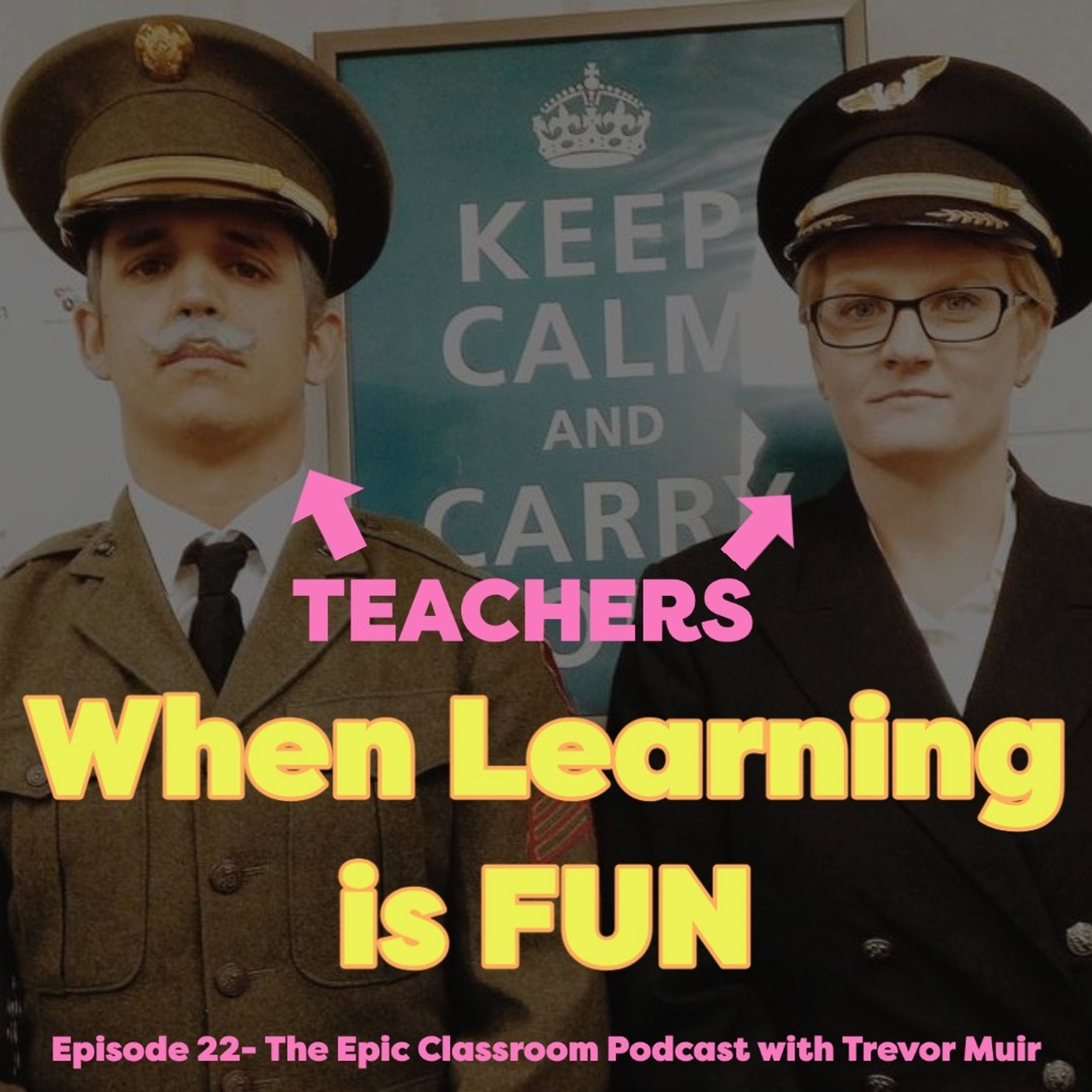
22: When Learning is Fun
What might come across as chaos might actually be a carefully planned and executed project, one that is fun on purpose. When learning is fun, it is likely engaging. And more engaging learning usually means deeper learning.

21: Let's Talk About Boredom and Cell Phones in Classrooms
Our culture has a problem with boredom, and yet boredom is the birthplace of creativity. It's where the best ideas come from, solutions to problems, and the satisfaction of gritting through boredom to find the payoff. This is one of the reasons cell phones in classrooms might not be the best idea. In this podcast, I give my hot-take on why cell phone bans might be the best idea.
20: Not Taking it Personal (When a student says they hate you)
Has a student ever said something AWFUL to you and you took it personally?Me too.This is what we talk about in the latest episode of the podcast.
It's easier said than done to not take it personal when students say hurtful things. But what if it's not actually personal?
Let's talk about how to respond to a student when they are deliberately trying to get under your skin, and h

19: Teaching Students to Socialize Again
Because of all the disruption caused during the pandemic, many teachers have seen students struggle to socialize and interact with one-another. In this episode, we talk about concrete ways to get students talking, interacting, and socializing with each other again in the classroom.
18: What's Actually Happening in Schools
There's a lot of noise about "what's happening in schools" right now. So let's talk about what's really happening in classrooms across the country.

17: Teaching Outside the Comfort Zone
No one likes being uncomfortable, yet brain science shows that the most growth happens outside of the comfort zone. When we are exposed to new scenarios, new challenges, and new adventures, our brains literally grow and we become more capable of solving problems and thriving in our work.
It's neuroplasticity, and it is fascinating.
In the latest episode of the podcas
16: Reigniting Passion For Teaching After A Difficult Year
For a lot of educators, this year has delivered a beating, and the passion for teaching is waning. Here are strategies to reignite your passion for teaching after an abnormally challenging year.
15: Teaching in 2022
Remember at the beginning of the school year when there was this great hope that school would finally get back to normal? "Covid is over, things have settled, we can finally have the great year we've been waiting for!"
Most educators would agree that didn't happen.
So is there any point in holding out hope for a better year next year? Let's talk about it.

14: Are Desks in Rows a Bad Thing?
Are desks in rows a bad thing? Are rows outdated and therefore should have no place in the modern classroom?
Good question.
This is what explore as well as other aspects of classroom design to maximize learning and engage students.

13: Why We Need Veteran Teachers
There are many parts of teaching that can only be learned from experience, OR from those who are experienced.
Here's why it is so crucial new and young teachers learn best practices from veteran teachers.
12: Finishing Strong This School Year
Summer Break may be close, but it also feels a long way off. You may be running on empty right now as you search for inspiration and energy to make it through the rest of the school. So let's talk about some ways to find energy in your work as an educator and help students finish strong as well.
11: Getting Students to Participate in Class Discussion
The bad news: As social media and cell phones become more prevalent, it seems strong discussion skills are become more scarce. The good news: People can learn how to discuss! Discussion skills can be re-strengthened and taught. This is why discussion should be one of the key pillars in the classroom. In this episode, we talk about ways to teach student how to discuss and share strategies
10: Overcoming Spring Burnout
The Spring can be one of the most difficult times of the year to be a teacher. The energy and excitement from the beginning of the school year may be waining, testing looms, behavior problems are high, and Summer Break is still a ways off. Many teachers hit the Spring Wall this time of year.
In this episode, we talk about concrete ways to make it past the Spring Wall and have a
9: No Schoolwork For a Month
True personalized learning is often unconventional. One-size-fits-all doesn't work for every student, and so teachers sometimes have to adapt their practices to meet their needs, and this often means breaking the norm.
In this episode, we talk about the need to be unconventional to meet student-needs, what this can look like on teacher evaluations, and why my high school English teacher l
8: The Secret To Working With Helicopter Parents
Of course I think parents can be overbearing sometimes. I’ve seen my fair share of helicopter and lawnmower parents, and have even seen an uptick in this behavior the last 10 years. However, I think dismissing them with a label misses out on a huge opportunity. The fact is, parents can be overbearing because they want what’s best for their kids and don’t always believe teachers share this
7: The Best Way to Build Student Confidence
According to a survey conducted by entrepreneur.com, lacking confidence is one of the key reasons young people get fired from their jobs. Not having the courage to make firm decisions and take concrete action leads to a lack of productivity.
Building confidence and assurance in oneself starts at a young age, and there is something every educator can do to help their students grow this vit

6: Don't Smile Until Christmas
There's a common proverb that says a teacher "Should not smile until Christmas." Essentially, if a teacher is too friendly or fun with their students, students will take advantage and walk all over them.
Is this true? Is it possible to have fun with your students but also have a well-managed and respectful classroom?
This is what we talk about in episode 6 of The Epic Classroom Podc
5: Let's Talk About Scripted Curriculum & Trusting Teachers
Scripted or boxed curriculum might be convenient and maybe even safer sometimes, but it can restrain teacher creativity and limit student engagement. Not to mention, what message does it send to teachers that they cannot be trusted to have a say in what and how they teach?
However, it's also a reality for many educators, so let's talk about how to still be creative and work within th
4: Why We Hate Group Projects
Ask anyone why they hate group projects and you'll likely hear the same response: either hogs or logs.
Hogs are those group members who take over the bulk of an assignment or project, not allowing other group members to participate. They hog the projects.
Logs are the opposite, one's who ride on coattails, doing nothing and yet reaping the benefits. They just sit there, still and stagnant
3: What Getting in Trouble with My Principal Taught Me About Setting Goals
I once had a guest speaker share his success story with my class. A student afterwards asked where he went to college, and the speaker said he didn't go to college.
That student, who struggle academically up to that point, was inspired that there might actually be a career path for him.
My principal on the other-hand, was not happy that there was any kind of messaging in my class that was

2: It’s Okay If Your Class Is Sometimes Boring
A boring classroom does not inherently mean a disengaging one.
When I was a young teacher, I did everything in my power to NOT let my class be boring. Boredom was the enemy. But what if boredom does not mean lack of engagement? What if we could rethink what student engagement actually means?
What if boredom isn't the enemy?
trevormuir.com
https://www.ascd.org/el/ar
1: Teaching is a Creative Profession
There's a common misconception (mostly from outside of education) that teachers are merely 'deliverers of content,' and even worse, 'babysitters.'
This episode takes those notions apart, and explores why teachers and all educators are actually creatives.
The work of a successful teacher takes immense creativity. Designing engaging work for students, having the ability to constantly improv
Recommended

Take Back Your Health®

CBS Radio Mystery Theater | Old Time Radio

Solved Murders - True Crime Stories

紐約鳥|New York Aperture

The Swerve Podcast: Obscure Topics | Conspiracy Theories

The Bread and Banter Podcast

The Church of What's Happening Now: The New Testament

Busted Open

Deadline: White House

Crickets Corner

History of the Earthquake and Fire in San Francisco

Fox news
