
Geology Bites
Geology Bites explores the forces that shape our planet, from moving continents and rising mountains to volcanoes, earthquakes, and ancient climates preserved in rocks. Host Oliver Strimpel, a former astrophysicist and museum director, talks with leading Earth science researchers about their discoveries and methods. Each episode digs into how scientists investigate the deep history and dynamic processes of the Earth. More information and supporting images are available at geologybites.com.
Episodes
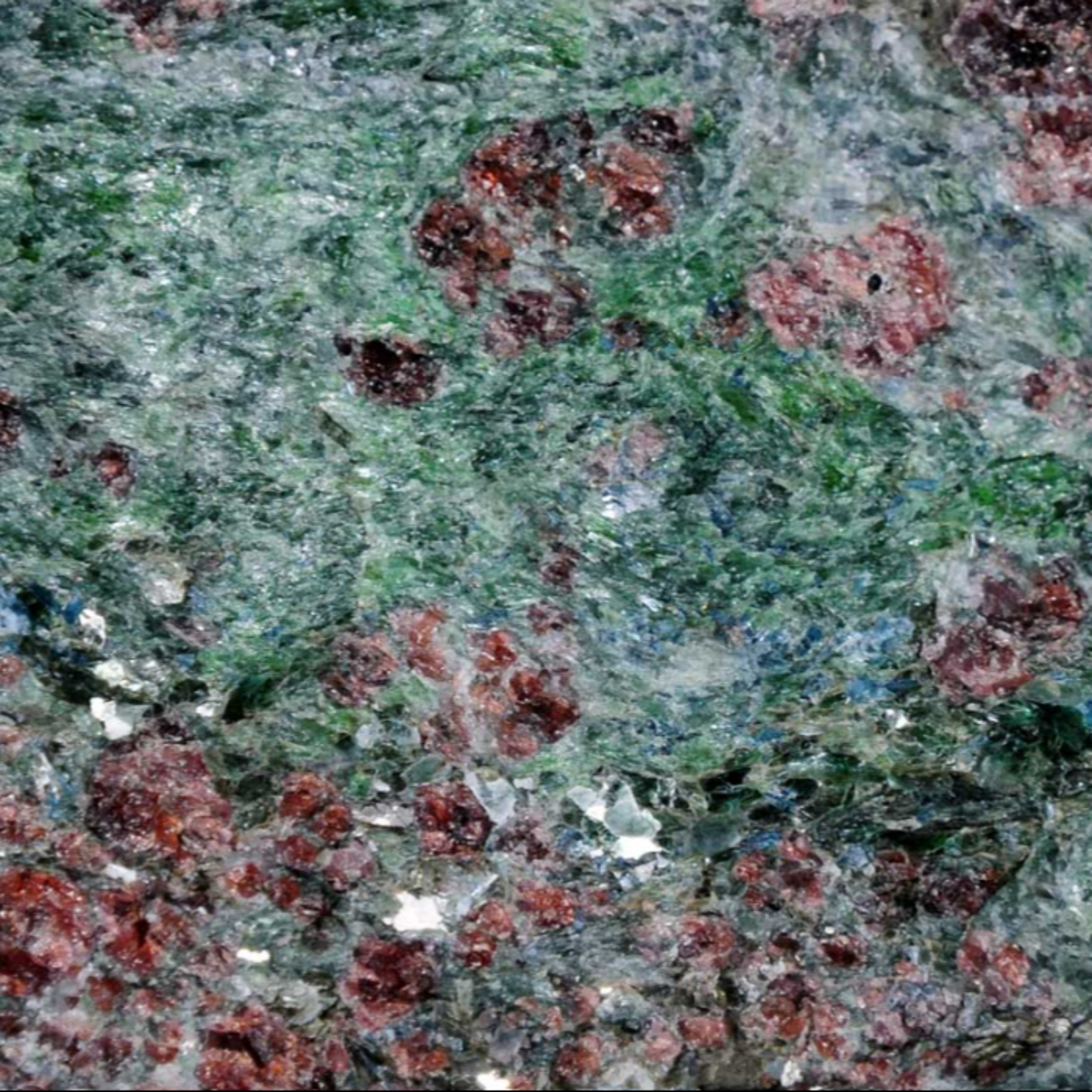
Torgeir Andersen on Ultrahigh-Pressure Metamorphism
Continental crust is buoyant, which is why continents stand high above the ocean floor. Yet rocks in western Norway contain microscopic grains of coesite, a form of quartz that forms only under pressures found about 100 km down. A slab of continent was dragged deep into the mantle, and then came back up. In this episode, Torgeir Andersen, Professor Emeritus at the University of Oslo, explains how
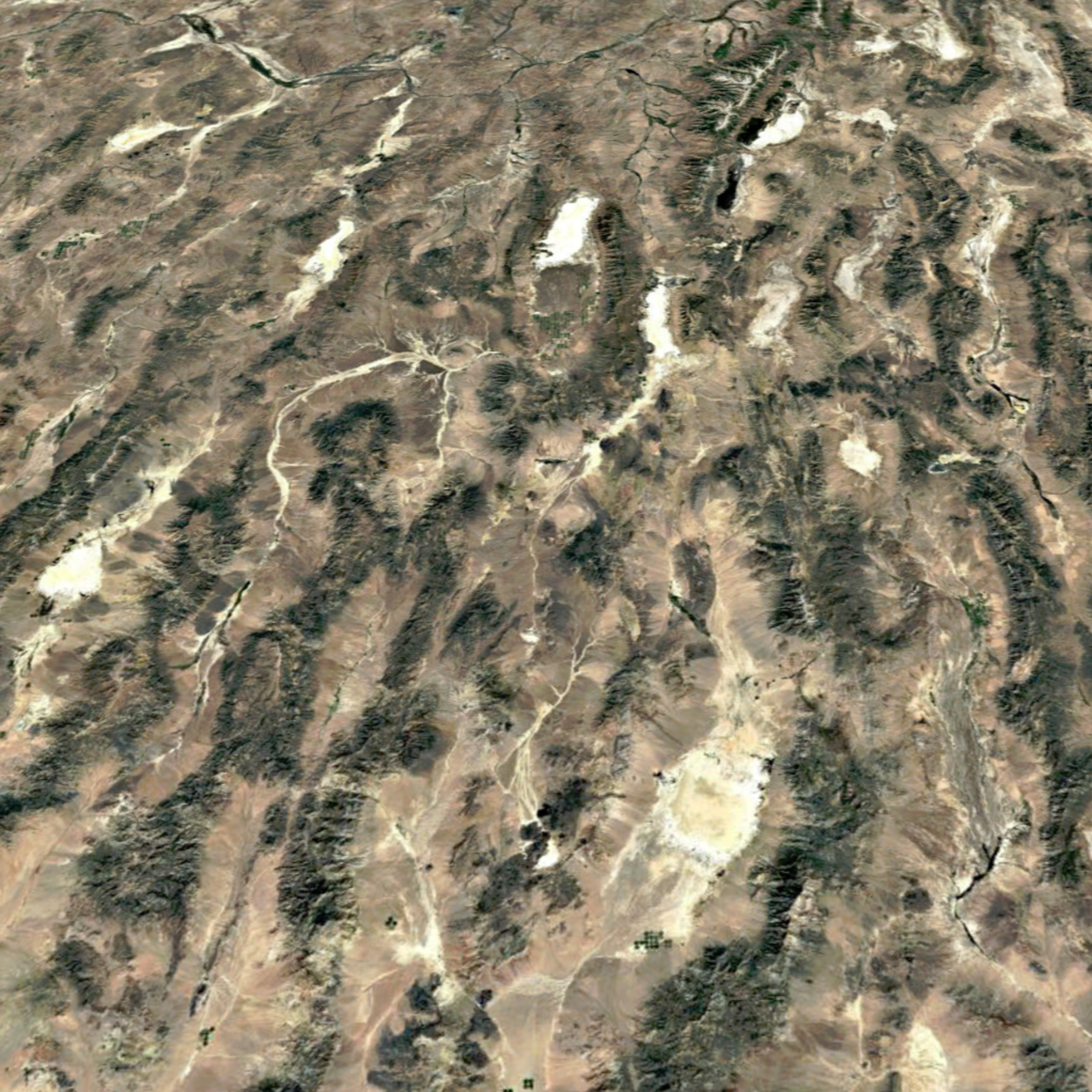
Brian Wernicke on Lithospheric Extension and the Basin and Range Province
Where tectonic plates collide, the result is clear: the edge of a plate crumples and throws up a mountain belt. But where a plate is stretched rather than squeezed, the evidence is usually lost, because the thinned lithosphere subsides and the basins that form fill with sediment.The Basin and Range Province of the western United States and northwestern Mexico is the great exception. Between the Co
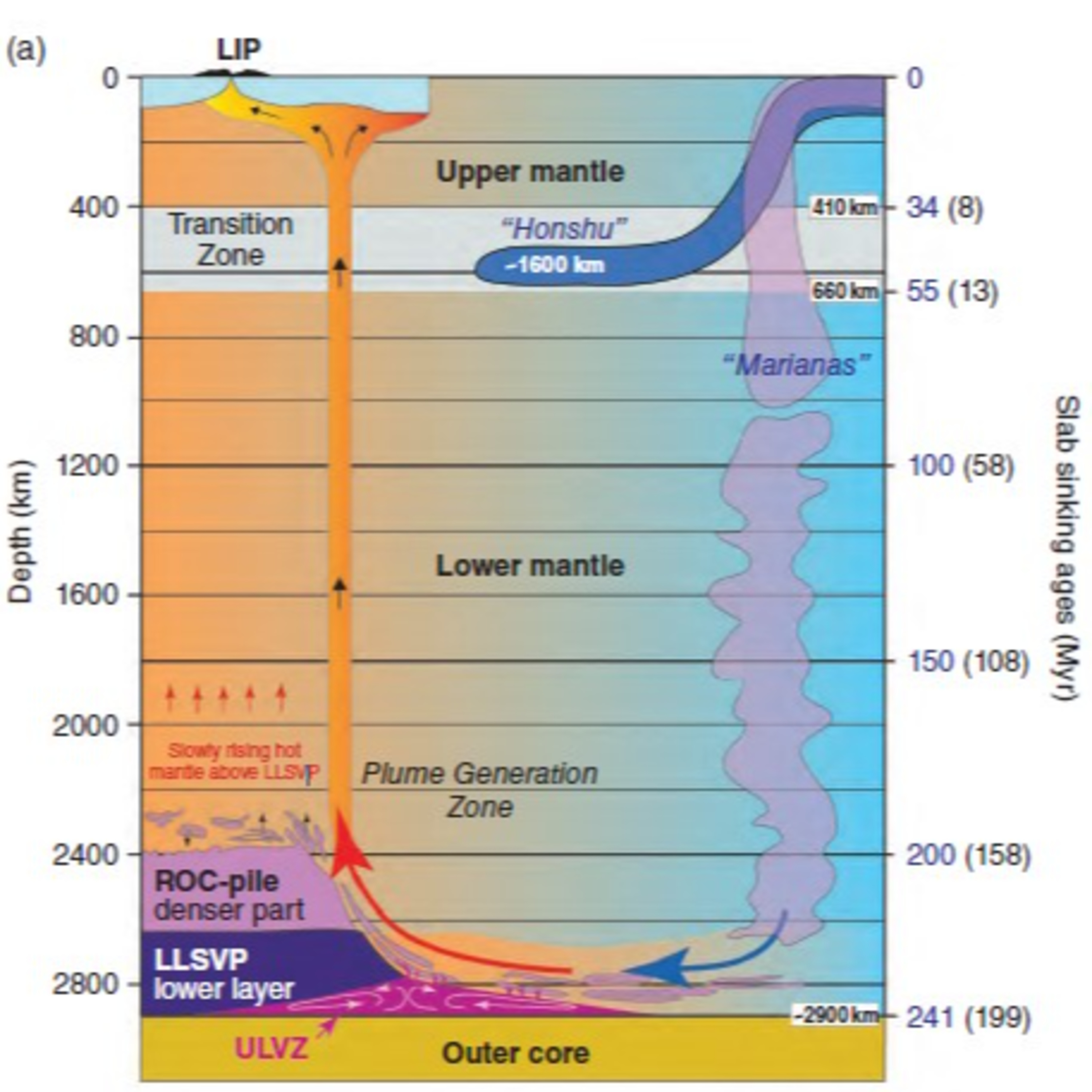
Bernhard Steinberger on Whether Hotspots Are Fixed
Volcanic island chains like Hawaii record the passage of a plate over a hotspot — a plume of hot rock rising from deep within the mantle. For decades, hotspots were assumed to be fixed, providing a stationary frame of reference against which to measure the absolute motions of the plates. But are they? Bernhard Steinberger has spent his career modeling how mantle flow carries plume conduits sideway
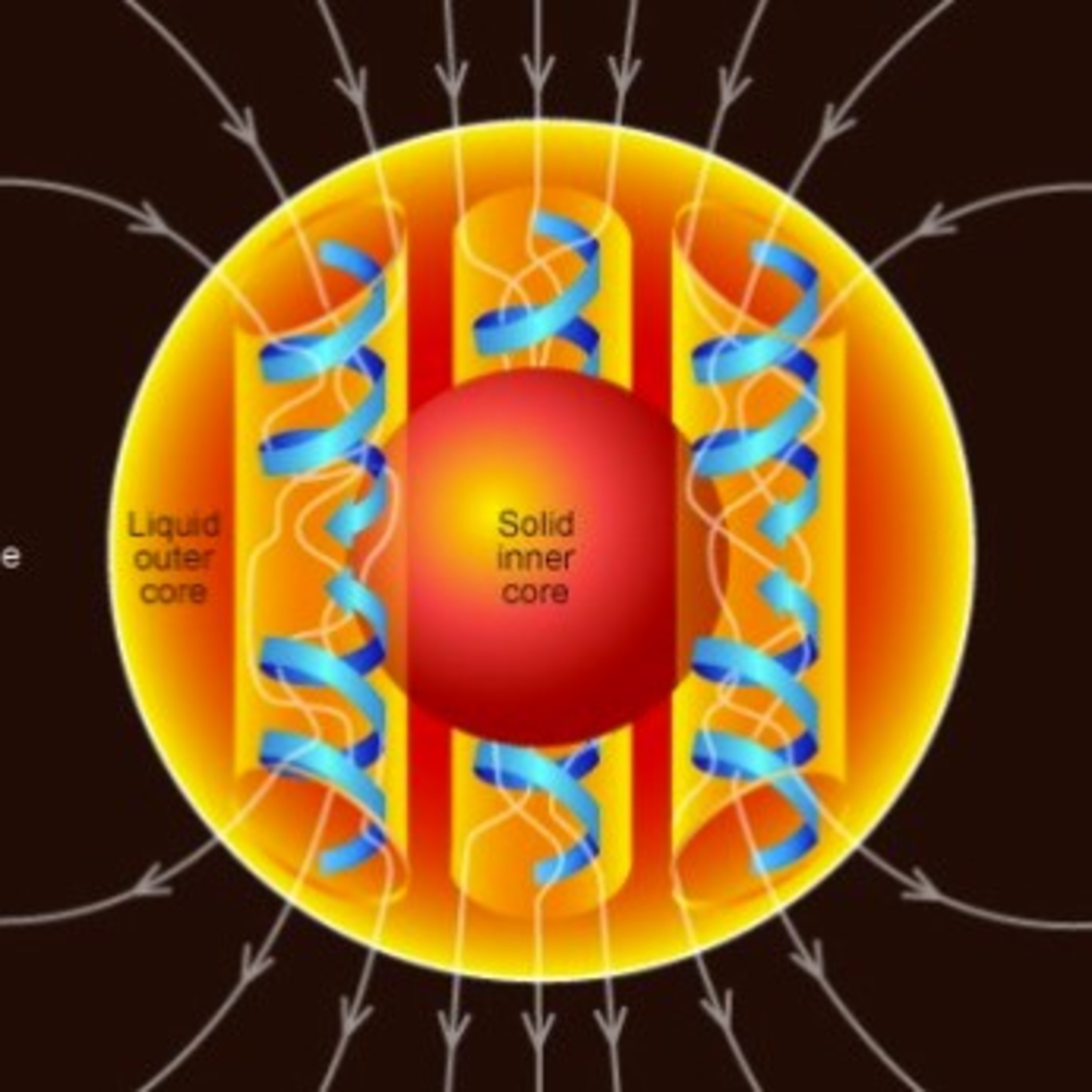
Sonia Tikoo on the Moon's Magnetic Field
We have known for decades that the Moon once generated a strong magnetic field — comparable in strength to Earth's — throughout the period from about 4.25 to 3.5 billion years ago. Only in the past few years have we learned that the field didn't simply switch off then: it weakened dramatically but lingered on, faintly, until as recently as 1.5 billion years ago, before disappearing entirel
Steve Brusatte on the Dinosaurs That Survived the Asteroid
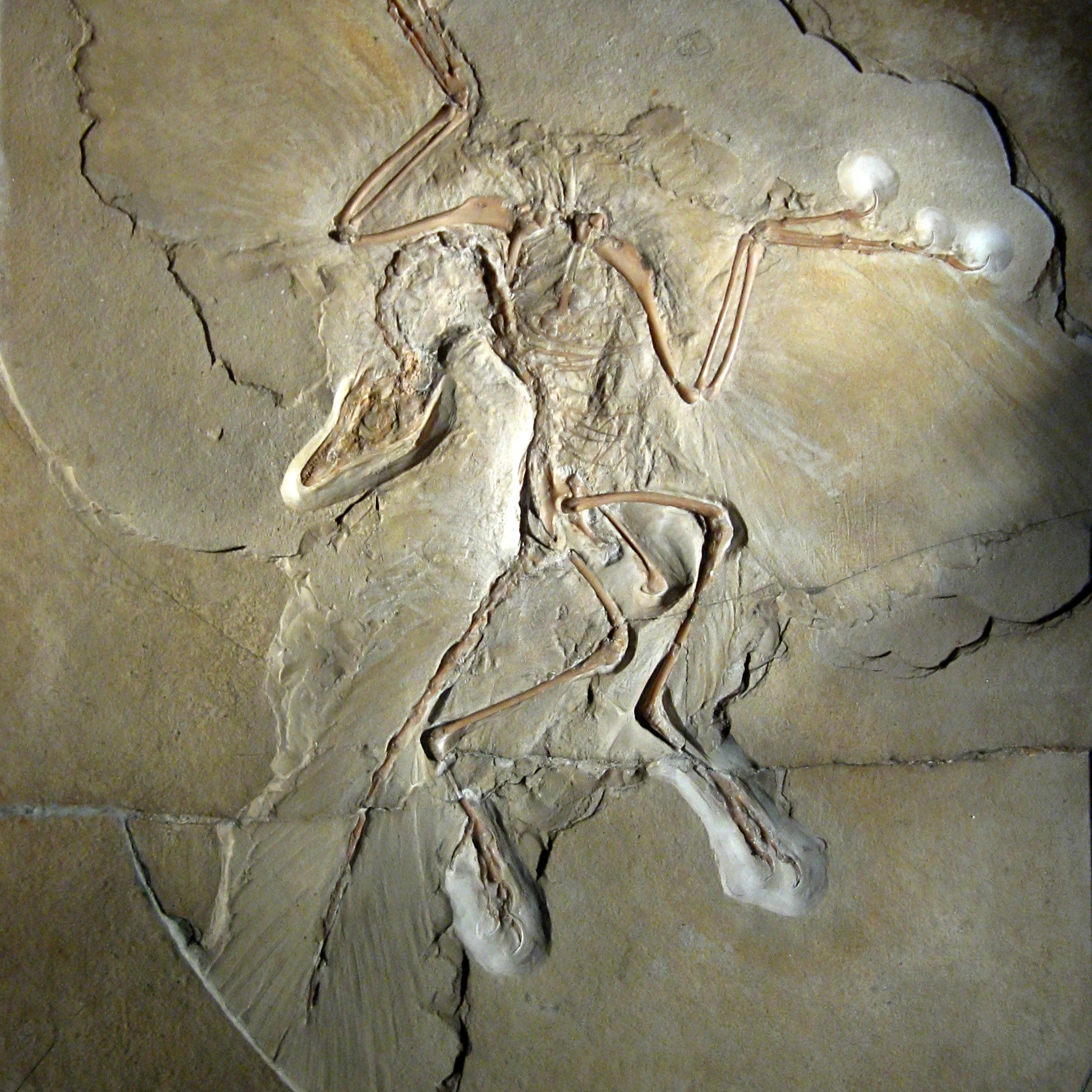
Birds are the only dinosaurs that survived the asteroid impact 66 million years ago — but not all birds did. In this episode, Steve Brusatte draws on the fossil record to explain which birds came through the extinction, and what set the survivors apart from the many that perished alongside the rest of the dinosaurs. He traces the evolutionary transition from ground-living theropods to modern birds
Alec Brenner on When Tectonic Plates First Moved
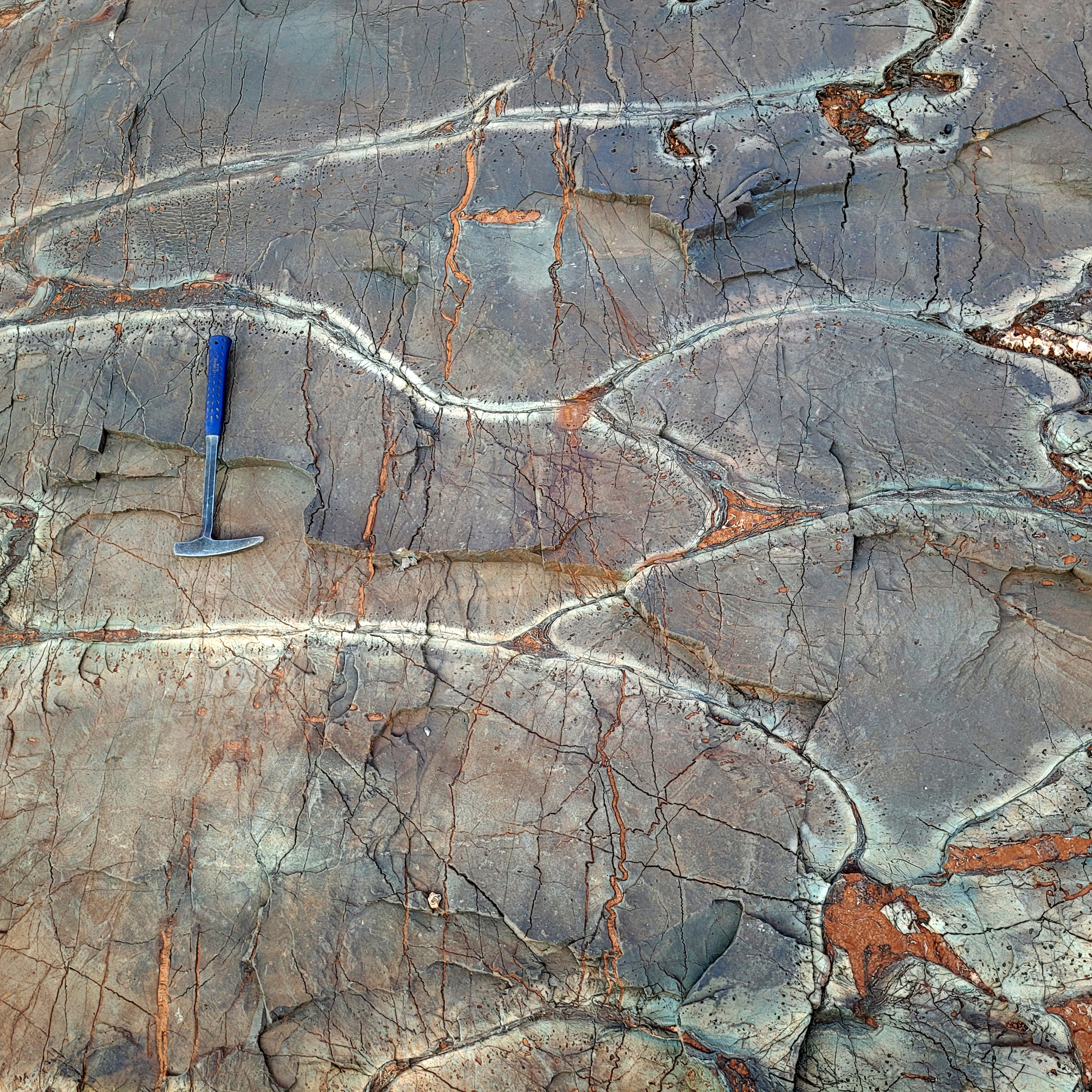
A key development in the history of the early Earth is the formation of lithospheric plates that move independently of one another. In this episode, Brenner describes how he used paleomagnetic methods to detect relative motion between two ancient cratons, the East Pilbara and the Kaapvaal, 3.5 billion years ago. This is a full billion years earlier than any previous such detection, and it enables
Materials in Extreme Environments
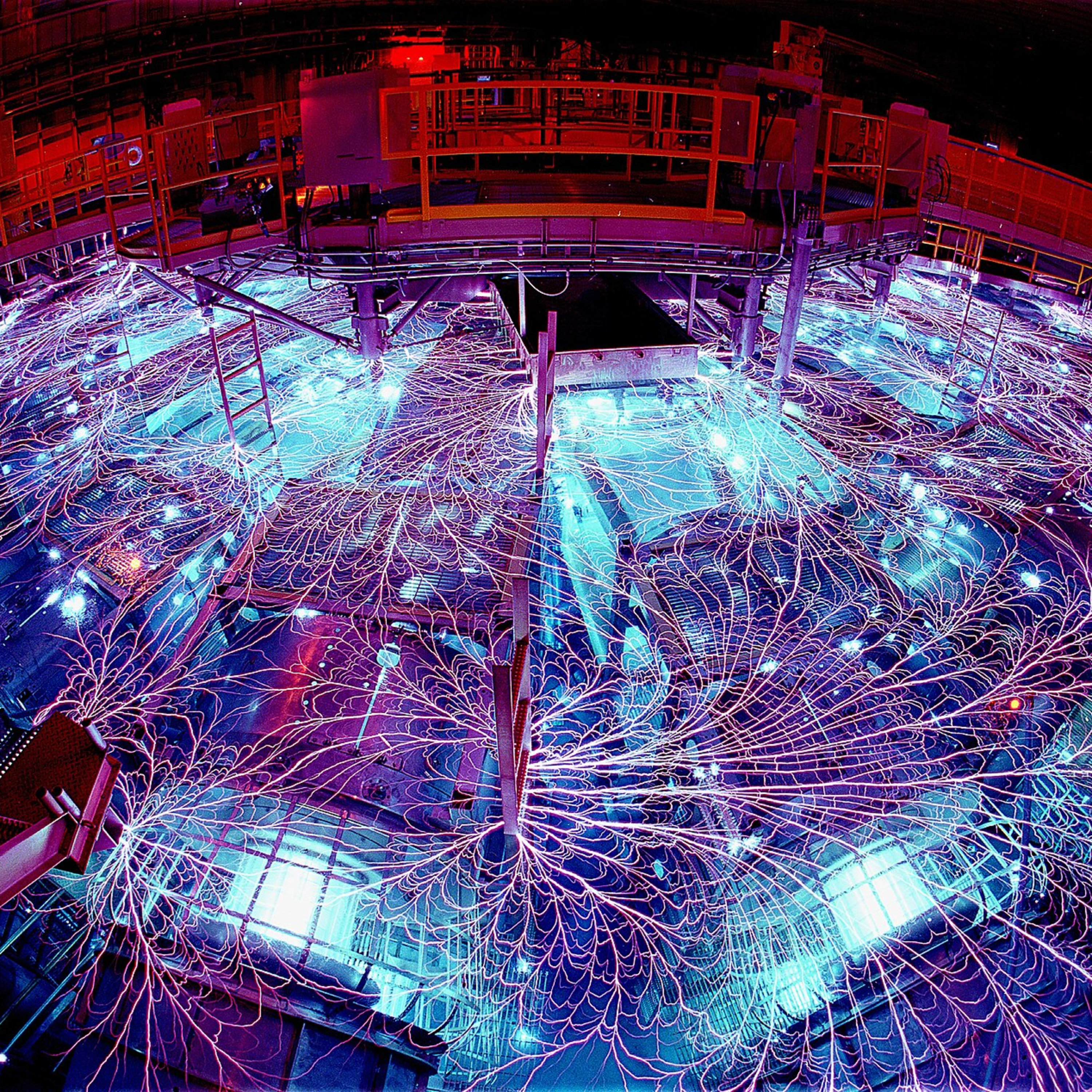
Most of the material in the Earth and other planets exists under extremes of pressure and temperature quite unlike those we inhabit on the surface of the Earth. Steve Jacobsen is a mineral physicist who studies how rocks and minerals behave under such alien conditions. In the podcast, we discuss his experiments and what we’ve learned about three extreme environments: the core-mantle boundary, the
Esther Sumner on Turbidity Currents
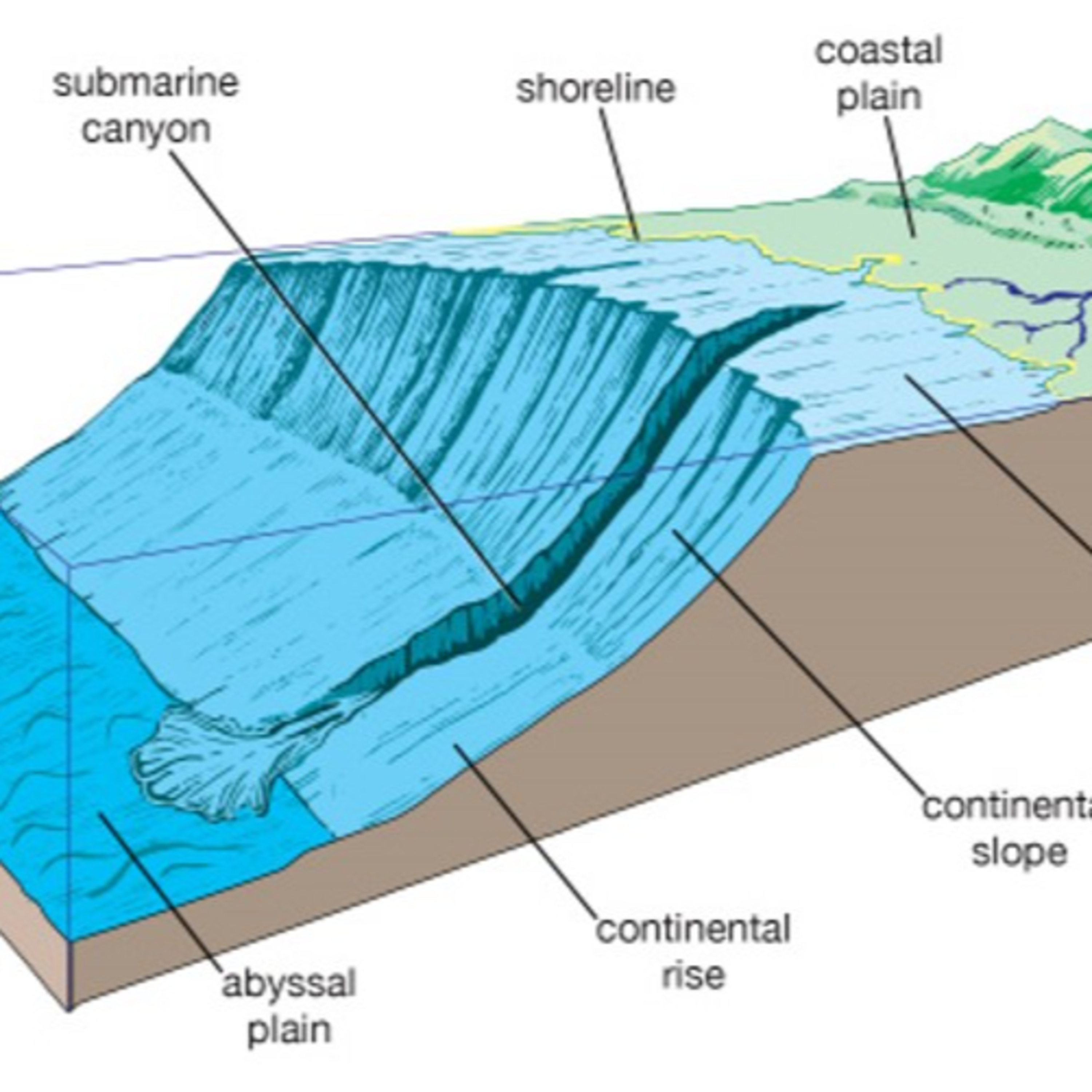
Though turbidity currents are massive and frequent underwater events, we have rarely observed them directly. Esther Sumner is one of the few researchers who has. In the podcast, she describes what it's like to instrument an active submarine canyon, what these flows have revealed about the way sediment moves across the seafloor — and the day her team accidentally flew an underwater robot into a
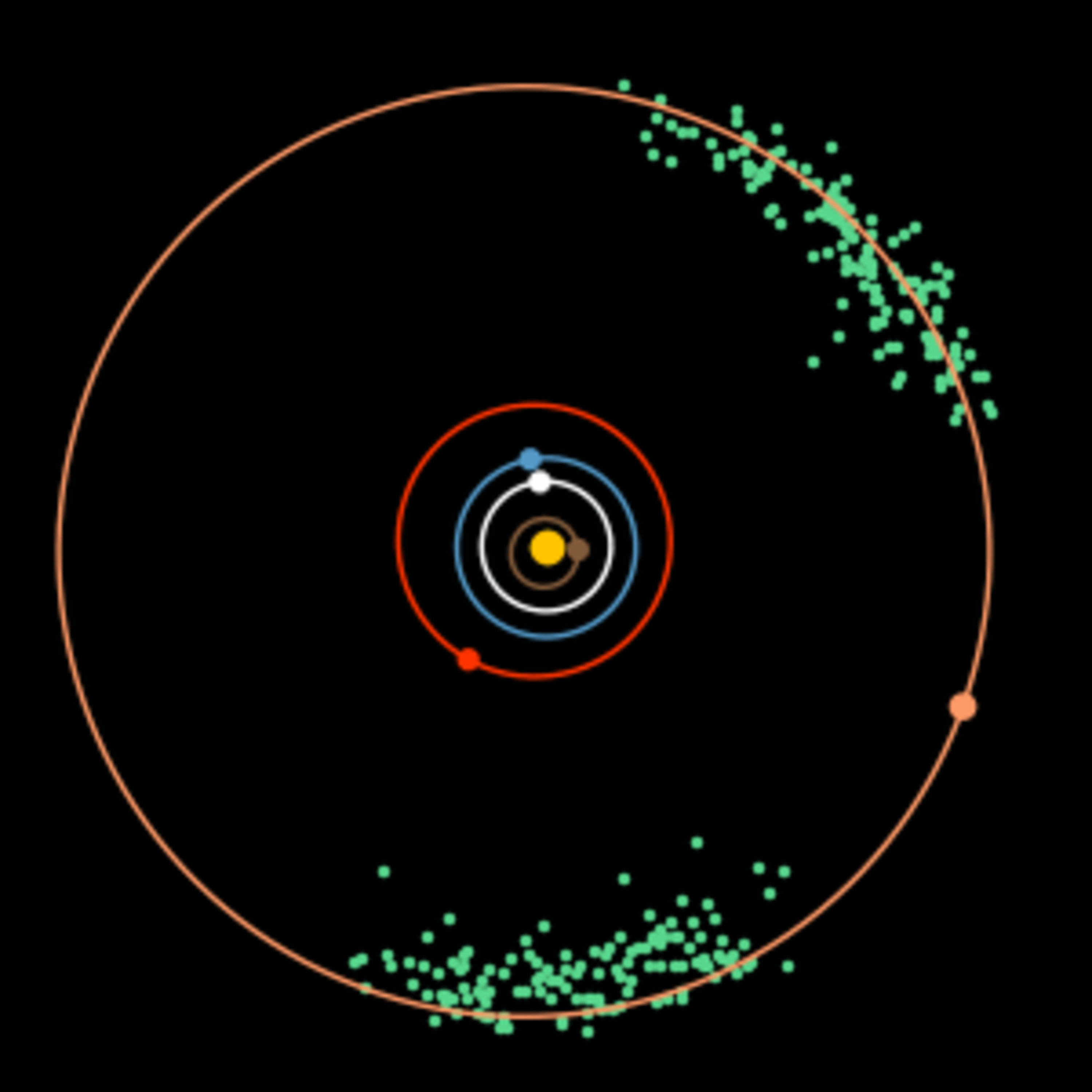
Hal Levison on the Mission to Jupiter's Trojan Asteroids
A key question about the early history of the Solar System is whether the giant planets formed roughly at the distances from the Sun they presently occupy, or, as some theories predict, much closer to the Sun. The discovery of other solar systems with radically different configurations of planets has made this question more pressing, since it appears that the configuration of the Solar System migh
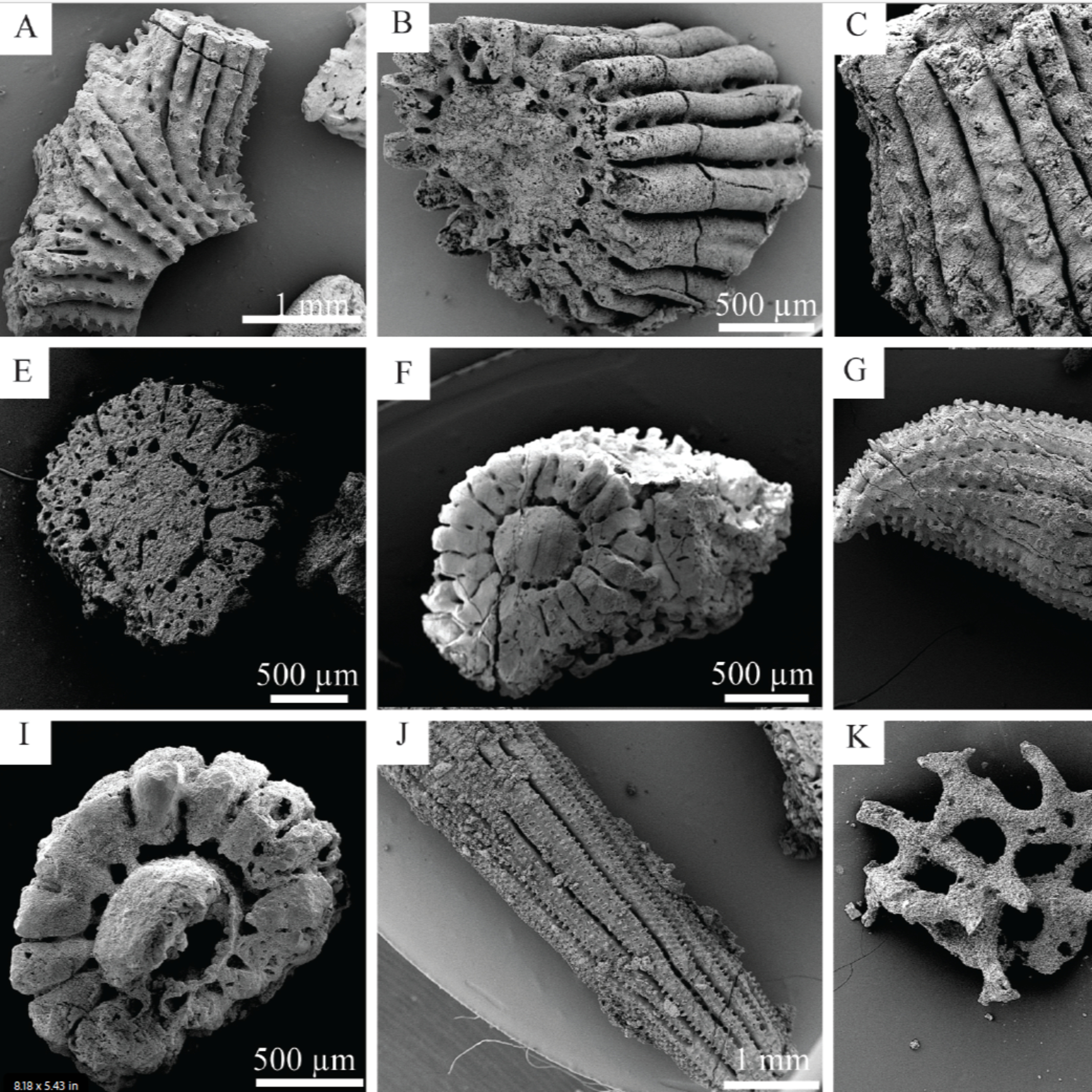
Sara Pruss on the First Reef Builders
The first multicellular animals to build reefs lived in the Early Cambrian around the time of the Cambrian explosion. They were sponges called archaeocyaths. In the podcast, Sara Pruss suggests that the rise of the archaeocyaths fostered an increase in animal diversity. But they were relatively short-lived, and when they died out in the Middle Cambrian, the diversity declined. Over geological tim
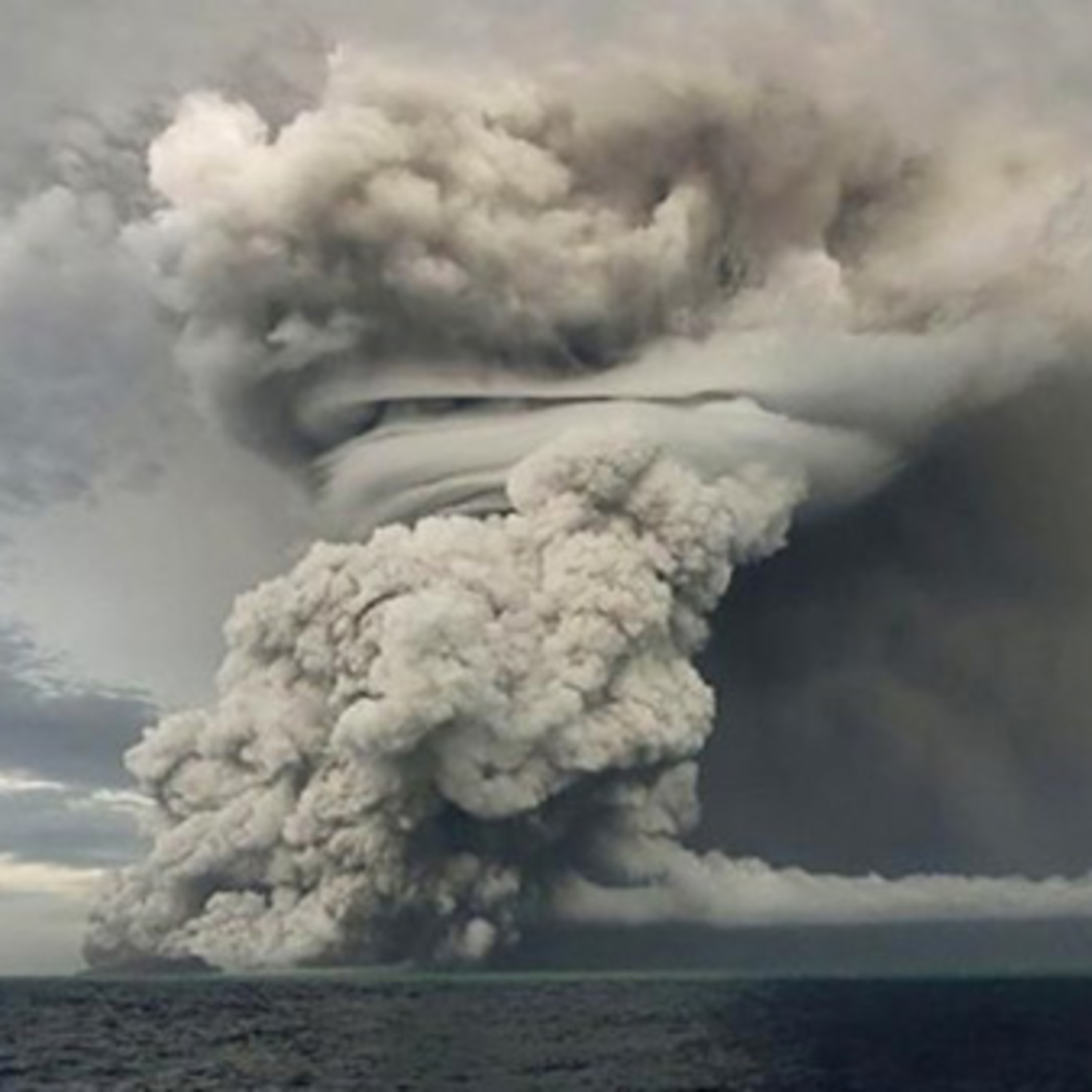
Michael Manga on Wet Eruptions
Water can have a dramatic effect on the style of an eruption. In the podcast, Michael Manga explains how the most powerful eruptions, such as the 2022 Hunga Tonga eruption, occur when hot magma comes into contact with water and suddenly generates vast quantities of steam. Water dissolved in magma as it rises to the surface and depressurizes can also drive destructive volcanic eruptions. Manga al
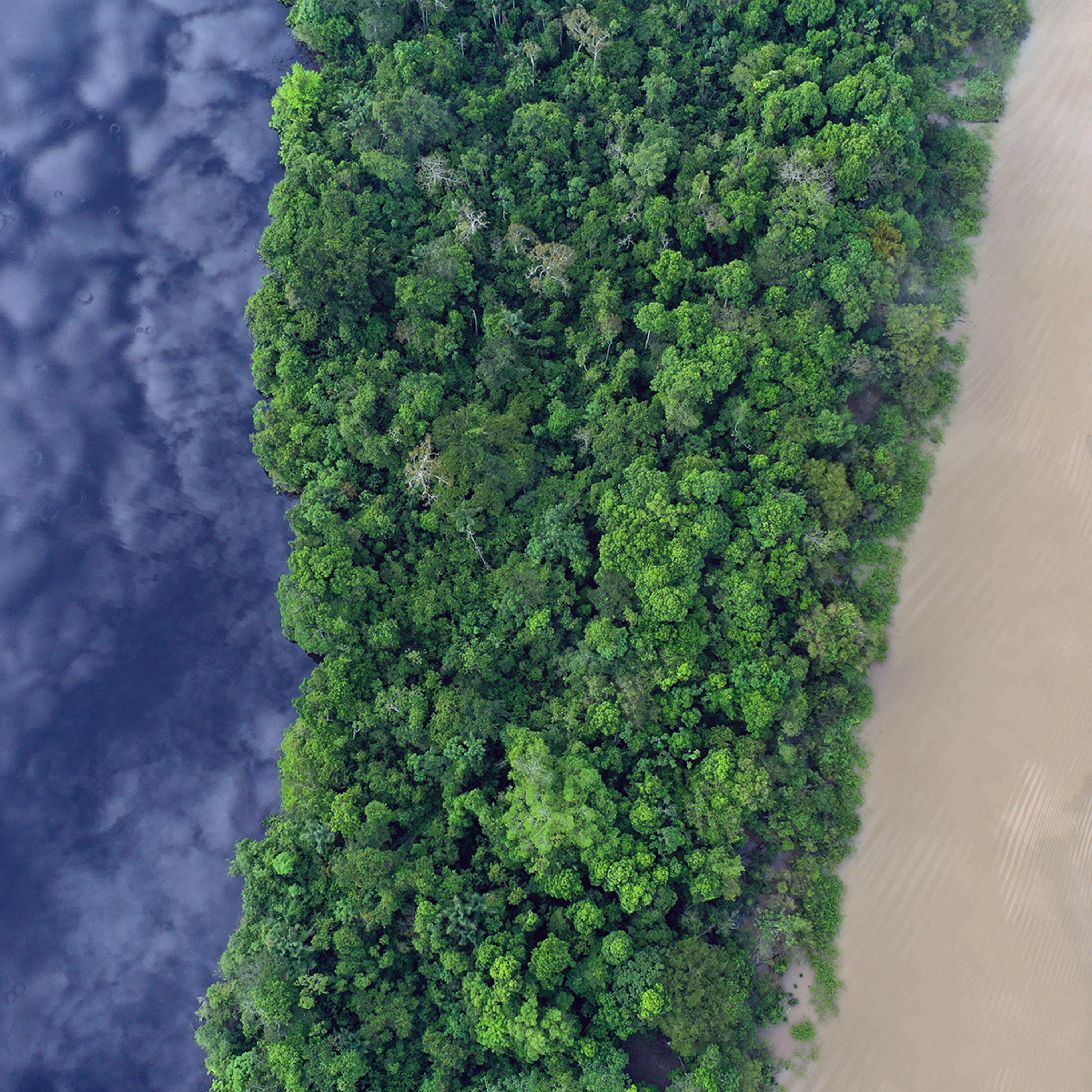
Carina Hoorn on the Evolution of the Amazon Basin
The Amazon Basin is the most biodiverse region on Earth, being the home of one in five of all bird species, one in five of all fish species, and over 40,000 plant species. In the podcast Carina Hoorn explains how the rise of the Andes and marine incursions drove an increase in biodiversity in the Early Miocene. This involved the arrival of fresh river-borne sediments from the eroding mountains an
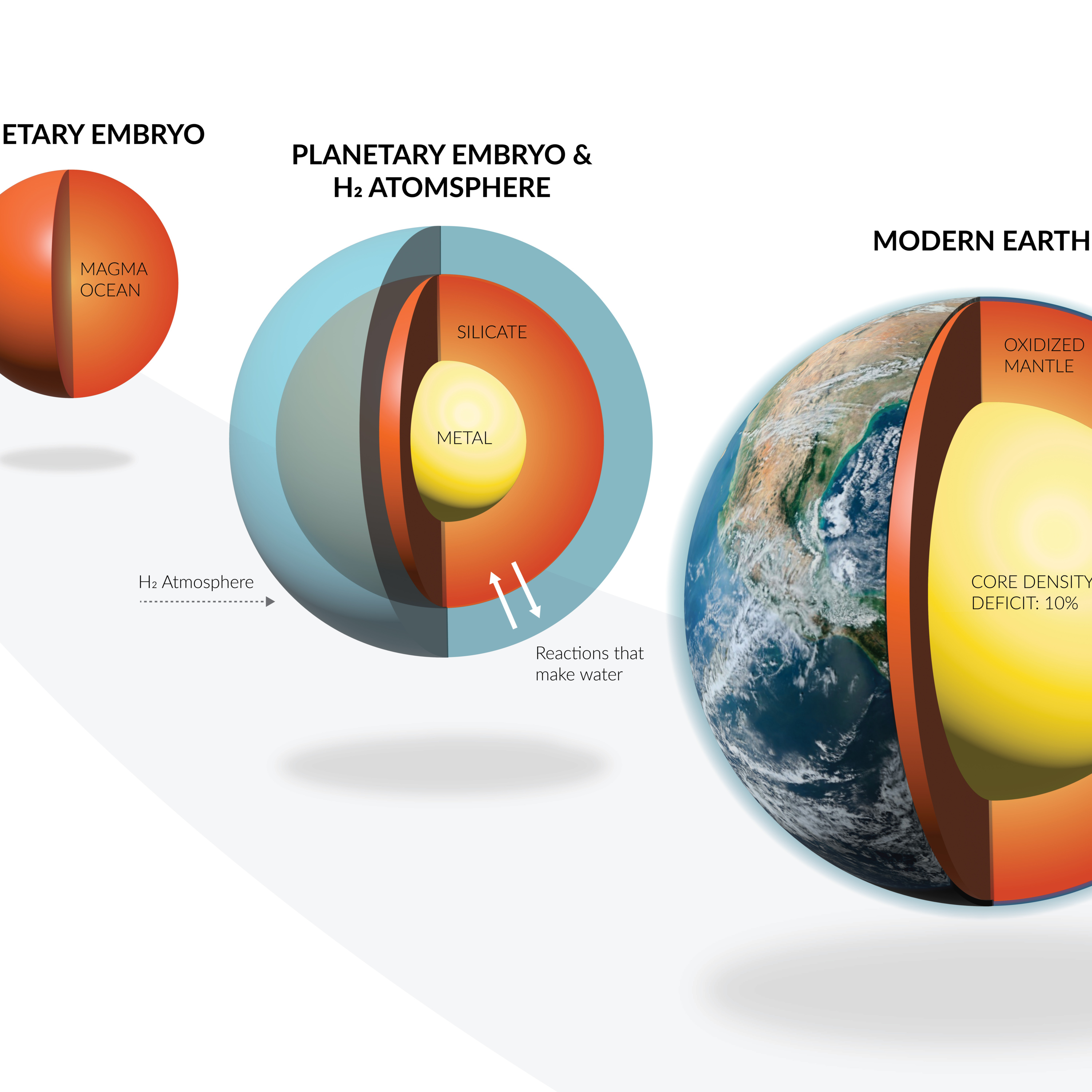
Anat Shahar on What Makes a Planet Habitable
Over 6,000 exoplanets have now been found, and the number is constantly rising. This has galvanized research into whether one of them might host life. Since all forms of life on Earth require liquid water, at least at some stage in their life cycle, it is natural to suppose that in order to be habitable, an exoplanet should also have liquid water. While much of the public discussion has focussed
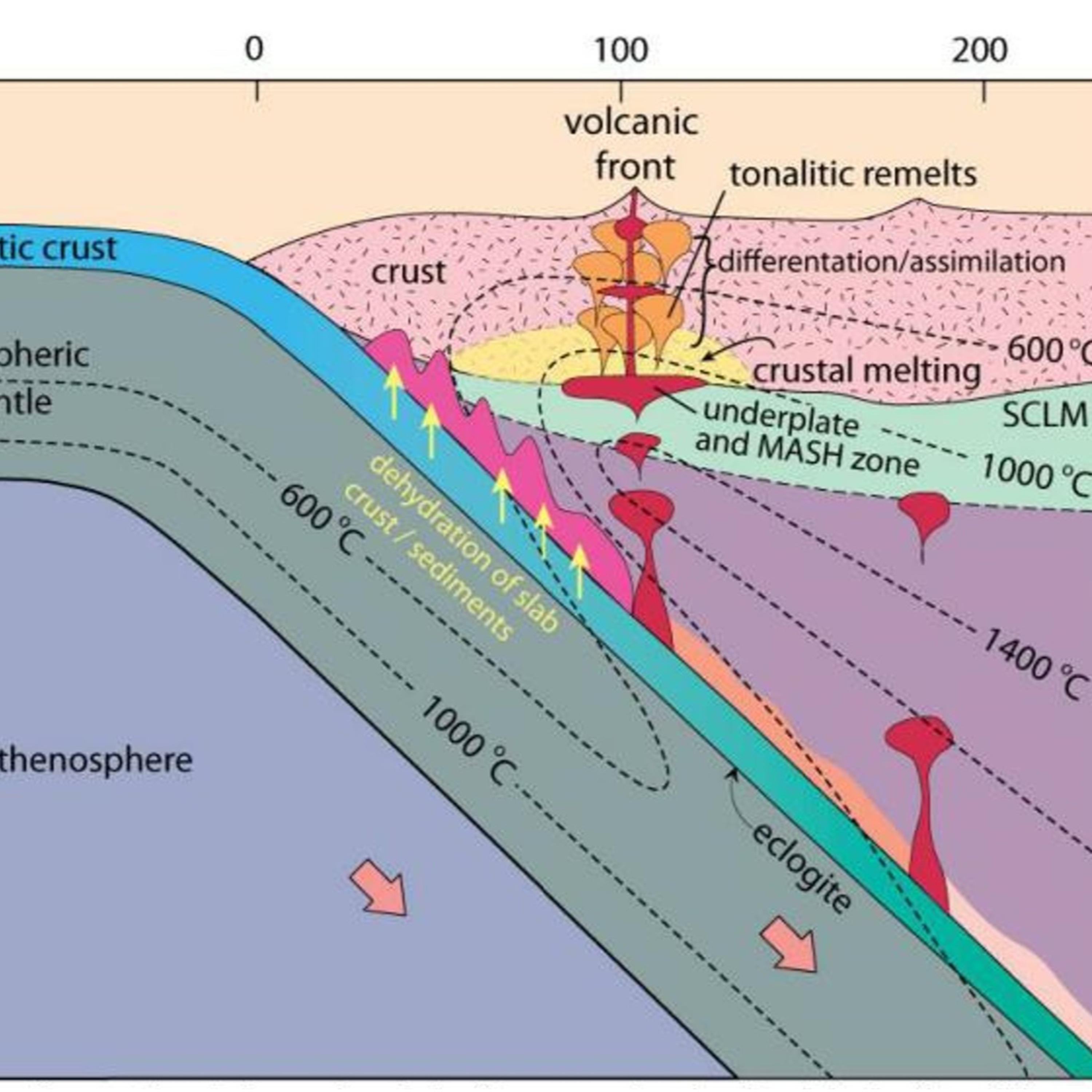
Keith Klepeis on How Plutons Form
Plutons are bodies of igneous rock that crystallize from magma at depth below the Earth’s surface. But even though this magma never makes it to the surface, it still has to travel many kilometers up from its source near the base of the crust to the upper crust where plutons form. In the podcast, Keith Klepeis explains how it makes that journey and describes the shape of the resulting structures.
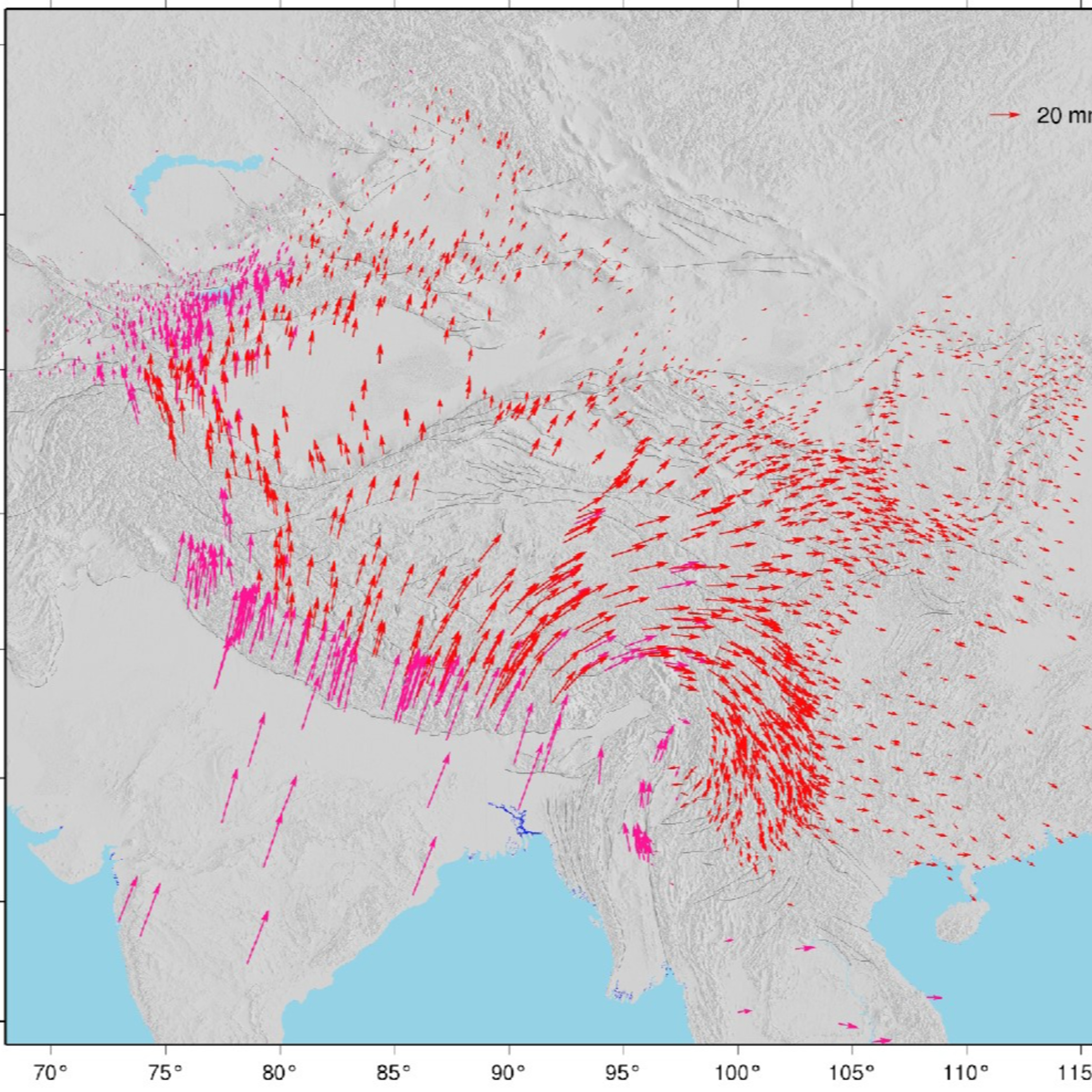
Tom Herring on High-Precision Geodesy
There are three main types of geodetic measurement systems — satellite-based systems such as GPS, very long baseline interferometry (VLBI), and interferometric synthetic-aperture radar (InSAR). While each type of systems has its particular strengths, the cost of satellite-based receivers has plummeted. Millimeter-level accuracy will soon be incorporated into phones. This has broadened the kinds o
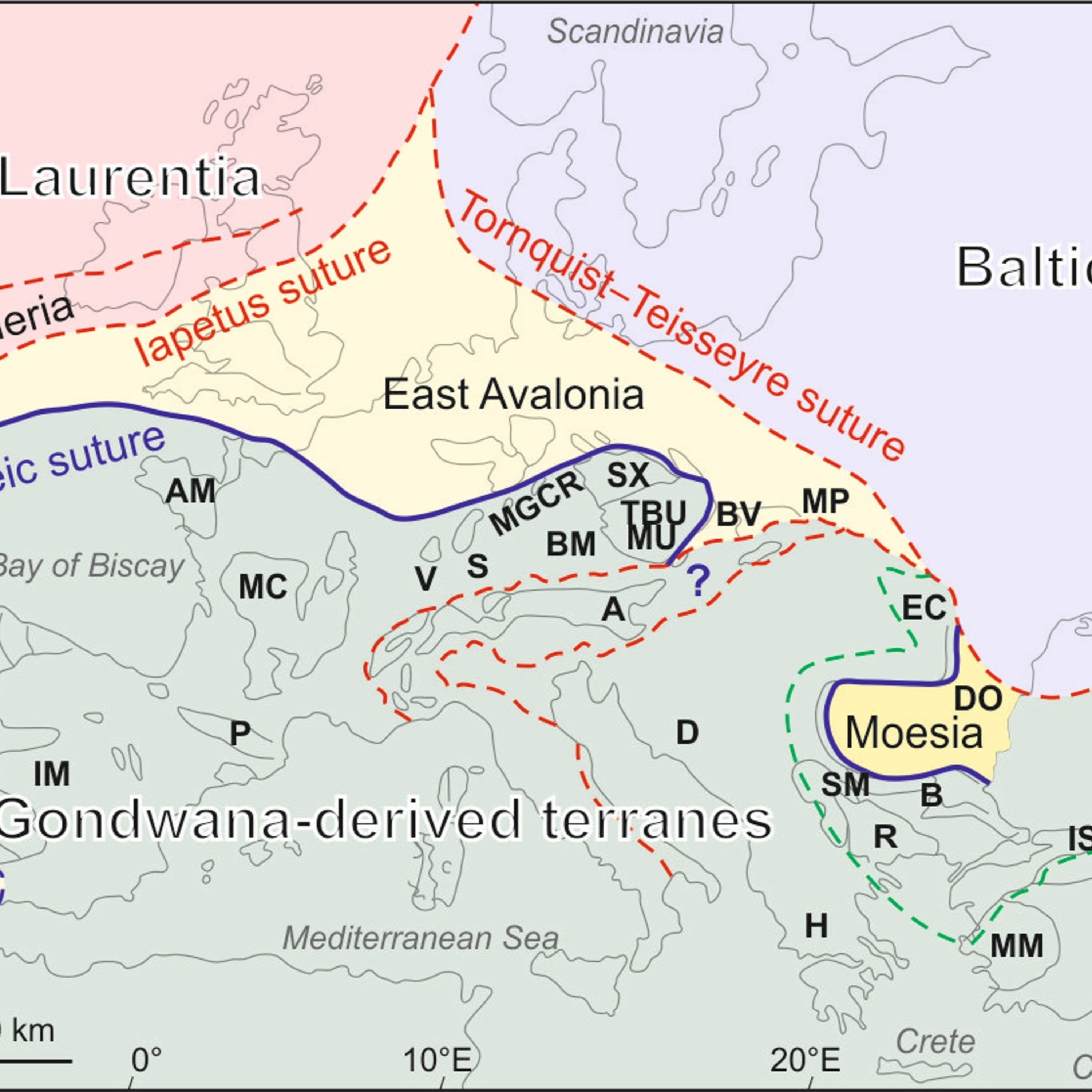
Jiří Žák on the Orogenies that Shaped Central Europe
In this episode, Jiří Žák describes the two main orogenies whose remnants figure prominently in central European geology: the Cadomian orogeny that lasted from the late Neoproterozoic to the early Cambrian (c. 700 Ma to c. 425 Ma) and the Variscan orogeny that occurred in the late Paleozoic (c. 380 Ma to 280 Ma). The Cadomian took place on the northern margins of Gondwana, only later to rift and t
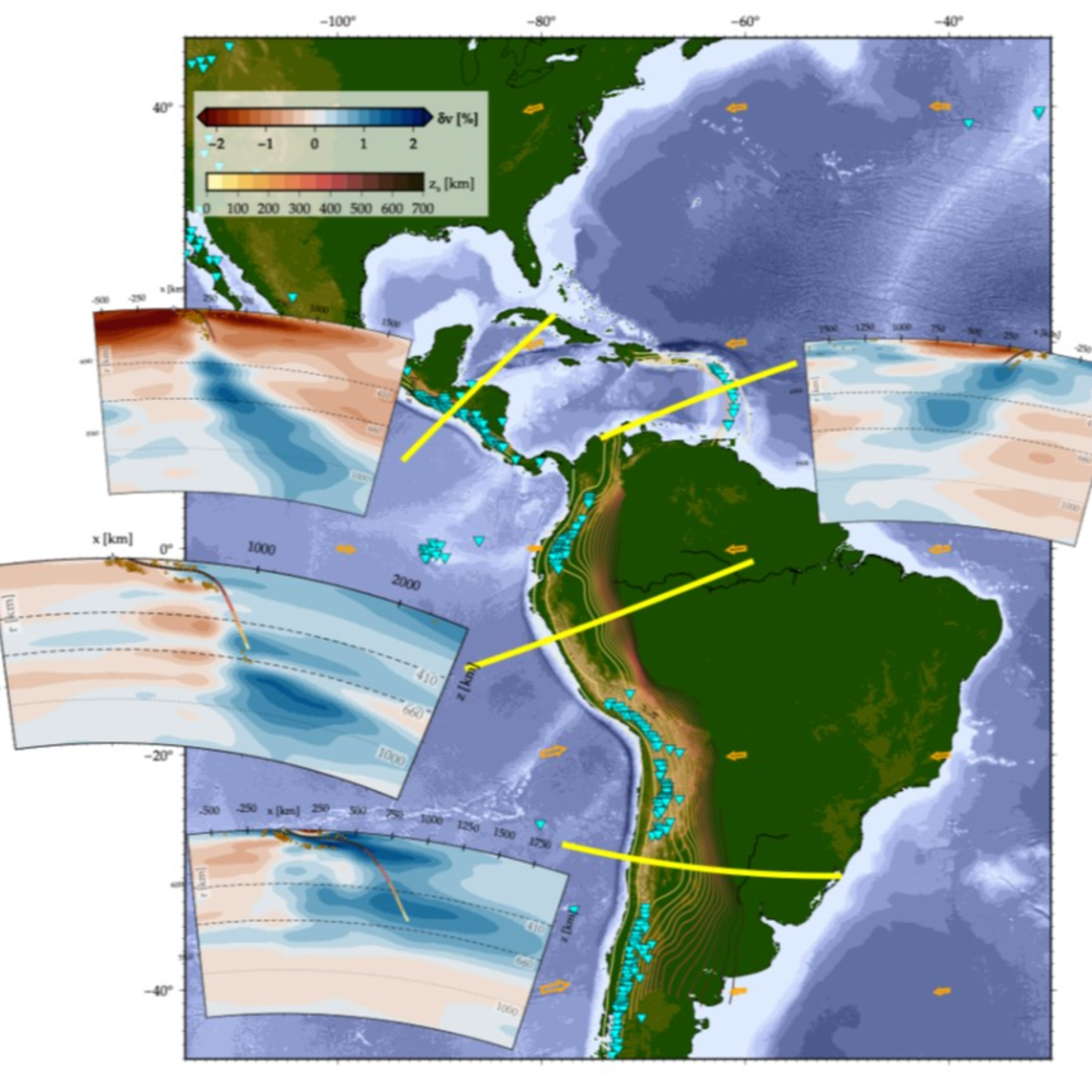
Claudio Faccenna on the Dynamics of Subduction Zones
Subduction zones can be very long-lived, persisting for tens of even hundreds of millions of years. During that time they rarely stay still, but instead retreat, advance, move laterally, or reverse direction. In the podcast, Claudio Faccenna discusses the processes that govern these movements. It turns out that they depend not only on the properties of the subducting slab, but also on the environ
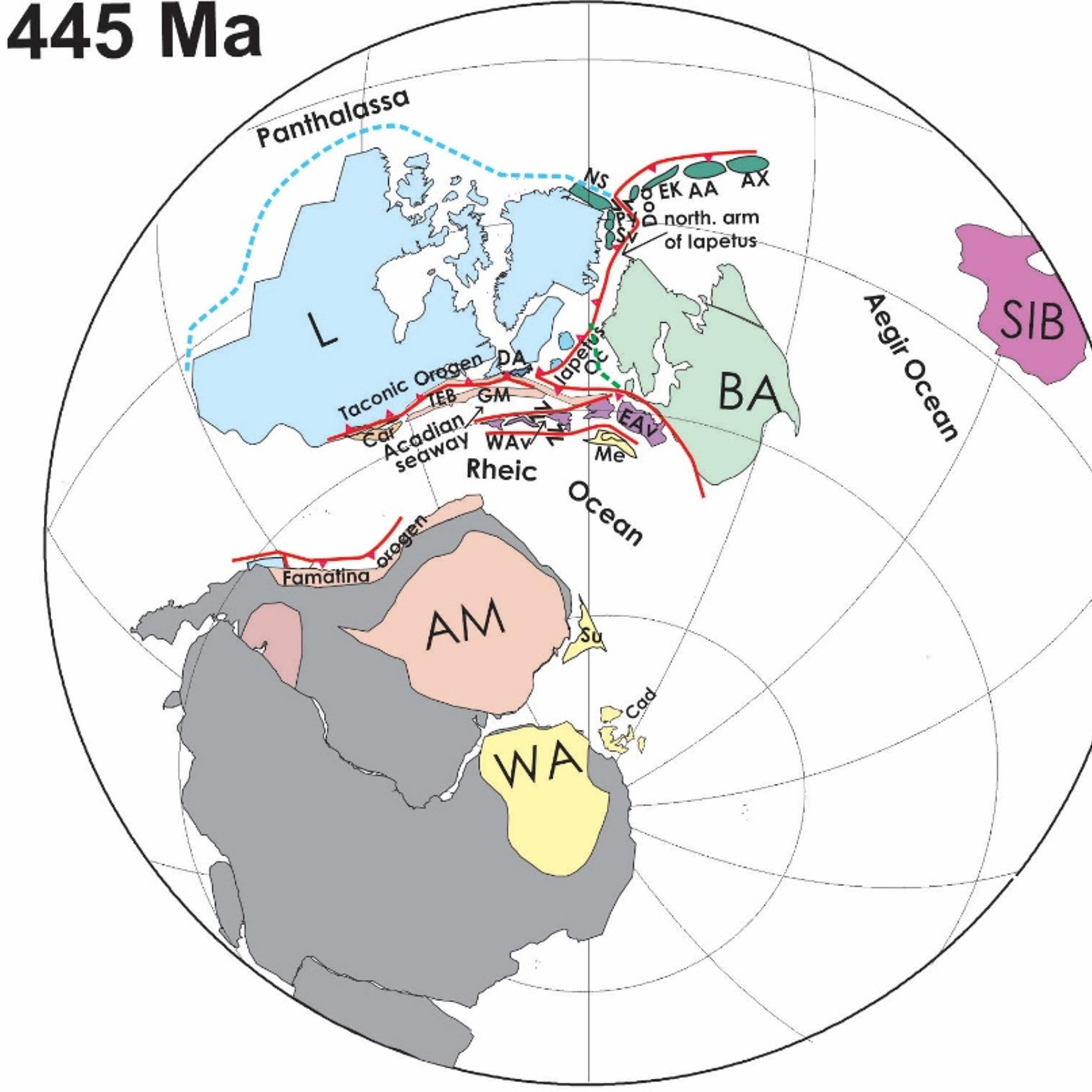
Cees Van Staal on the Origin of the Appalachians
In the podcast, Cees Van Staal tells us about the Paleozoic tectonic events that led to the formation of the Appalachians. The events are closely related to those involved in the Caledonian orogeny and the mountains it created in what is now Ireland, Scotland, east Greenland, and Norway, as discussed in the episode with Rob Strachan. However, the Appalachians that we see today are not the worn-do
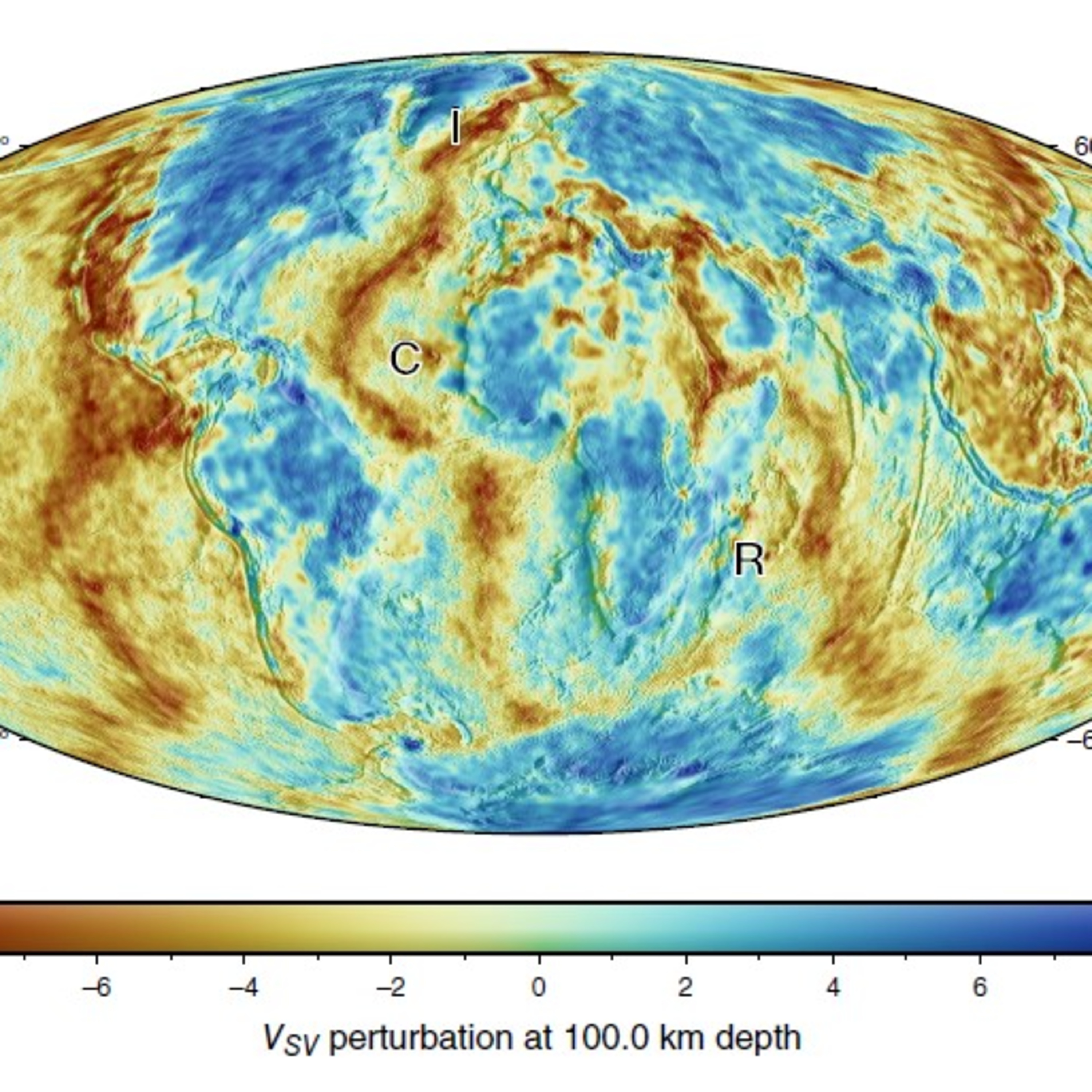
Andreas Fichtner on the Frontiers of Seismic Imaging
In previous episodes of Geology Bites, Barbara Romanowicz gave an introduction to seismic tomography and Ana Fereira talked about using seismic anisotropy to reveal flows within the mantle. In this episode, Andreas Fichtner explains how, despite the many fiendish obstacles that stand in our way, we are making steady improvements in our ability to image the Earth on both regional and global scales.

Renée Tamblyn on the Origin of Continents
When the Earth formed, it was covered by a hot magma ocean. So when and how did thick, silica-rich continental lithosphere form? Were the first, ancient continents similar to the present-day continents? And did the continents form in a burst of activity at a certain point, or was it a gradual build-up over Earth history?In the podcast, Renée Tamblyn addresses these questions, as well as how early
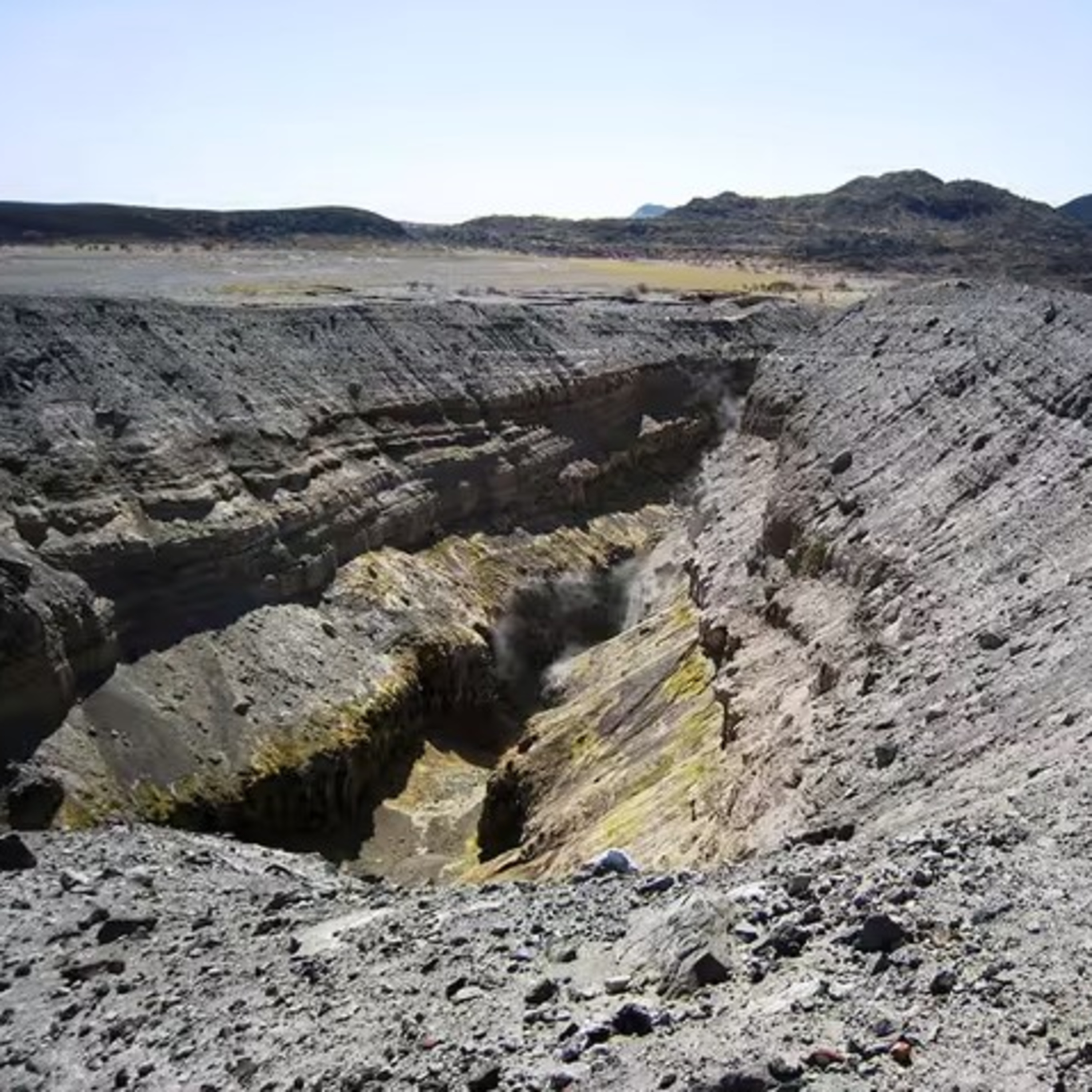
Folarin Kolawole on Continental Rifting
From East Africa to southwest USA, many regions of the Earth’s continental lithosphere are rifting. We see evidence of past rifting along the passive margins of continents that were once contiguous but are now separated by wide oceans. How does something as apparently solid and durable as a continent break apart?In the podcast, Folarin Kolawole describes the various phases of rifting, from initial
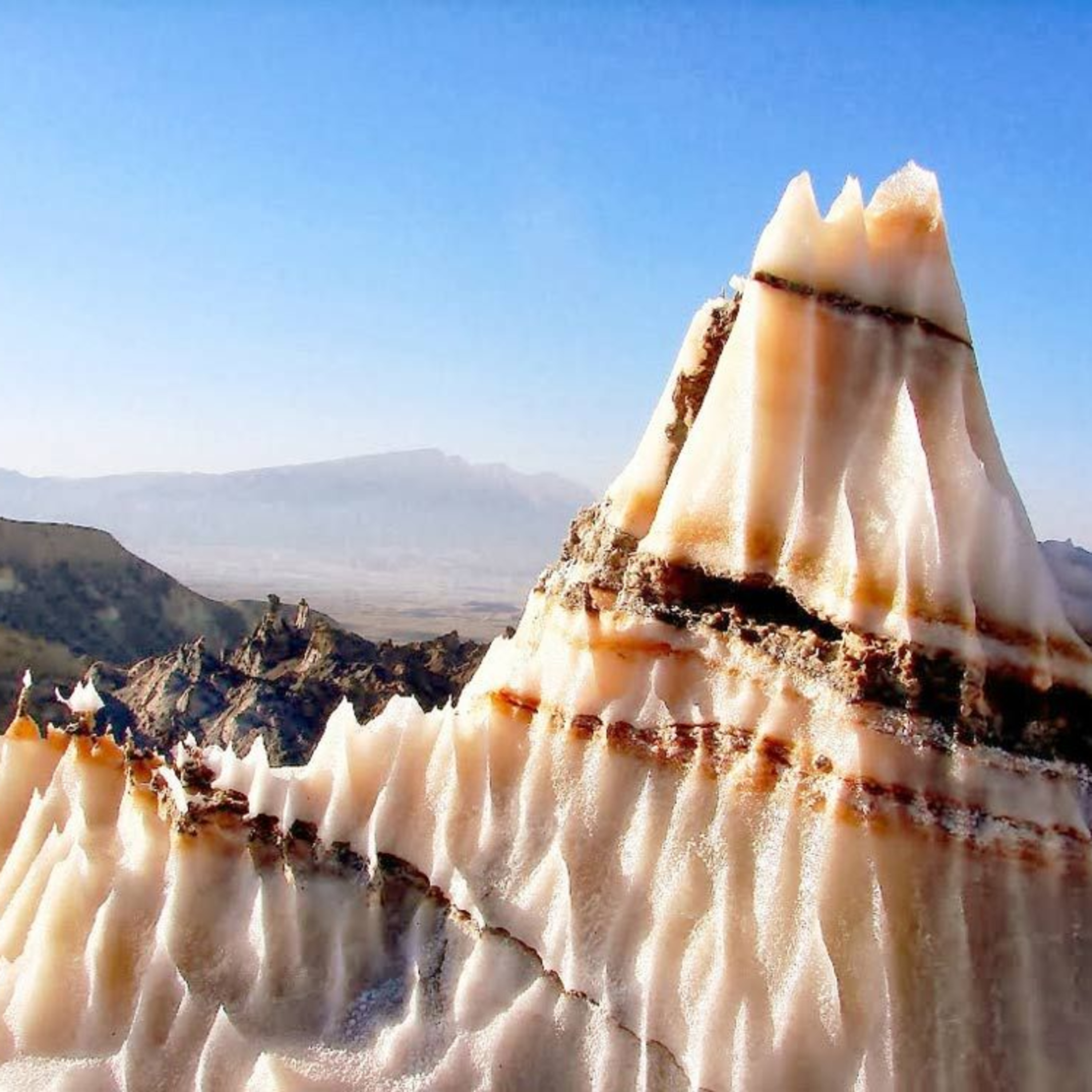
Mike Hudec on Salt Tectonics
Most of Earth’s salt is dissolved in the oceans. But there is also a significant amount of solid salt among continental rocks. And because of their mechanical properties, salt formations can have a dramatic effect on the structure and evolution of the rocks that surround them. This gives rise to what we call salt tectonics – at first sight, a rather surprising juxtaposition of a soft, powdery s

Vic Baker on Megafloods
Megafloods are cataclysmic floods that are qualitatively different from weather-related floods. In the podcast, Vic Baker explains our ideas as to what causes megafloods and describes the striking evidence for such floods in the Channeled Scablands of Washington State and in the Mediterranean.Vic Baker has been studying megafloods for over 50 years. He is a Professor of Hydrology and Atmospheric

Lindy Elkins-Tanton on the Origin of Earth's Water
The planets formed out of a cloud of gas and dust around the nascent Sun. Within the so-called snow line, it was too hot for liquid water to exist. Since the Earth lies well within this line, why does it have water? Did it somehow manage to retain water from the outset or did it acquire its water later? In the podcast, Lindy Elkins-Tanton explains how these two scenarios might have played out bu
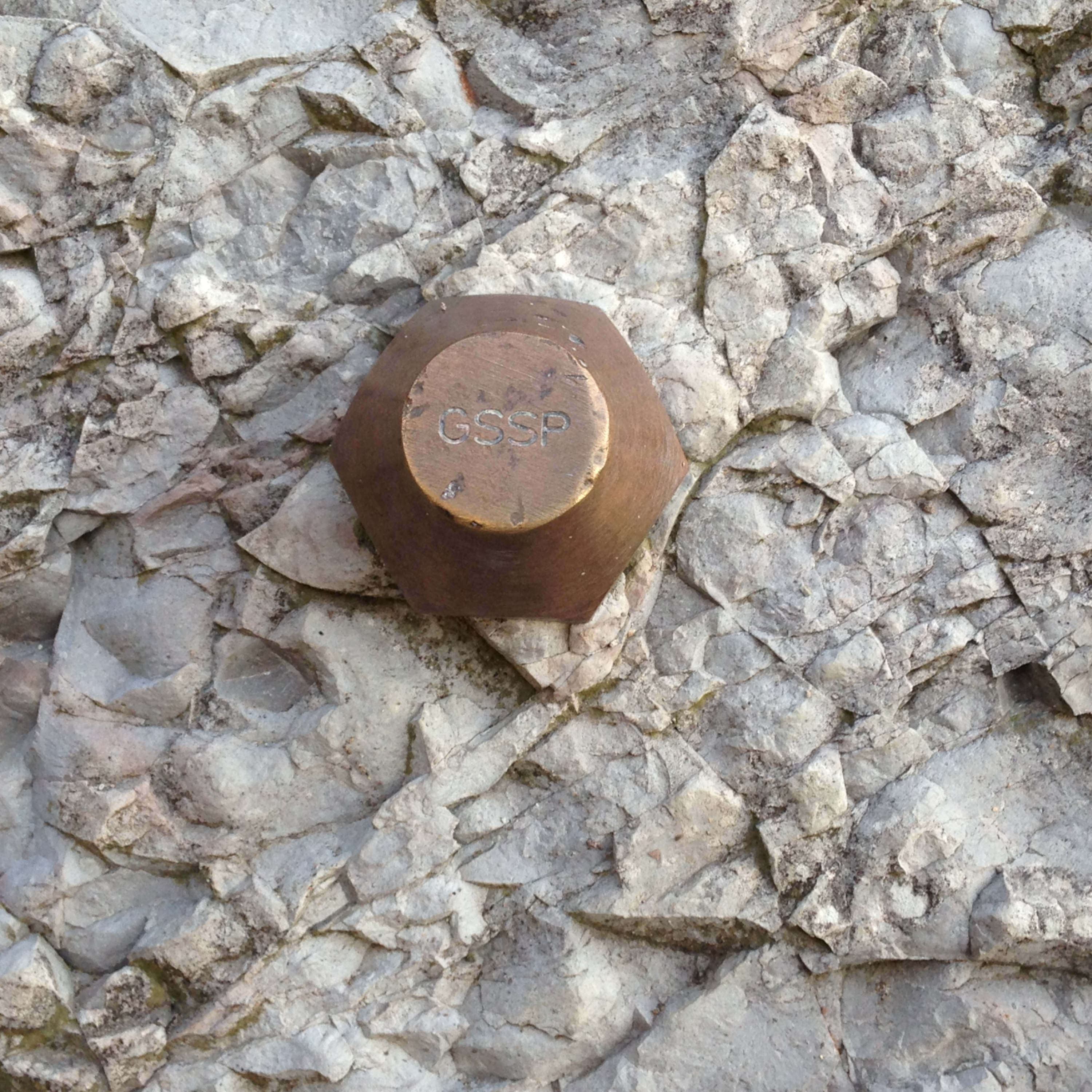
Joeri Witteveen on Golden Spikes
Golden spikes are not golden, nor are they generally spikes. So what are they, and, more importantly, what exactly do they represent? In the podcast, Joeri Witteveen explains how we arrived at our present system of defining the boundaries of stages in the rock record with a single marker. Paradoxically, it turns out that the best place for a golden spike is where “nothing happens.” Listen and find
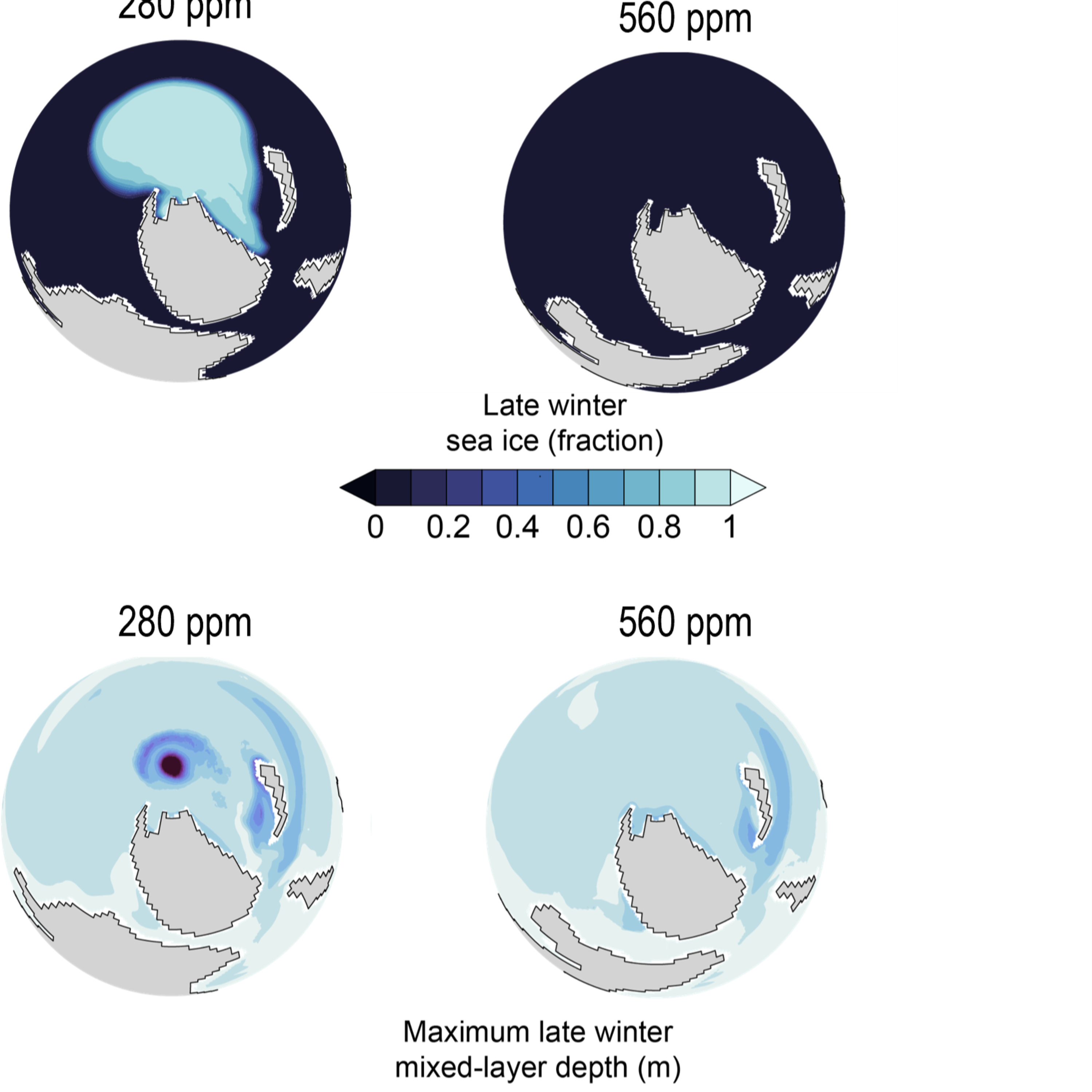
Isabel Montañez on Using the Late Paleozoic Ice Age as an Analog for Present Day Climate
The late Paleozoic ice age began in the Late Devonian and ended in the Late Permian, occurring from 360 to 255 million years ago. It was similar to the present day in two key respects: rising atmospheric CO2 and recurrent major ice sheets. In the podcast, Isabel Montañez explains how we can use proxies to learn about the climate and ocean conditions that prevailed then. And with the help of a mode
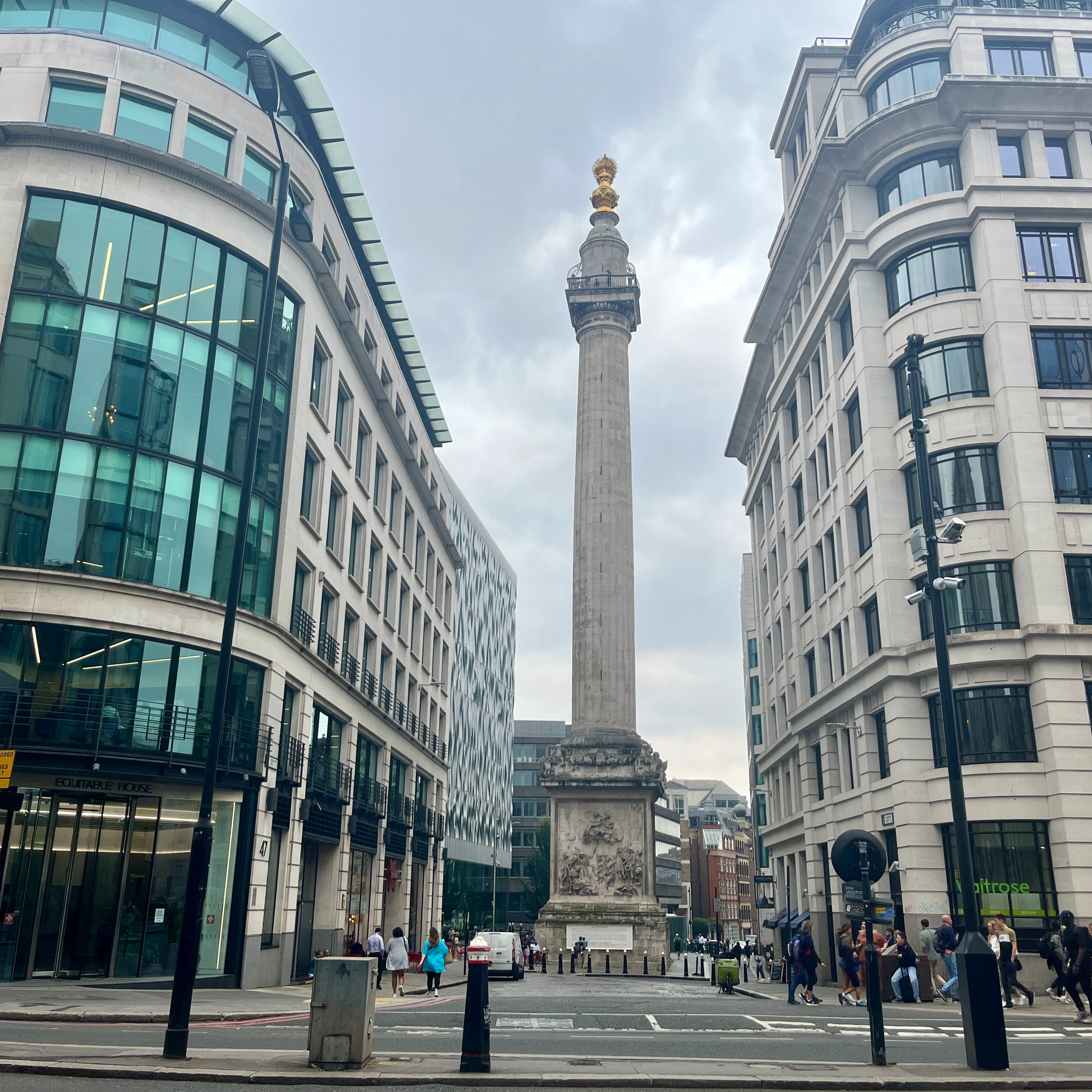
Ruth Siddall on Urban Geology
At first sight, urban geology sounds like an oxymoron. How can you do geology with no rocky outcrops anywhere in sight within the built-up environments of cities? It turns out you can do a great deal of geology, and Ruth Siddall has been doing just that for the past 10 years. In the podcast, she describes some of the many aspects of geology, from petrology to paleontology, that can be seen very

Richard Fortey on Deep Time
The Earth is about 4.5 billion years old. How can we begin to grasp what this vast period of time really means, given that it is so far beyond the time scale of a human life, indeed of human civilization?
Richard Fortey has devoted his long and prolific research career at the Natural History Museum in London to the study of fossils, especially the long-extinct marine arthropods called trilobites

Mike Searle on the Mountain Ranges of Central Asia
The Himalaya are just one, albeit the longest and highest, of several mountain ranges between India and Central Asia. By world standards, these are massive ranges with some of the highest peaks on the planet. The Karakoram boasts four of the world’s fourteen 8,000-meter peaks, and the Hindu Kush, the Pamir, the Kunlun Shan, and the Tien Shan each have many peaks above 7,000 meters. No mountain r
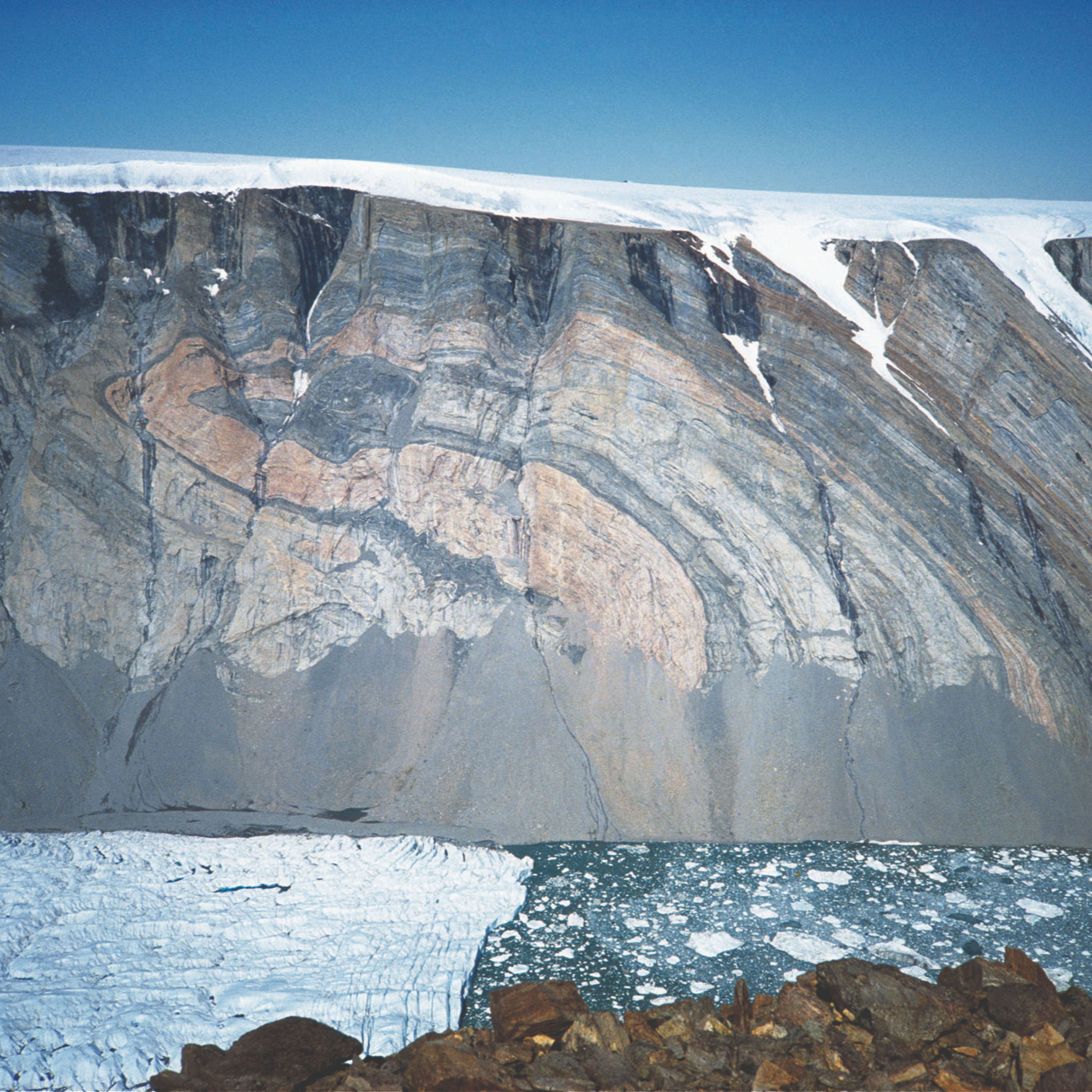
Rob Strachan on the Caledonian Orogeny
The Caledonian orogeny is one of the most recent extinct mountain-building events. It took place in several phases during the three-way collision of continental blocks called Laurentia, Baltica, and Avalonia during the early stages of the assembly of the supercontinent Pangea. In the process, Himalayan-scale mountains were formed. While these mountains have been worn down today, we still see plent
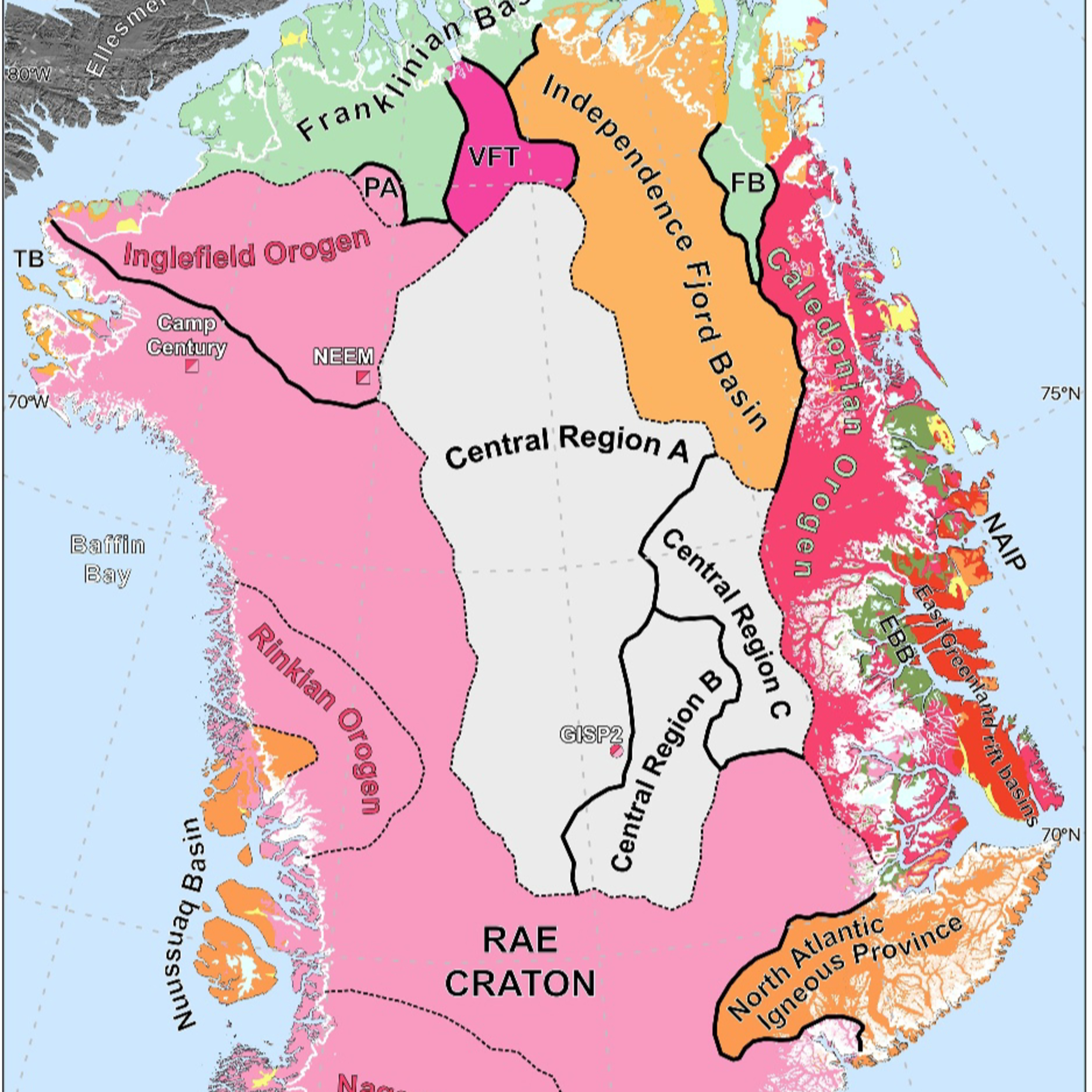
Joe MacGregor on Mapping the Geology of Greenland Below the Ice
With most of Greenland buried by kilometers of ice, obtaining direct information about its geology is challenging. But we can learn a lot from measurements of the island’s geophysical properties — seismic, gravity, magnetic from airborne and satellite surveys and from its topography, which we can see relatively well through the ice using radar. In the podcast, Joe MacGregor explains how he created

Adam Simon on Battery Metals
As we wean ourselves away from fossil fuels and ramp up our reliance on alternatives, batteries become ever more important for two main reasons. First, we need grid-scale batteries to store excess electricity from time-varying sources such as wind and solar. Second, we use them to power electric vehicles, which we are now producing at the rate of about 15 million a year worldwide.
So far, the batt

Rufus Catchings on Pinning Down California's Faults
Knowing exactly where faults are located is important both for scientific reasons and for assessing how much damage a fault could inflict if it ruptured and caused an earthquake. In the podcast, Rufus Catchings describes how we can use natural and artificial sources of seismic waves to create high-resolution images of fault profiles. He also explains how faults can act as seismic waveguides, an ef

Sara Seager on Exoplanet Geology
During the past couple of decades, we have discovered that stars with planetary systems are not rare, exceptional cases, as we once assumed, but actually quite commonplace. However, because exoplanets are like fireflies next to blinding searchlights, they are incredibly difficult to study. Yet, as Sara Seager explains, we are making astonishing progress. Various ingenious methods and the use of p

Evan Smith on Diamonds from the Deep Mantle
We have only a tantalizingly small number of sources of information about the Earth’s deep mantle. One of these comes from the rare diamonds that form at depths of about 650 km and make their way up to the base of the lithosphere, and then later to the surface via rare volcanic eruptions of kimberlite magma. In the podcast, Evan Smith talks about a new class of large gem-quality deep-mantle diamon
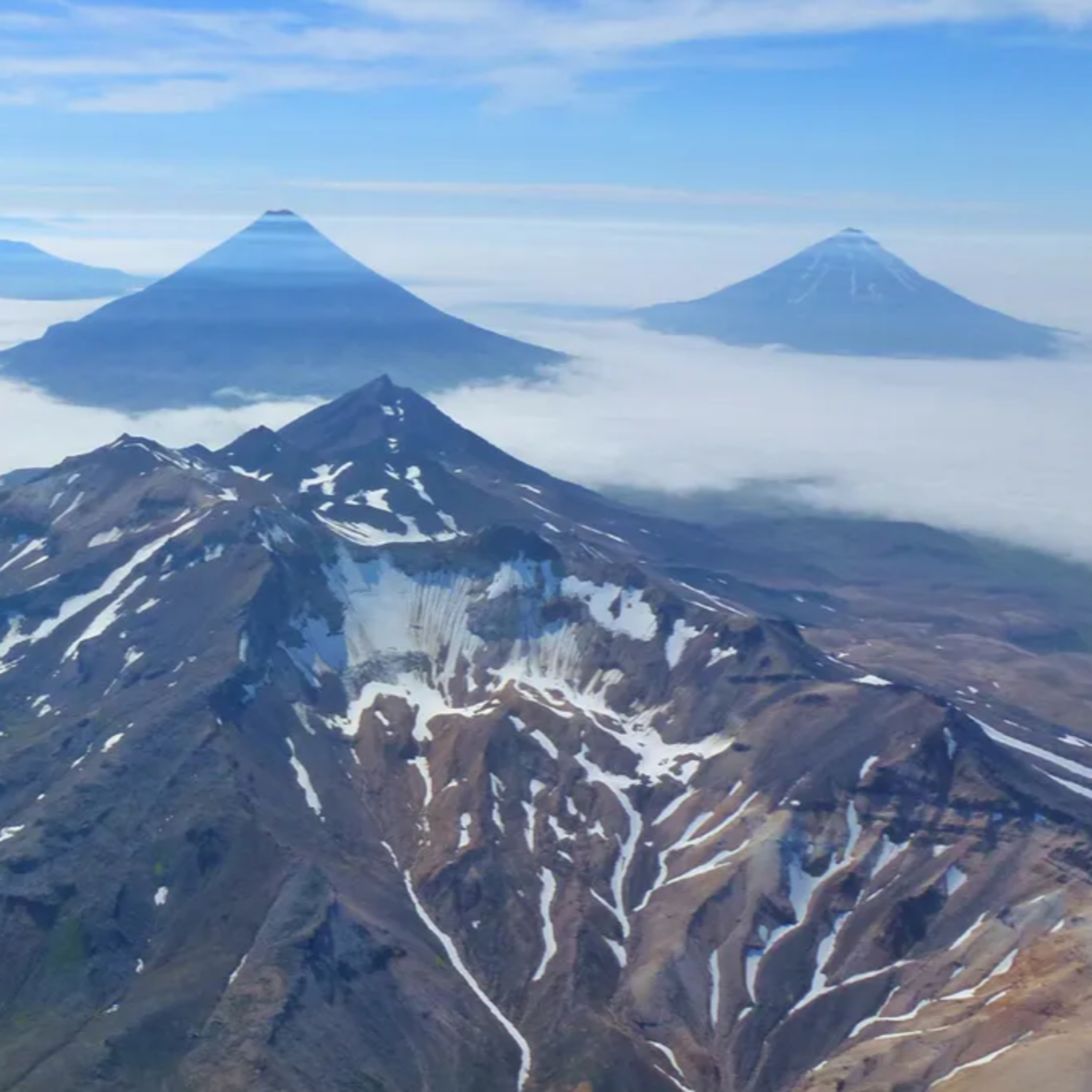
Roberta Rudnick on the Continental Crustal Composition Paradox
Continental crust is derived from magmas that come from the mantle. So, naively, one might expect it to mirror the composition of the mantle. But our measurements indicate that it does not. Continental crust contains significantly more silica and less magnesium and iron than the mantle. How can we be sure this discrepancy is real, and what do we think explains it? In the podcast, Roberta Rudnic
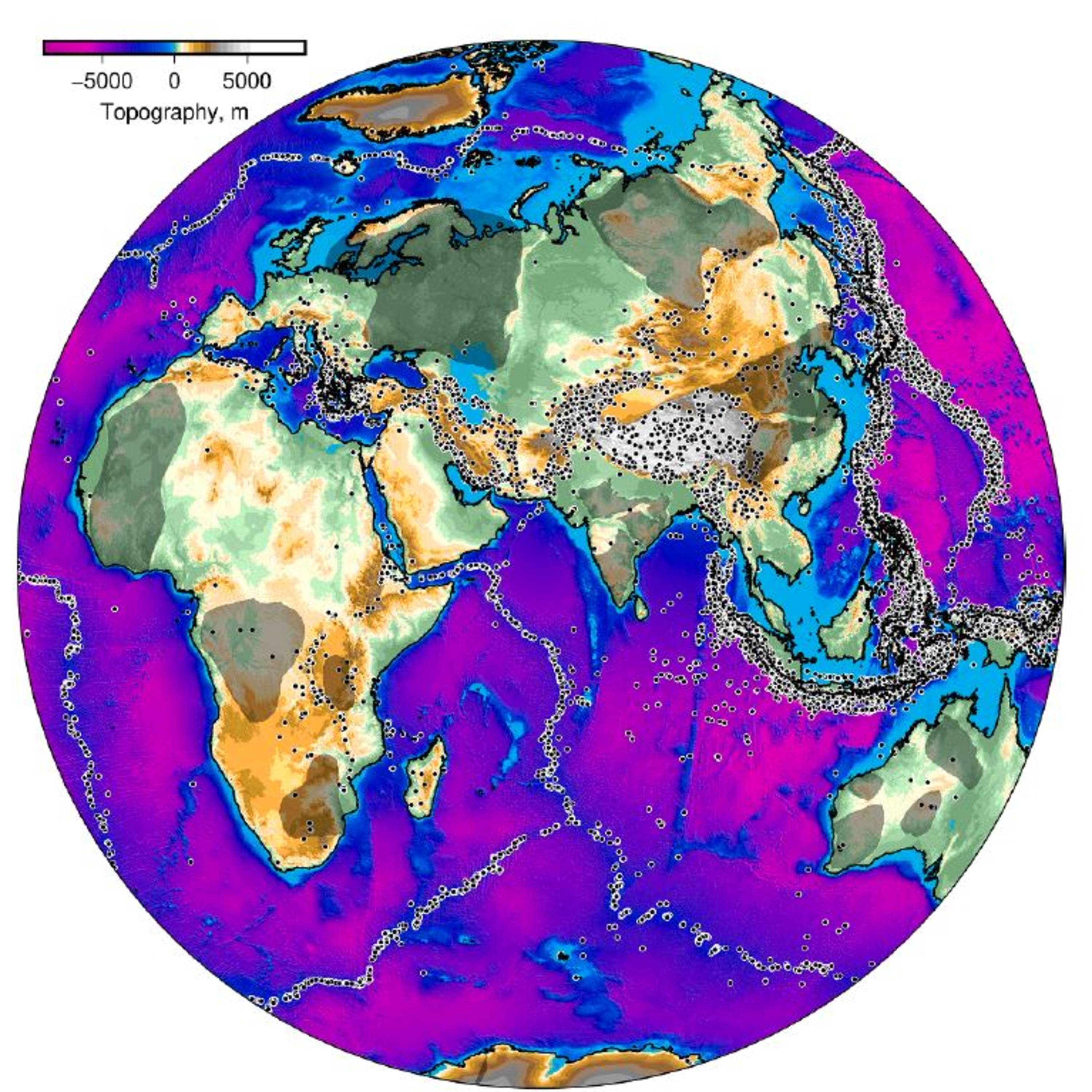
Alex Copley on Soft Continents
We tend to think of continental tectonic plates as rigid caps that float on the asthenospheric mantle, much like oceanic plates. But while some continental regions have the most rigid rocks on the planet, wide swathes of the continents are not rigid at all. In the podcast, Alex Copley explains how this differentiation comes about and points to evidence that the responsible processes have been oper

Shanan Peters on Quantifying the Global Sedimentary Rock Record
Shanan Peters believes we need to assemble a global record of sedimentary rock coverage over geological time. As he explains in the podcast, such a record enables us to disentangle real changes in the long-term evolution of the Earth-life system from biases introduced by the unevenness and incompleteness of the sedimentary record. To this end, he and his team have established Macrostrat, a platfor

Paul Smith on the Cambrian Explosion
Complex life did not start in the Cambrian - it was there in the Ediacaran, the period that preceded the Cambrian. And the physical and chemical environment that prevailed in the early to middle Cambrian may well have arisen at earlier times in Earth history. So what exactly was the Cambrian explosion? And what made it happen when it did, between 541 and 530 million years ago? Many explanations h

Scott Bolton on the Most Volcanically Active Body in the Solar System
Jupiter's innermost Galilean moon, Io, is peppered with volcanos that are erupting almost all the time. In this episode, Scott Bolton, Principal Investigator of NASA's Juno mission to Jupiter, describes what we're learning from this space probe.
Since its arrival in 2017, its orbit around the giant planet has progressively shifted to take it close to Jupiter’s moons and rings. In De

Bob White on How Magma Moves in the Crust
We know that most magma originates in the Earth’s mantle. As it pushes up through the many kilometers of lithosphere to the surface, it pauses in one or more magma chambers or partially melted mush zones for periods of up to a few millennia before erupting. But while we have seismic evidence and models and support this picture, we have not hitherto been able to watch how magma actually moves in t

Richard Ernst on Large Igneous Provinces
At roughly 15-25-million-year intervals since the Archean, huge volumes of lava have spewed onto the Earth’s surface. These form the large igneous provinces, which are called flood basalts when they occur on continents. As Richard Ernst explains in the podcast, the eruption of a large igneous province can initiate the rifting of continents, disrupt the environment enough to cause a mass extinction
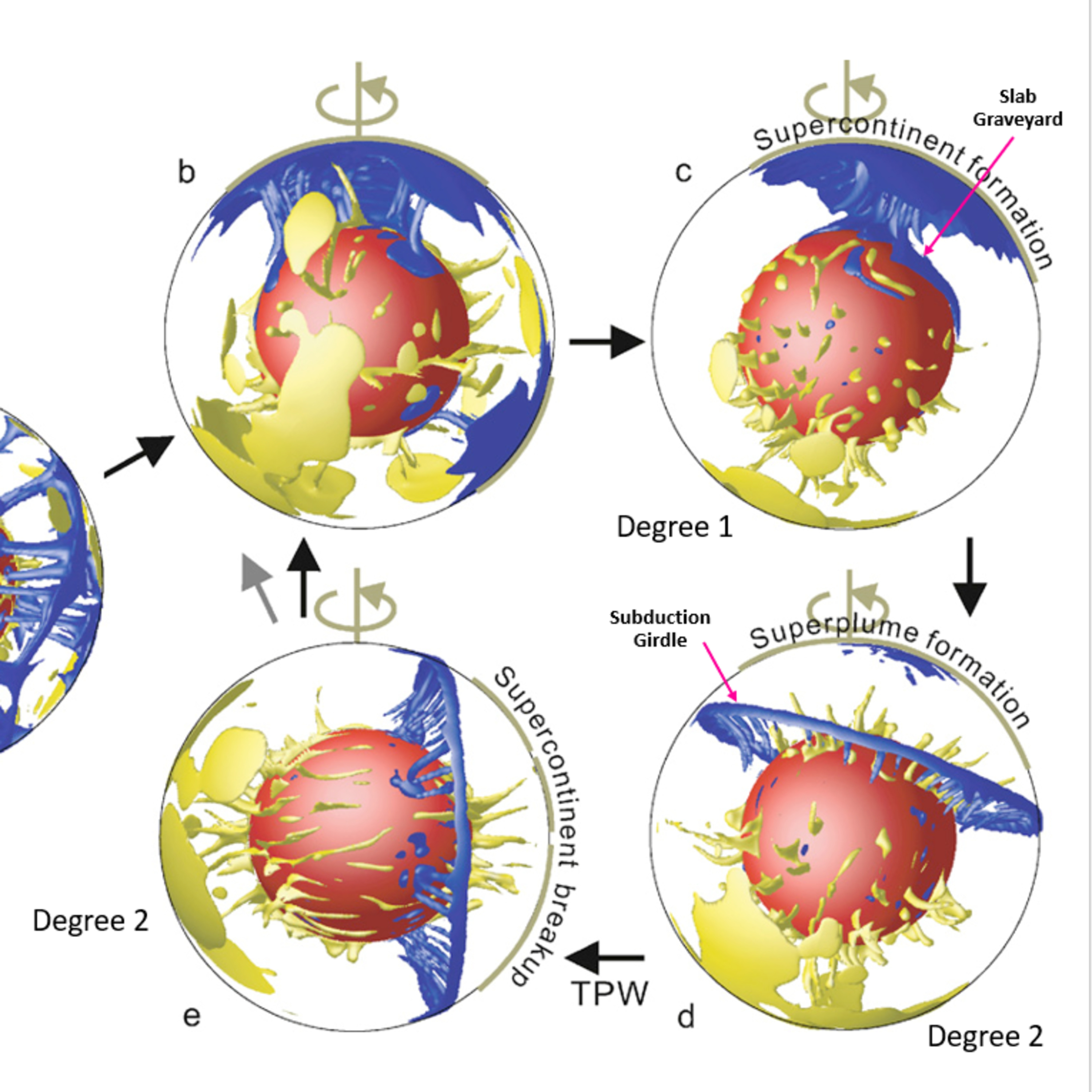
Damian Nance on What Drives the Supercontinent Cycle
Perhaps as many as five times over the course of Earth history, most of the continents gathered together to form a supercontinent. The supercontinents lasted on the order of a hundred million years before breaking apart and dispersing the continents. For decades, we theorized that this cycle of amalgamation and breakup was caused by near-surface tectonic processes such as subduction that swallowed
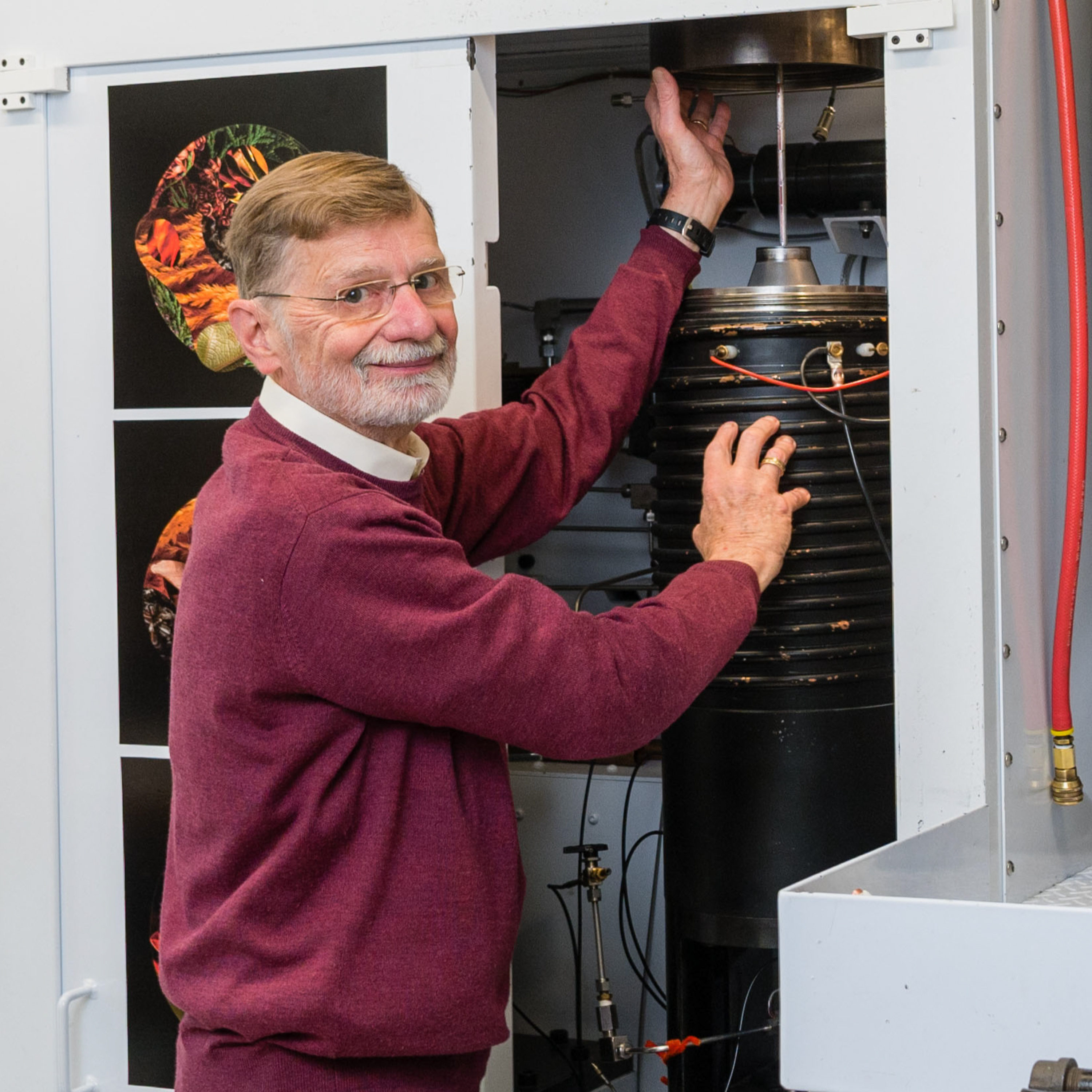
David Kohlstedt on Simulating the Mantle in the Lab
The Earth’s tectonic plates float on top of the ductile portion of the Earth’s mantle called the asthenosphere. The properties of the asthenosphere, in particular its viscosity, are thought to play a key role in determining how plates move, subduct, and how melt is produced and accumulates. We would like to know what the viscosity of the the asthenosphere is, and how it depends on temperature, pre
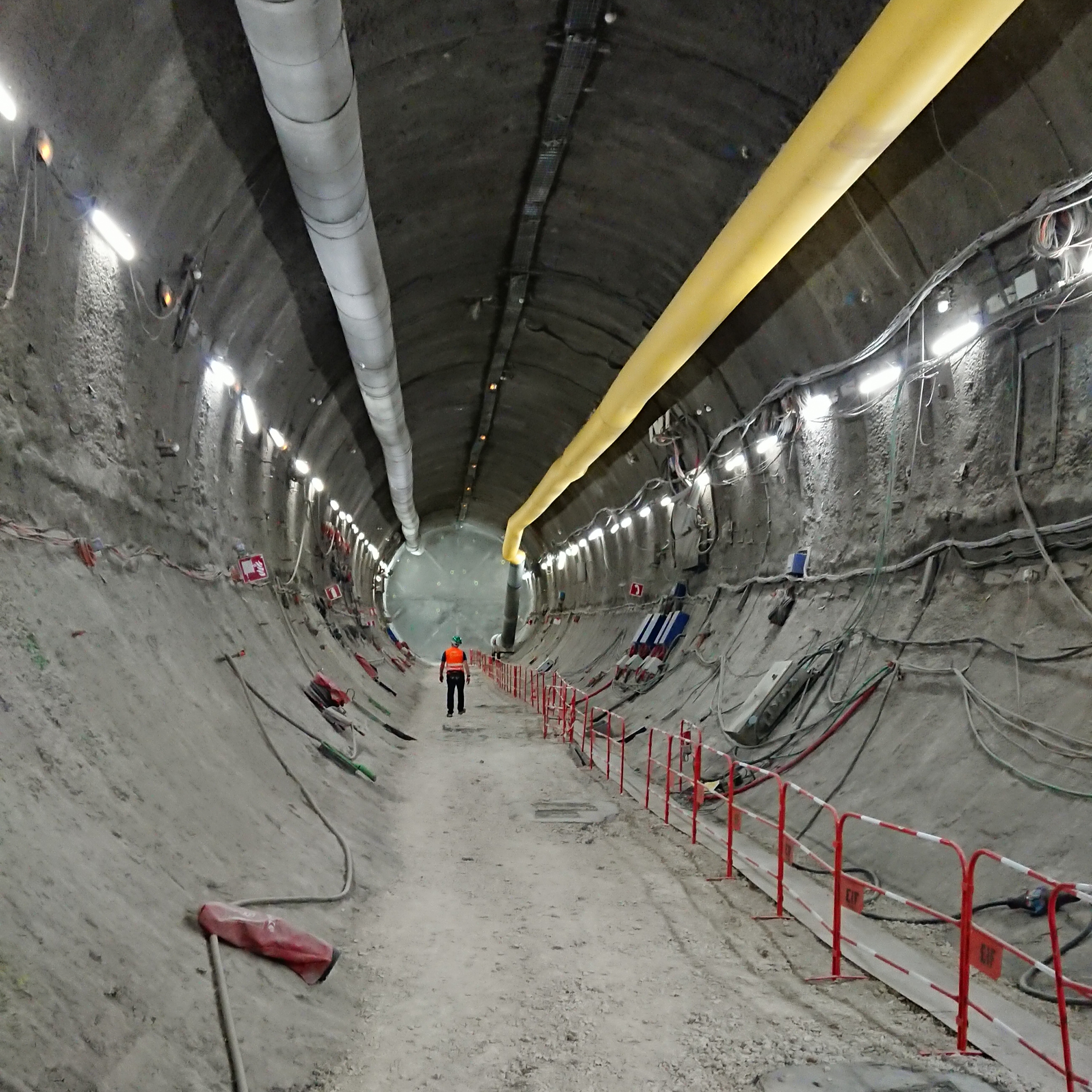
Claire Corkhill on Geological Radioactive Waste Disposal
In many countries, nuclear power is a significant part of the energy mix being planned as part of the drive to achieve net-zero greenhouse-gas emissions. This means that we will be producing a lot more radioactive waste, some of it with half-lives that approach geological timescales, which are orders of magnitude greater than timescales associated with human civilizations. In the podcast, Claire C

Mahesh Anand on What Human Return to the Moon Means for Lunar Geology
We have learned a great deal about the geology of the Moon from remote sensing instruments aboard lunar orbiters, from robot landers, from the Apollo landings, and from samples returned to the Earth by Apollo and robot landings. But in 2025, when NASA plans to land humans on the Moon for the first time since 1972, a new phase of lunar exploration is expected to begin. What will this mean for our u
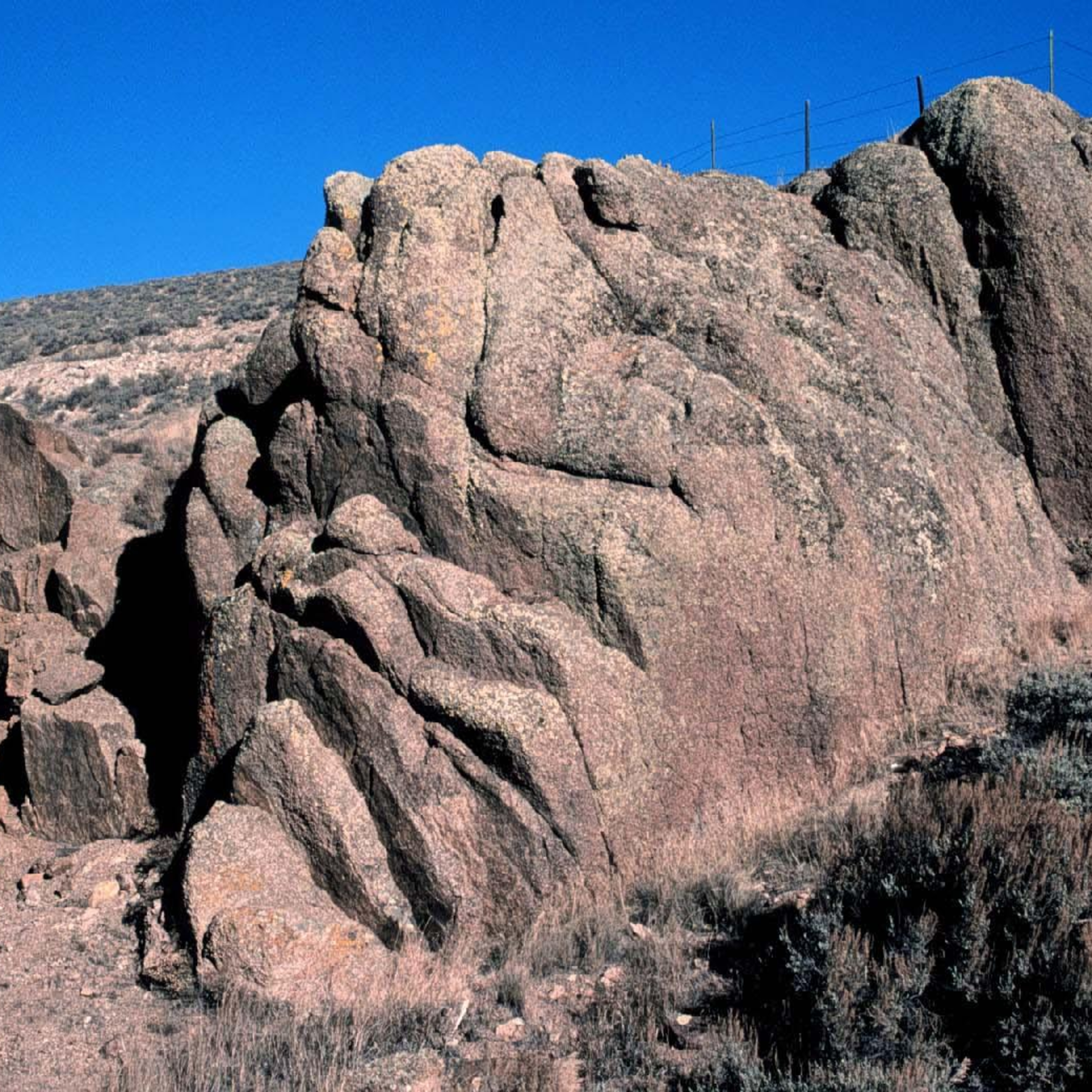
Susan Brantley on Earth's Geological Thermostat
At the core of Earth’s geological thermostat is the dissolution of silicate minerals in the presence of atmospheric carbon dioxide and liquid water. But at large scales, the effectiveness and temperature sensitivity of this reaction depends on geomorphological, climatic, and tectonic factors that vary greatly from place to place. As described in the podcast, to predict watershed-scale or global te

Clark Johnson on the Banded Iron Formations
Banded Iron Formations (BIFs) are a visually striking group of sedimentary rocks that are iron rich and almost exclusively deposited in the Precambrian. Their existence points to a major marine iron cycle that does not operate today. Several theories have been proposed to explain how the BIFs formed. While they all involve the precipitation of ferric (Fe3+) iron hydroxides from the seawater via ox

Catherine Mottram on Dating Rock Deformation
The geological history of most regions is shaped by a whole range of processes that occur at temperatures ranging from above 800°C to as low as 100°C. The timing of events occurring over a particular temperature range can be recorded by a mineral which crystallizes over that range. The mineral calcite is suitable for recording low-temperature processes such as fossilization, sedimentation, and flu

Martin Van Kranendonk on the Earliest Life on Earth
In this episode, Martin Van Kranendonk lays out a convincing case for life on Earth going back to at least 3.48 billion years ago.
To find evidence for very ancient life, we need to look at rocks that have been largely undisturbed over billions of years of Earth history. Such rocks have been found in the Pilbara region of northwest Australia. As explained in the podcast, the 3.48-billion-year-old

Rob Butler on the Origin of the Alps
The Alps are the most intensively studied of all mountain chains, being readily accessed from the geological research centers of Europe. But despite this, there remains considerable uncertainty as to how they formed, especially in the Eocene (about 40 million years ago) when the events that led directly to Alpine mountain-building started. In the podcast, Rob Butler explains how much of this uncer
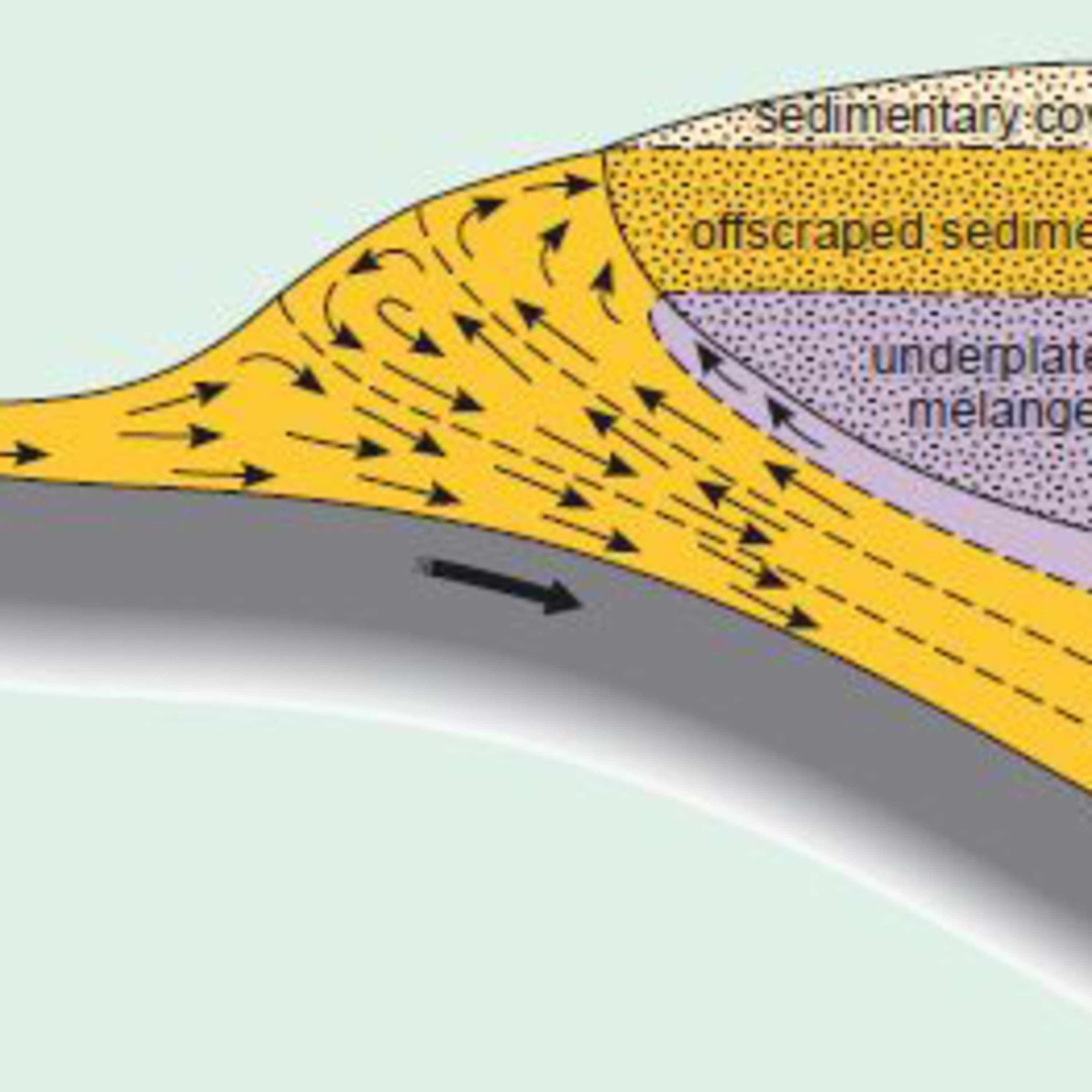
John Wakabayashi on the Franciscan Complex
The Franciscan Complex is a large accretionary prism that has been accreted onto the western margin of the North American continent. Unlike most such prisms, which are submarine, it is exposed on land, making it a magnet for researchers such as John Wakabayashi. In the podcast, he describes this remarkable complex and explains the mechanisms that may have operated over its 150-million-year history

Bruce Levell on Bias in the Sedimentary Record
How can we tell if the sedimentary record is good enough to make solid inferences about the geological past? After all, it can be difficult, or even impossible, to infer what is missing, or indeed whether anything is missing at all.
As he explains in the podcast, Bruce Levell tackles this question by combining fieldwork with systematic analysis based on what we know about contemporary deposition a

Sujoy Mukhopadhyay on Probing the Hadean World with Noble Gases
In a recent episode, Nadja Drabon spoke about newly discovered zircon crystals that formed during the late Hadean and early Archean, when the Earth was between 500 million and a billion years old. The zircons revealed information about processes occurring in the Earth’s nascent crust, casting light on when and how modern-day plate tectonics may have started. In this episode, we talk about a very
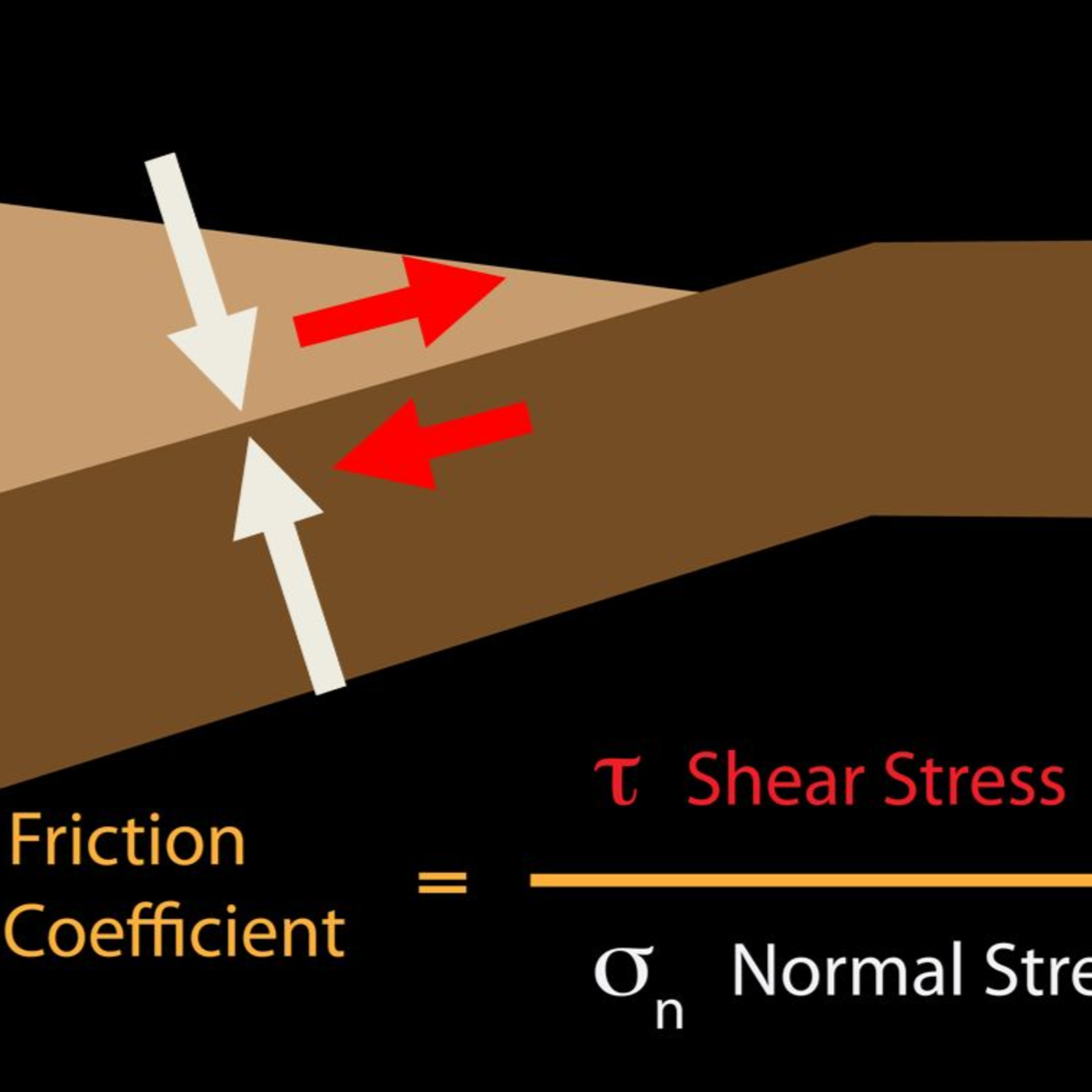
Patrick Fulton on the 2011 Tōhoku Earthquake
In 2011, a massive earthquake struck off the eastern coast of Japan. The destructive power of the earthquake was amplified by a giant tsunami that swept ashore, killing over 15,000 people. A major cause of the tsunami was the 50-m slip along the plate boundary fault between the subducting Pacific plate and the overriding North American plate. Patrick Fulton and his team set out to find out why th

Romain Jolivet on the 2023 Turkey-Syria Earthquakes
Romain Jolivet studies active faults and the relative motion of tectonic plates. His research focuses on the relationship between slow, aseismic slip that occurs “silently” between earthquakes and the rapid slip accompanying earthquakes. As he describes in the podcast, he uses interferometric synthetic aperture radar (InSAR) images from radar satellites to examine surface deformation o

Dan Rothman on Thresholds of Catastrophe in the Earth System
The geological record shows that the Earth’s carbon cycle suffered over 30 major disruptions during the Phanerozoic. Some of the biggest ones were accompanied by mass extinctions. Dan Rothman analyzed these disruptions to find a pattern governing their magnitude and duration. As he explains in the podcast, this pattern is suggestive of a non-linear dynamical system that, once exc

Nadja Drabon on a New Lens into the Hadean Eon
Vanishingly few traces of the early Earth are known, so when a new source of zircon crystals of Hadean age is discovered, it makes a big difference to what we can infer about that eon. In the podcast, Nadja Drabon describes how she analyzed the new zircons she and her colleagues discovered and what they reveal about the Earth’s crust between about 4 and 3.6 billion years ago.
Nadja Drabon is Ass
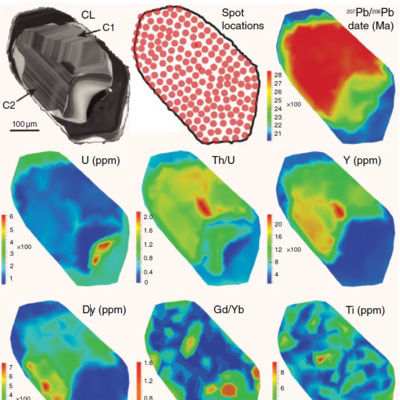
John Cottle on the Petrochronology Revolution
Over the course of Earth history, many parts of the crust have undergone multiple episodes of metamorphism. Modern methods of dating and measuring trace-element abundances are now able to tease out the timing and conditions of the individual episodes. But new techniques were needed before these methods could be scaled up to unravel regional tectonic events such as the formation of
Martin Gibling on Rivers in the Geological Record - Part 2
This episode is the second of two of my conversation with Martin Gibling. In the first episode, we discuss fluvial deposits in the geological record and we trace the effect that the break-up of Pangea around 200 million years ago had on river systems. In this episode, we address the history of the rivers of Europe and the Americas, as well as the impact of the recent ice ages on today’

Martin Gibling on Rivers in the Geological Record - Part 1
Rivers can seem very ephemeral, often changing course or drying up entirely. Yet some rivers have persisted for tens or even hundreds of millions of years, even testifying to the breakup of Pangea, the most recent supercontinent, about 200 million years ago. On the one hand, their courses may be determined by tectonic processes such as the formation of mountain belts. And on the

Anna Fleming on the Experience of Rock Climbing
This episode is a bit of a departure from the objective approach to geology of past episodes in that here we address the subjective nature of various rocks as experienced by a rock climber with a literary bent.
A rock climber’s very survival can depend on the properties of a rock encountered along a climbing route. This engenders a uniquely intense relationship between climber and rock. &nbs
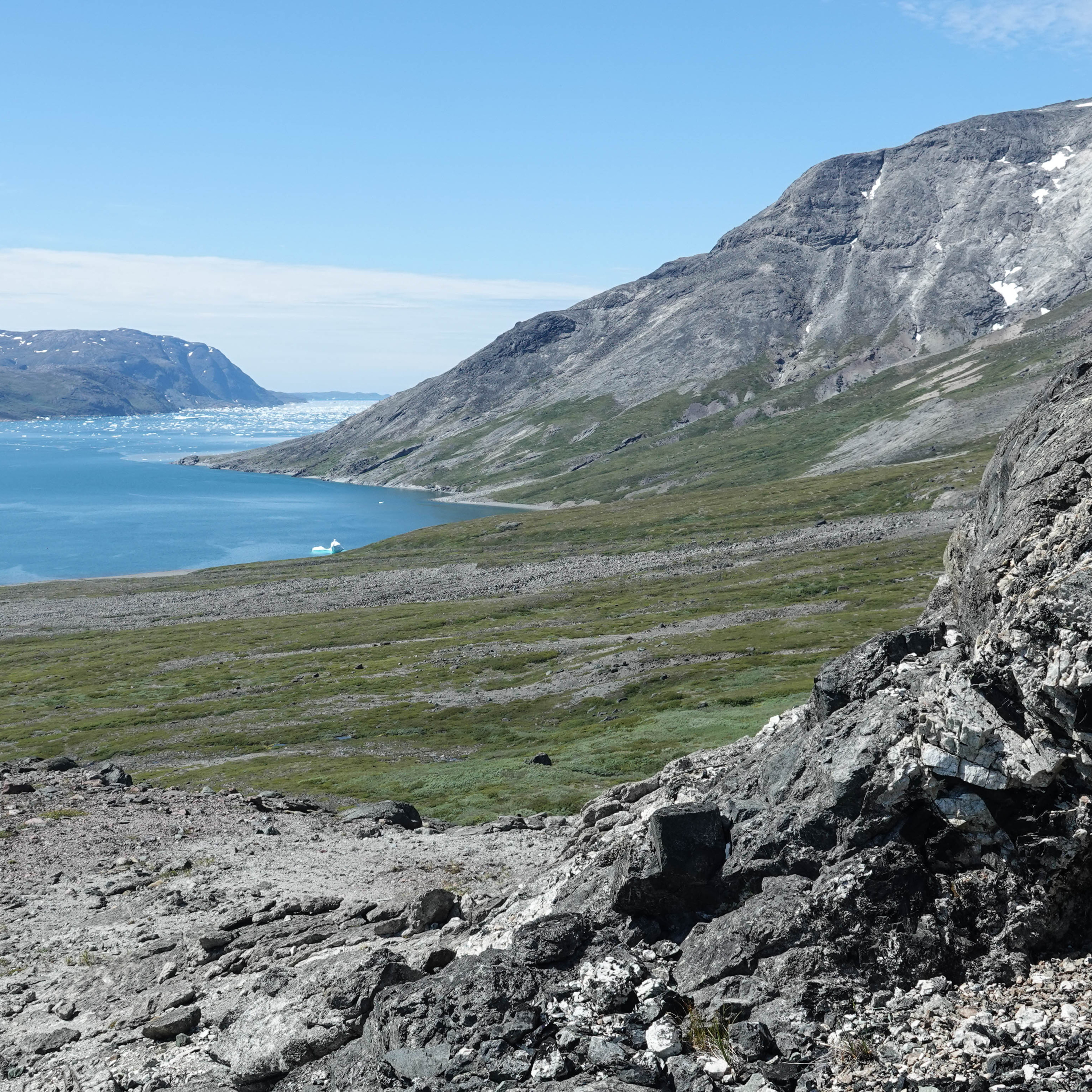
Brian Upton on the Unique Rift Zone of South Greenland
Between 1.3 and 1.1 billion years ago, magma from the Earth's mantle intruded into a continent during the assembly of the supercontinent called Nuna. Through good fortune, the dykes and central complexes that resulted have been preserved in near-pristine condition in what is now the south of Greenland. The dykes are extraordinarily thick, and the central complexes contain an order of magnitude mor

Geoff Abers on Subduction Zones and the Geological Water Cycle
Subduction zones are places where a slab of oceanic lithosphere plunges into the mantle below. The slab consists of the sediments on top, crustal rocks in the middle, and the lithospheric mantle on the bottom, all plunging down together as a kind of sandwich. In each of these layers is an ingredient that plays a key role in shaping the evolution of the Earth over geological time – and

Maria McNamara on Seeing the Ancient World in Color
Popular reconstructions of ancient environments, whether they be in natural history museum dioramas, in movies, or in books, present a world of color. But are those colors just fanciful renderings, perhaps based on the colors we see around us today? Or is there evidence in the fossil record that we can use to determine the actual color of plants and animals that lived in the geological past?

Phil Renforth on Carbon Sequestration
For many years, efforts to limit climate change have focused on curtailing anthropogenic emissions of greenhouse gases. But it is increasingly clear that such curtailment will not, on its own, be able to prevent the damaging effects of global warming. Therefore, more attention is now directed to mitigating climate change by enhancing the removal or sequestration of greenhouse gases fro
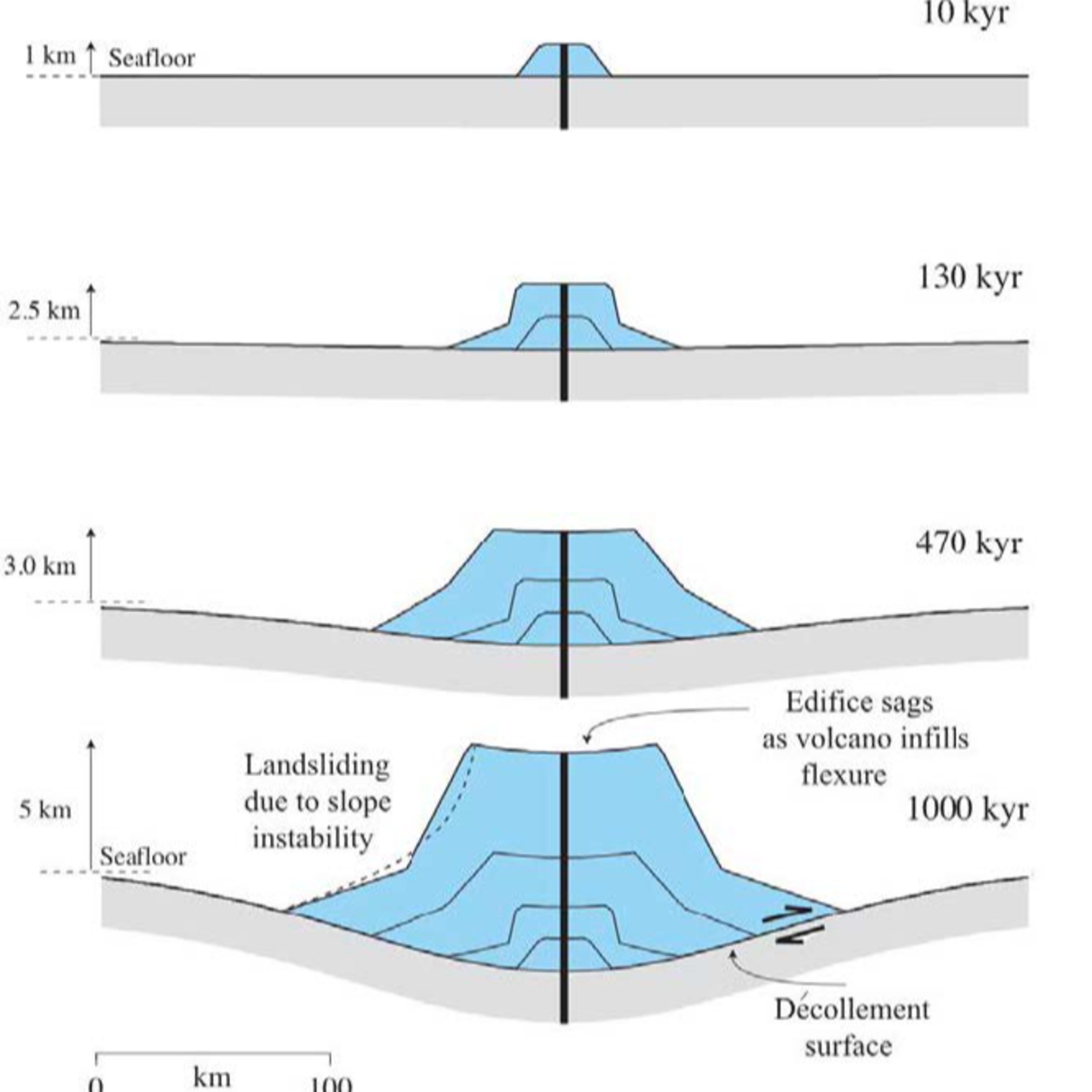
Tony Watts on Seamounts and the Strength of the Lithosphere
When plate tectonics was adopted in the 1960s and early '70s, researchers quickly mapped out plate movements. It seemed that plates moved as rigid caps about a pole on the Earth's surface. But since then, a lot of evidence has accumulated suggesting that plates are not, in fact, totally rigid. In fact, we can see them flex in response to stresses that are imposed on them. S

Neil Davies on the Greening of the Continents
Life only emerged from water in the Ordovician. By that time, life had been thriving in oceans and lakes for billions of years. What did the colonization of the land look like, and how did it reshape the Earth’s surface? Neil Davies describes how we can decipher the stratigraphic sedimentary record to address these questions. Perhaps surprisingly, it’s easier to recognize s

Ben Weiss on the Mission to Psyche
The asteroid Psyche is probably the most metal-rich body we have discovered. There are two, quite different, theories as to how it may have formed: Either it formed that way, or it originally had a more typical composition, but its rocky outer portion was blasted off during a major collision. To help determine which is most likely, NASA is sending a space probe there, to be launched on

Roger Bilham on Himalayan Earthquakes
We hear about earthquakes in the Himalaya, especially when they claim lives and cause damage. And we understand that, broadly speaking, it is the continued northward movement of India ploughing into Tibet that causes these earthquakes. But where exactly do the earthquakes occur, how do they occur, and what determines how much damage they inflict?
Roger Bilham has conducted a detailed study of the

Susannah Porter on Tiny Vampires in Ancient Seas
The fossil record of complex life goes back far beyond the Cambrian explosion, to as far back as 1,600 million years ago in the late Paleoproterozoic with the first appearance of eukaryotes. But these creatures only started to diversify much later, around 750 million years ago. What enabled this evolutionary change has been a puzzle, but one idea is that it reflects the appearance of m

Ana Ferreira on Seeing Flows in the Mantle
Does the pull of a subducting slab drive plate motions? Or is it the upwellings of convection cells in the mantle? We now have a new way to shed light on this question. It's called seismic anisotropy, which is the spreading out of seismic waves according to their direction of polarization. This happens when the mantle through which the waves travel has crystals which are pr

Phil Gibbard on the Anthropocene
There’s a lot of debate about the idea that the global changes brought about by humans define a new geological epoch, dubbed the Anthropocene. Should such an epoch be added to the official geological time scale? If so, what aspect or aspects of anthropogenic change should be used, and exactly where do we place the golden spike that will define the base of the Anthropocene?
Such questions come unde

David Bercovici on How Plate Subduction Starts
Subduction zones are a fundamental aspect of plate tectonics, yet we still don't really understand how subduction initiates. It's a tough problem because as oceanic plates move away from a mid-ocean spreading center and cool, they get stiffer and should become more and more resistant to bending and sinking down into the mantle. But recent work suggests that the clue to this puzzle lies

Bob Hazen on the Evolution of Minerals
New rock types emerge during the history of the Earth. For example, the silica-rich felsic rocks such as granite that characterize continental crust, accumulated during the course of Earth history. Granite only forms in certain specific tectonic settings, such as above subduction zones and when lower crustal rocks melt in mountain belts. But what about the minerals themselves? &n

Matt Jackson on the Heterogeneity of the Mantle
Matt Jackson is a Professor of Earth Science at the University of California, Santa Barbara. He probes the chemical composition of the mantle by analyzing trace elements and isotopes in hot-spot lavas from around the world. In the podcast, he describes the intriguing heterogeneity among the hot-spots of the so-called “hot-spot highway” in the western Pacific. The heterogeneity there, as well as

Carmie Garzione on Reconstructing Land Elevation Over Geological Time
Throughout geological history, various points on the Earth’s surface have been lifted up to great elevations and worn down into low, flat-lying regions. Determining surface elevation histories is difficult because rocks that were once on the surface are usually eroded away or buried. Furthermore, most rock-forming processes are not directly affected by elevation. But it turns out

Chuck DeMets on High-Resolution Plate Motions
The magnetic stripes frozen into the sea floor as it forms at mid-ocean ridges record the Earth’s magnetic field at the time of formation. Reversals in the Earth’s magnetic field define the edges of these stripes, in effect time-stamping the sea floor position.
Chuck DeMets is Emeritus Professor of Geoscience at the University of Wisconsin, Madison. He studies the magnetic anomalies in

Mike Searle on Ophiolite
As the name implies, oceanic lithosphere underlies the oceans of the world. Except when they are ophiolites, when oceanic lithosphere is thrust on top of a continental margin. Are ophiolites a special kind of oceanic lithosphere? Or are there peculiar tectonic circumstances that emplace denser oceanic rocks on top of lighter continental ones? Mike Searle addresses thes

Mackenzie Day on Dunes
Some of the most extensive sandstone deposits in the world were deposited by wind. How do such aeolian rocks differ from water or ice-deposited rocks? And what do they reveal about the environments in which they formed? In the podcast she describes the dunes we see in the geological record on Earth, as well as on Mars and on a comet, and explains what we've learned from the
Recommended

Yours Truly Johnny Dollar Collection

Take Back Your Health®

CBS Radio Mystery Theater | Old Time Radio

Solved Murders - True Crime Stories

紐約鳥|New York Aperture

The Swerve Podcast: Obscure Topics | Conspiracy Theories

The Bread and Banter Podcast

The Church of What's Happening Now: The New Testament

Busted Open

Deadline: White House

Crickets Corner

History of the Earthquake and Fire in San Francisco
