UCLA Public Mental Health Partnership
PMHP 202 episodes Jan 27, 2026
The UCLA Public Mental Health Partnership is a podcast from the UCLA group of the same name, produced in partnership with the Los Angeles County Department of Mental Health. It focuses on improving care for vulnerable populations by including marginalized perspectives and building capacity for health equity. Episodes share information about the partnership's mission, work, and approach to public mental health.
Episodes
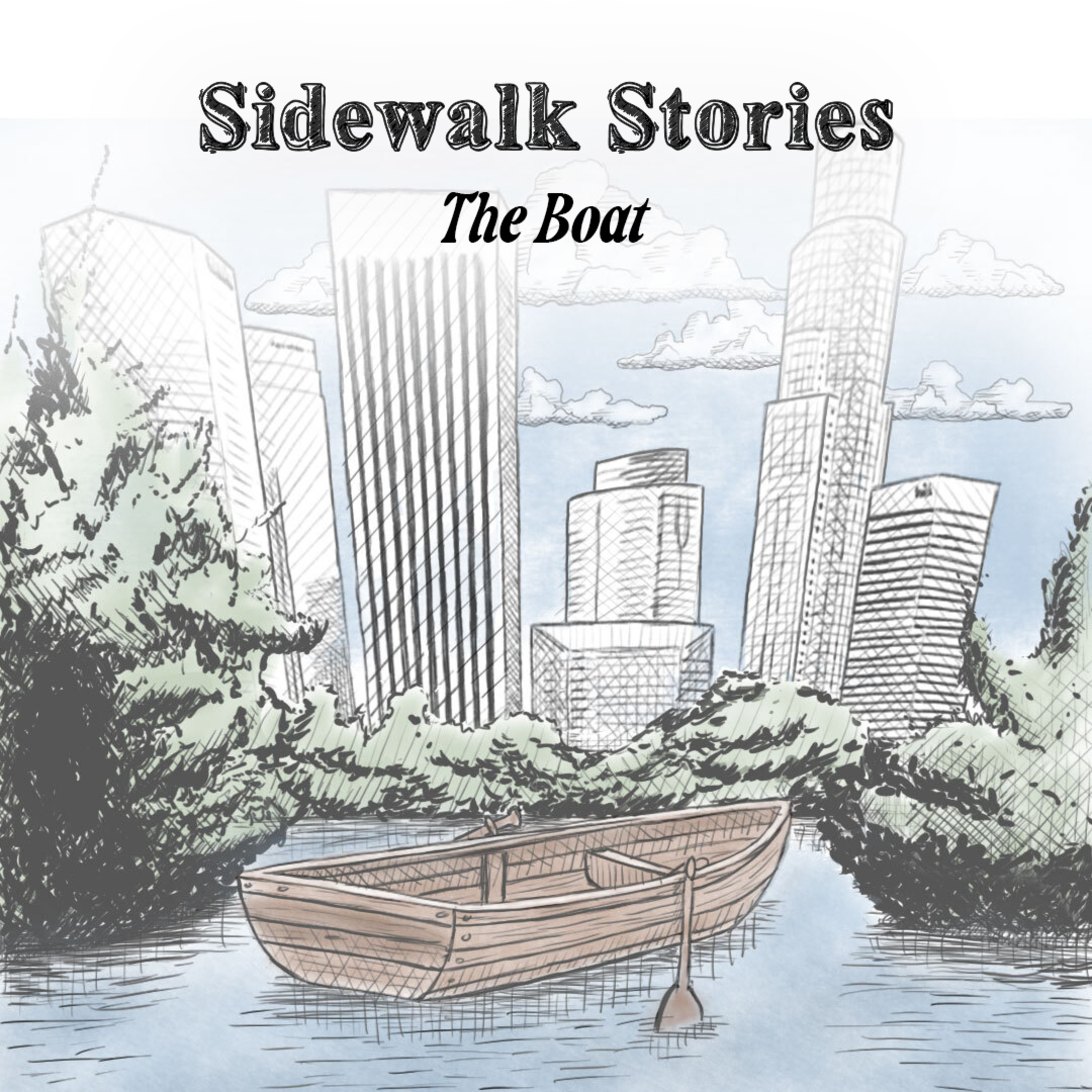
Sidewalk Stories: The Boat
Written by Kimberly Barrante; Narrated by Jonathan C. Fernandez; Artwork by Adrian Cruz; Produced by DMH + UCLA Public Mental Health PartnershipSidewalk Stories is inspired by real-life relationships between an unhoused person and their mental health outreach provider on the Los Angeles County Homeless Outreach and Mobile Engagement team, known as HOME. Though identifying details have been changed
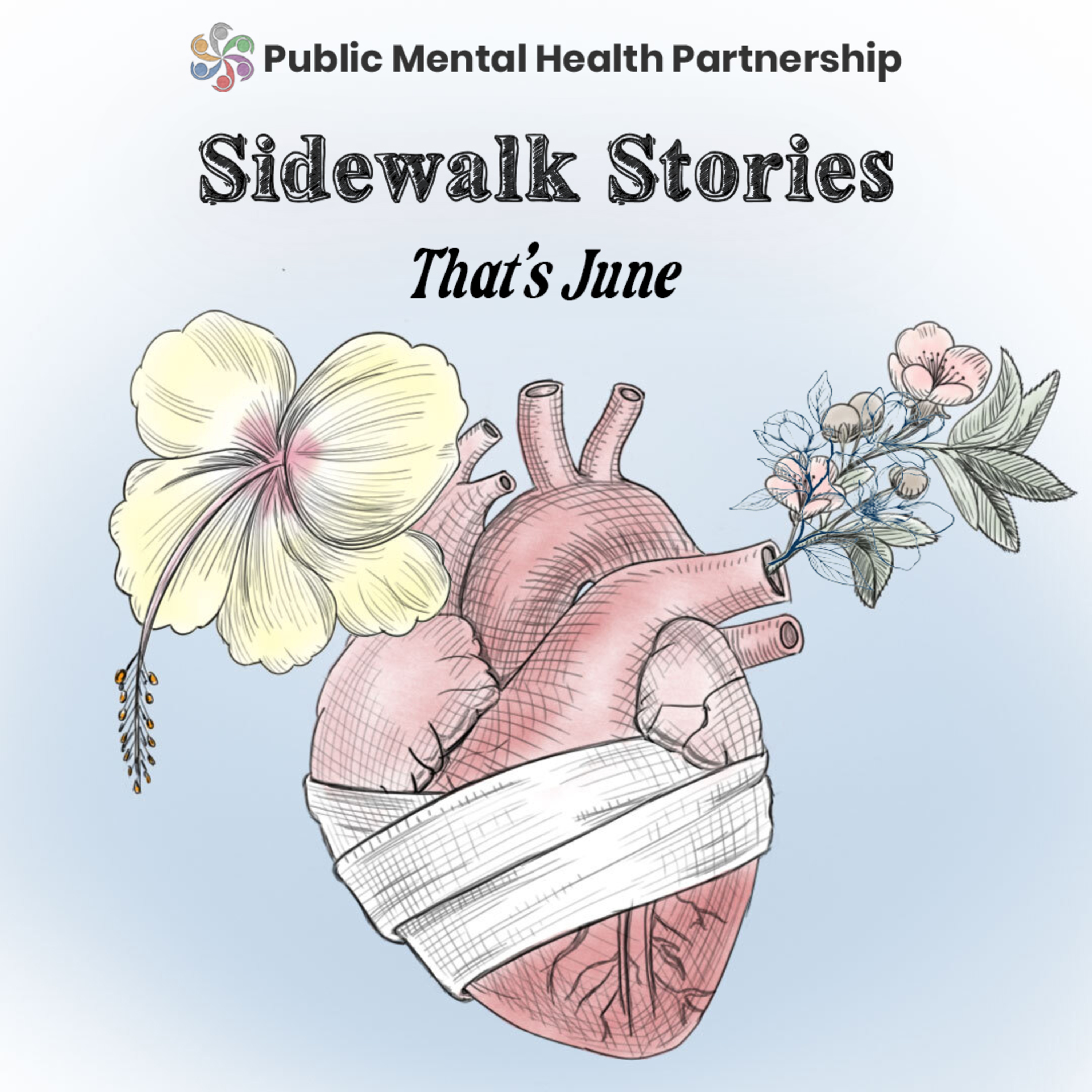
Sidewalk Stories: That's June
Written by Taylor Crawford; Narrated by Stephanie Y. Cole; Artwork by Adrian Cruz; Produced by DMH + UCLA Public Mental Health PartnershipSidewalk Stories is inspired by real-life relationships between an unhoused person and their mental health outreach provider on the Los Angeles County Homeless Outreach and Mobile Engagement team, known as HOME. Though identifying details have been changed, the
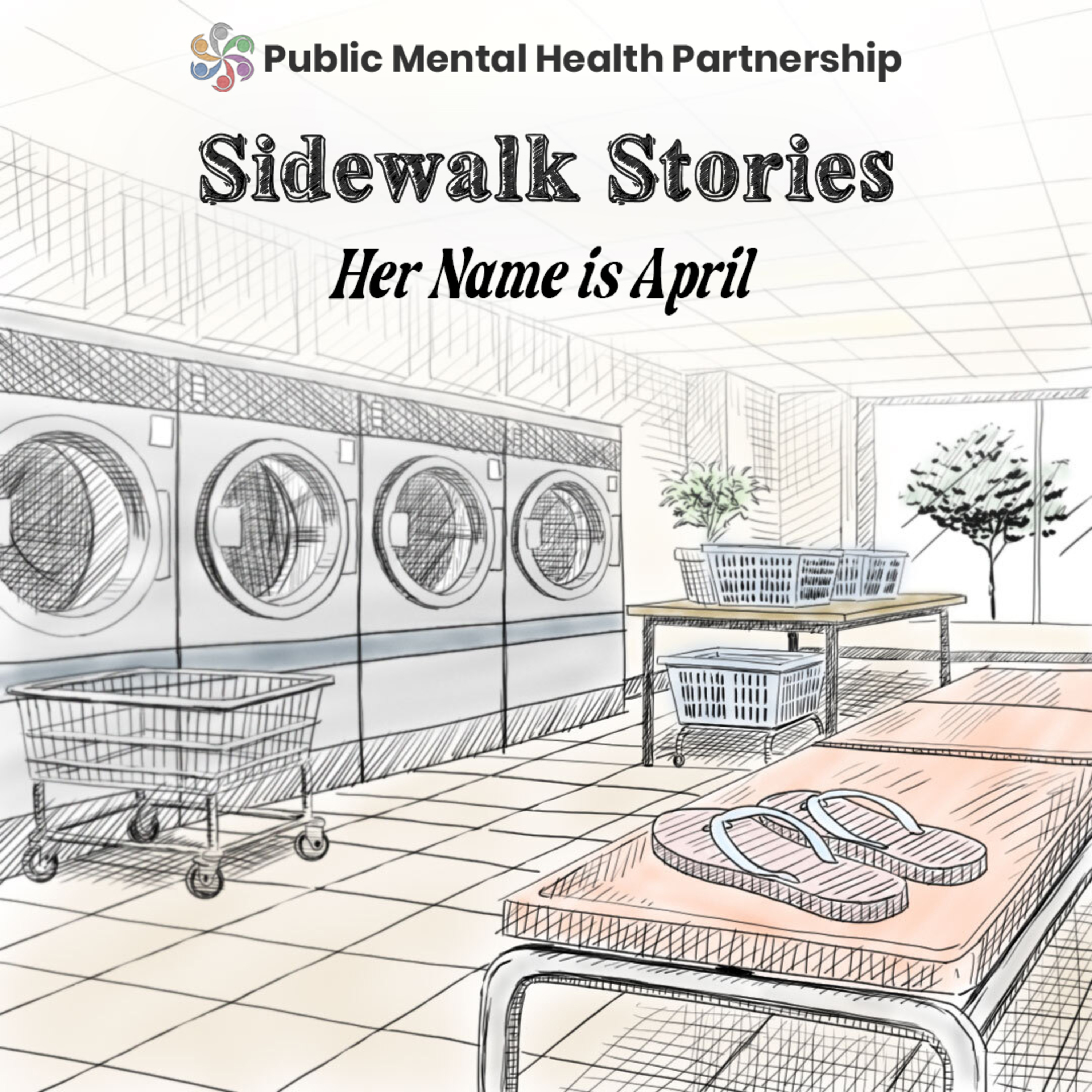
Sidewalk Stories: Her Name is April
Warning: This episode includes discussion of suicide. If this topic is triggering for you, please consider skipping this episode. If you or someone you know is in crisis, in the US, please call or text 988 for immediate help. If outside the US, please reach out to your local crisis hotline.Written by Ally Merkel; Narrated by Lydia Berger Gray; Artwork by Adrian Cruz; Produced by DMH + UCLA Public
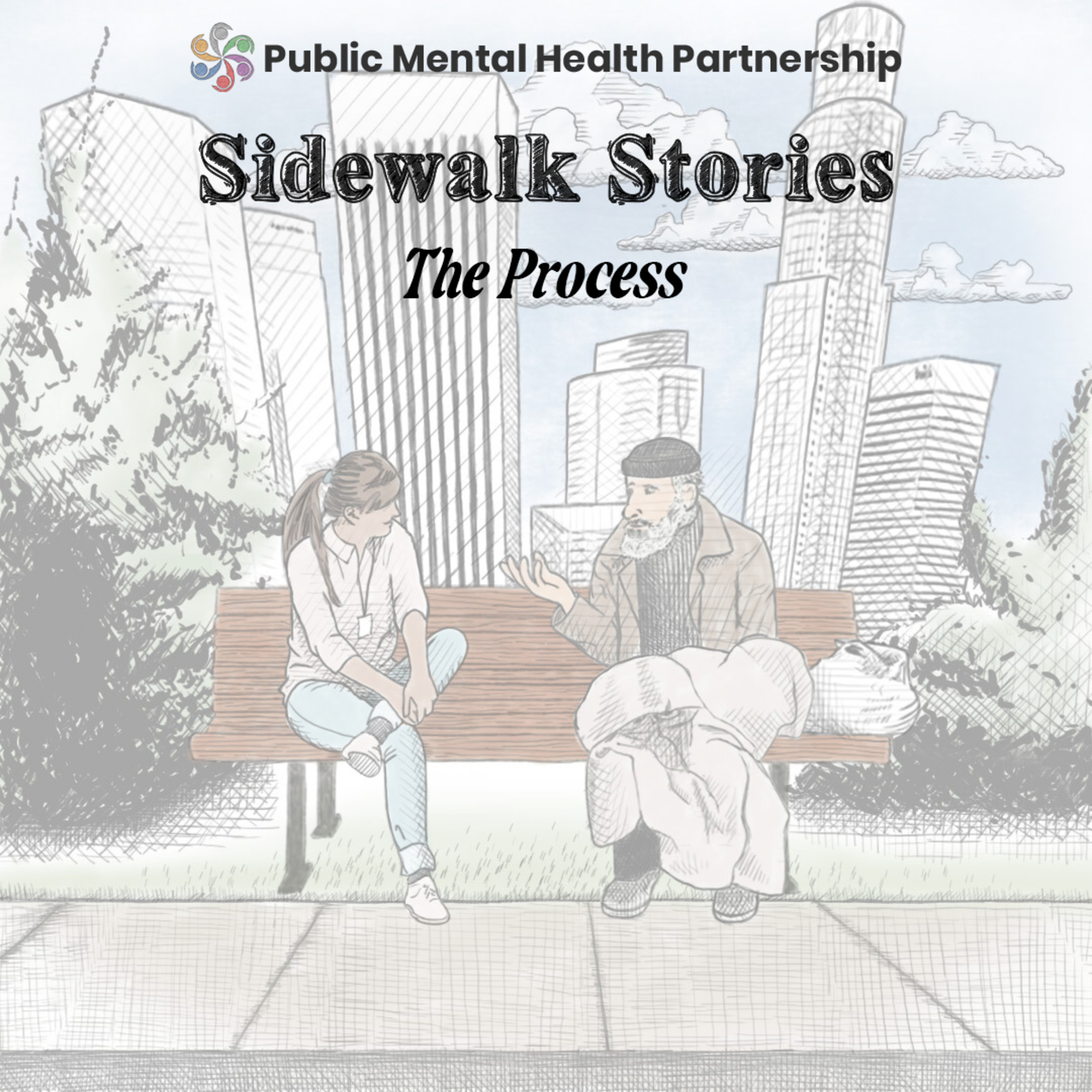
Sidewalk Stories: The Process
Written by Brady Bryson; Narrated by Roni Orlina; Artwork by Adrian Cruz; Produced by DMH + UCLA Public Mental Health PartnershipSidewalk Stories is inspired by real-life relationships between an unhoused person and their mental health outreach provider on the Los Angeles County Homeless Outreach and Mobile Engagement team, known as HOME. Though identifying details have been changed, the heart of
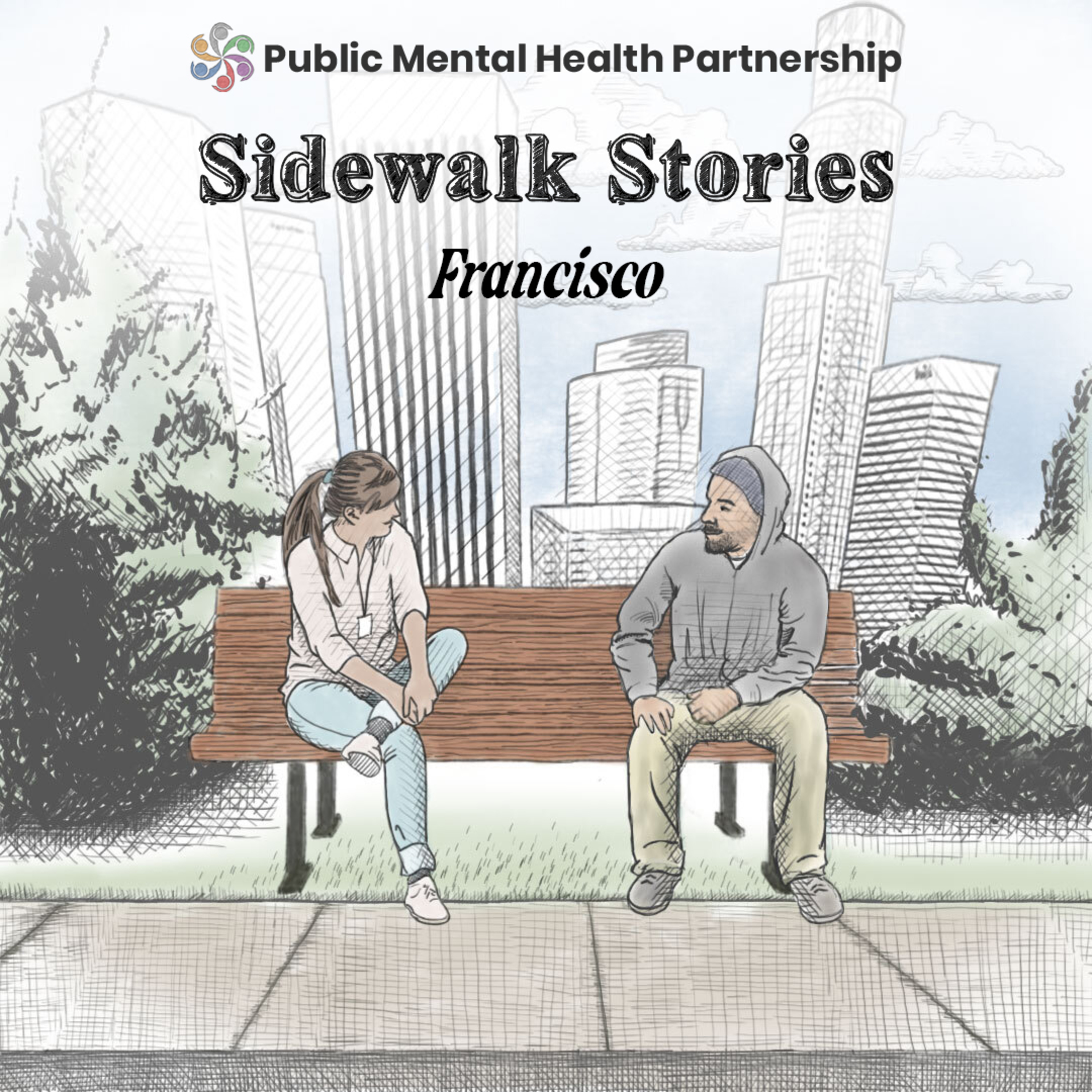
Sidewalk Stories: Francisco
Written by Kevin Grossman; Narrated by Amy Selma; Artwork by Adrian Cruz; Produced by DMH + UCLA Public Mental Health PartnershipSidewalk Stories is inspired by real-life relationships between an unhoused person and their mental health outreach provider on the Los Angeles County Homeless Outreach and Mobile Engagement team, known as HOME. Though identifying details have been changed, the heart of
Sidewalk Stories: Glasses
Written by Erin Gruodis-Gimbel; Narrated by Roni Orlina; Artwork by Adrian Cruz; Produced by DMH + UCLA Public Mental Health PartnershipSidewalk Stories is inspired by real-life relationships between an unhoused person and their mental health outreach provider on the Los Angeles County Homeless Outreach and Mobile Engagement team, known as HOME. Though identifying details have been changed, the he
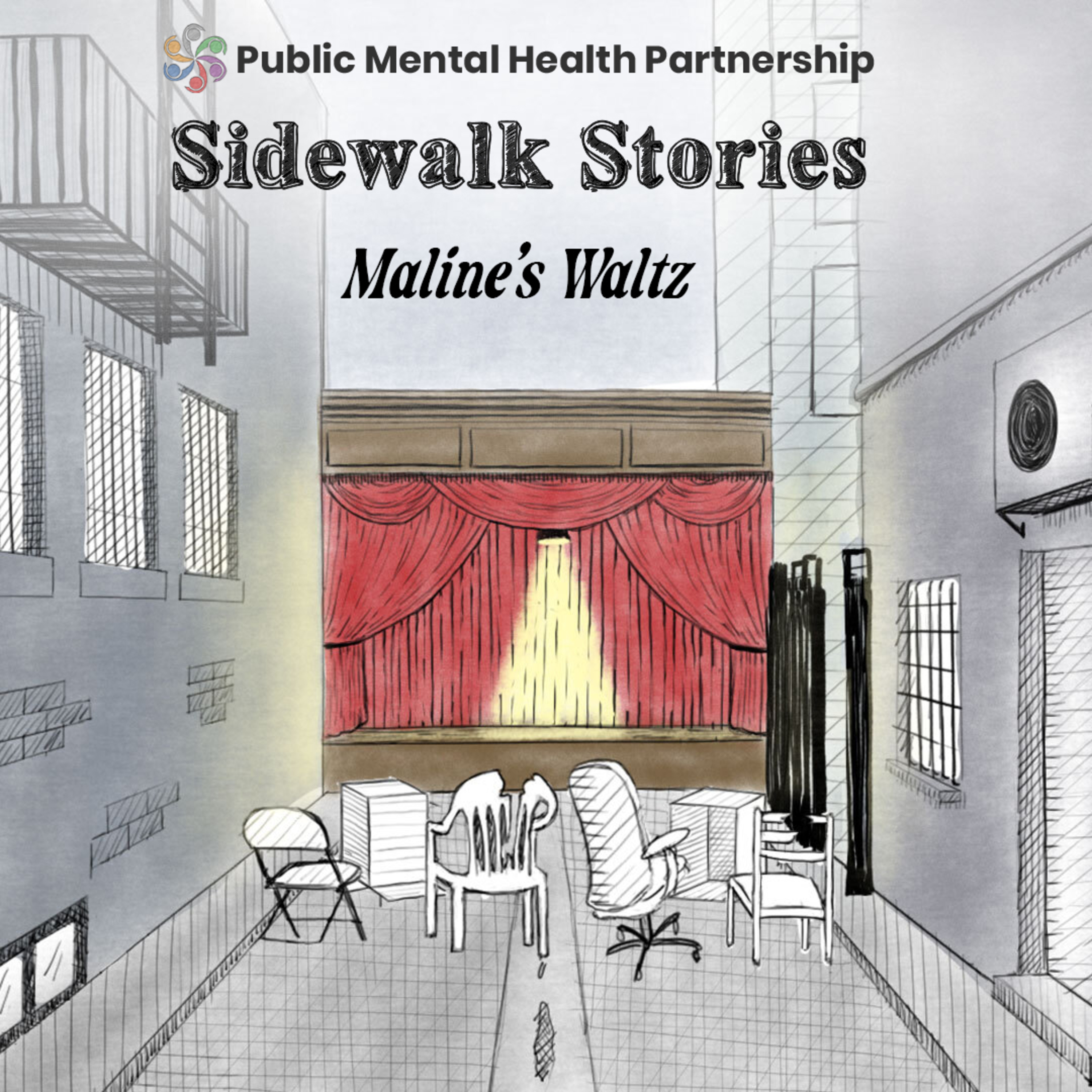
Sidewalk Stories: Maline's Waltz
Written by Tavis Vannucci; Narrated by Christian Gray; "Quando me'n vo" aria performed by Caroline Diehl; Artwork by Adrian Cruz; Produced by DMH + UCLA Public Mental Health PartnershipSidewalk Stories is inspired by real-life relationships between an unhoused person and their mental health outreach provider on the Los Angeles County Homeless Outreach and Mobile Engagement team, known as HOME. Tho
Sidewalk Stories: Bones Don't Care
Written by Ryan Frances-Wright; Narrated by Gervais Weekes; Artwork by Adrian Cruz; Produced by DMH + UCLA Public Mental Health PartnershipSidewalk Stories is inspired by real-life relationships between an unhoused person and their mental health outreach provider on the Los Angeles County Homeless Outreach and Mobile Engagement team, known as HOME. Though identifying details have been changed, the
Sidewalk Stories: Swiss Army Book
Written by Joseph Mango; Narrated by Dominica Ivey; Artwork by Adrian Cruz; Produced by DMH + UCLA Public Mental Health PartnershipSidewalk Stories is inspired by real-life relationships between an unhoused person and their mental health outreach provider on the Los Angeles County Homeless Outreach and Mobile Engagement team, known as HOME. Though identifying details have been changed, the heart o
Sidewalk Stories: Soup Cans and 7-Eleven
Written by Zoe Simone; Narrated by Lydia Berger Gray; Artwork by Adrian Cruz; Produced by DMH + UCLA Public Mental Health PartnershipSidewalk Stories is inspired by real-life relationships between an unhoused person and their mental health outreach provider on the Los Angeles County Homeless Outreach and Mobile Engagement team, known as HOME. Though identifying details have been changed, the heart
Sidewalk Stories Trailer
At PMHP, we're honored to share a new narrative podcast of 10 episodes titled Sidewalk Stories, inspired by real-life relationships between an unhoused person and their mental health outreach provider on the Los Angeles County Homeless Outreach and Mobile Engagement team, known as HOME. Though identifying details have been changed, the heart of these stories remains intact. We aim to shine a l

Divided Attention: The Intersection of ADHD and Substance Use Disorders
Presented by Ian McLoone, MPS, LPCC, LADCThis practical training explores the critical intersection between attention-deficit/hyperactivity disorder (ADHD) and substance use disorders (SUDs). With approximately 1 in 5 individuals with SUD also experiencing ADHD, understanding this common co-occurrence is essential for effective support. Designed to support behavioral health practitioners across a
Essentials of Effective Teamwork in Intensive Mental Health Services
Presented by Madina Wardak, MSW, ACSW and Vanessa Porea, LPC, APCC, NCPRSSEffective team-based care is essential for positive outcomes in intensive mental health programs. This training explores the critical role of team climate in reducing burnout, fostering motivation, and improving client outcomes. Participants will learn evidence-based tools to assess team climate and identify areas for growth
Supporting Client Transitions with a Critical Time Intervention Approach
Presented by Danielle Cameron, LCSW, MSWThe critical time intervention (CTI) model is a time-limited, evidence-based practice that mobilizes support for our communities’ most vulnerable individuals during periods of transition. It facilitates community integration and continuity of care by ensuring that a person has formidable ties to their community and support systems during these critical perio
Supporting Clients Who Observe Ramadan
Presented by Madina Wardak, MSW, ACSWThis presentation explores the observance of Ramadan, highlighting spiritual, cultural, and practical considerations that may affect the needs and engagement of individuals receiving mental health services. Attendees will gain insight into the significance of the holy month, including fasting, prayer, and community obligations, and how these factors influence a
General Dialectical Behavior Therapy Skills and Informed Interventions Part 2
Presented by Maggie Mullen, LCSW
This training will outline the basics of dialectical behavior therapy (DBT), an evidence-based psychotherapy for emotion dysregulation that helps people become more mindful as they simultaneously work on improving interpersonal relationships, tolerating distress, and regulating intense emotions. This presentation will introduce practical applications of DBT throug
General Dialectical Behavior Therapy Skills and Informed Interventions Part 1
Presented by Maggie Mullen, LCSW
This training will outline the basics of dialectical behavior therapy (DBT), an evidence-based psychotherapy for emotion dysregulation that helps people become more mindful as they simultaneously work on improving interpersonal relationships, tolerating distress, and regulating intense emotions. This presentation will introduce practical applications of DBT throug
Approaches for Working With Substance Use and Co-Occurring Disorders Part 2
Presented by Danielle Cameron & Vanessa Porea.
In this training, providers will gain an understanding of substance use and co-occurring disorders, along with considerations for treatment and resources to refer clients to the appropriate services when needed. Providers will also learn skills and practical tools from cognitive behavioral therapy (CBT), dialectical behavioral therapy (DBT), and m
Approaches for Working With Substance Use and Co-Occurring Disorders Part 1
Presented by Danielle Cameron & Vanessa Porea.
In this training, providers will gain an understanding of substance use and co-occurring disorders, along with considerations for treatment and resources to refer clients to the appropriate services when needed. Providers will also learn skills and practical tools from cognitive behavioral therapy (CBT), dialectical behavioral therapy (DBT), and m
Managing Expectations and Goal Setting with Clients Who Display Resistance Behaviors
Presented by Danielle Cameron, LCSWThe majority of behavioral health professionals can expect to face client resistance behaviors at some point in their careers. As commonly referred to in peer-reviewed literature, the term “resistance behaviors” can best be understood as the expression of apprehension and reluctance to engage in services and ambivalence around change, most often seen in cases wit
Workplace Politics
Presented by Jennifer Wisdom, PhD, MPH, ABPP.
Workplace Politics defines politics as processes and behaviors between people to get things done and get needs met. Dr. Wisdom will solicit examples from the attendees about examples of "politics" that they have encountered and then will address four aspects to help address workplace politics: self-awareness, understanding power and influence
Intergenerational Communication Challenges
Presented by Jennifer Wisdom, PhD, MPH, ABPP.
Intergenerational Communication Challenges introduces generations (from boomers to Gen Z) and identifies how each generation has its own experiences, worldviews, and perspectives. Dr. Wisdom will solicit ideas from attendees on how intergenerational challenges show up in their workplace and describe how these challenges in the workplace can be associat
Self-Care for Field-Based Outreach Workers
Presented by Danielle Farmer, MSEd, LCSW. Studies show that 83% of U.S. workers suffer from work-related stress, with 25% naming their job as the number one stressor in their lives (The American Institute of Stress, 2022). These rates are even higher for individuals in social service settings due to factors such as emotional labor and the traumatic realities that clients may face. These factors pl
Care Coordination With Primary and Specialty Care for Field-Based Mental Health and Outreach Service Providers
Presented by Elizabeth Mackey, LMSW and Chelsea Simms, LCSW, MSW. This training will focus on models of integrated care, including integrated, coordinated, and co-located care models, and related skills for practicing care coordination across systems. The importance of coordinated care will be explained through the social determinants of health (SDOH) framework, highlighting integrated care/care c

Housing Hurdles in LA County, Part 2: Understanding Why Things are the Way They Are and How to Navigate Limited Choices
This two-part training will help generate an understanding of why the housing landscape in Los Angeles looks the way it does while offering up strategies that providers can use to navigate it. Day 1 will examine the histories and policies that have shaped LA’s housing supply and will outline where we are going in the future. It will also help providers identify what housing is currently available,
Housing Hurdles in LA County, Part 1: Understanding Why Things are the Way They Are and How to Navigate Limited Choices
This two-part training will help generate an understanding of why the housing landscape in Los Angeles looks the way it does while offering up strategies that providers can use to navigate it. Day 1 will examine the histories and policies that have shaped LA’s housing supply and will outline where we are going in the future. It will also help providers identify what housing is currently available,
Developing and Facilitating Therapeutic Groups in Community Mental Health Part 2
Presented by Danielle Cameron, LCSW and Chelsea Simms, LCSW, MSW. Group therapy can be an effective and impactful therapeutic intervention for consumers of community mental health services, providing a space for processing, peer support, and social skills practice. This training will explore both the practicalities of starting and maintaining a group within a community mental health setting, as we
Developing and Facilitating Therapeutic Groups in Community Mental Health Part 1
Presented by Danielle Cameron, LCSW, MSW and Chelsea Simms, LCSW, MSW. Group therapy can be an effective and impactful therapeutic intervention for consumers of community mental health services, providing a space for processing, peer support, and social skills practice. This training will explore both the practicalities of starting and maintaining a group within a community mental health setting,
Moral Distress in the Daily Practices of Case Management
Presented by Paul Brodwin, PhD. In this session, participants will review the recurring ethical issues faced by case managers who work with people with severe mental illness, learn the definitions of "ethical dilemma" and "moral distress," and how to distinguish between them in practice, and lastly, through interactive case studies, gain experience in recognizing and resolving
Assertive Engagement With Parents and Caregivers
Presented by Julie Cohen, LMFT and Danielle Farmer MSEd, LCSW. This training will provide Full Service Partnership (FSP) team members with a foundational understanding of assertive engagement principles and strategies when working with parents and caregivers. Participants will learn the core concepts of assertive engagement, including active listening, empathy, and effective communication techniqu
Smoking Cessation in Field-Based Mental Health Services
Presented by Stacy D. Goldsholl, MA. This training will give field-based mental health service providers an overview of the prevalence of smoking among persons living with serious mental illness (SMI), and review its implications on health. Stacy D. Goldsholl will review the effectiveness of evidence-based practices for smoking cessation for persons with SMI. Goldsholl will also discuss how provid
Reproductive Psychiatry for the FSP Community
Presented by Emily C. Dossett, MD, MTS. Pregnancy and postpartum can be joyful, but they can also be full of stress, physical changes, and worsened psychiatric symptoms for people with serious mental illness (SMI). At the same time, reproductive needs in the SMI population have historically been overlooked or ignored. This training will discuss how the perinatal period affects psychiatric symptoms
Persistent and Committed Engagement: Practical Strategies for Difficult to Reach Clients
Presented by Chelsea Simms, LCSW, MSW. Outreach and Engagement (O&E) is a key phase of treatment across Full Service Partnership (FSP) and Homeless Outreach Mobile Engagement (HOME) teams within Los Angeles County. During this time, it is crucial to begin building a solid therapeutic relationship with clients. We will discuss techniques to reinforce this relationship, including shared decision
Assertive Engagement Techniques and Strategies for Successful Rapport Building
Presented by Chelsea Simms, LCSW, MSW and Larry Fernandez, LCSW, MSW. Mental illness and co-occurring disorders can influence the length of time in establishing a trusting therapeutic relationship. Assertive engagement involves the use of interpersonal skills and inventiveness to engage clients and interest them in subsequent care. It entails taking multidisciplinary services directly to the peopl
Applying Fidelity to Full Service Partnerships to Enhance Service Delivery and Improve Program Outcomes
Presented by Sam Tsemberis, PhD and Ana Stefancic, PhD. This training will describe the concept of program fidelity, how the principles and practices of Full Service Partnership (FSP) programs are operationalized to measure FSP model fidelity, and how to use fidelity assessments as part of quality improvement. We use narratives and vignettes to illustrate how to apply FSP fidelity principles and p
Provider Wellbeing & Self-Care: Creating a Wellness Plan in Uncertain Times
Presented by Chelsea Simms, LCSW, MSW. This training discusses the concepts of uncertainty, rumination, and self-care. The presenter discusses how uncertainty and rumination contribute to an increase in anxiety and stress.
Working With Justice-Involved Clients: Part 2
This training serves as a follow-up to the previous training, Working with Justice-Involved Clients: Part 1, which took place on May 17, 2023. This training will more closely examine how the justice system interacts with individuals with serious mental illness (SMI). Participants will review statistics regarding individuals with SMI in the justice system and the best practices for discussing menta
Working With Justice-Involved Clients: Part 1
This is an overview of the criminal justice system, including alternatives to incarceration for clients with serious mental illness (SMI), and a discussion of the roles and responsibilities of the clinician while working with clients. The training will include information related to the Los Angeles County jail and court systems, practice points related to working with clients with SMI, navigating
Essentials of Field-Based Psychiatric Services
Presented by Shayan Rab, MD. This presentation will outline key principles in field-based psychiatric services through a model developed by the HOME Team. Psychiatrists will learn how to adapt traditional psychiatric services for service delivery in the field and gain a better understanding of the DMH innovations available to support field-based psychiatry. The presentation will outline how to uti
Harm Reduction Training Collaborative Part 3
Presented by Elizabeth Mackey, LMSW and Chelsea Simms, LCSW, MSW. This training focuses on expanding the practice, knowledge, and skills of social workers, case managers, peers, psychologists, and psychiatrists who work in Full Service Partnership (FSP) programs in Los Angeles County. The training builds on the prior FSP Training Collaborative series topics (recovery-oriented and trauma informed c
Harm Reduction Training Collaborative Part 2
Presented by Elizabeth Mackey, LMSW and Chelsea Simms, LCSW, MSW. This training focuses on expanding the practice, knowledge, and skills of social workers, case managers, peers, psychologists, and psychiatrists who work in Full Service Partnership (FSP) programs in Los Angeles County. The training builds on the prior FSP Training Collaborative series topics (recovery-oriented and trauma informed c
Harm Reduction Training Collaborative Part 1
Presented by Elizabeth Mackey, LMSW and Chelsea Simms, LCSW, MSW. This training focuses on expanding the practice, knowledge, and skills of social workers, case managers, peers, psychologists, and psychiatrists who work in Full Service Partnership (FSP) programs in Los Angeles County. The training builds on the prior FSP Training Collaborative series topics (recovery-oriented and trauma informed c
Collaborating Across Systems for Youth Clients
Effective care coordination is essential for supporting positive outcomes in clients with complex medical and mental health needs. This is especially true for child and adolescent clients involved with multiple agencies or systems. This training will examine the best practices for engaging in professional collaboration on behalf of youth clients. Participants will explore theoretical approaches to
Child and Adolescent Suicide Assessment and Prevention
Presented by Danielle Farmer, MSEd, LCSW. WARNING: This video contains discussions about suicide and may be triggering for some individuals. Numerous studies have highlighted a concerning surge in the mental health challenges facing youth in recent years. As part of this growing concern, rates of suicide risk and completed suicides in children and adolescents have also increased. As of 2020, suici
CBT for Psychosis: Introduction and Practical Applications
Presented by Chelsea Simms, LCSW, MSW. Cognitive Behavioral Therapy’s utilization for treatment of psychosis is becoming more integrated into mental health care. This training will focus on symptomatology associated with the experience of psychosis, interventions that emphasize the core practices of CBT, and also third wave CBT techniques for those with severe and persistent mental illness.
Naloxone Info Session: Helping LA County Providers Prevent Overdose
This is a bi-monthly info session on Naloxone (Narcan), an opiate overdose reversal medication that can be used by providers and laypersons to intervene on opiate overdose. Each session will cover what Naloxone is, how it works, general opiate information, how to administer, where to access training and supply, as well as addressing misinformation and overdose prevention strategies from a harm red
Dialectical Behavior Therapy-Informed Interventions for Psychosis Part 2
Presented by Maggie Mullen, LCSW. Dialectical Behavioral Therapy (DBT) has often been utilized to help those who struggle with intense experiences of emotion dysregulation. Yet, when one thinks of psychosis, an experience that can greatly disrupt a person’s ability to engage in emotional regulation, DBT is not commonly thought of as a therapeutic intervention. By examining the four modules of DBT
Dialectical Behavior Therapy-Informed Interventions for Psychosis Part 1
Presented by Maggie Mullen, LCSW. Dialectical Behavioral Therapy (DBT) has often been utilized to help those who struggle with intense experiences of emotion dysregulation. Yet, when one thinks of psychosis, an experience that can greatly disrupt a person’s ability to engage in emotional regulation, DBT is not commonly thought of as a therapeutic intervention. By examining the four modules of DBT
Too Close or Too Far: Setting Best Boundaries with Clients Part 4
“Too Close or Too Far: Setting Best Boundaries with Clients” will be provided over four days in 2-hour segments via distance learning due to the COVID-19 context. This training focuses on expanding the practice, knowledge, and skill of outreach workers, social workers, case managers, peers, and psychologists who work in Homeless Outreach services in Los Angeles County. The format of each day will
Too Close or Too Far: Setting Best Boundaries with Clients Part 3
“Too Close or Too Far: Setting Best Boundaries with Clients” will be provided over four days in 2-hour segments via distance learning due to the COVID-19 context. This training focuses on expanding the practice, knowledge, and skill of outreach workers, social workers, case managers, peers, and psychologists who work in Homeless Outreach services in Los Angeles County. The format of each day will
Too Close or Too Far: Setting Best Boundaries with Clients Part 2
“Too Close or Too Far: Setting Best Boundaries with Clients” will be provided over four days in 2-hour segments via distance learning due to the COVID-19 context. This training focuses on expanding the practice, knowledge, and skill of outreach workers, social workers, case managers, peers, and psychologists who work in Homeless Outreach services in Los Angeles County. The format of each day will
Too Close or Too Far: Setting Best Boundaries with Clients Part 1
“Too Close or Too Far: Setting Best Boundaries with Clients” will be provided over four days in 2-hour segments via distance learning due to the COVID-19 context. This training focuses on expanding the practice, knowledge, and skill of outreach workers, social workers, case managers, peers, and psychologists who work in Homeless Outreach services in Los Angeles County. The format of each day will
Problem-Solving Therapy Part 2
Presented by Danielle Cameron, ACSW, MSW. Problem-Solving Therapy (PST) is a flexible and adaptable approach to assist individuals in coping with a wide-range of problems. There is increasing evidence to demonstrate its effectiveness for a variety of populations and settings. This course will provide participants with an overview of the evidence and then focus on how it is delivered to service rec
Problem-Solving Therapy Part 1
Presented by Danielle Cameron, ACSW, MSW. Problem-Solving Therapy (PST) is a flexible and adaptable approach to assist individuals in coping with a wide-range of problems. There is increasing evidence to demonstrate its effectiveness for a variety of populations and settings. This course will provide participants with an overview of the evidence and then focus on how it is delivered to service rec
De-escalation: Prevention, Intervention, and Afterward
Presented by Scott Fairhurst, PhD. Client escalation can put the safety of clients who are agitated and others around them at risk of harm and lead to both short- and long-term consequences. This training is designed for participants to learn about the phenomenon of escalation and to learn strategies for prevention, intervention, and resolving conflict. This training will address the cognitions, e
Summer Refresher Session: Cultural Competence
This training will provide an overview of what culturally competent care is and how to promote it in practice. Participants will understand the need for and aspects of culturally competent care. The presenter will review the assessment and application of culturally competent care as well as working with language interpreters.
Strategies for Effective Communication
In this training attendees will learn about the ways in which they strengthen and ways in which they hinder productive communication. Attendees will learn about how their feelings and their identity influence how they communicate. Lastly, we will review communication strategies that will help attendees communicate clearly and effectively while also learning how to be a good listener.
Understanding and Increasing Providers’ Cultural Sensitivity to South Asian Clients’ Needs in Mental Health Treatment
This training includes a panel that will enhance providers’ understanding of South Asian clients in order to better serve their unique needs. Topics of discussion will include an overview of the South Asian population, family structure, and cultural perspectives that impact mental health treatment. Barriers and stigma regarding mental health care will also be discussed. Participants will be a
Recovery Oriented Transitions from Full Service Partnership
This training focuses on how clients transition out of intensive clinical programs like FSP. It examines the layered issues underlying transitions out of intensive programs, from a graduation when a client’s goals have been achieved to a disengagement in which a client may have an ambivalent separation from the program. It will review the scientific literature on transitions from Assertive Communi
Supporting Clients through Grief and Loss, Part 3
This training will provide an overview of the common experiences felt during grief and loss. What is often referred to as the “stages” of grief will be discussed, as well as research on the “stages” of grief. Various grief trajectories will be presented, including those more likely to be associated with a healthier progression versus those associated with complications in the grieving process. Dis
Supporting Clients through Grief and Loss, Part 2
This training will provide an overview of the common experiences felt during grief and loss. What is often referred to as the “stages” of grief will be discussed, as well as research on the “stages” of grief. Various grief trajectories will be presented, including those more likely to be associated with a healthier progression versus those associated with complications in the grieving process. Dis
Supporting Clients through Grief and Loss, Part 1
This training will provide an overview of the common experiences felt during grief and loss. What is often referred to as the “stages” of grief will be discussed, as well as research on the “stages” of grief. Various grief trajectories will be presented, including those more likely to be associated with a healthier progression versus those associated with complications in the grieving process. Dis
Introduction to Acceptance Commitment Therapy
Acceptance Commitment Therapy (ACT) is a psychotherapy modality that can be used to both support meaningful growth in clients as well as to enhance provider wellbeing and reduce symptoms of burnout.
ACT, like its predecessor Cognitive Behavioral Therapy (CBT), takes into account the relationship between thoughts (cognition) and behaviors. ACT differs from traditional CBT in its approach to coping
AAPI Human Trafficking and Mental Health Panel
Human Trafficking can be described as the unlawful act of transporting or coercing people in order to benefit from their work or service, typically in the form of forced labor or sexual exploitation. This panel will be emphasizing the experiences of human trafficking within the AAPI community. The impact of these unconscionable acts of servitude on one’s mental health will be a key framework for t
Supporting Change and Maintaining Recovery with Behavioral Tailoring
Behavioral tailoring is a cognitive-behavioral, recovery-oriented set of strategies that helps individuals with mental illnesses, substance use disorders, and co-occurring disorders meet personal goals. While it’s widely used to enhance recovery for medication management, behavioral tailoring can be used for so much more! Join us as we explore the wide array of uses for behavioral tailoring and de
Setting Clients up for Success with Behavioral Rehearsal–Skills Training
We all need skills to effectively navigate and manage life’s challenges. When we don’t have effective coping skills, however, we can feel overwhelmed, anxious, dysregulated, and stressed. Behavioral rehearsal strategies are incredibly effective in supporting a person as they develop new coping skills to help manage stress and stressful situations. When we go beyond simply discussing new skills to
General Dialectical Behavior Therapy Skills and Practical Applications, Part 2
This presentation will outline the basics of Dialectical Behavior Therapy (DBT), an evidence-based psychotherapy for emotion dysregulation that helps people become more mindful as they simultaneously work on improving interpersonal relationships, tolerating distress, and regulating intense emotions. This presentation will introduce you to practical applications of DBT through discussion, vignettes
General Dialectical Behavior Therapy Skills and Practical Applications, Part 1
This presentation will outline the basics of Dialectical Behavior Therapy (DBT), an evidence-based psychotherapy for emotion dysregulation that helps people become more mindful as they simultaneously work on improving interpersonal relationships, tolerating distress, and regulating intense emotions. This presentation will introduce you to practical applications of DBT through discussion, vignettes
Asian American and Pacific Islander (AAPI) Phases of Treatment: Crisis Intervention
Stigma and cultural practices in Asian American and Pacific Islander (AAPI) communities play a significant role in help seeking behavior in the face of mental health crises. This training will help mental health providers better recognize the various factors that may give rise to the challenges in crisis intervention work, with consideration to some of the complexities between age, inter-generatio
Moral Agency in Homeless Engagement
This training draws from anthropological theory and methods to inform a recovery-oriented approach for clients experiencing homelessness. We define important aspects of moral agency (e.g., autobiographical power, peopled opportunities, social bases of self-respect) that matter for both homeless outreach specialists and for the clients they serve. Using ethnographic data, this training discusses ho
Asian American Pacific Islander Care Coordination Panel
This panel is designed especially for LA County providers working with individuals experiencing (or at risk for) homelessness and experiencing mental illness. Care coordination requires a level of understanding of community partners, navigation amongst multiple systems, and persistence for client care needs. Our experts, Dr. Trang Hoang, Dr. Glenn Masuda, and Yvonne Sun, LCSW, will be taking Q&
Indigenous Health Flourishes Where Ancestral Love Is Nourished
This session is meant to orient clinicians to basic foundational knowledge about the American Indian and Alaska Native (AIAN) population, including but not limited to demographics, diversity within AIAN people, and how AIAN identity may affect access to health care. Participants will additionally understand how structural determinants of health (e.g. Federal Indian policymaking) has contributed to
Psychotherapeutic Techniques with Older Adults - Part 3: Psychotherapeutic Services for Older Adults with Psychotic Disorders
Older adults exhibit psychotic symptoms for many different reasons. Treatment may require medical and psychiatric intervention, family support, linkages to community services, and more. The role of psychotherapy with older adults that experience psychosis has received little attention. This training will describe a psychotherapeutic approach to treating older adults with psychotic symptoms ba
Psychotherapeutic Techniques with Older Adults - Part 2: Mental Health Services with Older Adults with Cognitive Impairment
This training outlines different types of cognitive impairment often found among older adults. Given a common understanding that mental health services for persons with “dementia” or cognitive impairment cannot be billed for, the presenter will describe Medi-Cal regulations regarding insurance billing for mental health services for persons with cognitive impairment who also have a co-occurring men
Psychotherapeutic Techniques with Older Adults - Part 1: Enhancing Meaning with Older Adults
Later life can often be a time of many different losses, such as loss of friends or loved one, loss of physical functioning and/or health, loss of cognitive acuity, and loss of status. When clients have experienced several of these, it can present challenges to mental health professionals as to how to encourage improved mood and mental health, when interpersonal, physical, social, and financi
Addressing Addictive Disorders in AAPI Clients, Families, and Communities
This training will provide an overview of clinical presentations and characteristics of addictive disorders among Asian American Pacific Islander (AAPI) clients, families, and communities. Best practices for the screening, assessment, and treatment of commonly presenting addictive disorders such as tobacco, alcohol, cannabis, opioid, and stimulant use disorder will be covered. Specific attention t
AAPI Phases of Treatment: Active Care and Interventions Part II
Culturally sensitive care leads to positive health outcomes and client satisfaction, yet there remain gaps in the availability of culturally sensitive providers and training on AAPI-focused mental health. This training focuses on the integration of culturally informed practices and cultural adaptions needed to work effectively with AAPI communities. Link to watch the trailer for "The Healer a
Assessing Grave Disability: A Review of Key Concepts
Presented by Elizabeth Bromley, MD. In this refresher training, we will review the concepts that inform decision-making about whether an individual meets criteria for grave disability. The training briefly addresses the history and intent of the Lanterman-Petris-Short Act. We will discuss the kinds of clinical scenarios that can lead to a determination of grave disability. We will review strategie
AAPI Phases of Treatment: Active Care and Interventions: Part I
Culturally informed care refers to the capacity to provide quality informed interventions that acknowledges, honors, and integrates clients’ historical experiences, cultural values, beliefs and practices. This training will provide information on how reactions to trauma and mental health presentations vary across Asian American and Pacific Islander (AAPI) cultures. We will delve deeper into c
Hoarding Disorder: Practical Interventions for Service Professionals
This presentation will explore the basics of Hoarding Disorder, such as its symptoms, criteria for diagnosis, and neurological and genetic components. We will then look at ways of assessing its severity and determining the level of insight and readiness for treatment of the client. From there participants will be introduced to intervention techniques for both resistant and non-resistant clients wi
Recommended
TED Talks Daily
SLOW ENGLISH PODCAST (A1-A2) With Subtitles | Daily Videos | English With Us Podcast

Stand In The Circle

English with Olivia | Slow Conversations & Vocabulary
Talk About Talk - Executive & Leadership Communication Skills

Learn English B1 with Daily News | English Listening Practice

Learn English A2 with Daily News | Simple English Listening Practice
Bad Friends

Learn 50 English Phrases While You Sleep | Everyday English Phrases & Vocabulary

Dateline NBC

True Crime Classics

Yours Truly Johnny Dollar Collection
