Oncology for the Inquisitive Mind
Michael Fernando and Josh Hurwitz 237 episodes Nov 8, 2026
Oncology for the Inquisitive Mind is a medical podcast hosted by Dr Michael Fernando and Dr Joshua Hurwitz that helps listeners keep pace with a fast-moving field. Each episode covers the latest clinical trials, research findings and practice-changing updates in cancer care. The hosts also interview renowned oncology specialists on a regular basis. It is aimed at trainees just starting out, established specialists and anyone drawn to medical science, with some bad jokes along the way.
Episodes
220. Back to Basics - Central Nervous System Tumours
This episode is about IDH-mutant glioma, a cancer that often hits people in their thirties and forties who may live for decades, which makes the long-term cost of treatment matter as much as the benefit. We’re looking at two trials, almost thirty years apart. RTOG 9402 opened in 1994 and asked whether adding PCV chemotherapy to radiotherapy did better than radiotherapy alone in anaplastic oligoden
219. Back to Basics - Cervical Cancer
Cervical cancer is notoriously difficult to treat, but treatment like most cancers continue to improve. This week we discuss two pivotal immunotherapy (Keynote) trials.KEYNOTE-826 was the first trial to show that adding immunotherapy to first-line chemotherapy helps women whose cervical cancer has come back or spread. They lived longer, and five-year results confirm the benefit lasts. KEYNOTE-A18
218. Back to Basics - Endometrial Cancer
This week we cover endometrial cancer. It is one of the clearest examples of molecular classification changing how we treat patients. PORTEC-3 randomised women with high-risk disease to pelvic radiotherapy with or without chemotherapy. Adding chemotherapy improved survival, and the benefit held at 10 years. The molecular analysis is where it gets interesting, but you'll have to tune in to find
217. Back to Basics - Advanced Ovarian Cancer
Last week Josh and Michael discussed early ovarian cancer, but as is always the case many patients either do not respond completely to treatment of their early disease or present with advanced disease and thus are robbed of that chance. In these patients, getting the treatment right is a complex discussion but a vital one. In this episode, we discuss two studies in the advanced ovarian cancer spac
216. Back to Basics - Early Ovarian Cancer
Our Back to Basics odyssey nears its end, a journey just as epic as Matt Damon's (we think so, anyway). As we enter the final stretch, we discuss ovarian cancer, a cancer with significant mortality and morbidity despite advances in treatment. In this episode Josh and Michael discuss two studies in the early ovarian cancer space, a topic fraught with challenges as unique as Scylla and Charybdis
215. Back to Basics - Advanced Melanoma
On this episode, Josh and Michael examine the treatment of advanced melanoma, the condition that blazed the trail for immunotherapy to change the face of cancer treatment. However, immunotherapy is not the ONLY treatment for melanoma, as a significant proportion of cases also harbour a BRAF mutation. So, if you have someone with such an example, what do you do? How would you sequence your treatmen
214. Dr Narjust Florez and the rise of early onset lung cancer
Our guest today is someone whose work touches almost every corner of oncology: from the exam room to the lab to the systems we work within.Dr Narjust Florez, MD, FASCO, is a thoracic medical oncologist at Dana-Farber Cancer Institute and Assistant Professor of Medicine at Harvard Medical School, where she treats young patients and women with lung cancer and leads a research program spanning early
213. Back to Basics - Early Melanoma
In this episode, Michael and Josh delve into the world of early melanoma. Some may think that melanoma has had its moment in the sun (pun slightly intended) and that other cancer treatments are passing it by. But in this instance, you can teach an old dog new tricks, an old immunotherapy dog, to be precise. In addition, one of today's studies has Michael's favourite design of any trial: see if you
212. Back to Basics - Non-Melanoma Skin Cancer
If you like cemiplimab, you will like this episode. Since its introduction, cemiplimab has become the mainstay of treatment for cutaneous SCC, the most common non-melanoma skin cancer likely to attend an oncologist. Cemiplimab's scope is expanding; once reserved purely for the locally advanced or metastatic setting, evidence is emerging for its efficacy in the neoadjuvant setting. Today, Josh and
211. Back to Basics - Hepatocellular Carcinoma
For over a decade, sorafenib remained unchallenged as first-line therapy for hepatocellular carcinoma, based on the SHARP trial, which showed survival increasing from 7.9 to 10.7 months. This demonstrated modest efficacy in a disease notoriously resistant to systemic treatment. That drought broke in 2020, when IMbrave150 demonstrated that atezolizumab plus bevacizumab beat sorafenib outright, push
210. Back to Basics - Biliary Tract Cancers
Until recently, biliary tract cancers were relegated to orphan cancer status: rare cancers such as cholangiocarcinoma and gallbladder cancers. These aggressive malignancies were lumped together, historic trials were small, and patients were stuck with gemcitabine-cisplatin chemotherapy as the only real option, a regimen that hadn't changed for almost a decade. Then two trials cracked the field ope
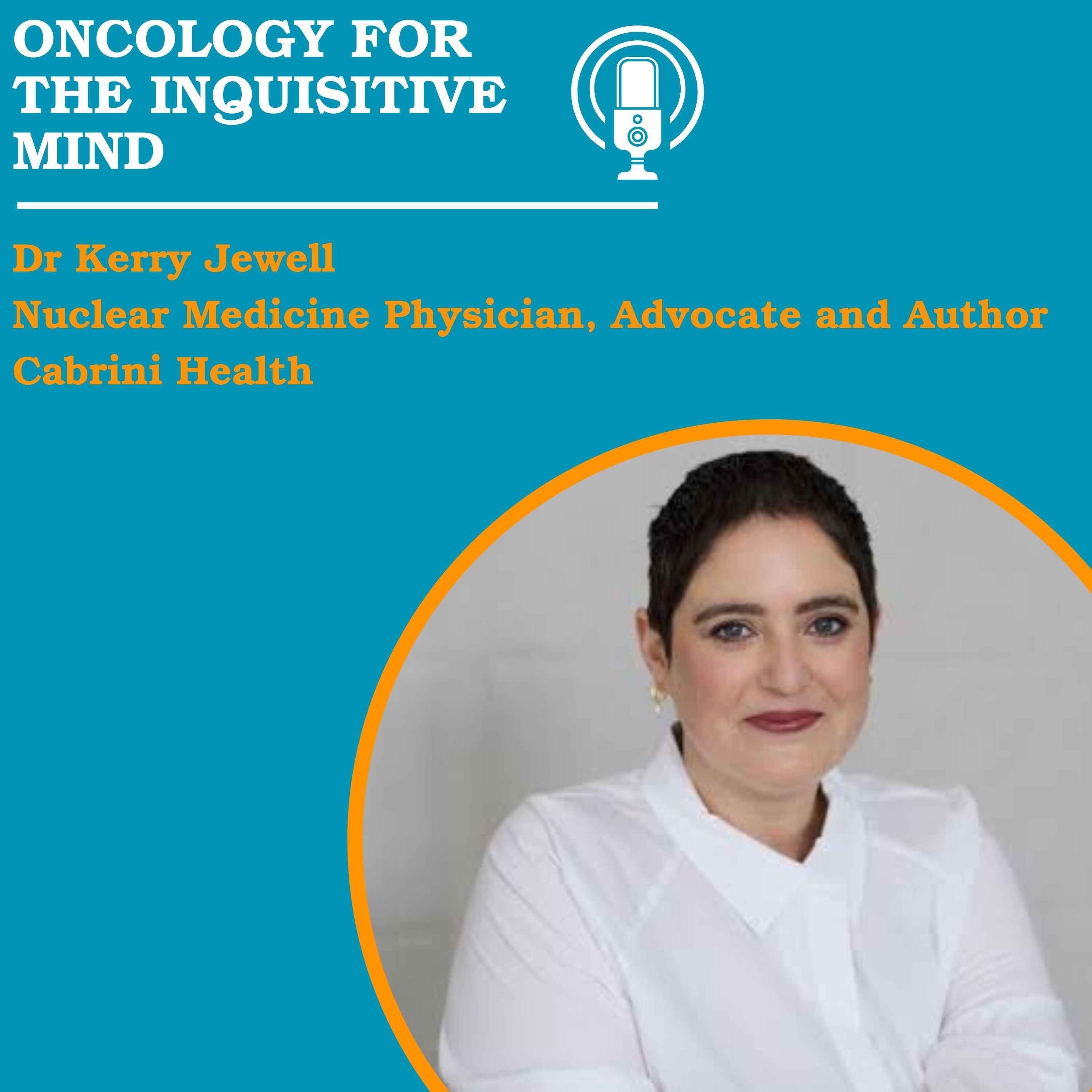
209. Interview with Dr Kerry Jewell
On today's episode, we have a very special guest: Dr Kerry Jewell is a nuclear medicine physician, medical advocate and very good friend of the show, who recently published her debut novel A Little Unwell. Kerry is wonderfully eloquent doctor who frequently chooses violence when with dealing with Michael, whom she has known for his entire medical career. Today, Kerry discusses her book, working as

208. ASCO 2026 - The Plenary Episode - Part 3
This episode is the ASCO 2026 Plenary Episode. This week, all of the pivotal, game-changing, life-changing trials are discussed here. Some describe the plenary session as practice-changing, and we will always agree that better treatments with significant improvements in life expectancy and quality of life need their time in the spotlight.Today, five trials are discussed, including SARC041, a lipos

207. ASCO 2026 - Agents of the Future - Part 2
This week, Josh and Michael's ASCO 2026 coverage looks at "Agents of the Future", trials of intrigue, promise and potential beyond its status. This episode also sheds light on more orphan status cancers like head and neck cancer, basket cohort studies, resistant EGFR lung cancer, metastatic colorectal cancer and hepatocellular carcinoma.One more episode left of this arc - The Plenary! Stay tuned.S

206. ASCO 2026 - Part 1
ASCO 2026 is done, and Michael and Josh have created a marathon episode for you all. This week we cover "Agents of the Present", where we summarise all the important trials with updates, overall survival and progression-free survival data that could influence your practice.They cover immunotherapy, lifestyle interventions, pan-PI3K inhibitors, rare cancers (such as uveal melanoma), and antibody dr

205. ESTRO update with A/Prof Steven David
This week, we take a quick trip to Stockholm, Sweden, where ESTRO (European Society for Radiotherapy and Oncology) took place several weeks ago. A/Prof Steven David digs deep into the latest updates in the breast cancer radiation space, including hyperfractionation of treatment, the utilisation of AI for radiation planning (Archery Trial), and the DBCG RT Natural Trial, which examined whether omit

204. Jake Messier on Living with Metastatic Male Breast Cancer
This episode tells the story of how one man, Jake Messier, who is living with metastatic male breast cancer, is challenging the stigma surrounding this disease, which affects 1% of all breast cancer patients. It's an important reminder that not all cancers are funded and researched equally, and that behind every statistic is a person trying to live a normal life.Jake has used his lifelong PR skill
203. Back to Basics - Early Pancreatic Cancer
This week, we take a "back to the future" look at the early-stage pancreatic cancer phase, a relatively stagnant area in terms of pivotal trials. The two trials are the ESPAC4 trial, which examines doublet chemotherapy in pancreatic cancer, and Josh does a traditional deep dive into the world of neoadjuvant chemotherapy. He highlights ESPAC-5, PREOPANC-2, and the TAPS consortium, to name a few. A
202. Back to Basics - Advanced Pancreatic Cancer
Today, we accidentally skipped early pancreatic cancer and jumped straight to advanced pancreatic cancer. It was a sombre episode, with clinicians and advocates screaming for better treatment options for this cancer. While small incremental advances have been made, the holy grail remains elusive.Today our focus is on NAPOLI-3, the use of liposomal irinotecan (NALIRIFOX), and PANOVA-3, where TTFiel
201. Back to Basics - Advanced Gastric/GOJ Cancer
On today's episode, Josh and Michael "advance" in their ongoing GI journey, as Michael continuously insists on saying, to discuss advanced gastric and GOJ cancer. Historically, an orphan disease with a very poor prognosis, perhaps the first rays of light are beginning to shine on this difficult-to-treat cancer type. Immunotherapy has been well established as standard of care, but are there any new
200. Back to Basics - Early Gastric Cancer
This week, as we enter our 200th episode, Michael and Josh continue their journey through the alimentary canal, exploring the world of stomach cancer. Gastric cancer has been notoriously difficult to treat, with a thirty-year grace period of multiple trials seeking an appropriate regimen that reduces recurrences while remaining effective. This episode gives you all the answers, and just when we th
199. Back to Basics - Metastatic Colorectal Cancer - last line options
Good therapeutic options for metastatic colorectal cancer are limited after the fluoropyrimidine-based options are exhausted. This week, we explore the role of trifluridine-tipiracil (Lonsurf) and bevacizumab (VEGF inhibitor), and a newish kid on the block, fruquitinib, an oral tyrosine kinase inhibitor and vascular endothelial growth factor receptor. While not perfect, they do represent later-lin
198. Back to Basics - Early Oesophageal Cancer
Today's episode, like several of the greatest cult classics, comes a bit earlier than anticipated. Before we wrap up our epic recap of the colorectal space, we will give you a little taster of our UGI series with a look at early oesophageal cancer, focussing on the chemotherapy backbone and whether immunotherapy has any place in this space. Spoiler alert (as always): it does.Studies discussed in t
197. Back to Basics - Metastatic Colorectal Cancer - HER2 positive disease and PI3K mutations
Metastatic Colorectal Cancer has a dearth of targetable mutations that have effective outcomes. This week, Michael and Josh see whether the wonder drug (trastruzumab deruxtecan) works in HER2-expressing colorectal cancer. Michael takes a more positive tone, with the recycling of aspirin to reduce recurrence risk for PI3K pathway cancers.Josh promised he will have the right audio this episode - tha
196. Back to Basics - Metastatic Colorectal Cancer - BRAFV600E and KRAS
UPDATED WITH CORRECT AUDIOWhile Michael daydreams of getting a haircut, this week's topics are slightly more conventional as we explore the role of more targeted agents in metastatic colorectal cancer. KRAS and BRAF mutations in colorectal cancer were historically prognostic; this has now shifted with targeted therapies available for both. In the context of metastatic colorectal cancer, BRAF mutat
195. Back to Basics - Immunotherapy in Metastatic Colorectal Cancer
Historically, colorectal cancer treatment has been fairly standard, but this has shifted over the past decade with the introduction of targeted therapies. This week, our focus is on patients with microsatellite instability (dMMR) colorectal cancer, a small but meaningful cohort. This condition affects up to 15% of patients, many of whom carry germline mutations in the MLH1 and MSH2 genes, which si
194. Back to Basics - Metastatic Colorectal Cancer
Metastatic colorectal cancer is one of the leading causes of cancer-related deaths and among the most common types of cancer worldwide. Chemotherapy remains the main treatment, but the question is: how can we make it more effective without increasing toxicity? This week, we explore the intensification of chemotherapy in an effort to improve overall survival. The second topic involves the use

193. Genitourinary Cancers and Prof Jonathan E Rosenberg MD
Professor Jonathan E. Rosenberg, MD, serves as the Chief of the Genitourinary Oncology Service at Memorial Sloan Kettering Cancer Centre (MSKCC). He is a prolific researcher and author, holding multiple titles including Attending Physician at MSKCC, Professor of Medicine at Weill Cornell Medical College, and the Enno W. Ercklentz Chair in Genitourinary Oncology.Today, Jonathan explores metastatic
192. Back to Basics - Early Colorectal Cancer - Part 2!
The DYNAMIC duo are back, with Michael climbing the "Everest" of oncology and exploring the role of CTDNA in stage two colorectal cancer. Josh has the easier job of exploring neoadjuvant immunotherapy (ipilimumab and nivolumab) in dMMR advanced colorectal cancer.Both are excellent trials, and a worthy addition to your reading list.Don't forget to check us out on YouTube if that's your thing!Studie
191. Back to Basics - Early Colorectal Cancer
This week, we explore early colorectal cancer. Maybe it’s just this week, but there were plenty of “IDEAS” around. Michael highlights the importance of choosing an appropriate adjuvant regimen, whether that be FOLFOX or CAPOX. Josh digs a bit deeper and, as the name suggests, looks at whether patients with liver metastases can be cured with chemotherapy and a liver transplant.Studies discussed in
190. Back to Basics - Mesothelioma
Mesothelioma can strike at any time, but it most commonly affects those in their 70s, with cases continuing well into the 2030s. The time from exposure to diagnosis can be up to 60 years. This week, we explore treatment options for pleural mesothelioma, including ipilimumab and nivolumab, and consider whether chemotherapy and bevacizumab work for mesothelioma as well. The MAPS trial was published
189. Back to Basics - Extensive Stage Small Cell Lung Cancer
This week, we return to our regular programming with a back-to-basics exploration of extensive small-cell lung cancer. A notorious killer and an aggressive type of lung cancer, it has seen new treatments developed at a faster rate than in the last twenty years combined.We explore tarlatamab, a bispecific delta-like ligand 3-directed T cell engager. The results show that, in the second-line setting

188. Gastrointestinal Cancer and Professor Jenny Seligmann
Today, our guest is a transformative figure in bowel cancer treatment. Professor Jenny Seligmann, a Consultant Medical Oncologist and Professor of Gastrointestinal and Translational Oncology at the University of Leeds, is renowned for leading the groundbreaking FOxTROT and ARIEL trials. These studies challenged traditional practices by demonstrating the advantages of administering chemotherapy&nbs
187. ESMO Awards - Episode 7
In our final take on ESMO 2025, we talk about Genitourinary Cancers. This was a dense area with numerous trials. Today we explore distimiab vedotin in those with advanced bladder cancer, the role of combining lutetium with an ARPI in advanced prostate cancer, whether de-escalation of docetaxel in high volume prostate cancer was just as efficacious as the regular six cycles, immunotherpay plus bCG
186. ESMO Awards - Episode 6
ESMO Episode 6 is here! The longest award ceremony in the world continues. This episode covers colorectal cancer, a cancer stream that has relied heavily on the same three drugs for the past twenty-five years.We cover the golden pinnacle of real-world use cases for CTDNA, neoadjuvant immunotherapy in those with proficient MMR colorectal cancer, whether Zanzalimab helps in refractory colorectal can
185. ESMO Awards - Episode 5
We're back, baby! Michael and Josh predicted their ESMO journey would have eons to run, and they weren't wrong! For our first episode back in 2026, we revisit the important coverage of ESMO 2025, highlighting advances in upper gastrointestinal tract and hepatobiliary cancers. This episode covers FGFR inhibitors (Bemartizumab), updates on the MATTERHORN trial, the use of immunotherapy with trastuzu
184. ESMO Awards - Episode 4
This week, we discuss neuroendocrine tumours and melanoma as our ESMO 25 journey continues. Trials for neuroendocrine cancers include HIF-2 alpha inhibitors, targeted alpha therapy, and a classic anti-PD-1/TIGIT bispecific antibody combined with standard etoposide and cisplatin chemotherapies.Melanoma is once again seeking that elusive breakthrough: the second-line therapy that demonstrates immuno
183. ESMO Awards - Episode 3
For our third instalment of ESMO 2025, we explore lung cancer in all its glory, including small cell, mesothelioma and non-small cell lung cancer.Studies:DeLLphi-303SOHO-01ALBATROSPAULIENDREAM3ROptiTROP-Lung04For more episodes, resources and blog posts, visit www.inquisitiveonc.comPlease find us on Twitter @InquisitiveOnc!If you want us to look at a specific trial or subject, email us at inquisiti
182. ESMO Awards - Episode 2
ESMO 2025 continues this week with coverage including early breast cancer, metastatic breast cancer and gynaecological malignancies. A mammoth episode covering giants and pioneers of the oncology world.Studies:SOLTI-RIBOLARISPOSITIVEmonarchE:DESTINY-Breast11evERAASCENT-03TROPION-Breast02 trialROSELLADICE trialENGOT-ov65/KEYNOTE-B96 studyROSELLAFor more episodes, resources and blog posts, visit www
182. ESMO Awards - Episode 1
After a short break for some pretty major life changes (more details in the episode), Josh and Michael return to tackle the best and brightest of ESMO 2025. With support from MSD, our dynamic duo play host to the inaugural Oncology for the Inquisitive Mind Awards. Today, they look at studies in pre-clinical science, supportive care and rare cancers to find their favourite studies amidst the goldmi
181. Back to Basics - Limited Stage Small Cell Lung Cancer
In this episode, the focus shifts away from the more "garden-variety" non-small cell lung cancer and to its less common, frequently more aggressive sibling, small cell lung cancer. Here, Josh and Michael examine the management of limited-stage small cell lung cancer, which while accounting for a minority of cases, is no less interesting and potentially confusing. Studies discussed in this episode:
180. Back to Basics - Metastatic NSCLC feat. KRAS and MET mutations
On this week's episode, Josh and Michael exchange the established treatment landscape of EGFR and ALK mutant NSCLC for the developing management of disease harbouring KRAS and MET mutations. The most common mutation meets one of the least common in this battle of therapeutic tenacity.Studies discussed in this episode:INSIGHT-2KRYSTAL-12For more episodes, resources and blog posts, visit www.inquisi
179. Back to Basics - Metastatic NSCLC feat. EGFR and ALK Driver Mutations
In this episode, Michael and Josh take a dive into the world of driver mutations, looking at two of the most clinically consequential: EGFR and ALK mutations. The work done in these areas has led to treatments that represent incredible advances over chemotherapy. How incredible? You'll just have to listen and find out.Studies discussed in this episode:MARIPOSACROWNFor more episodes, resources and
178. Back to Basics - Metastatic Non Small Cell Lung Cancer (mNSCLCa)
Advanced or Metastatic Non Small Cell Lung Cancer (mNSCLCa), is one of the most common causes of death worldwide. This week, Michael provides an excellent background on this type of cancer, and Josh provides an eloquently short introduction (for once). These trials look specifically at lung cancers without mutations, thus relying on immunotherapy and chemotherapy.As a side note, can you believe Ke
177. Back to Basics - Early Non Small Cell Lung Cancer
To Josh's immense displeasure, our series on genitourinary cancer is done. For now, at least. In this episode, Michael and Josh step into the heavy shadow of non-small cell lung cancer, the most common cause of cancer death in Australia. However, there is hope and new developments in the early-disease space that could significantly improve outcomes. Studies discussed in this episodeCheckmate 816ne
176. Back to Basics - Germ Cell Tumours (part 2)
In this episode, Michael and Josh continue to unpick the thorny question of germ-cell tumours, focusing this week on more advanced and relapsed disease. Germ cell tumours have an excellent prognosis, but unfortunately there are cases where more intense therapy is required. Listen on to find out about what to do when first line therapy is not enough!Studies discussed in this episodeBEP - Williams e
175. Back to Basics - Germ Cell Tumours (part 1)
This episode is the first of a two-part mini-series where Michael and Josh attempt to untangle the complex topic of germ cell tumours, an area that requires specialist experience and a high-volume multi-disciplinary centre to treat adequately. Or, you could just listen to Oncology for the Inquisitive Mind and be a pro in no time!Studies discussed in this episodeEORTC-30982de Wit et al (2001)For mo
174. Back to Basics - Non Clear-Cell Renal Cell Cancer (RCC)
In this episode, Josh and Michael take a trip down a road less travelled by both patients and researchers, and examine the evidence (or lack thereof) of non-clear cell renal cell cancer, a less common cluster of siblings to the much better established clear cell RCC. Treatment is on very similar patterns, so their studies today involve a lot of immunotherapy with a smattering of tyrosine kinase in
173. NECTA (New South Wales Early Phase Clinical Trials Alliance) - The Origin Story
How do you increase access to phase 1 trials for a state with a population of 8 million people spread across 800,000 km^2? You collaborate! In this context, we explore NECTA. The New South Wales Early Phase Clinical Trials Alliance (NECTA) plays a key role in speeding up the translation of cutting-edge medical research into real-world treatments, providing vital benefits to patients and the broade
172. Back to Basics - Advanced ccRCC
Unlike the adjuvant space, treatment of advanced clear cell renal cell cancer has been a success story potentially only surpassed by advanced melanoma. What was once a horrific and quickly fatal disease, with a predilection for the CNS and significant bleeding risk has become significantly less so. In this episode, Josh and Michael explore the studies that have made it happen.Studies discussed in
171. Back to Basics - Early Clear Cell Renal Cell Cancer (ccRCC)
Continuing on their Back to Basics GU extravaganza, Josh and Michael progress to the subject of kidney cancer, and bring you the answer to a question long unanswered: is there any benefit of adjuvant therapy in resected clear cell renal cell cancer. For a long time, this space produced negative study after negative study, until, as is so often the case, immunotherapy swooped in to save the day.Stu
170. Back to Basics - Adjuvant Urothelial Cancer
Josh and Michael return to their normal scheduled broadcast, continuing their never-ending Back to Basics series. In this episode, they discuss several interesting developments in the adjuvant management of urothelial cancer, focussing on the sometimes contradictory data of adjuvant immunotherapy. This is an emerging area of treatment that you will not want to miss!Studies discussed in this episod

169. ASCO 2025 - Colorectal Cancer with Prof Jeanne Tie
In our final ASCO 2025 episode, Michael is joined by Prof Jeanne Tie, colorecal cancer lead at Peter MacCallum Cancer Centre to discuss some of the many highlights in colorectal and anal cancer. Starting with the practice changing BREAKWATER study, combining chemotherapy with encorafenib and cetuximab, they also discuss the plenary study ATOMIC III, the CHALLENGE study examining structured exercis

168. ASCO 2025 - Early Breast Cancer with Dr. Belinda Yeo
In this episode, Michael goes it alone, welcoming an old friend of the show, Dr Belinda Yeo, to discuss highlights in early breast cancer from ASCO 2025. The pair discuss an exciting new medication to assist with vasomotor symptoms from endocrine therapy, the ongoing follow up from the pivotal SOFT/TEXT study, an escalation strategy for abemaciclib and a de-escalation strategy for neoadjuvant chem

167. ASCO 2025 - Upper GI and Hepatobiliary Cancer with Dr. James McCracken
Today, hosts Michael and Josh are joined by the wonderful Dr James McCracken to discuss highlights from ASCO 2025 in the areas of upper GI and hepatobiliary cancer. This episode focuses on two items that are (as Michael repetitively insists) "big ticket": MATTERHORN and Destiny-Gastric04. In addition, James gives his thoughts on studies that look at immunotherapy and novel neoadjuvant chemotherapy

166. ASCO 2025 - Gynecological Oncology with Dr. Prachi Bhave
Today, we discuss the latest advancements in gynecological oncology presented at ASCO 2025, featuring insights from Dr. Prachi Bhave. The conversation covers significant trials including the TRUST trial on ovarian cancer surgery timing, the Rosella trial for platinum-resistant ovarian cancer, the FIRST study on immunotherapy in advanced ovarian cancer, and the update on the Keynote A18 trial for c

165. ASCO 2025 - Palliative Care with Dr. Janet Abrahm
In this episode, Dr. Janet Abrahm shares transformative insights from ASCO 2025, focusing on palliative care and supportive care in oncology. Topics discussed include the role of exercise in cancer survival, cannabis use for symptom management, and the challenges of chemotherapy-induced peripheral neuropathy. We also highlight the importance of communication with patients, particularly in the cont

164. ASCO 2025 - Lung Cancer with Dr. Ned McNamee
In this episode, Dr. Ned McNamee discusses the latest advancements in lung cancer treatment presented at ASCO 2025, focusing on significant studies such as the Phase 3 DeLLphi-304 study and Checkmate 816. They explore the implications of these findings for clinical practice, including the challenges of managing immune-related side effects and the potential for neoadjuvant immunotherapy to improve

163. ASCO 2025 - Genitourinary Cancers (Bladder and Renal) with Dr. Enrique Grande
Today, we cover ASCO 2025 in the genitourinary space, specifically bladder and renal cancer. Dr. Enrique Grande, a renowned oncologist and Program and Clinical Research lead of MD Anderson Cancer Centre, Madrid, joins us. This is a mega episode where we cover AMPLITUDE, JAVELIN MEDLEY, CHECKMATE 901 and NIAGARA, advancing urothelial cancer care; SEAR 02 and the CReST trial, pushing boundaries in b

162. ASCO 2025 - Genitourinary Cancers (Prostate) with Dr. Anthony Joshua
Today, we’re joined by Professor Anthony Joshua, head of Medical Oncology at St. Vincent’s Hospital, Sydney, and a global leader in prostate cancer and melanoma. In this episode, Professor Joshua discusses multiple trials including AMPLITUDE, advancing prostate cancer therapies; CAN 2409, exploring immunotherapy; ARANOTE, showing darolutamide’s impact on progression-free survival; the prognostic s

161. ASCO 2025 - Breast Cancer with Dr. Adam Brufsky
In this episode, we unpack game-changing insights from ASCO 2025 with a spotlight on breast cancer. Joining us is Dr. Adam Brufsky, a trailblazing oncologist and professor at the University of Pittsburgh, with 30 years of experience, whose expertise has helped shape the direction of treatment. Trials discussed include the SERENA-6 trial, which examines camizestrant plus CDK4/6 inhibitors in HR-pos

160. ASCO 2025 - Plenary Part 2
In our second plenary episode, we're spotlighting two pivotal phase 3 trials: SERENA-6, which explores ctDNA-guided treatment with camizestrant to delay progression in HR-positive, HER2-negative advanced breast cancer with ESR1 mutations, and NIVOPOSTOP, a landmark study showing improved disease-free survival with adjuvant nivolumab in high-risk, resected head and neck squamous cell carcinoma. Joi

159. ASCO 2025 - Plenary Part 1
This year, Michael and Josh bring you the American Society of Clinical Oncology (ASCO) 2025. To keep it fresh, we're doing things a little differently, but rest assured, we'll bring along a global host of experts to deliver the very best from the practice-changing, thought-provoking, design-defining trials you know and love from this podcast.This episode focuses on adjuvant atezolizumab in the col
158. Back to Basics - Metastatic Urothelial (Bladder) Cancer
This week, we talk about metastatic bladder cancer. The last two years have seen drastic changes in this space, with the addition of immunotherapy and ADCs in a first-line setting. While exceptionally effective, toxicity and patient selection remain challenging. The other big issue with what's best for the second line? That's the golden question.Studies discussed in the episode:EV-302THORFor more
157. Back to Basics - Early Bladder Cancer
This week, we explore muscle-invasive bladder cancer (MIBC). This space has made significant progress with the completion of two pivotal trials. The first was VESPER, comparing two chemotherapy regimens. The key to this trial may be the amount of cisplatin delivered, but there are some unknowns in a real-world setting. It also compared the neoadjuvant to the perioperative space. The second trial u
156. Back to Basics - Prostate Cancer - Biochemical Recurrence and Oligometastatic Disease Control
As we "EMBARK" on our next Prostate Cancer adventure via the "SOLAR" system to "SATURN," Michael and Josh explore the idea of biochemical recurrence in prostate cancer and the role of radiotherapy in tumour-directed therapy for de novo versus recurrent PSMA PET–defined oligo-M1 prostate cancer. Both excellent studies raise the question of newer technologies and how we apply this information to tri
155. Back to Basics - Theranostics and Prostate Cancer
Marie Curie's life work laid the foundations for theranostics. This week, we talk about Lutetium, a rare earth metal, and its role in Prostate Cancer. Lutetium-177 PSMA therapy is a radiation therapy that targets prostate cancer. It is used in the advanced, metastatic, and castrate-resistant space. Lutetium is bound to a protein called PSMA. PSMA is overexpressed in many prostate cancers and
154. Back to Basics - Non Metastatic and Metastatic Prostate Cancer - The Journey Continues
Prostate Cancer has a multitude of presentations, but when metastatic, it usually spreads directly to the lymph nodes or the bones. This episode focuses on the contentious definition of "M0 Castrate Resistant Prostate Cancer (CRPC)", also known as Nonmetastatic CRPC. Does this definition exist, and what role will PSMA PET have in this cohort of patients? The second trial, TITAN looks at apalutamid

153. Inflammatory Breast Cancer with Dr Massimo Cristofanilli, M.D.
This week, we interview Dr. Cristofanilli, a globally recognised expert in inflammatory breast cancer research and precision medicine. With decades of clinical experience and groundbreaking contributions to translational research, he has transformed the way we approach metastatic breast cancer, leading advances in liquid biopsy, molecular profiling, and targeted therapies.Dr Cristofanilli serves a
152. Back to Basics - High Volume Metastatic Prostate Cancer
Today, we discuss the role of triplet therapy (ie, chemotherapy and androgen receptor signalling inhibitor and ADT) in high-volume metastatic hormone-sensitive prostate cancer and whether darolutamide is equivalent to the other androgen receptor signalling inhibitors in the castrate-sensitive space. Two good trials, and as always, some interesting discussion points.Studies discussed in the episode
151. Back to Basics - Androgen Receptor Pathway Inhibitors in Metastatic Prostate Cancer
The rise and rise of Androgen Receptor Pathway (or Signalling) Inhibitors has changed the world of metastatic prostate cancer forever. What was once a cancer with a finite number of treatment options has flourished into a chasm of therapies, many more effective and less toxic than their therapeutic grandparents.Studies discussed in the episode:ARCHESENZAMETFor more episodes, resources and blog pos
150. Back to Basics - Recurrence-Score Assays in Early Breast Cancer
Our final breast cancer episode is here! Today, we are talking about the role of Gene Expression Assays in early hormone receptor-positive breast cancer management. The specific questions we asked included when we can de-escalate and for which cohort of patients these assays can be used. There's lots more to this episode, but we explore the role of Oncotype Dx!Studies discussed in the episode:TAIL
149. Back to Basics - Metastatic Hormone Sensitive Prostate Cancer
This week, we prematurely dive into prostate cancer (one breast episode remaining - whoops!), where we explore the early pivotal trials, including the role of abiraterone in metastatic hormone-sensitive prostate cancer and the use of docetaxel in high and low-volume prostate cancer.Studies discussed in the episode:LATITUDESTAMPEDEFor more episodes, resources and blog posts, visit www.inquisitiveon
148. Back to Basics - Metastatic Triple Positive (HER2) Breast Cancer
As our breast cancer journey comes close to finishing, it was always the destiny of your cohost's on Oncology for the Inquisitive Mind to talk about HER2-positive breast cancer. This week, we target both antibody-drug conjugate therapy and targeted therapy (trastuzumab deruxtecan and pertuzumab). While HER2-positive cancer's survival is one of the best for metastatic disease, this was not always t
147. Back to Basics - Metastatic Triple Negative Breast Cancer
Metastatic Triple Negative Breast Cancer is one of the most challenging breast cancer subtypes to treat. Recurrence rates can be as high as 40%. This episode covers the role of immunotherapy and antibody-drug conjugates in the advanced space. Once again, targetable receptors are lacking but research is underway!Studies discussed in the episode:KEYNOTE 355ASCENTFor more episodes, resources and blog
146. Back to Basics - BRCA mutation and Breast Cancer Management
It's been an "Olympic" ride to get here, and this is our penultimate breast cancer episode! Today, we talk about the BRCA mutations and how they impact both breast cancer and outcomes using targeted therapy. BRCA is a tumour suppressor gene.Today, we explore olaparib and its role in the adjuvant and metastatic setting for breast cancer.Studies discussed in the episode:OLYMPIAOLYMPIADFor more episo
145. Back to Basics - Metastatic Hormone Receptor Positive Breast Cancer
Metastatic Hormone Receptor-Positive Breast Cancer truly represents the frontier of Medical Oncology, with life expectancy creeping up to and beyond five years. This week, we discuss Monaleesa-2 (Ribociclib), Paloma-2 (Palbociclib) and, of course, highlight the importance of Monarch-3 (Abemaciclib). The great CDK debate continues, and while the phase three trials have a clear winner, it's importan
144. Back to Basics - Early Triple Negative Breast Cancer
Early Triple Negative Breast Cancer remains an aggressive variant of all breast cancers, affecting those under 40 more and has a higher propensity for being in those with BRCA1/2 mutations. It represents about 15% of all breast cancers.This week, we explore the benefit of immunotherapy (pembrolizumab), looking at improved complete pathological response as a surrogate marker for OS and the role of
143. San Antonio Breast Cancer Symposium 2024 - Part 2
Our second SABCS (San Antonio Breast Cancer Symposium) episode covers everything (else) you need to know from 2024. In this episode, we dive into the role of trastuzumab deruxtecan in HR +ve, HER2 low cancers, perioperative atezolizumab in tnbc, the use of a novel ADC (SHR-A1811) and the role of tumour mutational burden in triple-negative cancer.Studies discussed in the episode:DESTINY-Breast06Neo
142. San Antonio Breast Cancer Symposium 2024 - Part 1
Welcome back to Oncology for the Inquisitive Mind, where we head back to late 2024 and cover some pivotal trials and ideas from the San Antonio Breast Cancer Conference 2024.This episode broadly covers hormone receptor-positive breast cancer and looks at another CDK comparison (real-world data). While the idea is not new, the potential implications from well-gathered "phase 4" data is a curious di
Recommended
Old Time Radio - Gunsmoke

ESPN SportsCenter Update

Back to the 80s Radio

Heaven’s Gate Academy

Deadline: White House
The Great Detectives of Old Time Radio| Daily Mystery Dramas

TED Business
Ranger Bill | Old Time Radio Adventure & Family Drama

زن بودن

Christmas Old Time Radio

The Adventures of Superman | Old Time Radio

Booked, Blonde & Busy w/ Olivia Ponton
