Agenda Dialogues
These podcasts bring you the full audio from World Economic Forum events, including the Annual Meeting in Davos.
Episodes

Ageing as an Asset
China is entering a new demographic era, with one of the world's fastest-ageing populations reshaping its economic and social landscape. At the same time, advances in genetics, regenerative medicine and preventive health are deepening the understanding of ageing and healthy living. As science and policy evolve, what will it take to realize the full potential of longevity? Speakers: Chavalit Frede

From $100 Oil to Extreme Heat: Can Technology Reduce Energy Vulnerability?
Record-breaking heat across Europe is placing growing pressure on critical infrastructure. At the same time, oil prices climbed above $100 per barrel earlier this year as geopolitical tensions once again exposed vulnerabilities in global energy markets. These are not isolated crises, but different sides of the same coin. And prompts the question, how can we build energy systems that remain reliabl

AMNC26: Renminbi and the World
More than $150 trillion moves across borders each year through the global financial system, the vast majority of it still denominated in dollars. As geopolitical tensions fragment trade relationships and middle powers look to diversify their financial exposure, alternative currencies are gaining quiet traction, such as the recent renewal of a 200-billion-yuan swap line between the Bank of Canada a

AMNC26: Resisting Autarky
Tariffs, export controls and mechanisms such as investment screening have become central instruments of economic management. This is pushing strategic players to leverage their production of critical resources and the concentration of critical supply chain inputs. In an increasingly fractured economy, what is the right balance between protecting national interests while continuing to seek economi

AMNC26: What's the Limit for AI-First Enterprises?
As AI inference costs have dropped by over 90%, enterprises are embedding data and intelligence at the core of their operating and business models, enabling always-on, global execution beyond human limits. How are these AI-first enterprises reorganizing around AI in practice, and under what conditions does this actually translate into long-term value for society? This is the full audio from a sess

Growth Map Rewritten
Global foreign direct investment rebounded by 14% to $1.6 trillion in 2025, yet the gains remained heavily concentrated in advanced economies, widening the gap with the emerging markets expected to drive the majority of growth in the coming decades. Young populations, rapid digital adoption and expanding consumer bases give emerging economies significant structural advantages, but capital, technol

From Evidence to Enterprise: Unlocking the Innovation Economy for Women's Health
Who will lead the next wave of high-impact innovation in women's health? This session highlights how growing momentum around closing evidence gaps, addressing system-level challenges and redesigning care pathways is opening new opportunities to improve health outcomes and investment in one of the world's most promising innovation markets. Panellists will explore how stronger collaborations can unl

AMNC26: Can Intelligence Feed the World?
Food security has emerged as a critical challenge, defined by access to sufficient, safe and nutritious food. As AI becomes a new frontier in food systems, with applications ranging from accelerating ingredient discovery to enabling precision agriculture, the gap between pilot initiatives and large-scale deployment remains substantial, particularly in Asia-Pacific where the majority of the world's

El Niño and a Warming World: What Leaders Need to Know
As global temperatures continue to rise, El Niño events are becoming increasingly consequential for economies, ecosystems and societies. This session will explore what leaders need to understand about El Niño in a warming world, from its impacts on extreme weather, food and water security, and supply chains to the decisions needed to build resilience in an era of growing climate volatility. Speake

AMNC26 Update on Iran
After nearly 50 years of on-off sanctions, proxy conflict and nuclear brinkmanship, tensions between the US and Iran reached an apex this year. As the situation evolves rapidly, many hope for a long-lasting peace agreement. What would such an agreement look like and how would it affect the rest of the world? Speakers: Cameron Abadi, Deputy Editor, Foreign Policy Group Mahmood Sariolghalam, Affili

AMNC26: US and China: From Here to Where?
The US and China remain deeply intertwined economically, yet unresolved trade, technology and security divides have created friction and raised fundamental questions about the trajectory of the relationship. The recent bilateral summit has reset the tone without resolving the underlying structural tensions. Following the presidential summit, where are relations between the world's two largest eco

AMNC26: 15th Five-Year Plan, Unpacked
As China enters its 15th Five-Year Plan period, policy priorities are focused on boosting domestic demand, upgrading industry through innovation and accelerating the green transition across sectors from advanced manufacturing to new energy. Are the conditions right for China to transition to an innovation and consumption-led economy? This is the full audio from a session at the Annual Meeting of

AMNC26: Chief Economists Briefing
From the ripple effects of ongoing conflict in the Middle East on markets and energy supply to ongoing geoeconomic fragmentation, constraints on the global economy are creating one of the most complex operating environments in decades. This is the full audio from a session at the Annual Meeting of the New Champions (AMNC26) in Dalian, China on June 23-25 2026. Watch it here: https://www.weforumas

Chinese Economy: Fully Emerged?
For over four decades, China has crafted a hybrid growth model that blends planning, innovation, and global integration. This has driven remarkable gains in manufacturing, clean energy, and, more recently, artificial intelligence. As pressures and stakes rise, what will define the next chapter of this alternative model? Speakers: Carlson Tong, Chairman, Hong Kong Exchanges and Clearing (HKEX) Zhu

When Code and Creativity Collide
AI is remixing the rules of music and the role of the human artist. If a machine can craft a hit, what's left that only humans can create? Join this conversation exploring AI's intersection with human creativity and the broader implications for authorship, equity and the fundamental qualities that make music truly human. Speakers: Juliet Mann, TV Host, China Global Television Network (CGTN) Harve

Chief Economists Briefing: May 2026 Outlook
The last pre-conflict shipments have now reached their destinations, yet the Strait of Hormuz remains closed. As the supply crunch hits the global economy, what's going to happen next? Which regions and industries are the most severely affected? And what does this mean for the global economic outlook in May 2026? This is the full audio from a studio discussion recorded on 27 May 2026. Speakers: S

AI Infrastructure in the Age of Sovereignty
AI Infrastructure in the Age of Sovereignty: Requirements, Strategies and a Trusted Framework for Digital Embassies is a report co-drafted with Bain & Company and published on 11 May, 2026. This webinar explores how economies can pursue AI sovereignty along a spectrum of strategies, from trusted international partnerships to extensive domestic ownership, depending on their local capabilities. Th

Decade Déjà Vu: Are the 2020s the New 1920s?
Technological revolutions, a reset in supply chains and soaring stock markets, these are not just characteristics of today's economy. In the 1920s, electrification, the automobile and assembly lines changed the economic landscape. What parallels exist between this decade and the 1920s and what could we learn from them for the future of the global economy? Speakers: Andrew R. Sorkin, Editor-at-L

Technology Convergence Report
A discussion centred on the launch of the Second Technology Convergence Report on April 28, 2026, highlighting key findings and industry implications. The session shares actionable insights for scaling convergent technologies, building on the foundational work established in the first year. Speakers: Connie Kuang, Initiatives Lead, Technology Convergence, Centre for AI Excellence Cathy Li, Head, C

When Artists and Scientists Talk
Cultural leaders and science experts come together to explore the act of doing and of making do with what is at hand to create something new. Speakers: Thijs Biersteker, Artist and Founder, The Woven Foundation Fabiola Gianotti, Physicist, Director-General, European Organization for Nuclear Research (CERN) (2016-2025) Priyamvada Natarajan, Joseph S. and Sophia S. Fruton Professor of Astronomy and

Preventing Jobless Growth
Forecasts of AI's impact on productivity vary widely, from those projecting a 15% boost in labour output across advanced economies to warnings that as many as 92 million jobs could vanish globally by 2030. Generative AI will transform work as we know it, but will that transformation lead to shared prosperity or widening exclusion? How can we prevent productivity gains from masking a much bleaker e

Return of Creative Destruction
The Nobel Prize in Economics 2025 recognized research showing that long-term growth depends on a relentless cycle of innovation replacing the old and creating the new. In a world marked by uncertainty, fragmentation and technological disruption, this insight feels more relevant than ever. Can the principles of creative renewal be turned into practical strategies for growth? Speakers: Saadia Zahidi

Breaking Latin America's Growth Ceiling
Growth in Latin America has stagnated at around 2% as the region strives to develop a more diversified economy and boost investment and productivity. Geoeconomic tensions are spreading and major powers are vying for influence over Latin America. With economic policy shifts in the region under way, how can it really deliver meaningful growth? Speakers: Esther Dweck, Minister of Management and Inn

How is war reshaping the global economy? 4 chief economists explain
The ongoing war in the Middle East is rapidly emerging as an unprecedented shock to the global economy, sending tremors through energy markets, supply chains and financial systems already strained by years of volatility. This is the full audio from a studio session on March 31, 2026, where four leading chief economists examined those questions and provided insights into what's next for the global

Next Phase of Intelligence
AI systems are advancing faster than expected and the next few years could redefine what we mean by intelligence. Will progress continue through scale alone, or are new breakthroughs in algorithms, data and agentic interaction needed to reshape the path ahead? As models begin to learn, plan and act in digital and physical environments, what kind of intelligence are we creating and how will it shap

Are Markets Mispricing the Future?
Global stocks hit record highs in 2025, fuelled by the AI boom and investor optimism in future areas for growth. However, as geoeconomic uncertainty persists, along with perceived over-exuberance for select sectors, is investor optimism justified or are we in a bubble about to burst? Speakers: Mark Benedetti, Executive President, Ardian Gita Gopinath, Gregory and Ania Coffey Professor of Economics

An Honest Conversation on the Hopes and Anxieties of the (New) Economy
As AI reshapes industries, trade tensions deepen and societies adjust to new realities, the new economy inspires both hope and unease. A conversation with Dara Khosrowshahi, Chief Executive Officer of Uber Technologies, on seeing beyond today's short-term pressures and imagining how the new economy can work for everyone. Speakers: Dara Khosrowshahi, Chief Executive Officer, Uber Technologies Ste

An Honest Conversation on AI and Humanity
What choices must we make today to build a future balanced between technological innovation and humanity? Explore and discuss how a history of the future offers lessons for navigating the transformative age of AI. Speakers: Yuval Noah Harari, Distinguished Research Fellow, Centre for the Study of Existential Risk Irene Tracey, Vice-Chancellor, University of Oxford This is the full audio from a se

Progress Is not Inevitable
Progress is often assumed to be inevitable, yet history tells a different story. Periods of transformation have repeatedly shown how quickly momentum can stall or reverse. Carl-Benedikt Frey, Associate Professor at the Oxford Internet Institute and Director of Future of Work at Oxford Martin School speaks at the World Economic Forum's Annual Meeting 2026 on why some societies sustain progress ove

Digital Embassies for Sovereign AI
Digital embassies offer an emerging model that allows nations to extend sovereign digital infrastructure beyond their borders while maintaining control over data, compute and governance. However, establishing such arrangements requires political alignment, legal clarity and robust technical and operational safeguards. The Digital Embassy Framework, spearheaded by the World Economic Forum and co-d

Davos 2026: AI Power Play, No Referees
Leading AI nations are racing to preserve dominance while new contenders rise and others struggle to break dependence on foreign capabilities. As alliances reshape the balance of power, how is AI redefining the path to economic growth and global influence? This is the full audio from a session at the Annual Meeting 2026 in Davos. Watch it here: https://www.weforum.org/meetings/world-economic-for

Davos 2026: Geopolitical Risks Outlook for 2026
As geopolitical tensions intensify, security considerations are reshaping economic policy, production and fiscal priorities worldwide. This session explores how governments are adapting to an era defined by conflict risk and strategic competition. How can economies meet rising security demands without sacrificing long-term growth and stability? This is the full audio from a session at the Annual

Where Can New Growth Come From?
An unpredictable operating environment is weighting on global growth and traditional engines such as trade are expected to expand by just 0.9% in 2025. With debt-to-GDP reaching a record 95%, there is increasingly limited space for leaders to make drastic policy and operational changes. At the same time, AI is emerging as a key driver of growth in some economies, improving productivity, enabling n

Davos 2026: What it Takes to Build
In an era where competition among rivals can quickly veer towards consolidation into giants, founders and entrepreneurs can struggle to align their vision with strategy while also scaling for growth. This is the full audio from a session at the Annual Meeting 2026 in Davos. Watch it here: https://www.weforum.org/meetings/world-economic-forum-annual-meeting-2026/sessions/what-it-takes-to-build/ Sp

Davos 2026: Venezuela: What Next?
Recent developments in Venezuela are likely to impact the country's economic trajectory with regional and global implications. Join an experts' discussion to unpack the impact of these changes and the potential paths forward. Speakers: Ricardo Hausmann, Jeffry A. Frieden, Jason Bordoff, Sir Robin Niblett, Ngaire Woods This session was recorded at the Annual Meeting in Davos Switzerland, 23 January

Davos 2026: Global Economic Outlook
The global economy is expected to grow by ~3.1% in 2026, but trade tensions, technology deployment, public debt and the risk of asset bubbles leave policy-makers and markets on high alert. What policies will anchor confidence while unlocking longer-term productivity gains? Speakers: Albert Bourla, Ngozi Okonjo-Iweala, Christine Lagarde, Andrew R. Sorkin, Kristalina Georgieva, Mohammed Al-Jadaan Th
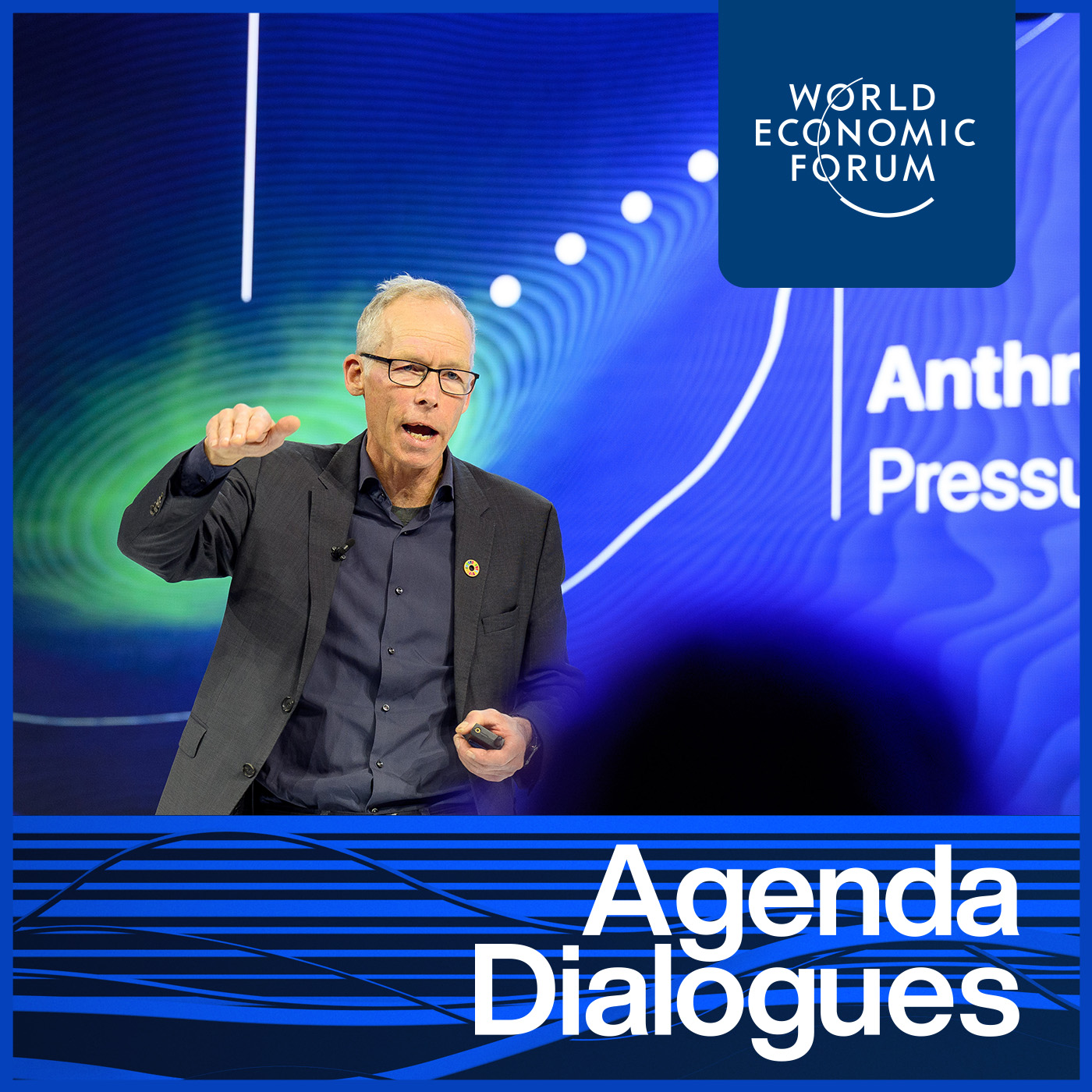
AM26: How Can We Build Prosperity within Planetary Boundaries?
Infrastructure, food systems and natural resources are all affected by climate change. While nature loss poses significant economic and environmental risks, nature-positive models could unlock trillions for the world's economy. How can we sustain, and even augment, growth while also remaining within the planet's boundaries? Speakers: André Hoffmann, Johan Rockström, Alicia Bárcena Ibarra, Sumant
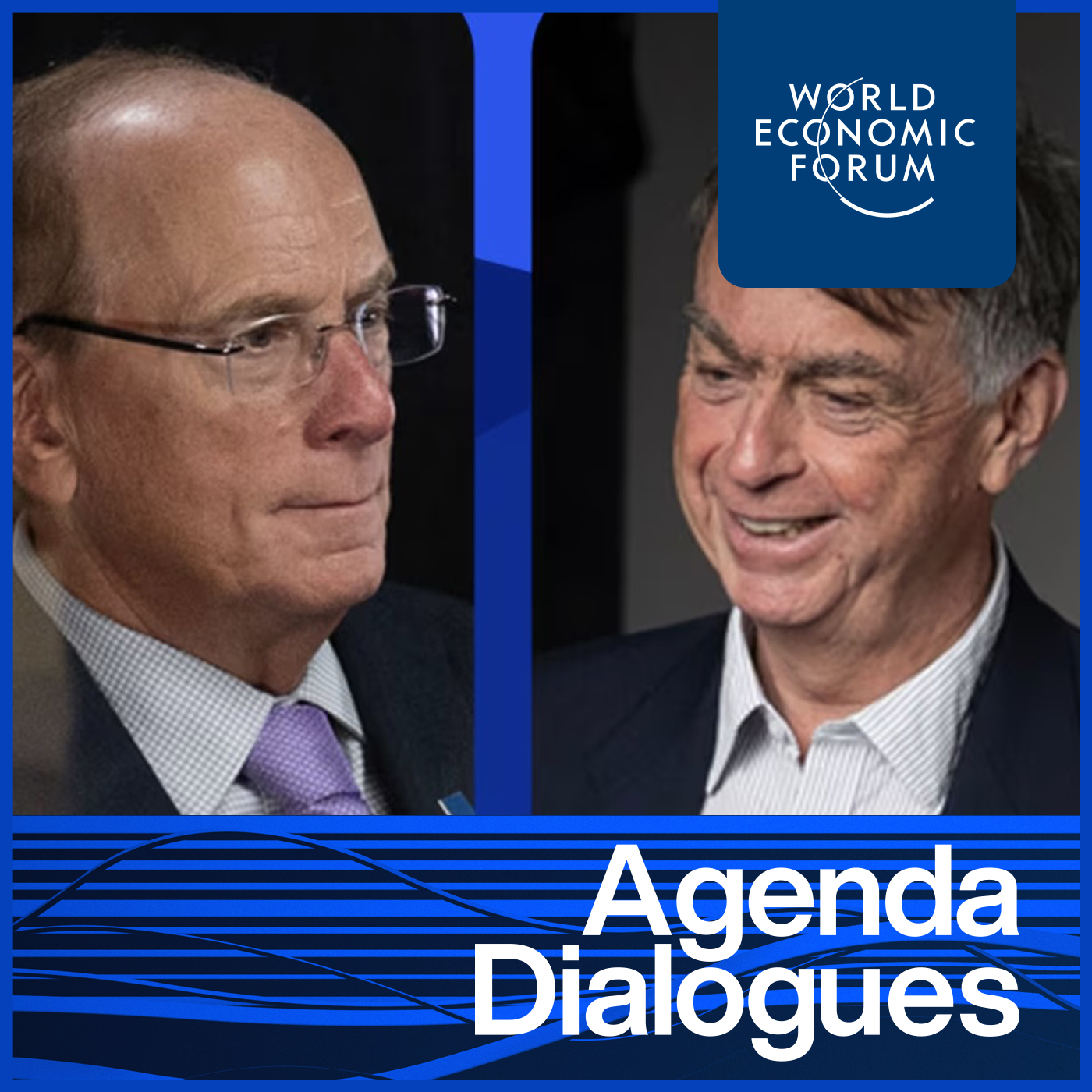
Davos 2026: Q&A with Larry Fink and André Hoffman
At the Annual Meeting 2026, we asked the World Economic Forum's interim co-chairs, Larry Fink and André Hoffman, about their vision for the future, hopes for what Davos 2026 will achieve, why dialogue is more needed than ever, and reasons for optimism. Catch up on all the action from the Annual Meeting at wef.ch/wef26 and across social media using the hashtag #WEF26. And follow Radio Davos whereve

AM26: Scaling AI: Now Comes the Hard Part
With $1.5 trillion in investment and nearly 60% of companies set to scale AI in 2025, the race to capture its full economic impact is accelerating. Yet scaling beyond pilots remains a major hurdle, requiring new strategies, capabilities and organizational designs. How can leaders unlock AI's true potential for complex tasks and long-term transformation? Speakers: Roy Jakobs President and Chief Ex
Global Cooperation Barometer 2026
Global cooperation is proving resilient even as multilateralism continues to face strong headwinds, according to the World Economic Forum's Global Cooperation Barometer 2026. However, cooperation is below where it needs to be to address critical economic, security and environmental challenges. Within a more complex and uncertain geopolitical context, open and constructive dialogue is a critical f
Who Trusts the Machines?
In 2024, 72% of Chinese consumers expressed trust in AI and 90% considered autonomous driving beneficial, while only 32% of US consumers reported trust in AI and acceptance rates for autonomous driving remained lower in Germany, the US and Japan than in China. What factors are driving these regional differences and how might they shape the speed and approach to deploying autonomous robots? Speaker

Annual Meetings of the Global Future Councils and Cybersecurity: Opening Plenary
Amid major geoeconomic and geopolitical shifts, compounded by rapid technological advancements, the need for agile, collaborative and cross-disciplinary thinking has never been more urgent. What steps are required to foster constructive, iterative dialogue in an era of rapid change and uncertainty? Speakers: Robert M. Lee, Chief Executive Officer and Co-Founder, Dragos Sylvia Earle, Creator, Missi
Growth under Pressure
While global debt is forecast to increase to 100% of global GDP by the end of the decade, the economy is facing numerous headwinds, from fragmentation, environmental shocks, demographic pressures and technological disruptions. Speakers: Vera Songwe, Chairperson and Founder, Liquidity and Sustainability Facility Stacey Vanek Smith, Senior Story Editor, Bloomberg Audio, Bloomberg Media This is the f
Energy Transition: Amping Up or Powering Down?
In 2025, the global energy landscape is being redefined by geopolitical unpredictability, shifting market dynamics and uncertainty around climate ambitions. Assumptions about the speed, scale and direction of the energy transition are being tested as nations recalibrate priorities on energy security, affordability and industrial competitiveness. Speakers: Jason Bordoff, Founding Director, Center o
Geopolitics: Looking beyond Uncertainty
An uncertain geopolitical era has emerged, marked by shifting alliances, volatile economic policies and weakening multilateral cooperation. This moment calls for stakeholders to identify steps to strengthen global security and stability. What paths exist for continued security cooperation and how are organizations adapting to operate more effectively in an increasingly unpredictable world? This i
Geopolitics: An Unfolding Story
From tariffs to territory, political and economic tensions between countries are deepening as the geopolitical landscape enters a new era of uncertainty. What are the pre-eminent political shifts and under-recognized trends for stakeholders to look out for and how might they shape economies? Speakers: Graham Allison, Douglas Dillon Professor of Government, Harvard Kennedy School of Government Moni
Investing amid High Debt, Low Growth
Global public debt stands at around 94% of GDP, constraining governments' ability to fund critical growth-promoting investment in infrastructure, education and technology. How can innovative financing, alongside global trade and investment strategies, mobilize resources to meet development goals? This is the full audio from a session at the AMNC25 in Tianjin, China on 25 June, 2025. Watch it her

Honest Conversation on Climate
A decade after the Paris Agreement, policies and politics have evolved but the associated risks from climate change, pollution and biodiversity loss remain. Although the narrative is shifting towards energy security, national and regional actors are still looking towards innovative solutions to climate challenges. How are government and business commitments shifting and what could change mean for

Building an Agentic Economy
A new wave of start-ups is emerging, built around powerful AI agents capable of autonomous decision-making, dynamic collaboration and end-to-end task execution. These agents aren't just supporting workflows – they're becoming the digital workforce that runs entire business functions. How are business models evolving when AI agents take the lead in building, managing and scaling companies? Speaker

Career Pathways: Rewired
Agentic AI is disrupting entry-level jobs and evolving job markets are changing traditional career paths, leaving young people uncertain about the future. How do we turn AI-driven disruption into career opportunities for young people? Speakers: Zhang Dandan, Professor, Deputy Dean, National School of Development, Peking University Rahul Attuluri, Co-Founder and Chief Executive Officer, NxtWave Gu
Next Steps for Climate Resilience
Businesses investing in climate resilience and adaptation could see tangible returns – $2-$19 in value for every dollar spent – while taking the necessary steps to avoid annual profitability declines from climate impacts of up to 7% by 2035. How can new strategies, from partnerships to technology and innovation, be leveraged to strengthen these efforts? Speakers: Deliang Chen, Professor, Departmen
Women in AI
Women constitute around 25%-30% of the AI workforce worldwide, per recent estimates. This underrepresentation is even more pronounced in senior roles, with less than 15% of executive positions held by women. As demands for AI talent continue to grow, what are the most promising approaches to ramp up AI hiring and diversify talent sources in the broader industry? Speakers: Meirav Oren, Executive Ch

Entrepreneurship for a New Era
While the economy is being transformed by geopolitical and technological shifts, complex challenges, from development to climate, require new ideas and collaboration. How can entrepreneurial thinking and new innovations take us out of short-term thinking to provide long-term solutions to today's challenges? Speakers: Mirek Dušek, Managing Director, Chief Business Officer and Head of Global Progr
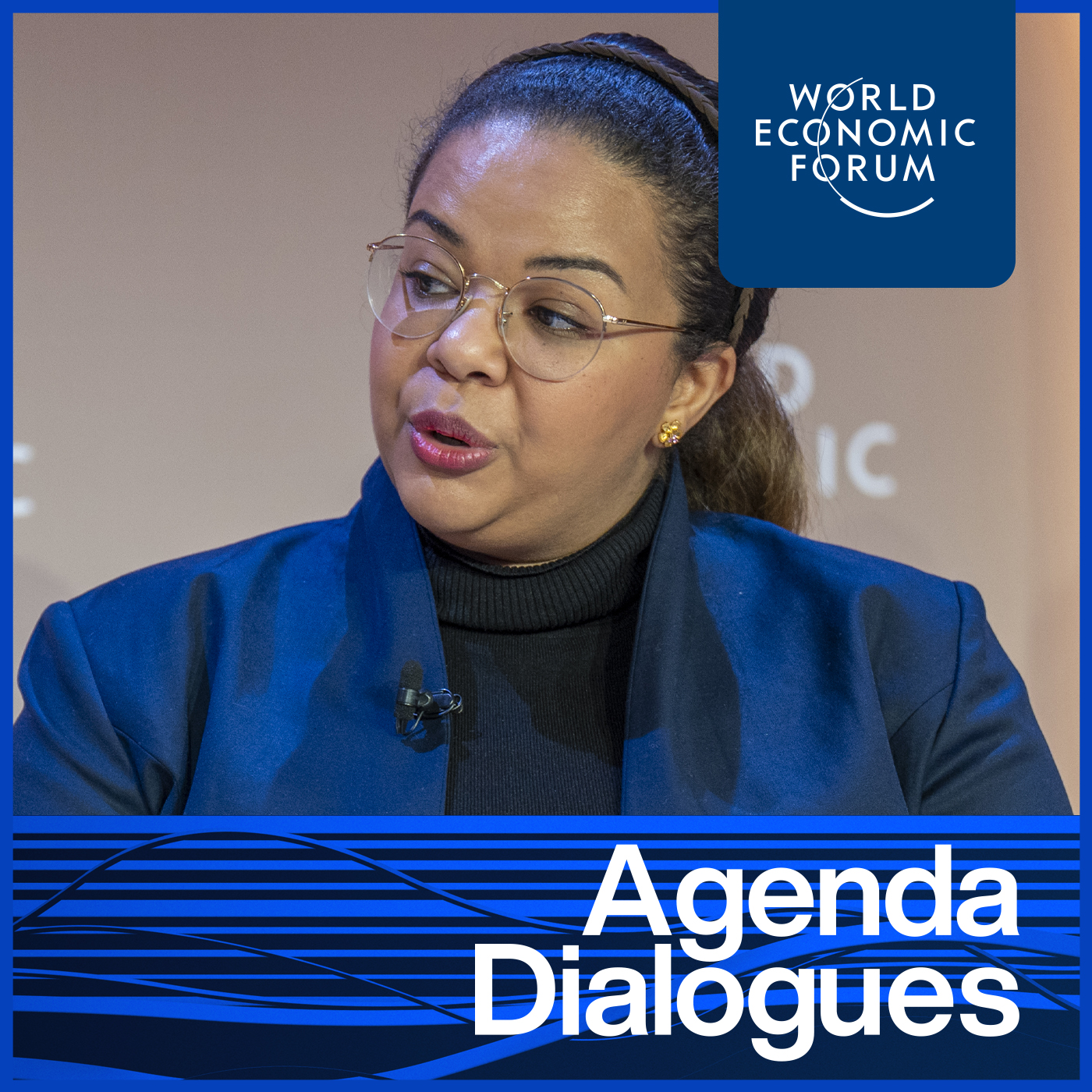
Towards Parity in Power
Women have made remarkable strides in political representation in the past decade, making up 35.5% of local government officials, 33% of parliamentarians, 24.4% of ministers and 15.5% of heads of state. Yet political power remains out of reach for a disproportionate number of women. How can this persistent gap be tackled? This is the full audio from a panel discussion from the World Economic Forum
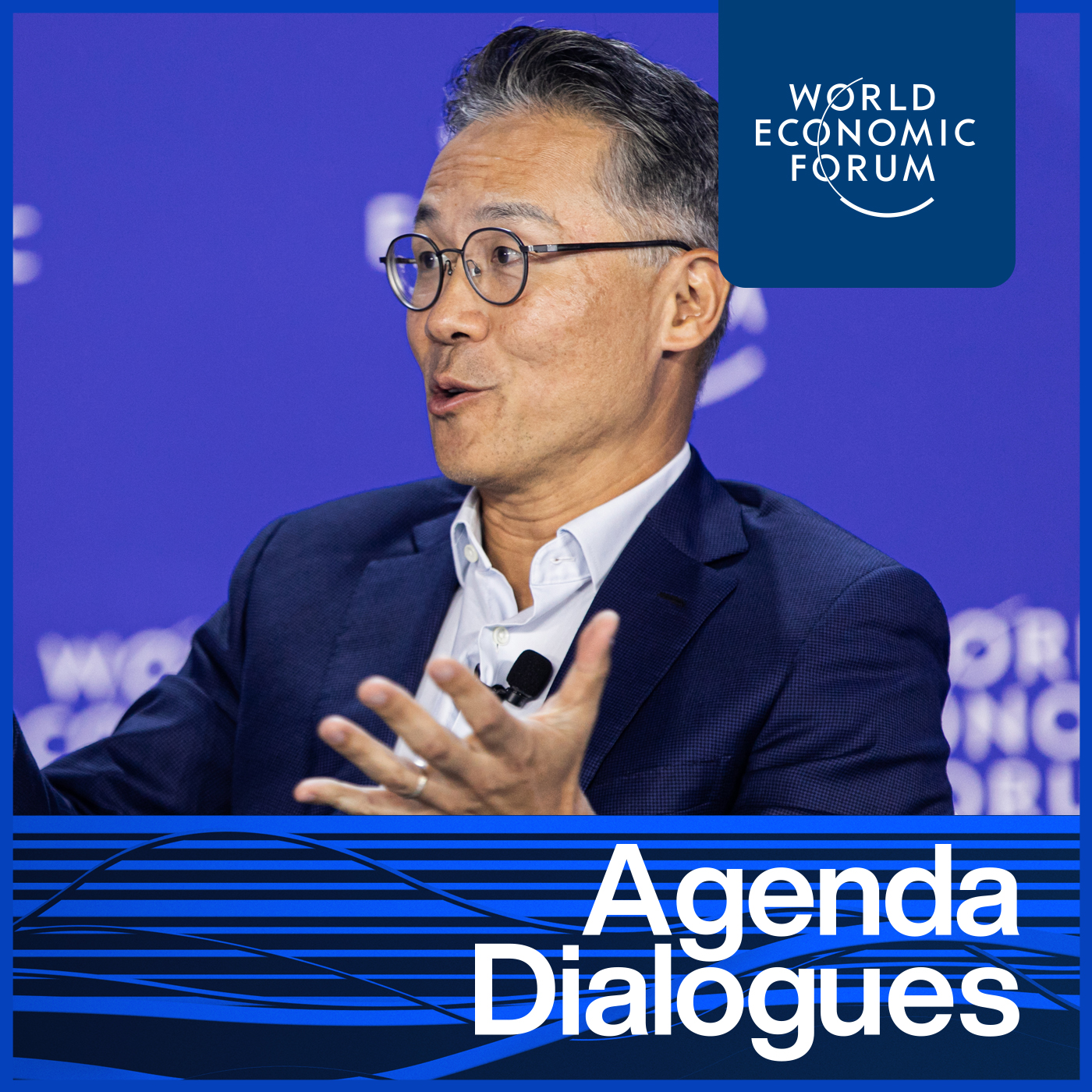
China's Economy: Analysed
Despite persistent challenges, such as low domestic demand and household consumption, China's economy has been buoyed by strong exports and private sector activity, hitting its 5% growth rate target in 2024 and aiming for similar levels of growth this year. To what extent can a shift to a technology-led model yield new growth as global volatility threatens exports? This is the full audio from a se
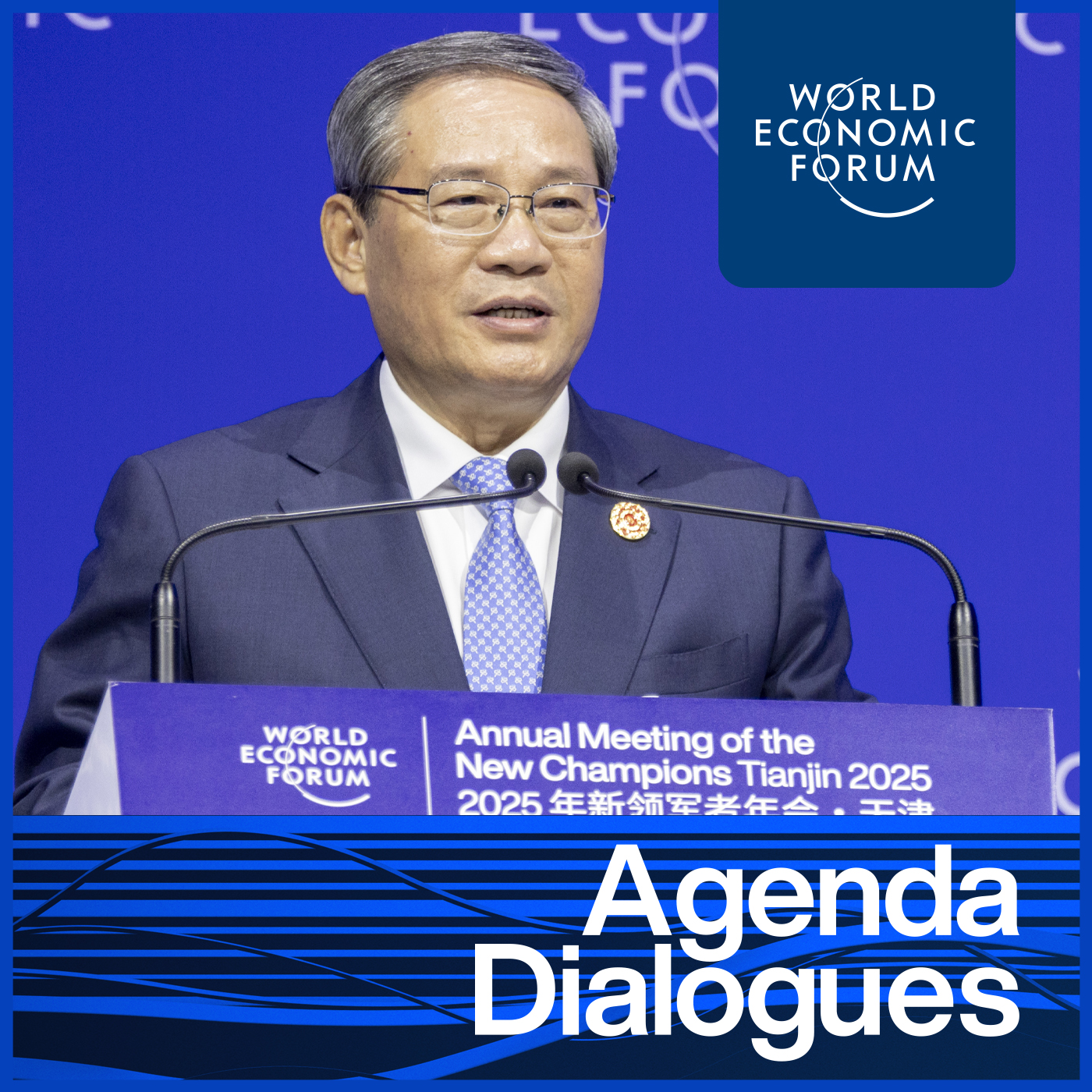
AMNC Opening Plenary with Chinese Premier Li Qiang
The Opening Plenary of the World Economic Forum's Annual Meeting of the New Champtions (AMNC25), including an address by Chinese Premier Li Qiang. Speakers: Gim Huay Neo, Managing Director, World Economic Forum Zhang Gong, Mayor of Tianjin, Tianjin Municipal People's Government Børge Brende, President and CEO, World Economic Forum Li Qiang, Premier of the People's Republic of China, State Council
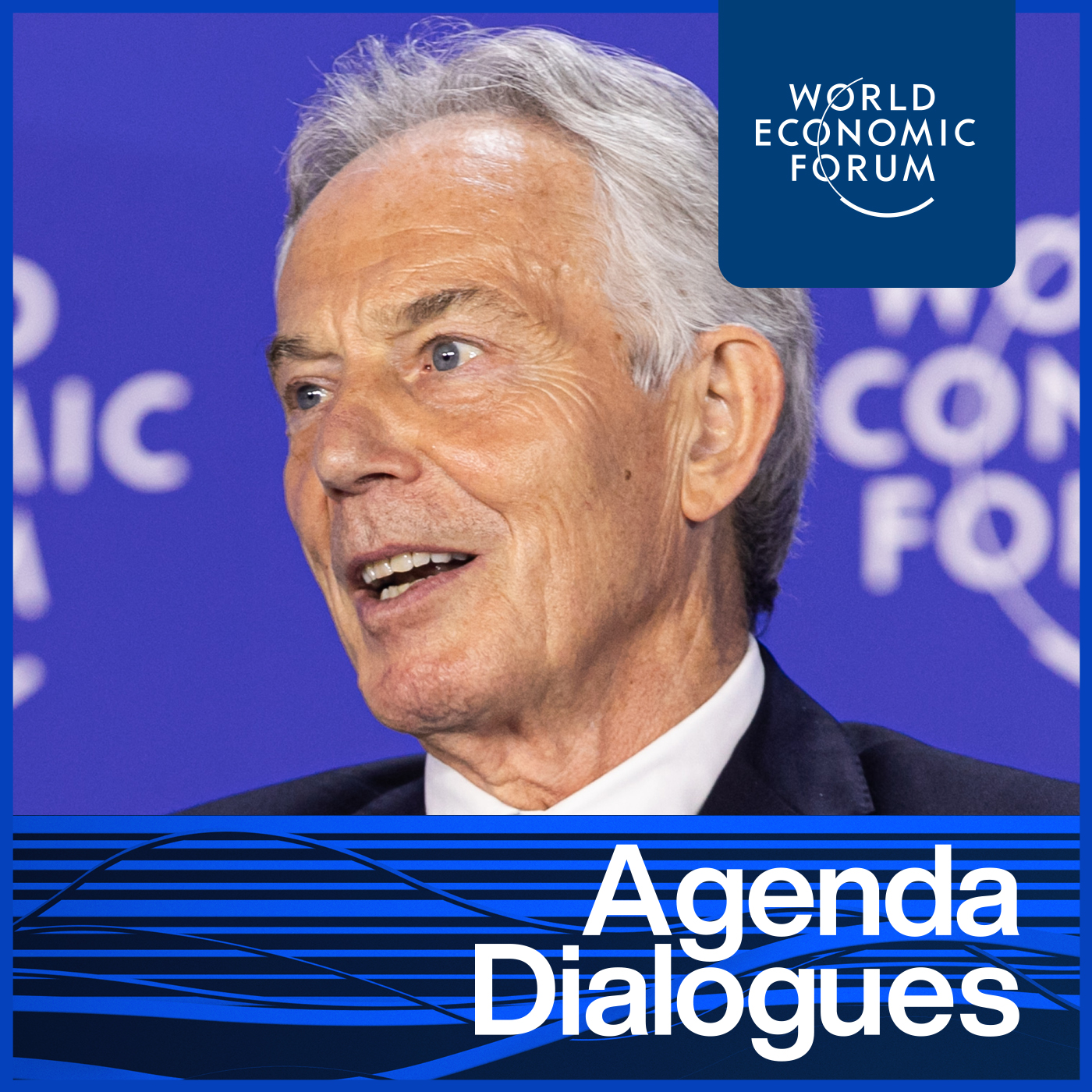
AMNC: A Conversation with Sir Tony Blair
A Conversation with Sir Tony Blair, Prime Minister of the United Kingdom (1997-2007); Executive Chairman, Tony Blair Institute for Global Change, United Kingdom. Hosted by Børge Brende, President and CEO of the World Economic Forum. This is the full audio from a session at the AMNC25 in Tianjin, China on 24 June, 2025. Watch it here: https://www.weforum.org/meetings/annual-meeting-of-the-new-cha
AMNC25 Trade: Trends and Endgames
With heightened uncertainty on increased tariffs, the risk of geoeconomic fragmentation is growing. How has the trade landscape shifted compared to recent years and how can leaders look beyond the current volatility? Speakers: Børge Brende, President and CEO, World Economic Forum Valentino Valentini, Deputy Minister of Enterprise and Made in Italy, Ministry of Enterprise and Made in Italy Hassan
AMNC25 Chief Economists Briefing
The global economic outlook has darkened considerably, according to the World Economic Forum's latest survey of chief economists. Gain expert insights and actionable perspectives from leading chief economists on the outlook for global growth amid geopolitical uncertainty and technological disruption. Speakers: Paul Gruenwald, Global Chief Economist, S&P Global Santitarn Sathirathai, Adviser, Futur
All Hands on Deck for the Energy Transition
With the global targets of tripling renewable energy and doubling energy efficiency by 2030 fast approaching, it is critical to accelerate the implementation, build political momentum and monitor progress. How can countries and industries close this gap and what tools are at their disposal? This is the full audio from a session at the Annual Meeting 2025 in Davos. Watch it here: https://www.wefor
Global Gender Gap Report 2025
How long will it take to achieve global gender parity? At the current pace: 123 years. In this episode of The Briefing Room, leaders from the World Economic Forum, LinkedIn and the World Bank come together to explore the findings from the Global Gender Gap Report 2025 — the definitive benchmark tracking gender equality across 148 economies. The conversation examines this year's parity score and
Opportunities of the Ocean Economy
The ocean economy contributes over $2.5 trillion to global GDP annually and supports nearly 350 million jobs worldwide. How can key ocean-reliant sectors like shipping, ports, food, energy and tourism drive a regenerative ocean economy that balances economic growth, social prosperity and marine conservation? Find out more about the work of the Ocean Action Agenda, accelerating ambitious solutions
Water at a Tipping Point
Water systems are reaching a tipping point, with increasing floods and droughts affecting multiple regions globally. In five years, it is estimated that half the world will face water stress, jeopardizing productivity, public health and food security, and threatening $1.6 trillion in assets. How can we leverage technology, governance and finance innovations to avoid or manage water tipping points?
Chief Economists Outlook May 2025
The World Economic Forum's Saadia Zahidi sat down with three experts for a briefing on the latest Chief Economists Outlook. ABN Amro Chief Economist Sandra Philippen, Zurich Insurance Chief Market Strategist & Economist Guy Miller, and ICBC Standard Bank Chief China Economist Jinny Yan offered their perspectives on a relatively downbeat outlook, and where we go from here. Watch the session her
When Climate Redefines Health
Research indicates that 3.6 billion people live in areas highly susceptible to climate change and, by 2050, the climate crisis could cause $1.1 trillion in extra costs to healthcare systems around the globe. How is the resilience of key sectors to climate change being measured and how are key actors responding to safeguard public health? This is the full audio of a panel discussion at the World Ec
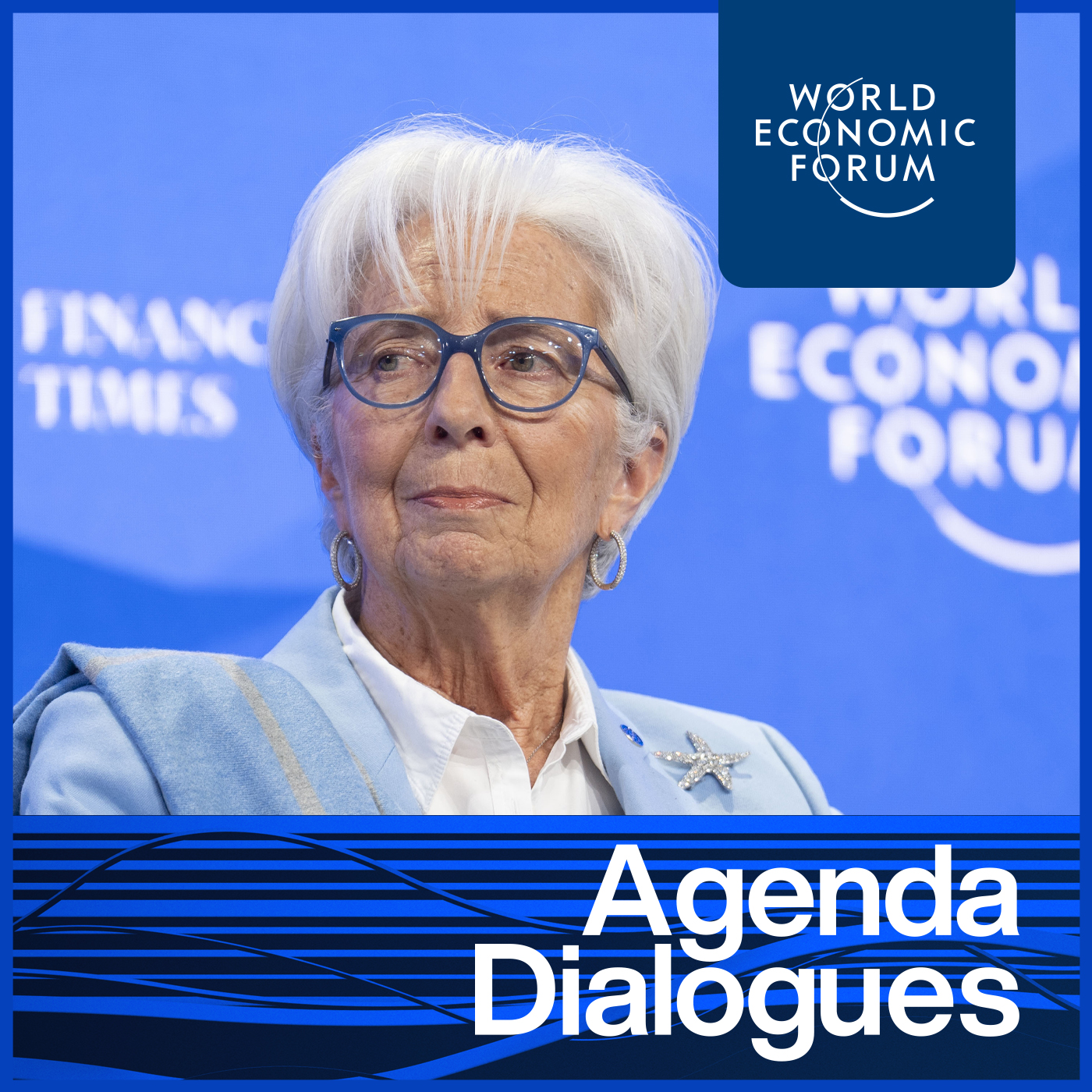
Unlocking Europe's Potential
Two recent landmark reports on the European Union's economy paint an unforgiving picture of its vulnerabilities, suggesting the region faces the prospect of "slow agony". At current productivity and demographic trends, Europe's economic output is forecast to be the same in 2050 as it is today. With much of the power to correct course residing in national capitals, what will it take for leaders to
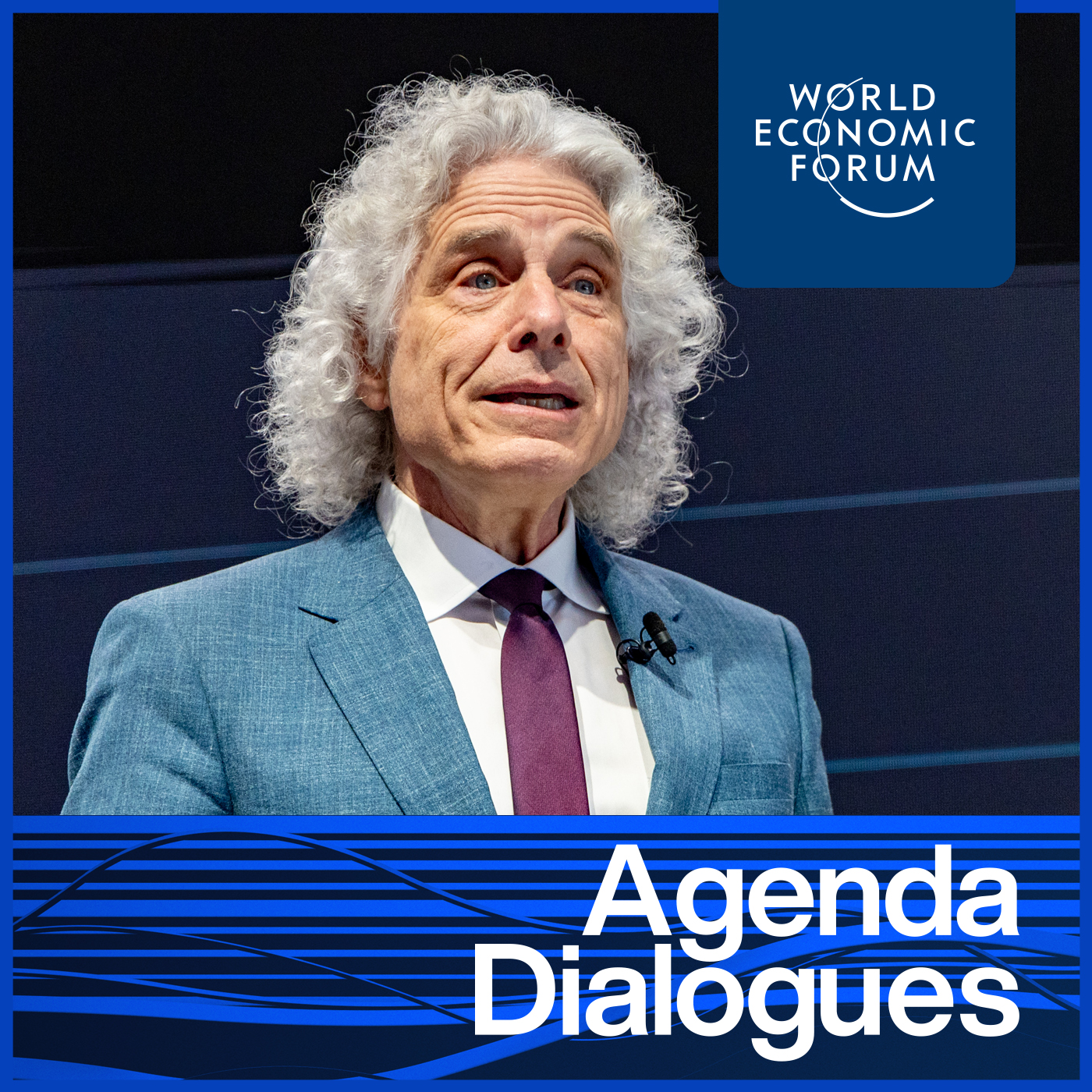
The Arc of Progress in the 21st Century
Looking at global headlines today, it's hard not to feel pessimism. Have recent wars, pandemics and autocracies made the idea of progress obsolete? Cognitive scientist Steven Pinker uses data and psychology to provide a fresh perspective on progress: why it is so hard to achieve and what ideas were responsible for progress in the past and will be needed for progress to continue? This is the full
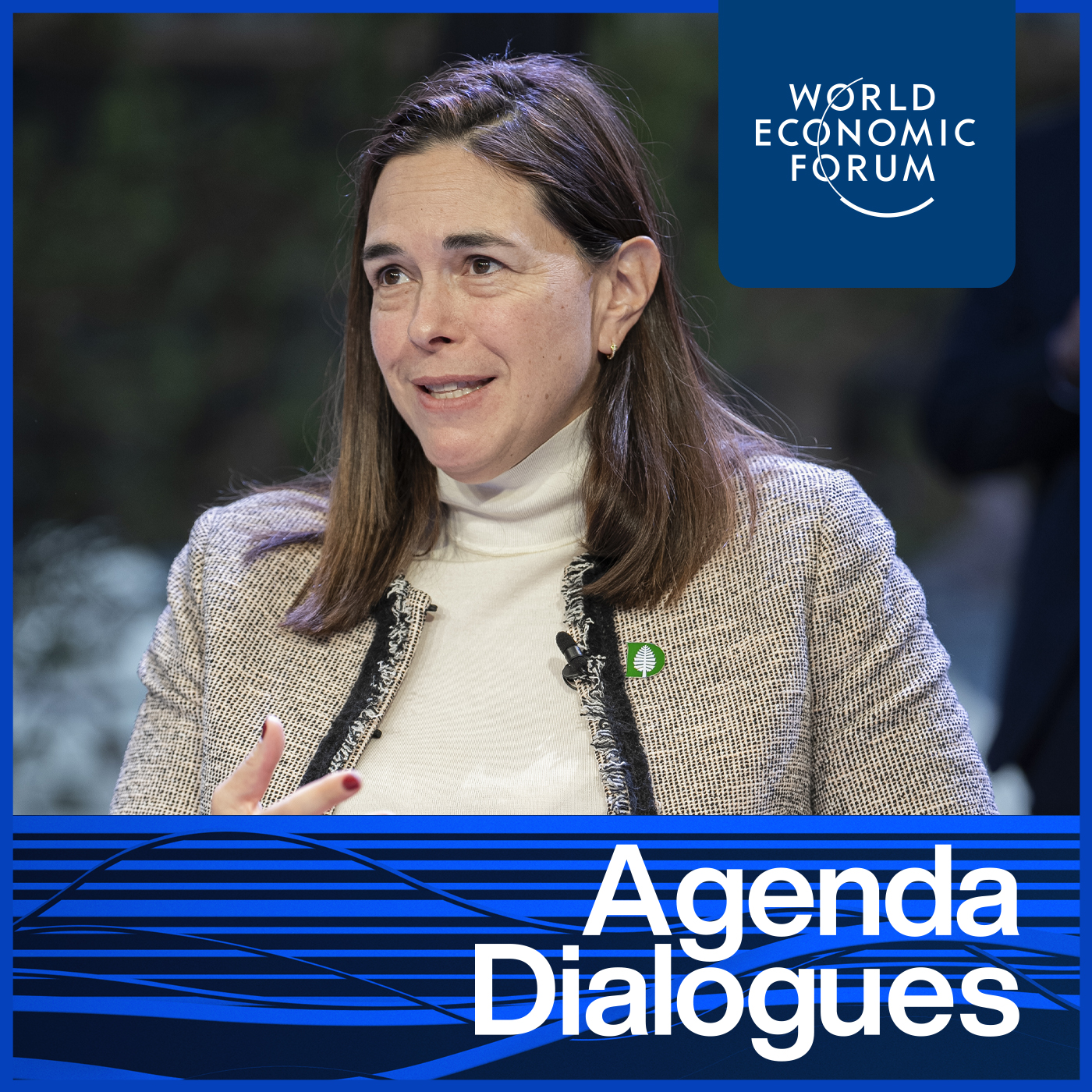
Debating Education
From integrating next-generation technologies into curricula to addressing national perceptions of cultural issues, education is at a pivotal moment in ensuring that it adequately trains and teaches future generations. In this town hall, leaders debate what success can look like for education globally. This is the full audio from a session at the World Economic Forum's Annual Meeting on 22 January
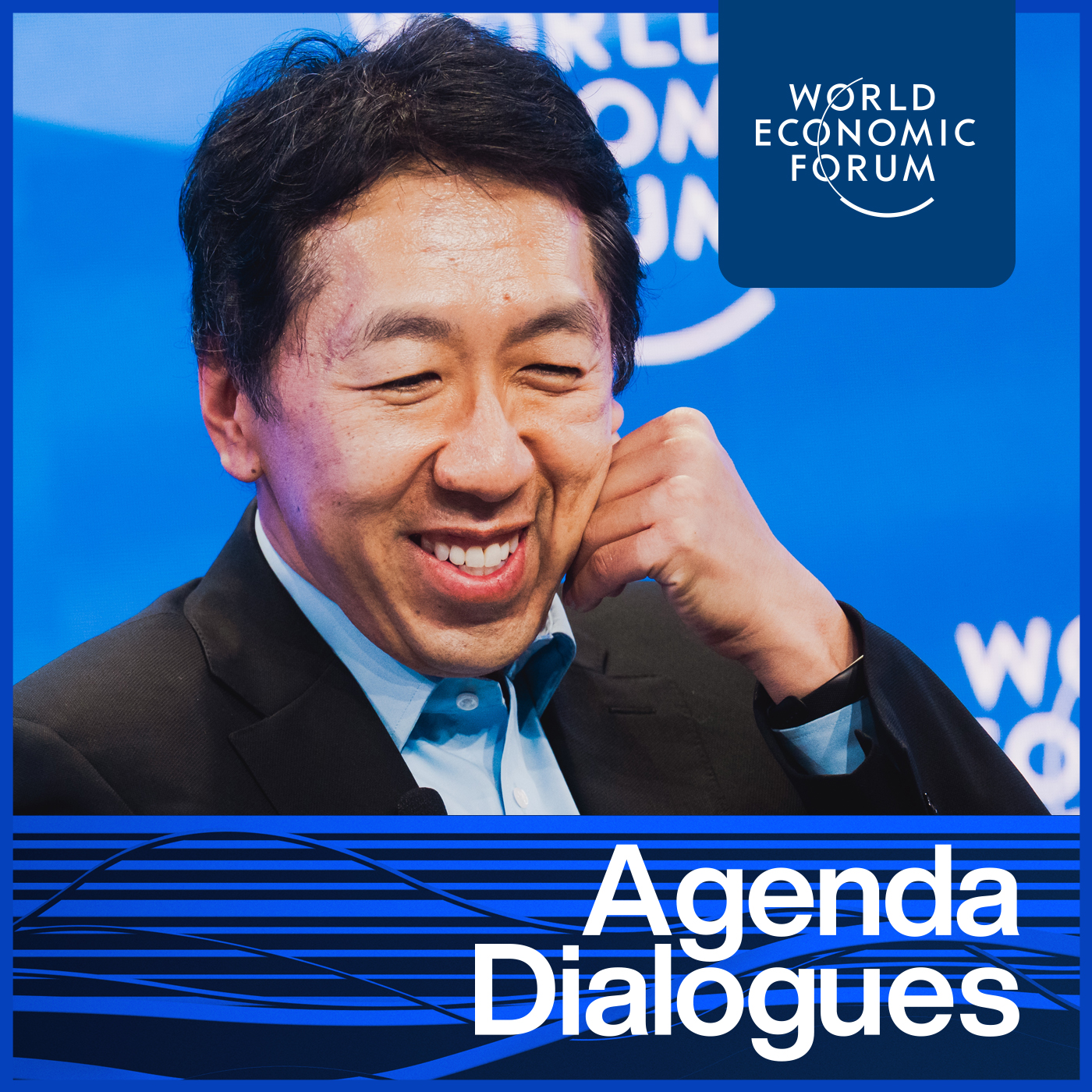
The Dawn of Artificial General Intelligence?
Artificial general intelligence could possess the versatility to reason, learn and innovate in any task. But with rising concerns about job losses, surveillance and deepfakes, will AGI be a force for progress or a threat to the very fabric of humanity? This is the full audio from a session at the Annual Meeting 2025. https://www.weforum.org/meetings/world-economic-forum-annual-meeting-2025/sess
New Agreement on Plastics: What Will It Take?
In December 2024, over 170 countries gathered to conclude a global treaty to reach a plastic pollution-free world by 2040. While negotiations were inconclusive, the countries sought to complete the process in 2025, highlighting an urgent, time-bound need to bridge remaining areas of divergence. What will it take to land the treaty to end plastic pollution and how can business and government be su
The Global Economic Outlook
Nearly five years since the COVID-19 pandemic upended the global economy, growth is slow but stable, inflation has gradually declined in advanced economies and trade trends have turned positive. Despite this, there remain challenges such as high public debt burdens, ongoing geo-economic tensions and the potential impact of industrial policies on smaller countries.Given this landscape, what are the

Debating Technology
With AI, space exploration and biotechnology advancing rapidly, some see these innovations as solutions to humanity's greatest challenges, while others raise concerns about ethics, society and inequality. In this town hall, leaders debate how to responsibly harness emerging technologies to maximize benefits while minimizing risks. Speakers include: Dava Newman Director, MIT Media Lab Yann LeCun V
Defending the Cyber Frontlines
From disruptions to critical infrastructure to cyber biothreats, geopolitical crises are extending into uncharted territories. How can the international community move towards a detente in cyberspace? This session was developed in collaboration with Foreign Policy Magazine and recorded live at the Annual Meeting in Davos Switzerland on January 23, 2025. Watch a video of this session here: htt

AI Lifting all Boats
As the race for AI leadership intensifies, access to resilient digital infrastructure, advanced computer capabilities and strong public-private investment are essential. A few countries are sprinting ahead, securing their competitive advantage, while others struggle to keep up. What strategies can bridge this growing AI divide and ensure more equitable access to AI benefits globally? This is the
Road to COP30
After almost a decade since the Paris Agreement changed the global landscape of net zero, several open questions remain on how to increase the speed and scale of inclusive climate action. What is on the agenda for COP30 in Brazil and how can all stakeholder groups unlock a new era for collaboration on climate and nature? This session was recorded at the Annual Meeting in Davos, Switzerland Janua
Future of Growth
Global growth remains slow, projected at 3.3% in 2025, which is markedly lower than the global trend growth over the past 30 years of around 4%. Meanwhile, uncertainty remains high as the world continues to recover from economic shocks and navigates the changing geoeconomics. What are the pathways to transition from the growth we have to the growth we need, growth that is not only faster but also
First Impressions: Inauguration Day
As the first Republican Party candidate to win the United States popular vote in 20 years, Donald J. Trump will be inaugurated as president at noon on 20 January 2025. This special session -- the first of the 2025 Annual Meeting in Davos -- will gather media leaders to explore how the new administration will operate. This session was recorded ahead of the US inauguration January 20, 2025 at the A
WEF25: Pre-Annual Meeting 2025 Press Conference
What to expect from the World Economic Forum's Annual Meeting 2025? This is the full audio from a media briefing held on 14 January, ahead of #WEF25 which happens on 20-24 January 2025 in Davos, Switzerland. Speakers: Børge Brende, President and CEO, World Economic Forum Mirek Dusek, Managing Director, World Economic Forum Gim Huay Neo, Managing Director, World Economic Forum Yann Zopf, Head of Me
Global Cooperation Barometer 2025
As the world navigates rising geopolitical tensions, record-breaking heat, and technological revolutions, global cooperation is at a crossroads. The World Economic Forum and McKinsey & Company present the second edition of the Global Cooperation Barometer, a vital tool to measure and guide collaboration across trade, technology, climate, health, and security. This is the full audio from a media b
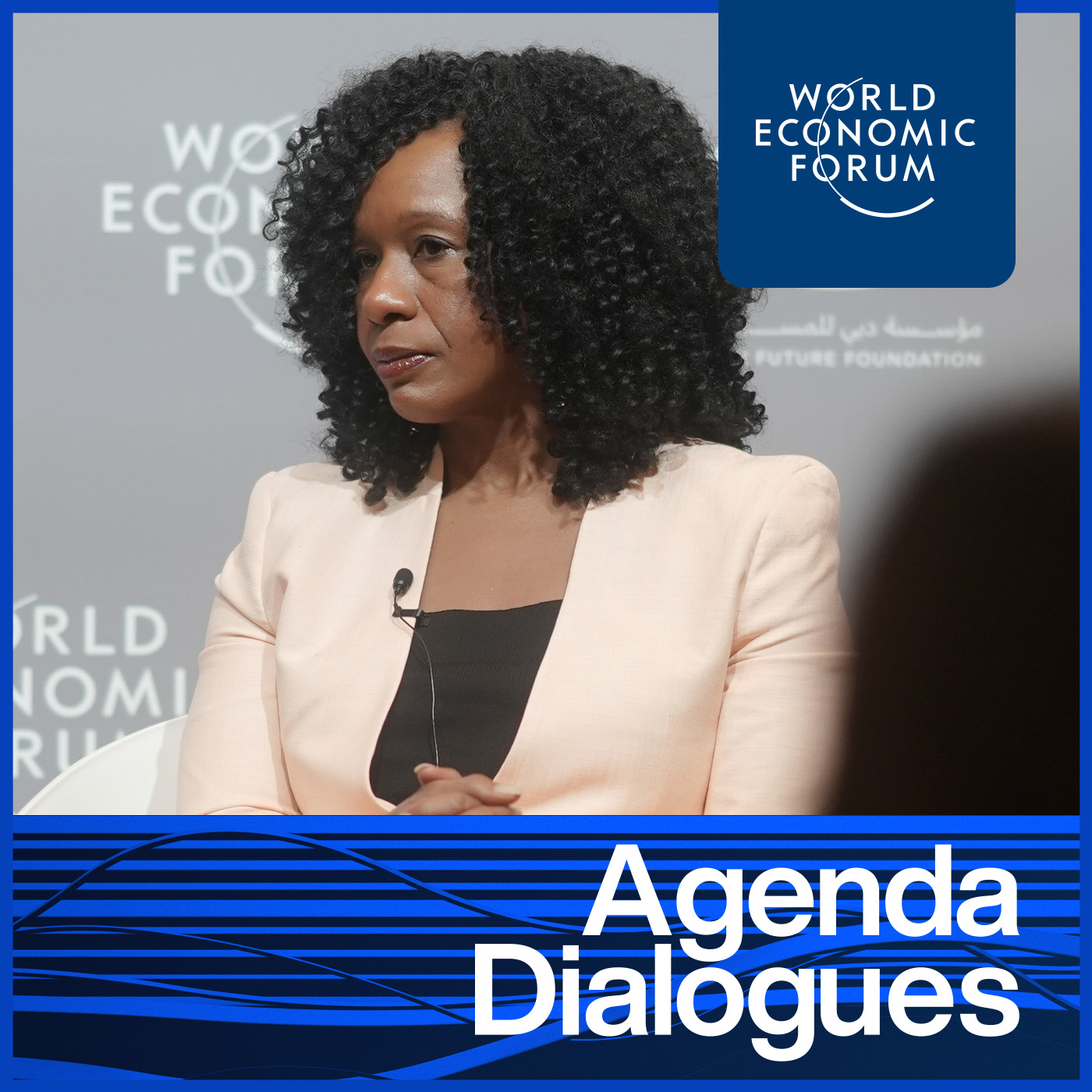
Skills in the Age of AI
By 2027, businesses predict that almost half (44%) of workers' core skills will be disrupted. From AI tutors to lifelong learning schemes, what approaches and opportunities hold the greatest potential to close gaps and prepare people for tomorrow's economy? This session has been developed in collaboration with CNBC. This is the full audio from a session at the Annual Meeting of the Global Future
Recommended
SLOW ENGLISH PODCAST (A1-A2) With Subtitles | Daily Videos | English With Us Podcast

Breaking News from Pod Save America

The Young and Called Podcast .

Jubal Phone Pranks from The Jubal Show

TopMusic Piano Podcast

The Daily

World News Tonight with David Muir

The Joe Rogan Experience

TED Talks Daily

English Vocabulary Help

Talk About Talk - Executive & Leadership Communication Skills

Learn English B1 with Daily News | English Listening Practice
