
BirdNote Daily
Escape the daily grind and immerse yourself in the natural world. Rich in imagery, sound, and information, BirdNote inspires you to notice the world around you.
Episodes
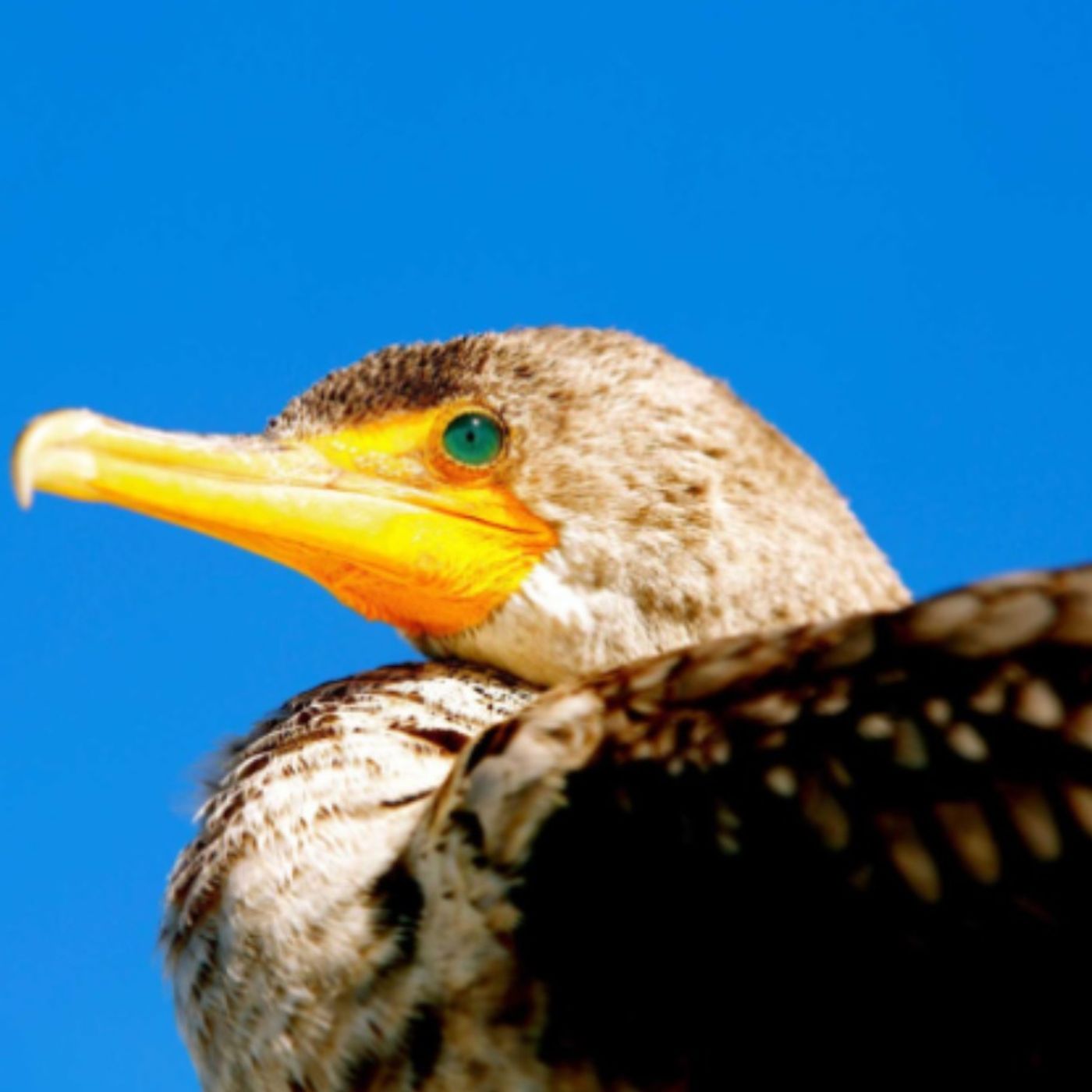
Birding 101: Finding Birds Any Time of Day
Morning is a great time for birding – that’s the peak of singing and foraging activity for many species. But it’s not the only time to experience birds. Some species, such as American Robins, sing for much of the day. Daytime predators such as hawks and cormorants are active in the middle of the day. Some birds such as Common Nighthawks sweep the sky for insects at dusks. And many owls come awake
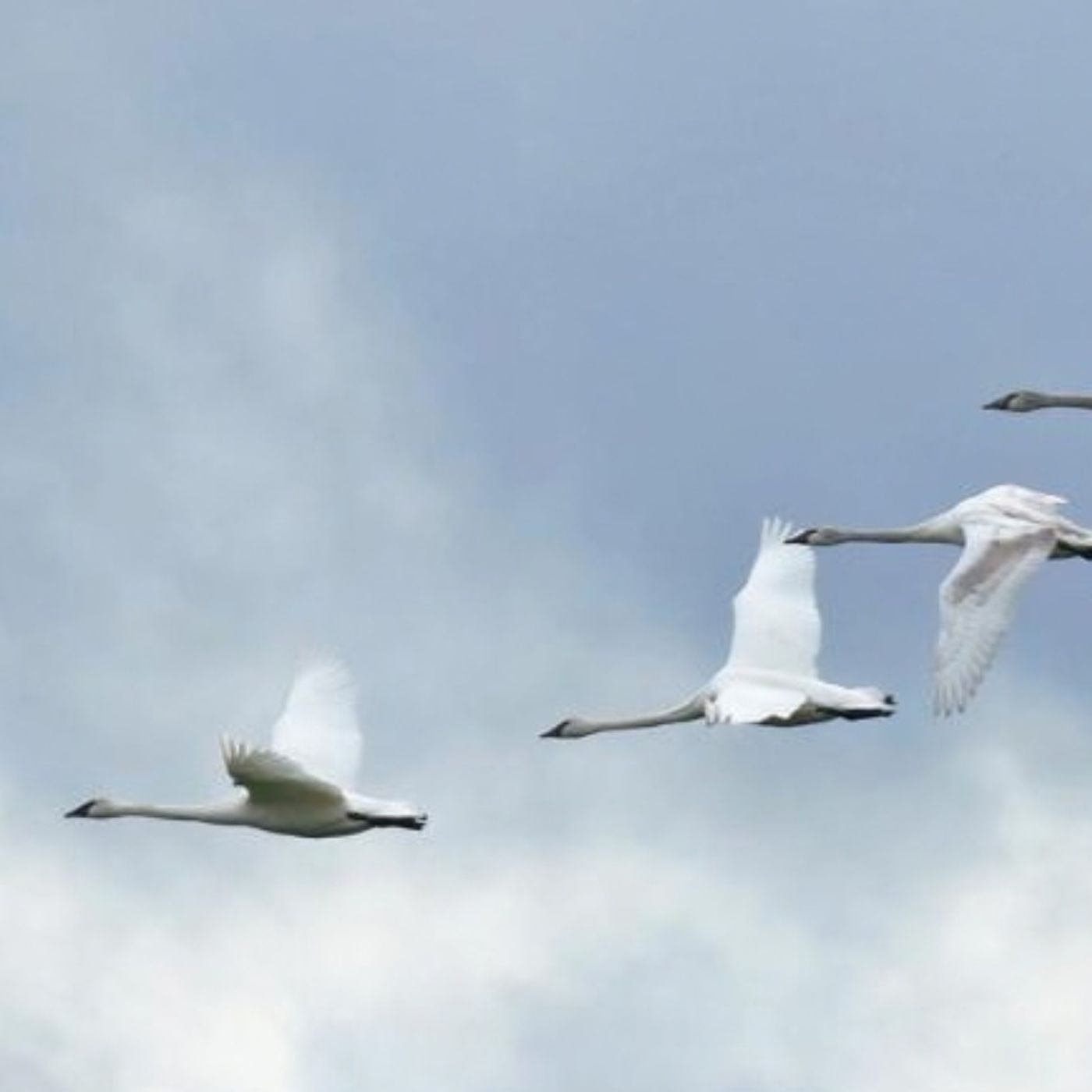
Welcoming Back Winter Birds
Although we may think of autumn as the end of the growing season, a sort of winding down in the natural world, for birds it’s as much a season of renewal as the spring. In the colder months, we welcome back our winter birds — juncos, swans, and more — which spent the summer in their breeding territories to the north. Offering the right kind of food and environment in the winter months can attract
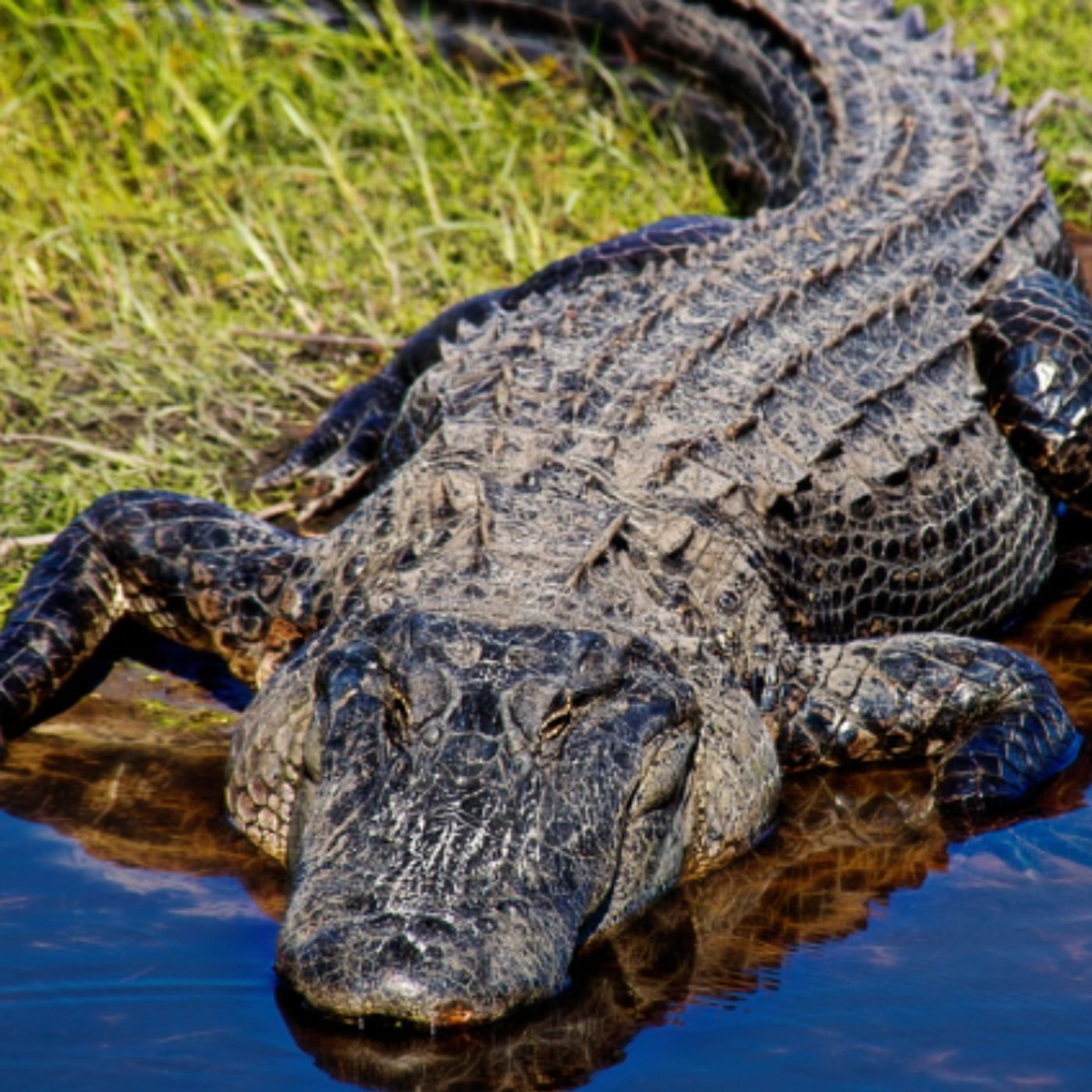
The Link Between Birds and Alligators
The crocodilians — crocodiles and their relatives, like the American Alligator — are the closest living relatives of birds. About 250 million years ago, the ancestors of all crocodiles split off from the dinosaur group that gave rise to modern birds. While crocs these days are mostly short-legged ambush predators, before mass extinction there were ocean-dwelling crocodilians and even species that
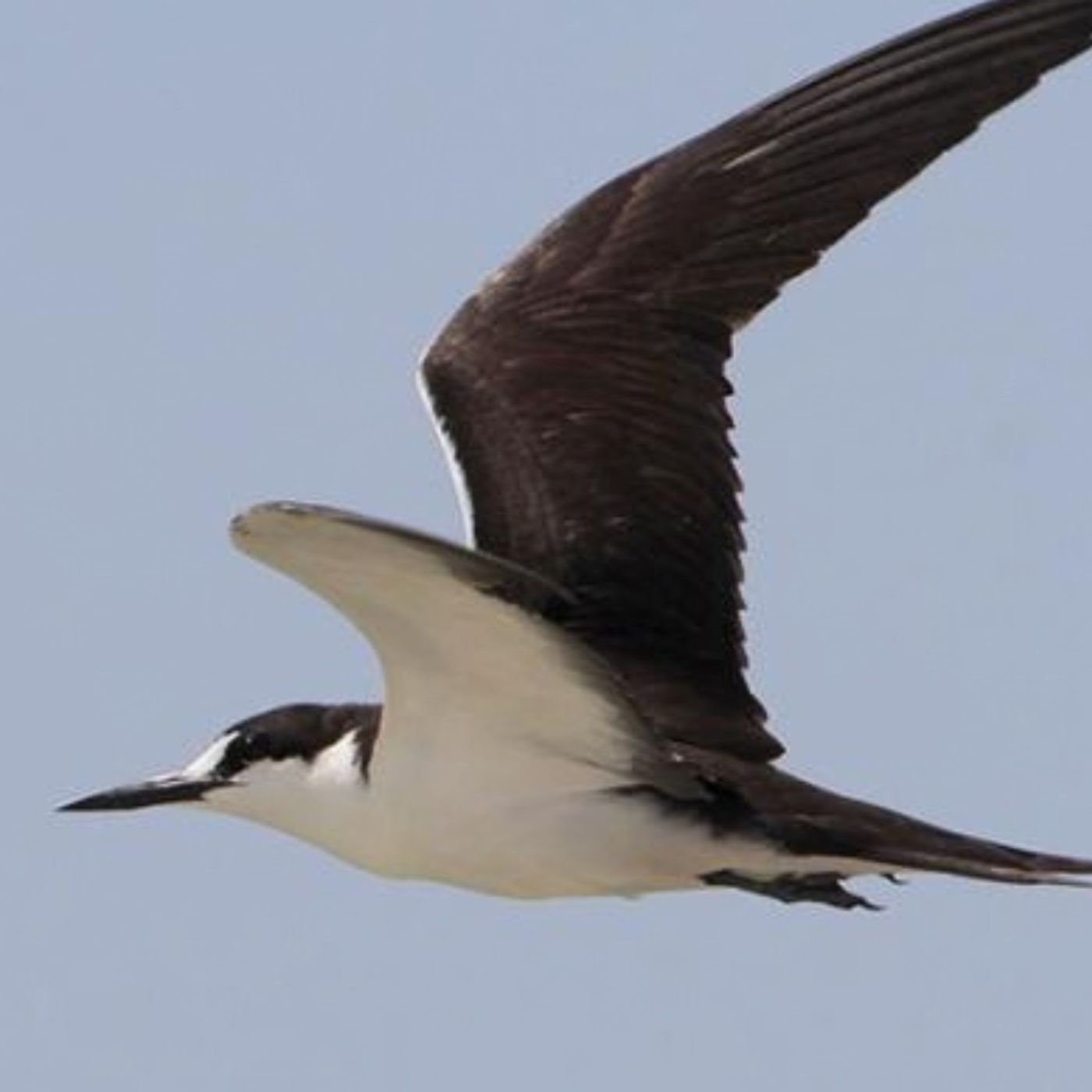
Sooty Tern
Sooty Terns have long been called "wide-awakes" because of their calls. But it may describe their sleeping habits, too. When young terns leave their breeding grounds, they don't return for several years. They do not rest on the water, and only rarely land on floating objects. They feed while aloft, grabbing prey from the ocean's surface. On the fly, they also capture fish that have been chased out
Purple Martins Head South to the Amazon
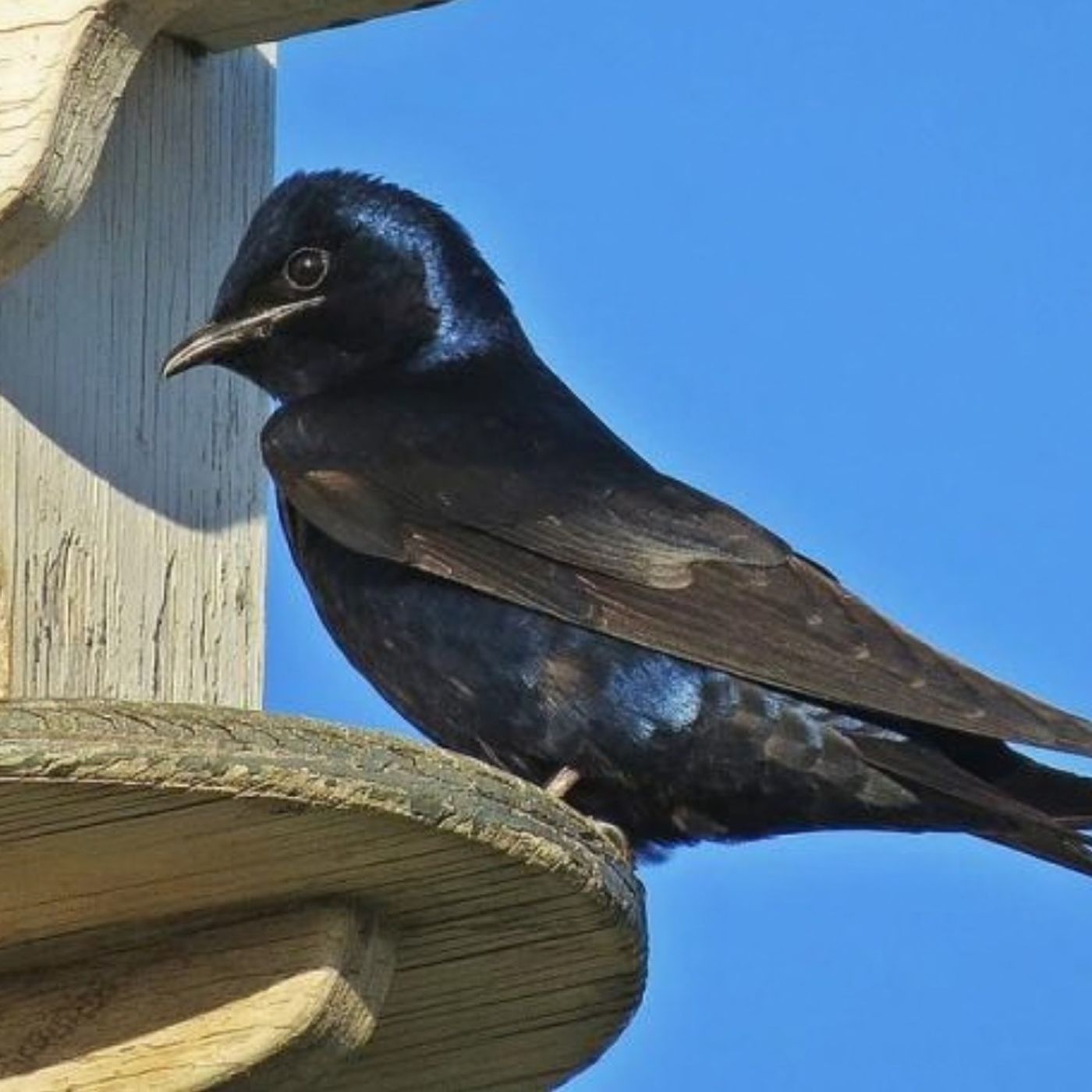
The Purple Martin is the largest swallow that nests in the U.S. and Canada. During fall, Purple Martins from western North America migrate to a distinct wintering area in southeastern Brazil — a travel distance of more than 5,000 miles! Scientists believe that Purple Martins started out as a South American swallow species. Over time, they evolved a seasonal migration to North America because the l
World Migratory Bird Day
Saturday October 10, 2026, is World Migratory Bird Day, a celebration of one of our planet’s most marvelous natural phenomena. It occurs twice a year, on the second Saturday of May and October, in observance of peak spring and fall migration in the Americas. This year’s theme is “Every Bird Counts,” which highlights the importance of community science to migratory bird conservation worldwide.More
Here Come the Merlins
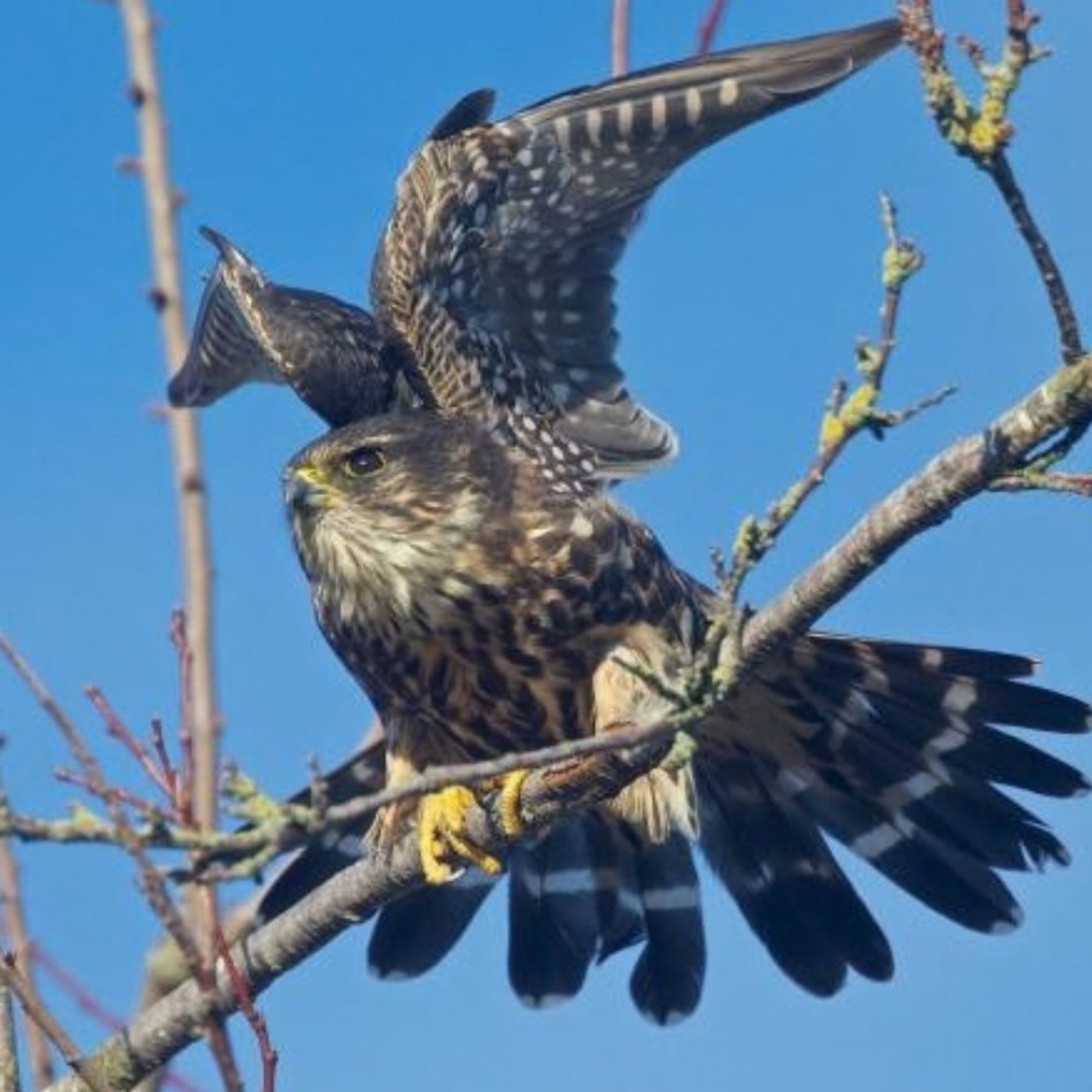
Smaller than a pigeon — but fierce enough to knock one from the air — are the powerful, compact falcons known as Merlins. Climate change is pushing ranges of many birds farther north, but more and more Merlins have been nesting farther south, in towns and cities across the northern United States. Merlins will take over old crow nests, especially in conifer trees, in parks, cemeteries, and neighbor
Migration Takes Guts — Until It Doesn’t
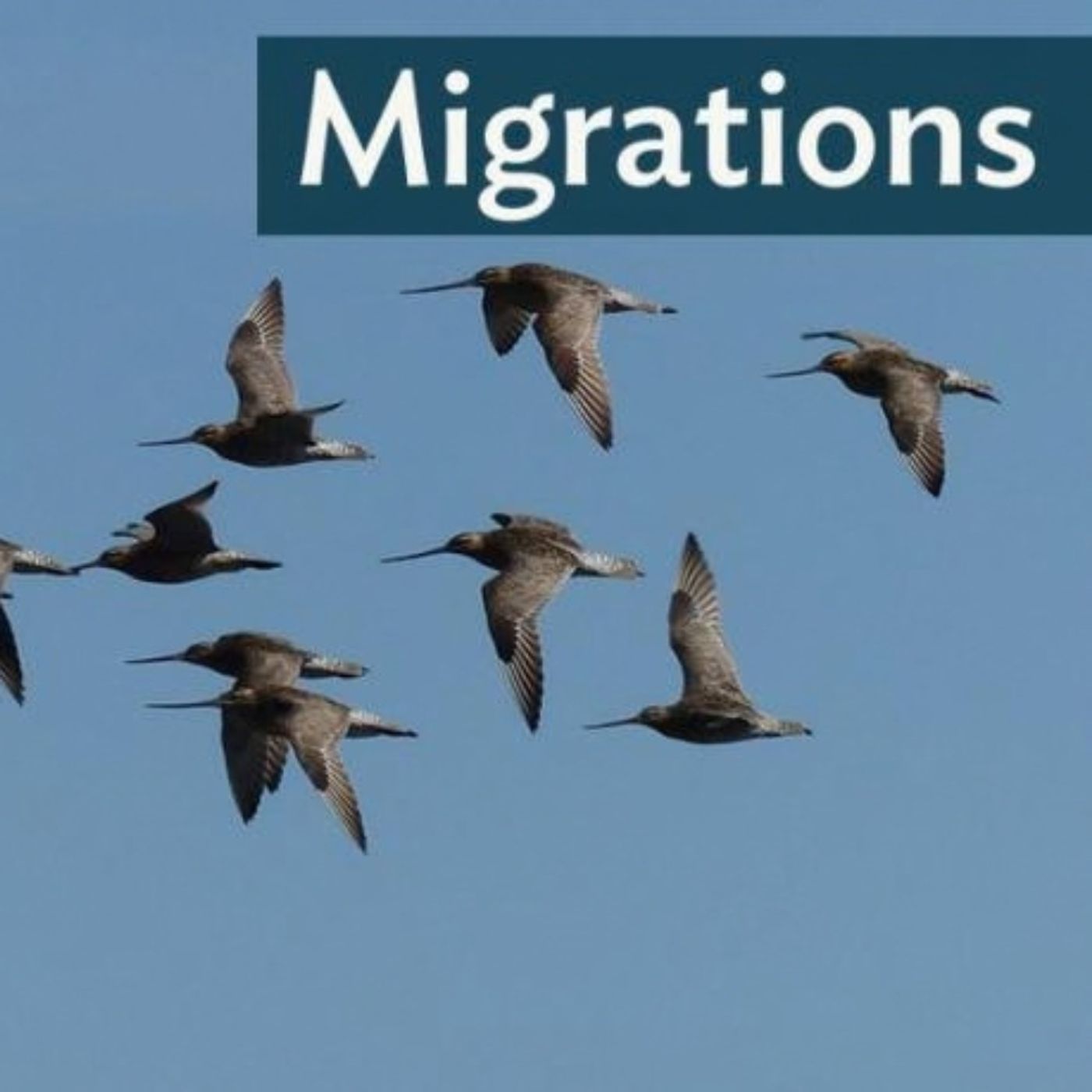
This Bar-tailed Godwit makes one of the longest migrations of any animal — a 7,200-mile non-stop flight each autumn from western Alaska to New Zealand. In his book A World on the Wing, Scott Weidensaul explores the remarkable transformation godwits undergo to make this migration possible. Their digestive organs shrink as their weight more than doubles in stored fats and muscle mass.More info and t
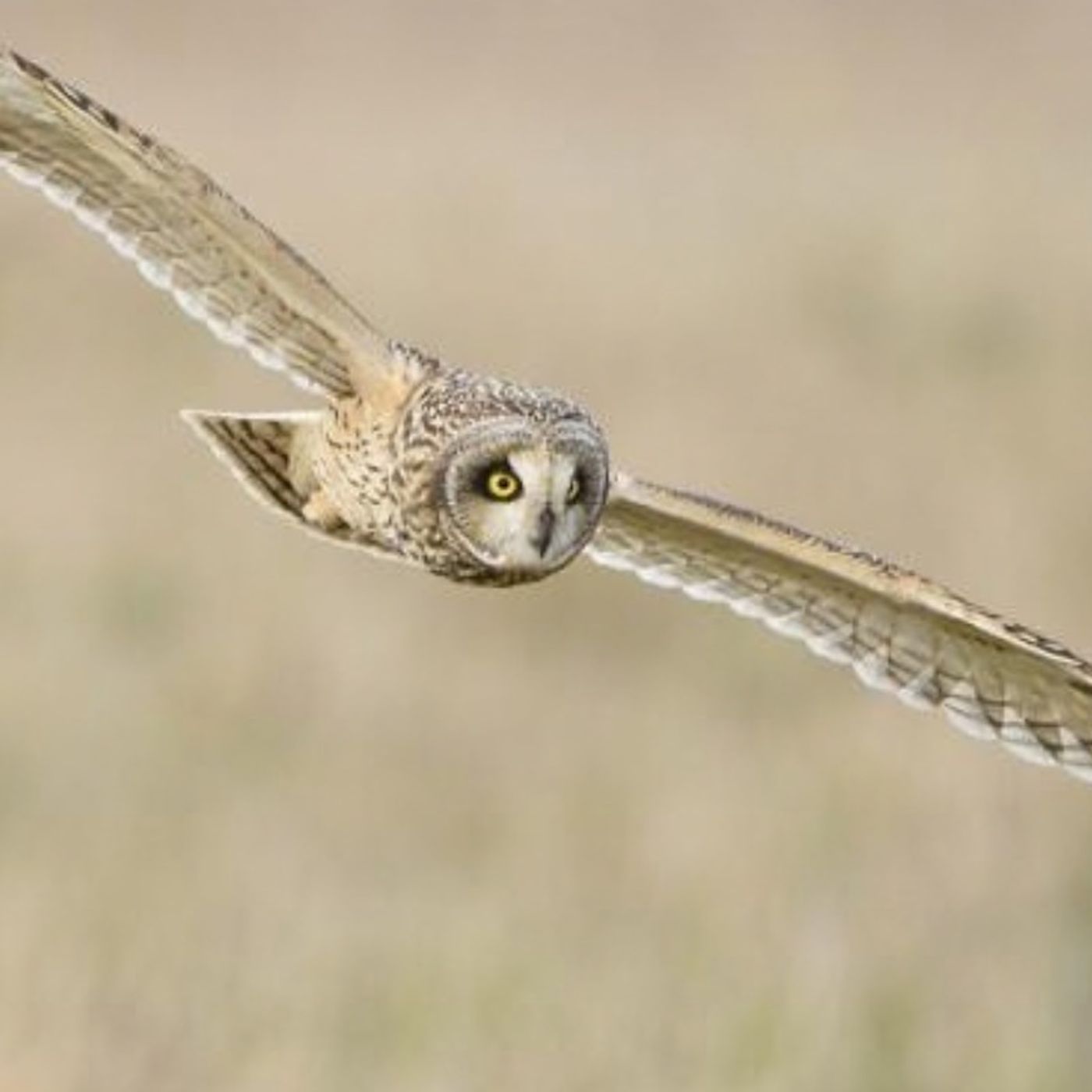
Owls Migrate, Too
When you think of bird migrations, you might think of a bluebird or a robin first. But some owls do migrate – such as the Short-eared Owl, which flies south for the winter. Northern Saw-whet Owls were once thought non-migratory, but in fact they travel at night, unseen. Snowy Owls breed in the Arctic then wander toward the south, staying wherever they can find food. Some Burrowing Owls spend
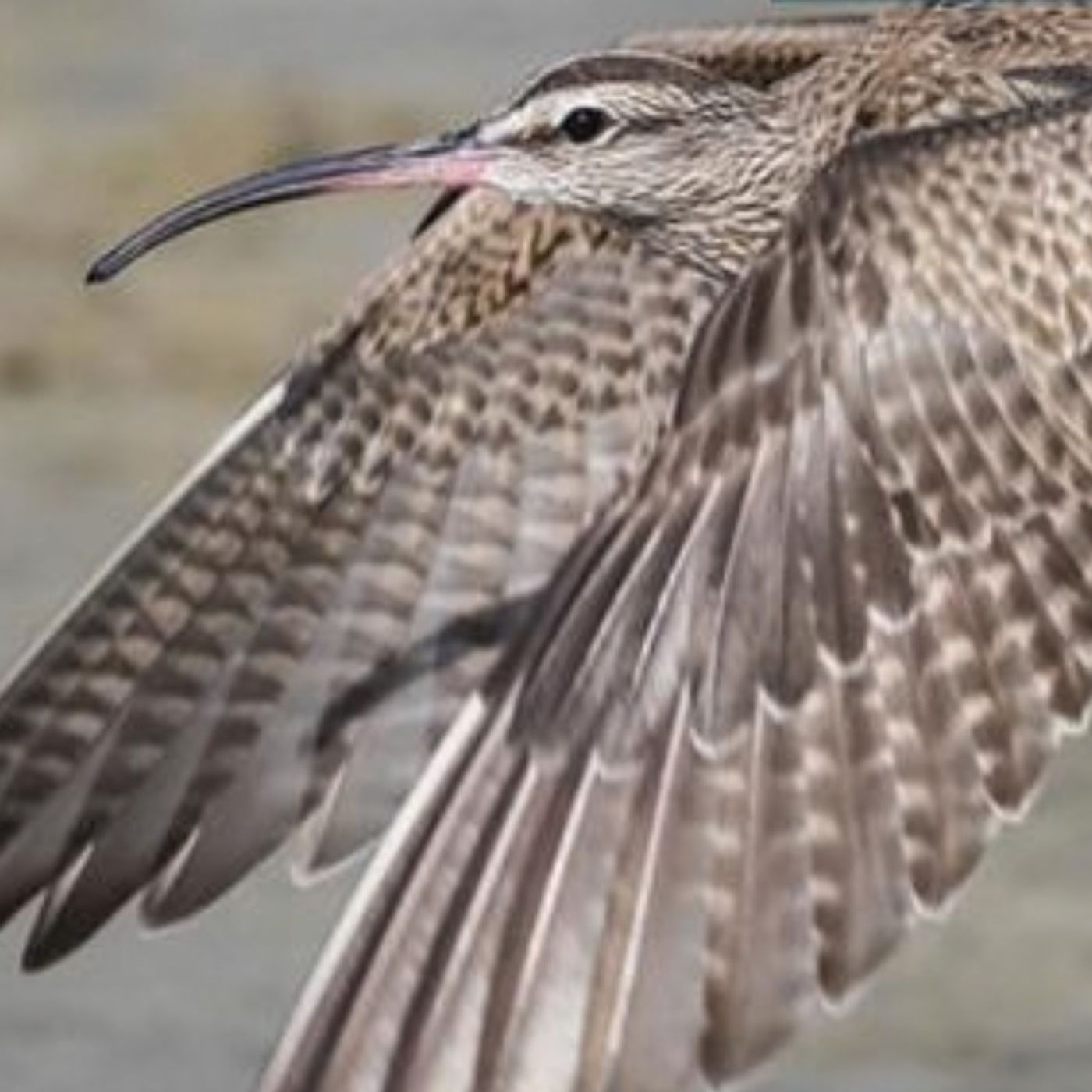
Migrations: A Whimbrel’s Wayward Journey
Biologists with Manomet tagged a Whimbrel named Lindsay with a GPS tracker. She has spent the summer breeding in the Arctic National Wildlife Refuge on the northern coast of Alaska. As fall migration begins, she heads straight into a storm in the Gulf of Alaska. The tempest slingshots her toward British Columbia, where she picks up a tailwind down the California coast. Landing near San Francisco,
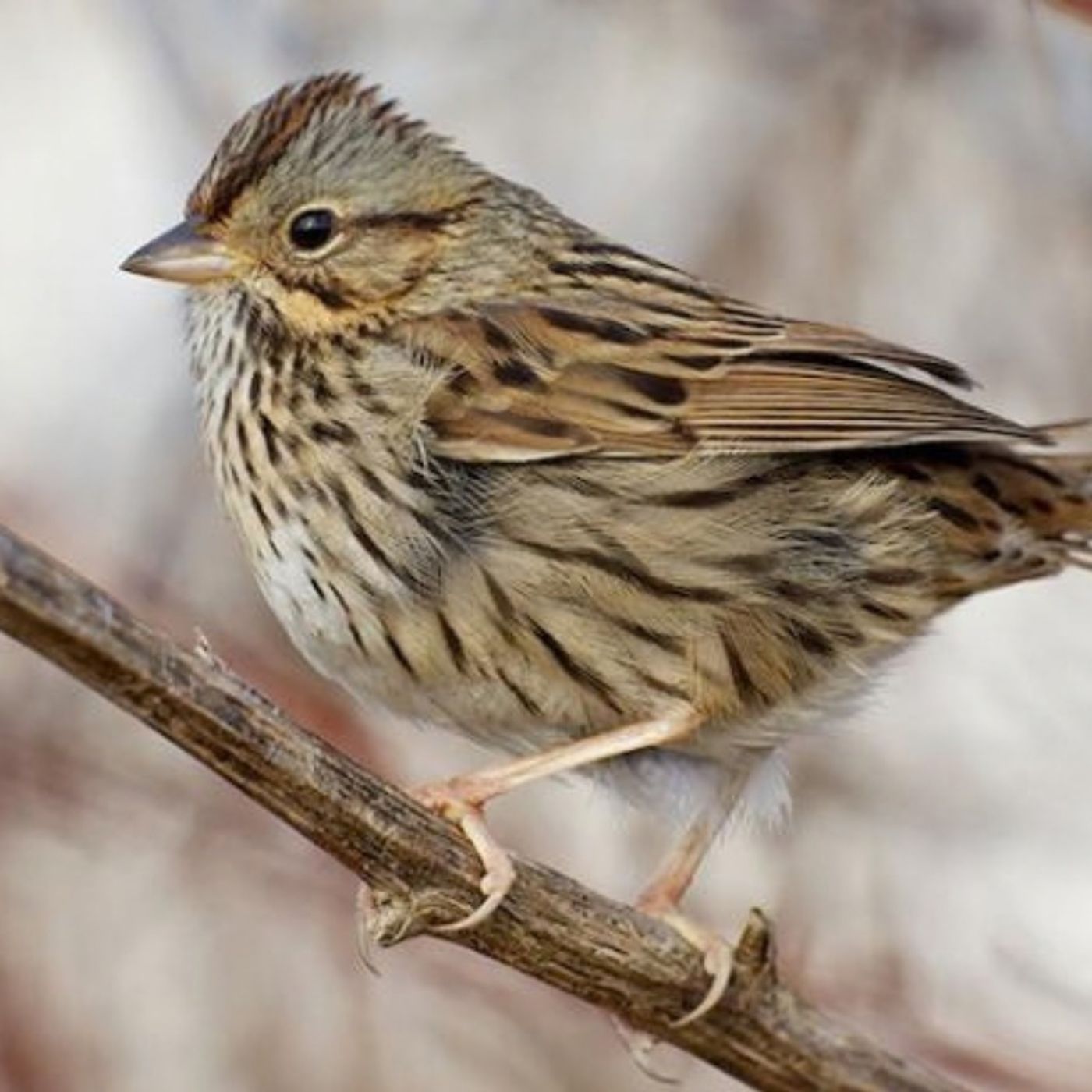
October Migrants – Look Who's Back!
In the October sunlight, a Lincoln's Sparrow – like this one – sings energetically from a hedgerow. Soon a Fox Sparrow chimes in. Both nested in Alaska last summer but will spend the winter farther south. The Snow Geese are moving, too. A massive movement of birds takes place in the fall. The exodus of summer visitors to the tropics has given way to a surge from the north. And predators can't be f
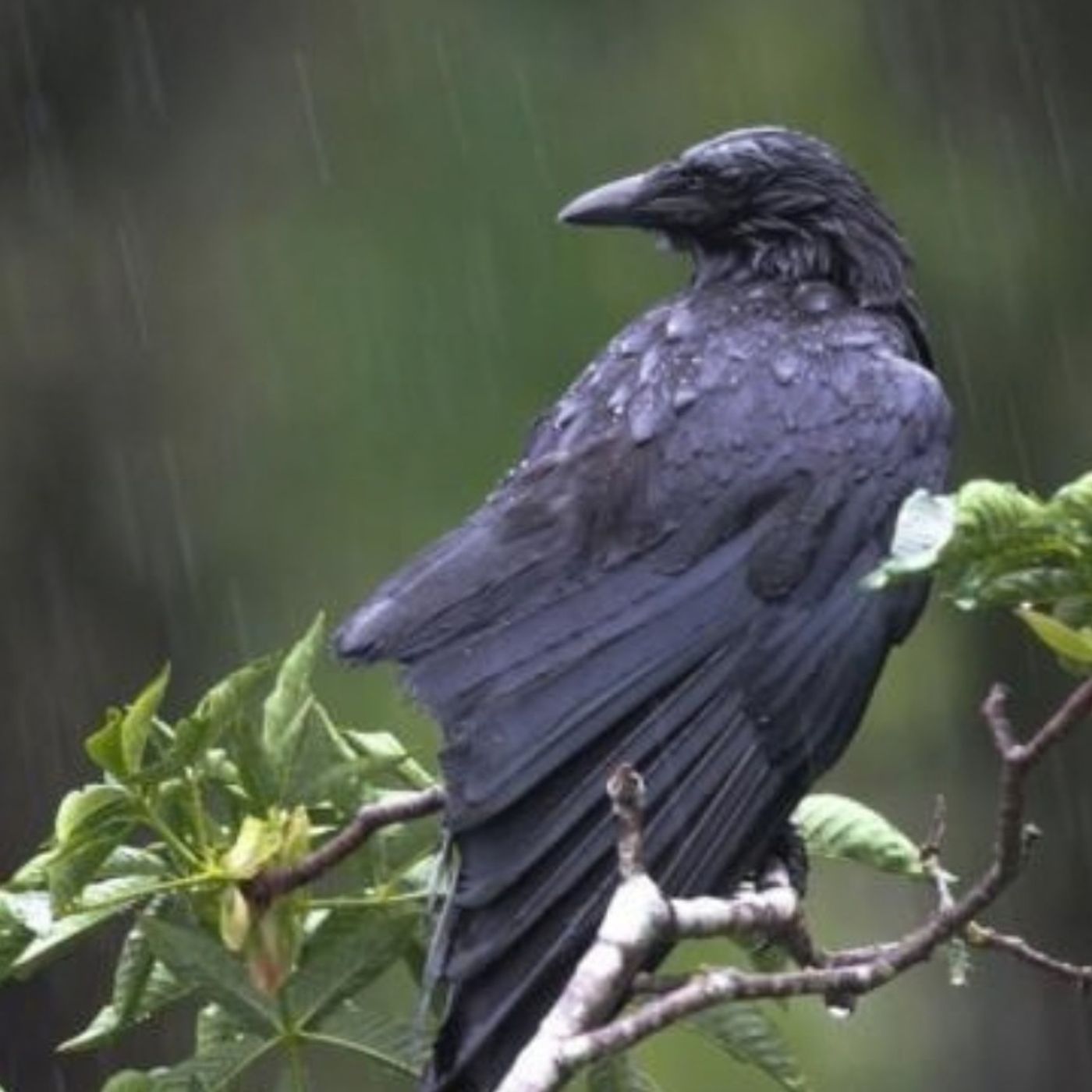
Flyin' in the Rain
Most birds are mostly waterproof. Their feathers, aided by oil from preen glands, keep them pretty watertight. So why do birds avoid flying during rainstorms? It may have more to do with the air than with the water. Rainstorms tend to occur when atmospheric pressure is low. Air in a low-pressure system is less dense. But it’s dense air that gives birds the aerodynamic lift they need to take wing.
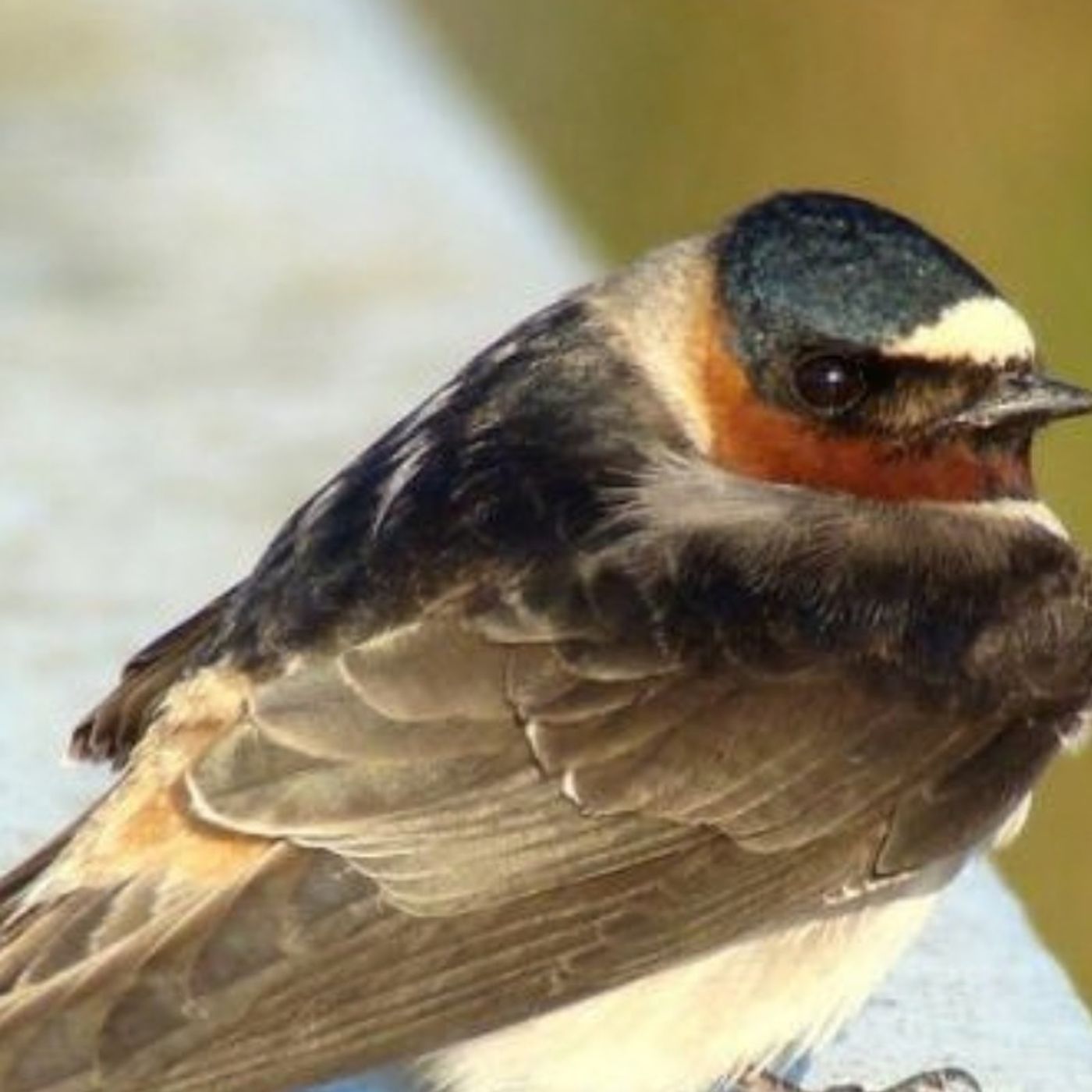
Where Swallows Go in Winter
Through all of spring and summer, swallows dart and sail overhead, their airborne grace a wonder to behold. But by October, the skies seem empty. Most swallows have flown south, in search of insects. The eight species of swallows that nest in the U.S. — including the Cliff Swallow — migrate south to Central or even South America. Watch for them again next spring!More info and transcript at BirdNot
Questions That Get Kids Curious About Nature
Brianna Amingwa is a birder, environmental educator, and mom of two bird-loving boys. In this episode, Brianna shares one of her favorite, tried-and-true techniques for sparking curiosity with kids outside. This easy activity has a funny name: INIWIRMO. It’s an acronym for I Notice. I Wonder. It Reminds Me Of. INIWIRMO works by inviting kids and adults to turn each phrase into a statement about so
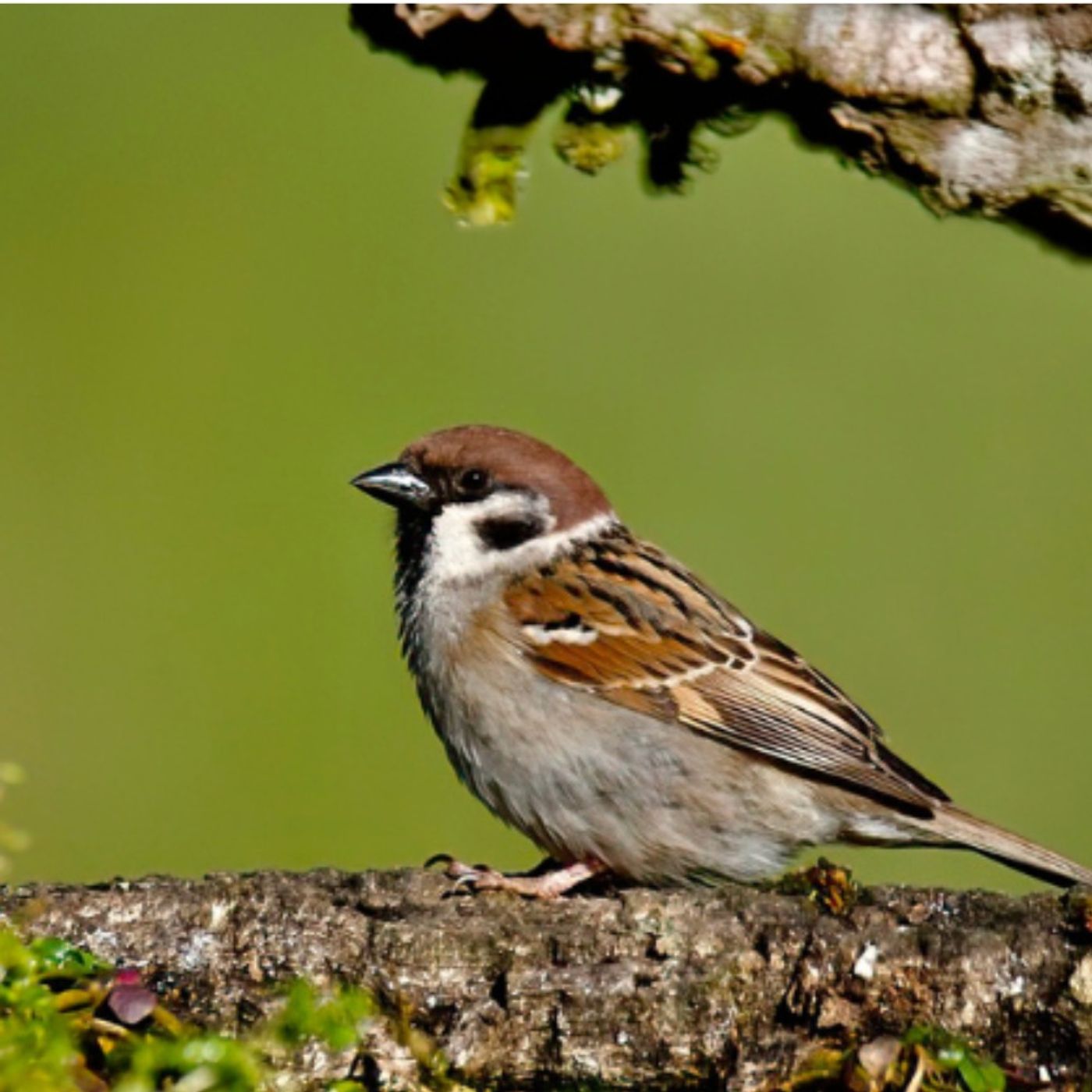
The Eurasian Tree Sparrow
In Lafayette Park in St. Louis, Missouri, a dozen or so Eurasian Tree Sparrows from Germany were released. But unlike other introduced species such as the similar-looking House Sparrow, they did not spread very far and remained in a limited area in the Midwest. It’s not fully clear why, but it’s possible that they just behave differently. And the aggressive House Sparrow may have helped prevent th
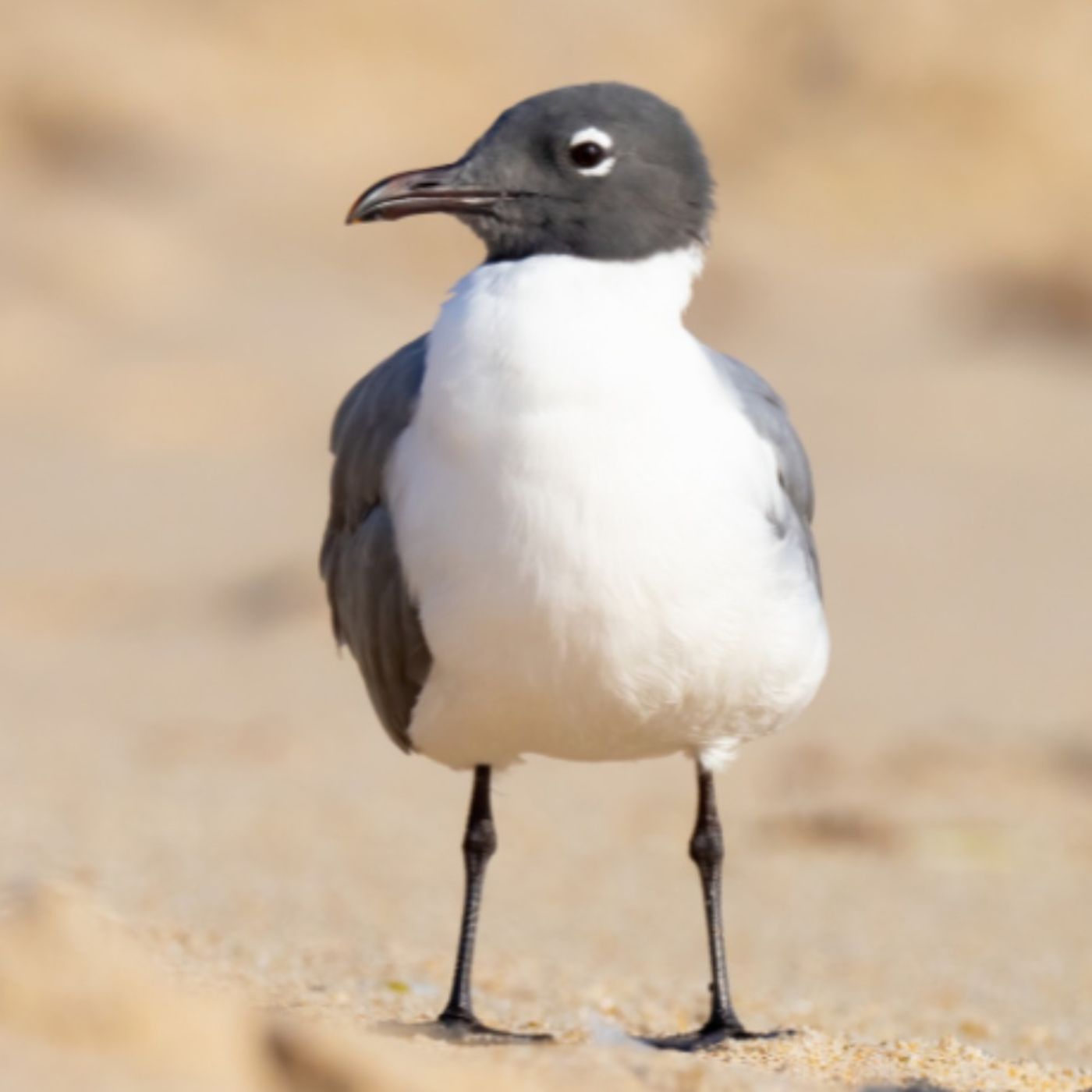
Birding 101: Where to Find Birds
There’s no wrong place to search for birds — looking out the window and listening for calls and songs is a great place to start. But you might be curious where else to look. In this episode, get a few quick tips on good places to find birds.
Listen to this episode in Spanish.
More info and transcript at BirdNote.org.
Want more BirdNote? Subscribe to our weekly newsletter. Sign up for BirdNot
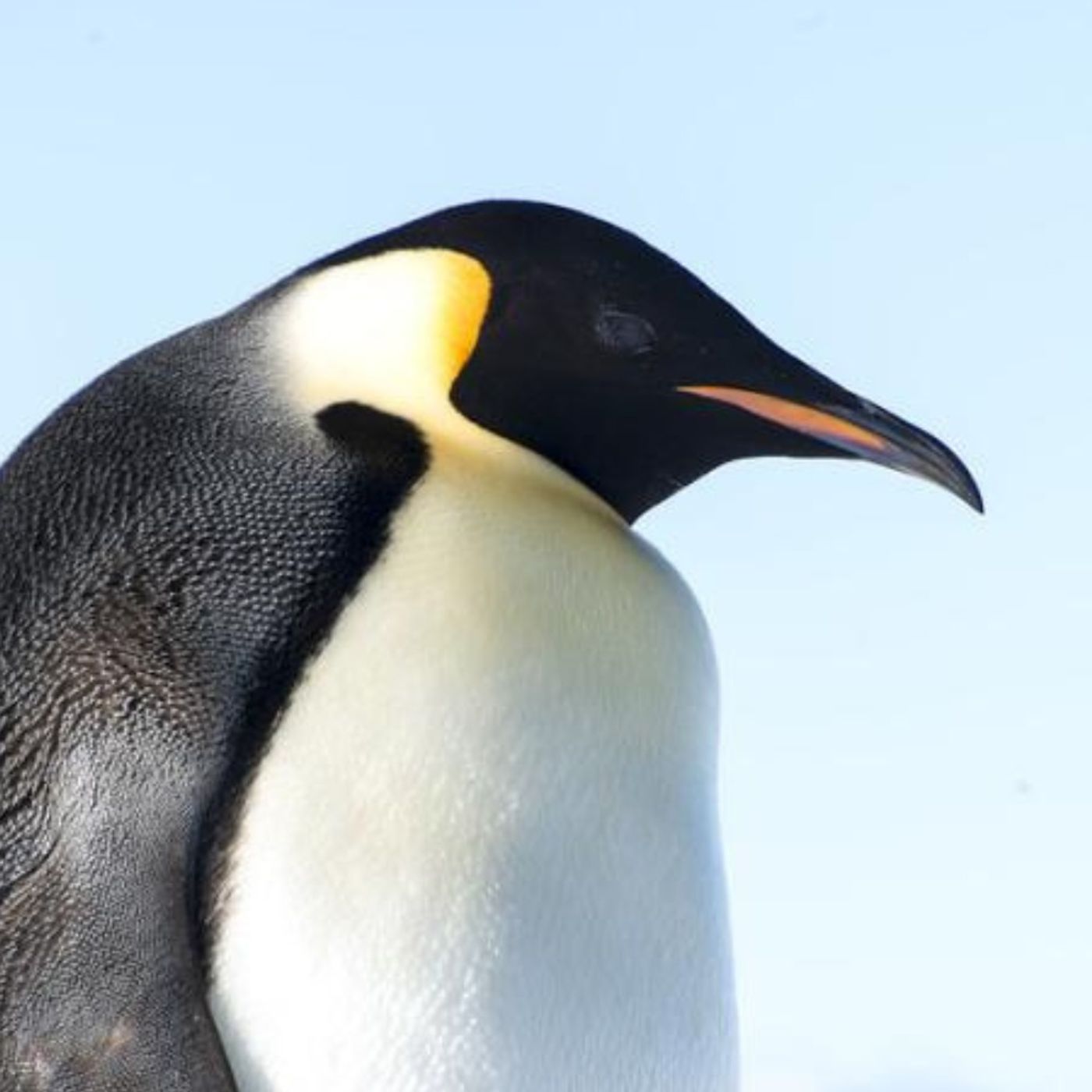
Which Bird Has the Most Feathers?
In general, the bigger the bird, the higher the number of feathers. Someone counted the feathers on a Tundra Swan and came up with 25,216. At least 80% were on the swan’s neck. Penguins, on the other hand, have lots of small feathers all over their bodies. The largest species is the Emperor Penguin, and one project counted around 80,000 feathers on a single bird. That’s nearly sixty per square inc
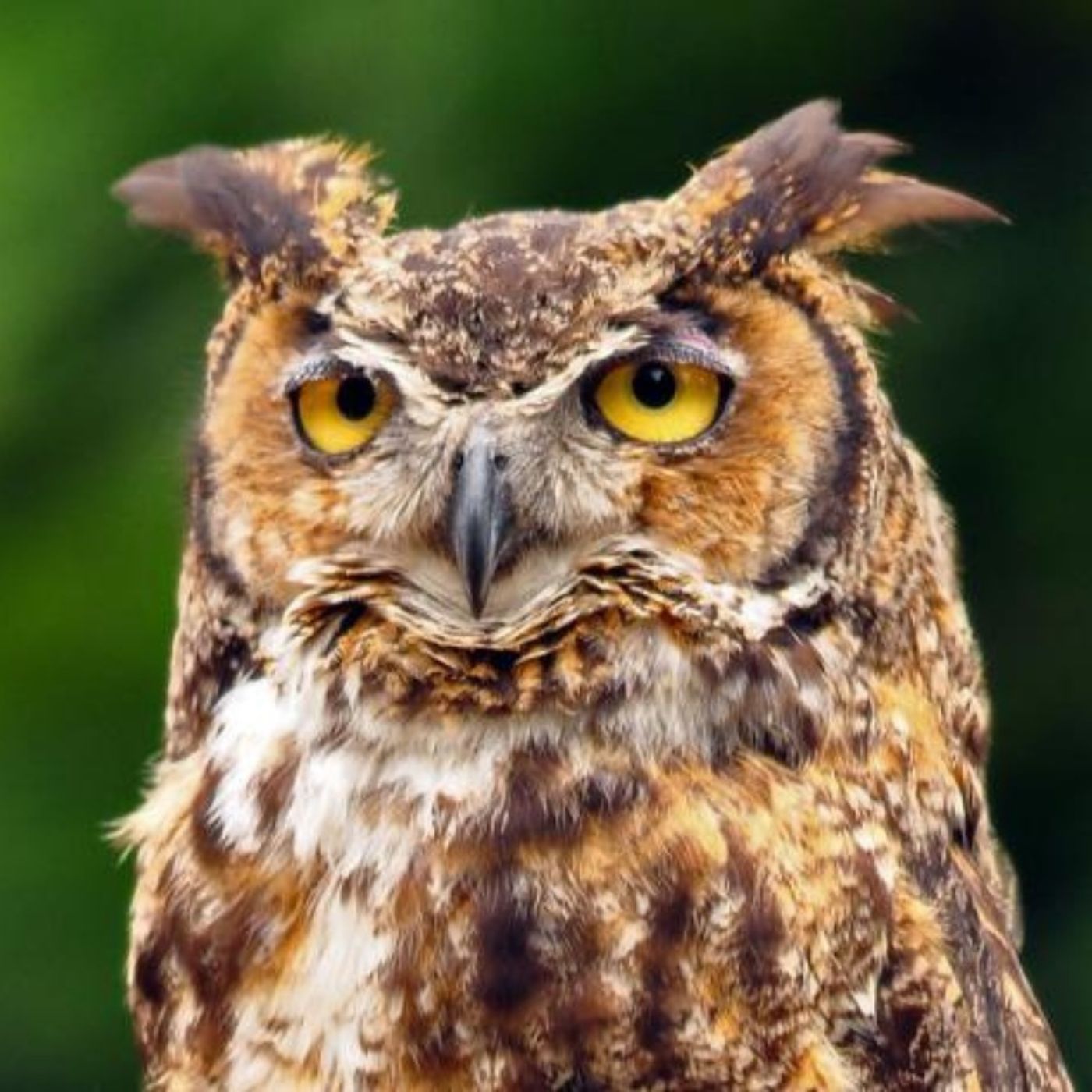
Great Horned Owl Family in Autumn
Compared to many birds, Great Horned Owls remain with their parents a long time. They hatched in early March, from eggs laid in late January. By April, both parents were hunting through the night to feed their young. But for the last two weeks, the adults have not fed the young. The owlets have learned the skills they need to hunt for themselves. And any night now, the young owls will strike out o
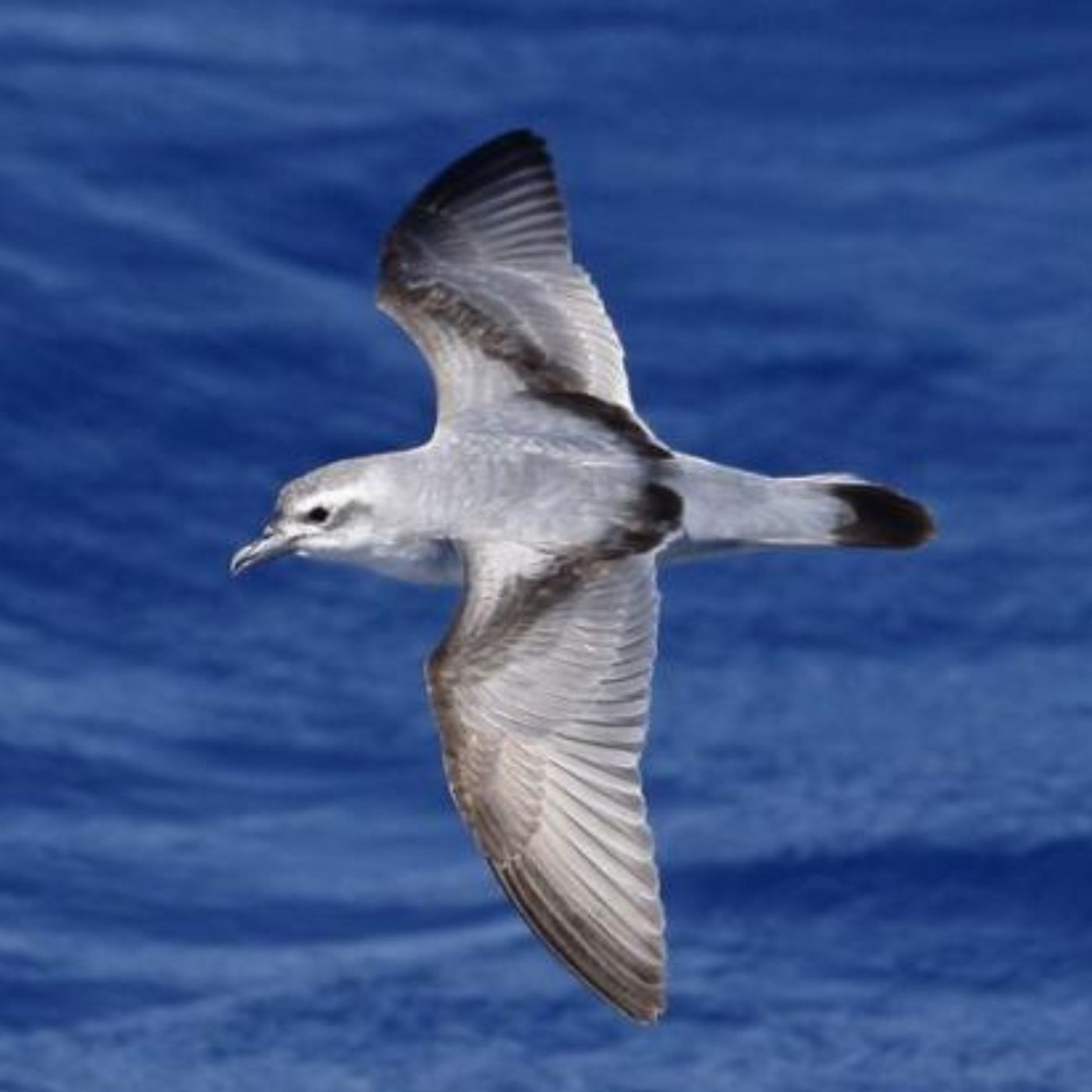
Prions Filter-Feed Like Whales
Birds called prions have an especially creative approach to getting their food. They pass seawater through their mouths and filter it to catch tiny animals such as krill and other small crustaceans. It’s similar to how baleen whales feed, leading to the prion’s nickname: the whale-bird. The sides of their bills have comb-like structures. Small food items get trapped in the combs as water flows pas
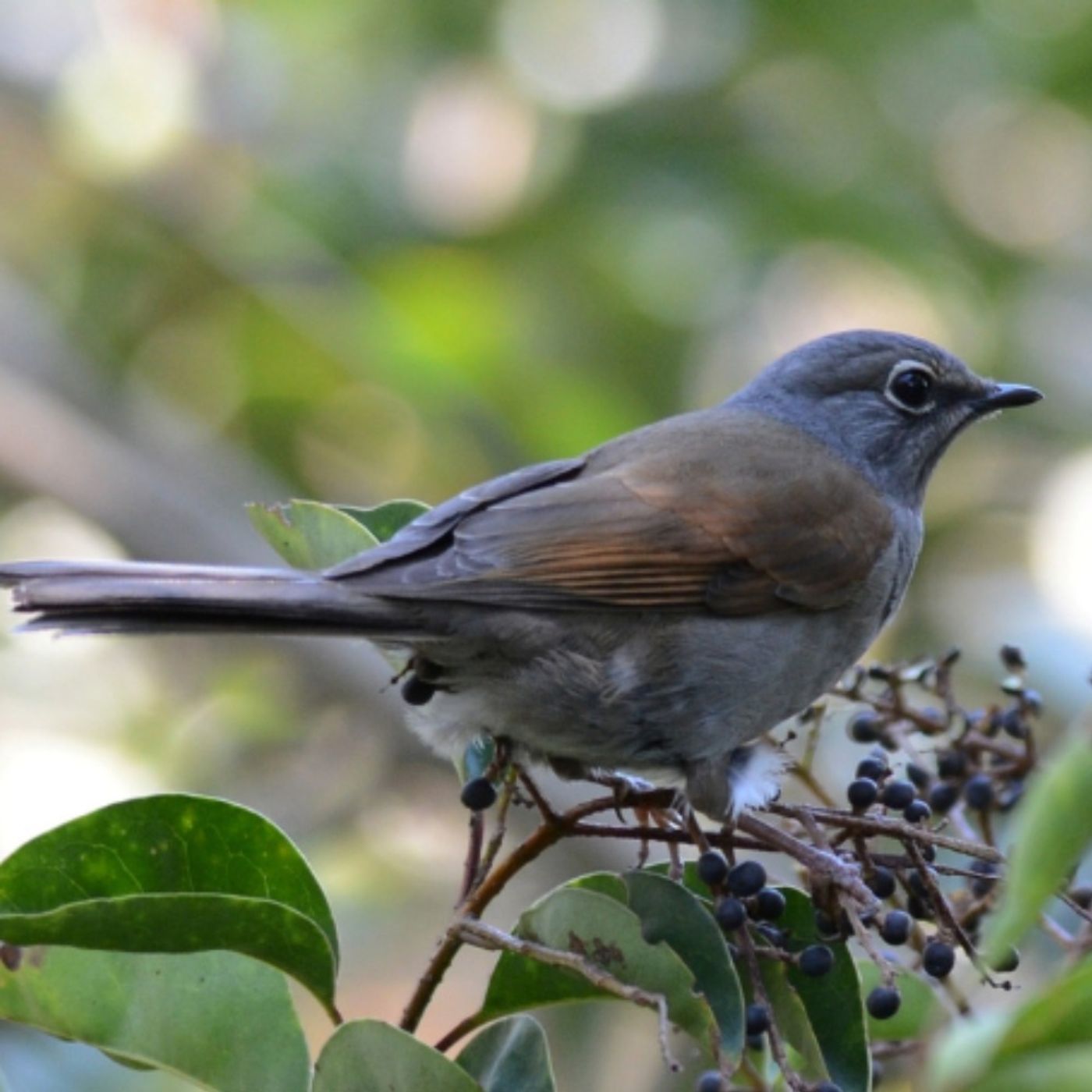
Song of the Mountains: The Brown-backed Solitaire
Brown-backed Solitaires are ordinary-looking: medium-sized, gray-brown birds. But they have one of the most melodic, complex songs in the world, ringing out year-round in high-altitude forests from Mexico to Central America.
Listen to this show in Spanish here.
More info and transcript at BirdNote.org.
Want more BirdNote? Subscribe to our weekly newsletter. Sign up for BirdNote+ to get ad-fr
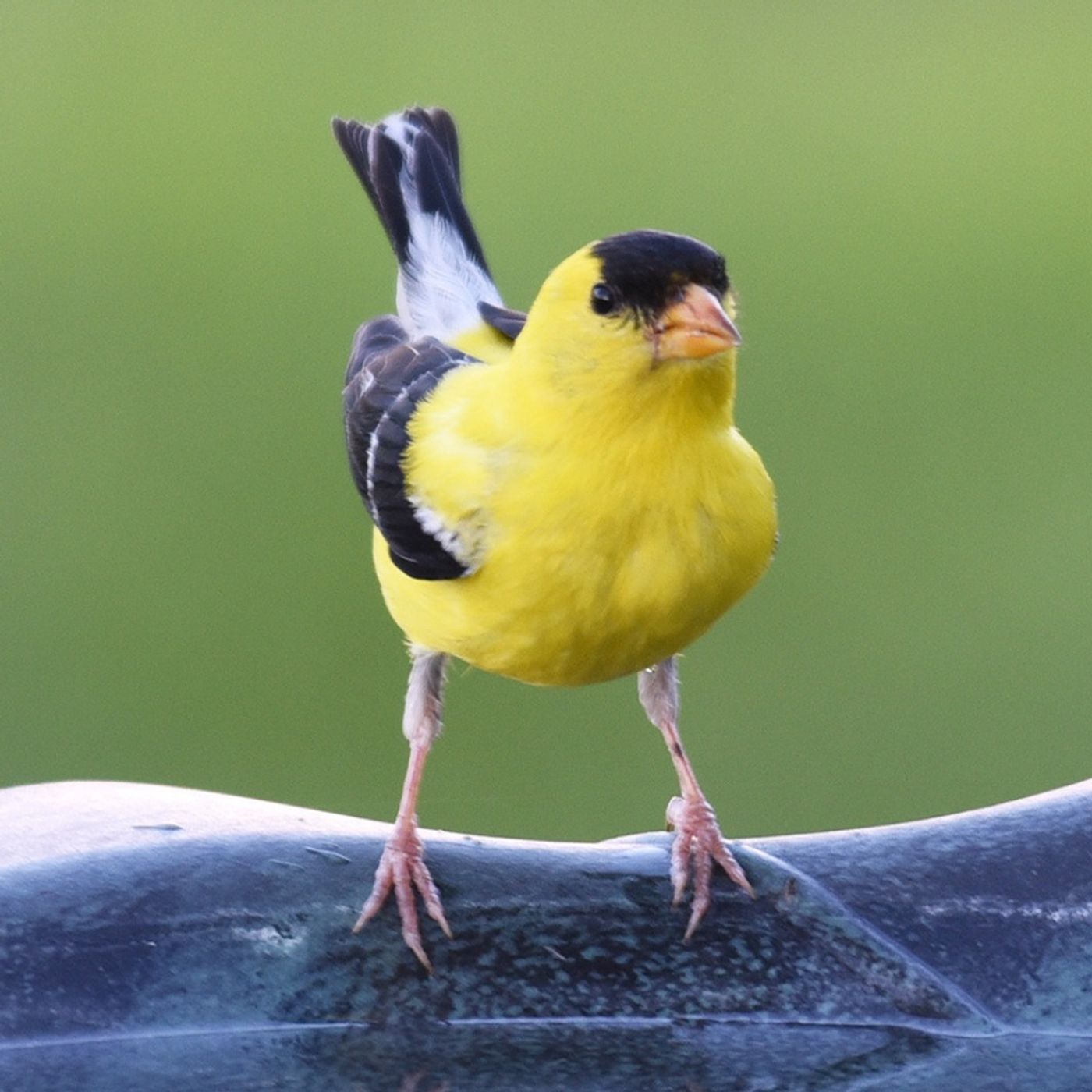
Help Birds Survive Heat Waves
It's easy to feel helpless during a heat wave, as if there's nowhere to hide from the sun. Birds feel much the same. Extreme heat poses a risk to young birds of many species. Here are three things we can do to protect birds and ourselves from heat.
More info and transcript at BirdNote.org.
Want more BirdNote? Subscribe to our weekly newsletter. Sign up for BirdNote+ to get ad-free listening and ot
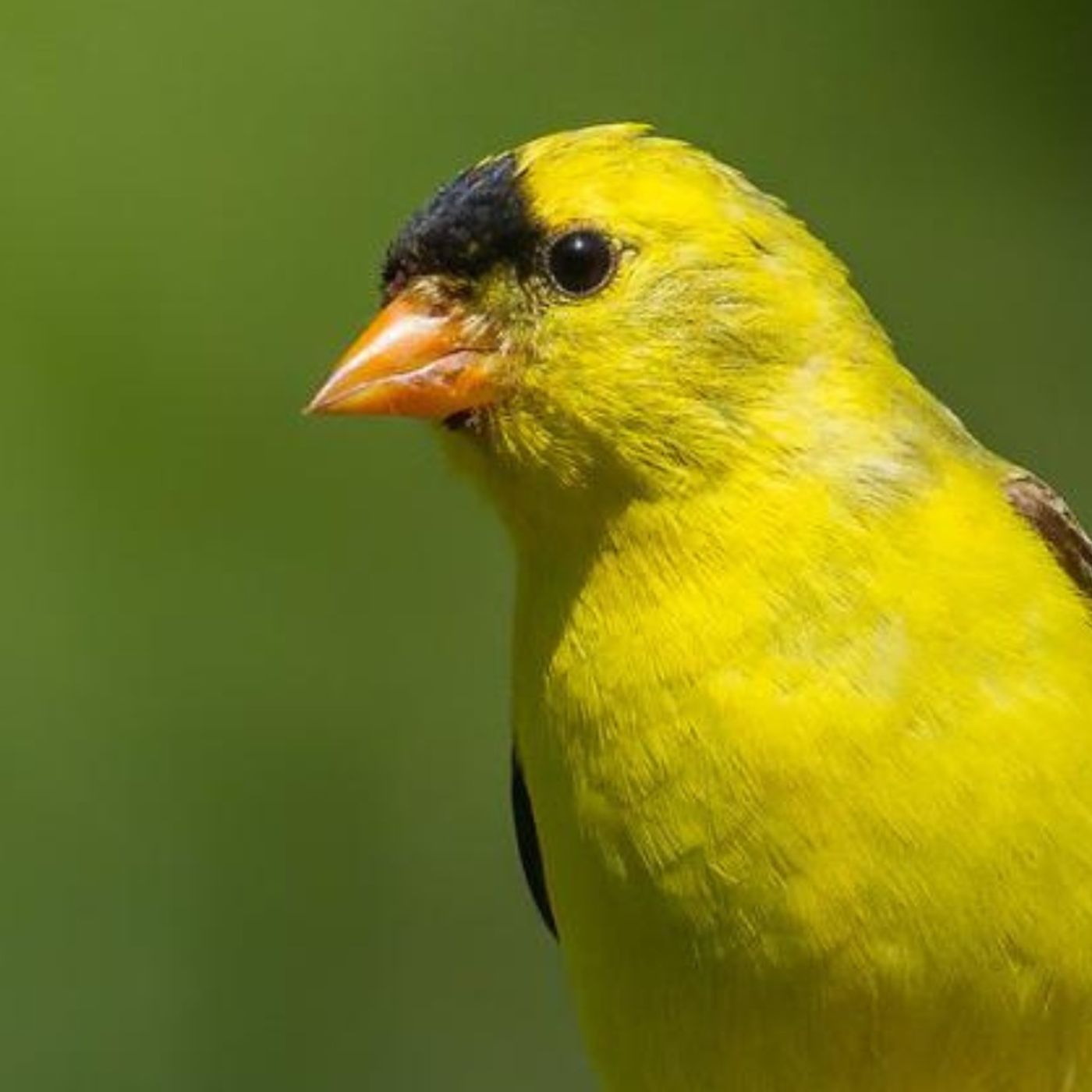
The Secret Lives of Goldfinches
American Goldfinches are one of our most familiar birds, but they lead lives that are anything but ordinary. These birds will sometimes raise two broods a year, have a secret weapon against cowbirds, and have the ability to distinguish between songs that — to our ears — sound the same. Backyard birds they may be, but American Goldfinches never cease to amaze.
More info and transcript at BirdNote.o
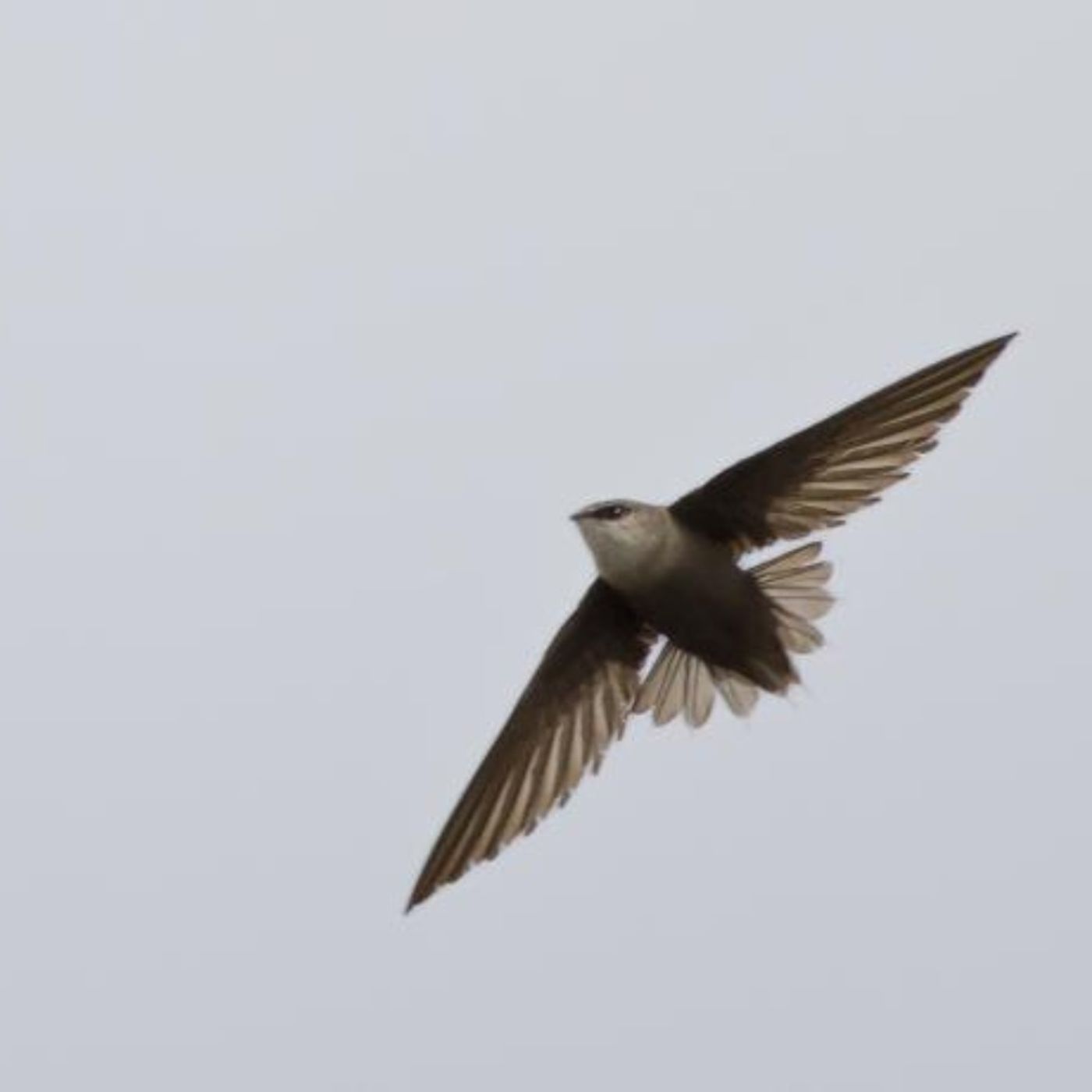
Swallow or Swift?
At a glance, swallows and swifts, both graceful fliers, look much alike. But swifts — like this Chimney Swift — have longer, slimmer wings and short bodies, enabling them to glide for long periods. Their glides are punctuated by rapid, stiff bursts of wing-beats. Swallows, on the other hand, flex and flap their wings. Why do swifts have such a peculiar, stiff wing stroke? Picture a bird wing, with
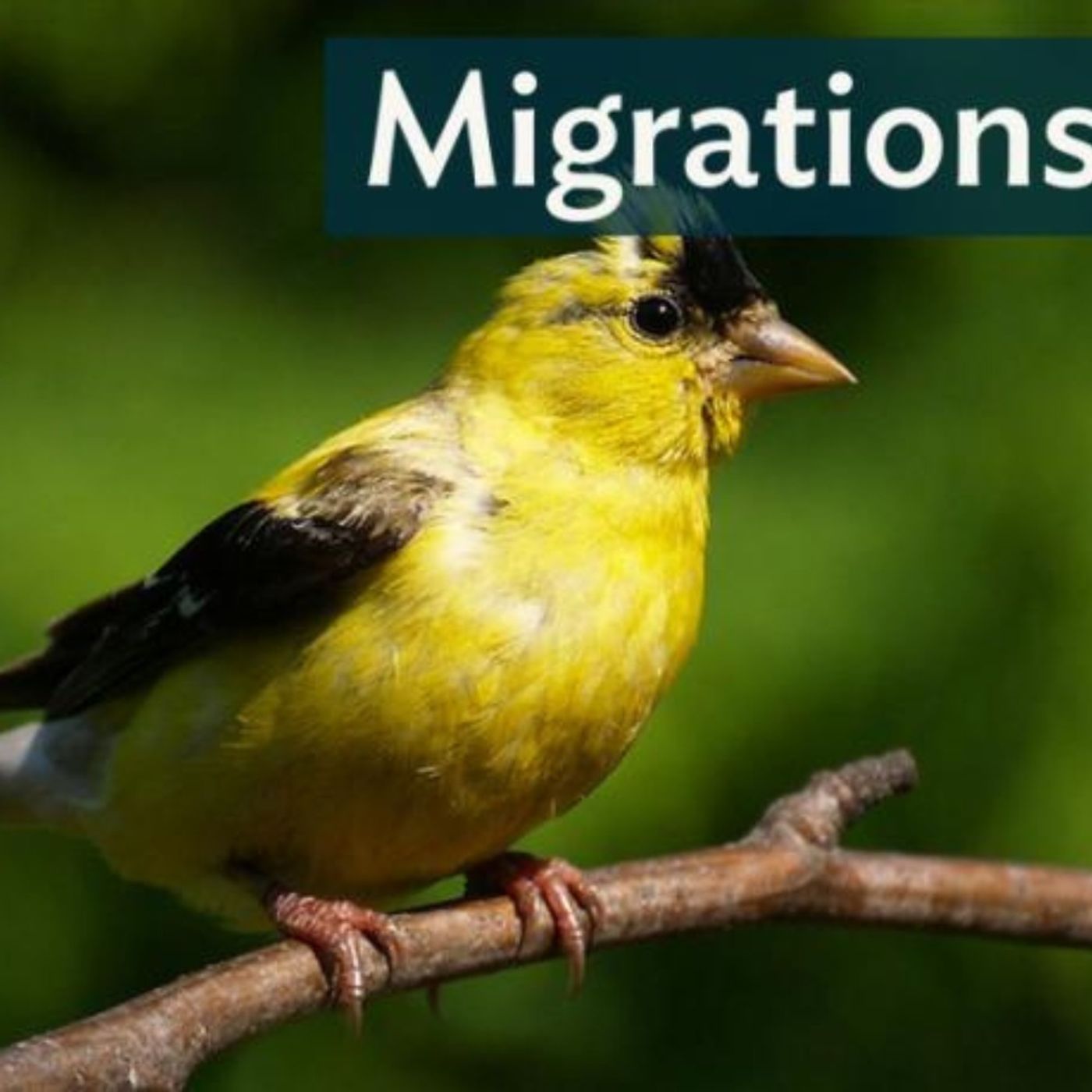
Migrations: Molt Migration
At the end of summer, the once-bright feathers of a male American Goldfinch look ragged. Growing new flight feathers in a process called molting makes him more vulnerable to predators. Before migrating to wintering grounds, many songbirds stop at a secondary location to undergo the awkward phase of feather replacement. It’s called molt migration. The places birds go to molt could be important targ
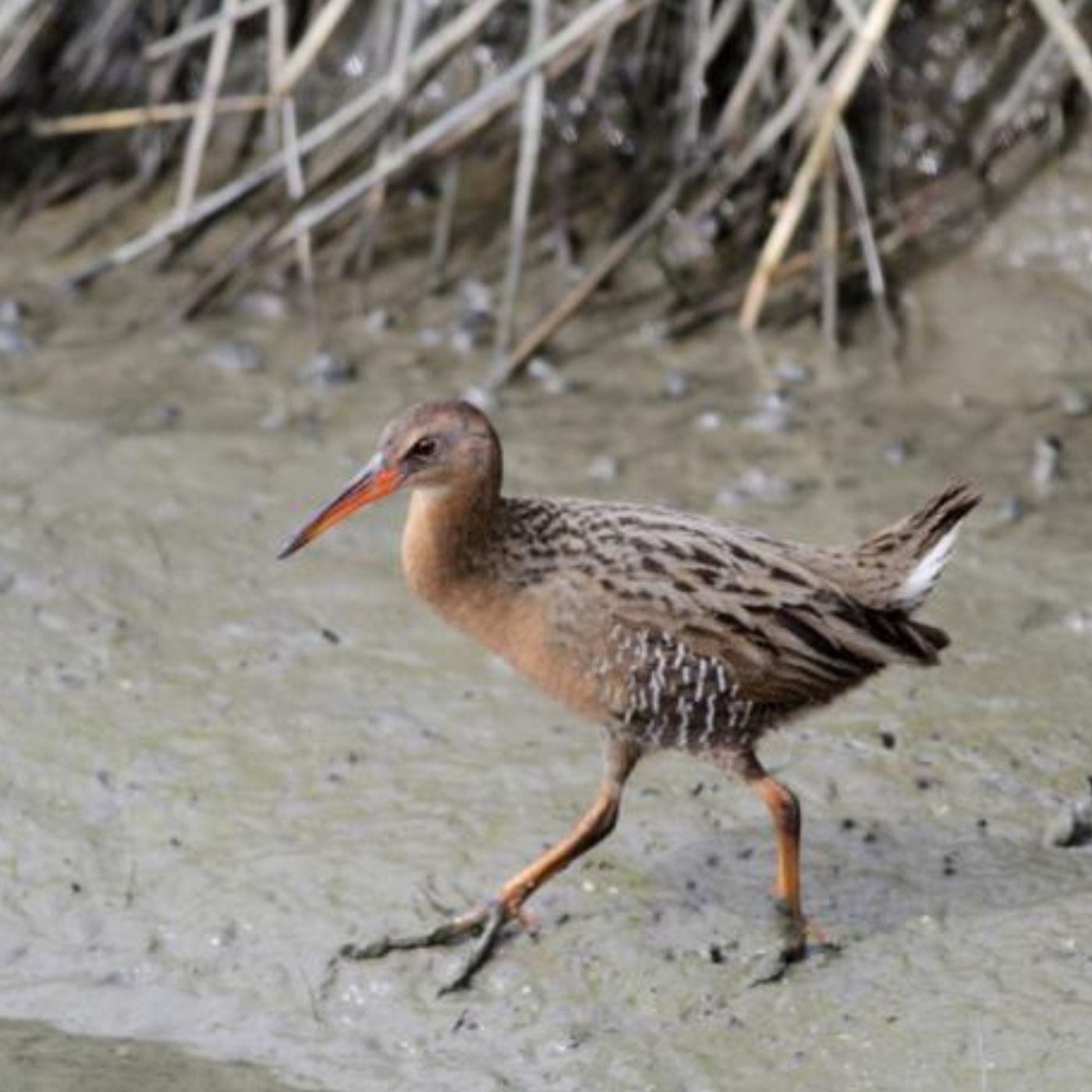
Ridgway's Rails on San Francisco Bay
Once abundant around San Francisco Bay, the Ridgway’s Rail — formerly known as the California Clapper Rail — is now endangered. In the 19th Century, unregulated hunting plundered the species. In the 20th Century, rampant development reduced salt marsh habitat by 85%. But in the 21st Century, the Ridgway’s Rail has allies. Restoration is under way to increase healthy saltmarsh habitat for these end
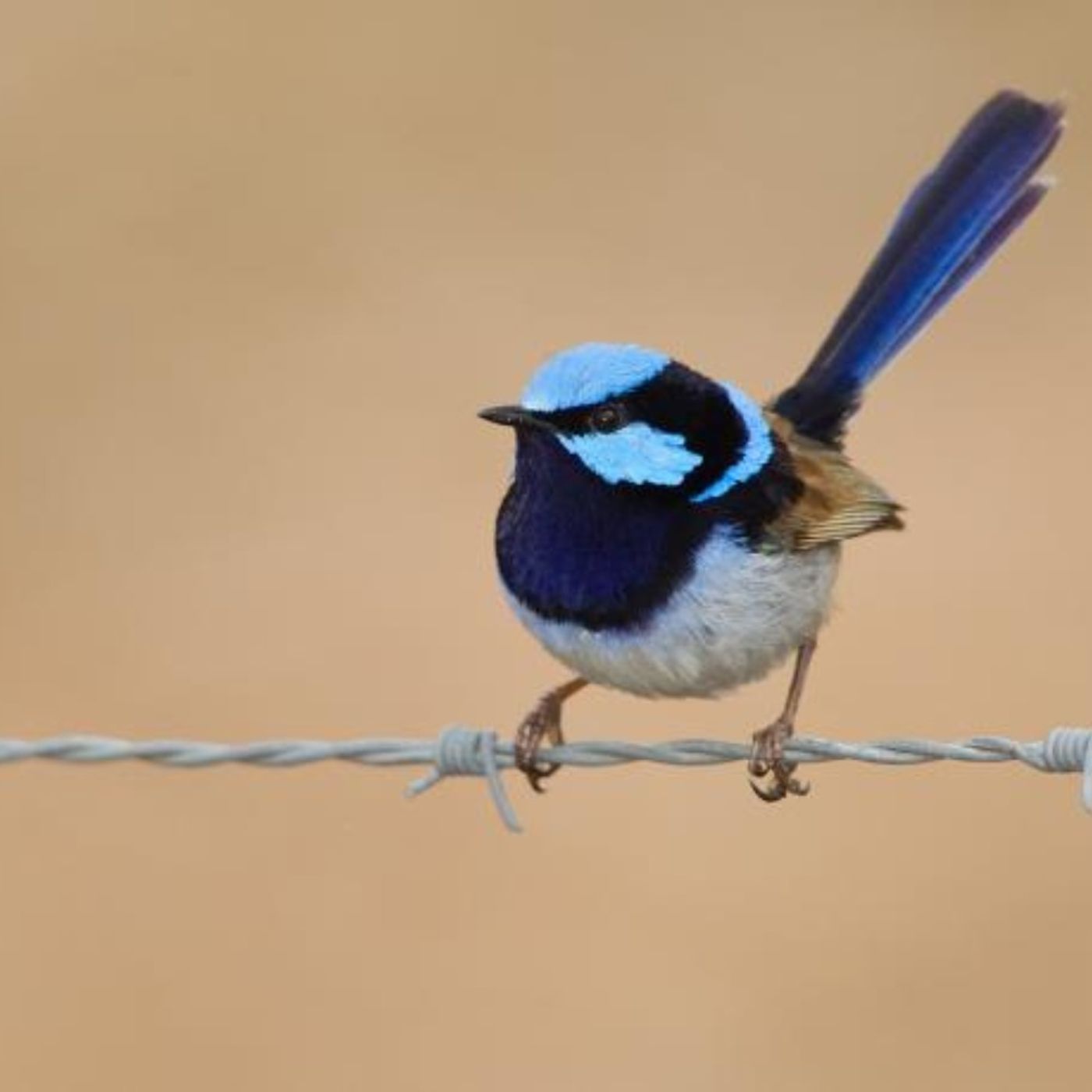
Fairy-Wrens Sing Secret Passwords to Unborn Chicks
Superb Fairy-wrens teach their embryonic chicks a secret code. This "incubation call" contains a special note that will later serve as a password. When the chicks have hatched, this password enables the adult birds to identify their babies in the darkness of their domed nest. A species of Australian cuckoo lays its eggs in the wren’s nest, hoping to pawn off the task of parenting. But wren chicks
Your Support Makes All the Difference
Today is the last day of our on-air pledge drive. BirdNote is an independent nonprofit that relies on financial support from listeners like you. Recurring donors ensure that there is a steady source of funding to keep making sound-rich stories that inspire, entertain and educate about the remarkable lives of birds and the natural world. This week, we are asking you to support the show by making a
Making BirdNote
BirdNote Daily is a two-minute show that takes a lot more than two minutes to create. Each episode weaves together an informative script, lively narration, immersive sound design, and our catchy theme song. BirdNote Daily is not just about one element, it’s many things working together that makes it great. The same is true for BirdNote funding, which makes the show possible. It’s not about what an
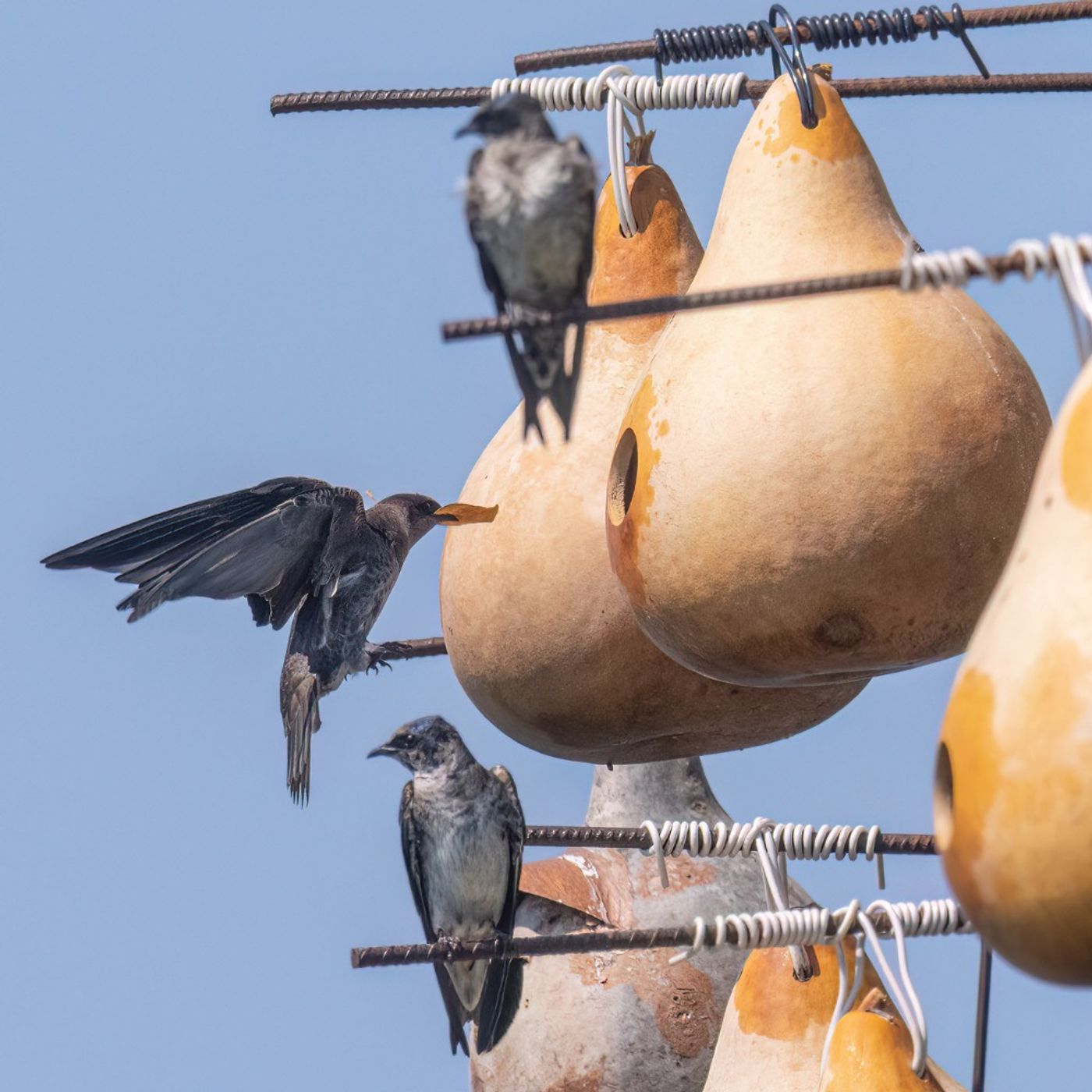
We Are Stronger Together
Birds do lots of things together, including hunting, nesting and raising young. This week, we’re asking BirdNote listeners to come together and support the show by making a donation now.
More info and transcript at BirdNote.org.
Want more BirdNote? Subscribe to our weekly newsletter. Sign up for BirdNote+ to get ad-free listening and other perks.
BirdNote is a nonprofit. Your tax-deductible
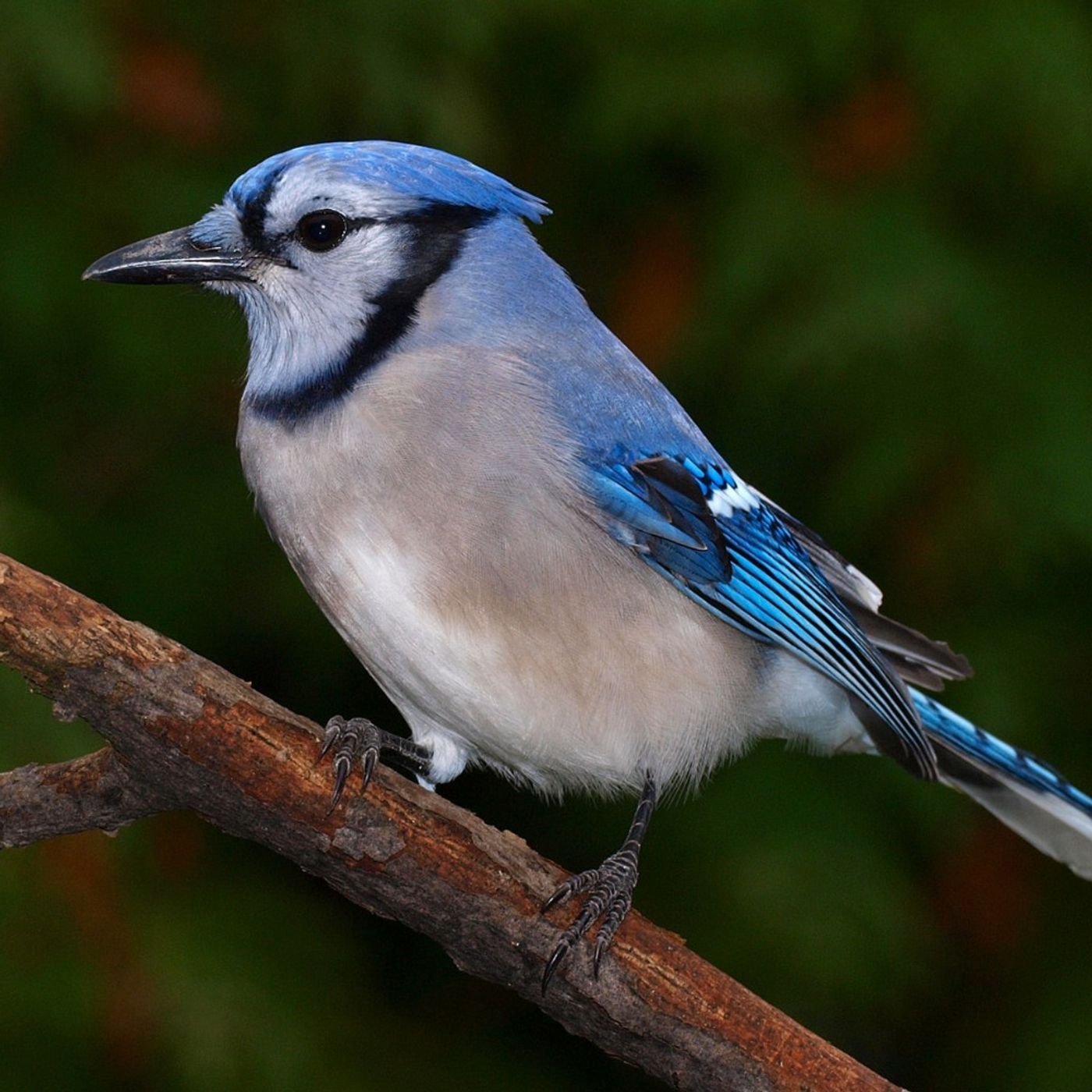
A Steady And Reliable Resource
Whether you’re planting natives or filling your feeders every day, your backyard birds know they can rely on you for a meal. And we’re relying on recurring donors to support BirdNote’s future. This week, we are asking you to join our flock by making a donation now.
More info and transcript at BirdNote.org.
Want more BirdNote? Subscribe to our weekly newsletter. Sign up for BirdNote+ to get ad-free
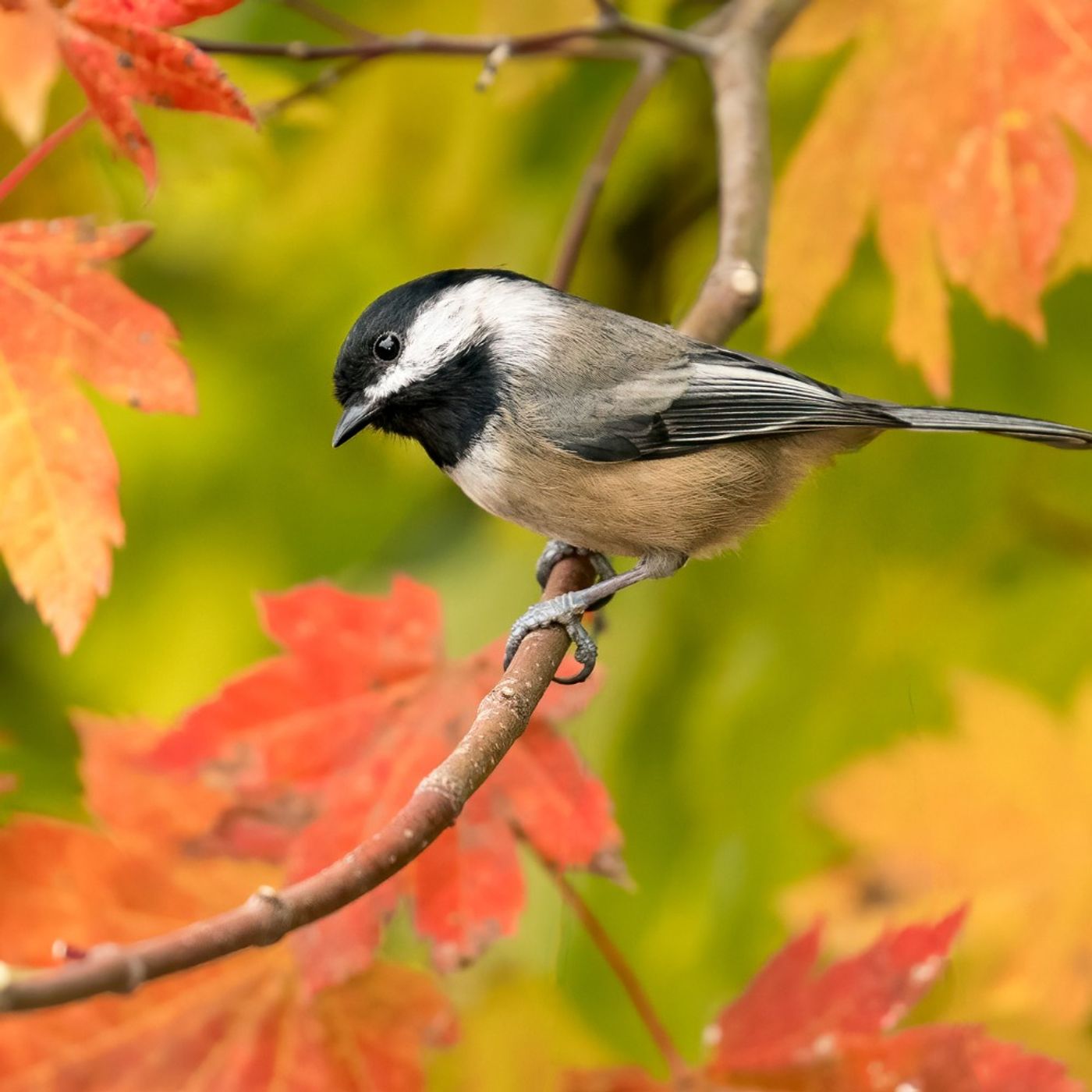
Join Our Flock
Songbirds in winter flocks benefit from having other birds nearby. They can recognize warning signals from other species and follow them to sources of food. We think of BirdNote’s audience as our flock, and we’re much stronger together than as individuals. BirdNote is an independent nonprofit organization that relies on support from listeners like you. This week, we are asking you to keep us flyin
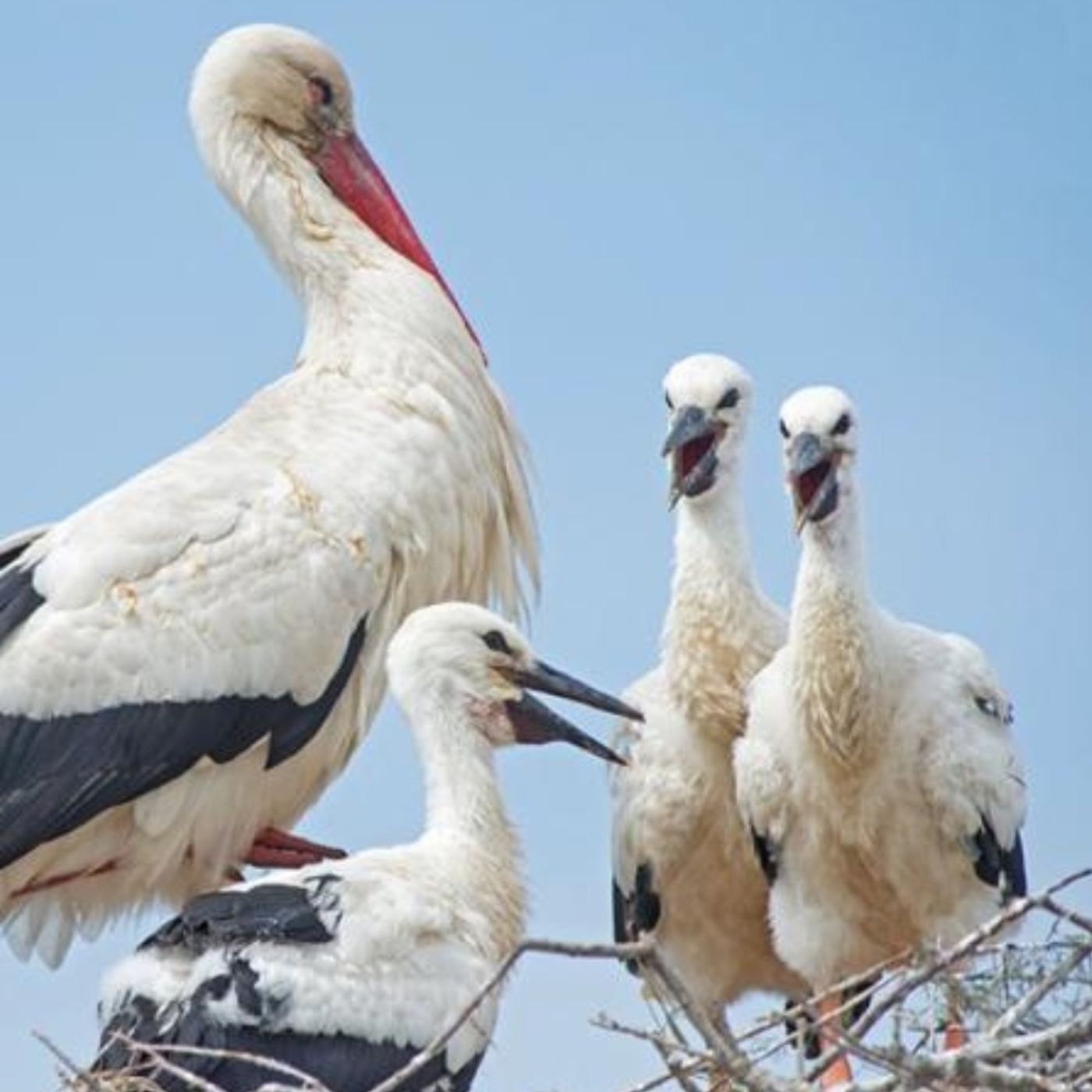
Are Birds Nests Reused?
Let’s talk about nests. Every spring, robins build their cup-shaped nests using grass and mud. Orioles weave a hanging sack. It’s hard work, and yet once the chicks fledge, the structures probably won’t be reused. But bigger birds, such as herons, hawks, and eagles, often reuse a nest for many years. Europe’s migratory White Storks — like those pictured here — get the award for best reuse. One nes
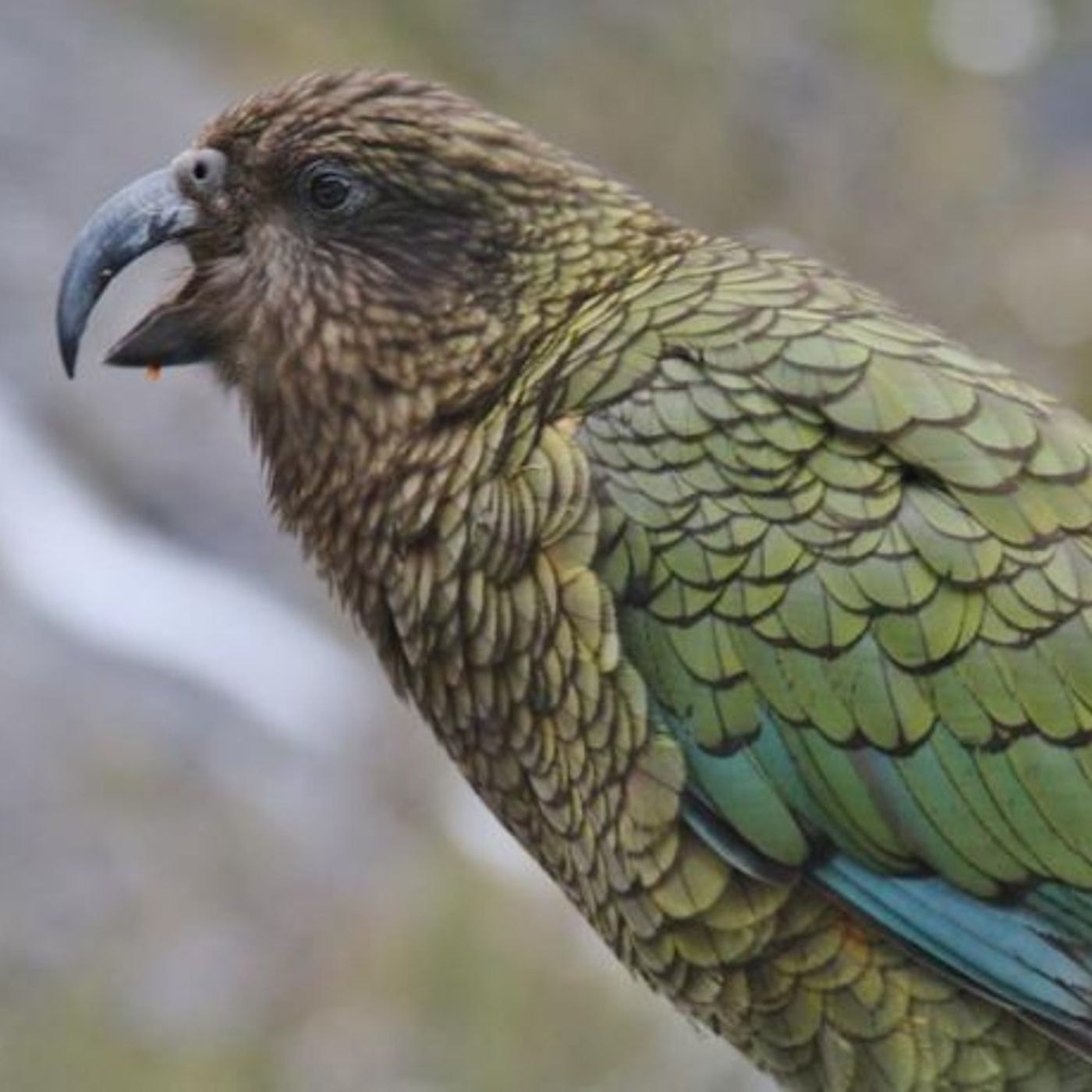
Playful Keas
Keas are large alpine parrots from New Zealand. Intelligent and social, they have olive-green plumage, a red rump, and a long, curved beak. Keas produce a distinct warbling call, a “play call,” that sounds — and functions — much like a human’s contagious laughter. Scientists made recordings of captive Keas making warbling calls, then played them for wild Keas. They began playing harder and even en

Letter to an Olive-sided Flycatcher
In this episode, ornithologist J. Drew Lanham reads a letter he has written to an Olive-sided Flycatcher, a beloved bird that he pleads with to visit the dead pine tree on the edge of his home by a mountain lake.
More info and transcript at BirdNote.org.
Want more BirdNote? Subscribe to our weekly newsletter. Sign up for BirdNote+ to get ad-free listening and other perks.
BirdNote is a nonpr
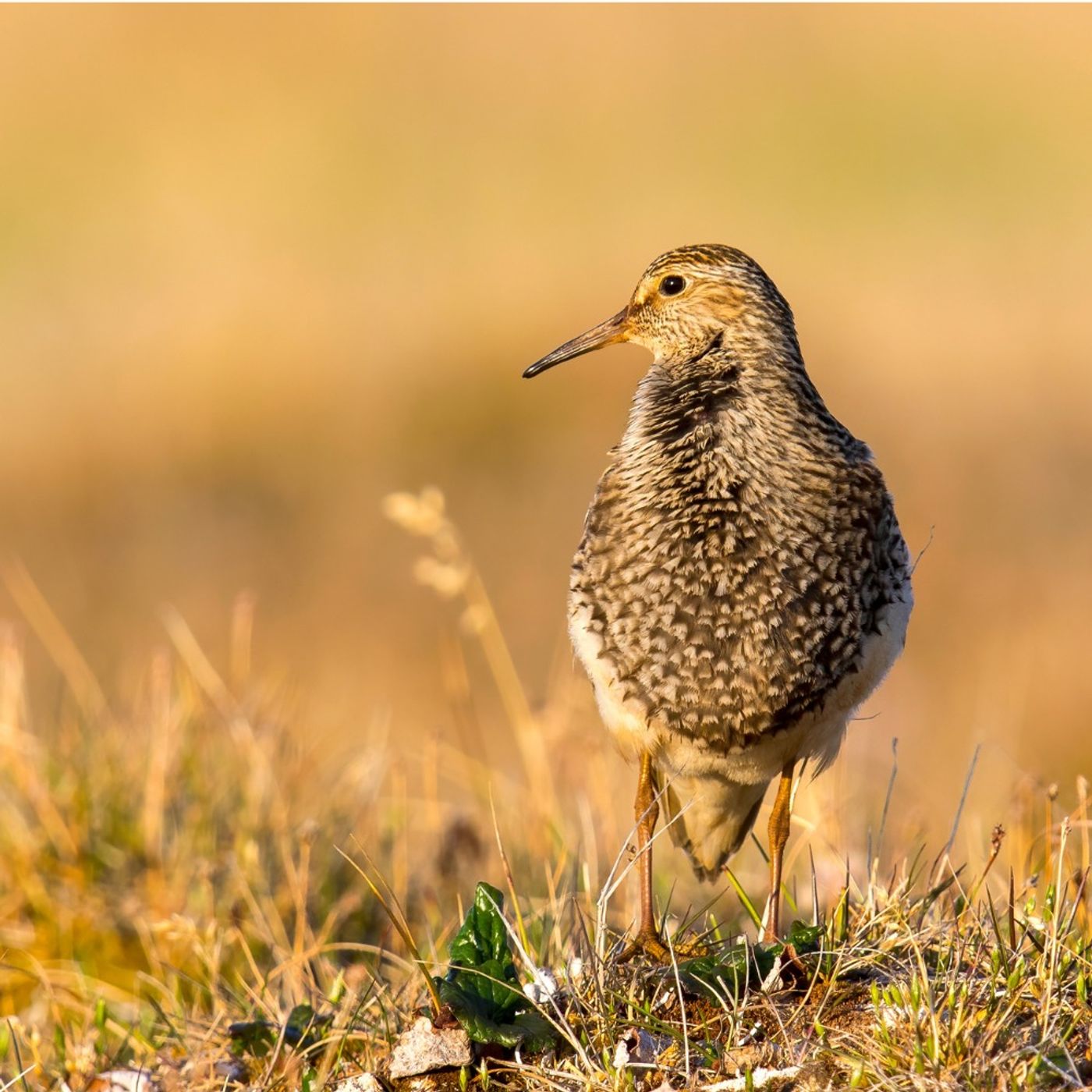
Arctic Dispatch: Sandpipers Sing at Teshekpuk Lake
In the summer of 2026, conservation photographer Gerrit Vyn visited a remote wilderness called the National Petroleum Reserve in Alaska. He spent much of June at Teshekpuk Lake, just 6 miles south of the Arctic Ocean. The vast wetlands in this region are critical for millions of birds that come from around the world to breed every year. In this episode, Gerrit shares the sights and sounds of three
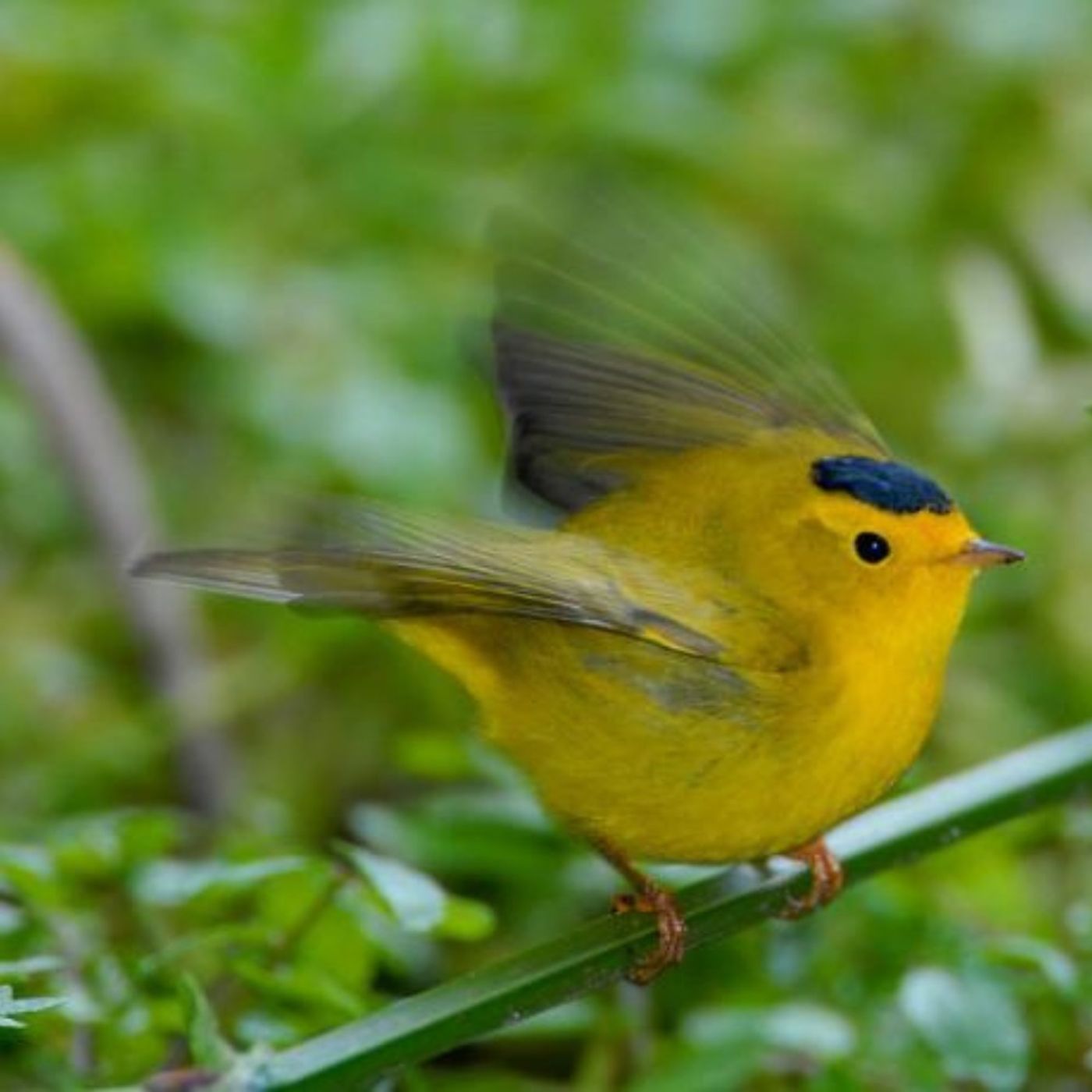
Wilson’s Warbler near Summer’s End
By early August, the rich yellow of the feathers of the Wilson's Warbler seems to flash in every forest thicket. Despite predators and weather, many pairs of adults have raised four young, which now flit about on their own. The young males hatched this spring learned their father's songs this summer. Next spring, they, too, will sing those songs. By buying shade-grown coffee, you can help preserve
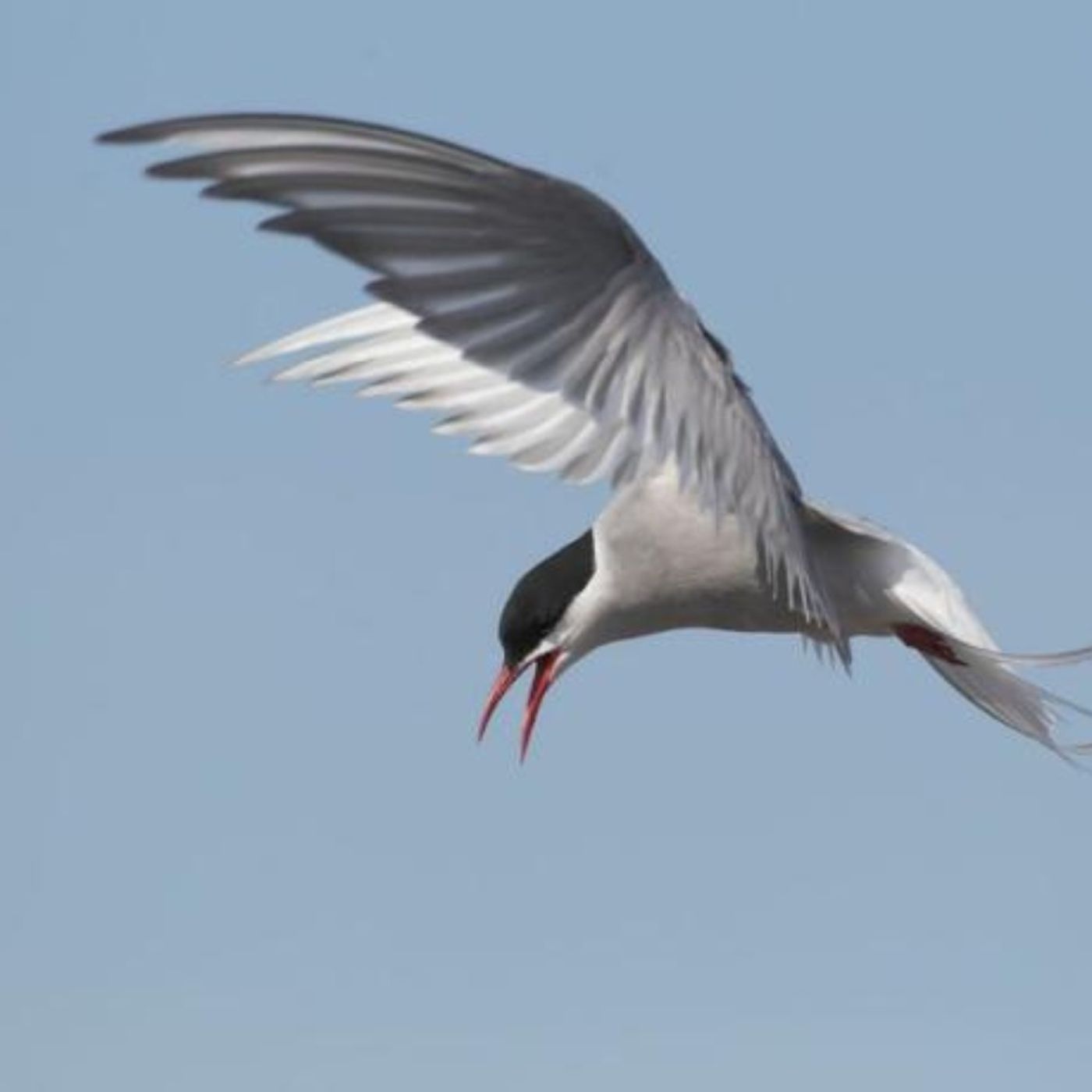
Migration: Long, Short, and In-Between
In September, this Arctic Tern flies from Alaska all the way to Antarctica. Rufous Hummingbirds follow pathways of mountain wildflowers, from as far north as Alaska south to Mexico. Ruby-crowned Kinglets, migrate attitudinally from the mountains to the lowlands. Each of these birds migrates, but on a very different course. All make the most of food and breeding opportunities that change with the s
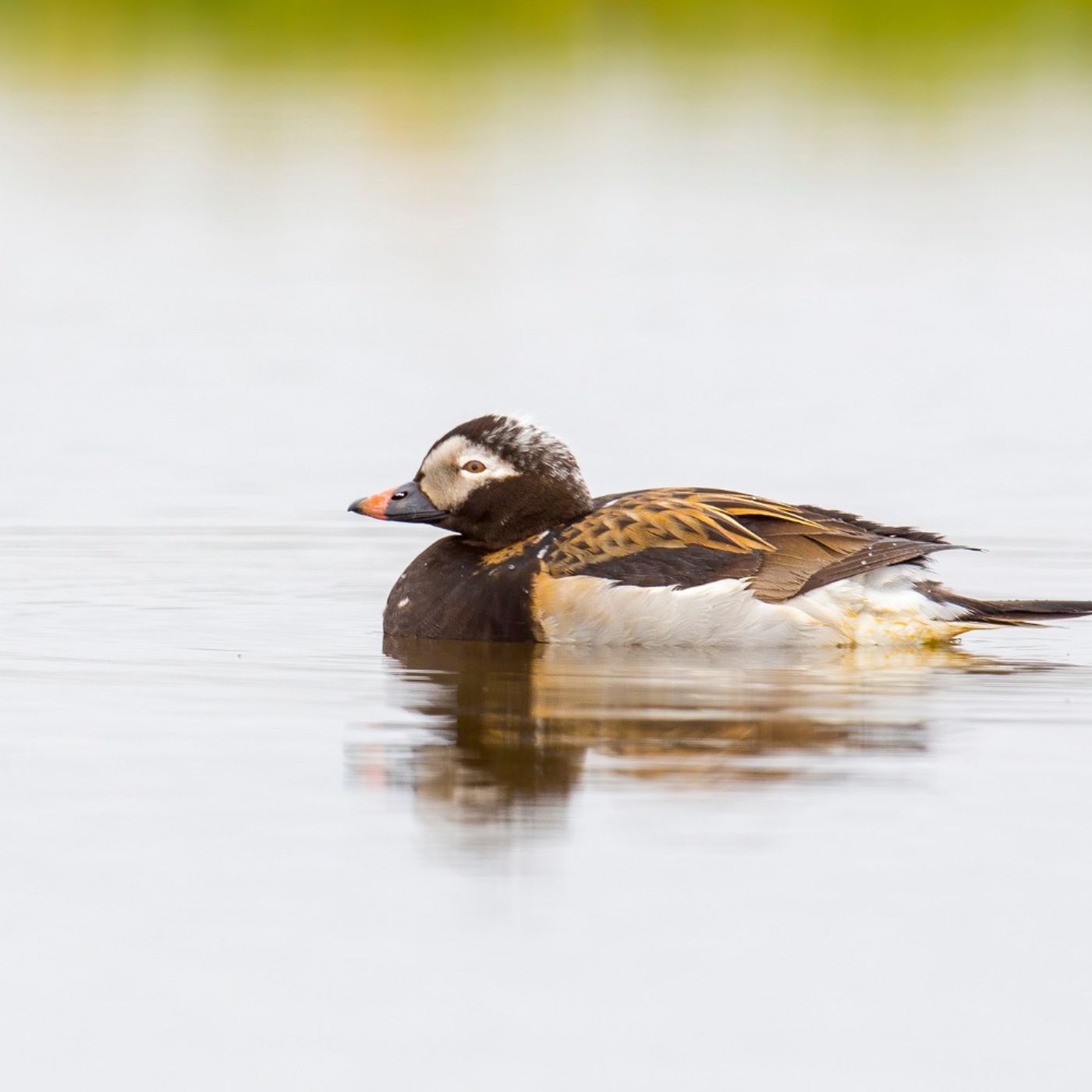
Arctic Dispatch: Long-tailed Ducks at Teshekpuk Lake
In the summer of 2026, conservation photographer Gerrit Vyn visited a remote wilderness called the National Petroleum Reserve in Alaska. He spent much of June at Teshekpuk Lake, just 6 miles south of the Arctic Ocean. The vast wetlands in this region are critical for millions of birds that come from around the world to breed every year. In this episode, Gerrit shares the sights and sounds of this
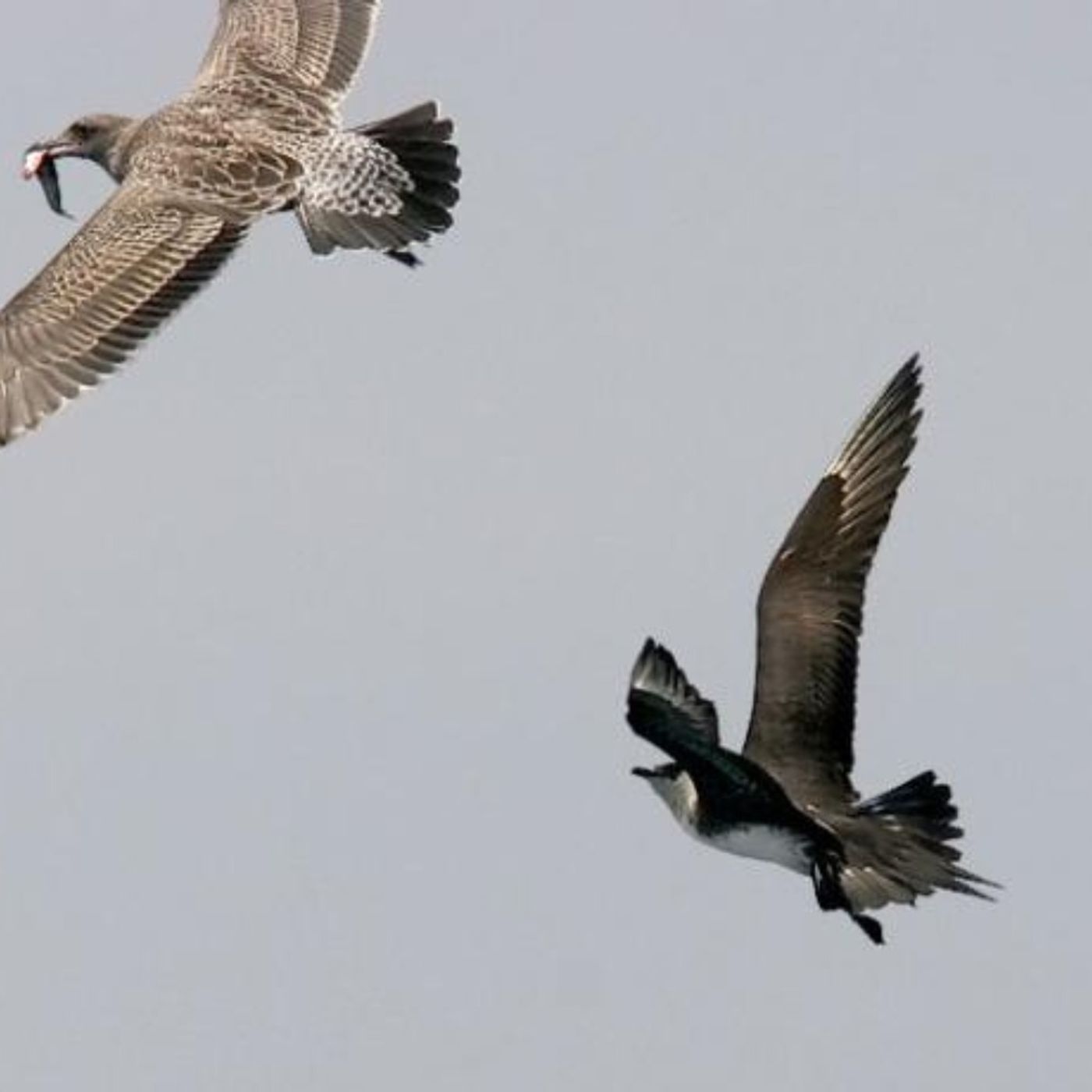
Jaegers Give Chase in September
A tern or gull plunges headfirst into the water, then bounces aloft grasping a small fish in its bill. But before the bird can swallow its catch, a Parasitic Jaeger swoops in. The jaeger nips the bird's wing, and it drops its hard-won fish. The pirate catches the fish in mid-air and gulps it down. The jaeger, which is German for hunter, is built for sprinting speed and predatory feats.
More info a
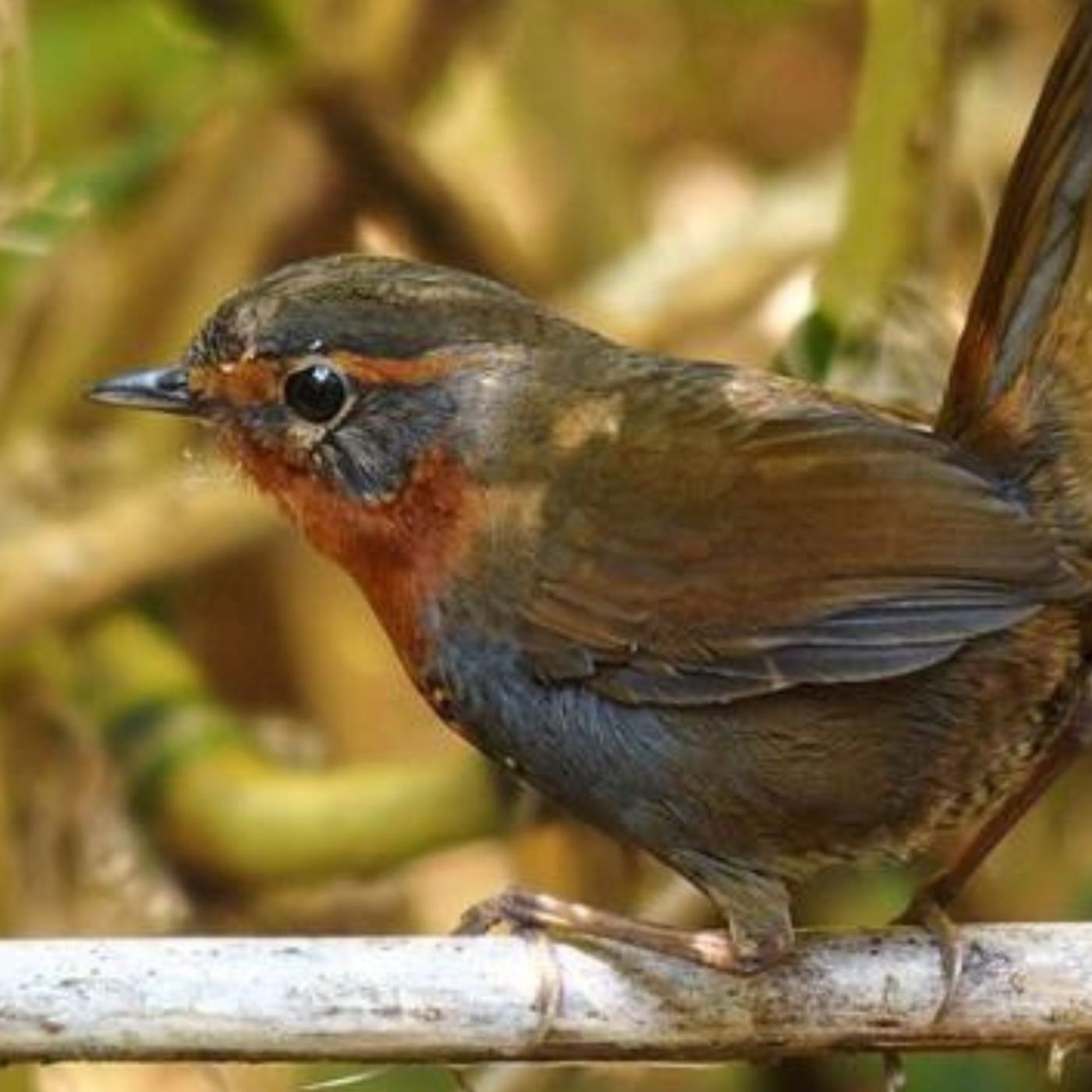
Truffle-Hunting Birds
With their excellent sense of smell, pigs are renowned for sniffing out truffles, a fungus that grows underground and is prized for its taste. But it turns out that some bird species can also find their way to a truffle treat. Researchers working in the Patagonia region of Chile had noticed truffles with little beak-sized bite marks, and even watched a bird eat a truffle. They found truffle DNA in
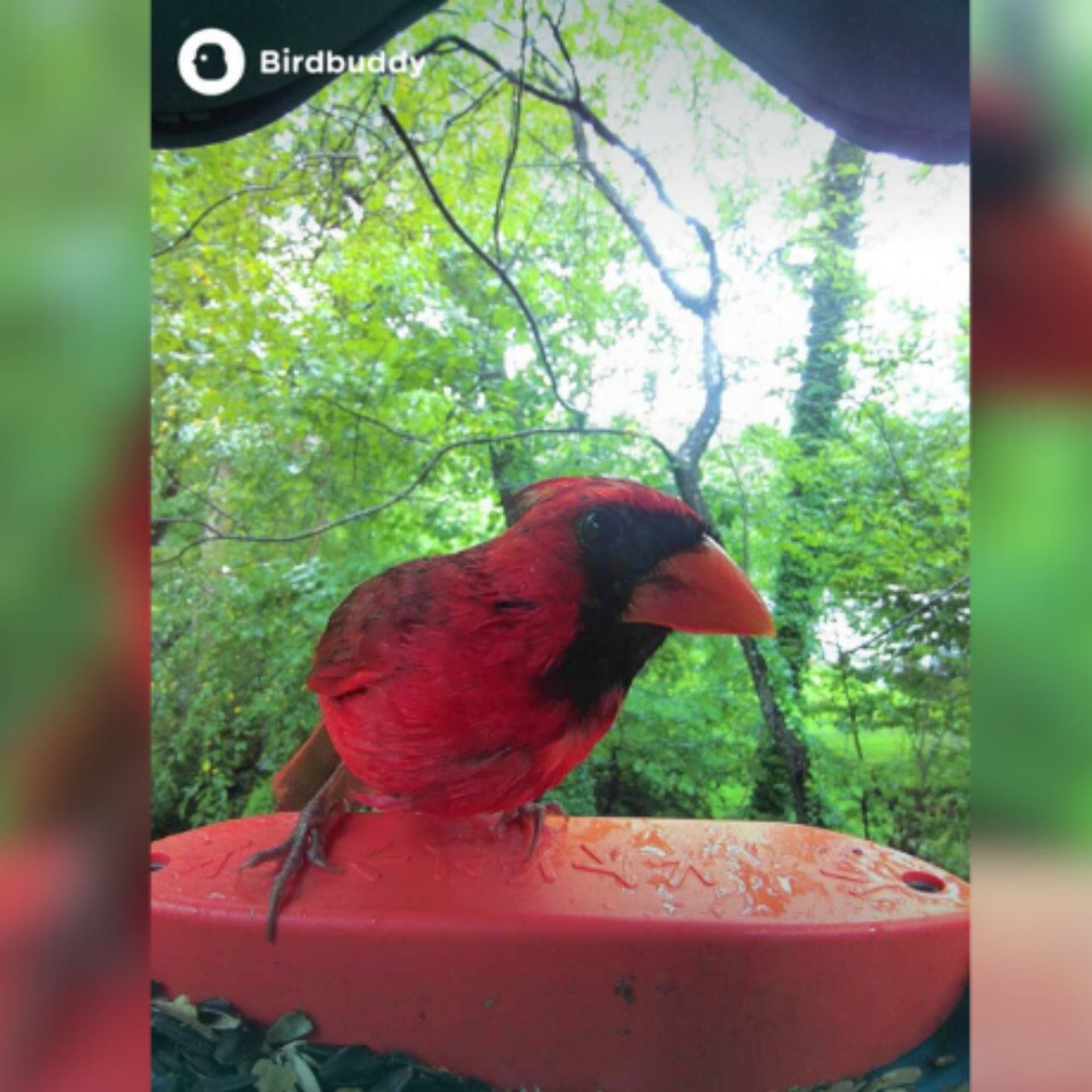
Birding 101: Birding Without Leaving Home
You don’t need fancy binoculars or lavish trips abroad to look for birds. In fact, you don’t even have to leave home — you can enjoy the birds out the window every day. And you don’t actually have to physically go anywhere to find birds. You can use a smartphone or computer to go birding. There are several websites where you can view live feeds of nests. Or you can even have your own bird feeder c
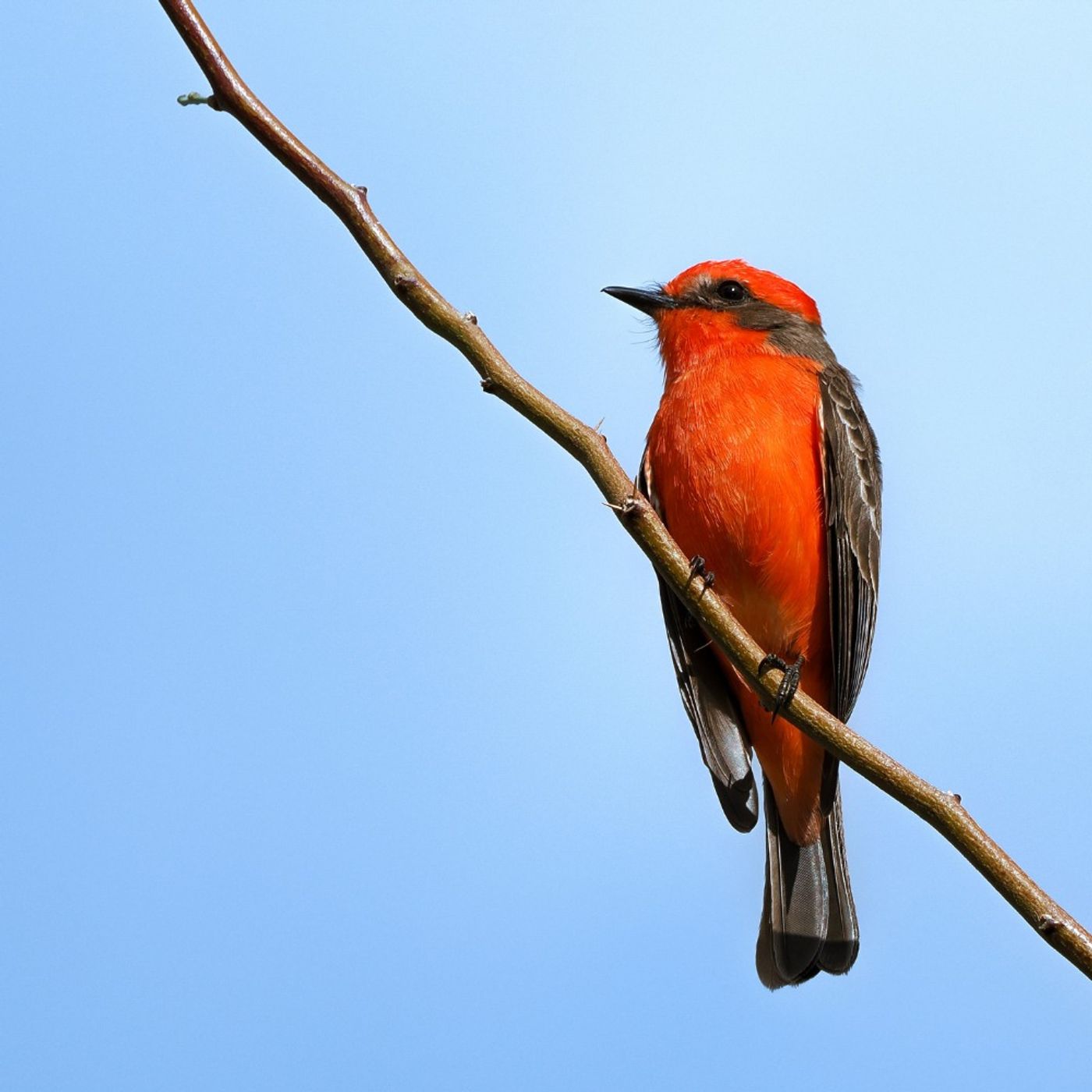
Spark Bird: Em De Blas and the Vermilion Flycatcher
Em De Blas has years of experience leading bird outings with Chicago BIPOC Birders, the Chicago Ornithological Society, and the Urban Birding Festival. But their birding journey first started when Em was 19 years old and visiting family near San Luis Potosí in Mexico. In this episode, Em shares how a Vermilion Flycatcher sparked their passion for watching and listening to birds in nature.
More inf
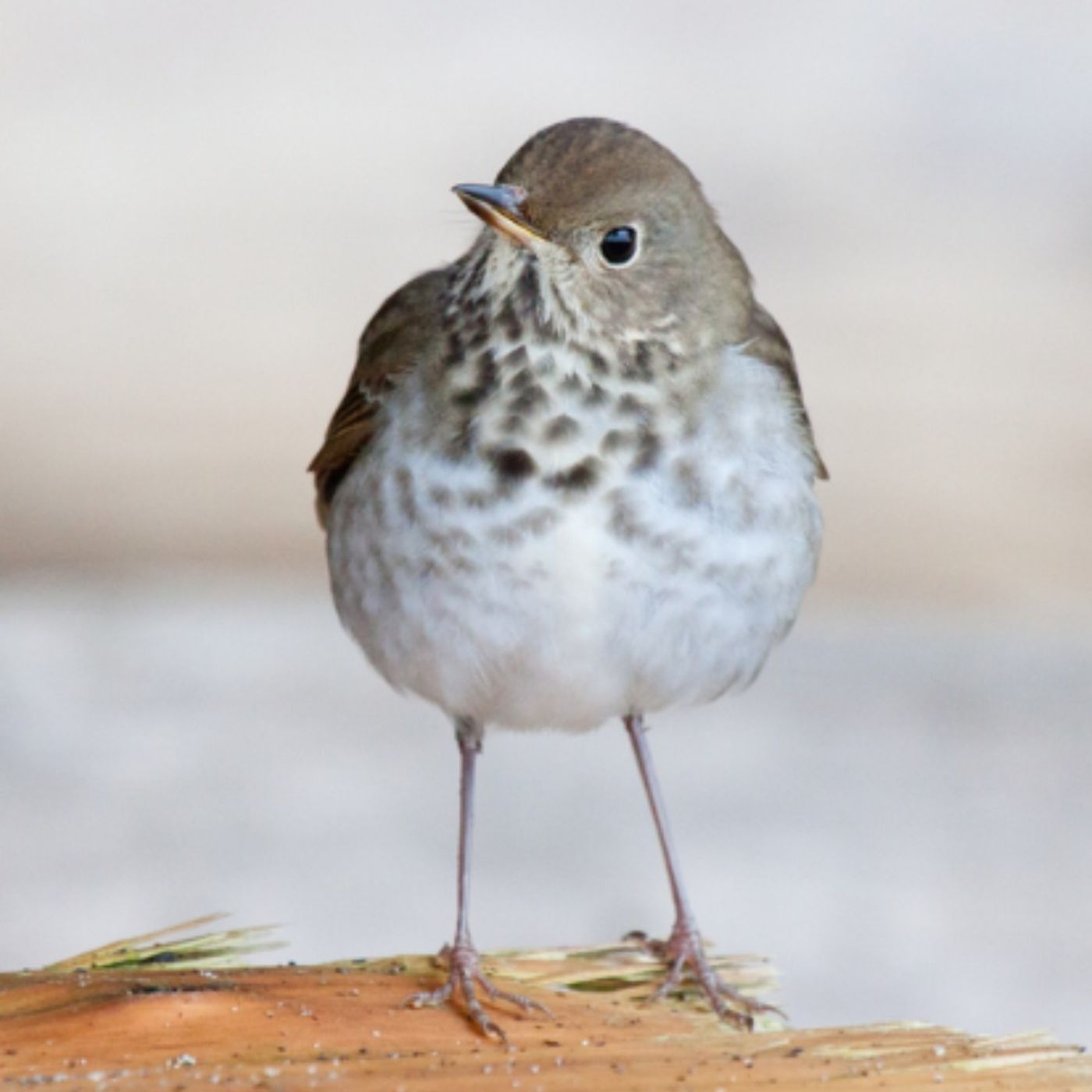
Hearing Birdsong Can Help Decrease Anxiety
Many people would tell you that hearing birdsong puts them in a good mood. Recently, scientists have tried to put numbers to this effect that many of us have noticed. One study found that people who spent a few minutes immersed in the sounds of birds had lower levels of paranoia and anxiety than those who only listened to traffic noise.
This episode is brought to you by Teton Science Schools, spec
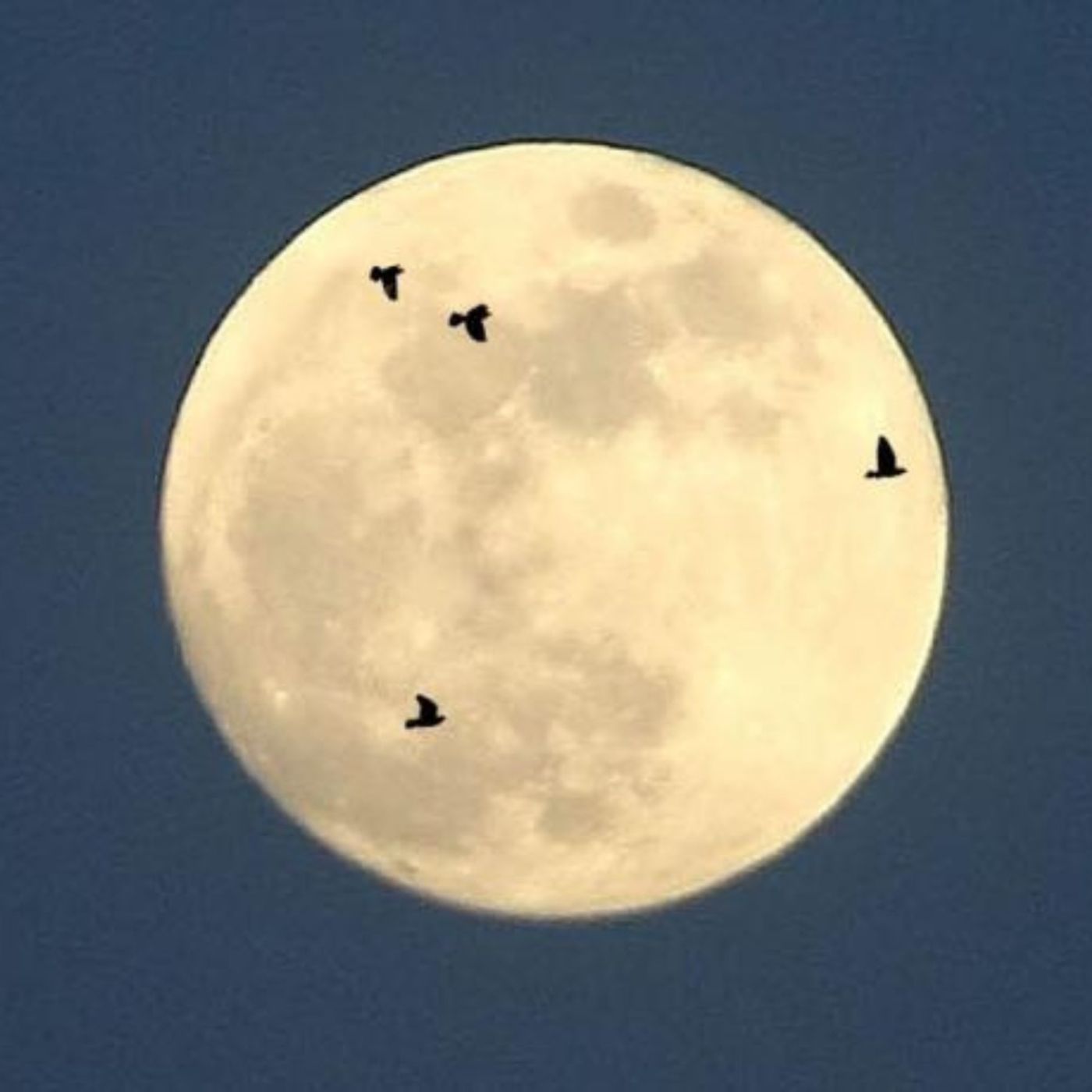
Nighttime Flights of Songbirds
Some cloudless night in September, when the air is clear, you may see birds flying across the yellow face of the moon! September is peak migration time for millions of songbirds heading south from North America to more tropical latitudes. Nocturnal migrants of the same species, such as orioles, warblers, sparrows, and tanagers, call as they fly, enabling flock-mates to stick together. Many of thes
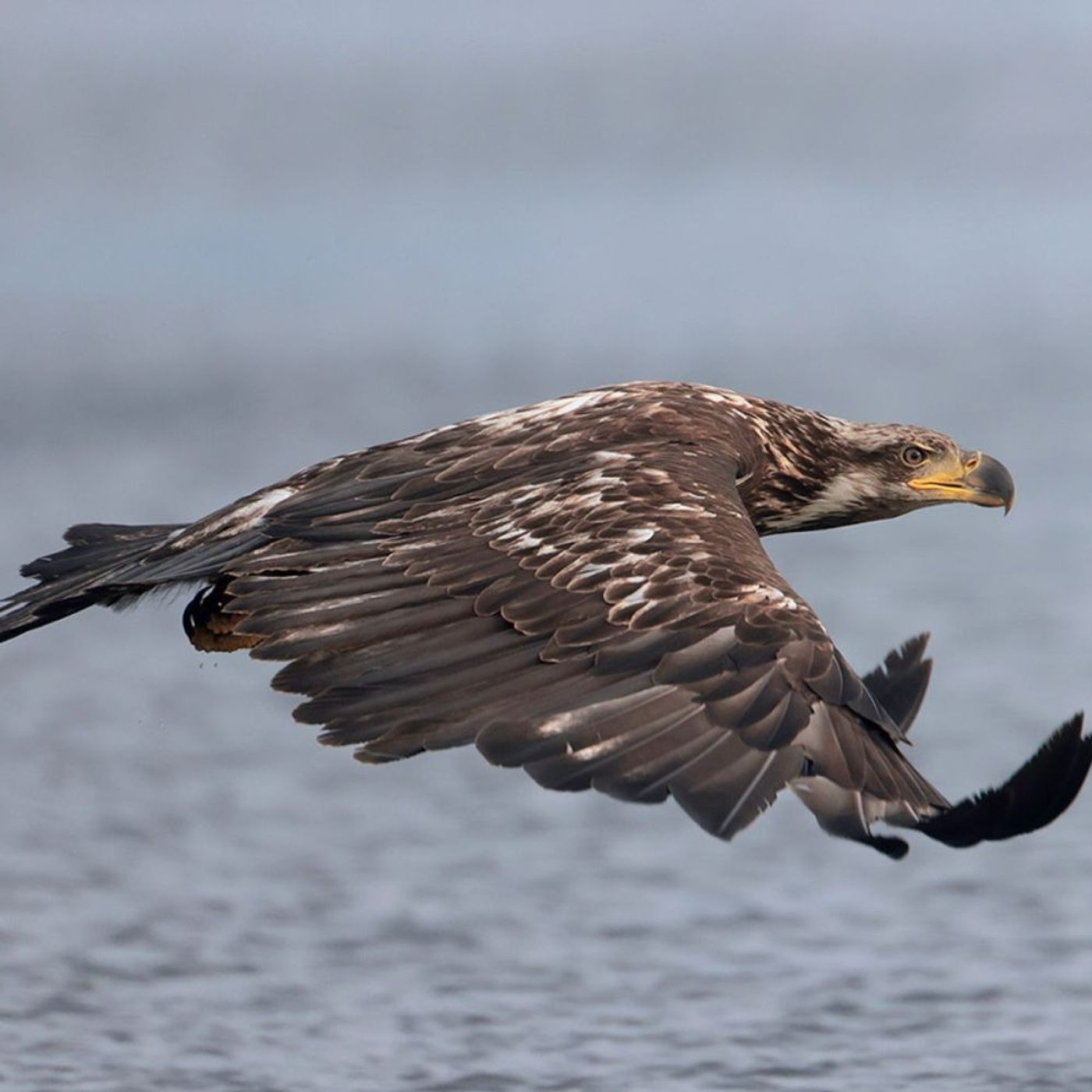
BirdNoir: Who’s Soaring Overhead?
In this episode of BirdNoir, Private Eye Michael Stein helps a lakefront resident get to know the avian neighbor that’s been flying by each day.
More info and transcript at BirdNote.org.
Want more BirdNote? Subscribe to our weekly newsletter. Sign up for BirdNote+ to get ad-free listening and other perks.
BirdNote is a nonprofit. Your tax-deductible gift makes these shows possible.
Hosted by
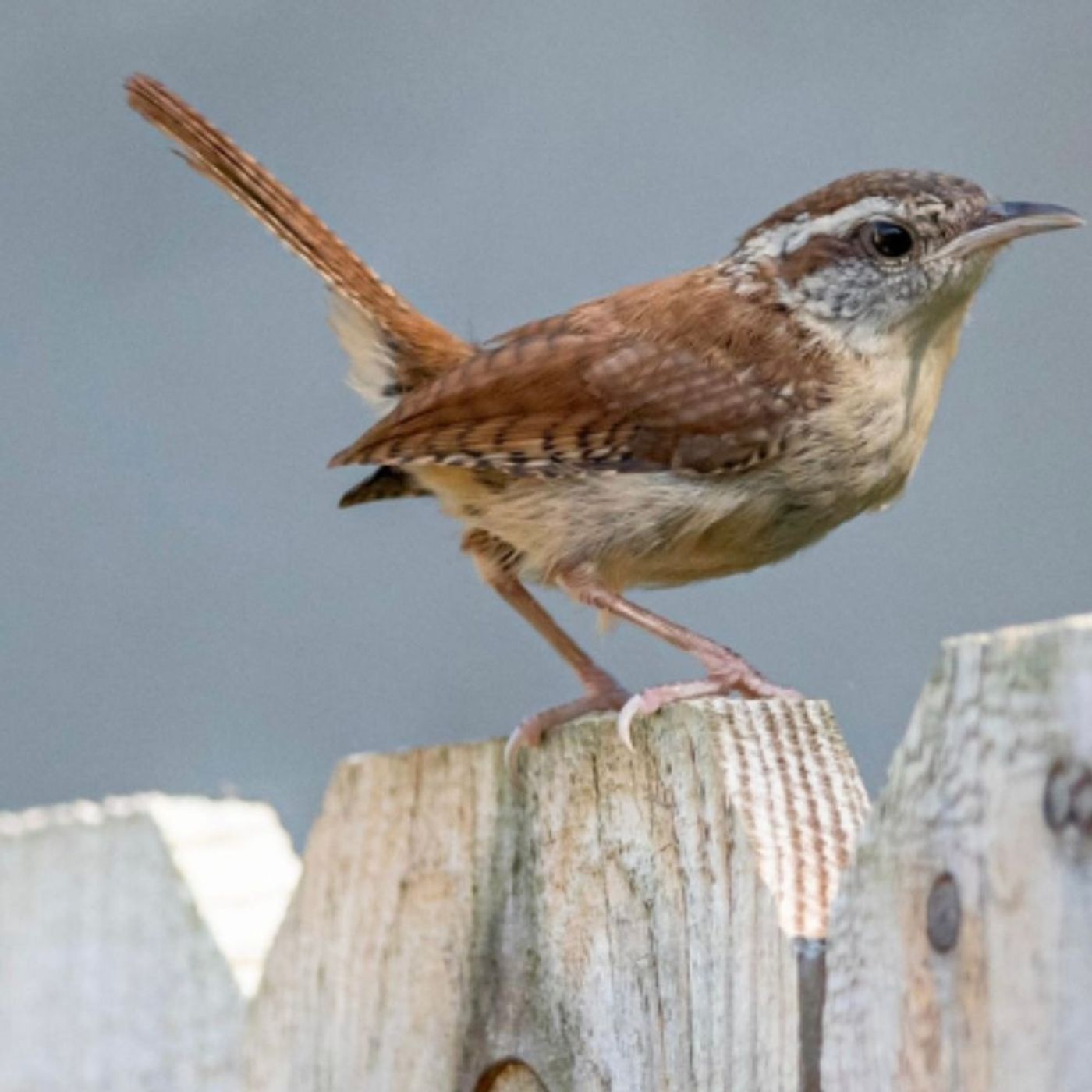
The Crafty Carolina Wren
Though half the size of a robin, the Carolina Wren has a powerful singing voice that seems to come from a much bigger bird. Many people remember their song with the phrase, “teakettle-teakettle-teakettle!” When these secretive birds venture into the open, look for their cocked tail, bright white eyebrows, tan breasts, and golden-brown backs. One reason these wrens thrive in cityscapes is their abi
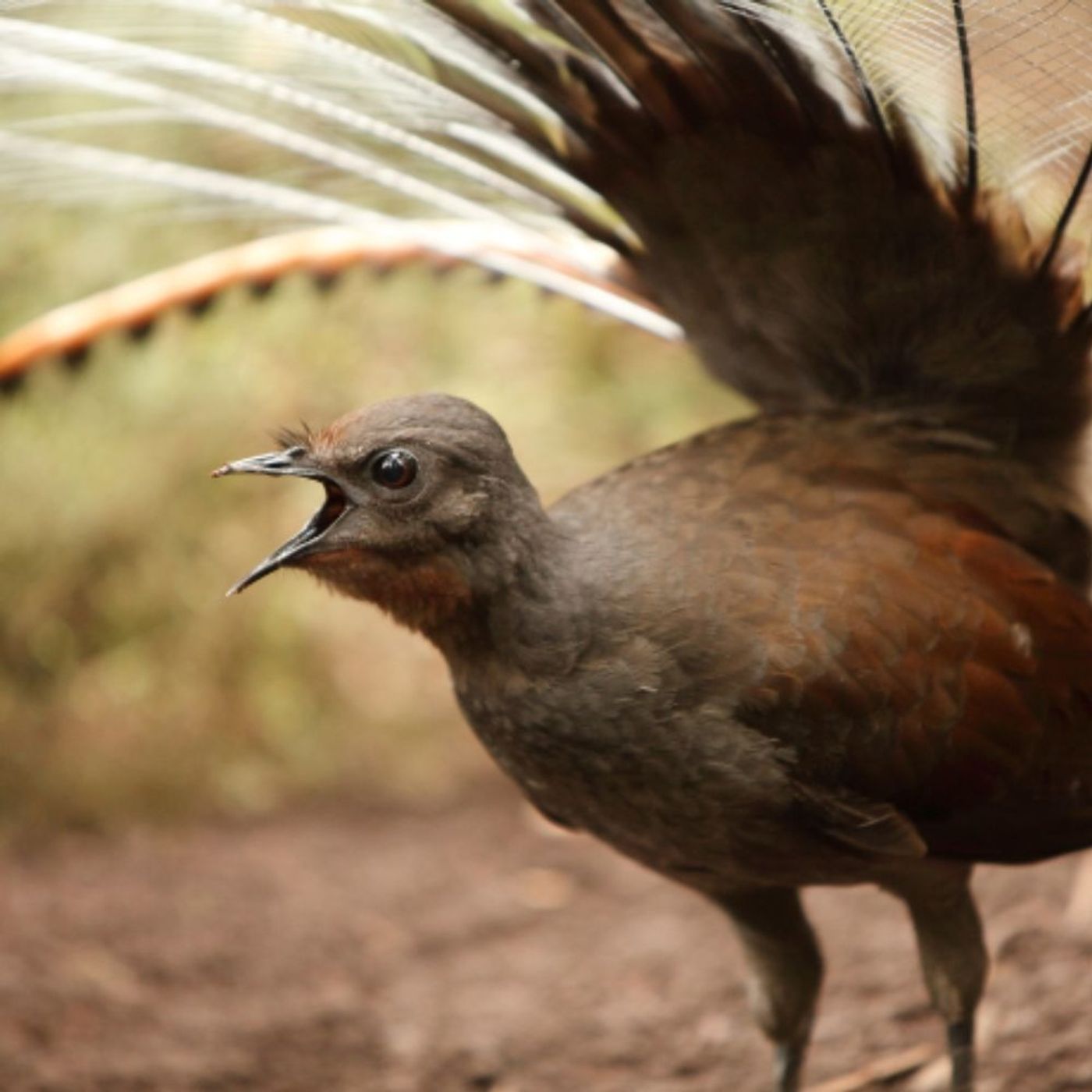
Lyrebirds Shift the Earth
Beavers are well known as ecosystem engineers in North America. In Australia, lyrebirds play a big role in shaping their environment when they use their toes to dig in the ground for food. A single lyrebird can shift 11 dump truck loads of soil and leaves — each year! That’s thought to be more than any other digging animal. Lyrebirds are best known for their spot-on imitations of other birds’ song
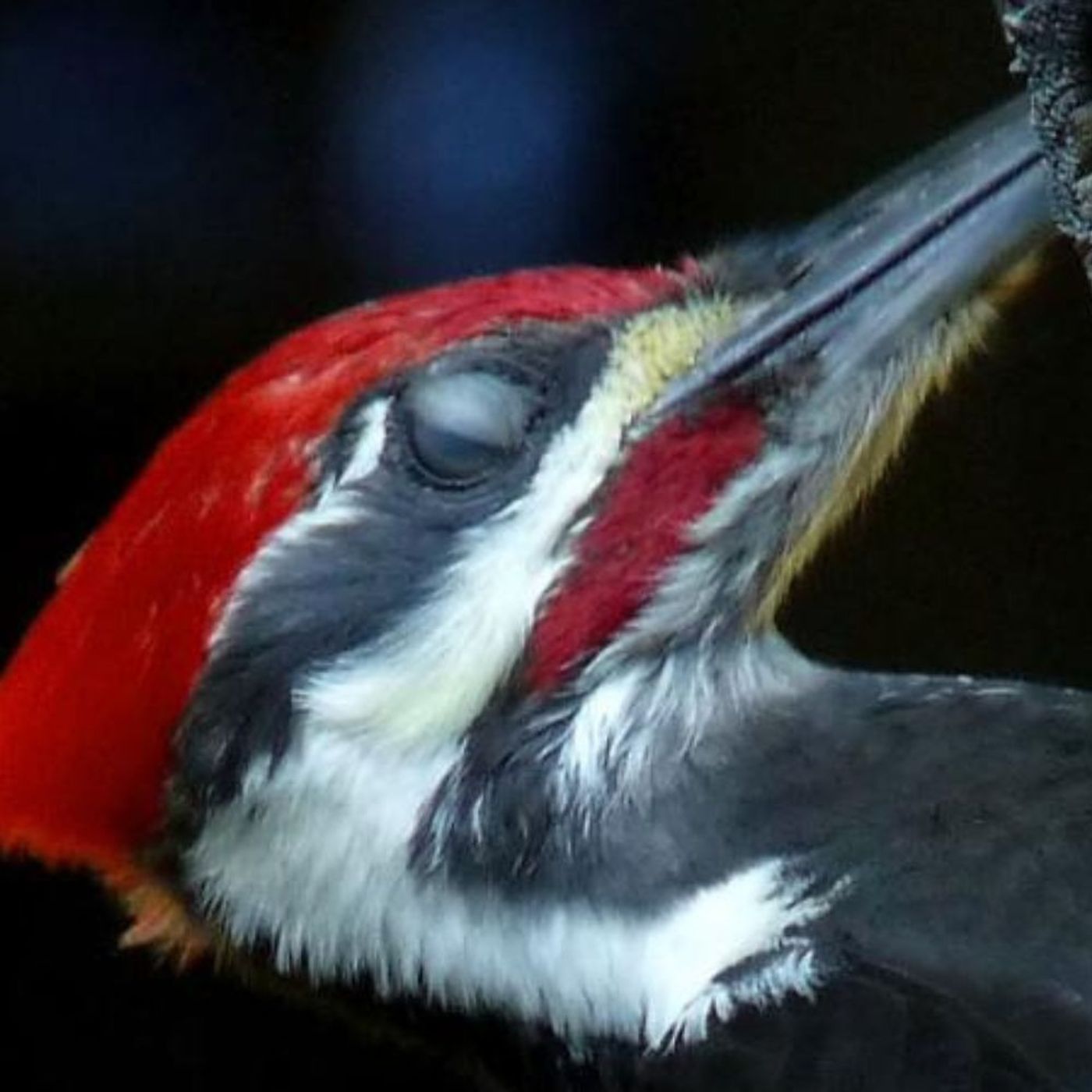
Nictitating Membranes — Nature's Goggles
For most birds, keen eyesight is critical for survival. But many birds lead lives that can be very hard on the eyes — like flying at breakneck speed, racing for cover into a dense thicket, or diving under water to capture prey. Imagine how the chips fly as this Pileated Woodpecker chisels a cavity. Fortunately, birds have evolved a structure for protecting their eyes. Beneath the outer eyelids lie
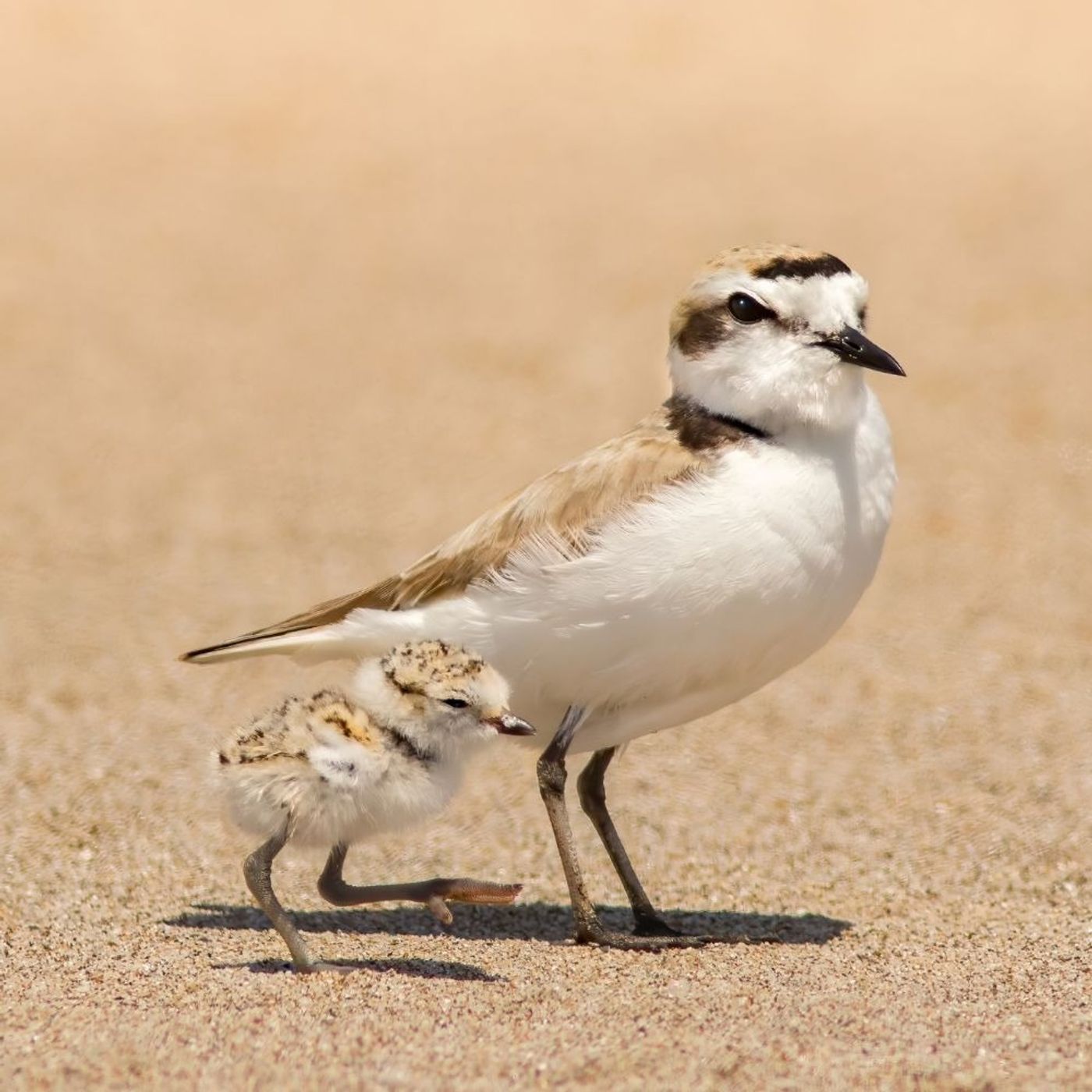
Share The Shore With Birds
Nothing says summer like a day at the beach. Whether you’re lounging by a lake or enjoying a seaside vacation, listen to this episode to learn five things you can do to share the shore with birds.
BirdNote is supported by Jim and Birte Falconer of Seattle, Washington — and generous listeners around the world.
More info and transcript at BirdNote.org.
Want more BirdNote? Subscribe to our weekly ne
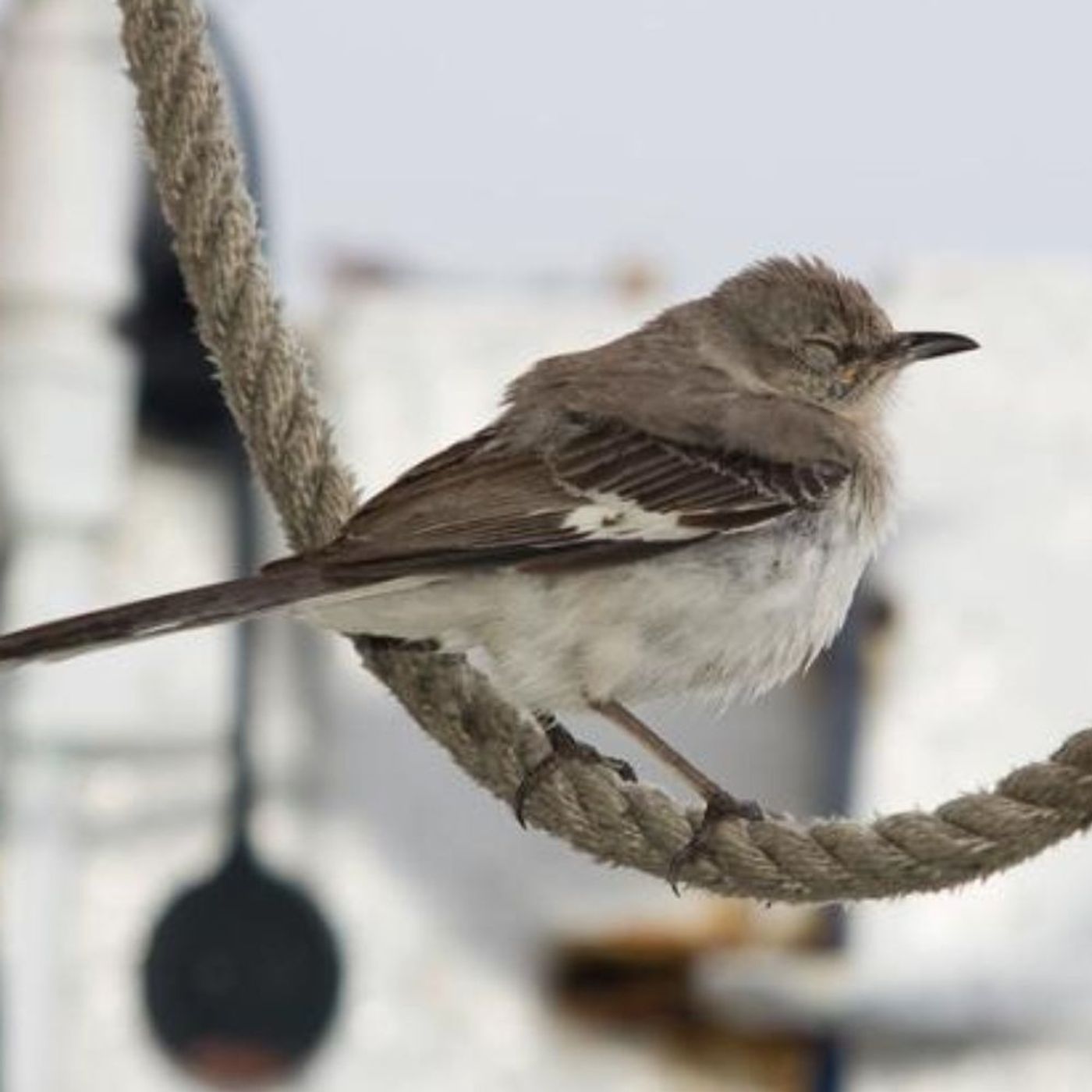
Stowaway Birds
When they migrate, tiny songbirds that spend most of their lives on land fly hundreds of miles over the ocean at a stretch – and they get tired. Research suggests that birds migrating over busy shipping routes in the Mediterranean Sea may use the decks of sea vessels as places to catch their breath when the weather turns bad.
More info and transcript at BirdNote.org.
Want more BirdNote? Subscribe
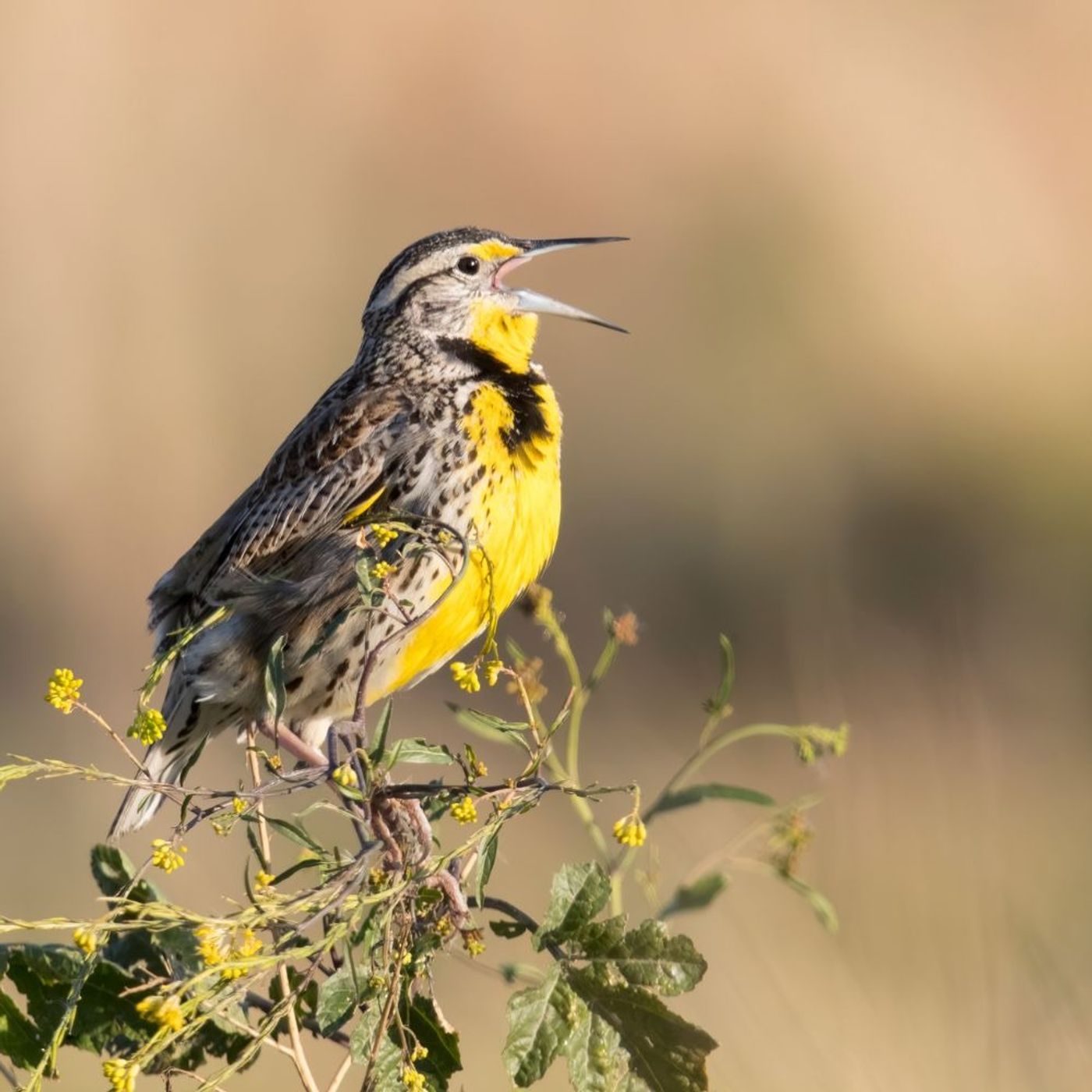
Spark Bird: Jay Inslee and the Western Meadowlark
Former Washington Governor Jay Inslee has been around birds his entire life. But he says it wasn’t until his early 30s that a bird really caught his attention. In this episode, Inslee shares how the Western Meadowlark’s melodic song bolstered his connection to the natural world.
More info and transcript at BirdNote.org.
Want more BirdNote? Subscribe to our weekly newsletter. Sign up for BirdNote+
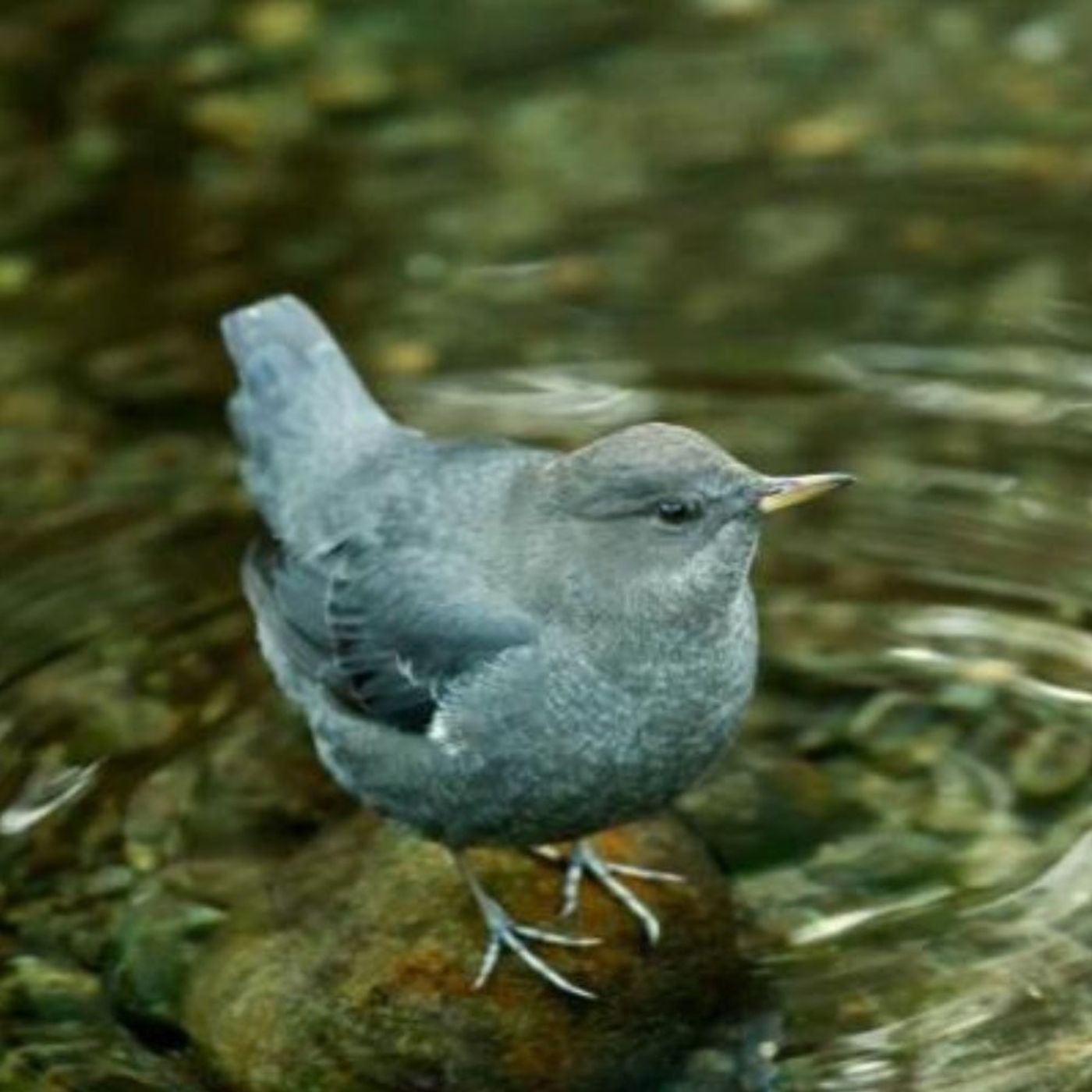
Why Do Dippers Dip?
Why does the American Dipper dip? One possibility is that the dipper's repetitive bobbing, against a background of turbulent water, helps conceal the bird's image from predators. A second theory asserts that dipping helps the bird spot prey beneath the surface of the water. But this theory about why dippers dip holds the most promise: Dipping may be a mode of visual communication between these bir
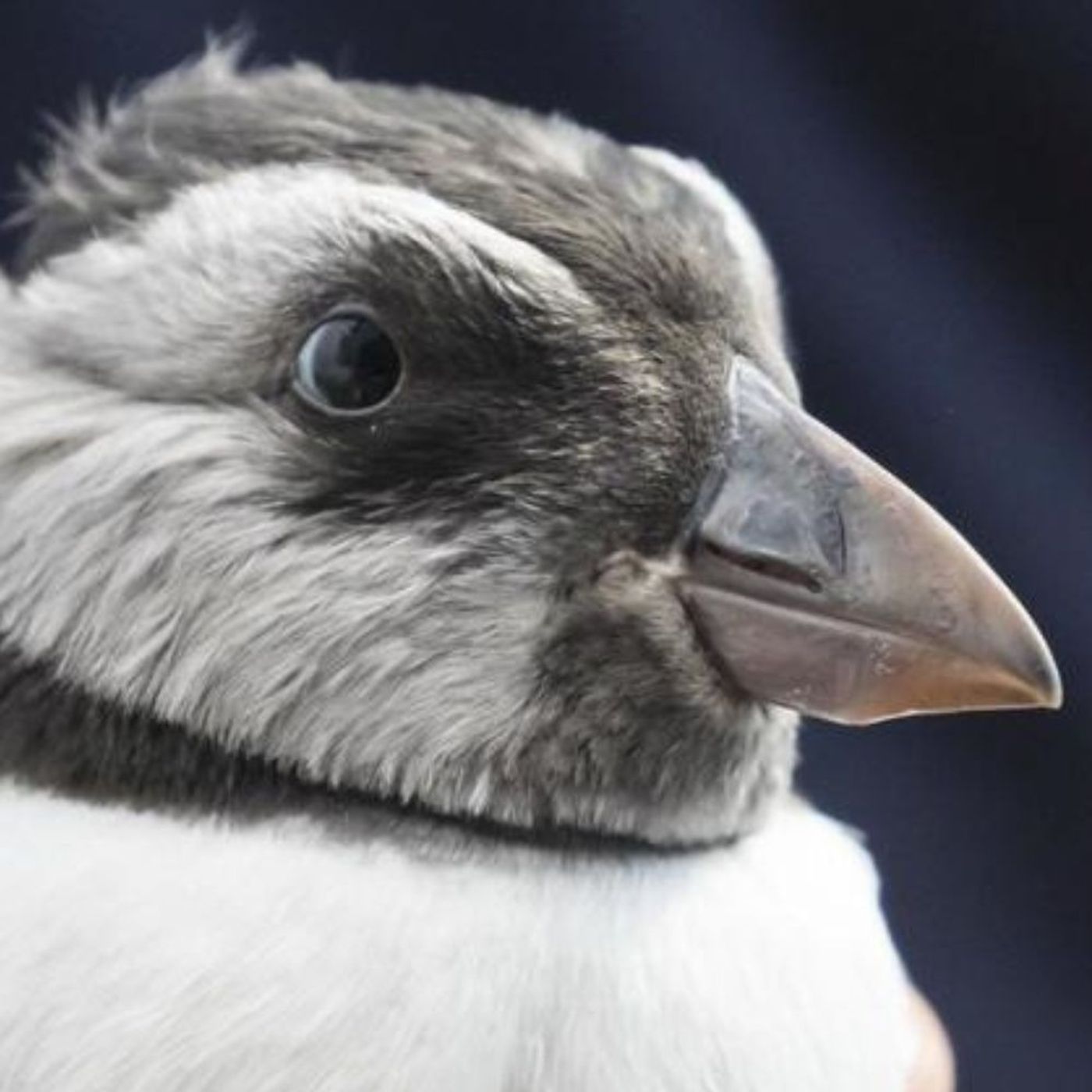
Puffling Patrol
Just off the southern coast of Iceland, the Westman Islands are home to many of the country’s several million Atlantic Puffins. When puffin hatchlings, known as pufflings, get confused by the lights of the city, volunteers of all ages search for wayward pufflings on the street and bring them in for health checks. After the puffins get the green light, the volunteers release them along cliffs and b
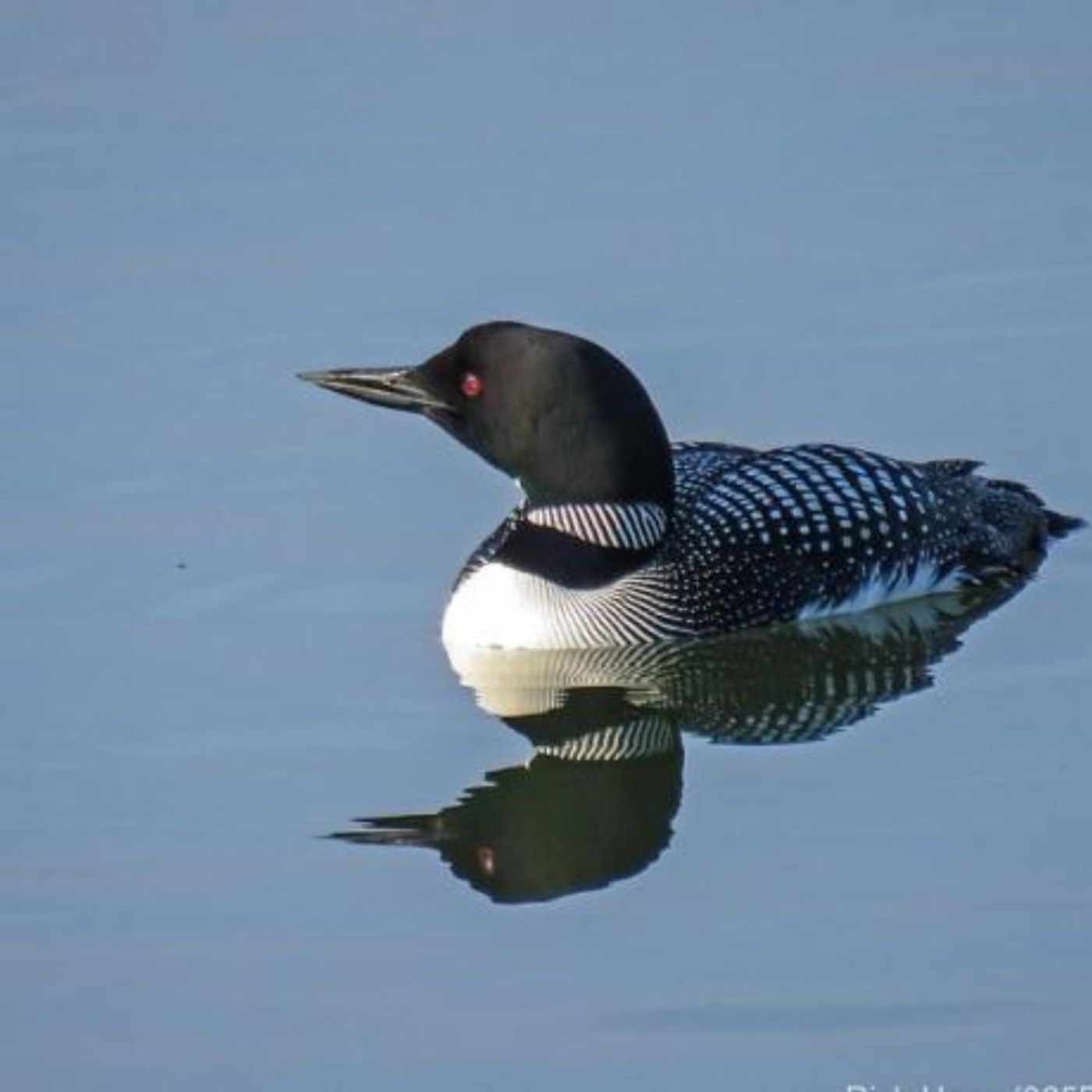
Clair de Loon
August 22 is the birthday of renowned French composer, Claude Debussy. Born in 1862, Debussy is known for his impressionistic sonic portraits, like La Mer, about the sea. But one of his best known works is an earlier piano piece, Clair de Lune. The song is quiet and haunting. Which got us thinking: what if we paired it with the most haunting birdsong — the song of loons? Enjoy Clair de Loon.
Downl
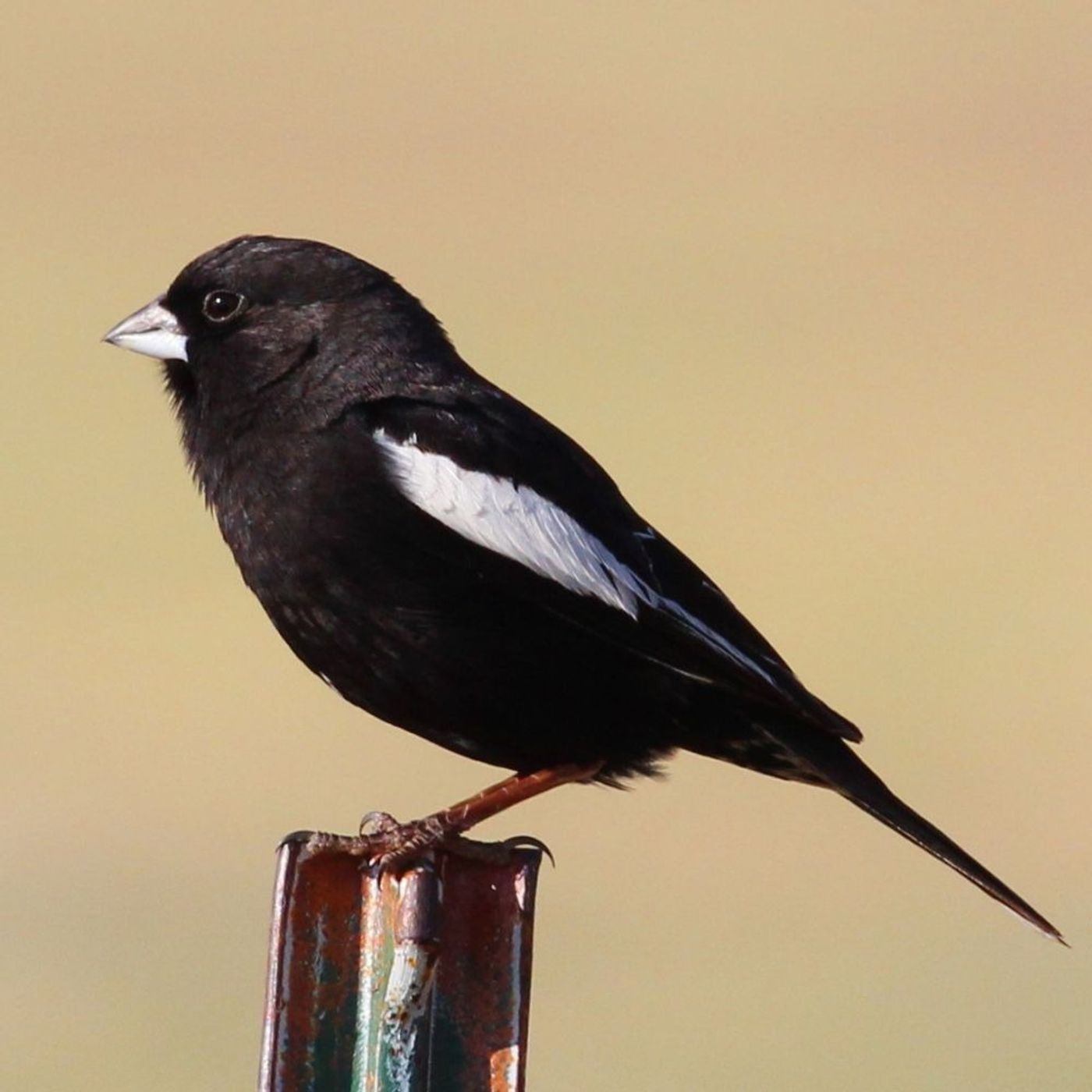
The Lark Bunting’s Eye-Catching Display
Lark Buntings are migratory sparrows that live in grasslands from south central Canada to the northern plateaus of Mexico. For most of the year, the buntings are brown, white and streaky. They spend the winter traveling in large, nomadic flocks in search of seeds and insects. But as spring approaches, the males become a velvety black with a contrasting patch of bright white feathers on each wing.

Why Birds Move Jay Inslee to Fight Climate Change
Former Washington Governor Jay Inslee made the fight against climate change a major priority during his three terms in office. In this episode, Inslee explains how his love of birds helped motivate those efforts.
More info and transcript at BirdNote.org.
Want more BirdNote? Subscribe to our weekly newsletter. Sign up for BirdNote+ to get ad-free listening and other perks.
BirdNote is a nonprofit.
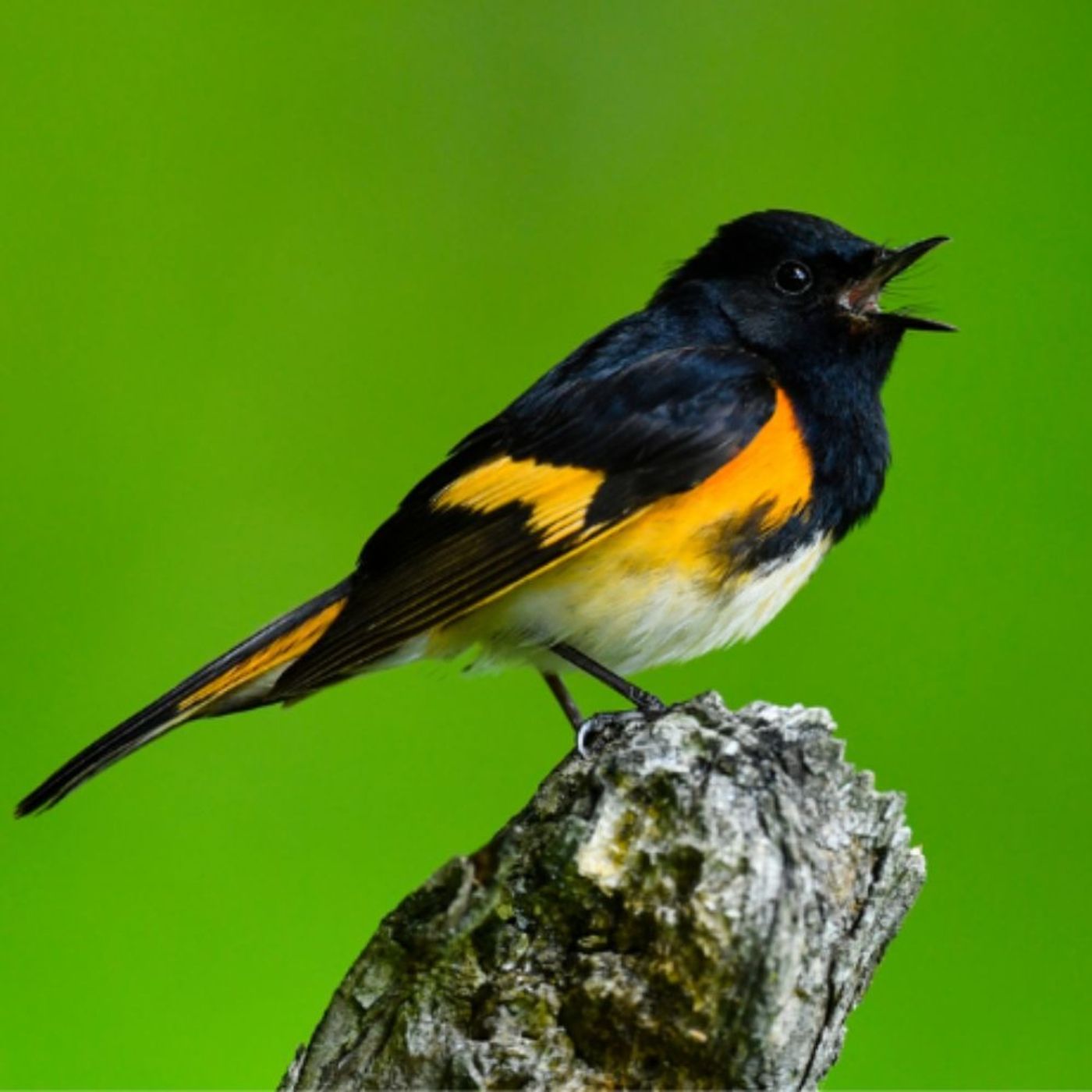
Setting the Thermostat with Birds in Mind
If you’ve already done things around the home with birds in mind, consider one more action that might be less obvious. Turning the thermostat down a degree or two in the colder months and up a degree in the warmer months might seem more about personal preference or energy bills than birds. But climate change is a grave threat to birds, putting two-thirds of North American bird species at risk of e
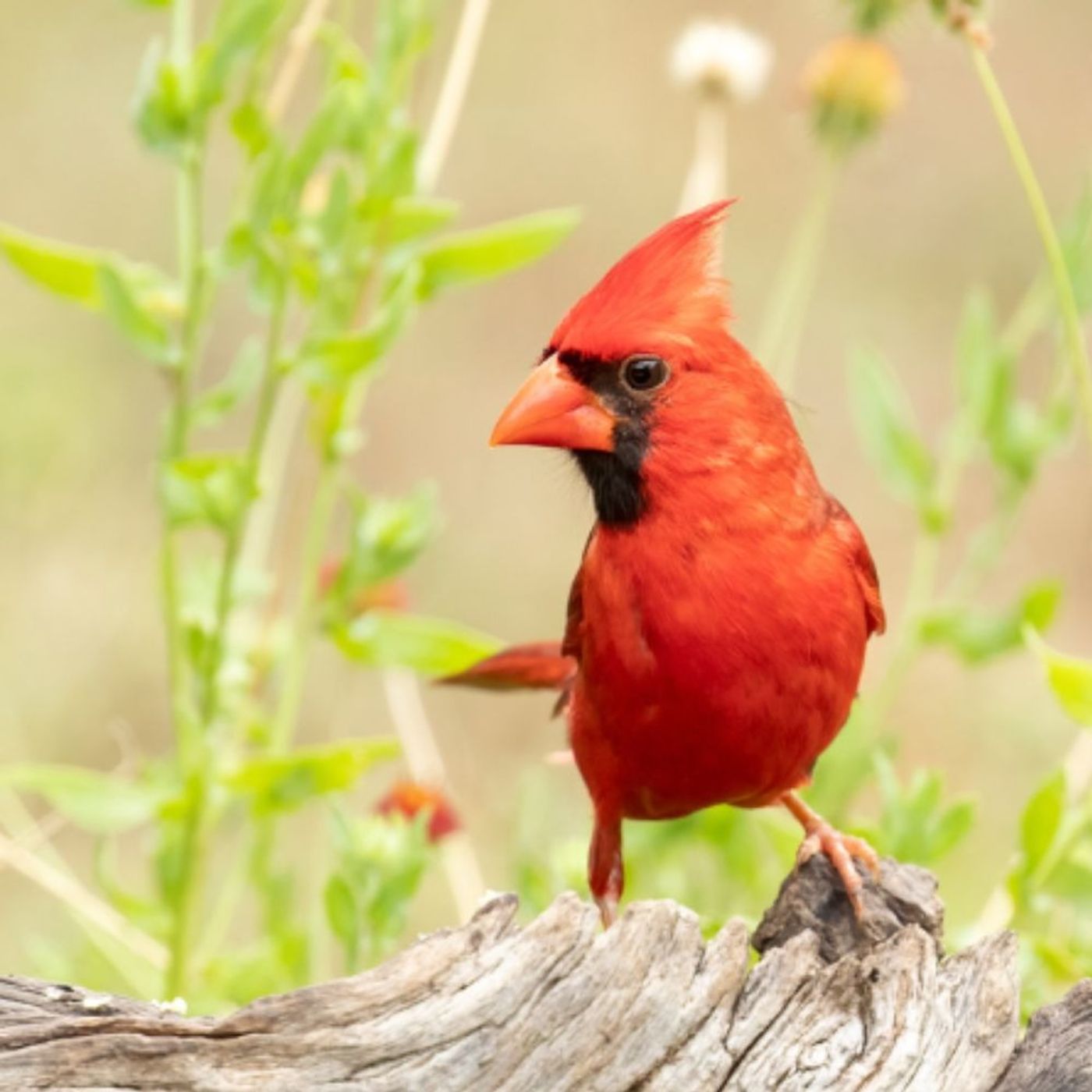
My Grandmother’s Ornithology, and Mine
In this episode, poet and ornithologist J. Drew Lanham shares how his grandmother’s personal names for the birds helped shape his own relationships with birds. Names such as “redbirds” for Northern Cardinals, “rain crows” for Yellow-billed Cuckoos, and “cat owls” for Great Horned Owls help him feel personally connected to these species. Through developing one’s own ornithology and personal names f
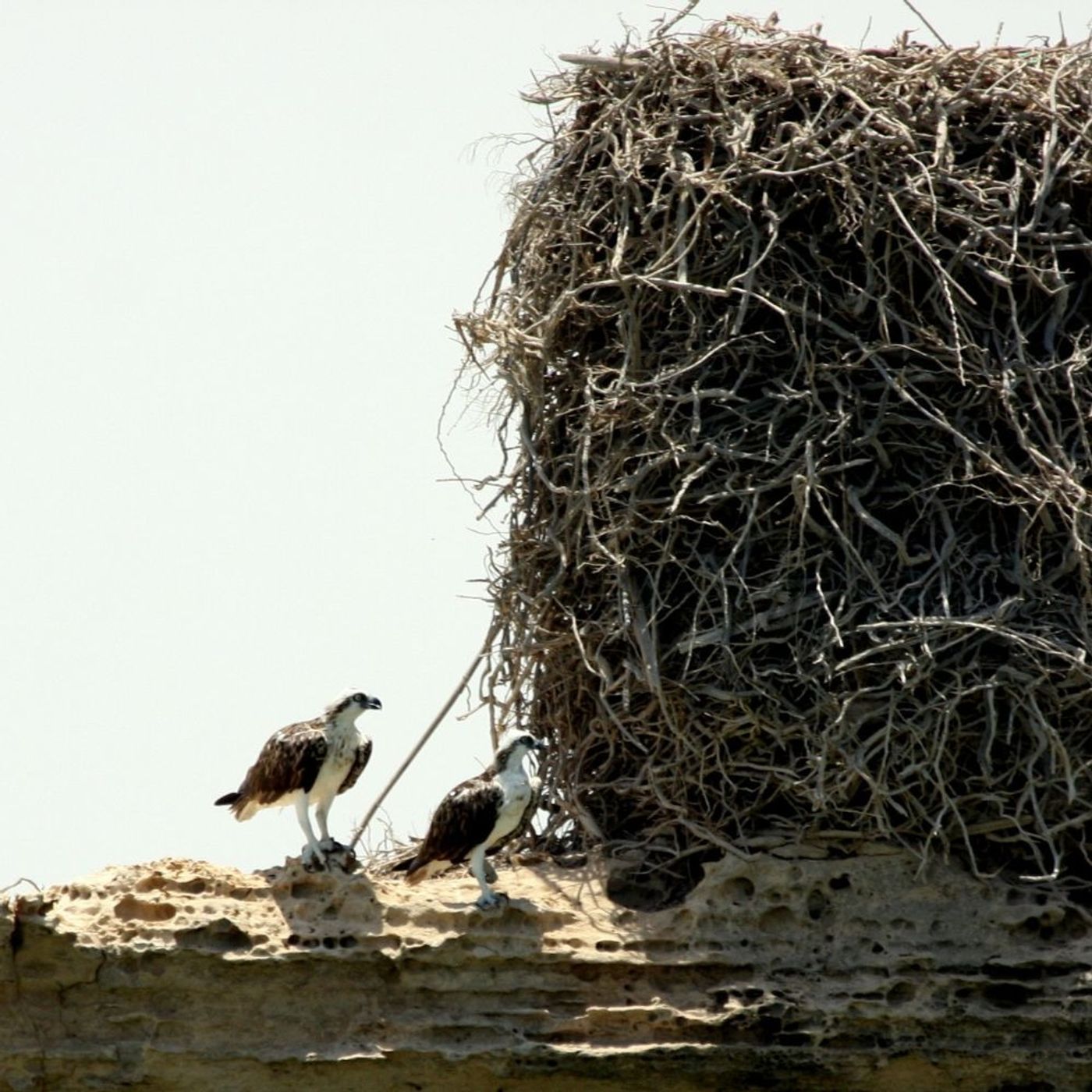
Whose Nest is This Anyways?
Osprey are birds of prey with a wingspan more than 5 feet across. These large raptors construct huge stick nests that get up to 6 feet wide and 12 feet tall! While the Ospreys only occupy the upper portions of this structure, other birds have been observed taking up residence in the nooks and crannies below. This unexpected living arrangement is a classic example of protective nesting. Nesting bir
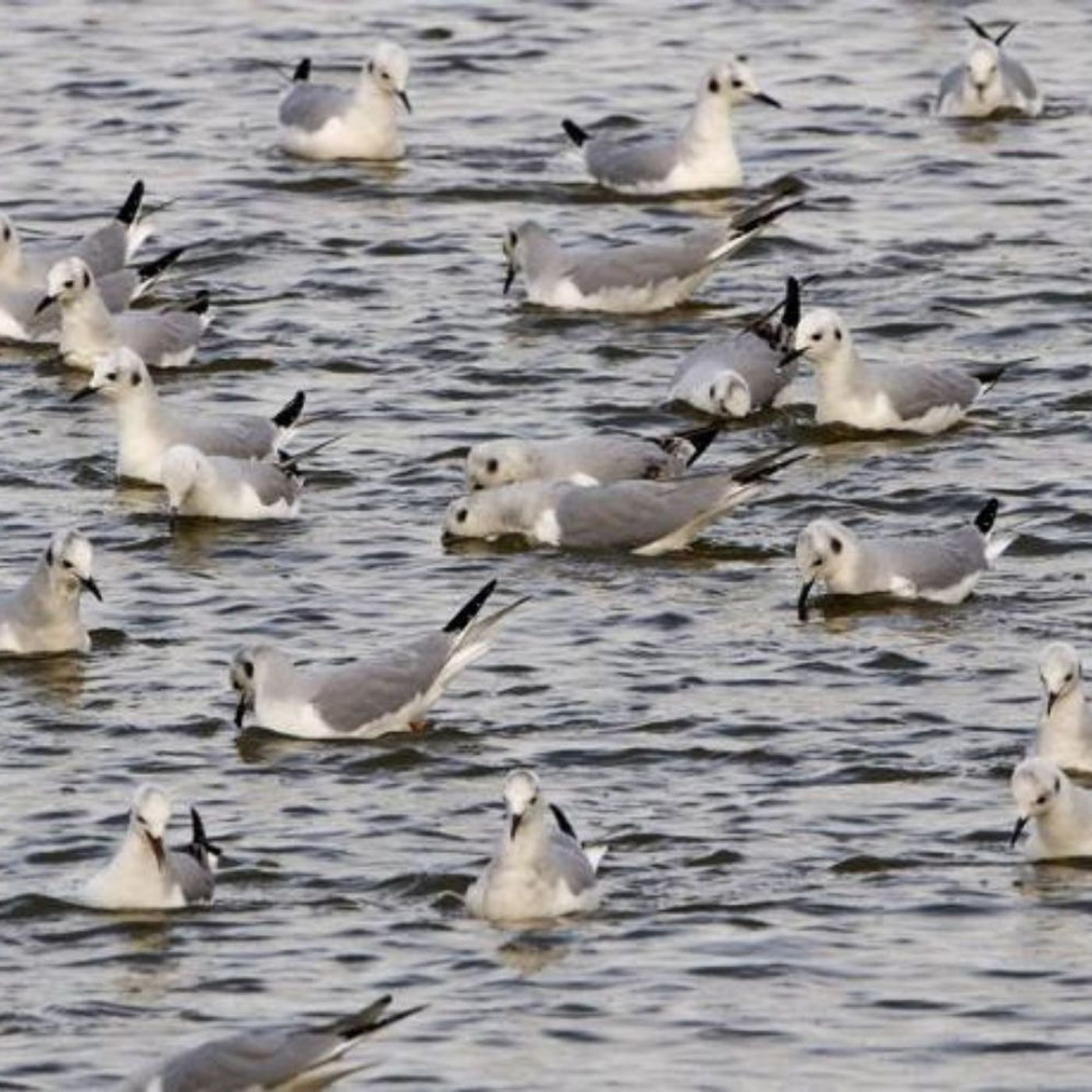
Bonaparte's Gull Chorus-line
Small, tern-like Bonaparte's Gulls often form a chorus-line at the water's edge. Side by side, in half an inch of water, they stomp their feet as fast as they can. Under this pummeling, a smorgasbord of shrimp is stirred up for the gulls to harvest. Is this a learned behavior, or were these gulls born knowing how to forage cooperatively? Who knows? But it's hard to imagine a more nutritional dance
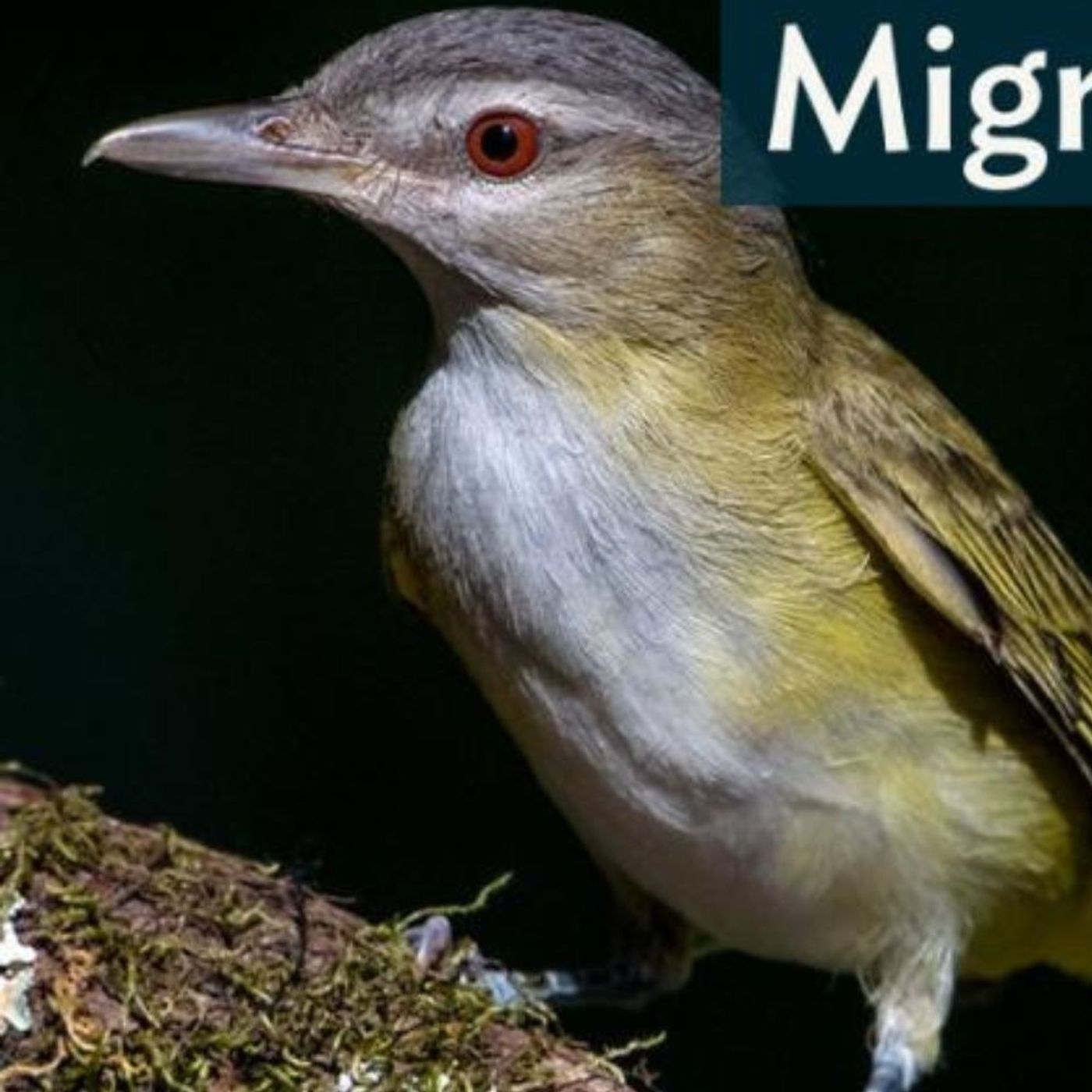
Migrations: You're Going the Wrong Way!
During migration, some birds change orientation and travel almost the same distance — but in the opposite direction — as the rest of their species. The phenomenon is called misorientation. First-year birds are particularly susceptible. Many vagrant birds never find their way back on course, but some do, getting more comfortable with the route each year.
More info and transcript at BirdNote.org.
Wa
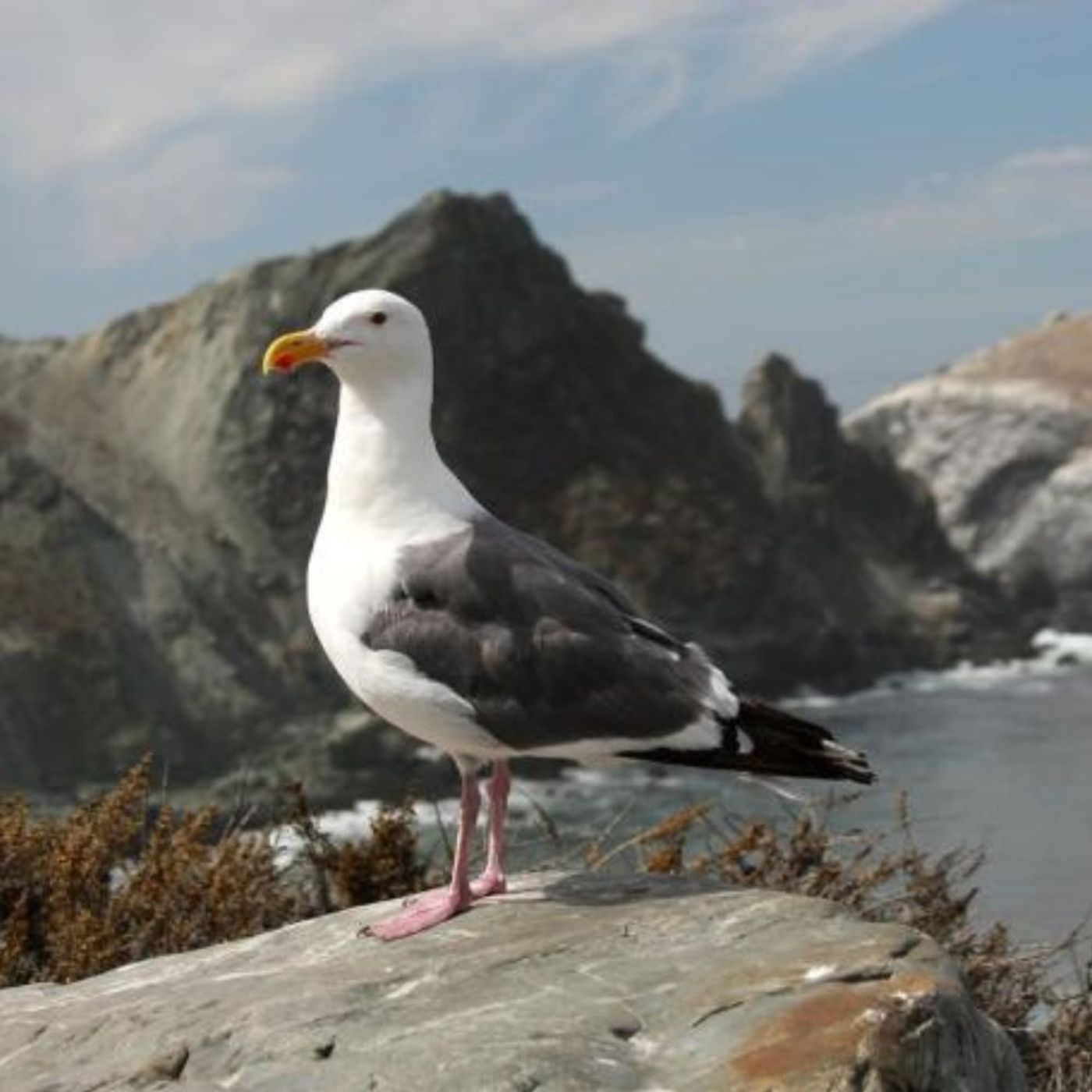
How Birds Drink
How do birds drink? A robin takes a mouthful of water and then tips its head way back to send the water down its gullet. Pigeons are among the few birds that can suck in water with their heads down. Swallows and swifts skim a beakful of water on the wing. Gulls, like the Western Gull, can even drink salt water. If you have a birdbath, be sure to keep it clean. The birds' health is at stake.
More i
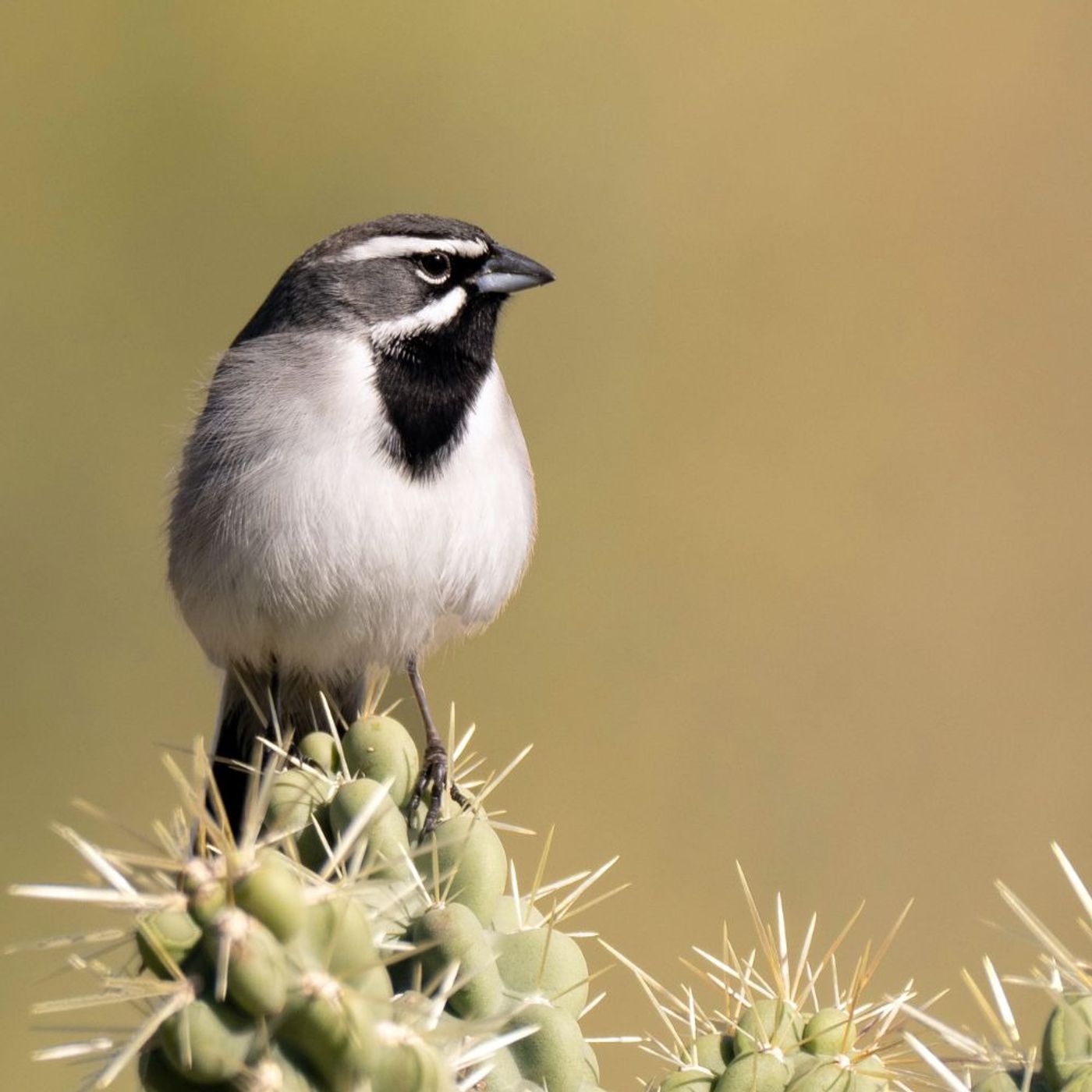
Black-throated Sparrow Sings in the Desert
Sparrows are iconic desert denizens of the southwestern U.S. and northern Mexico. They thrive in open arid habitats, with evenly spaced shrubs, trees, and cacti. Historically, these native ecosystems were naturally maintained with frequent, low-intensity fires. But decades of drought and fire suppression have set the stage for hotter, more destructive blazes. We can protect Black-throated Sparrows

Piper’s Sandpipers
In this special kids edition of BirdNote Daily, Piper Bayard shares her love of sandpipers.
More info and transcript at BirdNote.org.
Want more BirdNote? Subscribe to our weekly newsletter. Sign up for BirdNote+ to get ad-free listening and other perks.
BirdNote is a nonprofit. Your tax-deductible gift makes these shows possible.
Hosted by Simplecast, an AdsWizz company. See pcm.adswizz.com f
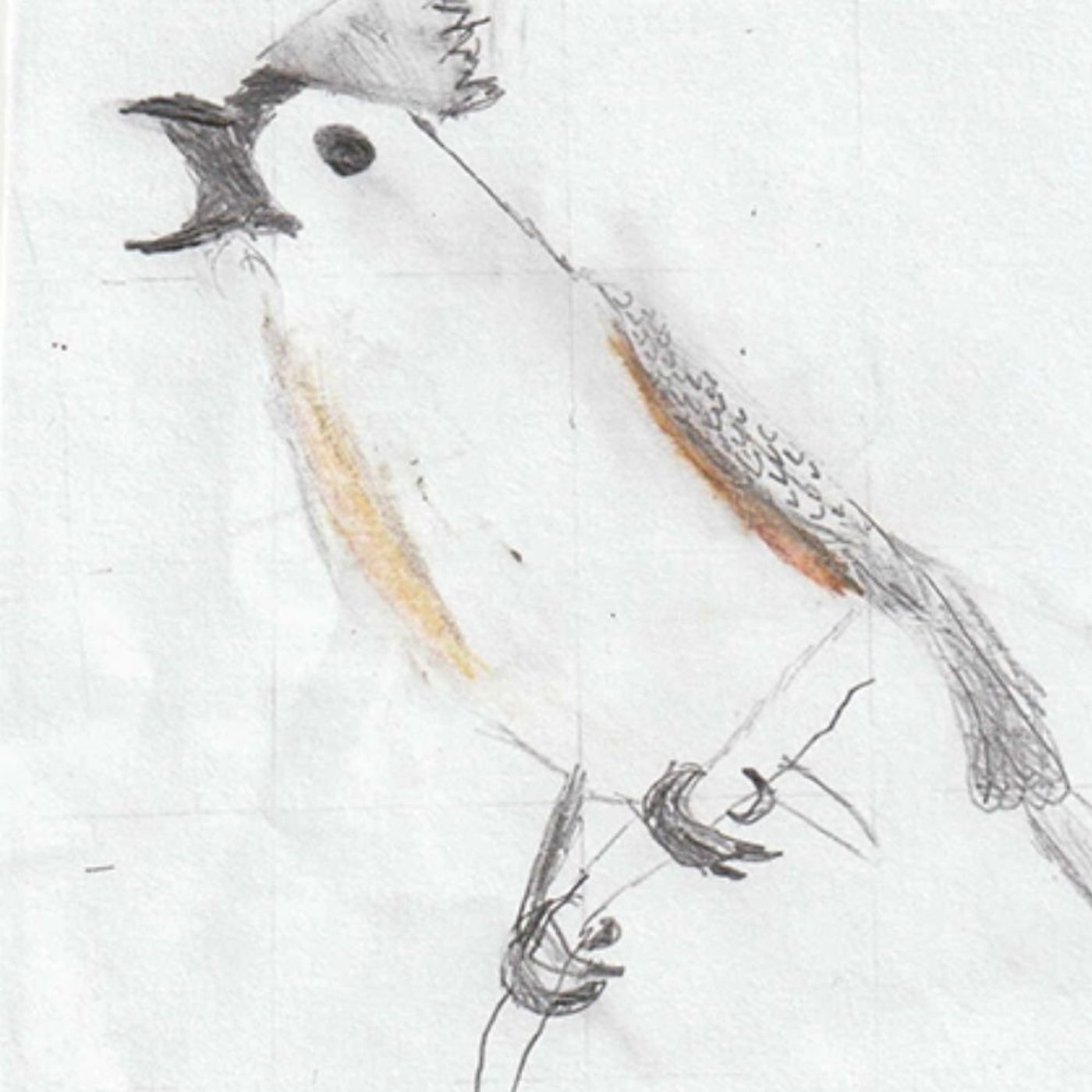
Learning More About Birds by Sketching Them
Many people take an interest in birds as they get older. But others start very early, like one young BirdNote listener named Ben Bradmon. He has been learning how to identify birds by their calls. His favorite is the Tufted Titmouse. He has also begun deepening his knowledge of birds by sketching them, letting him focus on details of the birds’ appearance and their habitats.
More info and transcri
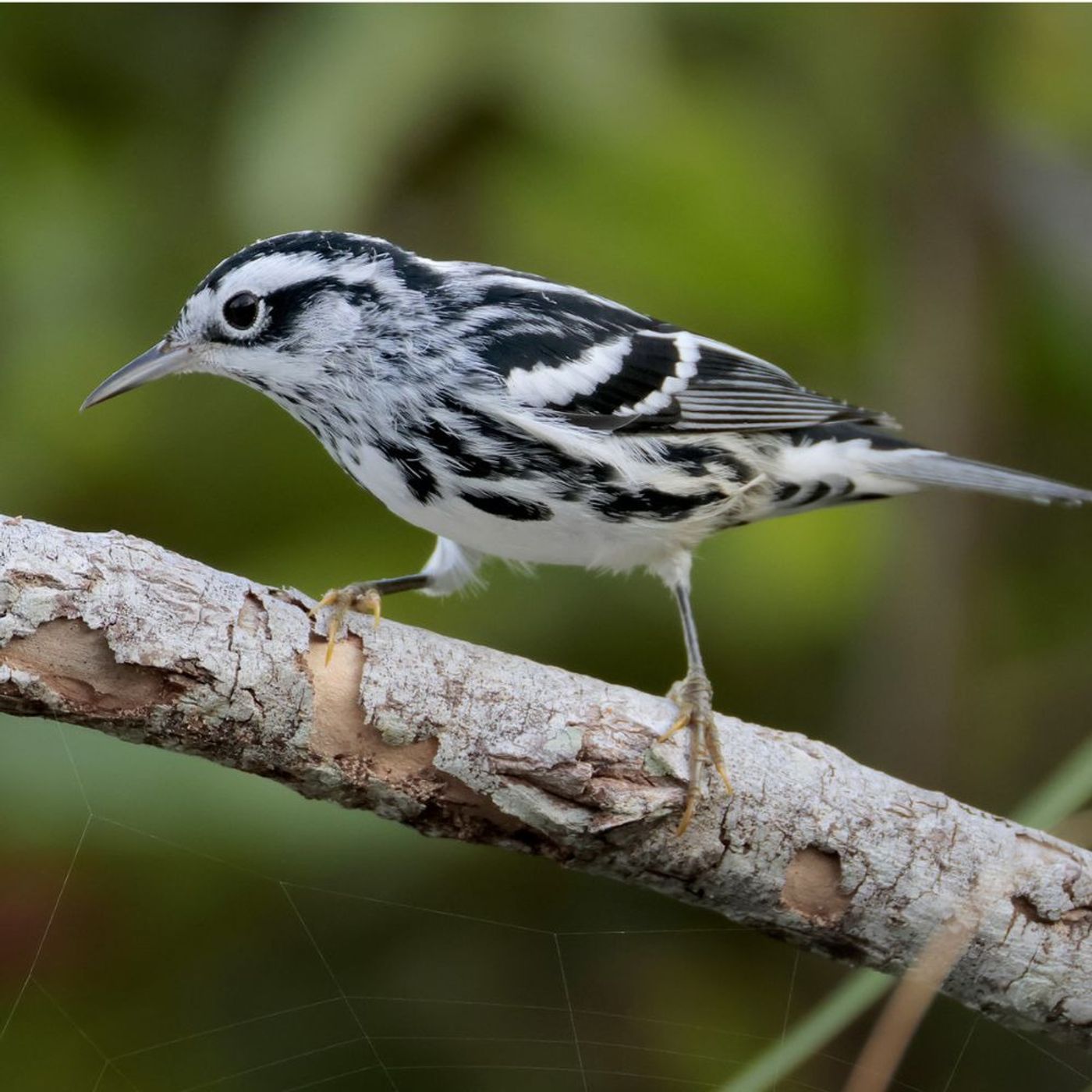
The Black-and-White Warbler
Black-and-white Warblers are tiny songbirds that breed in North America’s deciduous forests and winter as far south as Colombia. They feast on insects gleaned from leaves or plucked from cracks in tree bark. You’ll often find them clinging to tree trunks or the undersides of thick branches — acting more like a nuthatch than a warbler. Like many songbirds, Black-and-white Warblers migrate at night
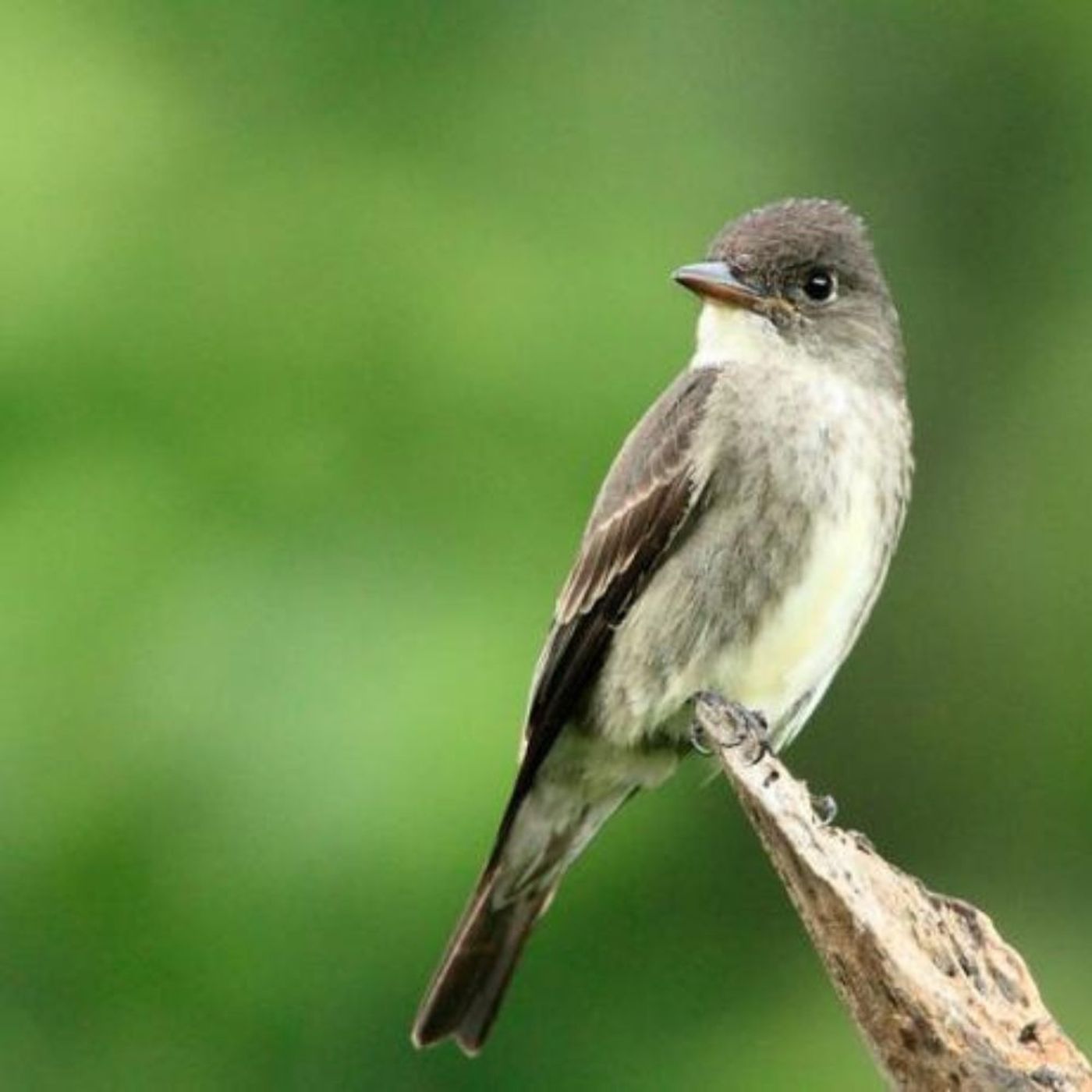
Another BirdNote Quiz
Let's have some fun and test your bird ID skills! This quiz features:
an American Robin
an Olive-sided Flycatcher, (like the photo above)
a Red-tailed Hawk
a Steller's Jay, which you're most likely to hear west of the Rockies
and a Blue Jay, usually seen east of the Rockies.
More info and transcript at BirdNote.org.
Want more BirdNote? Subscribe to our weekly newsletter. Sign up for BirdNot
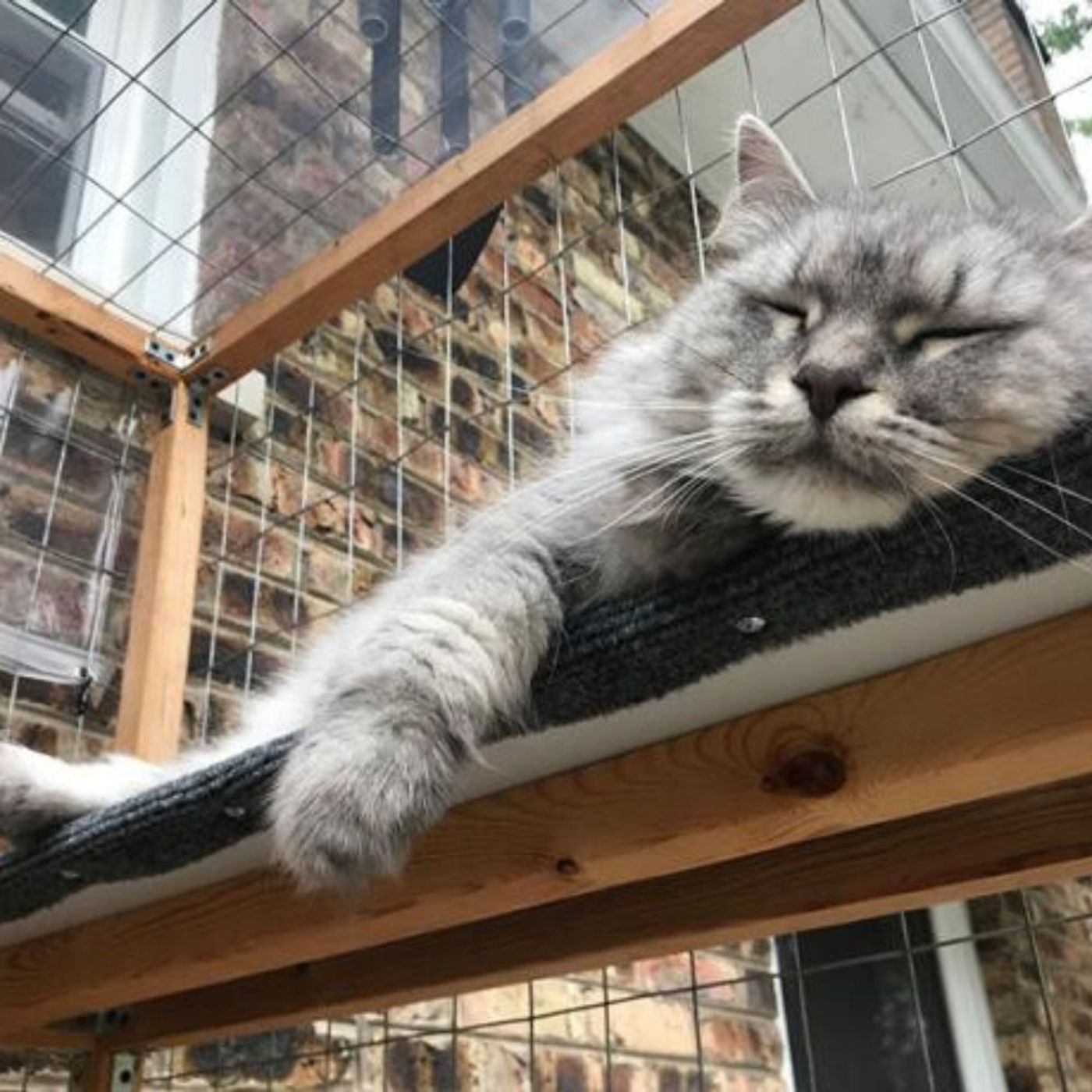
Catios — The Best of Both Worlds
Cats love the outdoors, but they’re also one of the biggest threats to birds — killing as many as four billion a year in North America. Outdoor cats also live much shorter lives. Cynthia Chomos designed a cat patio or “catio” so that everyone can win. The enclosed outdoor space keeps both cats and birds safe. Learn more in season 1 of Bring Birds Back, available in your favorite podcast app!
More
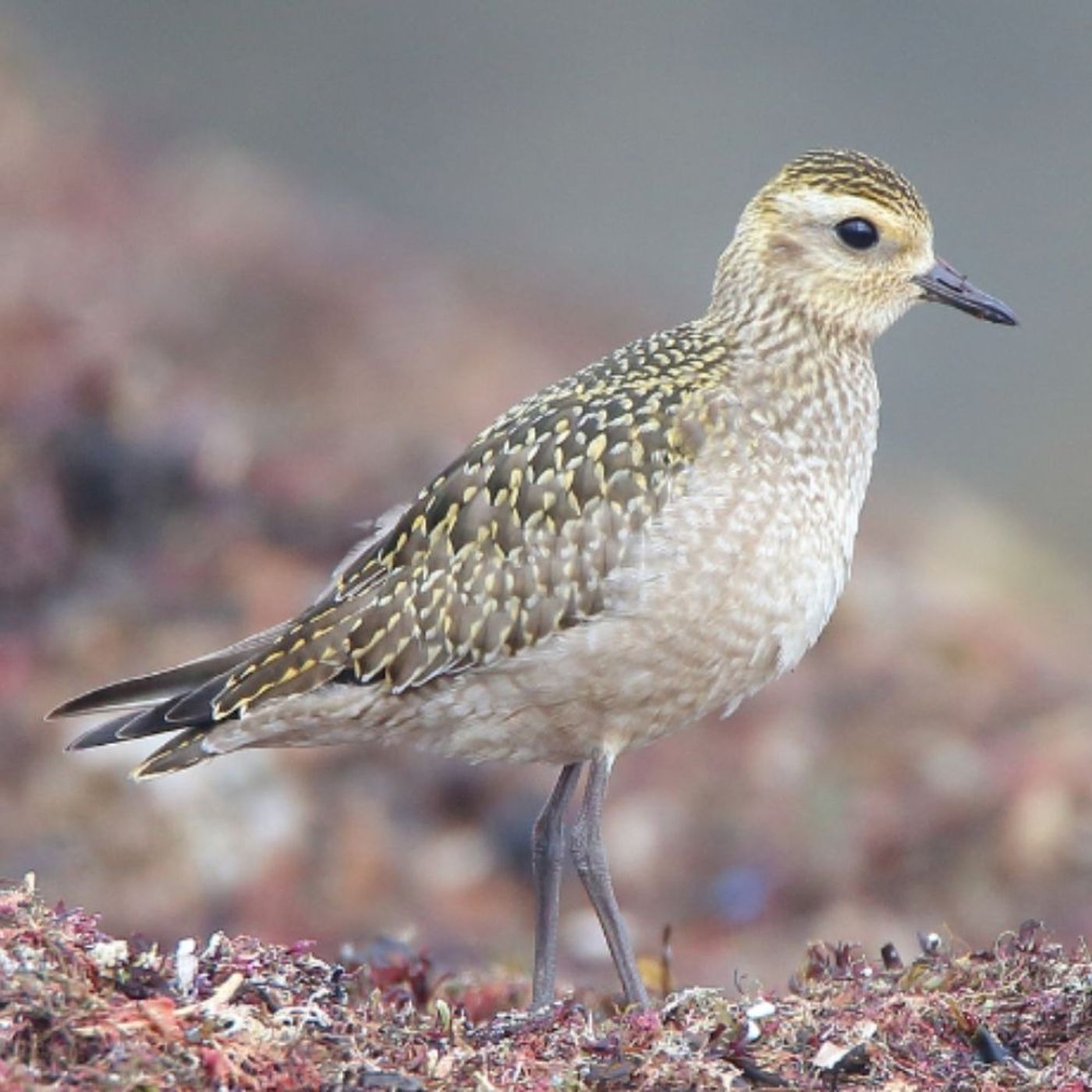
For Shorebirds, Summer Ends Early
We often think of birds migrating south in the fall. But many species kick off their big trips surprisingly early in the year. Shorebirds nesting in the Arctic tundra are an extreme example. Birds like the American Golden-Plover have a small window of time to build a nest, find a mate, and lay eggs in the short Arctic growing season. Golden-plovers actually leave their juvenile young behind to beg
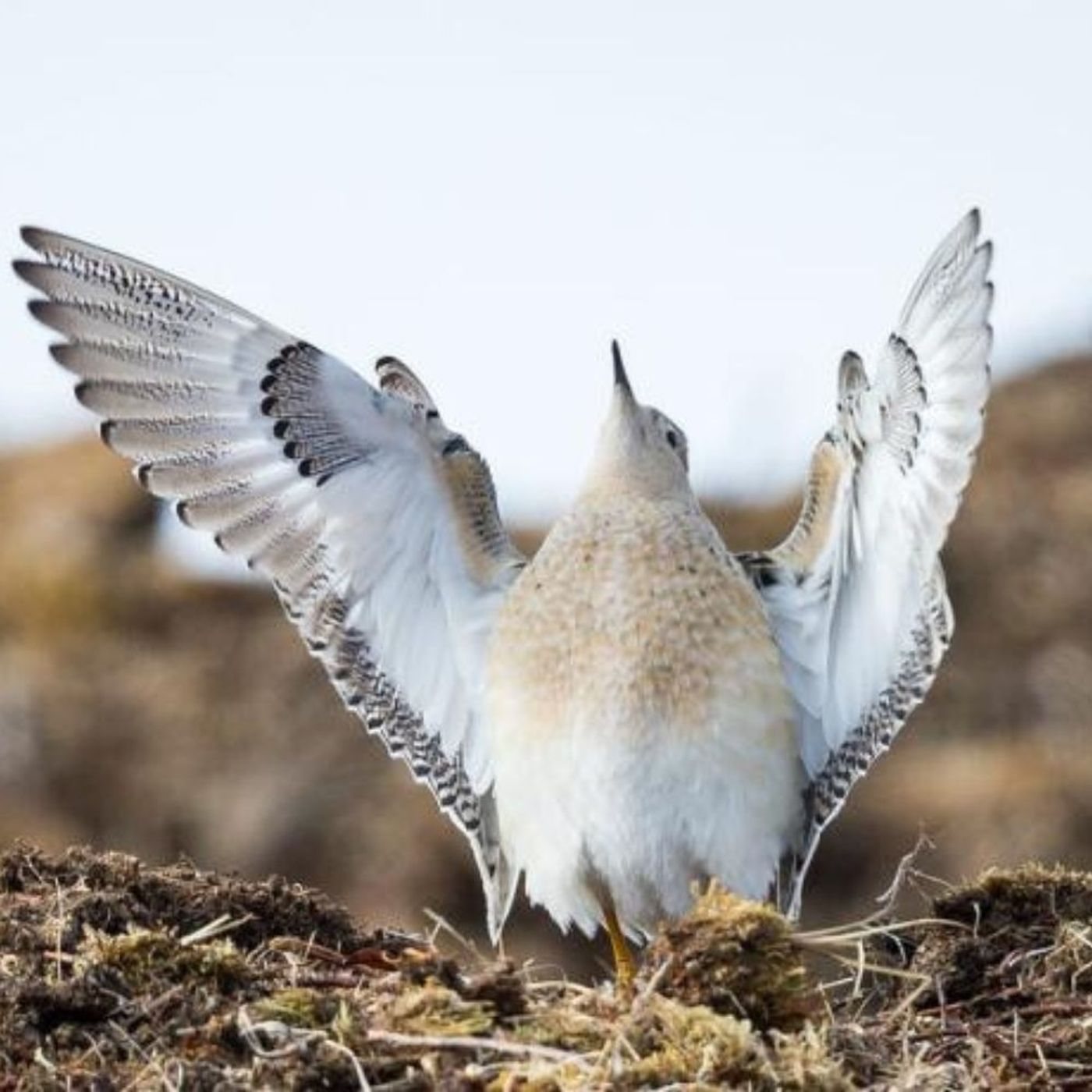
Buff-breasted Sandpiper
A male Buff-breasted Sandpiper courts a female on their breeding grounds far north of the Arctic Circle. He raises his wings, flashing their silvery-white undersides, as he sings his clicking serenade. These birds spend much of the year on grasslands in Argentina, migrating to the Arctic in late spring. In the lower 48, September is a good time to look for this long-distance traveler. During migra
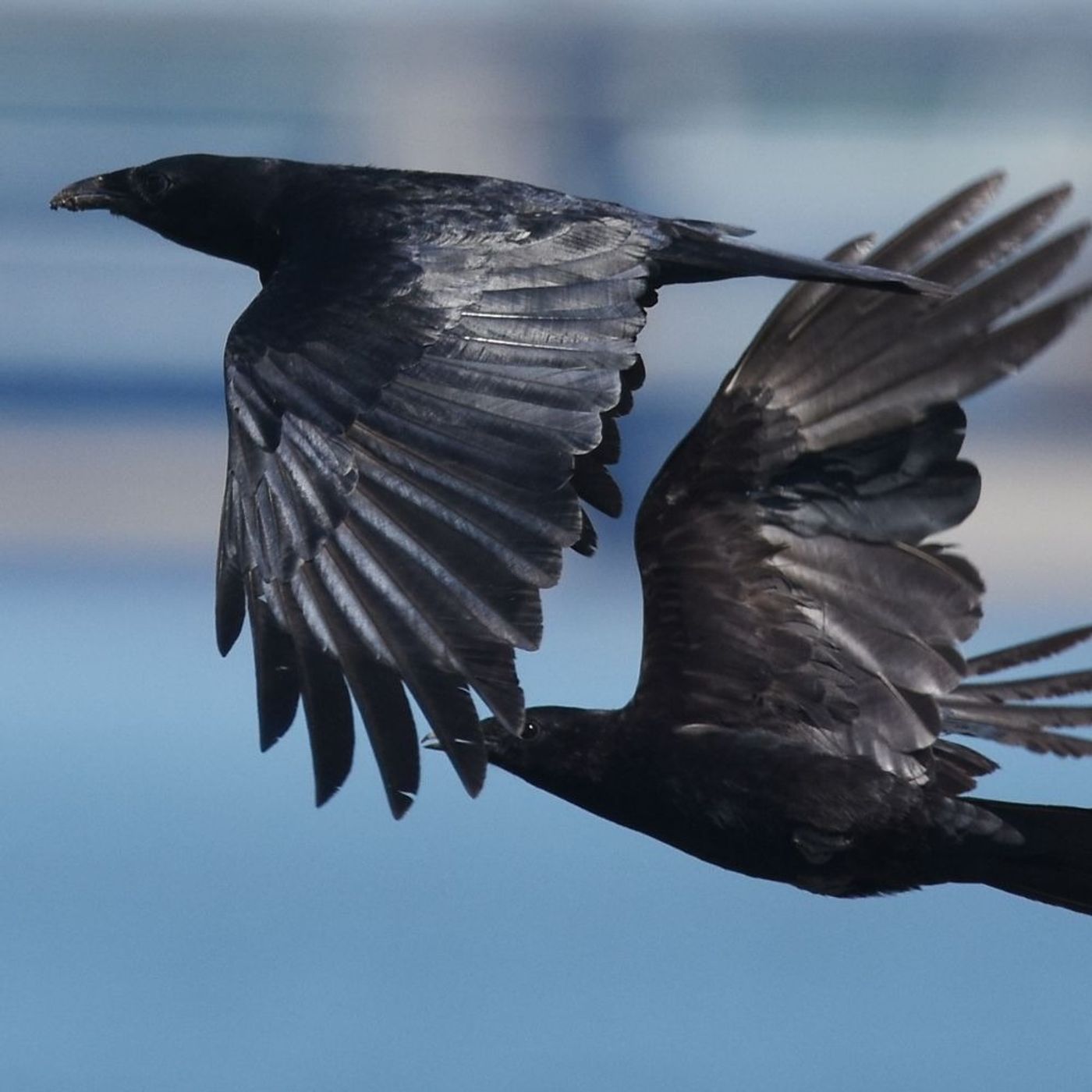
BirdNoir: That Crow Sounds Fishy
Every good investigator knows to stay vigilant for suspicious behavior. But not every unfamiliar bird is caw-se for alarm. In this episode of BirdNoir, Private Eye Michael Stein reveals that there’s more to a crow than meets the eye.
More info and transcript at BirdNote.org.
Want more BirdNote? Subscribe to our weekly newsletter. Sign up for BirdNote+ to get ad-free listening and other perks.
Bir
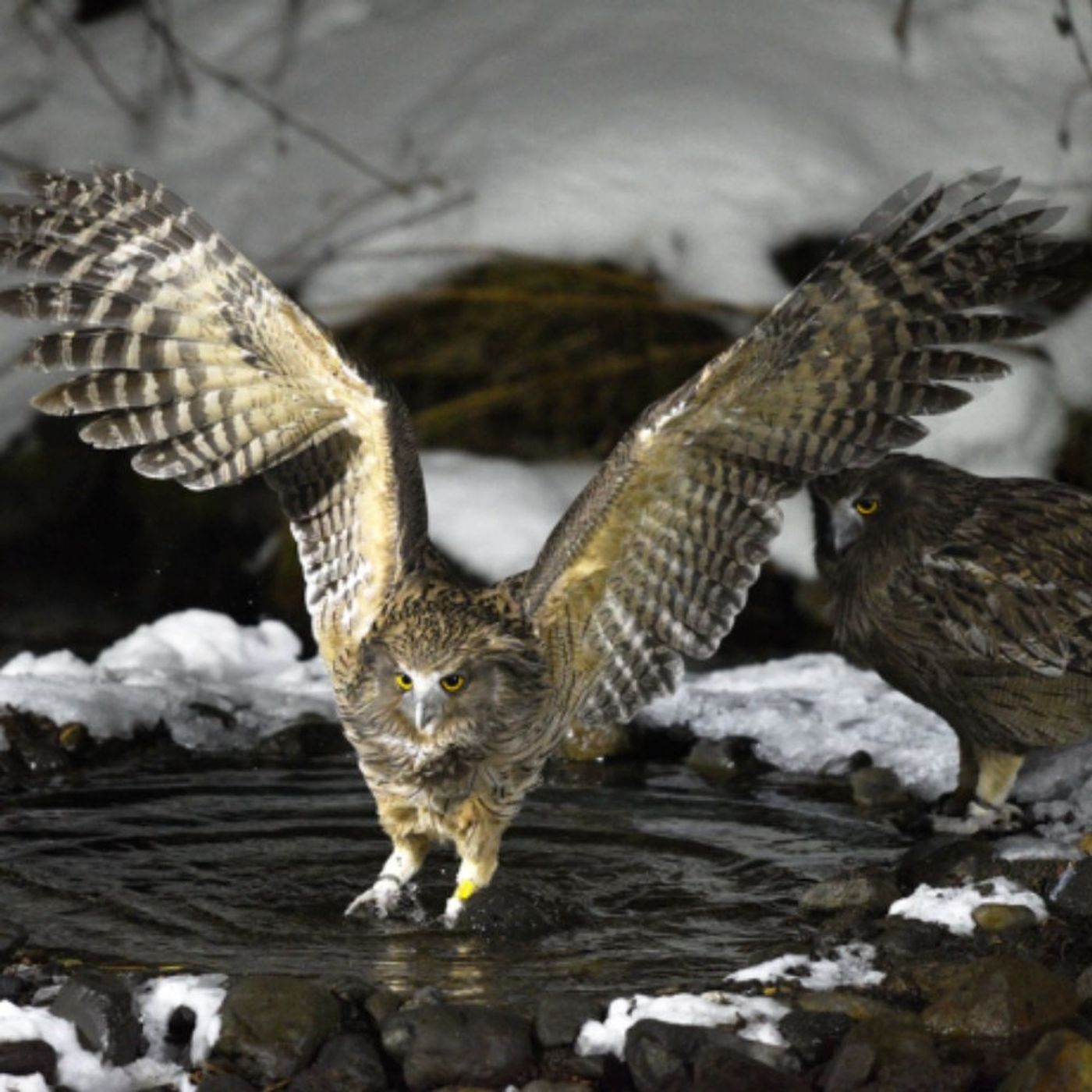
An Amazing World of Owls
Owls are magnificent animals that share our cities with us, and live in some of the most extreme environments on Earth. They range in size from huge, like the Blakiston’s Fish-Owl of Eastern Asia, to the songbird-sized Elf Owl, weighing less than half a deck of cards. Owls play key roles in their ecosystems and even help control pests such as non-native rodents. By giving these amazing birds their
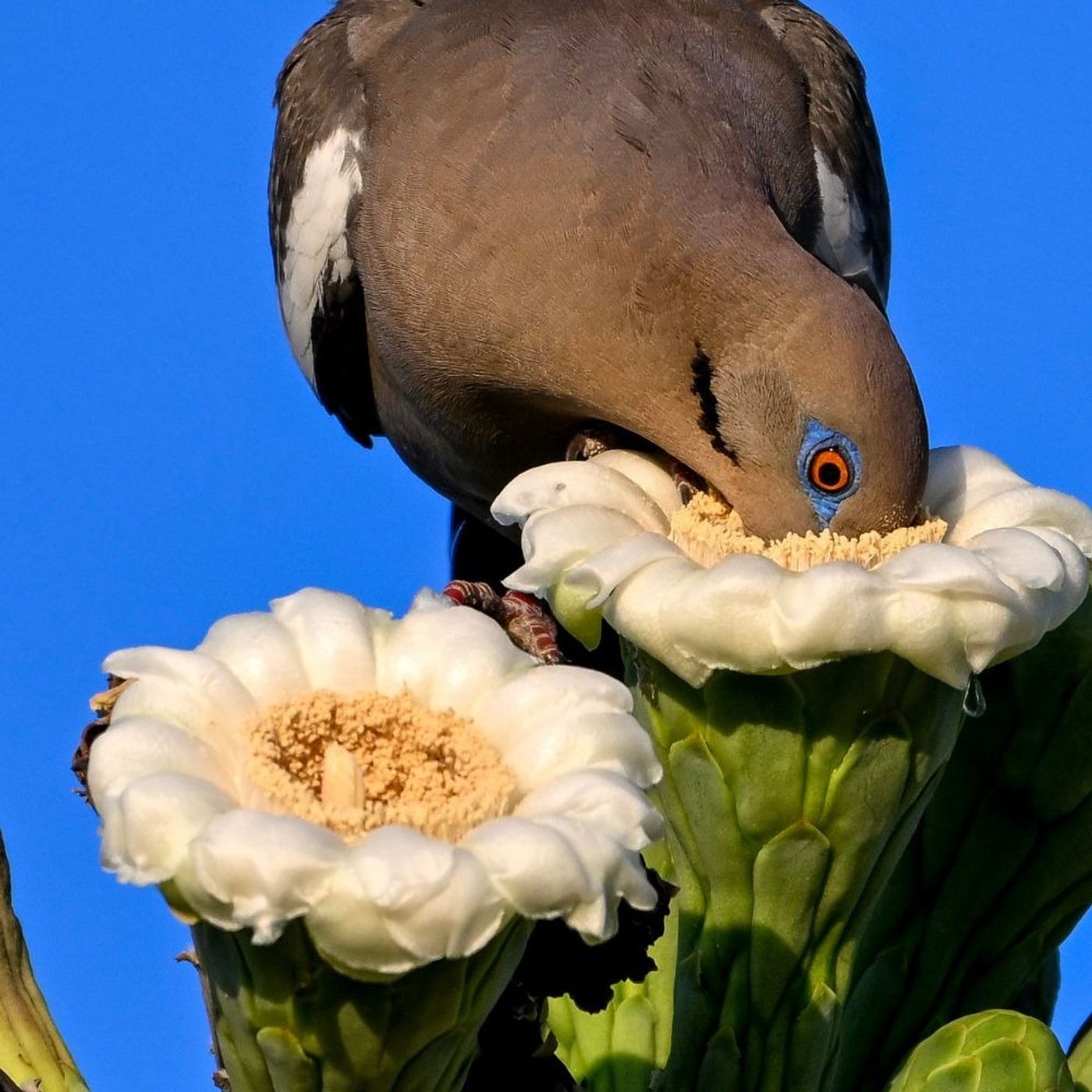
White-winged Doves and Saguaro Cactuses
White-winged Doves are common throughout Central America, the Caribbean, and North America’s Desert Southwest. Like the closely related Mourning Doves, they primarily eat seeds and grains. But in the Sonoran Desert, White-winged Doves time their migration to sync up with the Saguaros’ reproductive cycle – to the benefit of both species. The cacti provide doves with a crucial source of water in the
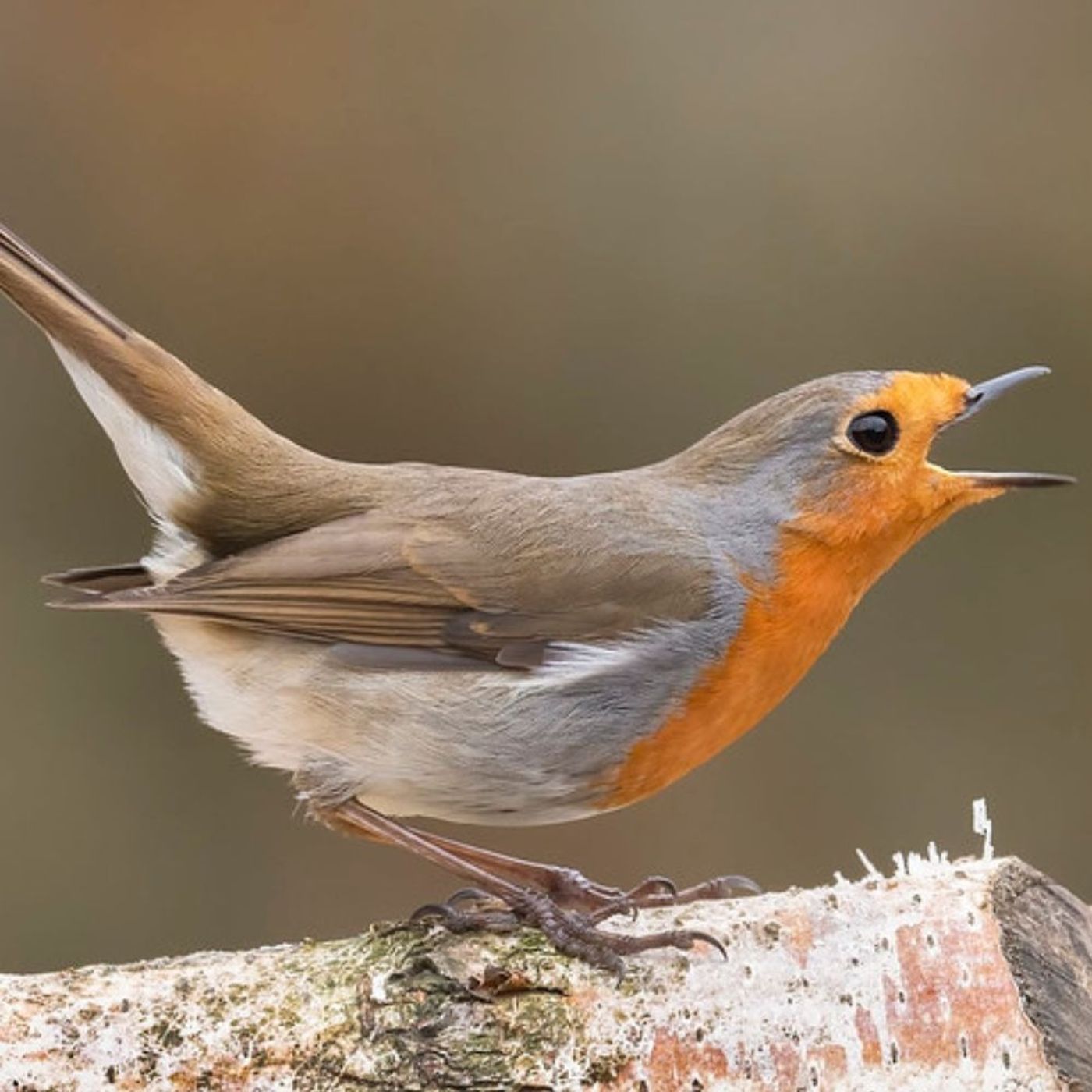
Singing Under Streetlights
Some birds have always called nocturnally, but other species are relative newcomers to the nighttime music scene, specifically in urban areas. Birds such as European Robins often sing well into the night. Scientists are studying what environmental cues might lead to this behavior. While artificial light could be a factor, recent studies suggest that some birds may be avoiding daytime city noise by
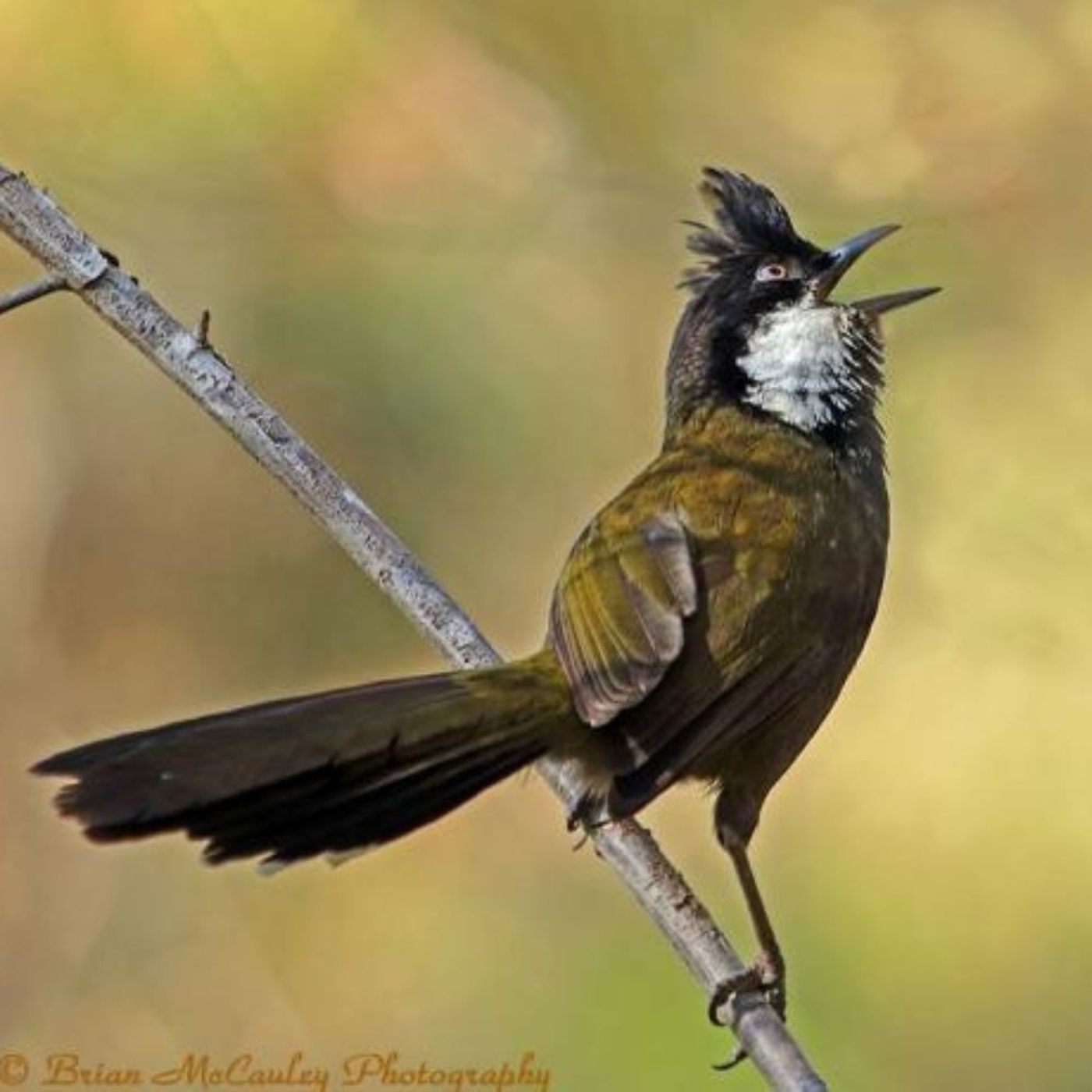
Australia's Rainforest Birds
The rainforests of Eastern and Northeastern Australia harbor many species of birds found almost nowhere else. This Eastern Whipbird — which is more often heard than seen — hangs out in the dense understory. Easier to lay eyes on is the large, pigeon-like Wompoo Fruit-Dove. Feathered in a stunning combination of green, purple, and yellow, this bird is clearly named for its voice. And a pig-like gru
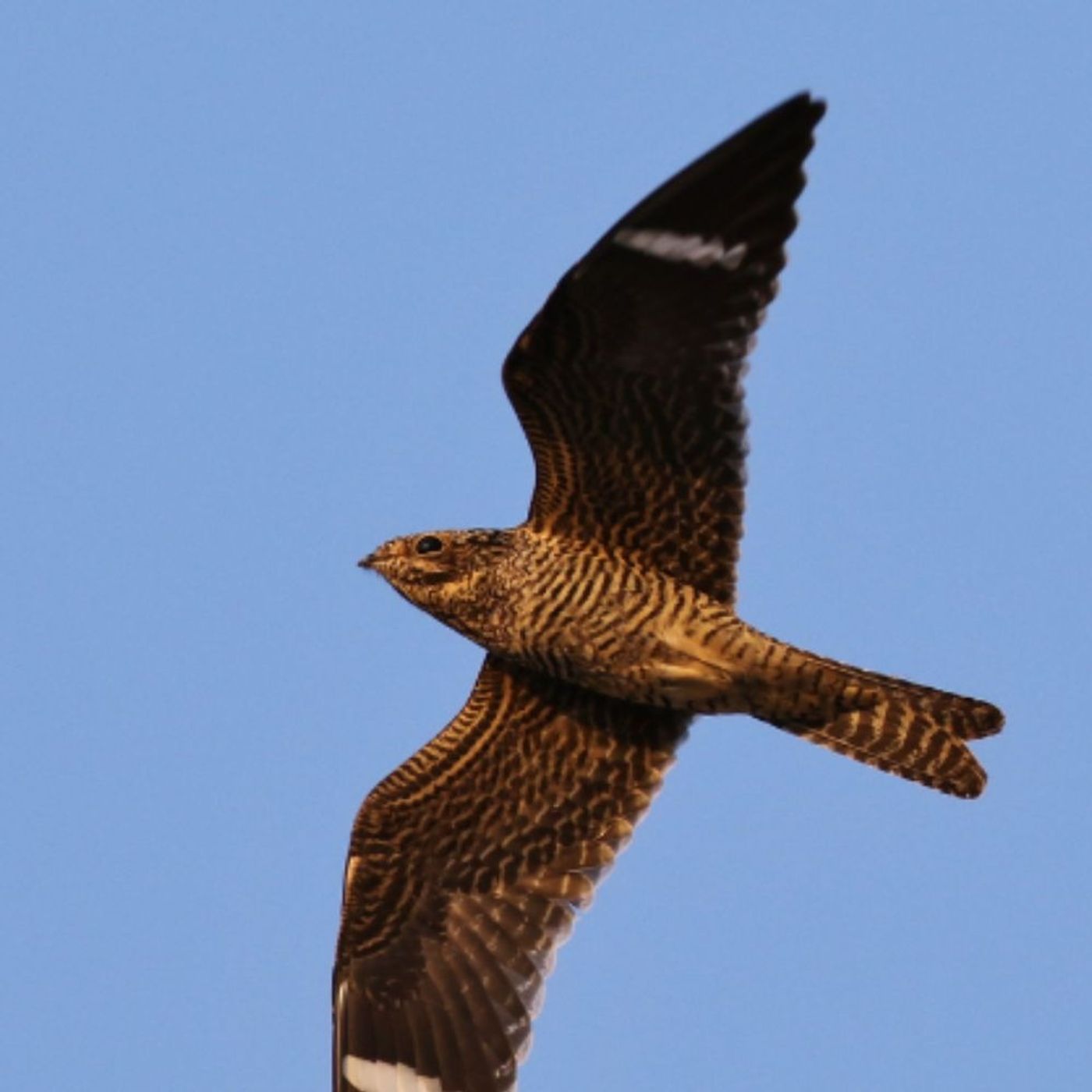
Common Nighthawks at the Ballgame
An evening baseball game isn’t the only thing illuminated by the bright stadium lights. High in the air, countless flying insects are drawn to them. And those insects are a perfect snack for the game’s avian attendees! Common Nighthawks swoop with their wide mouths open to hoover up the flying insects under the lights, performing aerial stunts over the athletes on the ground.
This episode is spons
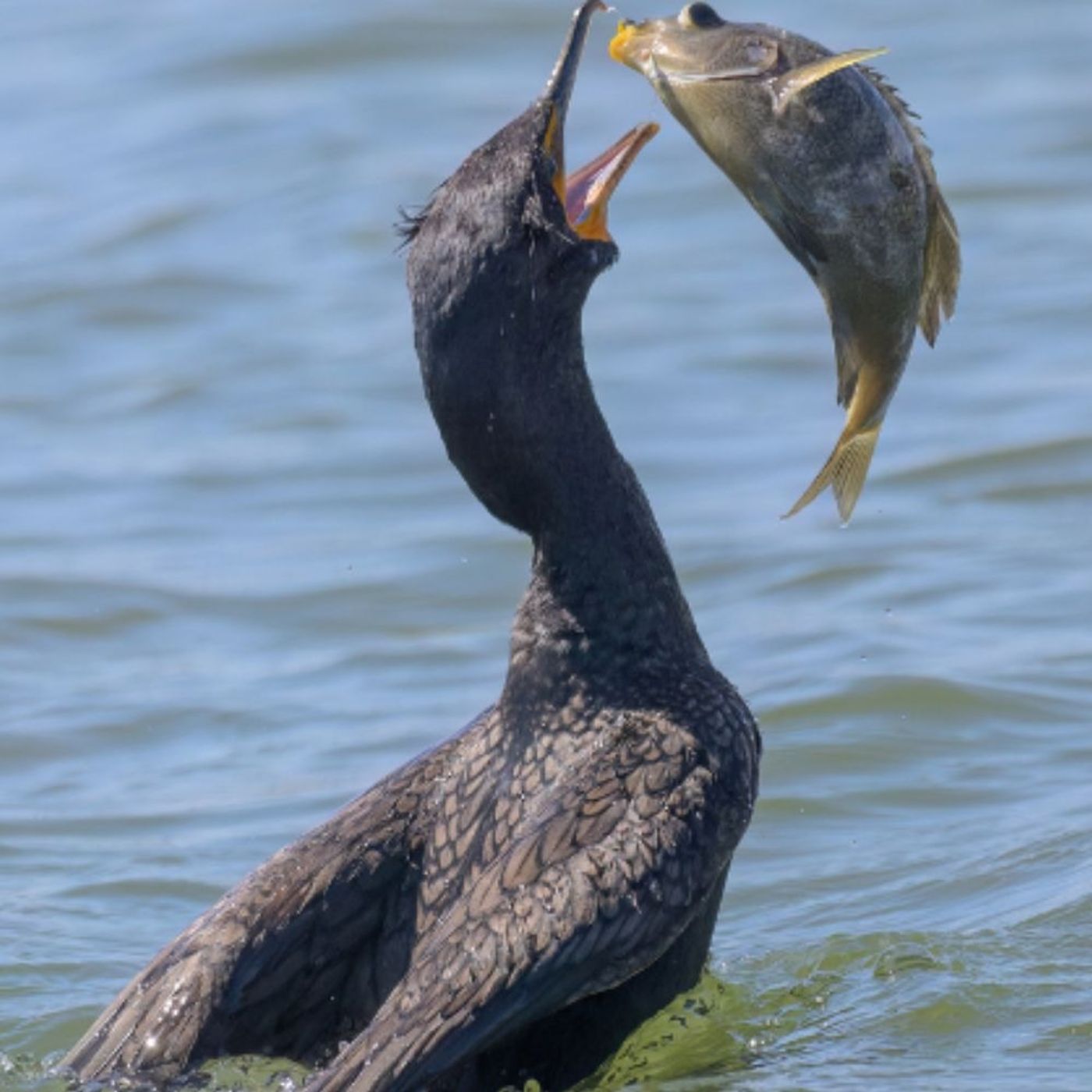
Cormorants Dive During the Day
At midday, it might seem like the birds that were so active in the morning have gone silent, maybe even vanished. But cormorants rally in the afternoon, offering a second chance to see and hear them. During the breeding season, Double-crested Cormorants have two peaks of fishing activity: the first around 9 a.m., and the second around 3 p.m. Their efficient fishing lets them spend most of the day
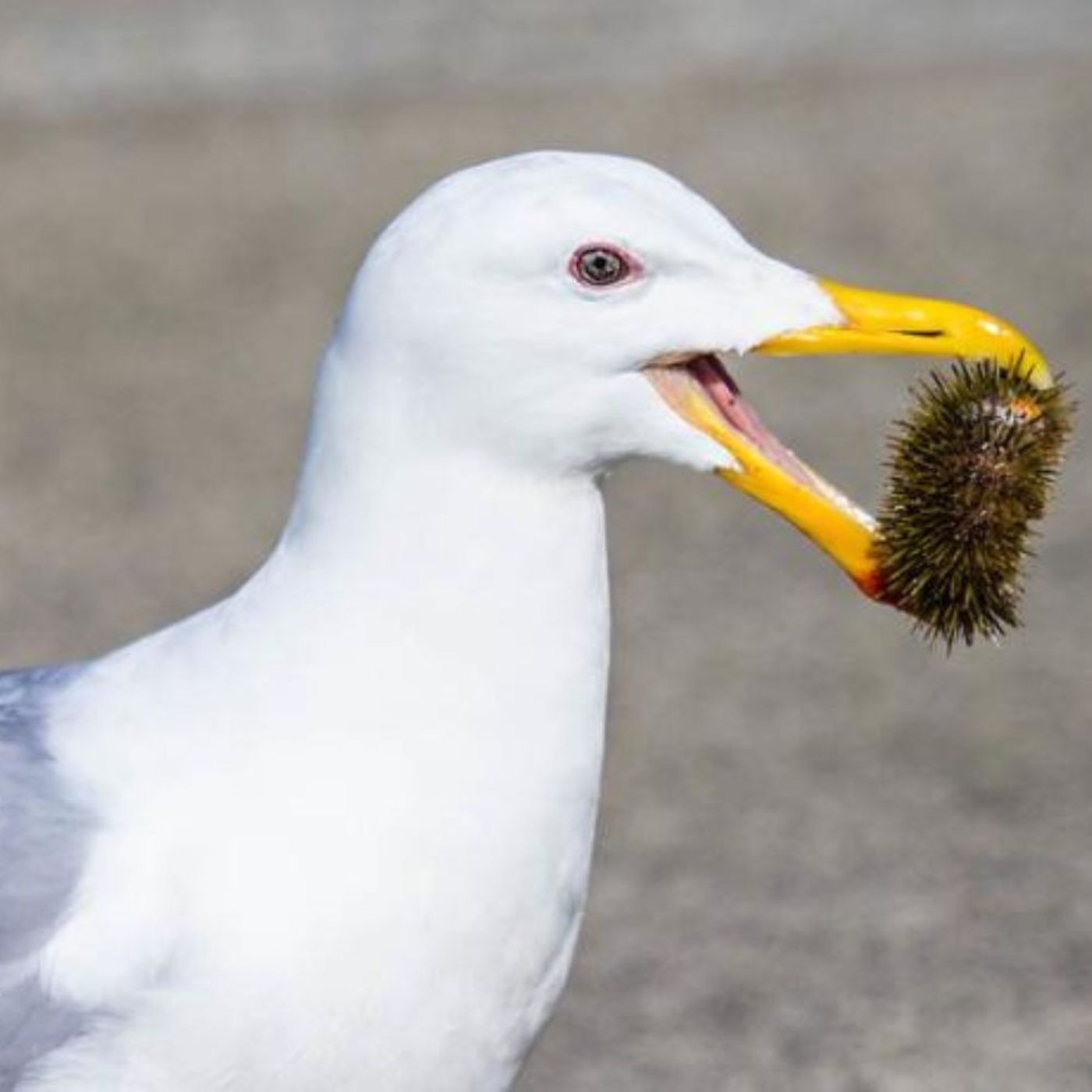
Birds in Summer — the Heat of the Day
Just a few weeks past the solstice, and the real heat of summer is yet to come. Some shorebirds are already on their way south, but most songbirds will be here for a while longer. What's the best time of day to look for them? Many birds are most active in the early morning, taking advantage of the abundance of insects at that hour. Midday heat sends people inside, and birds take a siesta, too. And
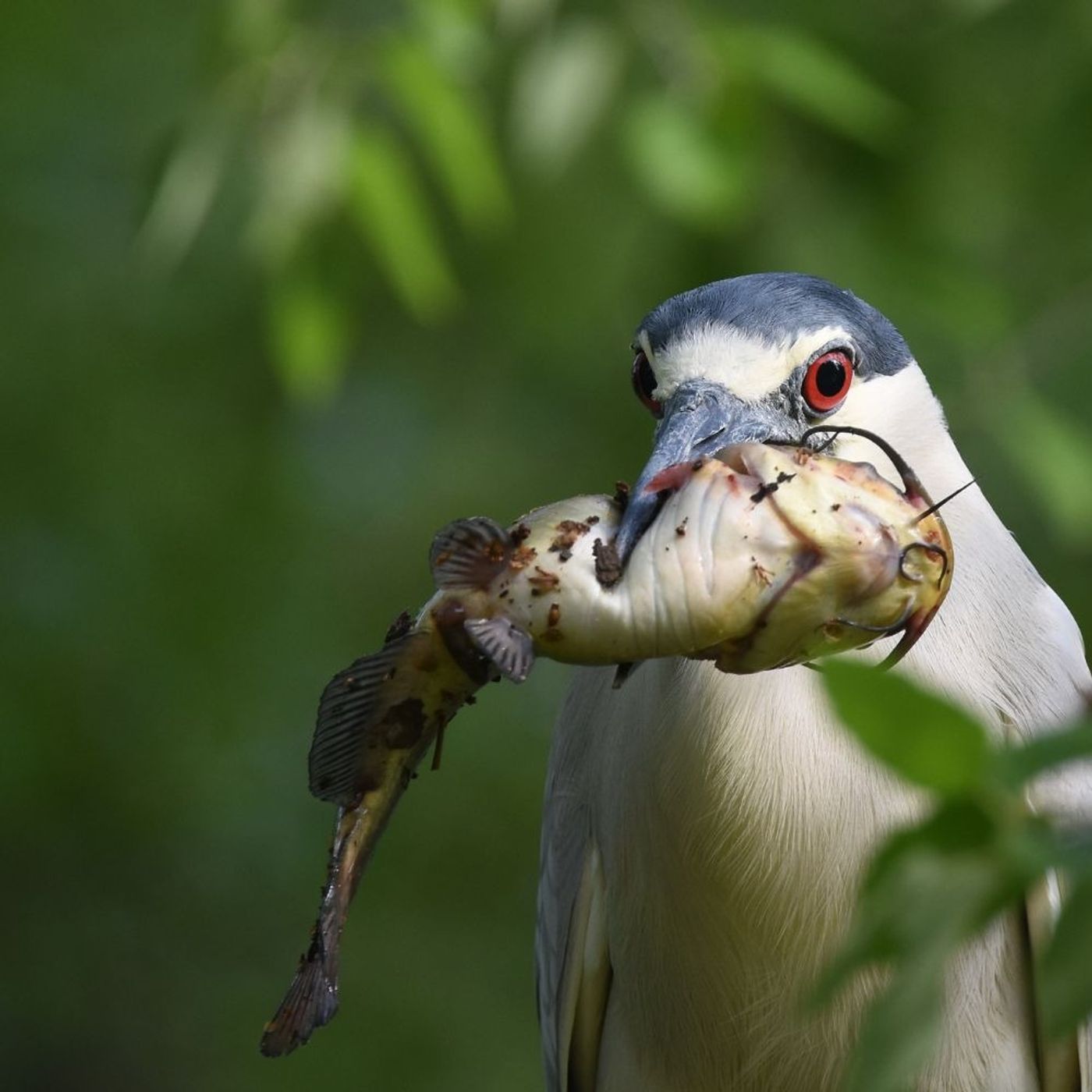
Zoos as Night Heron Habitats
Zoos can be great places to see birds, and not just in an aviary – wild birds sometimes feel right at home in these urban green spaces. For example, Black-crowned Night Herons love nesting near bodies of water where they can catch fish, frogs, and other prey. They may find that the pond within a crocodile exhibit is also the perfect spot for a rookery! Next time you visit a zoo near you, keep an e
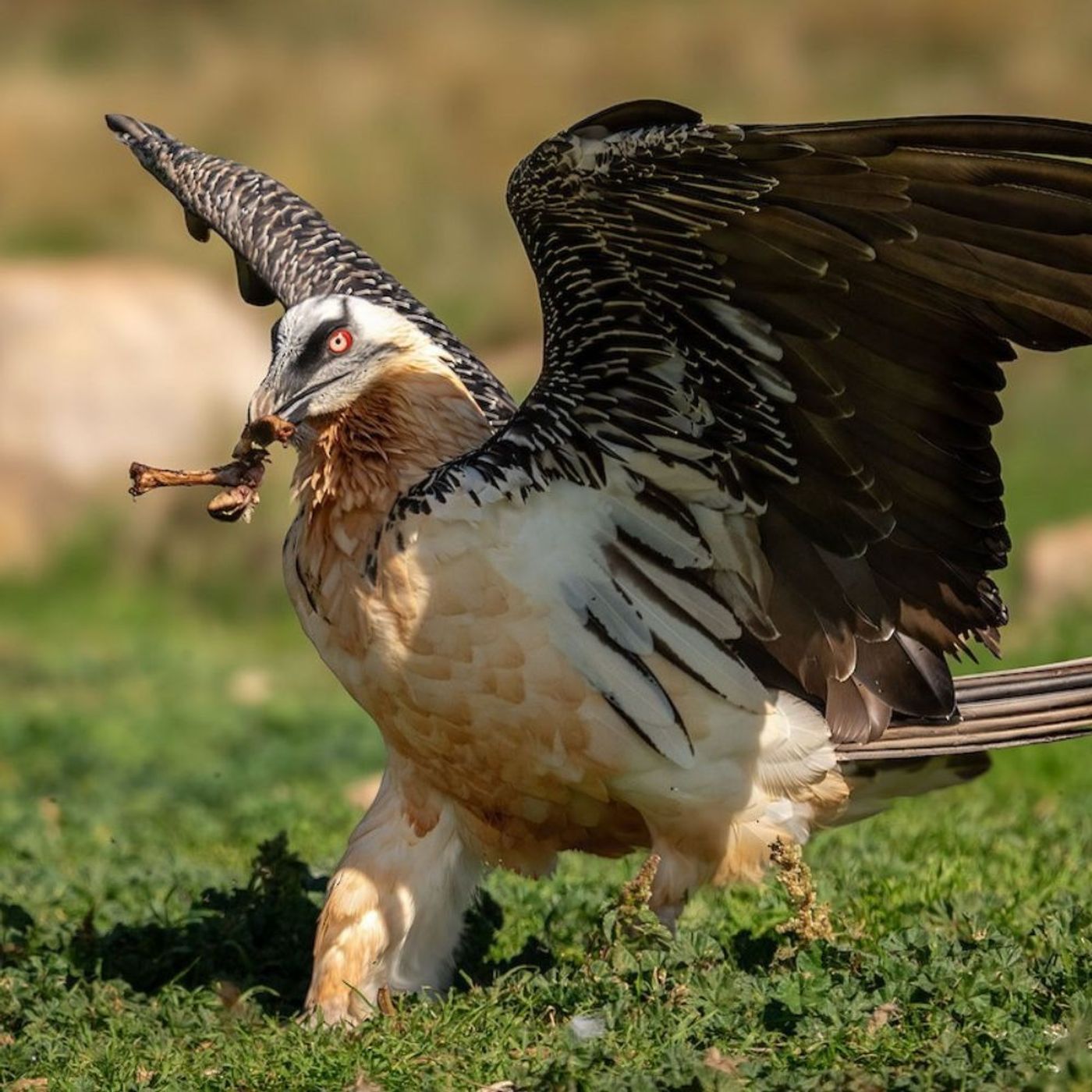
Bearded Vulture Nests Are Natural Museums
Bearded Vultures have lived alongside humans for thousands of years. Though these majestic raptors are mostly found in Asia and Africa today, they were once abundant in Europe, too. While Bearded Vultures have vanished across much of their original range, their nests remain like time capsules of a bygone era. Researchers analyzed historical nests in southern Spain where the birds haven’t been seen
Recommended

Fantasy Flex

زن بودن

Medicine with Meaning

Yours Truly Johnny Dollar Collection

Take Back Your Health®

CBS Radio Mystery Theater | Old Time Radio

Solved Murders - True Crime Stories
紐約鳥|New York Aperture

The Swerve Podcast: Obscure Topics | Conspiracy Theories

The Bread and Banter Podcast

The Church of What's Happening Now: The New Testament

Busted Open
