VoxTalks Economics
Learn about groundbreaking new research, commentary and policy ideas from the world's leading economists. Presented by Tim Phillips.
Episodes

S9 Ep58: Not wearing Prada
Since March 2022, it has been harder to buy an iPhone in Russia, because Apple chose to stop selling there. So did Prada, Renault, Starbucks, Nike and more than 1,000 other firms. These private sanctions added to the official sanctions imposed by 45 countries.Beata Javorcik (EBRD, Oxford, CEPR) and her co-authors wanted to know if private sanctions did anything more than generate good headlines.

S9 Ep57: Merit, masters and China's imperial exam
For more than 1,300 years, China chose its top officials by written exam. Its top officials were chosen meritocratic ally -- or were they?When the results came out, each successful candidate went to pay his respects to the men who had marked his exam. He called the examiner master, and the bond lasted for life.Ruixue Jia (UC San Diego, CEPR) and her co-author Ying Bai followed 24,269 graduates of
S9 Ep56: Decoupling from China after Trump's Trade Wars
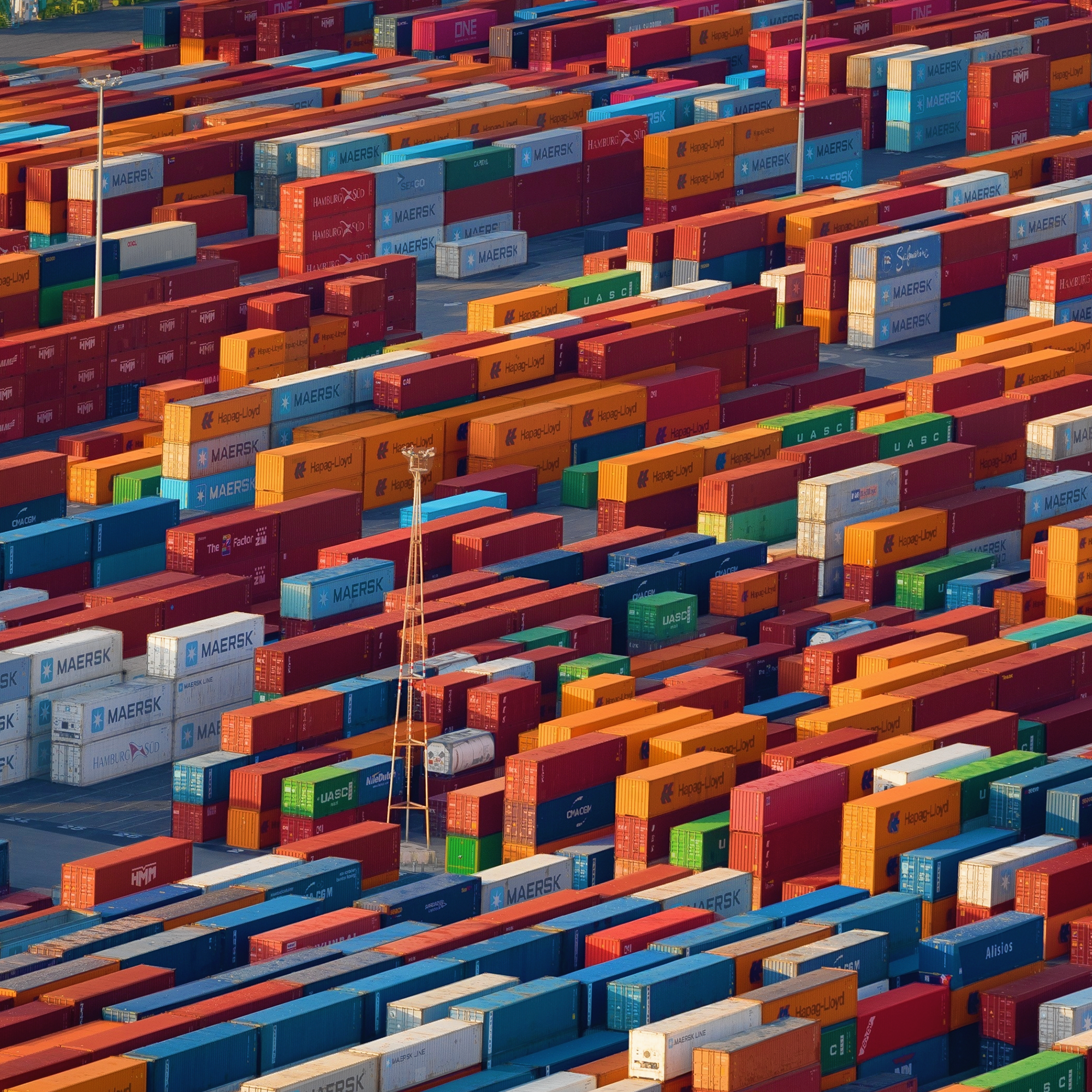
In March 2025, Apple chartered cargo flights to deliver 600 tonnes of iPhones from India to the United States. A year earlier, four in five smartphones that imported to the US came from China. One of the aims of US trade policy has been to decouple the US economy from China. So is the strategy working? Chad Bown (PIIE, CEPR) tells Tim Phillips how he examined the US import data product by product
S9 Ep55: Loosening inheritance law
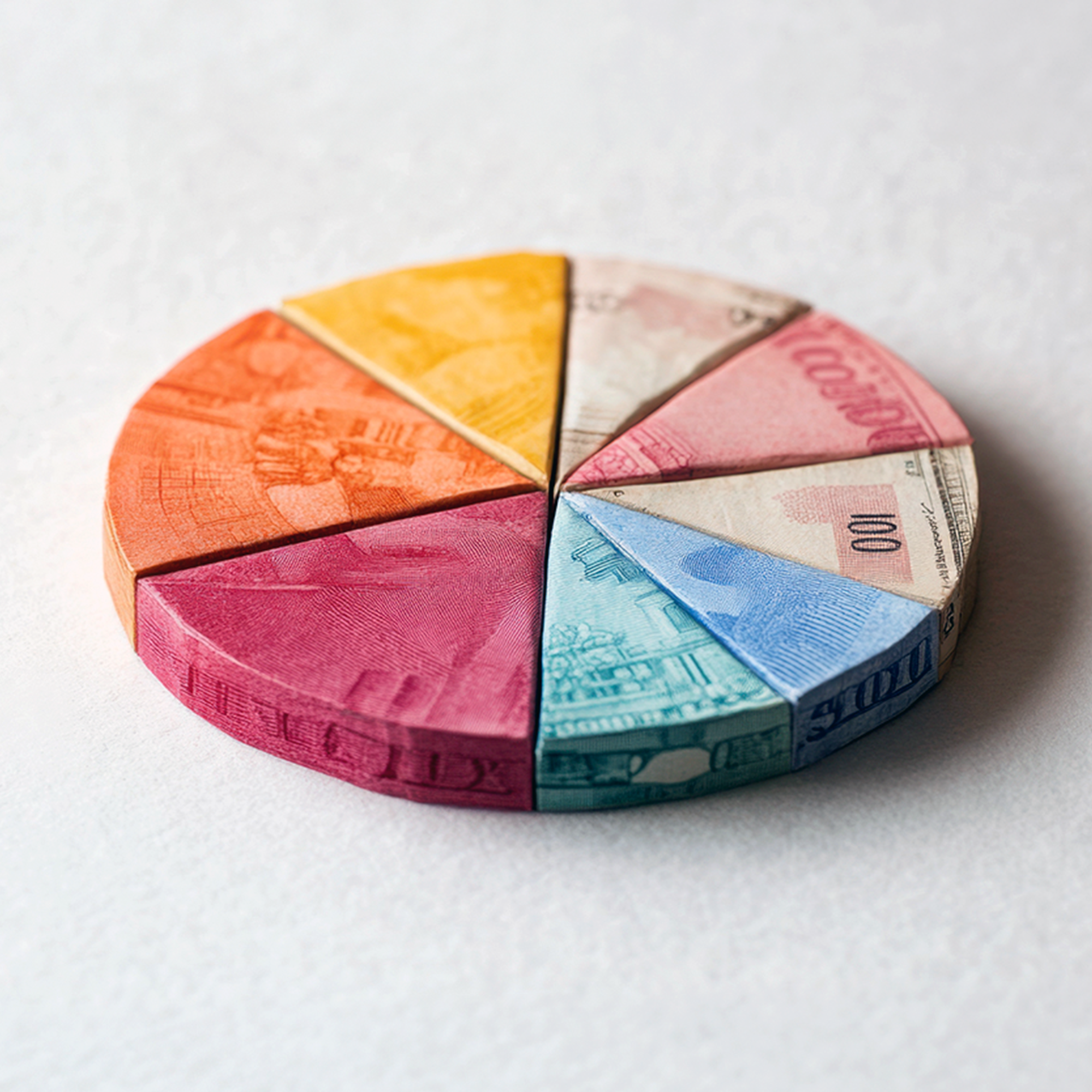
In most of the world you do not get to choose who inherits your money. Across continental Europe, Latin America, and countries governed by Islamic law, a minimum share of your estate will be reserved for your children, your spouse, and in some places your surviving parents. Write a will that ignores them and the law overrules you. If you want a head start in life, choose your parents carefully.Sw

S9 Ep54: Does sacking the manager work?
Your football team keeps losing. The season is slipping away. One thing can be changed by Friday, and the crowd is already singing about it: sack the manager.Jan van Ours (Erasmus School of Economics, CEPR, Feyenoord fan) has looked at seven seasons of the Dutch top flight and 31 managers who were sacrificed mid-season. To work out whether any of them deserved it, he uses bookmaker odds and expec
S9 Ep53: Lessons from Populism in Latin America
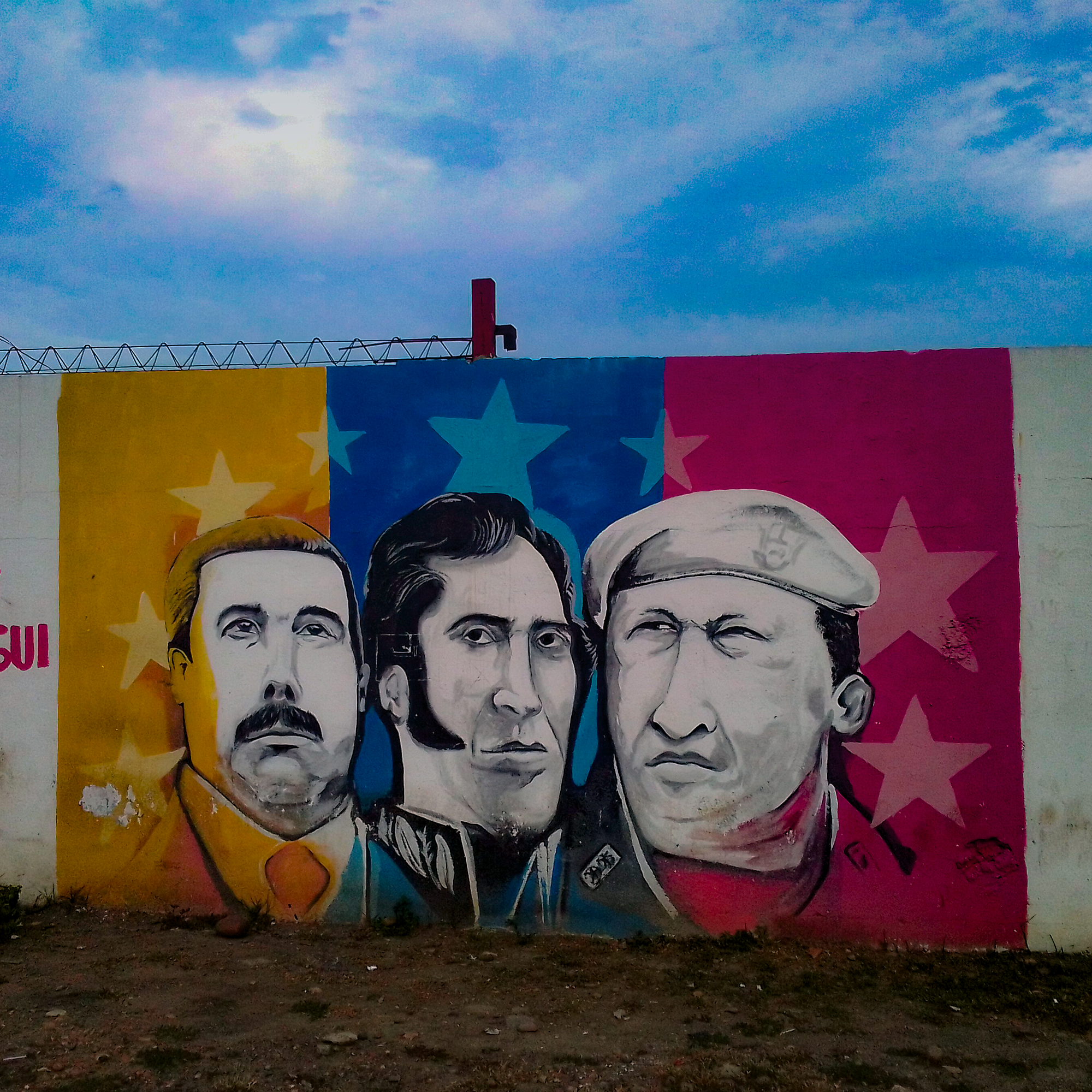
The new episode of VoxTalks Economics traces the effects of South Americans populism, left and right. Alejandro Werner (Georgetown Americas Institute) is one of the authors of a new paper that traces populist governments across Latin America back to 1970. He argues that they follow a strikingly similar script: they expand spending, weaken the institutions built to restrain them, and ride the wave
S9 Ep52: The Dollar Anchor Is Slipping
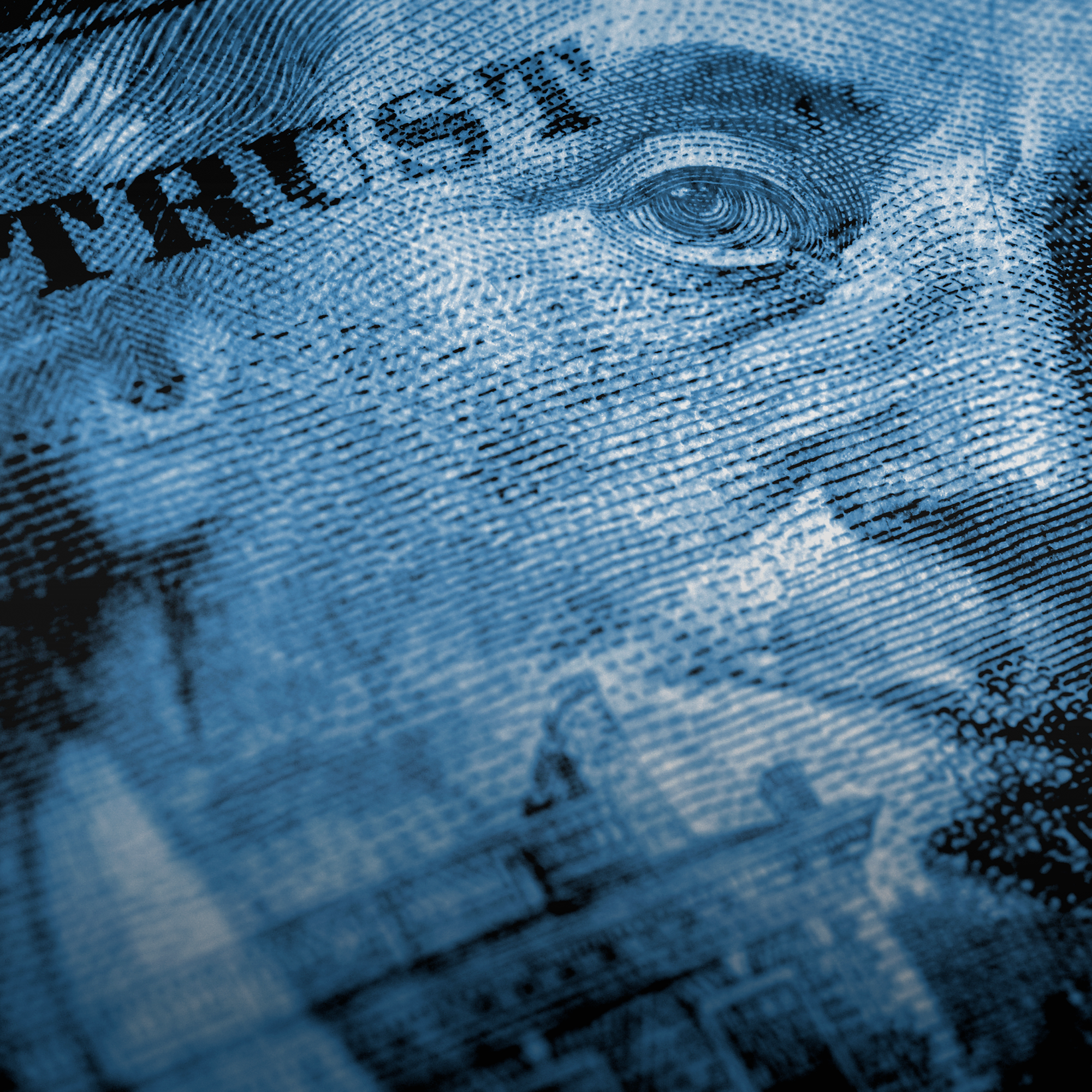
April 2025: Liberation Day. President Trump announces sweeping new tariffs. And then, the dollar did something a safe haven currency is not supposed to do: it fell.Tarek Hassan (Boston University, CEPR), working with Thomas Mertens, Jingye Wang and Tony Zhang, has been investigating what makes a currency the global anchor. Being the world's biggest economy helps, but what really matters is how fa
S9 Ep51: Fiscal Populism and Monetary Policy
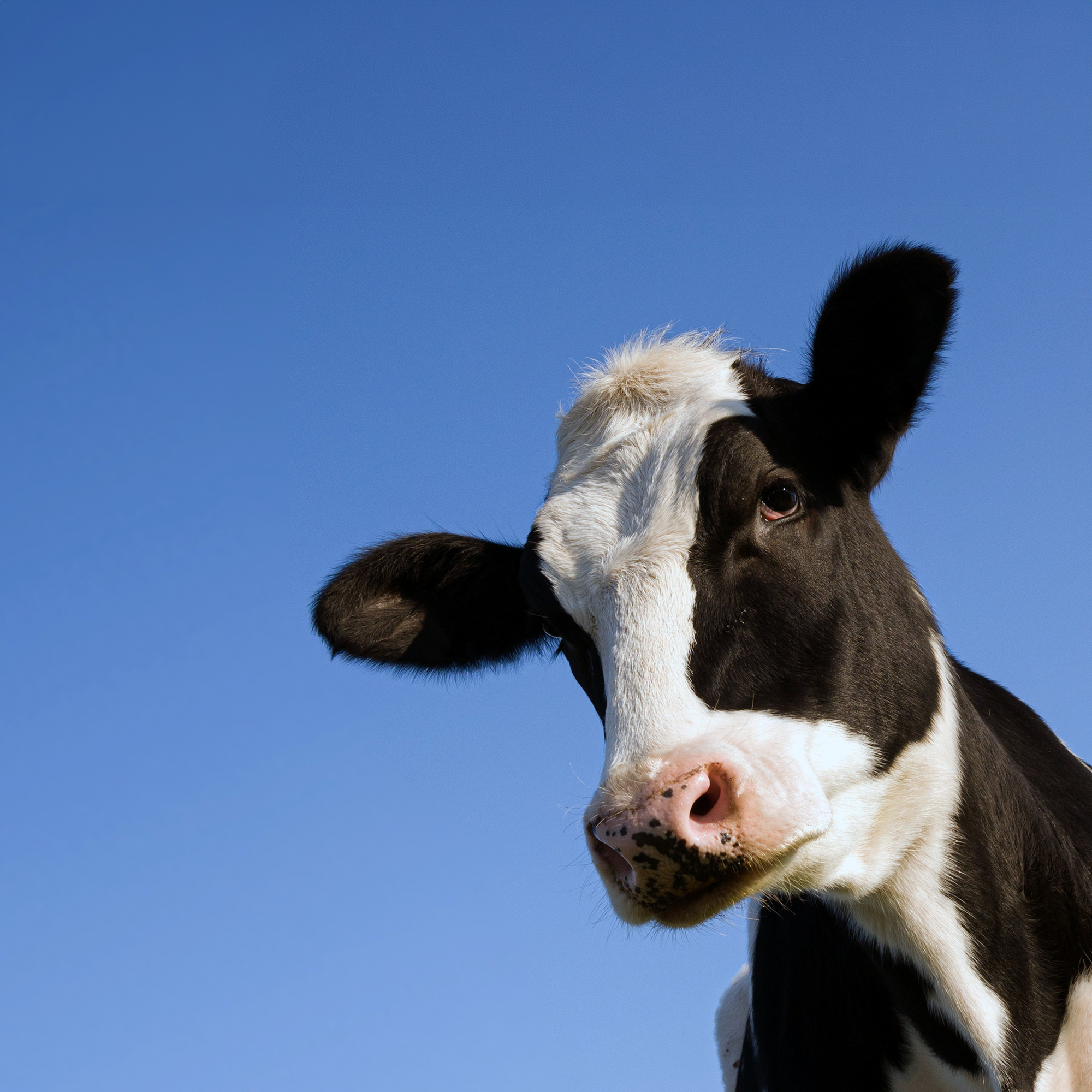
There is a saying in Spanish: get burned by hot milk, and the sight of a cow makes you cry. New research implies that, decades after a populist government leaves office, the central bank it once tried to control is still flinching.Martín Uribe (Columbia) and Nicolás Magud (IMF) have investigated the long-run effect of populist governments that leaned on their central banks to print money and feed
S9 Ep50: Tariffs, Uncertainty, and the Exchange Rate
Textbook economics says a tariff should strengthen a country's currency. Since the start of 2025, as US tariffs rose ... and the dollar fell.In the first of four episodes of Voxtalks based on papers presented at the second Economic Policy: Papers on European and Global Issues conference, Alfonso Merendino (Bocconi University) and Tommaso Monacelli (Bocconi University, CEPR) tell Tim Phillips what
S9 Ep49: Combatting sexual harassment in the military
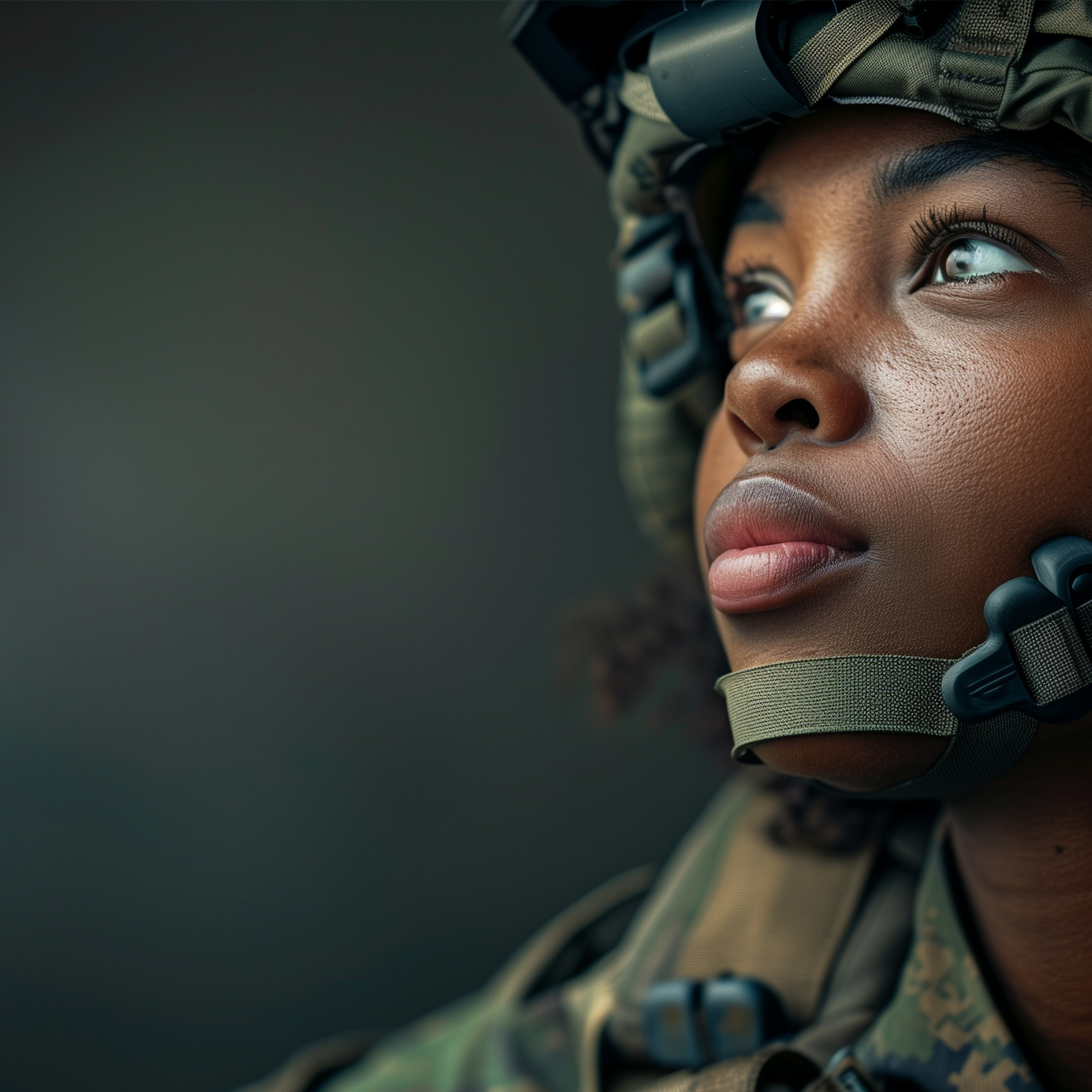
Norwegian conscripts arrive at boot camp straight out of school. They are assigned at random to a shared room and they live in it for the next eight weeks. Whatever the culture of that room turns out to be, they are stuck with it.We know that the military everywhere has a poor record on sexual harassment. Johanna Rickne (Stockholm University, CEPR) and her co-authors wanted to reduce its acceptan

S9 Ep48: What price to save Japan's ghost towns?
In the oldest Japanese municipalities, close to half the residents are already over 65. As young people move to cities, the retailers close, then the clinics, then the bus that used to reach the next town. Rural Japan is not simply ageing: it is emptying.Elisa Giannone (CREI, CEPR) and her co-authors have analysed Japan's 1,741 municipalities from 1980 onwards. The oldest quarter of them lost aro

S9 Ep47: The Next Generation: PSE 2026
Travel broadens the mind. So the Voxtalks visits a conference, we find the most interesting research from economists just starting out, and hand three of them a microphone. Ad that is today's episode, recorded at the CEPR Paris School of Economics Policy Forum 2026.Listen to hear three findings that undercut conventional wisdom. Guido Lamarmora (University of Nottingham) argues that the usual pol
S9 Ep46: Absorbing shocks since 1891
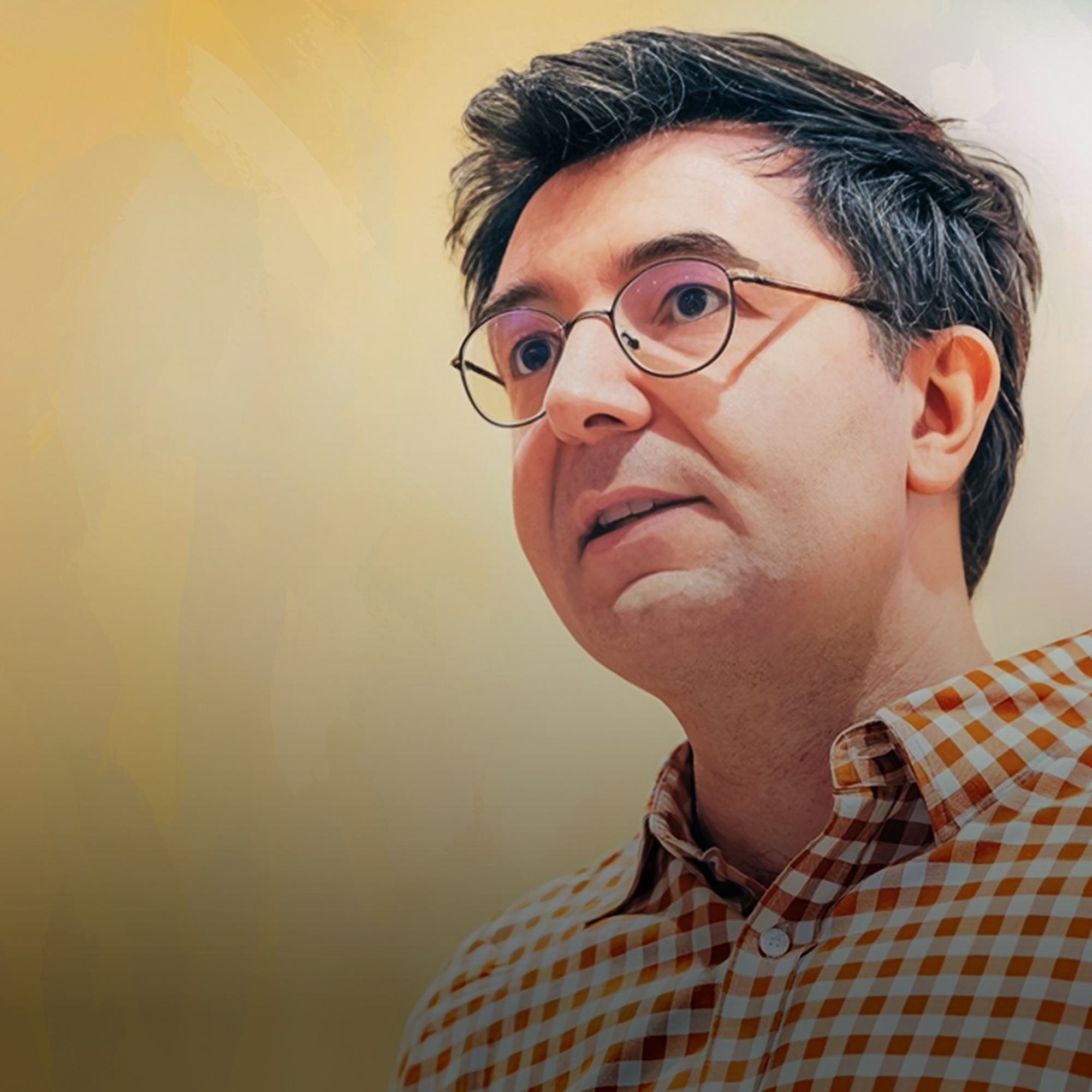
Recorded at the PSE-CEPR Policy Forum 2026.A country wants a stable exchange rate, it wants money to move freely across its borders, and it wants to set its own interest rates. It's a well-known trilemma. Central bankers must pick any two, because you cannot have all three. History, it turns out, did not read that memo.Eric Monnet has spent years reading the balance sheets that central bankers ke

S9 Ep45: Tariff Confusion
If you run a business that exports to the United States, how big is the tariff you have to pay? In 2025 that question was hard to answer. Between February and December, 53 separate announcements introduced, delayed, reinstated or changed US tariffs, with different countries and products pulled in or exempted each time.Kalina Manova (UCL, CEPR) and her colleagues built a database of every one of t
S9 Ep44: How superpowers shape trade
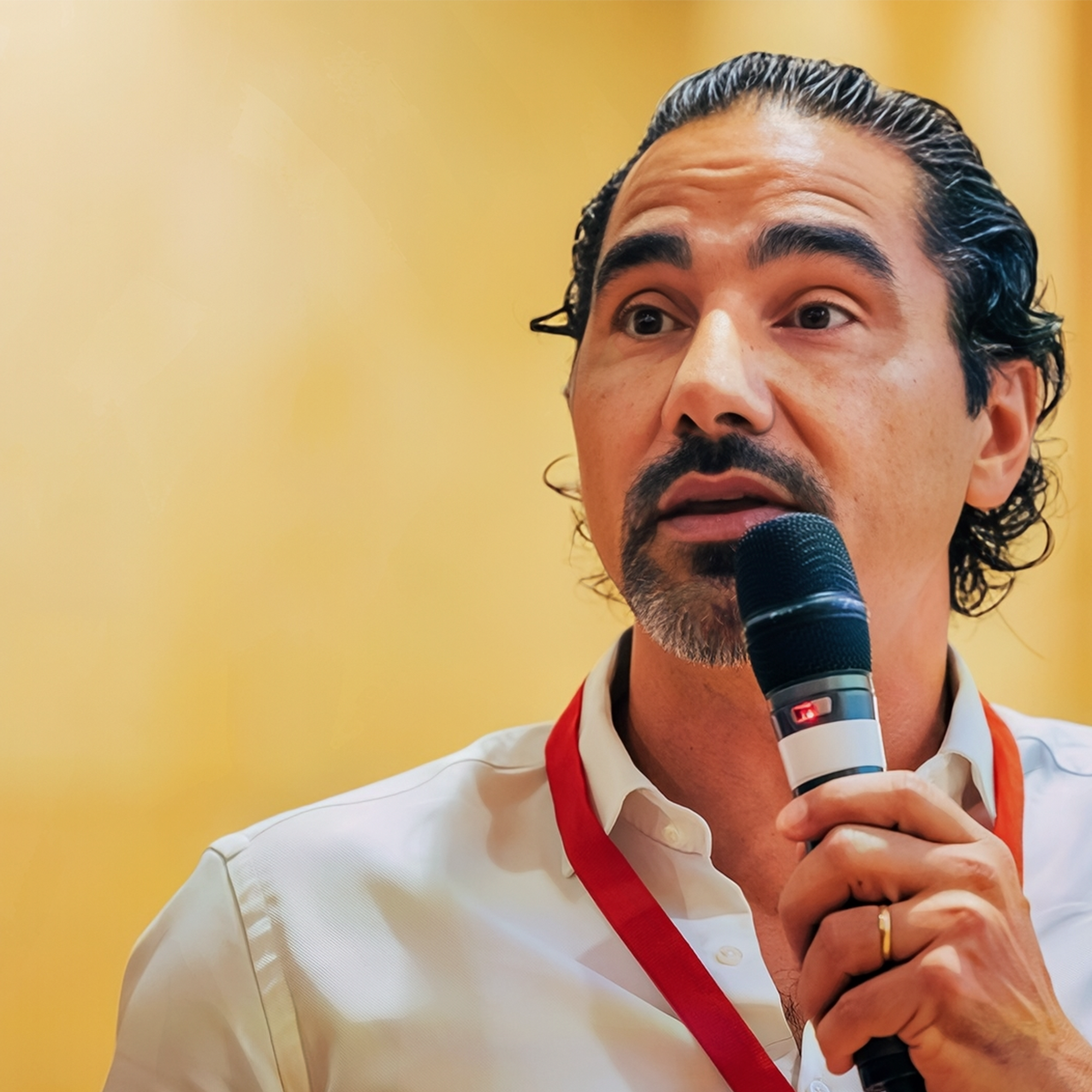
Recorded at the PSE-CEPR Policy Forum, Paris School of Economics.Tariffs move trade around, but so does economic power. When one economy dominates, other countries fall into step with it. They trade with the dominant economy, and also with each other. Alberto Martin (Barcelona School of Economics, CEPR) is one of a team that has tracked the influence of hegemons, large dominant economies, on trad
S9 Ep43: Navigating industrial policy
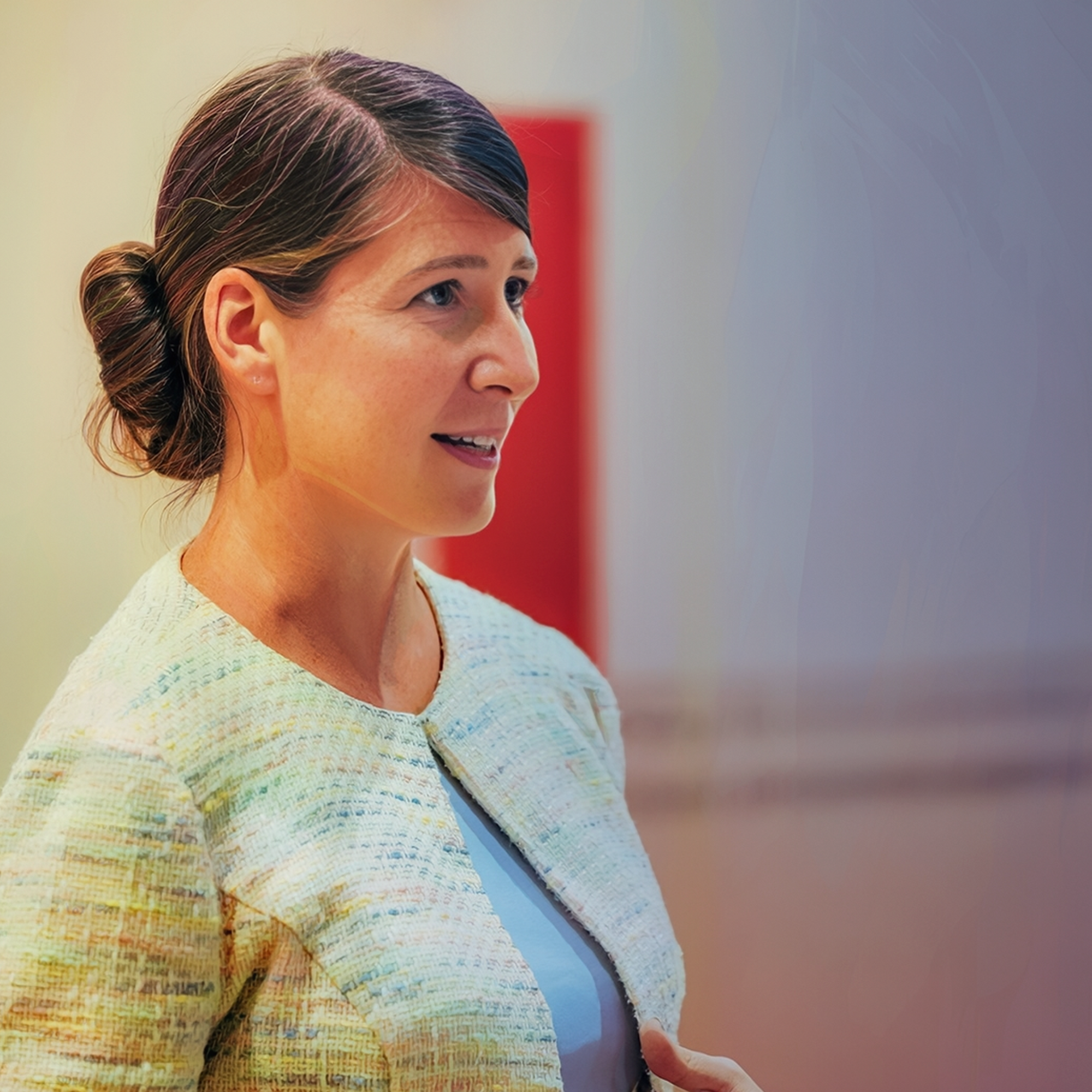
Recorded at the PSE-CEPR Policy Forum, Paris.In 2019 the IMF called the increasing adoption of industrial policy: "The return of the policy that shall not be named". No one is scared to name it in 2026. Governments in rich and poor economies alike are intervening to change what their countries produce, and the pace has picked up sharply.Zsóka Kóczán (EBRD) was one of the leads on the Transition R

S9 Ep42: The Safety Paradox
Recorded at the PSE-CEPR Policy Forum, Paris School of Economics, June 2026.In 1941 the United States banned oil exports to Japan, to punish aggression without fighting a war. Historians now argue the embargo did the opposite, and hastened Japan's entry into the war.Isabelle Méjean (Sciences Po, CEPR) calls this "The safety paradox". Trade between rivals makes war more expensive. Cut that trade t

S9 Ep41: Making teenagers read newspapers
French teenagers carry a smartphone with access to almost anything, but few of them have been using it to read the news.Julia Cagé (Sciences Po, CEPR) ran an experiment to test the one barrier everyone assumes matters most: the price of a newspaper. She and her co-authors gave free digital subscriptions to Le Monde and media education to thousands of French high school students for a year, and th

S9 Ep40: Are net zero commitments greenwash?
Sixty-three percent of large companies worldwide had made a net zero commitment by 2023, up from close to none in 2018. But if the target date is 2050, that's several corporate lifetimes away, and the planet needs emission reductions today. What actually changes in the boardroom when a pledge is signed?Simon Dietz (LSE, CEPR) has tracked climate management practices and emissions at nearly 2,000

S9 Ep39: Europe in 2050
Recorded at the Paris School of Economics-CEPR Policy Forum 2026. Europe is under attack from the US, and under a different kind of attack from China.That is Olivier Blanchard's diagnosis. Blanchard (MIT, Paris School of Economics, Peterson Institute) is one of four economists leading Europe 2050, a new CEPR initiative asking where Europe wants to be in 25 years, and how it gets there. Blanchard'
S9 Ep38: Europe in the Middle
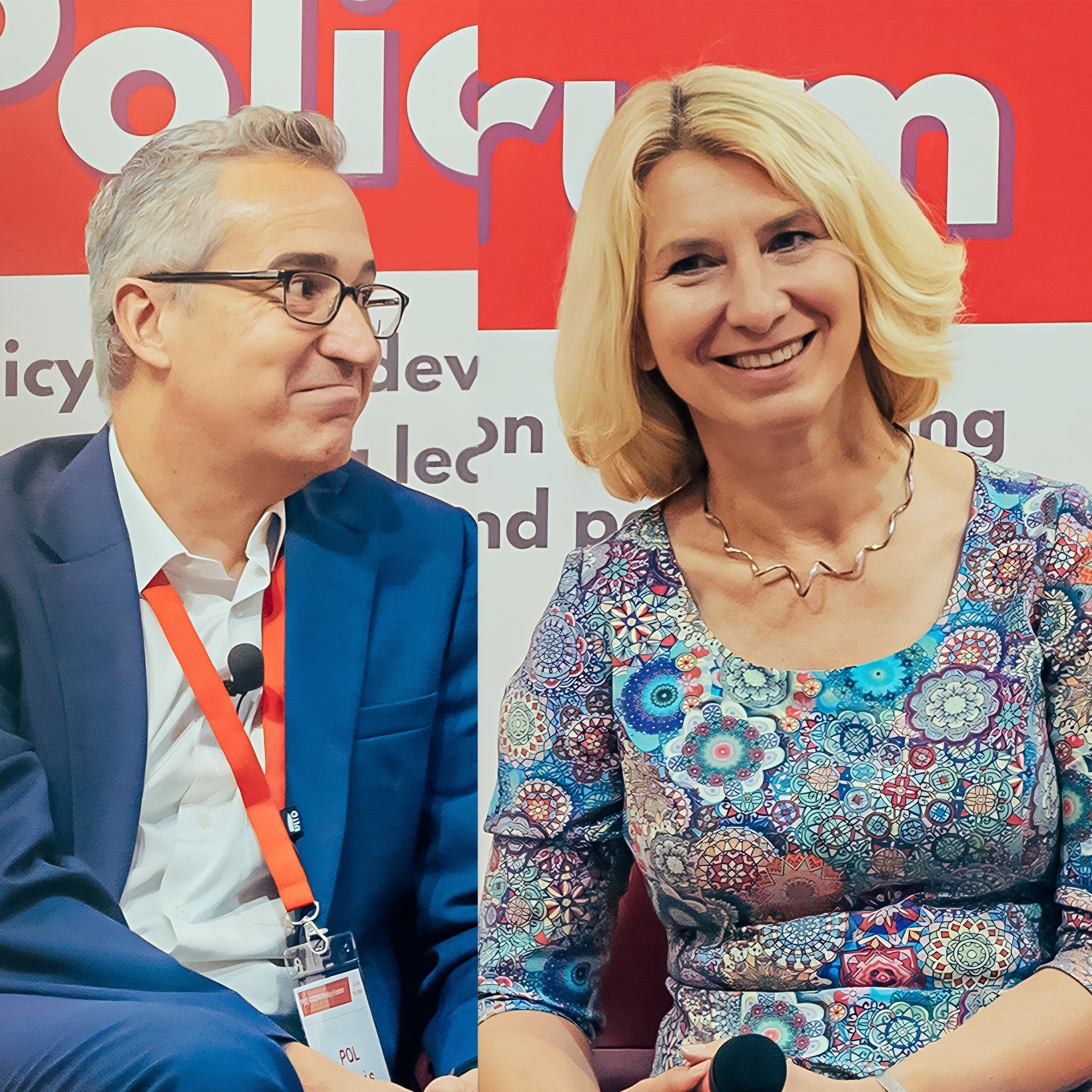
China cannot sell as much as it used to in the United States. That trade has to go somewhere, and somewhere might be Europe.In this week's VoxTalk, Tim Phillips asks Pol Antràs (Harvard) and Beata Javorcik (EBRD, Oxford) what this means for European producers and consumers.Antràs and Andrea Presbitero have mapped which countries and sectors face the sharpest competition from redirected Chinese ex
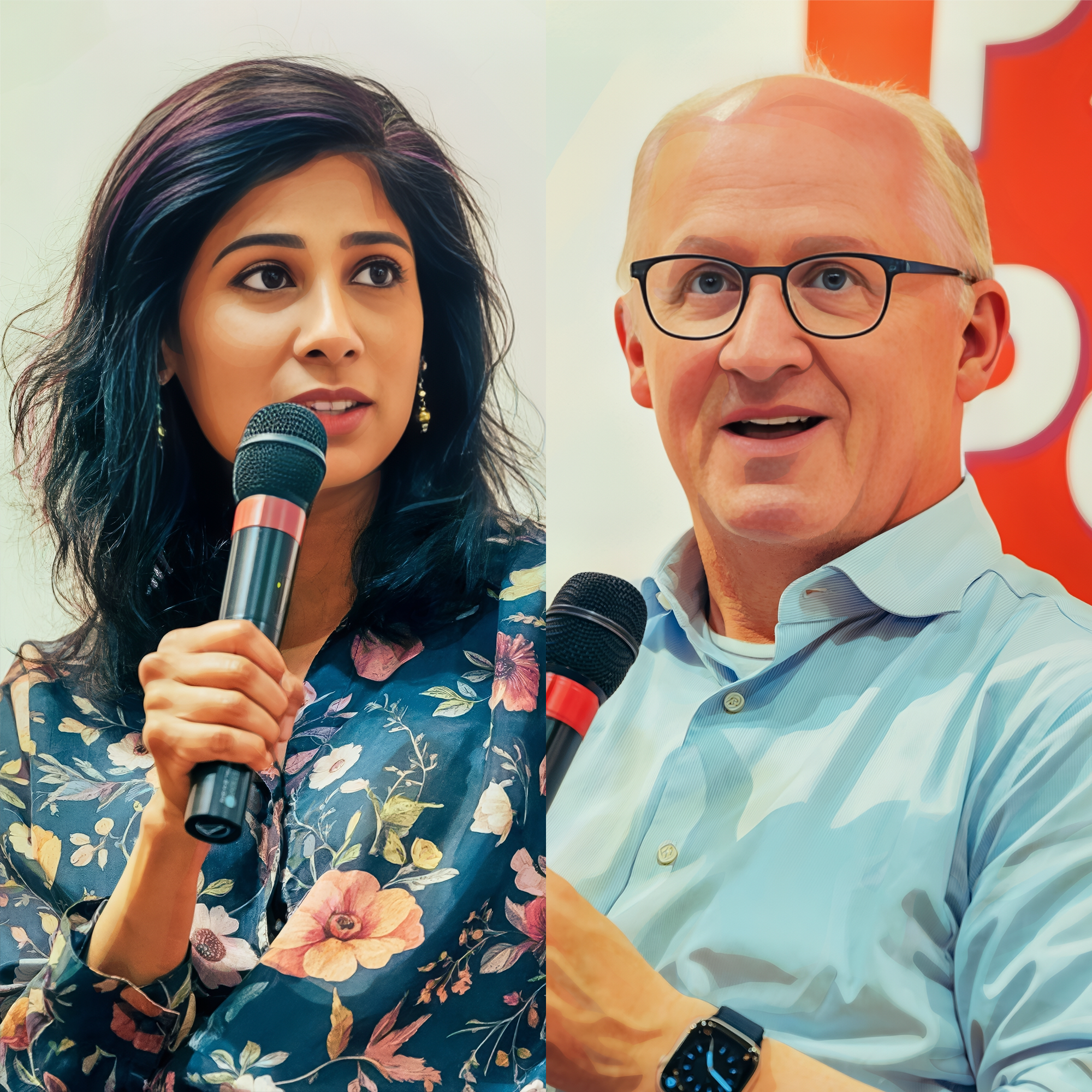
S9 Ep37: Addressing Global Imbalances
Episode recorded on 19 June 2026 at the PSE-CEPR Policy Forum in Paris.Twice before, the world's savings and debts have piled up in the wrong places, and twice the imbalance broke something. The first time it took the Plaza Accord to fix it. The second time it took a global financial crisis.Now we are in a third wave. Gita Gopinath (Harvard, former IMF Chief Economist and First Deputy Managing Di

S9 Ep36: Helping the over-50s find work
Lose your job at 25 and someone will help you find another. Lose it at 55 and the talk quietly turns to how you might wind down towards retirement.Policymakers tend to assume job search training works for the young and not the old, so they rarely spend money trying. Bas van der Klaauw (Tinbergen Institute) thinks they got that wrong.In this week's VoxTalks Economics, he tells Tim Phillips about a
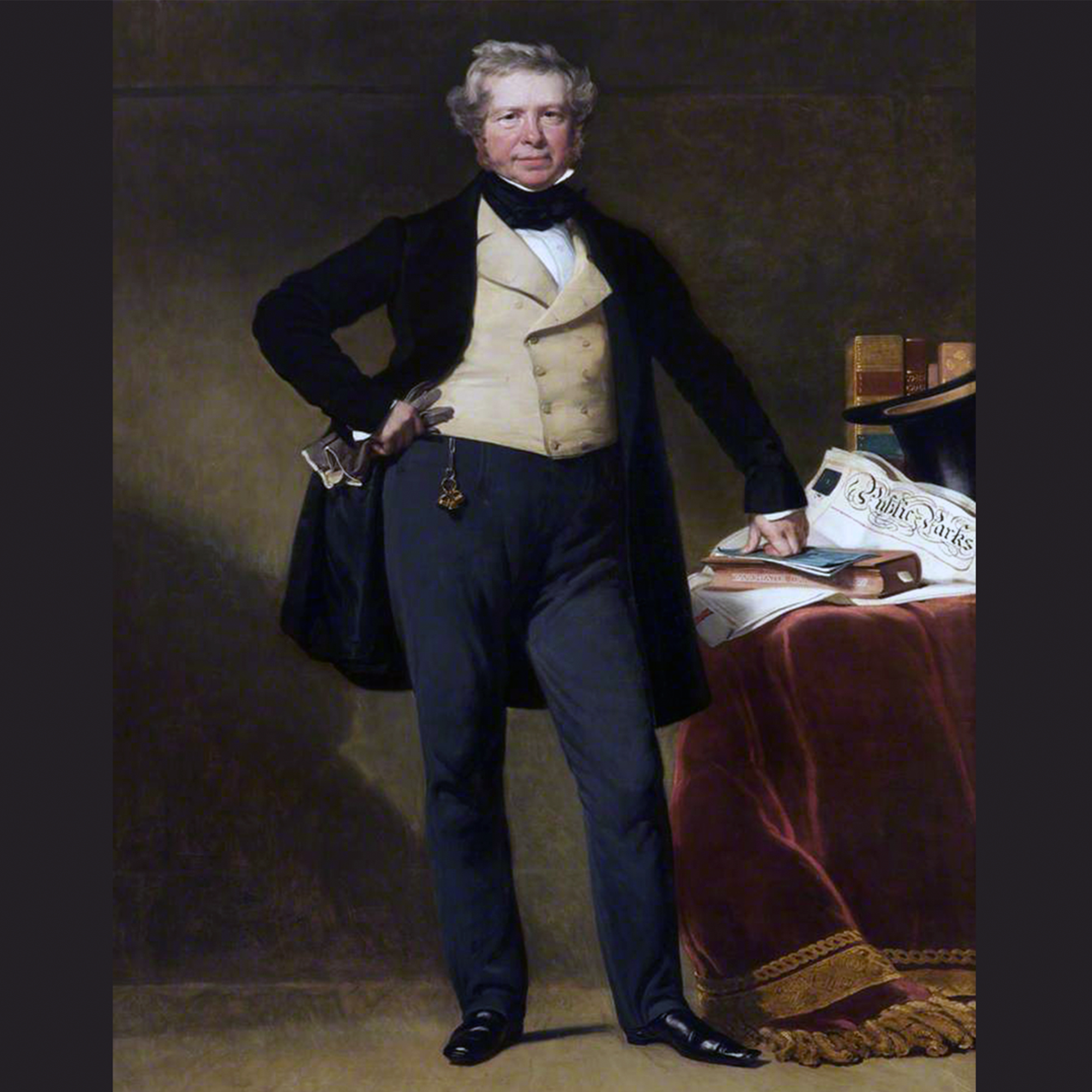
S9 Ep35: The success of the embedded state
Who kept the courts sitting and the streetlights lit when the state had almost no money to pay anyone?Two hundred years ago, British local government ran on unpaid labour. In a parliamentary survey of the boroughs from 1835, two in three of the people doing local government work were not paid at all.James Robinson (University of Chicago, CEPR) explains how this succeeded in this week's episode of

S9 Ep34: Making defence spending pay
Defence spending is rising whether voters like it or not. The UK has committed to 2.5% of national income and aims for nearer 3.5% over the next decade, £30bn a year for each percentage point. What does the country get back? Can defence spending be pro-growth?In this week's VoxTalk, John Van Reenen (LSE) argues that getting a return on investment based on innovation need not be left to luck. For
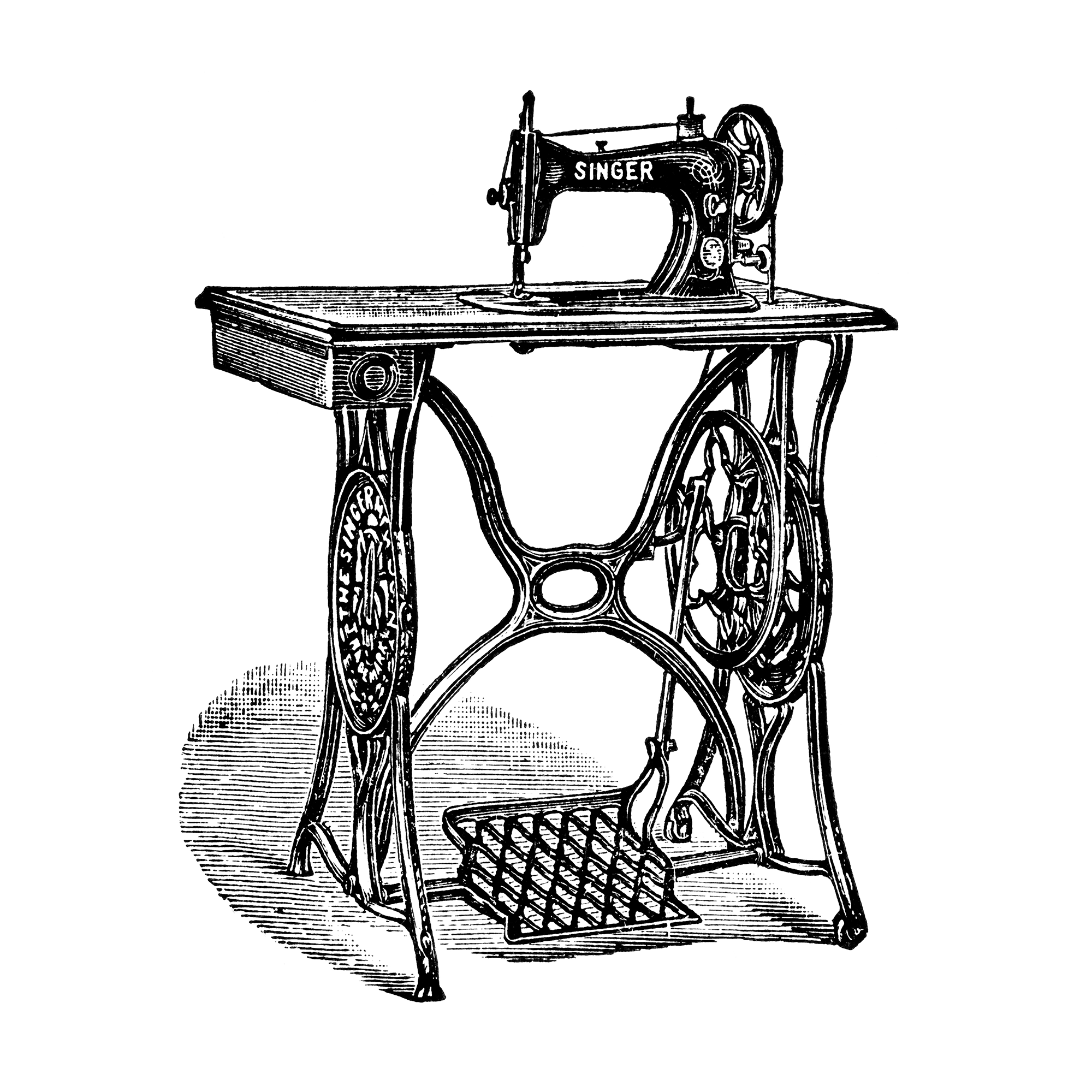
S9 Ep33: Did the sewing machine liberate women?
In January 1860 the New York Times gave its blessing to a new machine: the sewing machine. These "iron needle-women", it wrote, were the only invention that could be claimed “chiefly for women's benefit”. Sewing was women's work in the nineteenth century, rich or poor, and a machine could now do it in a fraction of the time. So did it set women free?Philipp Ager and Davide Coluccia have traced th
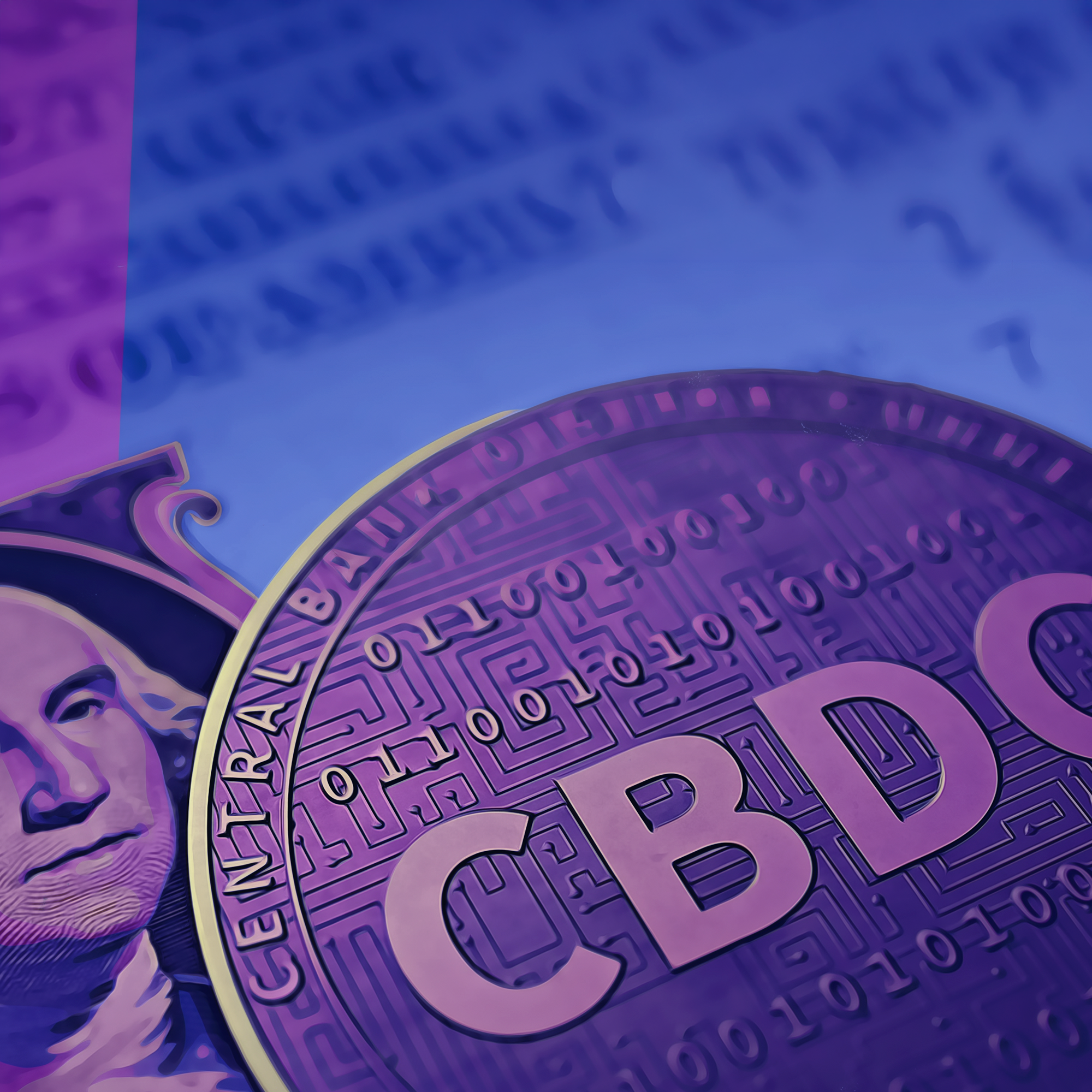
S9 Ep32: The digital money supply
Every day, billions of transactions settle between strangers who have no idea which bank the other uses. That lack of friction is not automatic. Nine-tenths of the money in daily circulation has been created by commercial banks, but it stays trustworthy only because central banks stand behind it, and keep the system in balance.In this week’s episode Tim Phillips talks to Stephen Cecchetti (Brande

S9 Ep31: How well does patent screening work?
Someone once held a patent on the swing. A piece of wood. Two ropes. The US Patent Office granted it. How often does that actually happen, and what does it cost when the system gets it wrong? Or, how often is a valid patent claim rejected?Until now, no one knew. Tim Phillips talks to Mark Schankerman of LSE and CEPR, who with co-authors William Matcham spent eight years building the tools to find
S9 Ep30: Redefining the monetary standard
The fiat money system has survived the Great Inflation, the global financial crisis, and a pandemic. But can it survive digital currencies?Bitcoin and the blockchain solved a genuine problem in computer science: how to stop people spending the same money twice. Forty years of successful inflation control means central bank money is stable; that is the stability in stablecoins, attempting to solve

S9 Ep29: Guns and Butter
Europe's NATO members have pledged 3.5% of GDP to rearmament. The political argument is already about which social programmes will be sacrificed to pay for this, when the government chooses guns instead of butter. What does history tell us about what politicians will do?Christoph Trebesch and Johannes Marzian spent four years assembling the Global Budget Database: 150 years of primary government

S9 Ep28: Immigration and integration in Europe
More than one in eight people living in the EU today was born in another country. In fourteen of the bloc's largest economies, it is closer to one in six. For ten years, the same team of researchers has asked what happens to those people next: do they find work, close the gap with their native-born neighbours, and build a settled life? The tenth Migration Observatory report is about to be publish
S9 Ep27: The right to choose to die
Content note: this episode discusses assisted dying, end-of-life choices, and suicide. Some listeners may find the content distressing.In April 2024, Daniel Kahneman — one of the most influential psychologists of the twentieth century — emailed his close friends to say goodbye. He was 90 years old, his kidneys were failing, his mental lapses were increasing, and he had decided it was time to go.
S9 Ep26: The public origins of American innovation
The standard story of American innovation features Silicon Valley, venture capital, and the heroic startup founder.When you trace the history of the internet, GPS, mass-produced penicillin, or the COVID vaccine, the starting point is not a term sheet but a government grant. How much does this matter, and can we measure it?Tim Phillips speaks to Paolo Surico of London Business School and CEPR who

S9 Ep25: Rebalancing the Chinese economy
In 2003, Premier Wen Jiabao warned that China's growth model was unbalanced between supply and demand, over-reliant on investment and exports. More than 20 years later, the imbalance is smaller — but China is vastly larger. What its economy produces and exports now moves global markets. The argument about China's external surplus is no longer just a spat between Beijing and Washington.Yiping Huan
S9 Ep24: Stablecoins and Global Imbalances
A radical macroeconomic experiment is under way at exactly the moment the US external position is showing signs of real stress.Gilles Moëc, Chief Economist at AXA, has written a chapter in the fourth Paris Report, published jointly by CEPR and Bruegel, on stablecoins: what they are, why the US government is so keen to promote them, and what risks they carry. His argument is that stablecoins are a
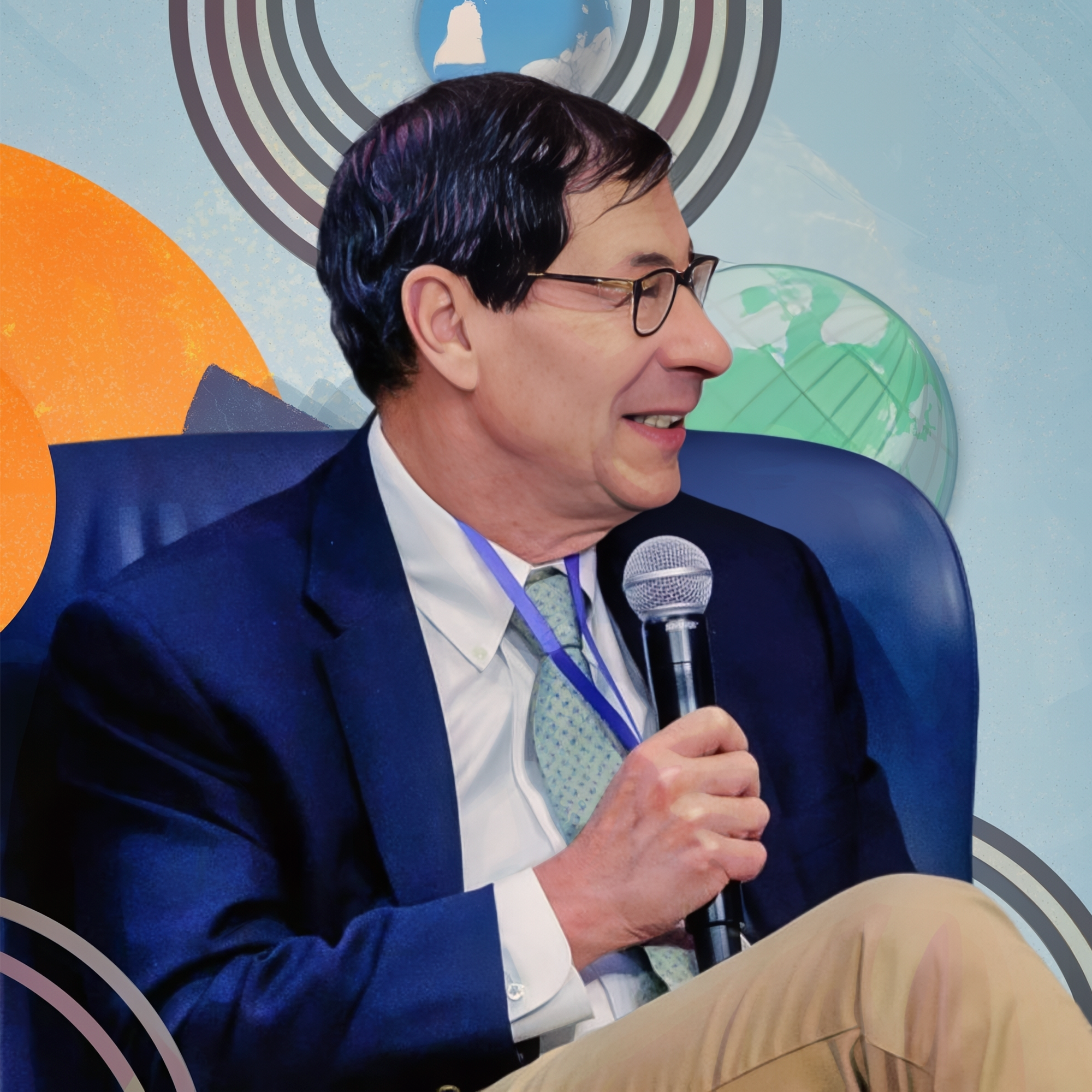
S9 Ep23: Global imbalances redux
Three times since the 1970s, global imbalances have grown large. In the 1980s, the US trade deficit ballooned under Volcker's tight money and Reagan's tax cuts and military spending. In the 2000s, a global savings glut and then a US housing credit boom pushed the deficit to 6% of GDP. Today, the imbalances are back. The US current account deficit stood at 3.9% of GDP in 2025. The policy medicine

S9 Ep22: World War Trade
On 2 April 2025, the United States imposed tariffs on almost every country on earth. The next day, China responded with export controls on the entire world. In the space of one week, world trade had been weaponised as it has never been in peacetime.Richard Baldwin of IMD Business School, the founder of VoxEU and a former president of the Centre for Economic Policy Research, wrote World War Trade

S9 Ep21: The Bank of England's capital mistake?
"When you look at the world now, does it look more uncertain or less uncertain?" In December 2025, the Bank of England's Financial Policy Committee (FPC) answered that question by cutting the equity capital requirement for UK banks. David Aikman (NIESR) and John Vickers (University of Oxford), two former senior Bank insiders who helped to design the regulatory framework post-GFC, think the commit
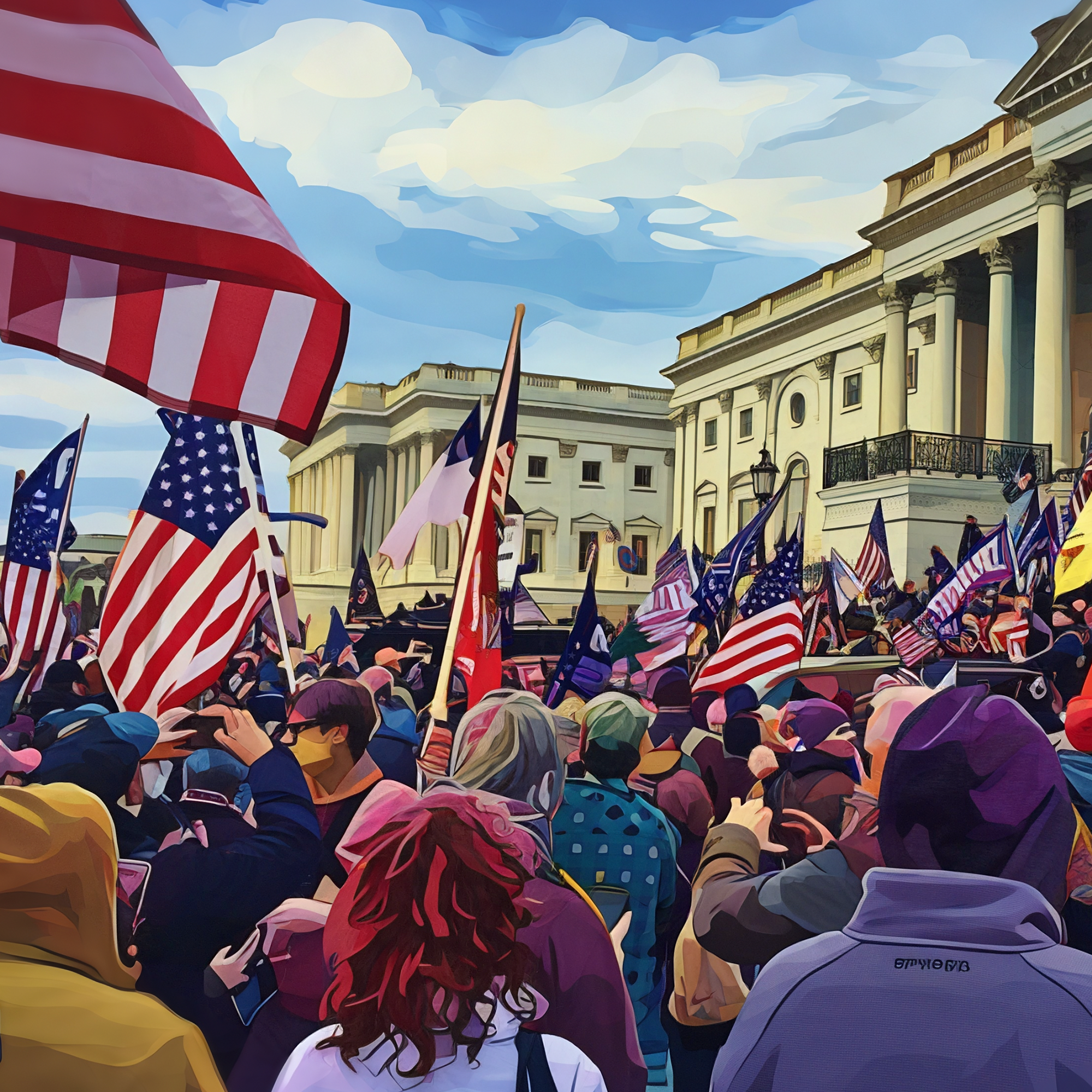
S9 Ep20: What triggered January 6?
Two explanations circulated immediately after the March to Save America on January 6, 2021 turned into a riot: a mob manipulated by a demagogue, or ordinary citizens defending democracy against a stolen election. Konstantin Sonin, David Van Dijcke, and Austin Wright have used anonymised location data from forty million mobile devices to investigate why the protests escalated so dramatically.No su

S9 Ep19: Can blockchain decentralise money, contracts, and finance?
Every Bitcoin transaction needs to be verified on the blockchain. There is no central authority that does this, but Bitcoin's blockchain has run uninterrupted since 2009 and now carries a market capitalisation of $1.3 trillion, roughly 4% of US GDP. Its original promise was more radical: that we do not need a trusted intermediary to spend money, write contracts, or create finance. In the fifth LT

S9 Ep18: Will AI transform economic growth?
Could AI transform our economies to produce explosive growth? Most economists are sceptical at best. Anton Korinek of the University of Virginia, leader of the CEPR research policy network on AI, thinks the threshold is closer than those models suggest.In his latest work, Korinek, Tom Davidson, Basil Halperin, and Thomas Houlden, have built a growth model that captures what happens when AI starts

S9 Ep17: Sanctions and financial repression
Financial repression forces banks and citizens to hold government debt on terms the market would never accept. Economists have called it distortionary for fifty years. It never went away.Oleg Itskhoki and Dmitry Mukhin study what happens when a government runs out of options. Their paper traces how Russia deployed financial repression in 2022 to survive the largest sanctions package in postwar hi
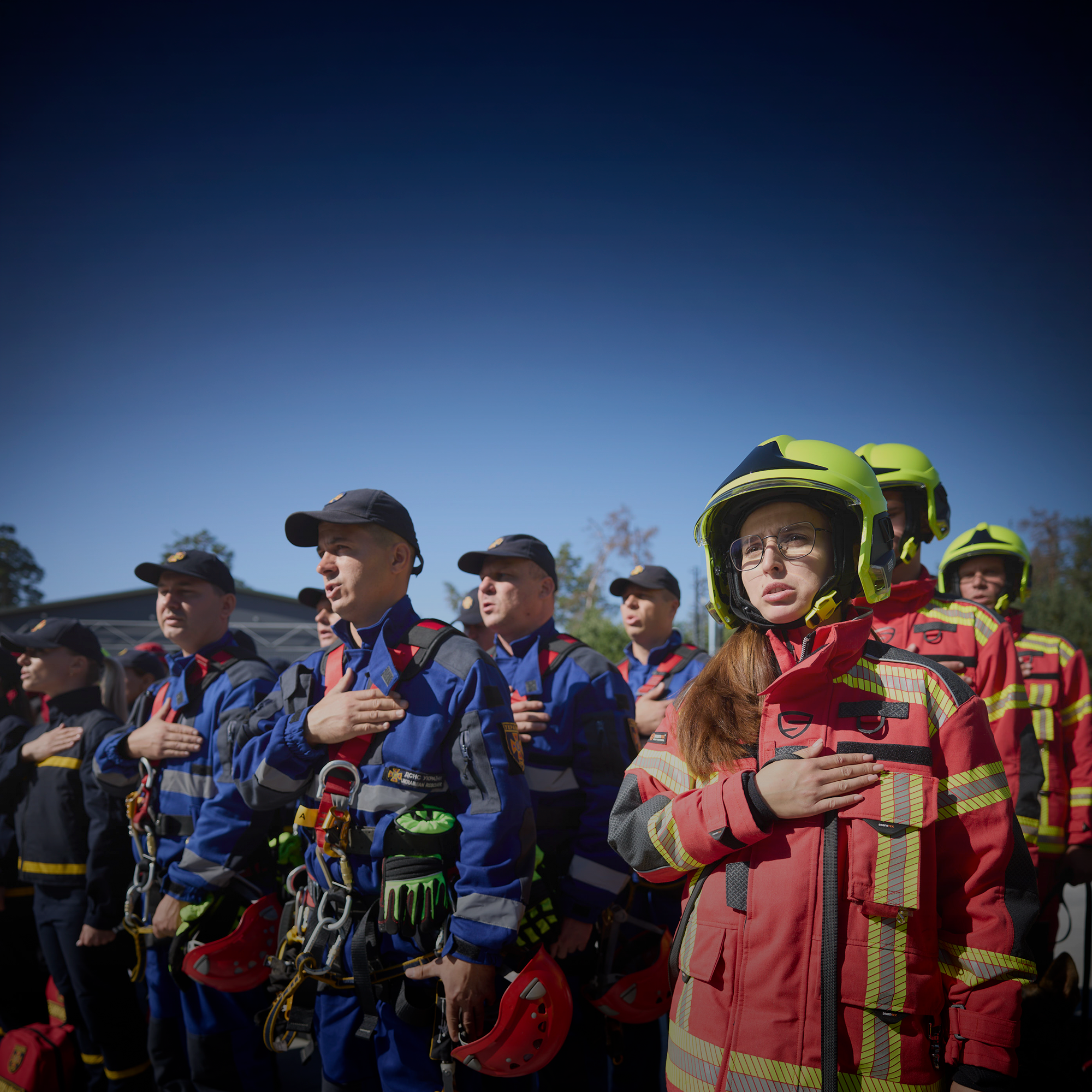
S9 Ep16: What's next for Ukraine: The labour market
Ukraine has lost close to a quarter of its civilian workforce since the invasion. Three and a half million workers left government-controlled areas: mobilised into the armed forces, displaced inside the country, gone abroad as refugees, or killed. Giacomo Anastasia, Tito Boeri, and Oleksandr Zholud draw on an unprecedented wartime dataset to document how Ukraine's labour market adapted under that
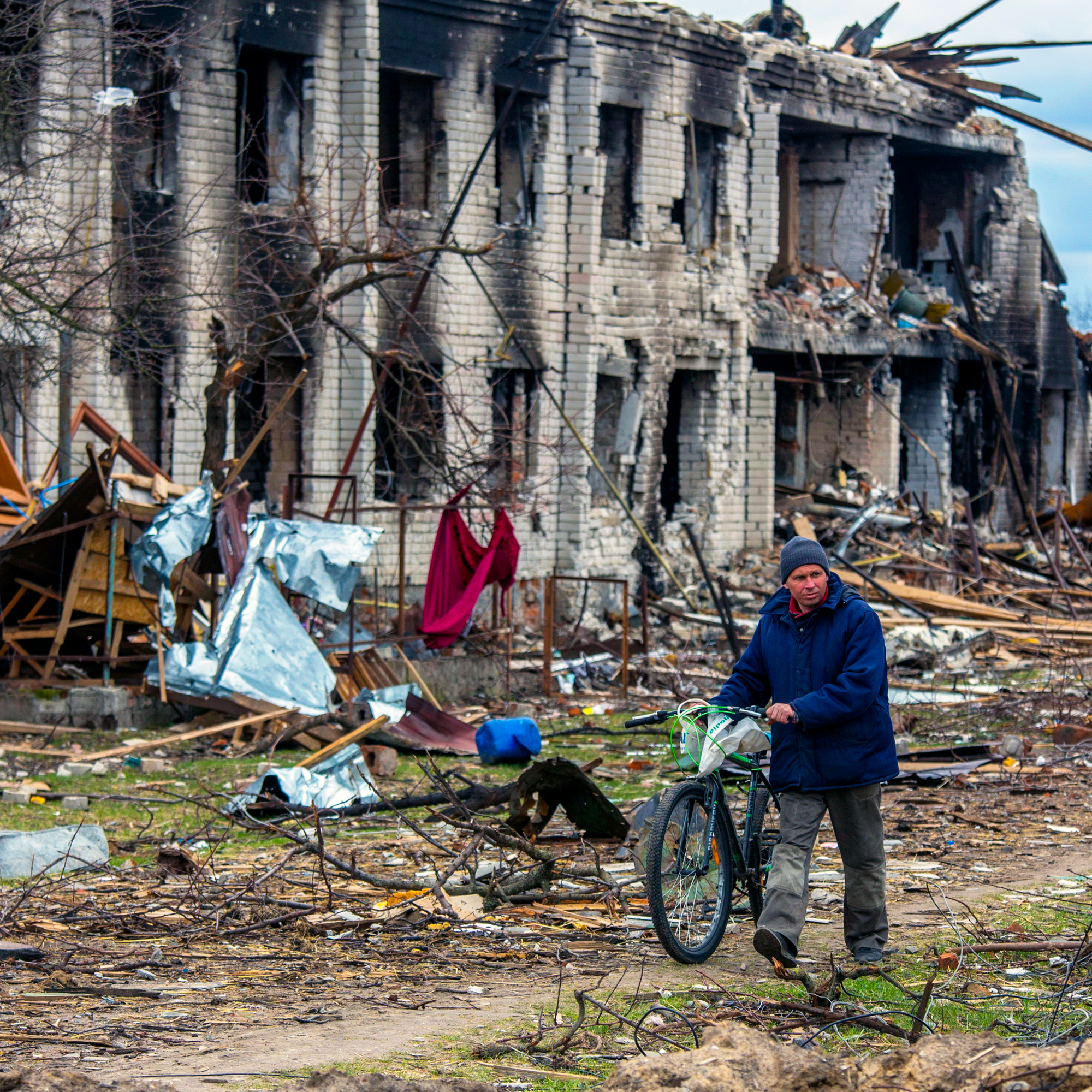
S9 Ep15: What's next for Ukraine: Reconstruction
Ukraine's cities were failing long before the Russian invasion began. Kyiv and Lviv ranked among the 40 most congested cities in the world, yet neither makes the top 100 by population. Ninety per cent of Ukraine's housing stock was built before 1990. Its urban infrastructure was designed for a Soviet economy and never properly adapted for the one that followed. So when reconstruction begins, the
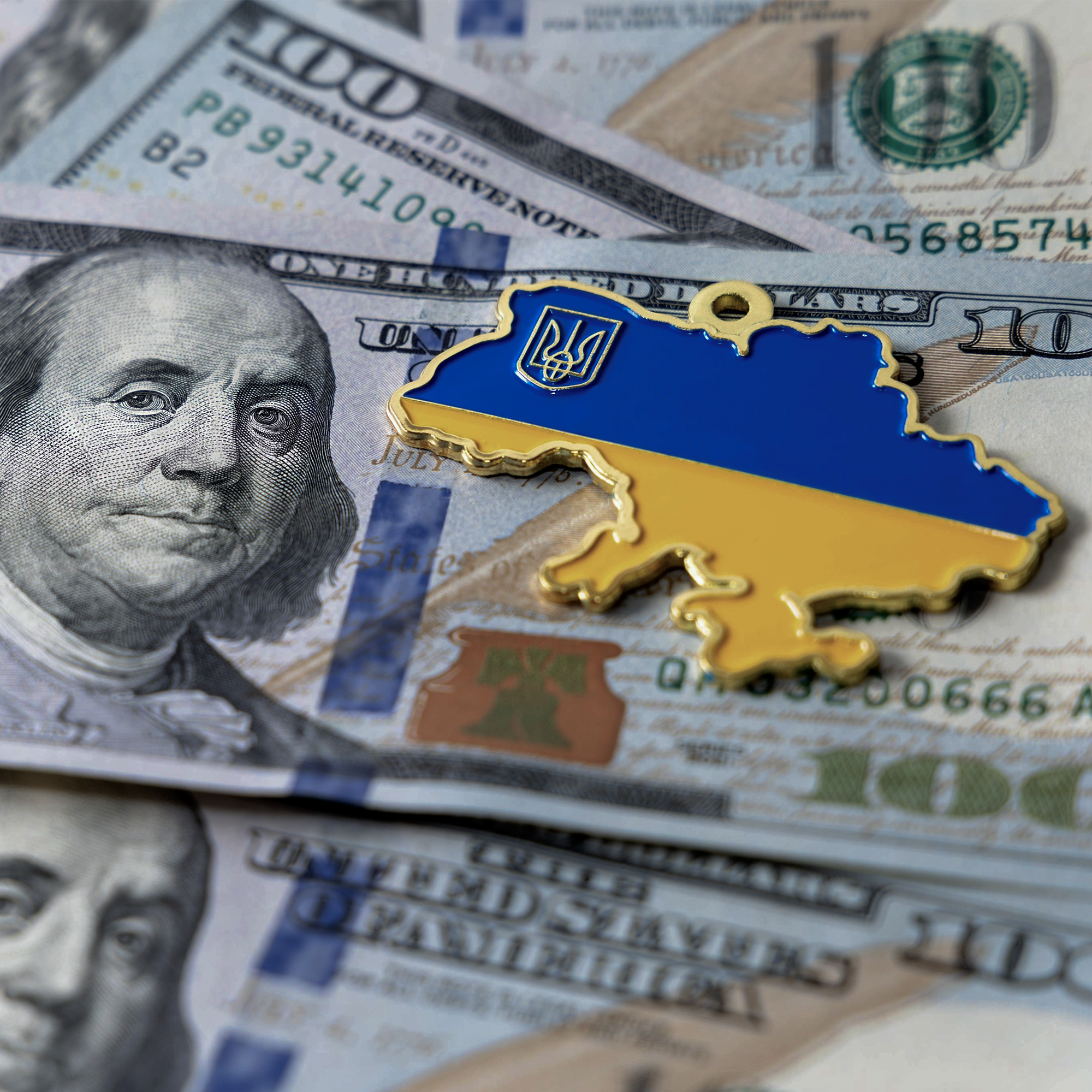
S9 Ep14: What’s next for Ukraine: Investment
Ukraine will emerge from this war with enormous debt. The conventional wisdom treats that as an obstacle: investors weigh it before committing capital, and the burden slows the recovery before it starts. Yuriy Gorodnichenko and Maurice Obstfeld of UC Berkeley argue the opposite. A thorough restructuring of Ukraine's war debts – including, for sufficiently large obligations, outright forgiveness –

S9 Ep13: The alpha political male
Recorded live at the CEPR Annual Symposium. We seem to be talking about the behaviour of alpha males on social media a lot recently. But what happens when we put them in charge of a country? The work of Mario Carillo of Universitat Autònoma de Barcelona attempts to answer that question. He talks to Tim Phillips about when and why voters choose alpha males, and how they respond to being given power

S9 Ep12: Management under the spotlight
What type of manager would you be? An experiment in Ethiopia set out to measure the management traits of young professionals by setting them challenges in a video studio, and along the way also uncovered valuable (and surprising) information about the type of manager that employees and employers preferred.Simon Quinn of Imperial College London and CEPR and Tom Schwantje of Bocconi University were

S9 Ep11: The next generation: Paris ‘25
Recorded live at the CEPR Annual Symposium in Paris. When VoxTalks Economics visits a symposium or conference, we try to find the most interesting new research from economists who are just starting out in their careers. In Paris we invited three of them to the CEPR Office to tell us about their work.In this episode, Tim Phillips talks to Lucie Giorgi, Aix-Marseille School of Economics (AMSE), who
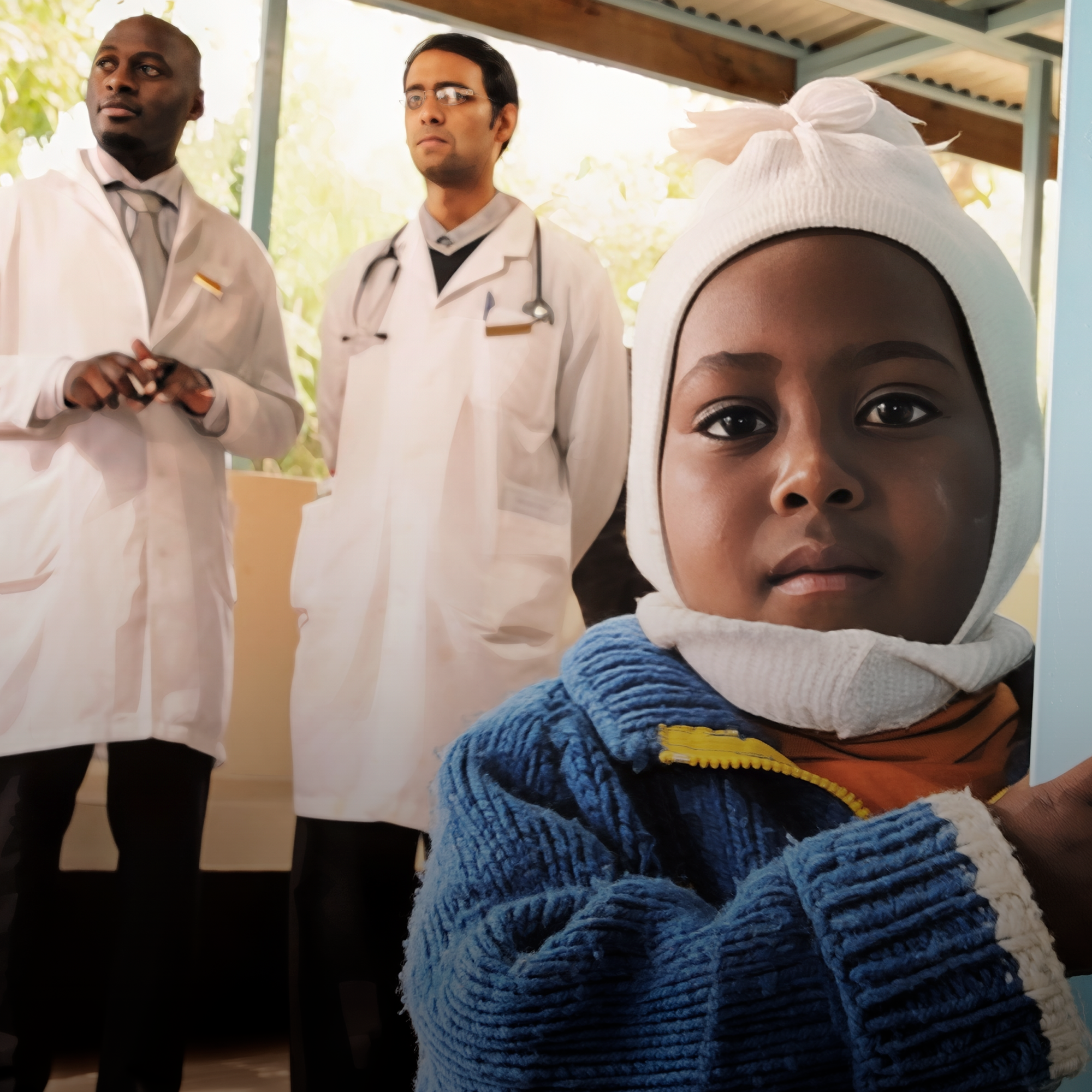
S9 Ep10: How many people die when the US cuts foreign aid?
Another special episode recorded at the CEPR annual symposium in Paris. On 20 Jan 2025 when the Trump administration declared foreign aid “antithetical" to American values and suddenly ended many of its overseas programmes. How many lives were lost as a result, and can others step up to try to minimise that damage? Justin Sandefur is well qualified to speak on this topic – he leads Coefficient Gi
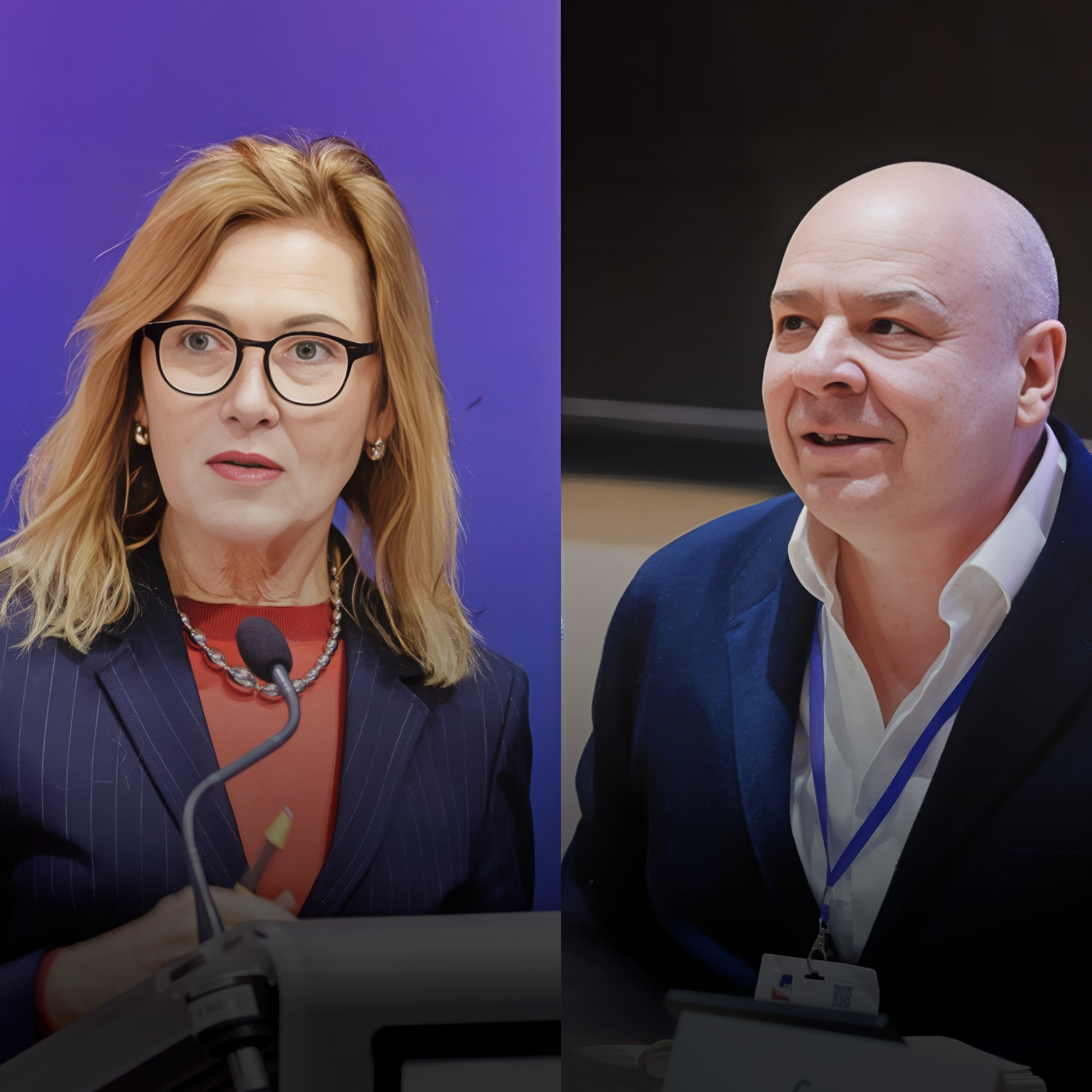
S9 Ep9: What should Europe do about Trump?
Recorded at the CEPR Annual Forum in Paris. Many of the Trump administration policies have direct consequences for Europe. Some of them are directly targeted at Europe. So how should Europe respond? The CEPR Press book The Economic Consequences of the Second Trump Administration covers this in up-to-the-minute detail. In Paris Tim Phillips spoke to two of the editors, Beatrice Weder di Mauro and

S9 Ep8: The economic consequences of living longer
Recorded at the CEPR Annual Symposium in Paris. As we expect to live longer, what does this mean for the choices we make, and for the economy? What decisions will seniors be making about their later years, and do the opportunities given to them by society reflect their abilities, needs and ambitions? In Paris Tim Phillips caught up with Martin Ellison of University of Oxford and Julian Ashwin of

S9 Ep7: How exchange rates responded to tariffs
After Liberation Day, the dollar fell by 6%. We would usually expect tariffs to send exchange rates in the other direction. So what happened?In another episode recorded at the CEPR Annual Symposium in Paris, Giancarlo Corsetti tells Tim Phillips about new research that shows how exchange rates are responding to US tariffs since 2018. When tariffs are expected and retaliation is swift, he argues,
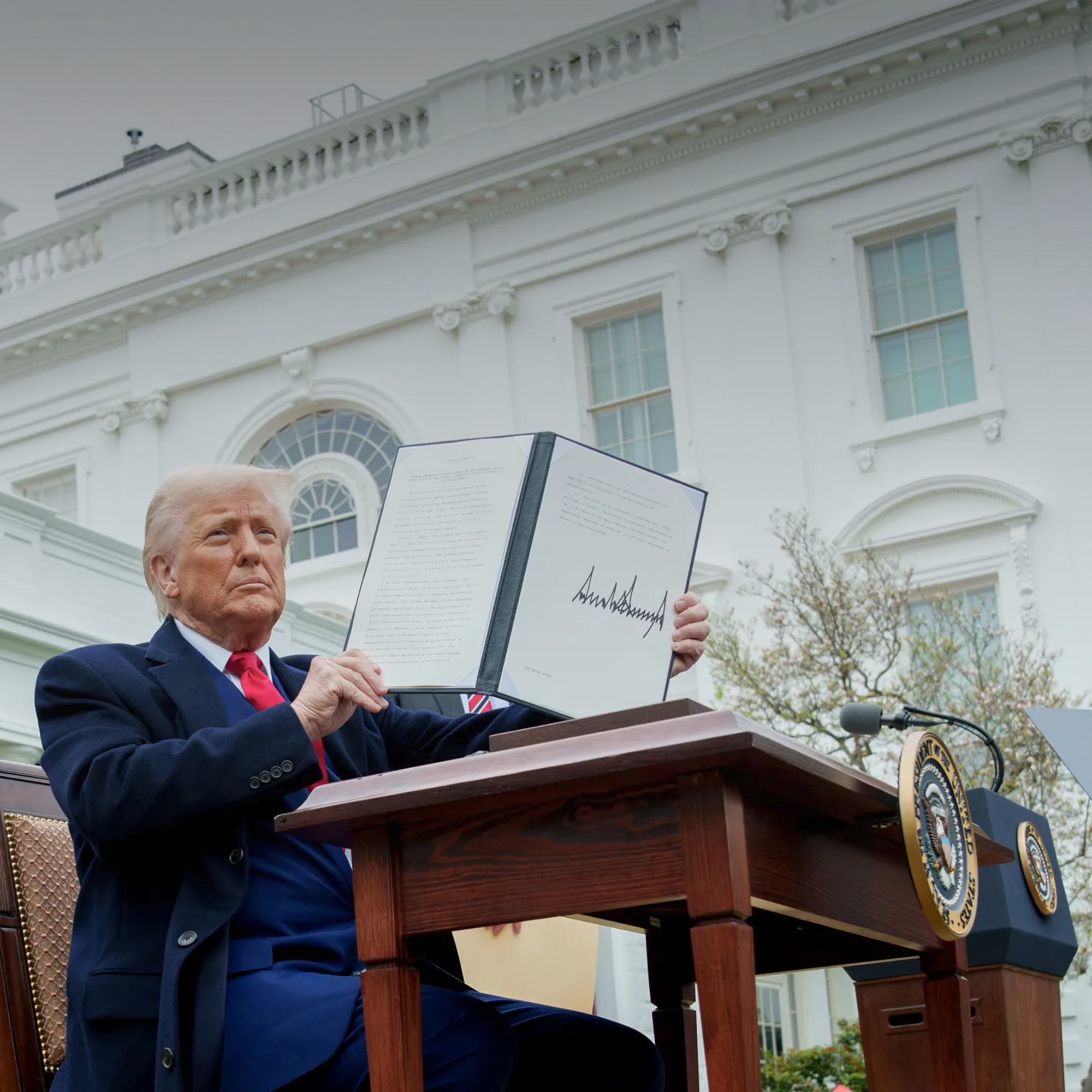
S9 Ep6: What's next for Trump’s tariffs?
In 2025, the trade story was about tariffs. And that story isn’t over. Does anyone know what happens next? Richard Baldwin of IMD Business School and CEPR was author of the chapter on tariffs in the CEPR Press book The Economic Consequences of The Second Trump Administration, and also of The Great Trade Hack, published by CEPR press in 2025. Gene Grossman of Princeton and CEPR analysed the legali
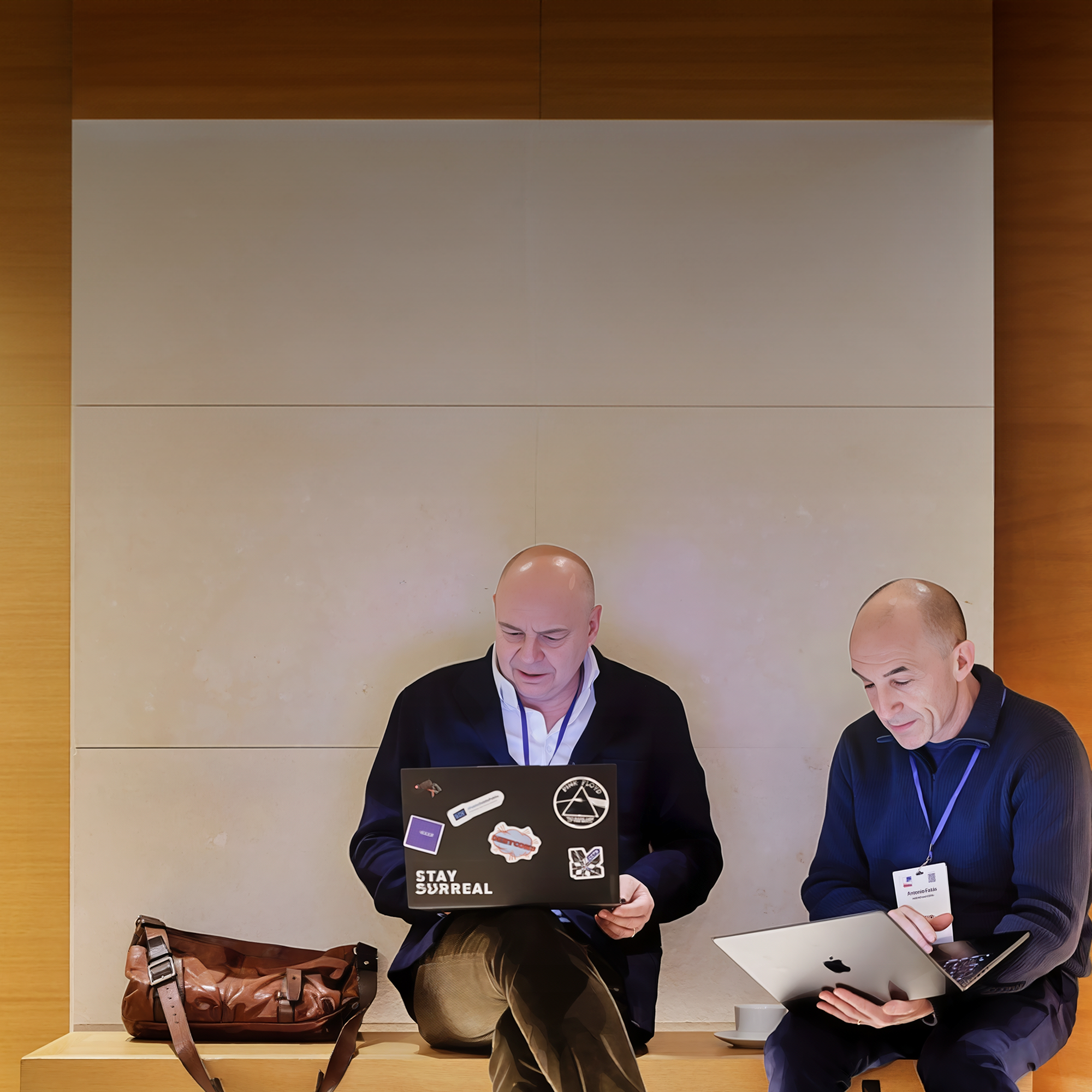
S9 Ep5: Is US debt sustainable?
Another special episode recorded at the CEPR annual symposium in Paris.When does the level of debt in the US become a problem for the economy, and for ordinary Americans? And when it does, what are the policy options to fix it?That’s the topic of a Chapter in the CEPR book. The authors are Ugo Panizza of the Graduate Institute, Geneva and CEPR, and Antonio Fatás of INSEAD and CEPR. They talk to T

S9 Ep4: Do stablecoins threaten financial stability?
Stablecoins are digital tokens, pegged to a fiat currency. What could possibly go wrong?For one type of stablecoin the answer is: plenty, according to Richard Portes. The founder and honorary president of CEPR is also co-chair of the European Systemic Risk Board Crypto Asset Task Force. In this role he has been investigating the risks of multi-issuer stablecoins in Europe. He tells Tim Phillips t

S9 Ep3: Can Europe defend itself?
In another of our special episodes recorded at the CEPR annual Symposium, we ask: is it time for Europe to rearm?The message from the US could not be clearer: it is time for European countries to take care of their own security. If Europe decides to rearm, it has the industrial base – but Moritz Schularick of the Kiel Institute and CEPR warns that it isn’t converting that capacity into credible d

S9 Ep2: Has AI eaten the economics major?
In another of our episodes recorded at the CEPR Paris Symposium, we ask: When Gen AI can do an undergraduate’s problem set in seconds, how should teaching, and the syllabus, respond? Who better to answer this than Wendy Carlin of UCL and CEPR? Wendy – who has recently become Dame Wendy – was at the symposium to talk about her project to change economics teaching through the CORE Project, which mo
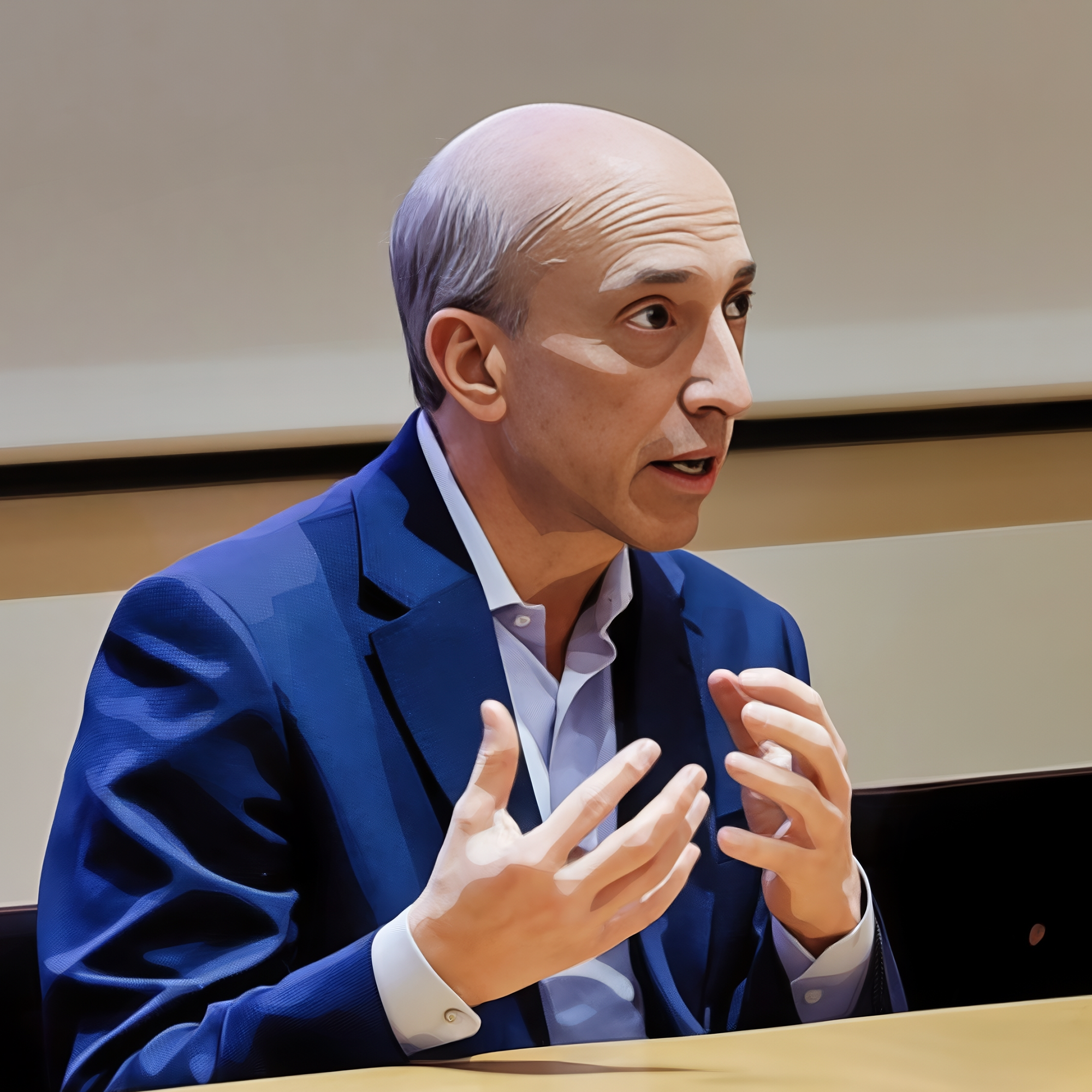
S9 Ep1: Trump, trade, and AI growth
Another special episode recorded at the CEPR annual symposium in Paris. The Trump administration says it wants America to lead in AI, but what does that mean in practice for trade and productivity? Will AI make growth great again, or just inflate a short-term capital spending boom?Gary Gensler of MIT and CEPR (also a former chair of the Securities and Exchange Commission) unpacks the administrati
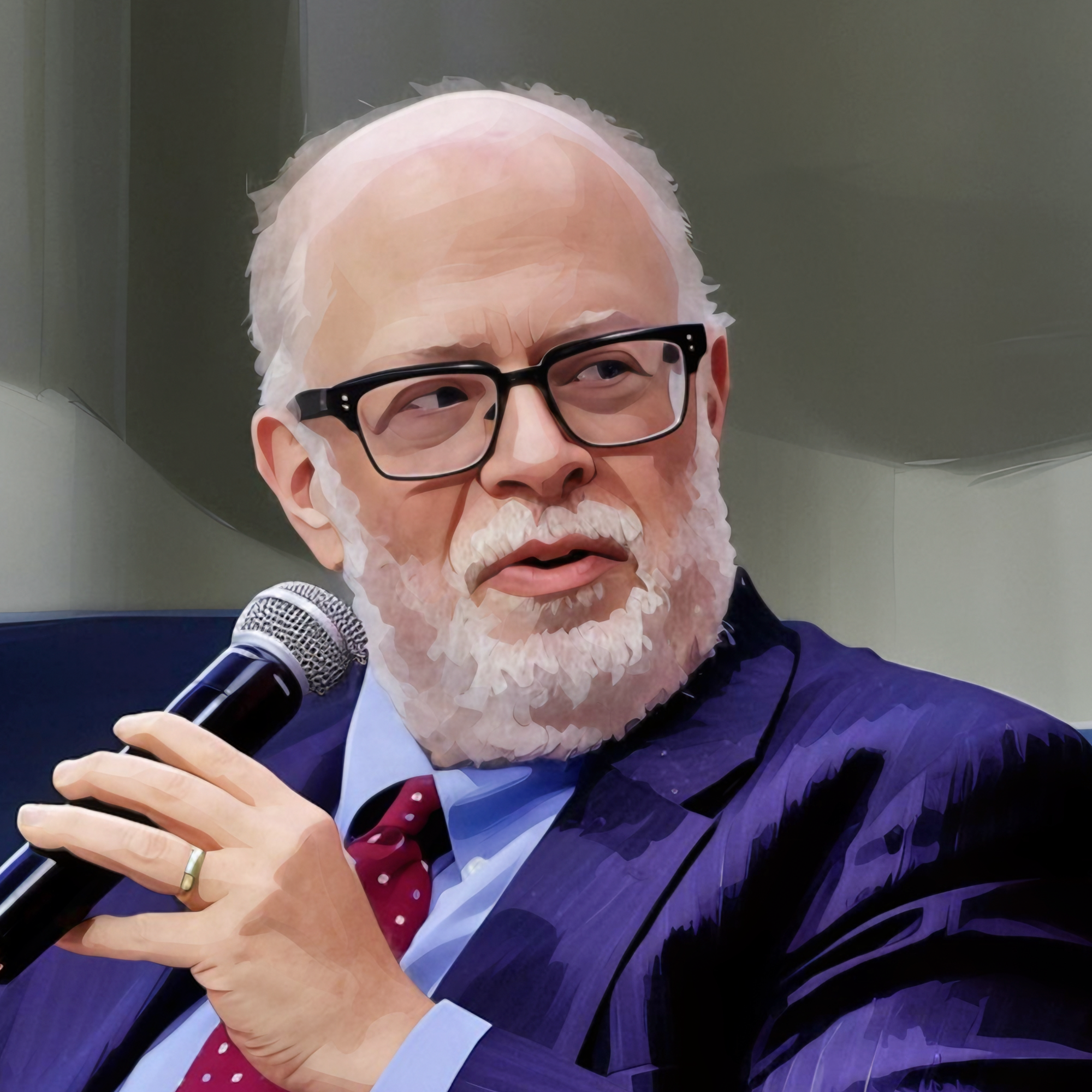
S8 Ep65: The future of globalisation
At the CEPR annual Symposium in Paris we sat down with Adam Posen, president of the Peterson Institute for International Economics, a distinguished fellow of CEPR, and a global authority on geopolitics and trade to discuss the profound changes in the multilateral order in 2025, how countries will adjust to this new normal – and whether the changes we have seen will ever be unwound.
S8 Ep64: A London economic consensus?
Who would be a policymaker right now? The list of economic problems that we need to solve ranges from “very difficult” to “existential”. An ambitious new book collects the ideas of many influential economists on how to approach these challenges. But can it avoid the mistakes of previous attempts to find an economic policy consensus?Andrés Velasco and Tim Besley are two of the editors of The London

S8 Ep63: Do sanctions work?
Economic sanctions are the big geoeconomic bazooka. But what does history tell us about how well they work, and their relevance today. And does the theory match the data?Moritz Schularick of the Kiel Institute for the World Economy and CEPR talks to Tim Phillips about the evidence of the history of sanctions on what they can achieve, whether we expect too much too soon from small sanctions – and w

S8 Ep62: The cost of lost biodiversity
Biodiversity is essential for the wide range of economic activities that our planet needs. Yet, the economic consequences of its global decline are hard to estimate, because most population studies focus on individual species in isolation.Frederik Noack of the University of British Columbia argues that this misses a central insight about biodiversity: a healthy environment depends not just on indi

S8 Ep61: The politics of sustainability reporting
In 2021, at COP26, the International Accounting Standards Board announced it would create a standard for this reporting.It wants to integrate sustainability reporting with traditional IFRS accounting. Should firms be compelled by regulators to disclose their impact on the climate in their corporate reporting? Investors value convergence in sustainability reporting standards, but they are facing st

S8 Ep60: The planet has a problem with populism
In Europe and beyond, populist politicians continue to gain ground. What message are voters sending? Are politicians from other parties listening, and explaining their policies in a way that will successfully reach supporters of populist parties?There are one set of policies for which this may be a huge problem soon. What does this mean for that those tricky choices that politicians will have to m

S8 Ep59: Designing markets for nature
Our economy is embedded in nature, but nature is in danger. External funding is needed, especially in the Global South, to support the conservation of our natural ecosystems. Markets can play a role, but the way in which voluntary carbon markets do this has low public trust which, from recent news, may be deserved.Estelle Cantillon of Université libre de Bruxelles and CEPR tells Tim Phillips about

S8 Ep58: A big push for climate policy
“What is needed is non-marginal, transformative change to shift the economy, technology, and society”. That’s the typically forthright recommendation from Rick van der Ploeg of the University of Oxford and University of Amsterdam for how to ensure that climate policy is effective at changing our habits and behaviour. He argues that the gradual changes in habits that current policies target don’t

S8 Ep57: How to make carbon removal work
We are familiar with climate policy to reduce emissions. We know about the policies to adapt to climate change. But can we successfully reduce the amount of CO2 in the atmosphere, and how do we create policies and incentives to invest in, and take advantage of, those technologies?Ottmar Edenhofer, Director of the Potsdam Institute for Climate Impact Research and chair of the European Scientific Ad

S8 Ep56: The economics of biodiversity
"The Economics of Biodiversity” was published by the UK Treasury in 2021. It sets out how economic systems value biodiversity and natural capital, and which policies would preserve and restore nature.The project leader was Professor Sir Partha Dasgupta of the University of Cambridge. In the latest of our special episodes recorded at the first Hoffmann Centre / CEPR / ReCIPE Conference continue, he
S8 Ep55: Overcoming climate agenda fatigue
Can COP 30 get the green transition back on track? It’s not a great time for international cooperation right now and, with hindsight, was the period from 2017 to 2022 a “golden moment” the climate transition, and was it an opportunity missed?That’s the argument presented by Livio Stracca, Deputy Director General Financial Stability at the European Central Bank, also the chair of NGFS work on clima
S8 Ep54: Coalitions of the willing
In the first of our special episodes from the first Hoffmann Centre / CEPR / ReCIPE Conference, we’re discussing what chances there are of significant multilateral agreements being signed at COP 30 and, given that the chances are low, what plan B might be.Beatrice Weder di Mauro of CEPR, Hoffmann Centre and the Geneva Graduate Institute tells Tim Phillips that, if everyone can’t agree, then coalit
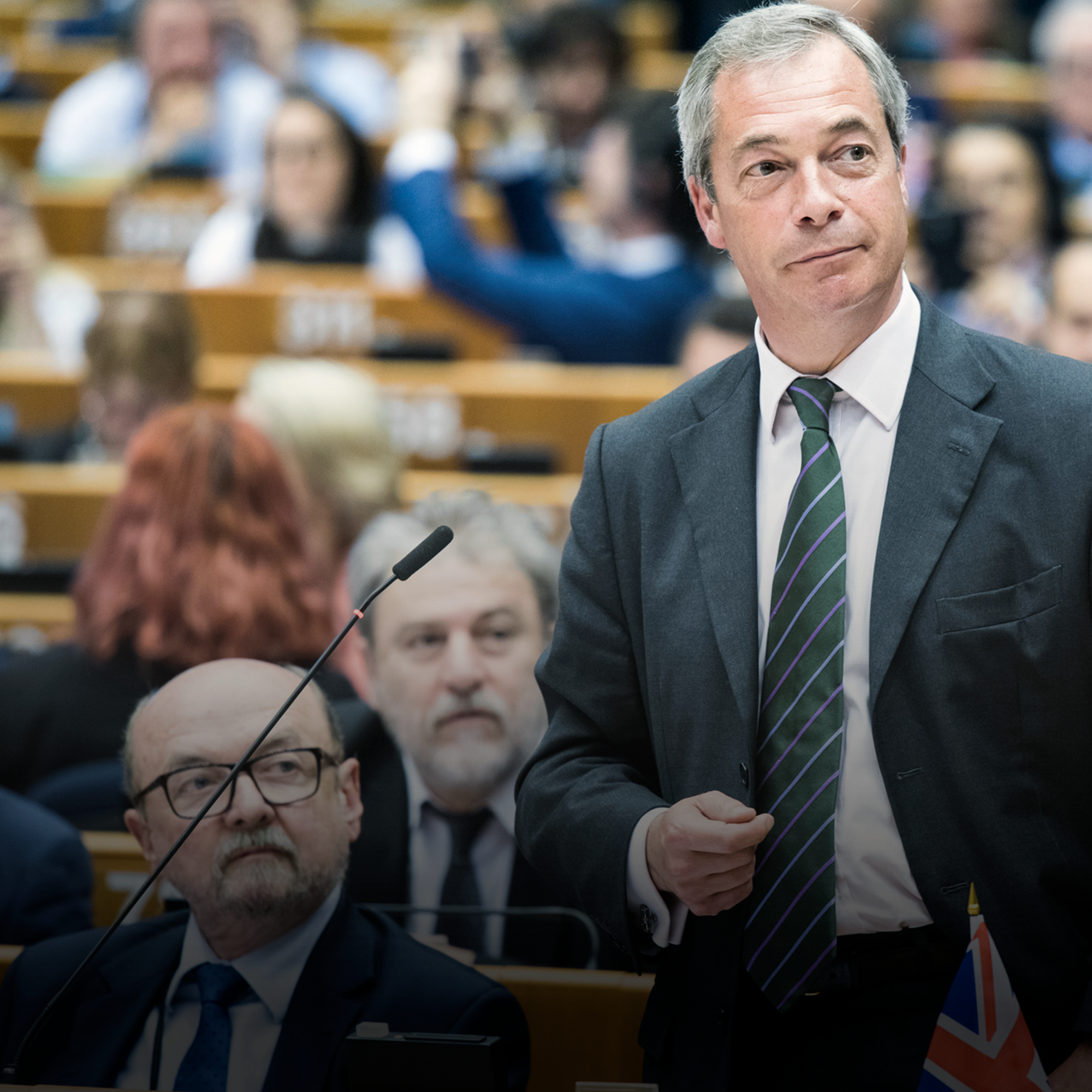
S8 Ep53: The visual politics of Brexit
A decade ago, the UK voted in a referendum to leave the European Union. It was the culmination of years of partisan arguments over membership. During that time, most newspapers in the UK took strong “leave” or “remain” positions in the stories they wrote. But were they less obviously partisan in their choice of pictures too? Wanyu Chung of University of Birmingham and CEPR was one of a team of res
S8 Ep52: A hundred lessons from history
The International Macroeconomic History Online Seminar Series, hosted by CEPR, is turning 100 this month — not years, but episodes. What began as a lockdown experiment has become a global fixture for anyone who believes economics never forgets. In a special edition of VoxTalks Economics, Tim Phillips talks with organisers Nathan Sussman and Rui Esteves of the Geneva Graduate Institute about the mo

S8 Ep51: A European Carbon Central Bank
In the second of our episodes based on the topics discussed at the conference “Addressing the Risks and Responses to Climate Overshoot”, organised by the AXA Research Fund, CEPR, and Paris School of Economics, Tim Phillips talks to Matthias Kalkuhl of the University of Potsdam about how to remove carbon from the atmosphere. The innovative technologies that might be able to do this in the future ne

S8 Ep50: The hidden cost of invasive species
In the first of two podcasts recorded at the conference “Addressing the Risks and Responses to Climate Overshoot”, organised by the AXA Research Fund, CEPR, and Paris School of Economics, Tim Phillips talks to Franck Courchamp of the University of Paris-Saclay about an aspect of climate change that is rarely talked about, increasingly important, and very costly.When plants or animals move, or are

S8 Ep49: Tastes, geography, and culture
It’s cultural meme that teenagers in New York and Seoul will have more in common with each other than with their parents. Has where we come from been downgraded as an influence on what we like, or is there still what Thierry Mayer of Sciences Po and CEPR calls “gravity in tastes”? His research focuses on a very important aspect of this question: regional French food. Is there still a France of but

S8 Ep48: What makes a successful entrepreneur?
We are up to our necks in advice about how to innovate in business, how to succeed as a founder, or how to spot a great startup. Blogs, YouTube channels and airport bookshops claim to reveal the secret. And yet, investors and incubators have a very patchy track record in picking winners. What if there was a better way to spot entrepreneurs who are more likely to succeed? Konrad Stahl of University

S8 Ep47: Misinformation and trust in news
Today generative AI makes it easy to create and distribute convincing fake news stories, pictures, even videos. We’ve all been hoodwinked – but does that undermine our trust and confidence in the mainstream media?Ruben Durante of National University of Singapore, IPF-ICREA and CEPR is one of the authors of new research that tests how AI-generated misinformation affects our desire for real news. He

S8 Ep46: Is Davos more than a boondoggle?
The annual meeting of the World Economic Forum, in Davos, attended by thousands of business and policy VIPs – is one of those events that pops up on the news every year, as we see photos of multinational CEOs shaking hands with world leaders and taking part in panel discussions on the future of the planet. But how valuable is it to the business people who pay hundreds of thousands of Swiss Francs

S8 Ep45: The stickiness of gender biased norms
The belief that women are in some way inferior to men has been around for centuries. And throughout that time, women have suffered the consequences. Economists have lately been trying to understand more about the origins of gender biased norms, to help create better policies to challenge them. Their work can build on insights from sociology, anthropology and gender studies, but also raises importa

S8 Ep44: In coin we trust
On 4 August, Paul Atkins, the chair of the US Securities and Exchange Commission, launched “Project Crypto”. The SEC wants to make the US “the crypto capital of the world”. Crypto investors make a lot of noise, but who are they, and do they behave differently to other retail investors?A new CEPR discussion paper called “Do you even crypto, bro?” summarises what a representative sample of US citize
Recommended

Busted Open
Deadline: White House

Crickets Corner

History of the Earthquake and Fire in San Francisco

Fox news

K-Drama Obsessed Mamas | Beyond “Just One More Episode!”

True Crime Classics

The Healer Revolution

Becoming: HER with Nikki Spoelstra

Booked, Blonde & Busy w/ Olivia Ponton

McKinsey on Consumer and Retail

megahired.com
