Big Biology
Big Biology is a podcast that explores the biggest questions in biology through in-depth conversations with scientists. Topics range from evolution and genetics to ecology, neuroscience, and the origins of life. The show aims to make complex biological concepts accessible to science enthusiasts.
Episodes
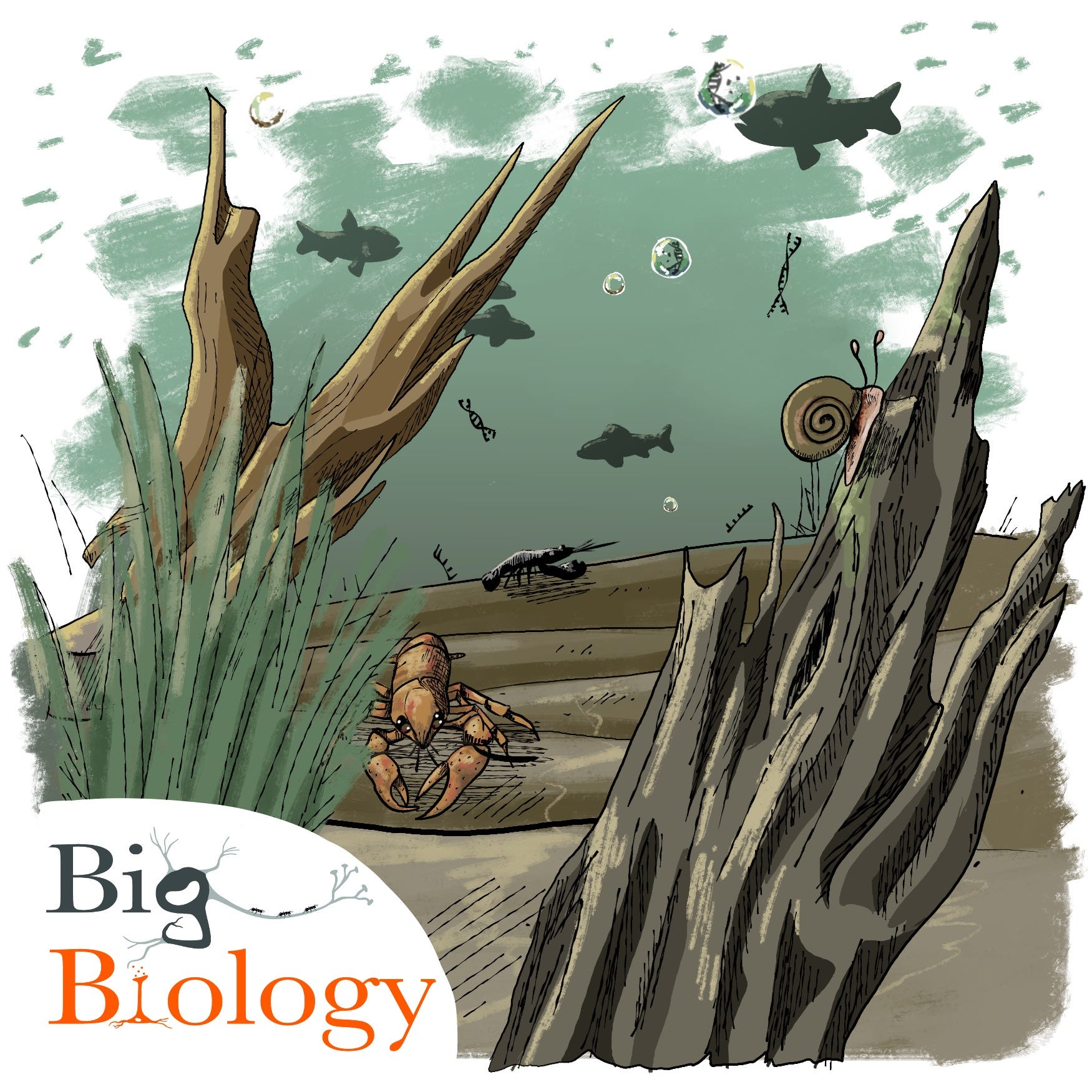
Conservation in a cup with David Lodge
How do you find an invasive species that no net can catch? What happens to the scientist whose research samples end up in federal court?In this episode, we talk with David Lodge, a freshwater ecologist at Cornell University and past president of the Ecological Society of America. In 2009, David’s lab detected invasive carp from DNA in bottles of Illinois River water, including above the electric b
A tribute to slow science: remembering Bob Ricklefs
This is a free preview of a paid episode. To hear more, visit bigbiology.substack.comWhat was distinctive about Bob Ricklefs’ mentorship style, and how did he influence his students and collaborators? What were Bob’s major contributions to biology, and how did these ideas leave a lasting legacy on the field?In this episode, we commemorate the life and work of Bob Ricklefs, who passed away recently
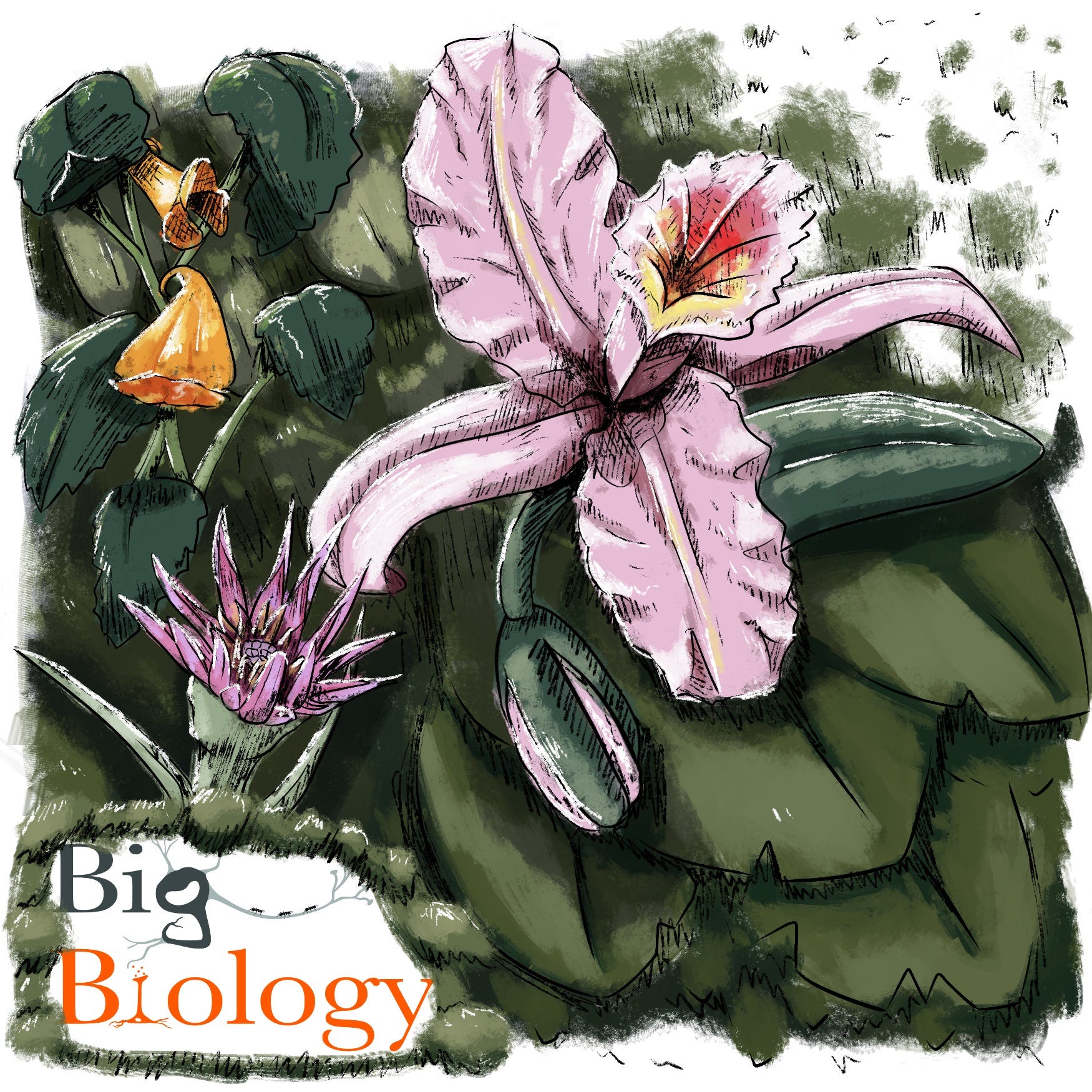
Flower power (Ep 153)
How have flowers shaped the modern world? Why do we and many other species have such intimate and long-term relationships with them?On this special episode, we talk with David George Haskell, a writer and biologist. We discuss his most recent book, How Flowers Made our World, which explores the creative powers of flowering plants. Big Biology blogger and Biology PhD student, Clayton Glasgow, inter
A coevolutionary conundrum (Ep 152)
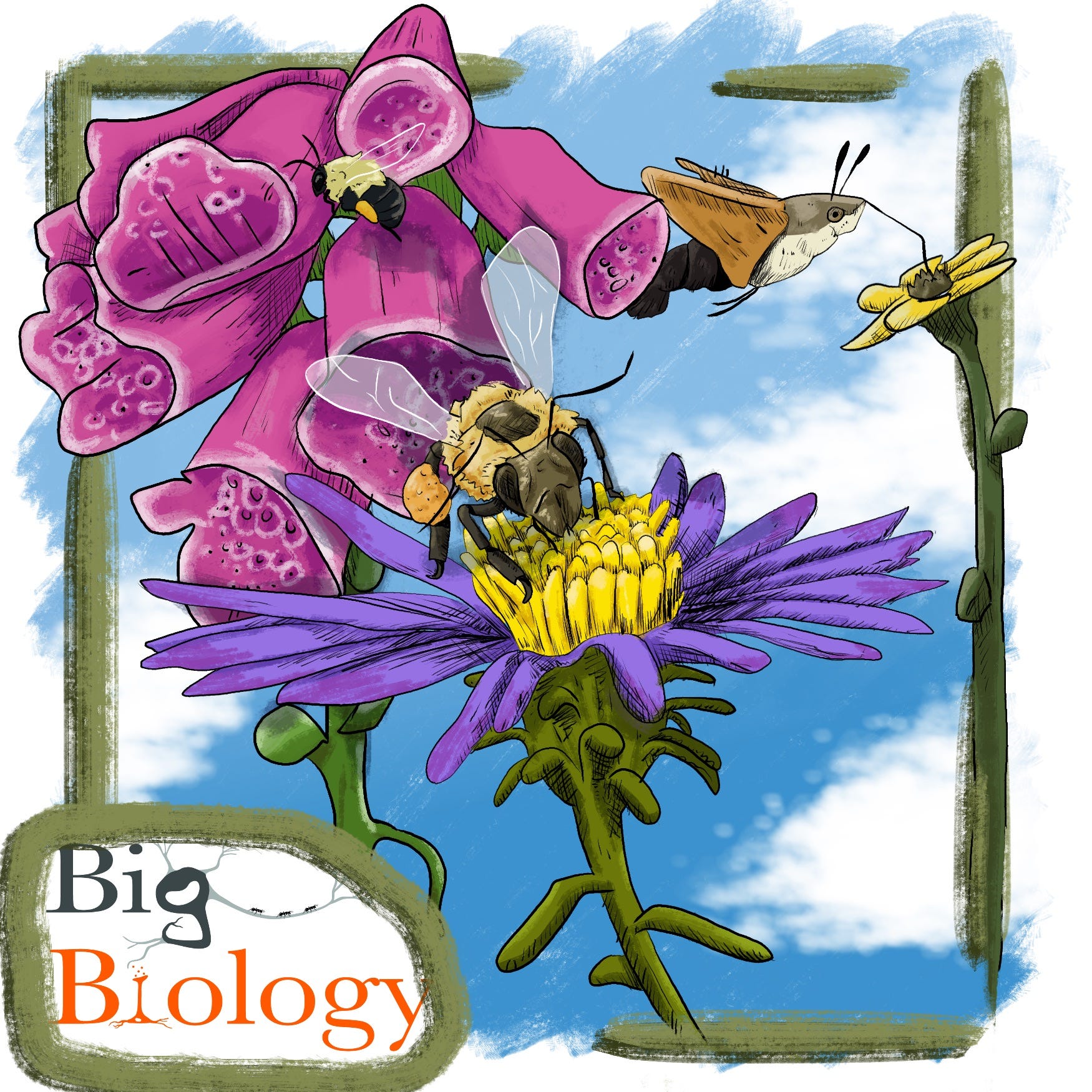
When a bee visits a flower, what decides the match? How can a neutral model explain community assemblages? Why are long-term ecological studies so important?In this episode, we talk with Diego Vázquez, a community ecologist at CONICET in Mendoza, Argentina, who has spent his career mapping the networks of interaction between plants and pollinators. Textbooks still teach coevolution as tight, faith
The cost of correctness (Ep 151)
This is a free preview of a paid episode. To hear more, visit bigbiology.substack.comWhat have so many influential scientists been at some time been ridiculed and disbelieved by their peers or institutions? What reforms could foster bolder and more innovative science?In this episode we talk with Matt Kaplan, a science correspondent at The Economist and author, about his most recent book I Told You
Hormones gone wild (Ep 150)
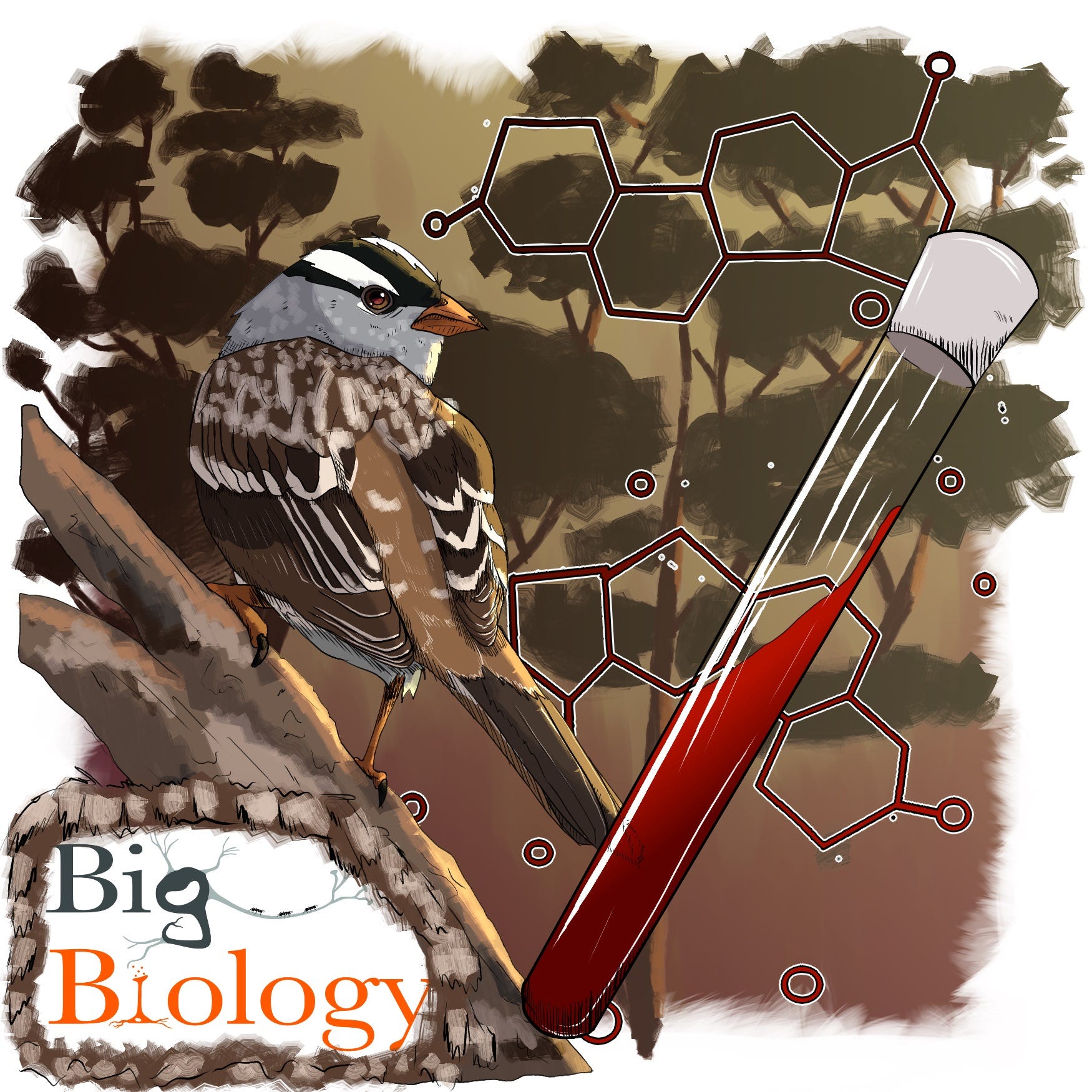
How do hormones help animals cope with stress, seasons, and climate change? What is allostasis?In this episode, our guest is John Wingfield, Emeritus Professor of Physiology and Behavior, at the University of California, Davis. John helped develop many fundamental hypotheses in the field of endocrinology through his work on wild bird populations, in particular the white-crowned sparrow. Fran Bonie
Invasion of the ecosystem snatchers (Ep 149)
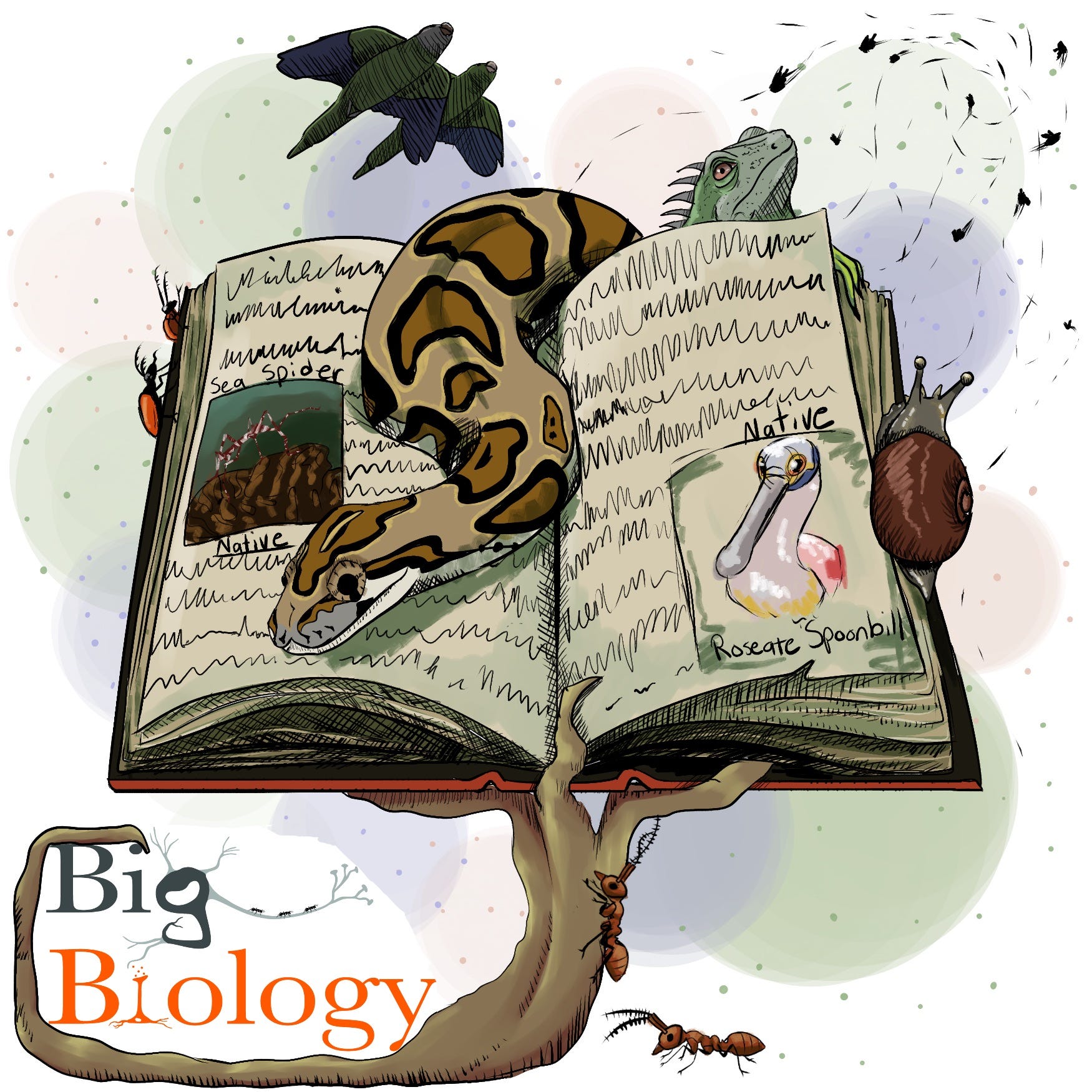
This is a free preview of a paid episode. To hear more, visit bigbiology.substack.comHow do you experimentally test theories of island biogeography? Who were the Tallahassee Mafia? Why do some introduced species become invasive and reshape ecosystems?On this episode, we bring you a live recorded conversation we had with Daniel (Dan) Simberloff at the Laurel Theater in Knoxville, Tennessee. Dan Sim
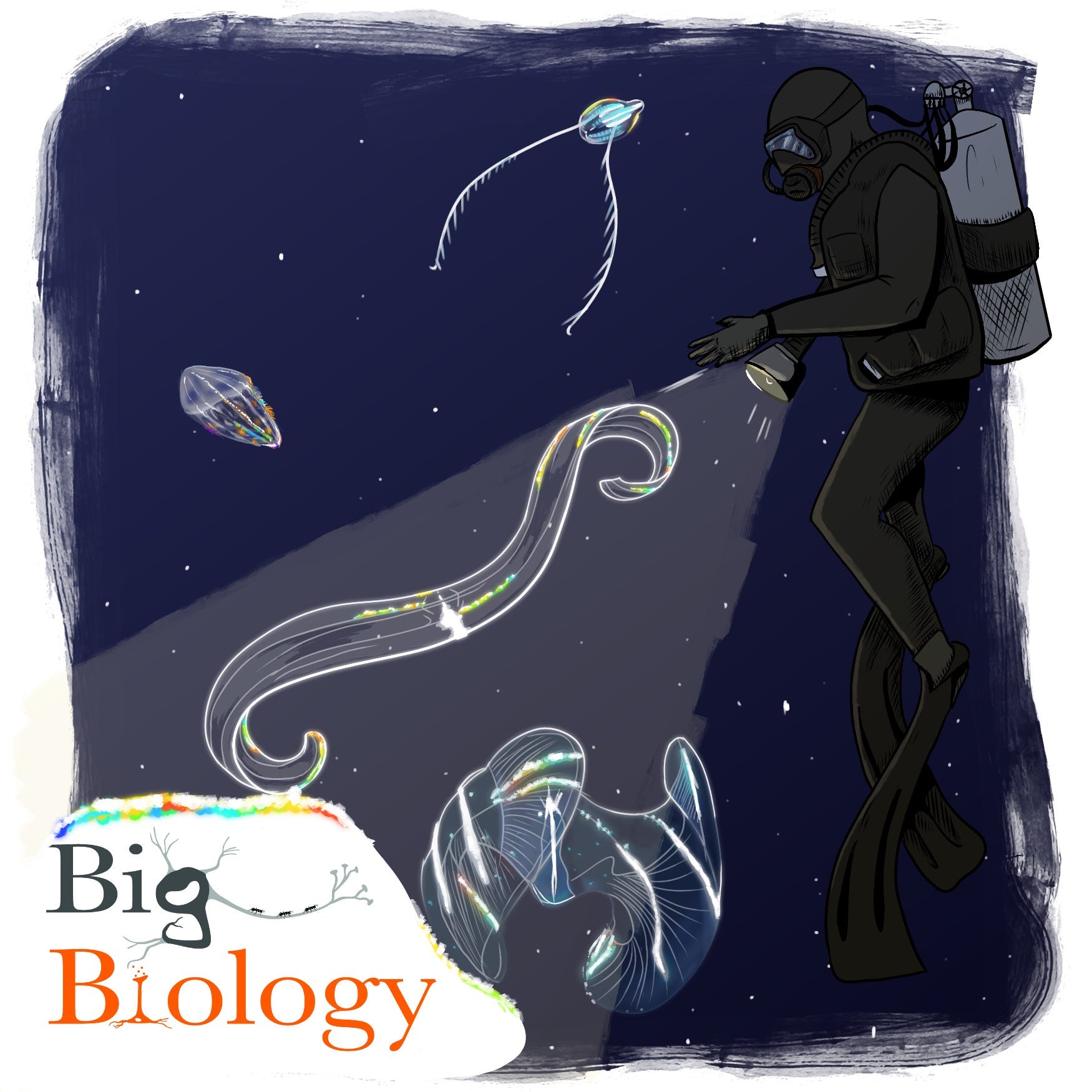
The Voracious Ctenophore and the Silent Sea (Ep 148)
This is a free preview of a paid episode. To hear more, visit bigbiology.substack.comHow is climate change affecting the movements of small predators in the sea? How do diatoms affect ocean carbon cycling? How do Cassiopea jellyfish act like ecosystem engineers?On this episode, we bring you a live conversation from the recent University of South Florida Climate Teach-In where Marty interviewed his
The Genetics of Vice (Ep 147)
This is a free preview of a paid episode. To hear more, visit bigbiology.substack.comWhat role do genes play in complex human behaviors? If behavior is largely shaped by a combination of experience and luck, how should we rethink blame, punishment, and forgiveness?In this episode, we talk with Kathryn Paige Harden, a Professor of Psychology at the University of Texas at Austin, where she leads the
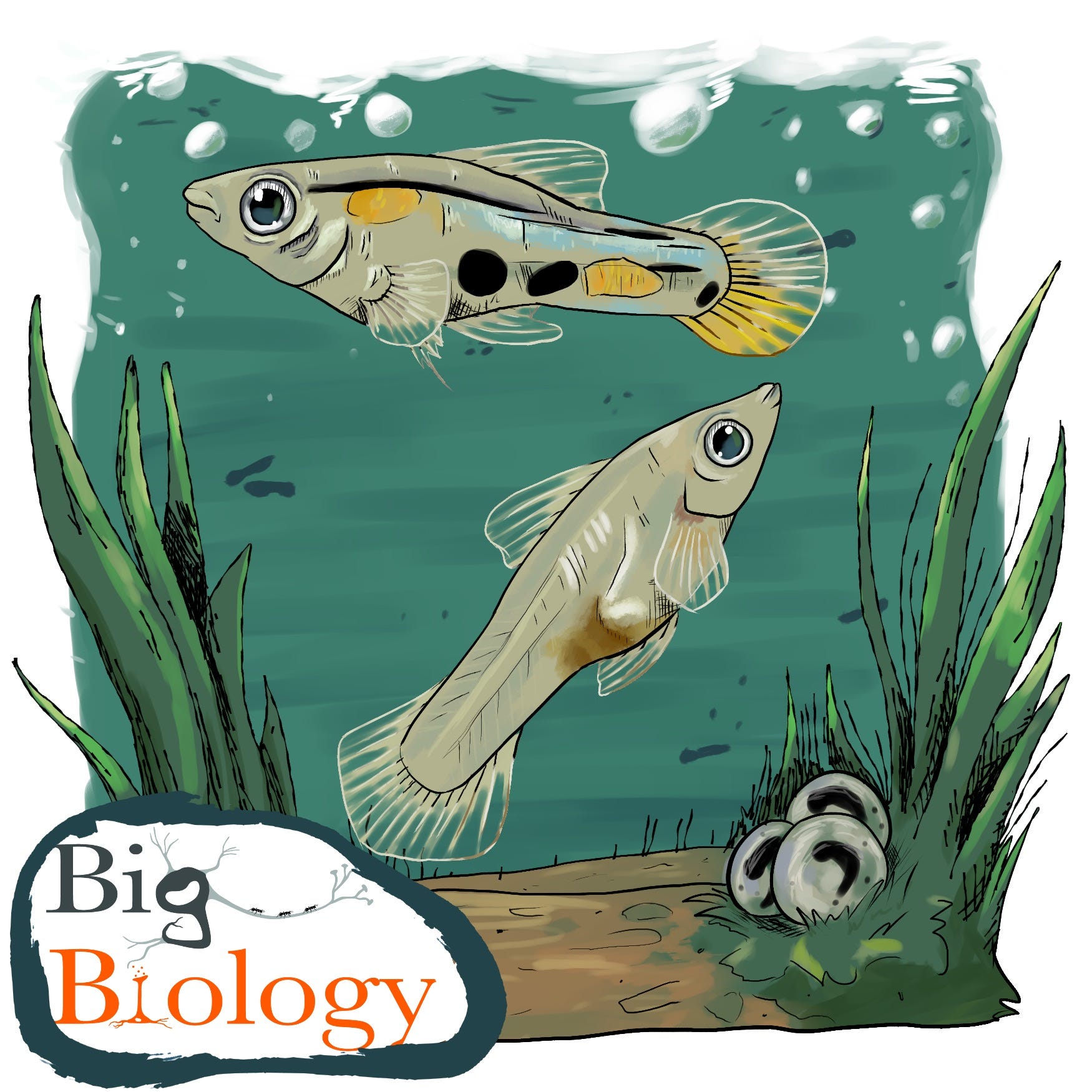
Evolution at the speed of life (Ep 145)
This is a free preview of a paid episode. To hear more, visit bigbiology.substack.comWhat are eco‑evolutionary dynamics and how can we study them in the wild? Why do some fish evolve placentas?In this episode, we talk with David Reznick, Distinguished Professor of Biology at the University of California, Riverside. David has spent much of his career studying Trinidadian guppies to understand adapt
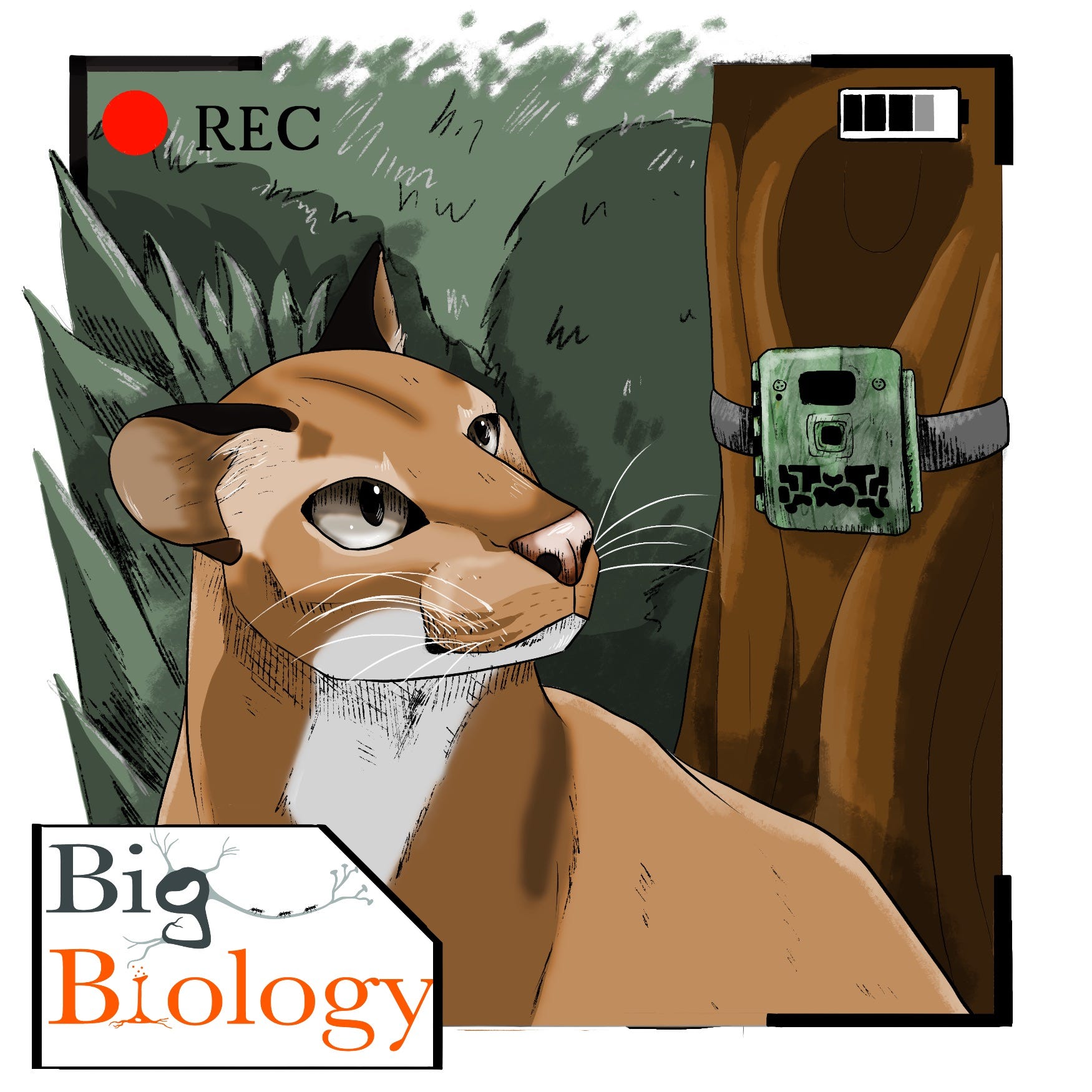
Heart of gold (Ep 144)
This is a free preview of a paid episode. To hear more, visit bigbiology.substack.comHow are camera traps used in the conservation of cryptic species such as the African golden cat? How can local communities be engaged to foster the success of conservation?In this episode, we talk with Mwezi Mugerwa, winner of the 2025 Indianapolis Prize Emerging Conservationist, a National Geographic Explorer, an
The Vital Question: The Chemistry of Early Life
How did life originate on Earth? Why is it that eukaryotes but not bacteria or archaea evolved large size and complicated body forms? How likely is that life has arisen independently elsewhere in the universe?On this episode, we talk with Nick Lane, a biochemist and professor at University College London, about his 2015 book The Vital Question. Nick argues that protolife arose in alkaline hydrothe
From Steppe to Stable (Ep 143)
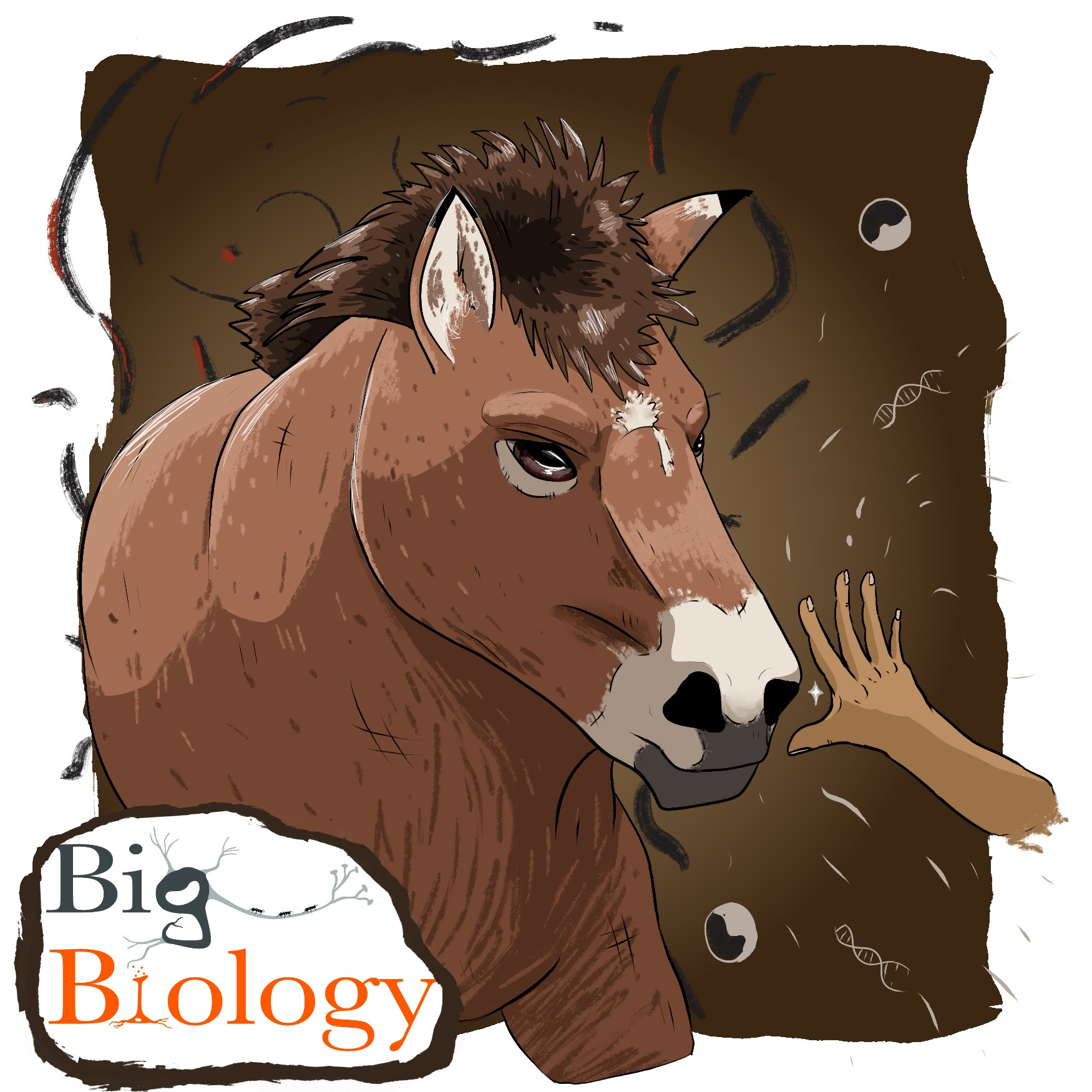
This is a free preview of a paid episode. To hear more, visit bigbiology.substack.comHow and when did humans domesticate the horse? How did horses shape our language, culture, and history?On this episode, we talk with Dr. Ludovic Orlando, a research director for the French National Center for Scientific Research and founding director of the Centre for Anthropobiology & Genomics of Toulouse. Ludovi
Doctors by Nature (Ep 142)
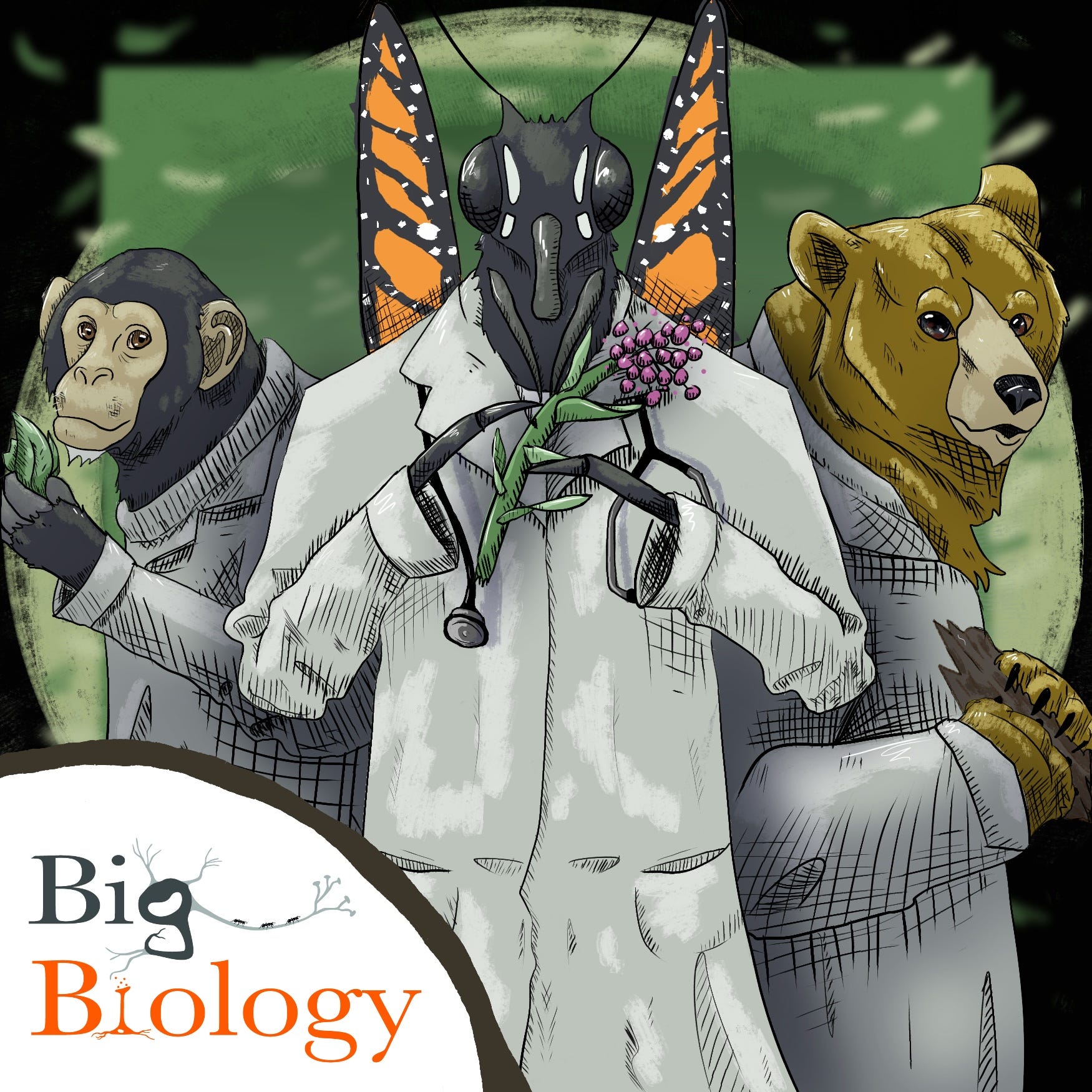
This is a free preview of a paid episode. To hear more, visit bigbiology.substack.comHow do animals use medication and can humans learn from them? What are the evolutionary consequences of animal self-medication?In this episode, we talk with Jaap de Roode, the Samuel Candler Dobbs Professor of Biology at Emory University and author of the book Doctors by Nature: How Ants, Apes, and Other Animals H
Vulnerability in science and in genomes (Ep 141)
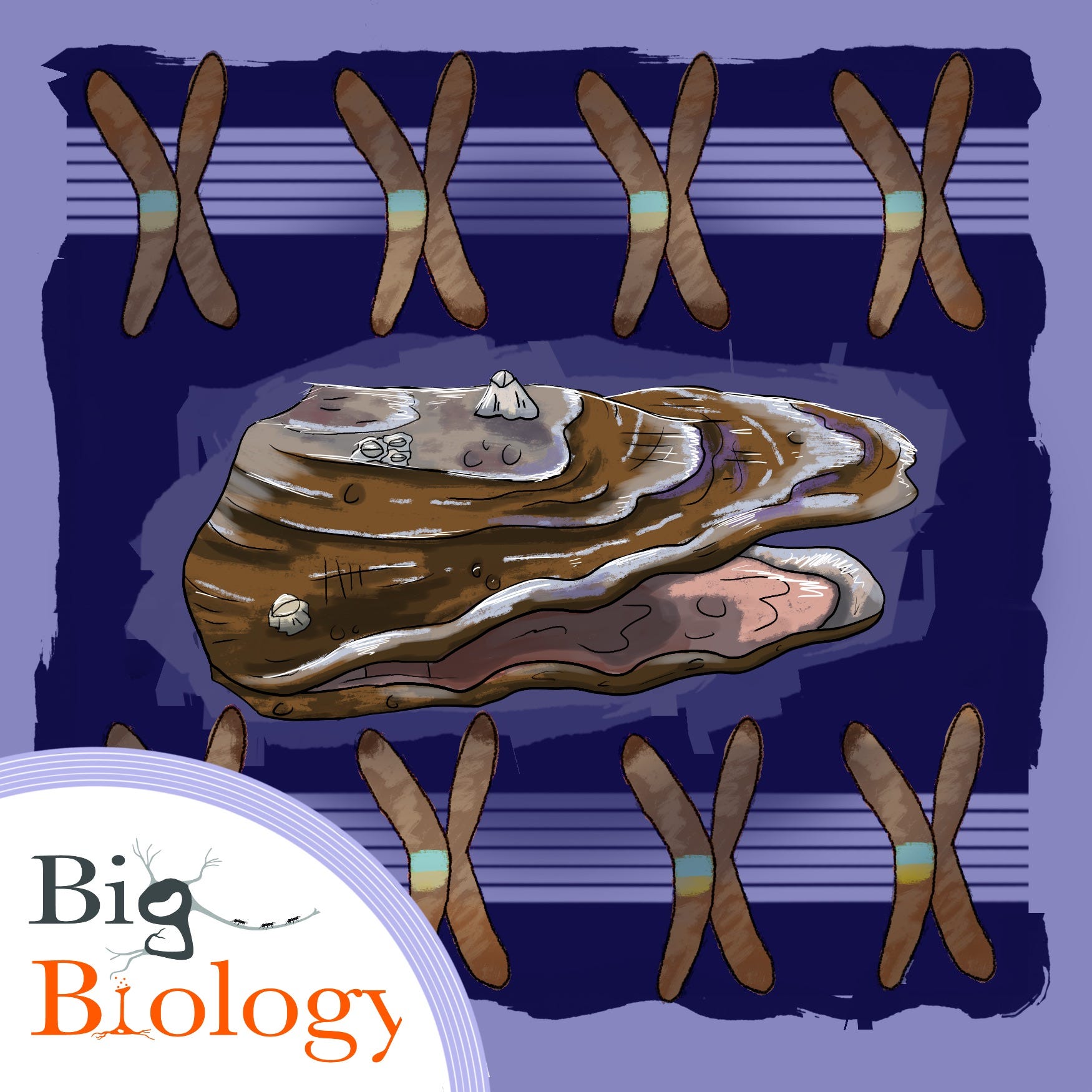
What impact has the Trump administration had on biology and the scientific community? How do scientists study genomic adaptation and vulnerability?On this episode we talk with Dr. Katie Lotterhos, Associate Professor in the Department of Marine and Environmental Sciences at Northeastern University. Katie is also the Secretary for the American Society of Naturalists, and she helped to coordinate an
Biology outside the box (Ep 140)
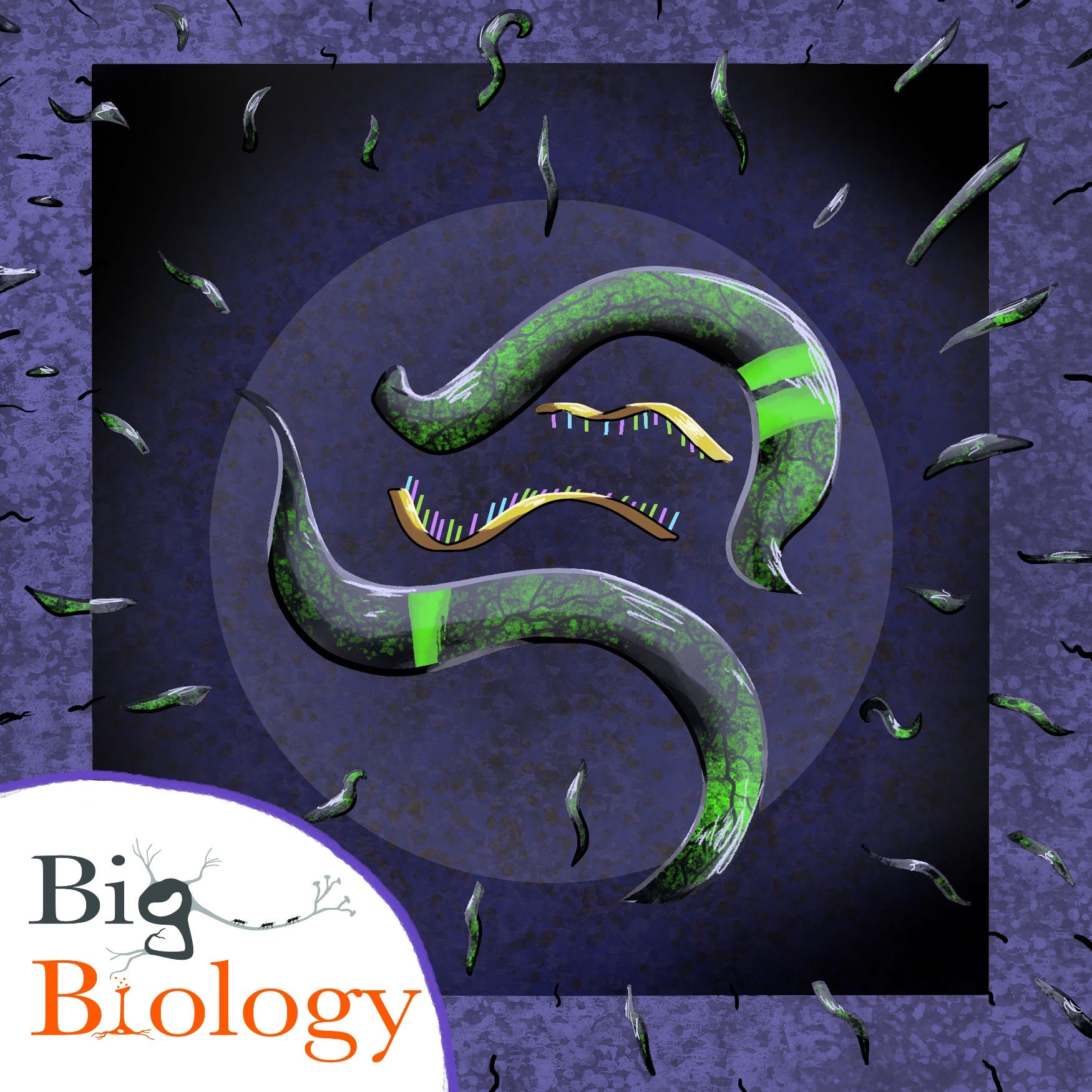
This is a free preview of a paid episode. To hear more, visit bigbiology.substack.comWhat’s the value of risk-taking in research? How is studying the mechanisms of transgenerational inheritance in C. elegans unorthodox and insightful? How can AI help improve aspects of biology, namely the peer review process?In this episode, we talk with Oded Rechavi, professor in the Faculty of Life Sciences and
Evolution across scales (Ep 139)
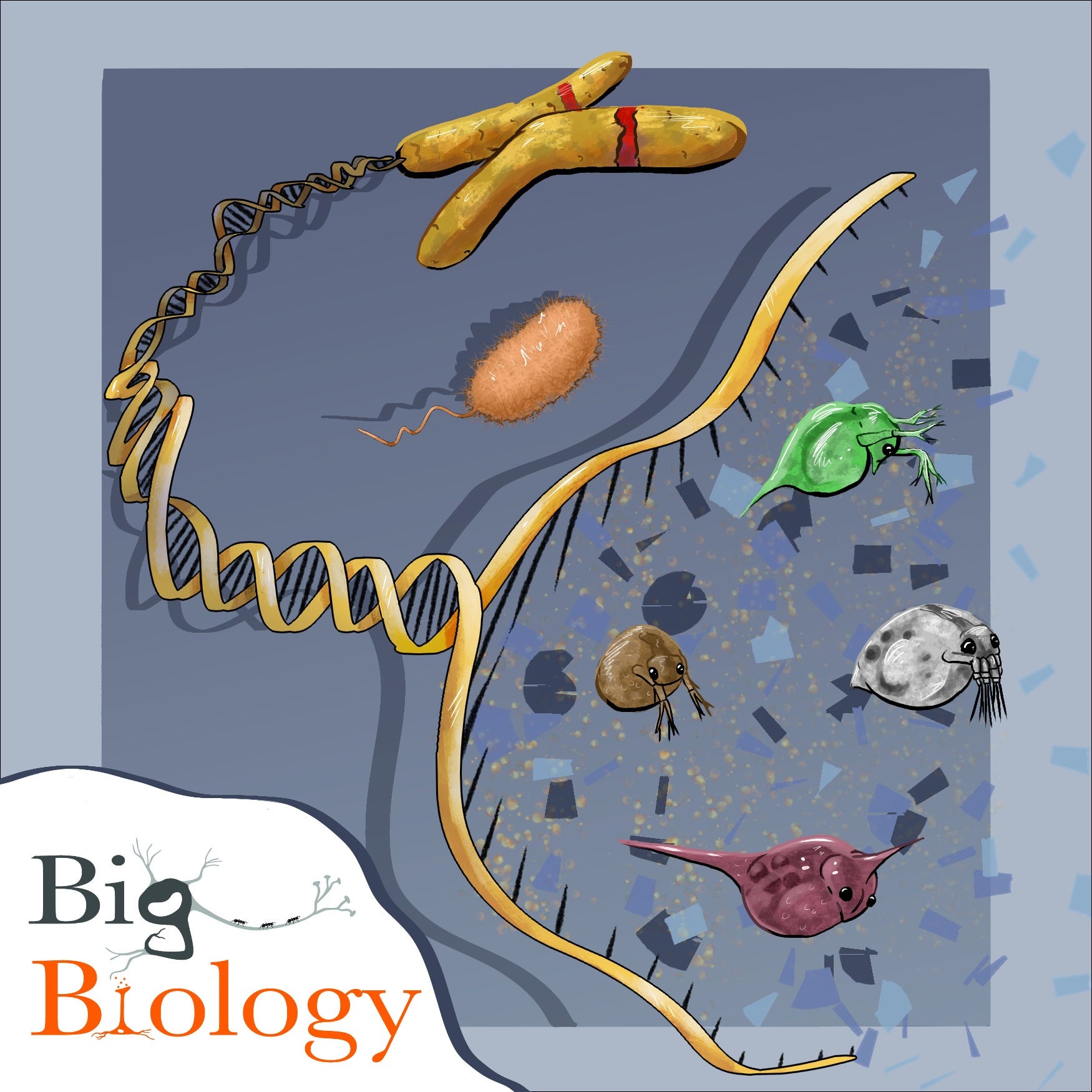
This is a free preview of a paid episode. To hear more, visit bigbiology.substack.comHow do non-adaptive processes shape biological diversity and complexity? What is effective population size and what important role does it play in evolution?On this episode of Big Biology, we talk with Dr Mike Lynch, Regents Professor and the Director of the Biodesign Center for Mechanisms of Evolution at Arizona
The Origin of Us: Human Evolution
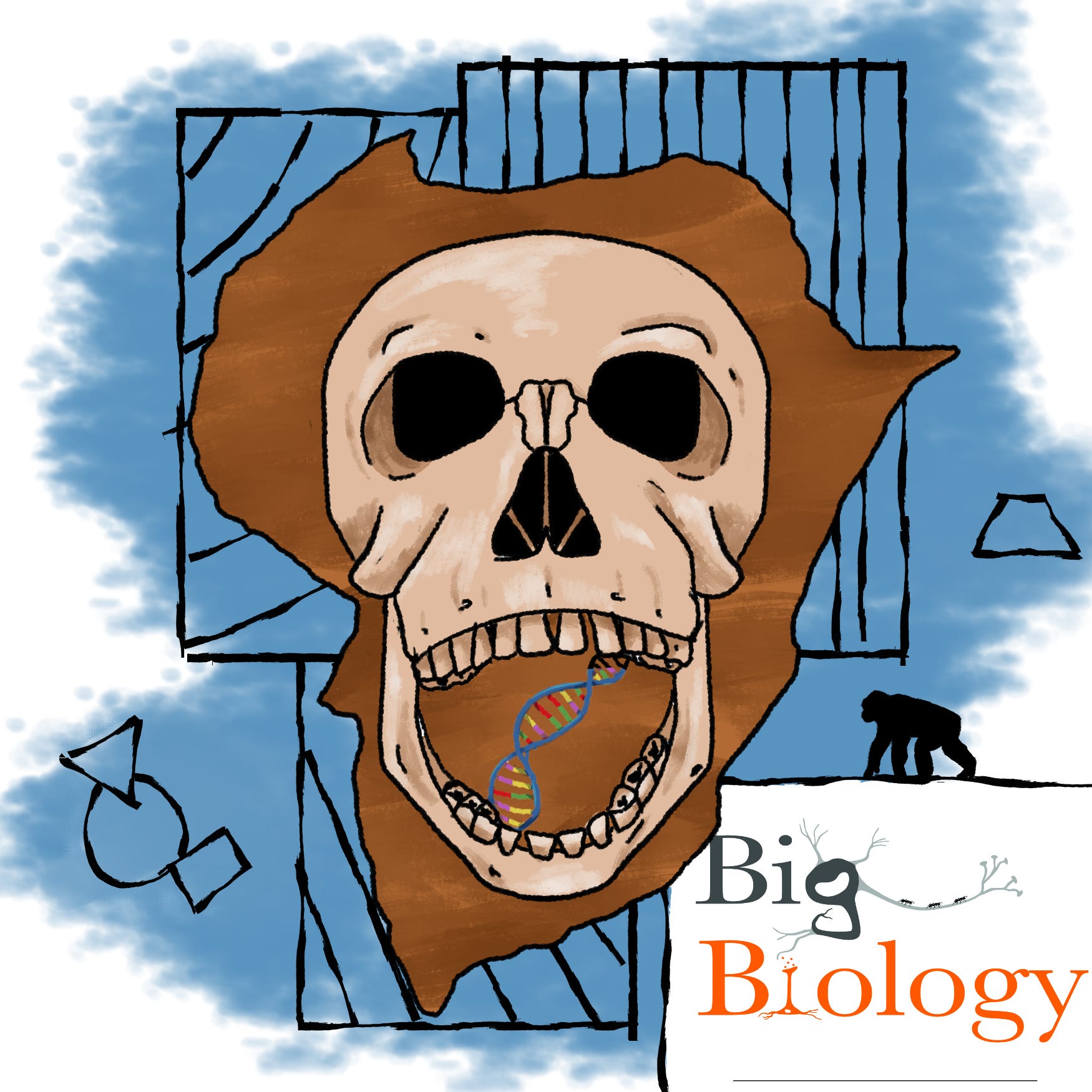
Where, when, and how did Homo sapiens appear? What do we know about the complex set of ancestral hominins that preceded us? How recently did other hominin lineages live and what happened to them?On this episode, we talk with Kate Wong, a senior editor at Scientific American, about her article, The Origin of Us. Our understanding of hominin evolution over the past several million years has been tra
Covid Conversations (Ep 138)
What can we learn from the COVID-19 pandemic, and how do we apply that knowledge moving forward?On this special episode of Big Biology, we’re bringing you the highlights from a conference called “Covid Conversations,” which was hosted at the University of South Florida last December. The event brought together scientists, public health experts, medical doctors, historians, students, philosophers,
Student Spotlight: Finding passion in science communication and advocacy (Ep 137)
How can grad students advocate for science policy? How can science communication make research more accessible and inclusive?On this episode of Big Biology, we bring back our “Student Spotlight” segment. We talk with JP Flores, a PhD student studying bioinformatics and computational biology at UNC Chapel Hill. JP does more than just research, he is also deeply engaged in science communication and
The call of the wild (Ep 136)
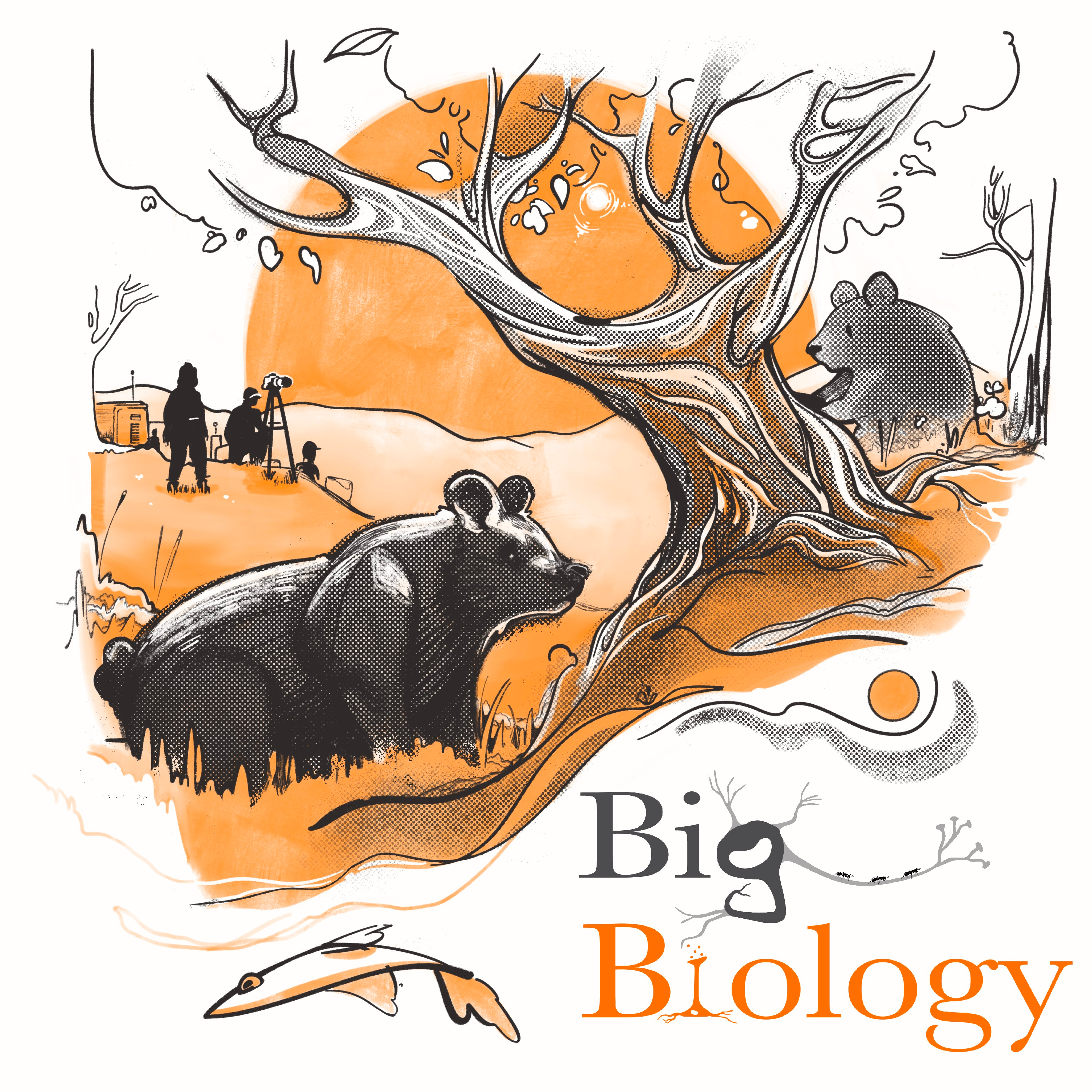
This is a free preview of a paid episode. To hear more, visit bigbiology.substack.comWhat role does media play in conservation efforts and inspiring future generations of scientists? How can science communication make scientific knowledge accessible to the public, especially for communities underrepresented in science?On this episode, we talk with Dr Rae Wynn-Grant a researcher at the Bren School
Not all heroes have spines (Ep 135)
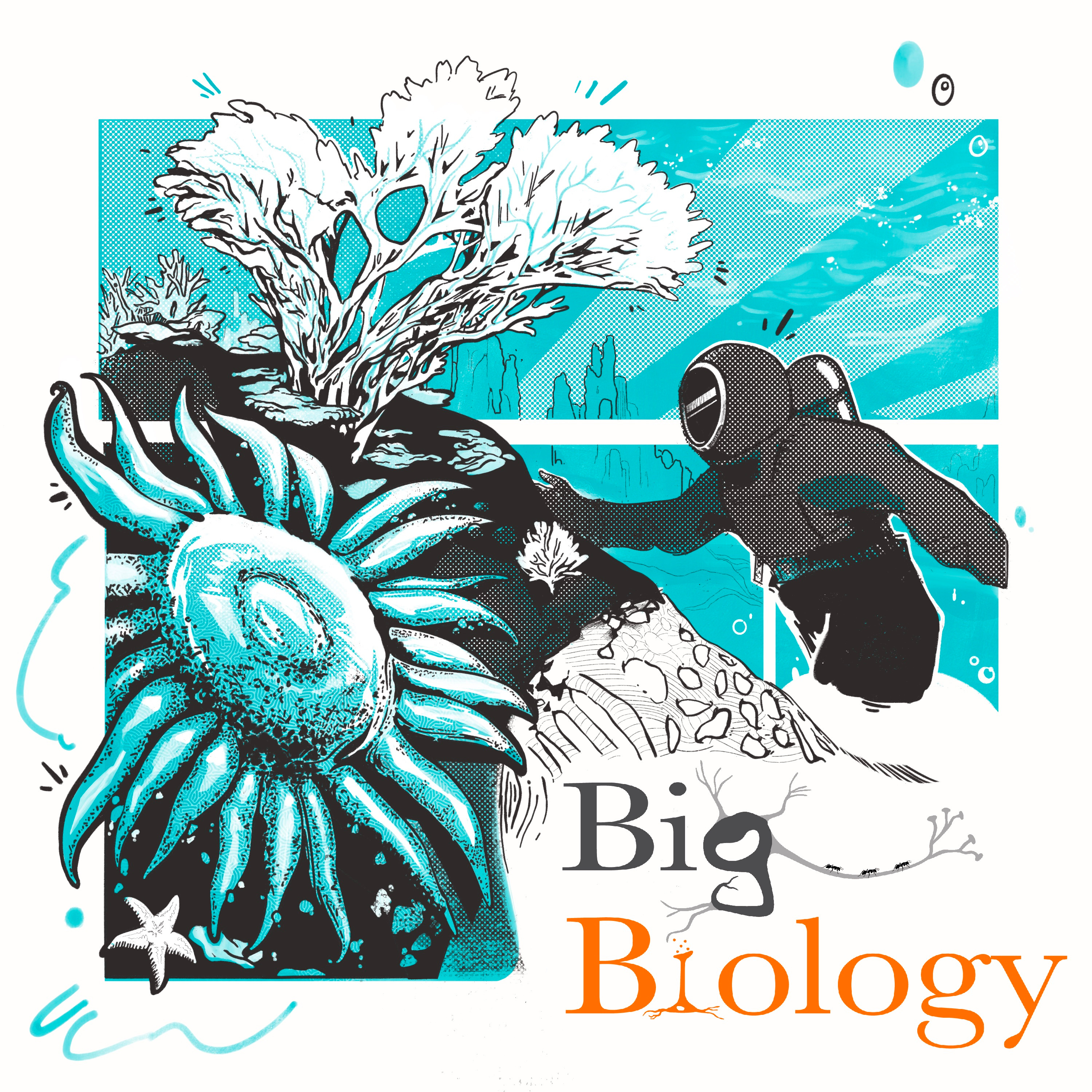
This is a free preview of a paid episode. To hear more, visit bigbiology.substack.comWhat biological "superpowers" do marine invertebrates possess? What challenges do they face and will their resilience protect them from anthropogenic change?On this episode, we talk with Drew Harvell, Professor Emerita of Ecology and Evolutionary Biology at Cornell University, Affiliate Faculty at the University o
#SaveNSF (Episode 134)
Why is the National Science Foundation important? What is the potential impact of the proposed budget cut to the NSF? How can we stand up for federally-funded science in the US?In this episode, we talk with Bill Zamer and Sam Scheiner, two former BIO program officers at the NSF. Much of the conversation focuses on the recently proposed 56% budget cut to the NSF and what the impacts of such a spend

Microplastics, macro-problems (Ep 133)
This is a free preview of a paid episode. To hear more, visit bigbiology.substack.comWhat are microplastics and why are they an issue for the environment? How can global policy address plastic pollution?On this episode, we talk with Martin Wagner, a Professor of Environmental Toxicology at the Norwegian University of Science and Technology. We talk with Martin about the potential harms of micropla
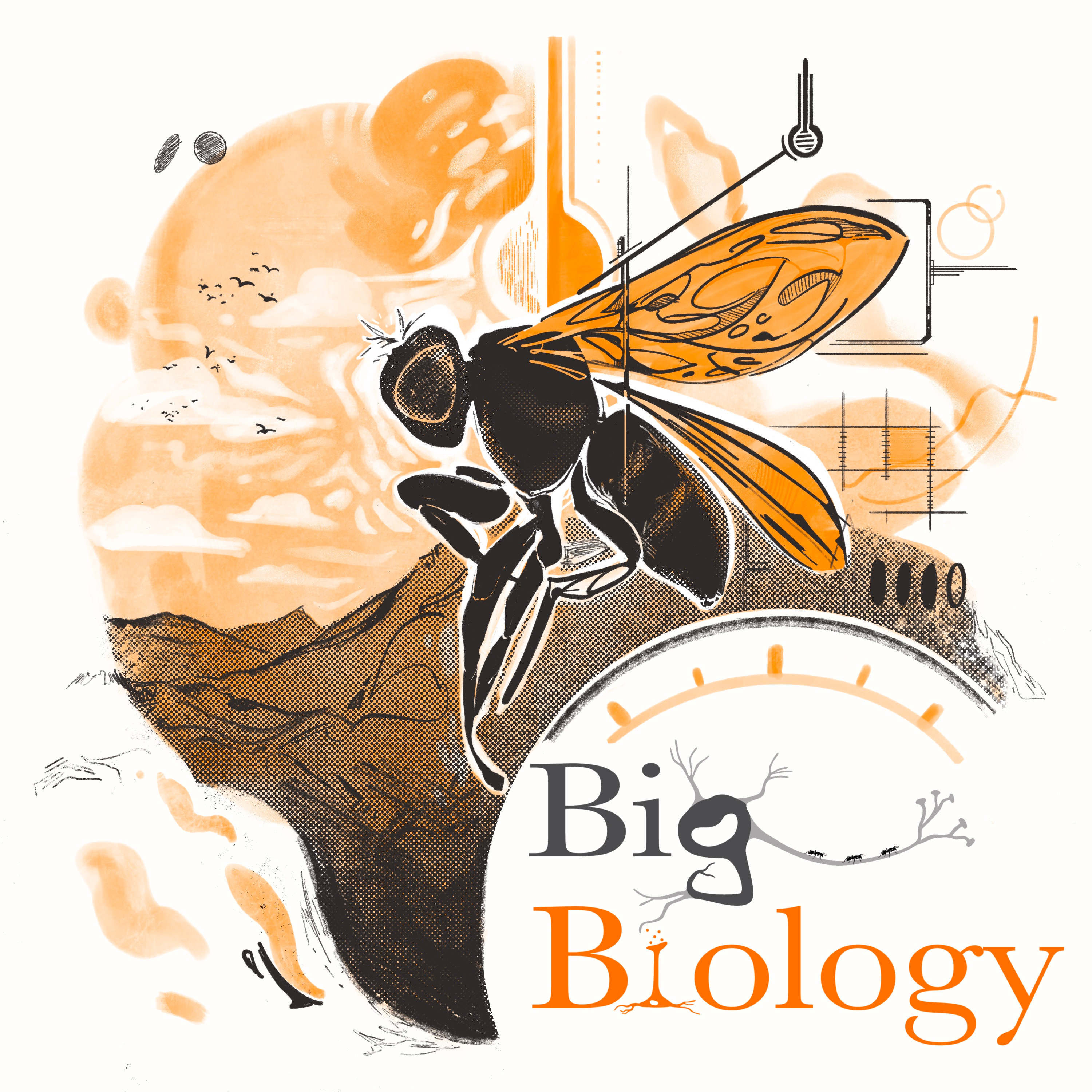
Cover art behind the scenes: Feel the heat
Watch how our amazing artist Keating Shahmehri created the cover art for our last episode "Feel the heat”. This is a public episode. If you'd like to discuss this with other subscribers or get access to bonus episodes, visit bigbiology.substack.com/subscribe
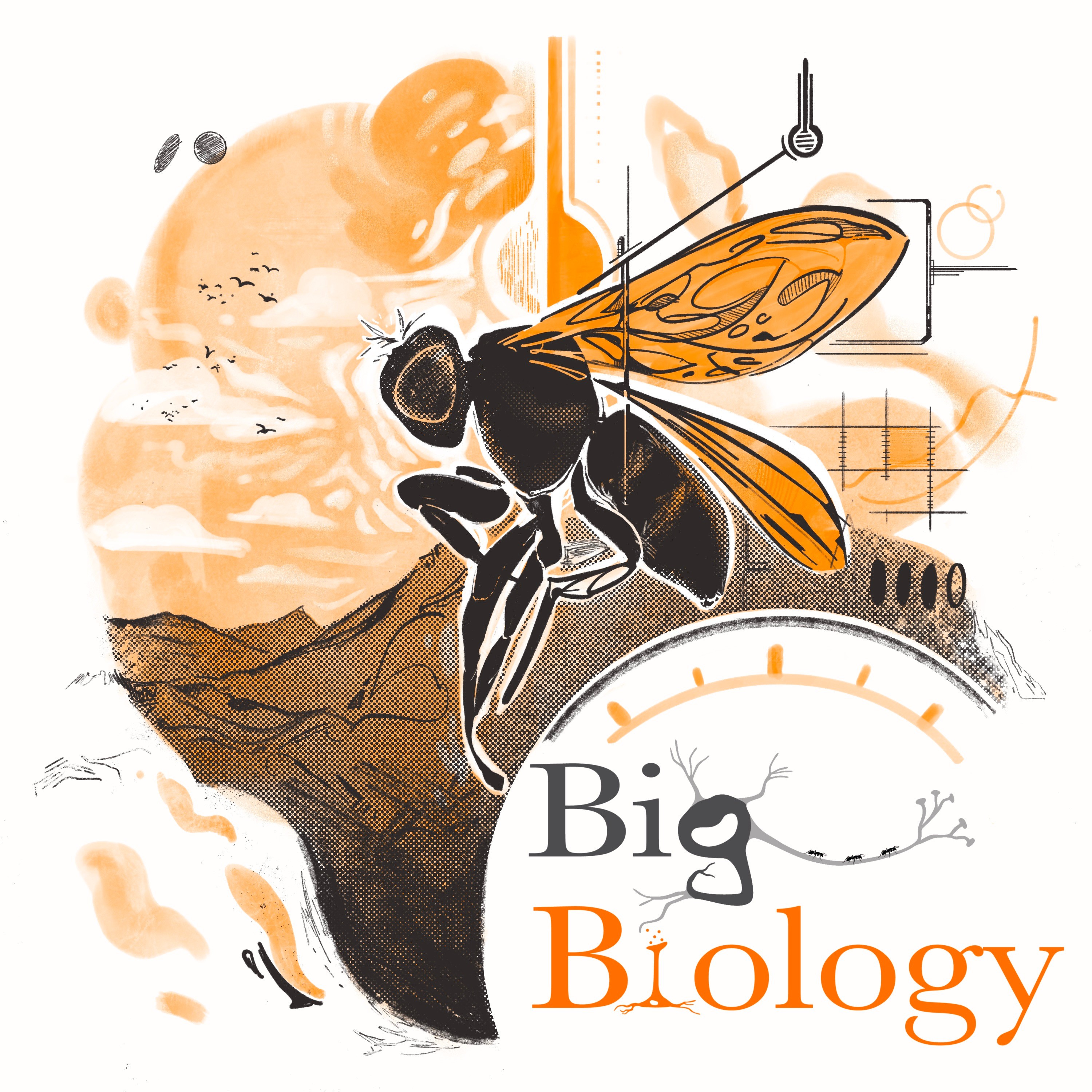
Feel the heat (Ep 132)
How do scientists measure thermal tolerance and predict organismal responses in the wild? What kind of other data is needed to make predictive models better at helping us understand species responses to high temperatures?In this special episode, roving podcaster Cameron Ghalambor went on the road to the University of Granada in Spain where he spoke about his own research in the symposium, Predicti
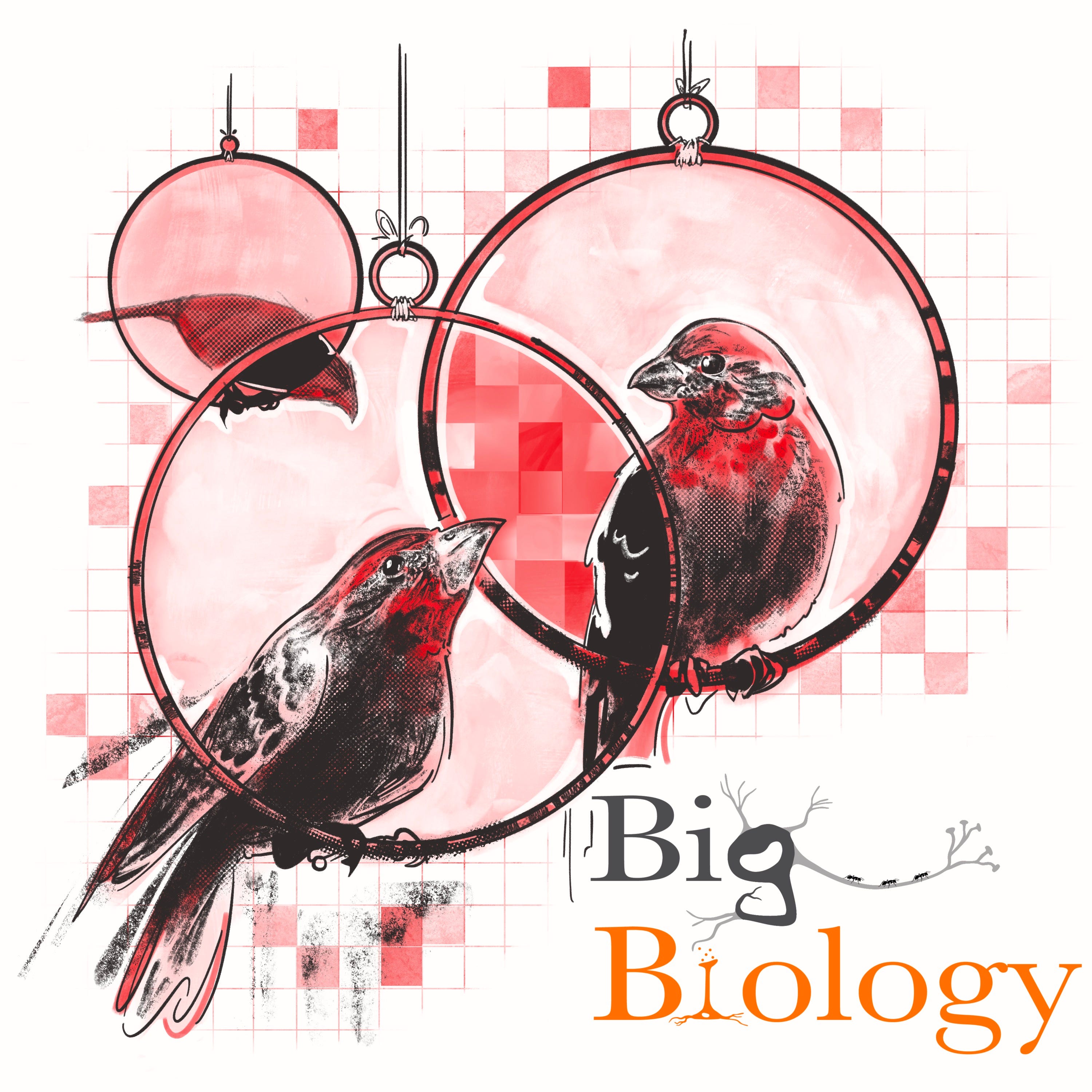
Secrets in the structure (Ep 131)
This is a free preview of a paid episode. To hear more, visit bigbiology.substack.comHow are new technologies allowing biologists to look beyond simple genetic variation to whole genome structure? What is a pangenome?In this episode, we talk with Scott Edwards, the Alexander Agassiz Professor of Zoology and Curator of Ornithology at Harvard University. On this episode, we talk to Scott about the n
Post-match chat: A direct hit
In this post-match chat, Marty and Cam discuss our most recent episode “A direct hit”, with guest Holden Thorp. This is a quickly evolving situation, and on Friday last week, a federal judge continued to block the cut to the NIH indirect cost rate. And just a few days ago, Holden wrote another editorial Come together, right now. He writes about the continued onslaught of cuts, firings, and changes
A Direct Hit (Ep 130)
Will a change in policy at the National Institutes of Health derail science in the US? How does the “indirect cost rate” for federal research grants fuel research?In this episode, we talk with Holden Thorp, a chemist and editor-in-chief of Science, about his recent editorial A Direct Hit. In it, he writes about the NIH announcing a significant cut to their indirect cost rate and the consequences t
Behind the scenes audio
Here’s a little sneak peek into what goes on behind the scenes when we choose a title for an episode. In this snippet, Cam and Marty discuss the title of our most recent episode: “Beaks on (fitness) peaks.” This is a public episode. If you'd like to discuss this with other subscribers or get access to bonus episodes, visit bigbiology.substack.com/subscribe

Beaks on (fitness) peaks (Ep 129)
This is a free preview of a paid episode. To hear more, visit bigbiology.substack.comWhich factors lead to the evolution of reproductive isolation? What role does hybridization play in speciation? Why are there so many bird species in the tropics?In this episode, we host Trevor Price, a Professor in the Department of Ecology and Evolution at the University of Chicago and a Fellow of the Royal Soci
Homo pathogenesis (Ep 128)
This is a free preview of a paid episode. To hear more, visit bigbiology.substack.comHow does human behavior contribute to disease transmission? What can our history with infectious disease teach us about modern epidemics?On this episode, we talk with Sabrina Sholts, Curator of Biological Anthropology in the Department of Anthropology at the Smithsonian’s National Museum of Natural History (NMNH).
Devo-lutionary theory (Ep 127)
This is a free preview of a paid episode. To hear more, visit bigbiology.substack.comWhat role does development play in evolution? How can biology incorporate a broader, more complex definition of what it means to be an organism?In this episode, we talk with Scott Gilbert and Tobias Uller, two of the authors who wrote Evolution Evolving: The Developmental Origins of Adaptation and Biodiversity. To
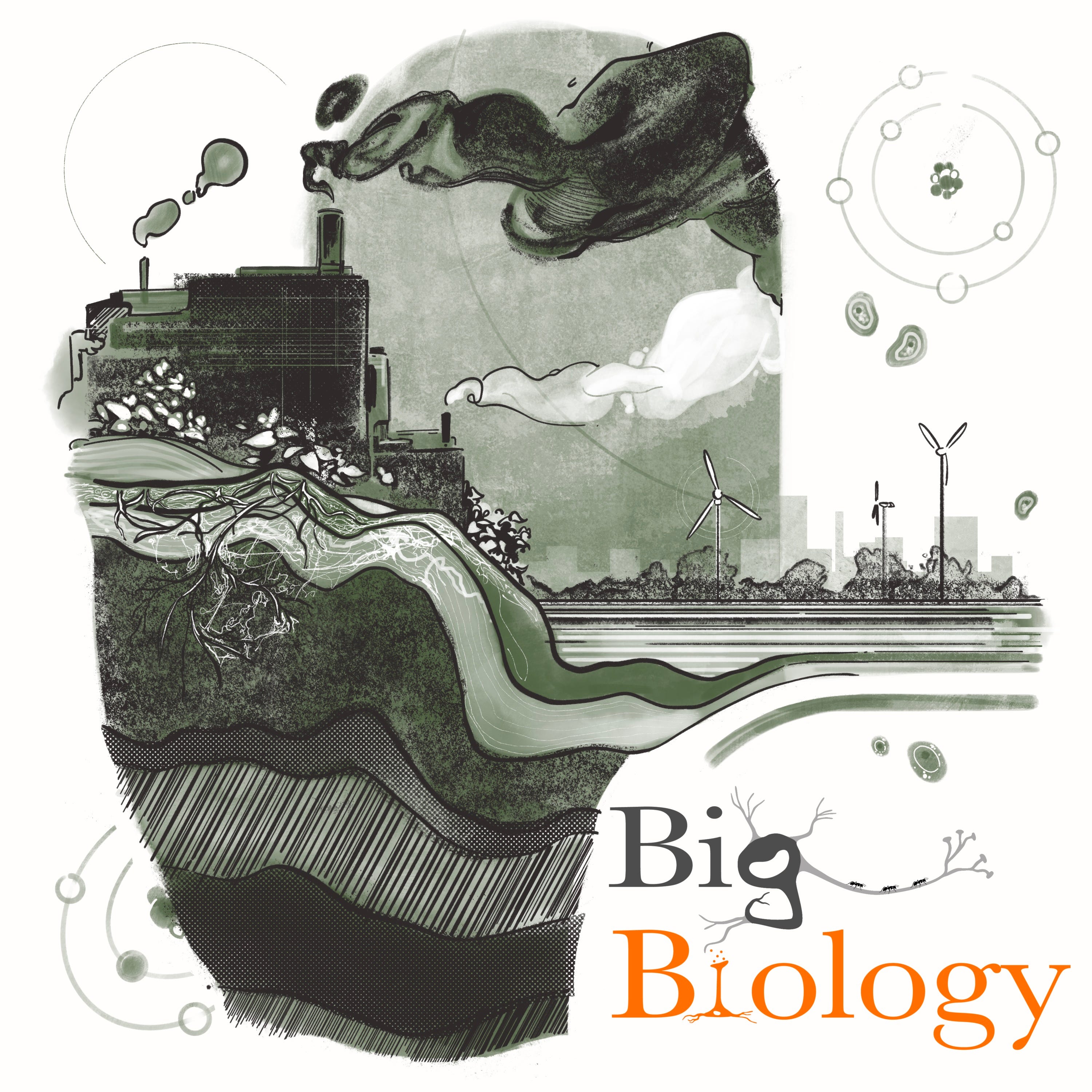
What does it take to change the world? (Ep 126)
This is a free preview of a paid episode. To hear more, visit bigbiology.substack.comHow have organisms changed the Earth and what can humans learn from its deep past?On this episode, we talk with Stephen Porder, a Professor of Ecology, Evolution, and Organismal Biology and the Associate Provost for Sustainability at Brown University. Stephen is also the author of Elemental: How Five Elements Chan
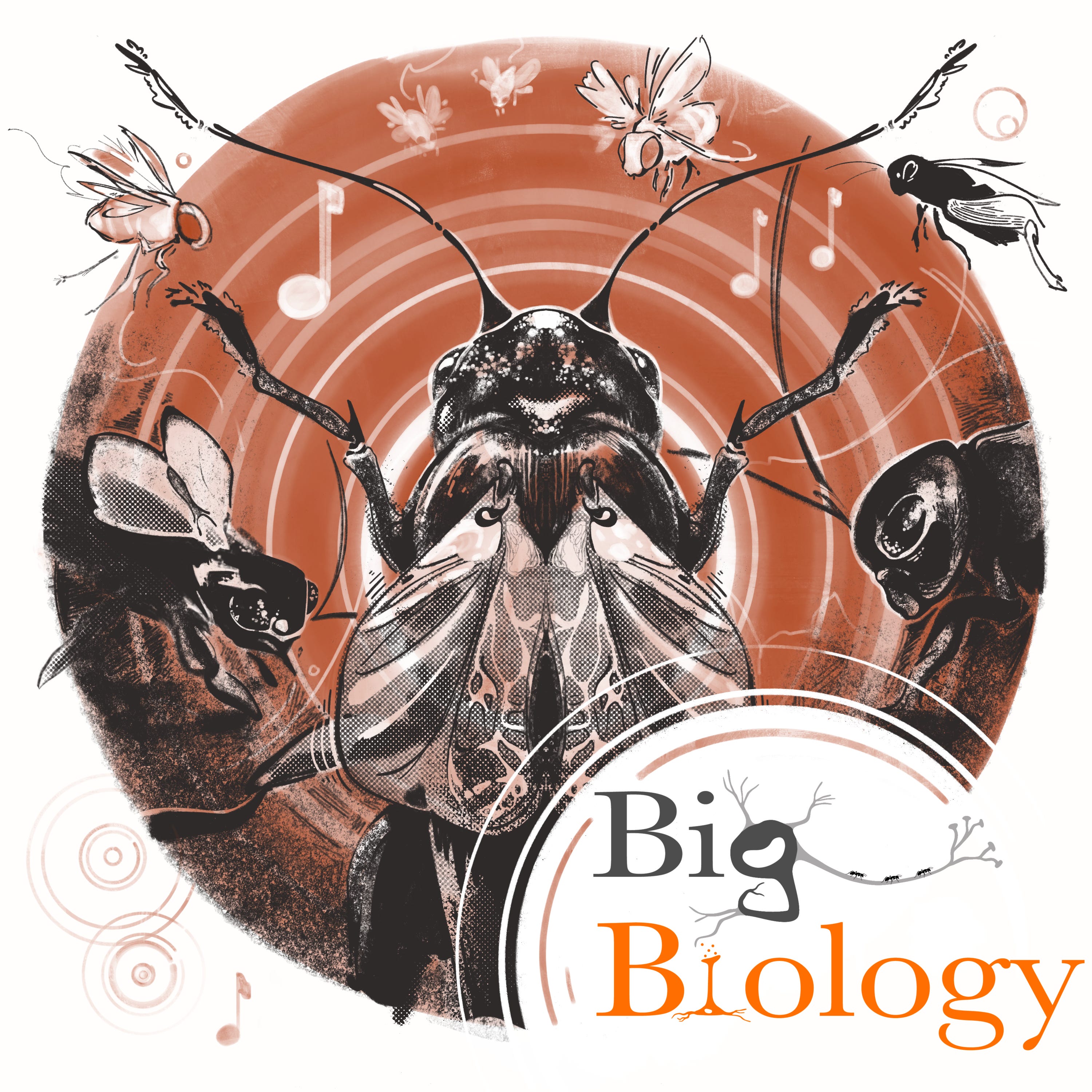
A quiet place (Ep 125)
How do natural selection and sexual selection interact? What can observing adaptive radiation in the wild teach us about evolution?On this episode, we talk with Dale Broder, an Assistant Professor at American University, and Robin Tinghitella, an Associate Professor at the University of Denver. They study the Pacific field cricket, a fascinating organism that exemplifies both adaptive radiation an

Spiny, but social (Ep 124)
This is a free preview of a paid episode. To hear more, visit bigbiology.substack.comWhat are spiny mice and why are they so social? What about their brains makes them gregarious? Might network neuroscience be a useful framework for understanding spiny mice behavior?On this episode, we talk with Aubrey Kelly, an Assistant Professor in Psychology at Emory University. Aubrey is a behavioral neurosci
The long and winding road (Ep 123)
This is a free preview of a paid episode. To hear more, visit bigbiology.substack.comWhat was life like in wartime England for a young female scientist? What about living and doing research for months each year with your daughters and husband on a remote island? On this episode, we talk with Rosemary Grant, Emeritus Professor of Ecology and Evolutionary Biology at Princeton University. Rosemary is
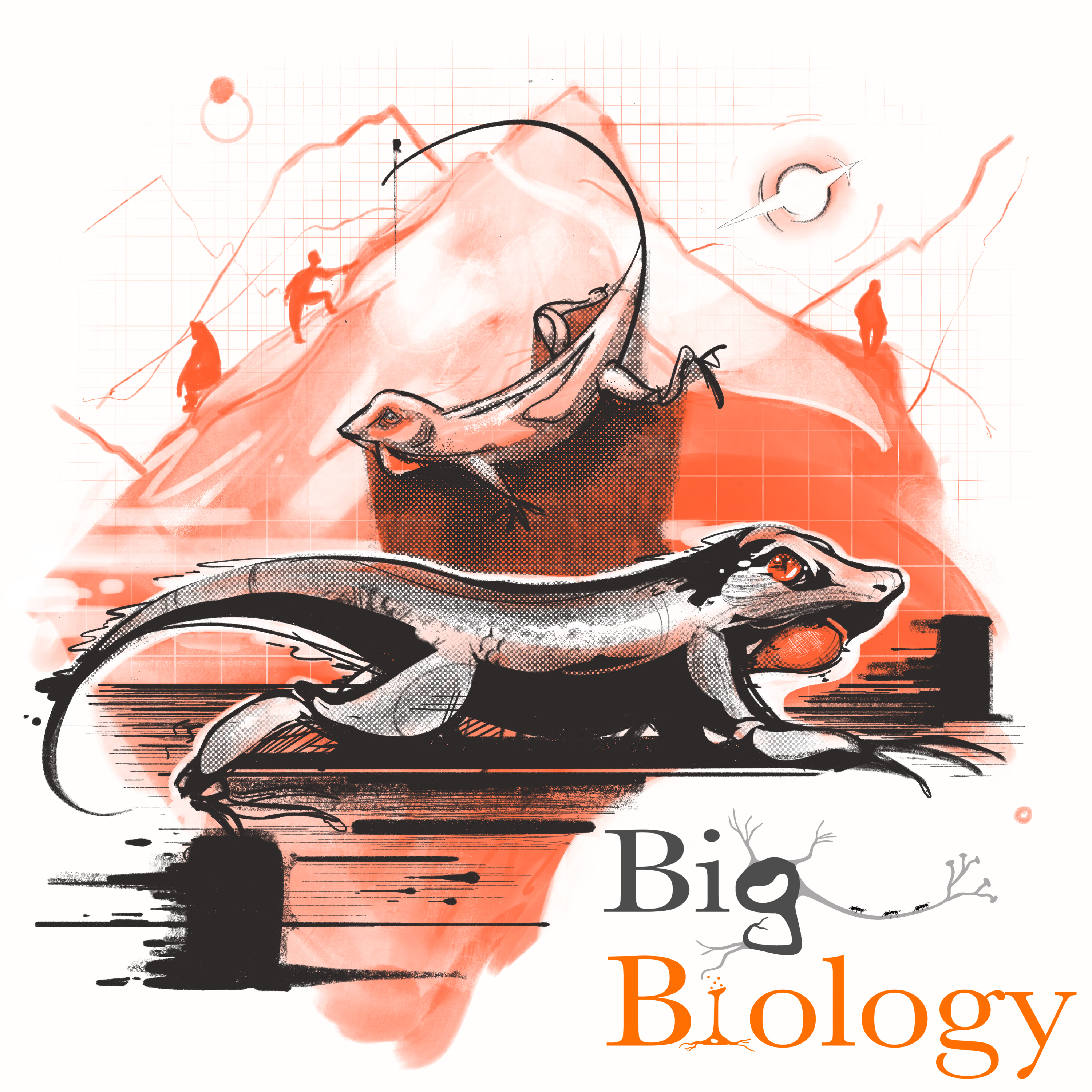
Ahead of the (thermal) curve (Ep 122)
This is a free preview of a paid episode. To hear more, visit bigbiology.substack.comHow do biologists study the influence of heat on organisms and how can this be applied to the study of climate change? What impacts mountaineer survival at high altitudes?On this episode of Big Biology, we talk with Professor Emeritus at University of Washington and recently elected member of the National Academy
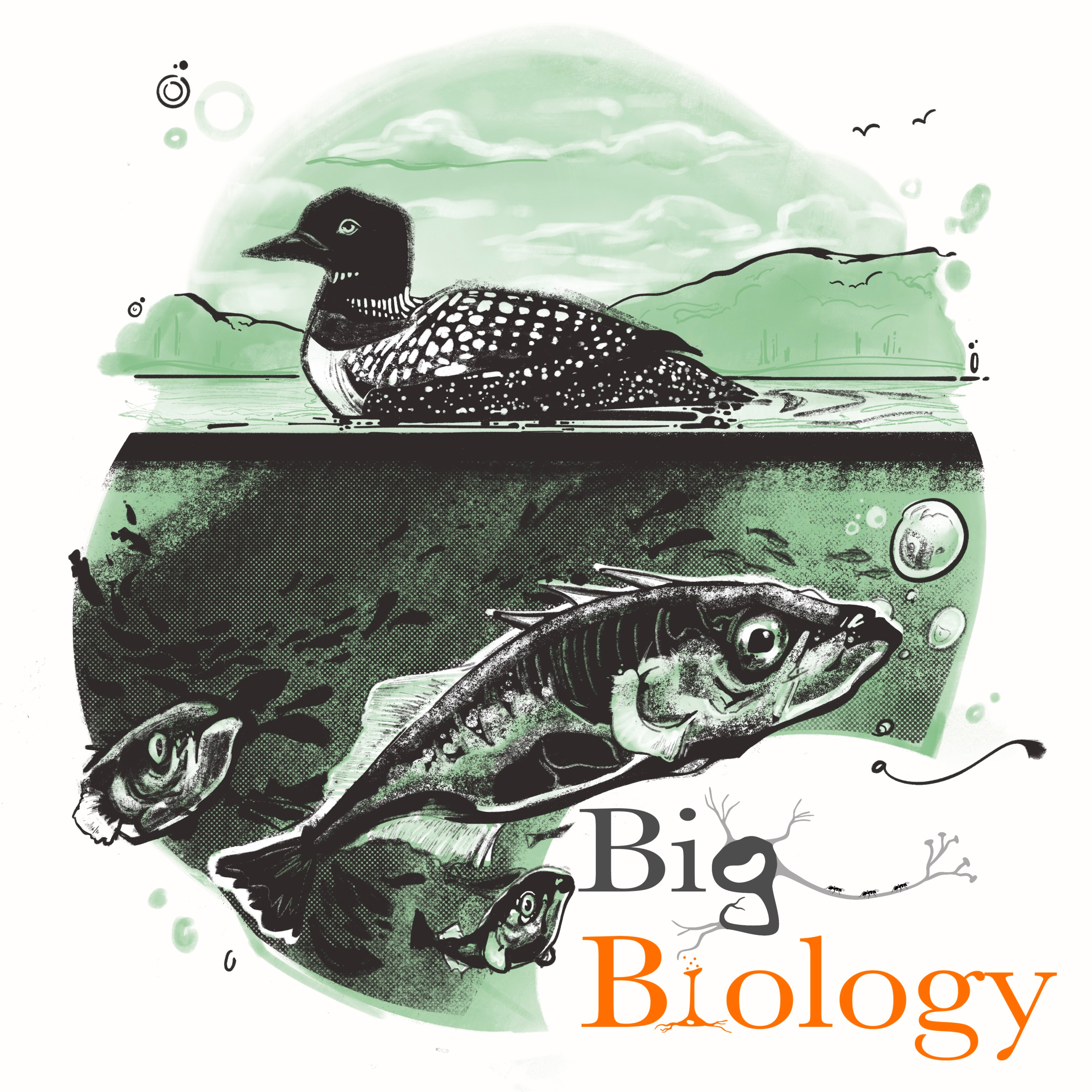
Stickle-back to the future: experimental evolution in nature (Ep 121)
Can we study evolution in the wild? Are some species “super-evolvers”?On the episode, we talk with Alison Derry, a professor of biology at the University of Quebec in Montreal, and Andrew Hendry, a professor in the Department of Biology at McGill University, Canada. This episode is the second we’ve done on the team’s work, and Andrew was also a guest on our first episode in the series. This conver
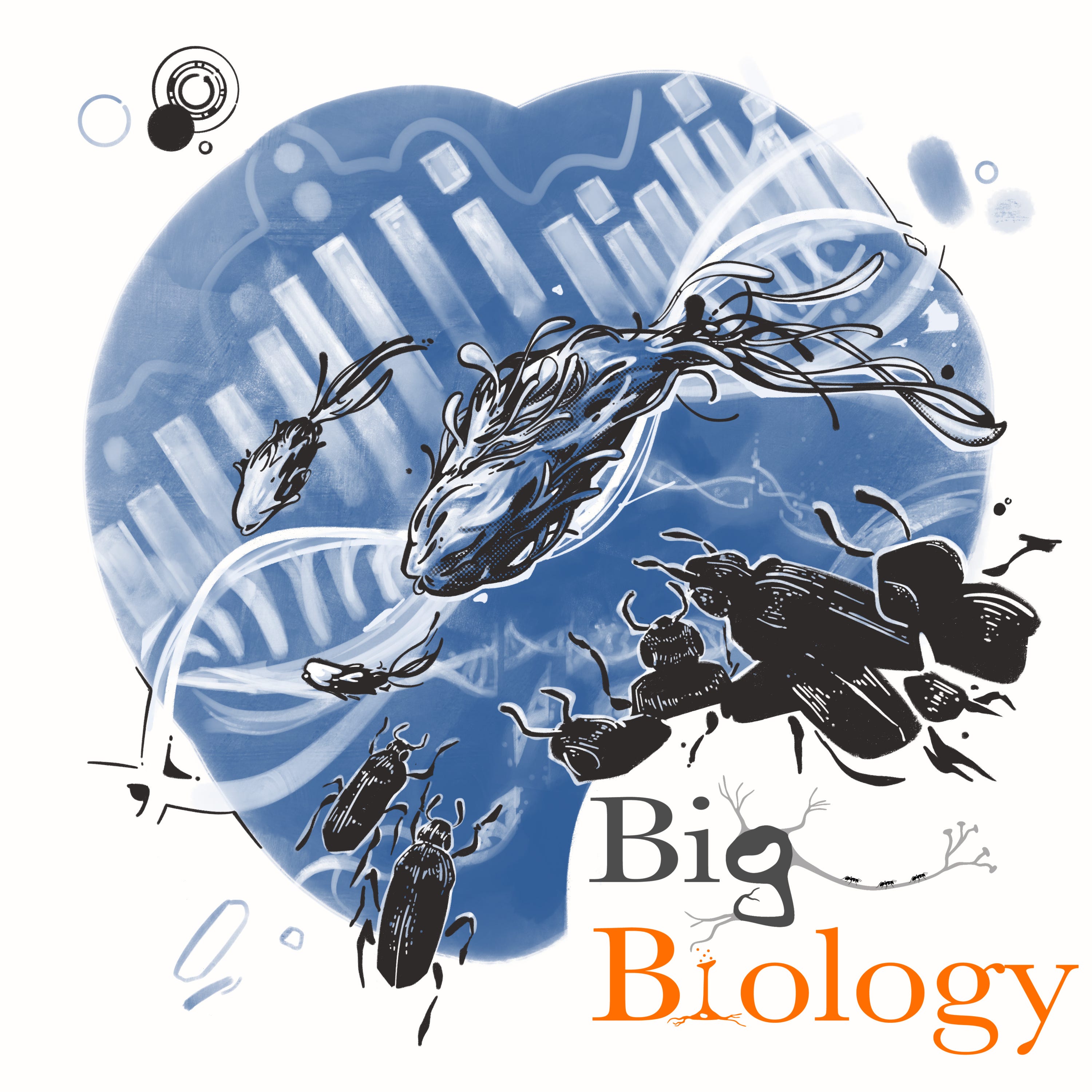
Shifting mutational landscapes (Ep 120)
This is a free preview of a paid episode. To hear more, visit bigbiology.substack.comWhat is mutation bias and how can scientists study it? How does changing a population’s mutation bias influence its evolutionary trajectory?In this episode, we talk with Deepa Agashe, an Associate Professor at the National Centre for Biological Sciences in Bangalore, India. We first talk with Deepa about mutation
Big Biology Presents: The Naked Scientists Podcast
This week on Big Biology we're sharing an episode from The Naked Scientists Podcast about how humans lost their tails.Humans, chimpanzees, gorillas and orangutans do not have tails. It sets us apart from other primates, but suggests that our shared evolutionary ancestors had them. So why did we lose them, and how? Speaking with Chris Smith, from The Naked Scientists Podcast, NYU Grossman Schoo
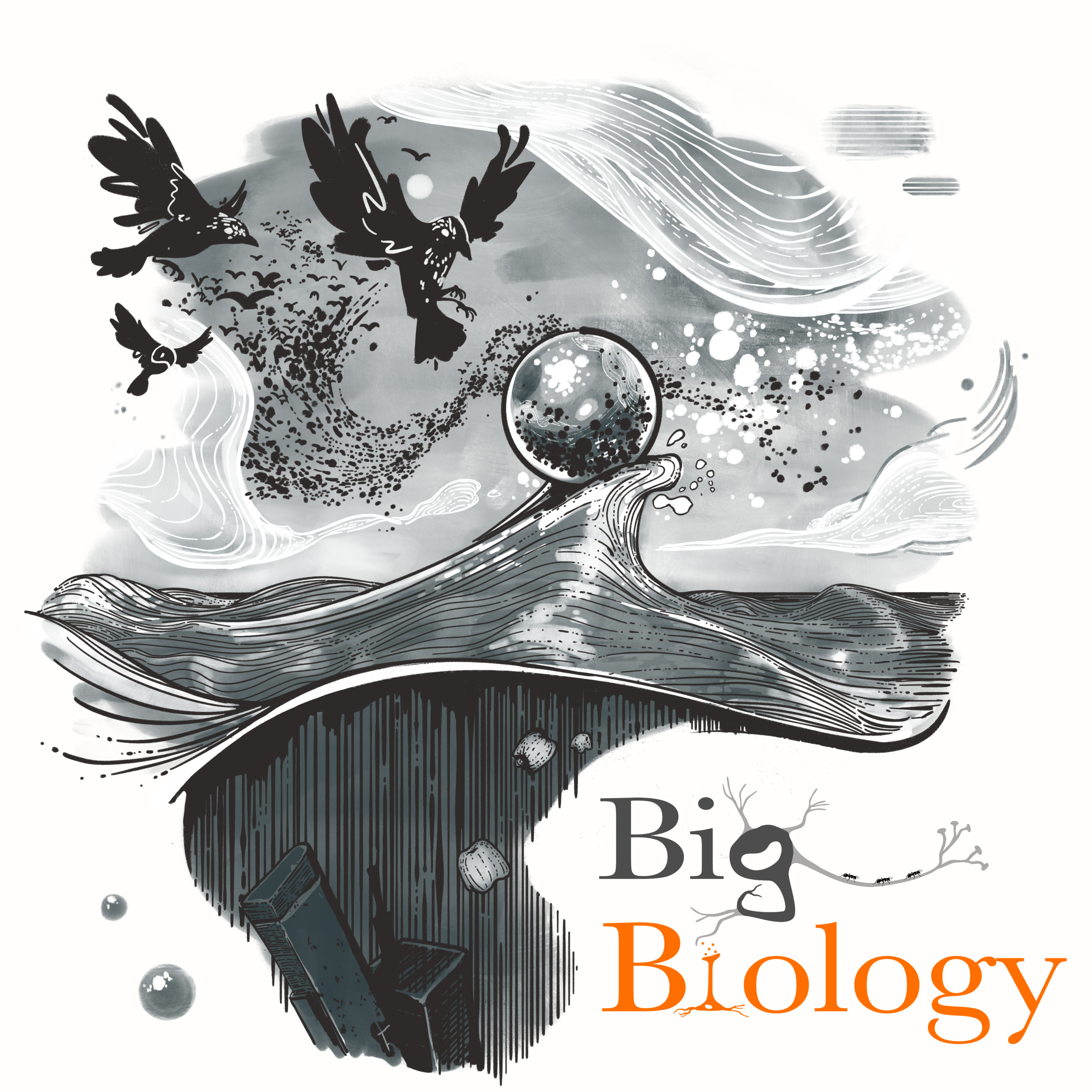
Biology as its own metaphor (Ep 119)
This is a free preview of a paid episode. To hear more, visit bigbiology.substack.comAt what levels does causation happen in biology? Are metaphors useful for understanding biology?In this episode, we talk with Phil Ball, a science writer who was also an editor for the journal Nature for over 20 years. Phil has written over 25 books, but our conversation focuses on his most recent: “How Life Works

Dog in the Machine (Ep 118)
This is a free preview of a paid episode. To hear more, visit bigbiology.substack.comHow should biologists deal with the massive amounts of population genetic data that are now routinely available? Will AIs make biologists obsolete?In this episode, we talk with Andy Kern, an Associate Professor of Biology at the University of Oregon. Andy has spent much of his career applying machine learning meth
The time of your life (Ep 117)
This is a free preview of a paid episode. To hear more, visit bigbiology.substack.comHow should we study complex biological networks? How do cells keep time and stay in sync? What does it mean for a network to be resilient?In this episode, we talk with Rosemary Braun, Associate Professor at Northwestern University in the Department of Molecular Biosciences and a member of the NSF-Simons Center for
Rewilding biology (Ep 116)
This is a free preview of a paid episode. To hear more, visit bigbiology.substack.comHow do biologists strike a productive balance between descriptive natural history and manipulative experiments in the lab or field? Should we bring back species to areas where they’ve gone extinct and what values do we use to make these decisions? What is wildness and how do we cultivate it?On this episode, we tal
Does a porpoise have a purpose? Agency and goals in evolution (Ep 115)
This is a free preview of a paid episode. To hear more, visit bigbiology.substack.comWhat is an agent, and does an organism have to be conscious to be one? How does organismal agency affect evolution?In this episode, we talk with Samir Okasha, a Professor of Philosophy of Science at the University of Bristol. Samir studies fundamental philosophical questions in evolutionary biology, most notably h
How power explains the history of life (Ep 114)
This is a free preview of a paid episode. To hear more, visit bigbiology.substack.comIf the tape of life were replayed, how recognizable would today’s species and ecosystems be? How and why does power increase over evolutionary time? How have humans unleashed so much power, and what are the consequences of that power for life on Earth? In this episode, we talk with Geerat Vermeij, a paleoecologist
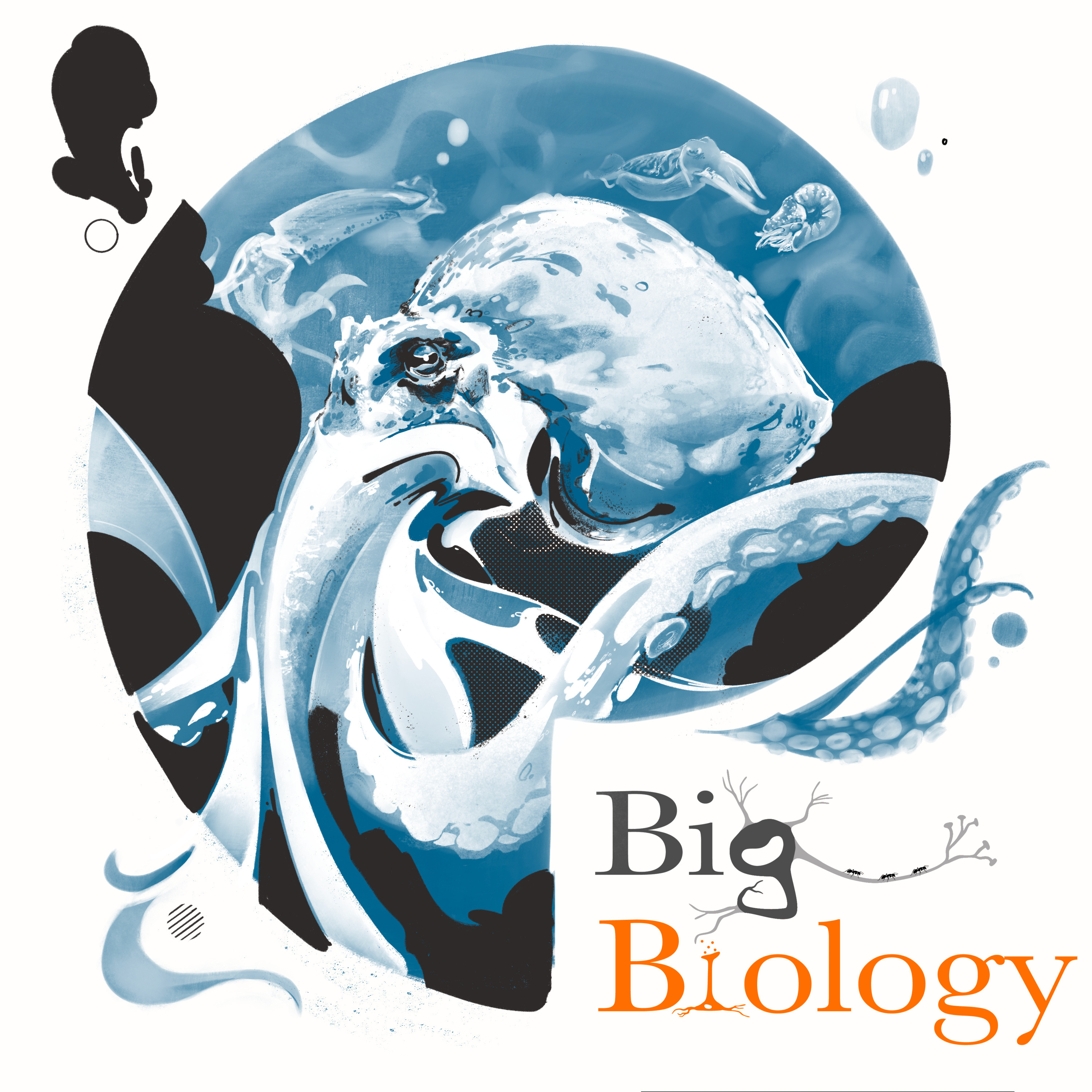
Cephalopods: aliens among us (Ep 113)
This is a free preview of a paid episode. To hear more, visit bigbiology.substack.comHow are cephalopods like us, but also completely alien? How can they become so intelligent when they have such short lives? How do they coordinate a distributed set of brains?In this episode, we talk with Danna Staaf, a science communicator and marine biologist with a lifelong love of cephalopods. Danna earned a P
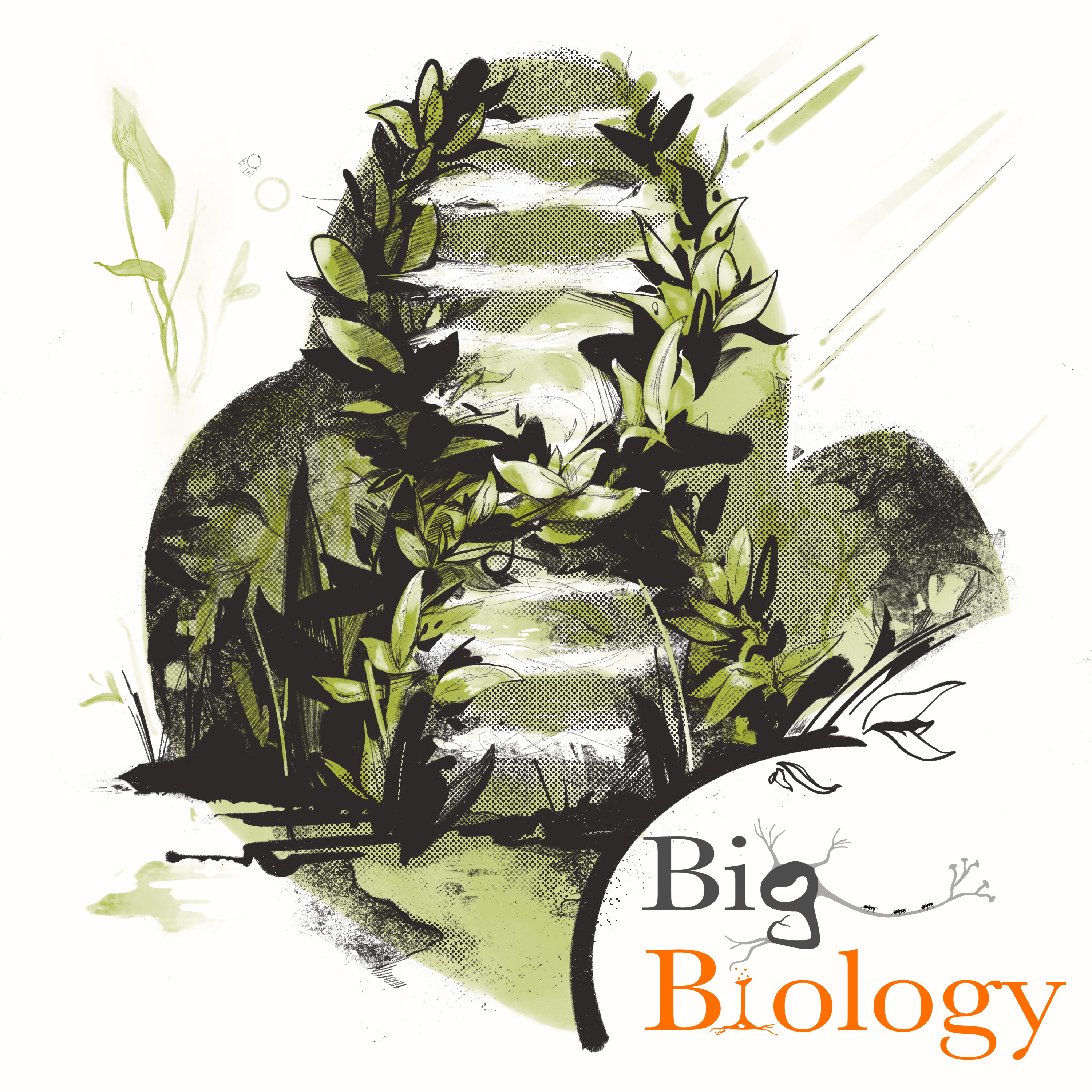
The Entangled Organism (Ep 112)
This is a free preview of a paid episode. To hear more, visit bigbiology.substack.comDoes biological plasticity have a cost? Are there evolutionary consequences of plasticity and of organisms acting on their environments?In this episode, we talk with Sonia Sultan, the Alan M. Dachs Professor of Science in the Department of Biology at Wesleyan University. Sonia has spent her career studying the int
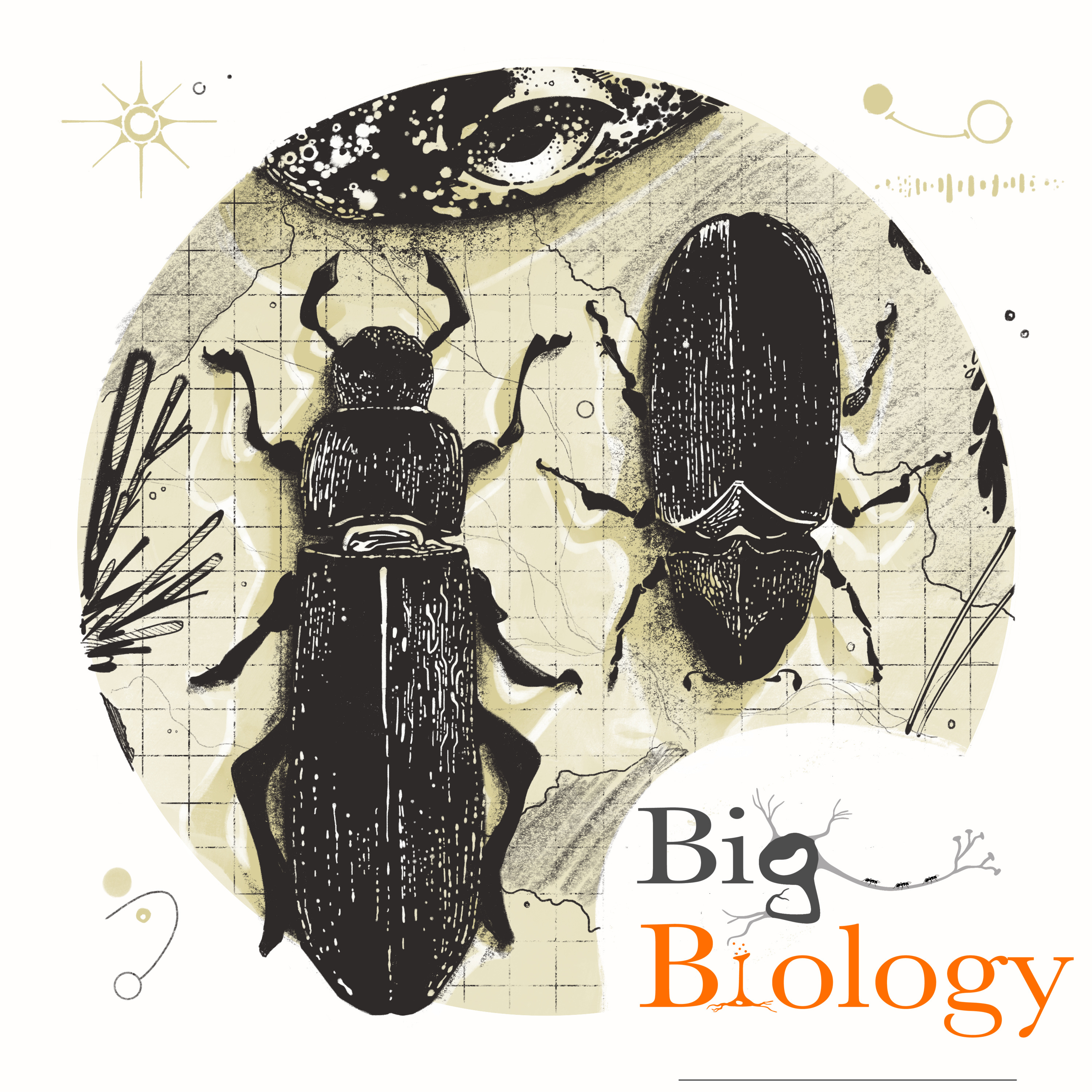
Evolution of the Invaders (Ep 111)
This is a free preview of a paid episode. To hear more, visit bigbiology.substack.comHow do small, founding populations establish and thrive in new places? What is biocontrol, and how is it carried out responsibly?In this episode, we talk with Ruth Hufbauer, a Professor of Applied Evolutionary Ecology at Colorado State University about the ways that organisms successfully establish new populations
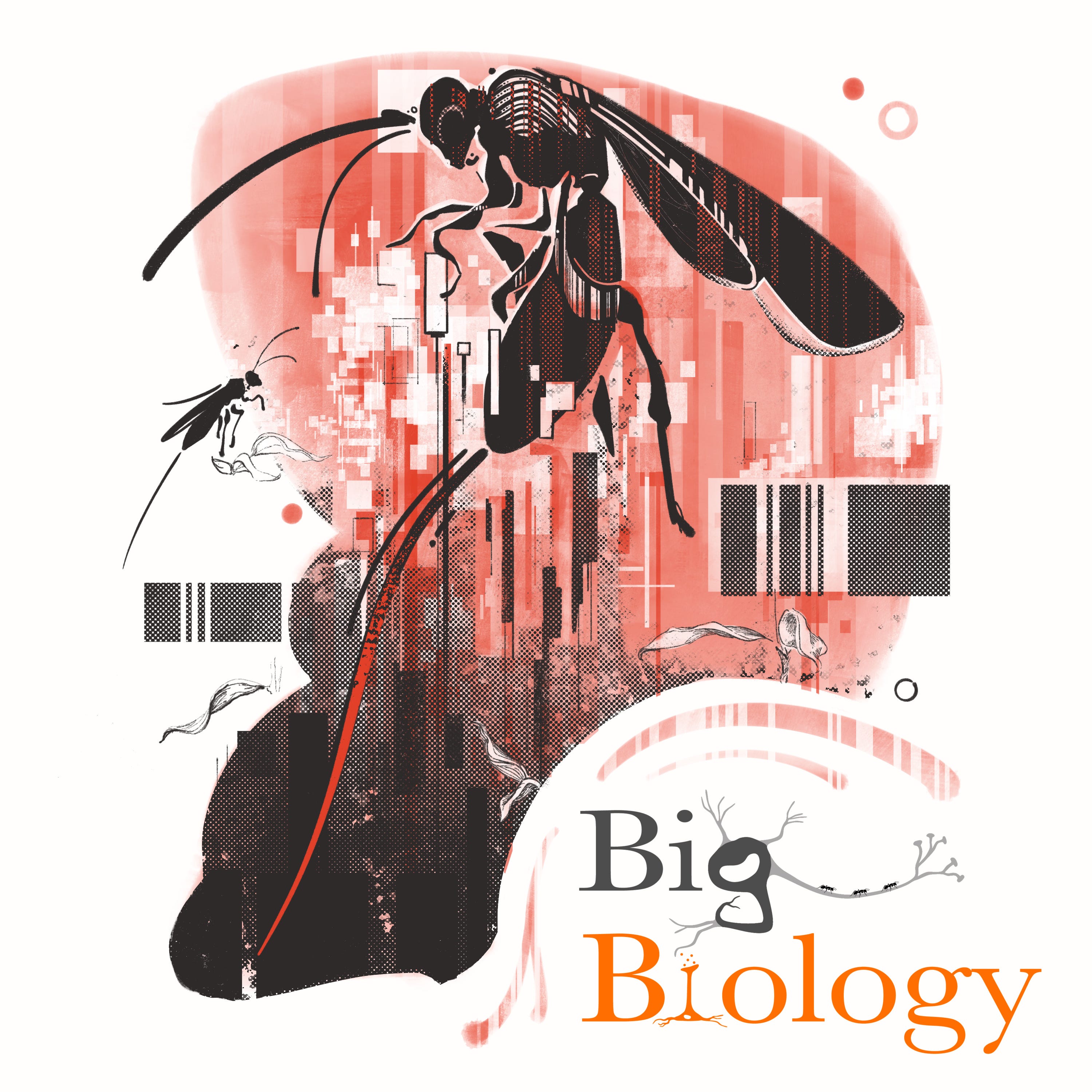
Tempest in a barcode: how rapidly can we (and should we) identify new species? (Ep 110)
This is a free preview of a paid episode. To hear more, visit bigbiology.substack.comHow do biologists categorize species? What’s the best and quickest way to describe millions of unknown species?On this episode, we talk with Michael Sharkey, an entomologist and taxonomist who spent much of his career at the University of Kentucky, and is now the director of the Hymenoptera Institute. Since its in
Nothing in biology makes sense except through time (Ep 109)
This is a free preview of a paid episode. To hear more, visit bigbiology.substack.comHow do living things exert agency in a world of strict physical and chemical laws? Do humans have free will? In this episode, we talk with Kevin Mitchell, an Associate Professor of Genetics and Neuroscience at Trinity College Dublin. The question of free will has been debated for decades by thinkers in physics, ph
Cooperation versus conflict and the path to multicellularity (Ep 107)
This is a free preview of a paid episode. To hear more, visit bigbiology.substack.comHow can we reconcile the evolutionary problem of cooperation? What can social amoebae tell us about the origins of multicellularity?In this episode, we talk to Joan Strassmann and David Queller, professors at Washington University in St. Louis, about the evolution of cooperation and conflict. From social insects t
Long-term experimental evolution in the wild (Ep 106)
Can we predict evolutionary outcomes if we know starting conditions? Do the products of evolution in nature differ from those studied in well-controlled lab experiments?On this episode, we talk to Katie Peichel, head of the Division of Evolutionary Ecology at the University of Bern, Switzerland, and Andrew Hendry, professor in the Department of Biology at McGill University, Canada. Katie and Andre

Follow the data: the search for COVID’s origin (Ep 105)
On this episode, we talk with Alina Chan, postdoc at the Broad Institute of MIT and Harvard and co-author with Matt Ridley of Viral: The Search for the Origin of COVID-19. SARS-CoV-2 could have plausibly jumped into humans in Wuhan via one of two paths. The first is zoonotic transfer from wild bats to humans, possibly via an intermediate animal host. The second is some kind of lab accident: resear
Big Bio Bonus Episode: We’re Hiring!
Season 6 of Big Biology will kick off at the beginning of September - woohoo! Before then, we have a quick message to share:We’re looking for a new producer to join the Big Biology team! If you are a passionate team player with experience in podcast production, then please consider applying! The producer position is a part-time, remote position. Please send us an email at info@bigbiology.org to le
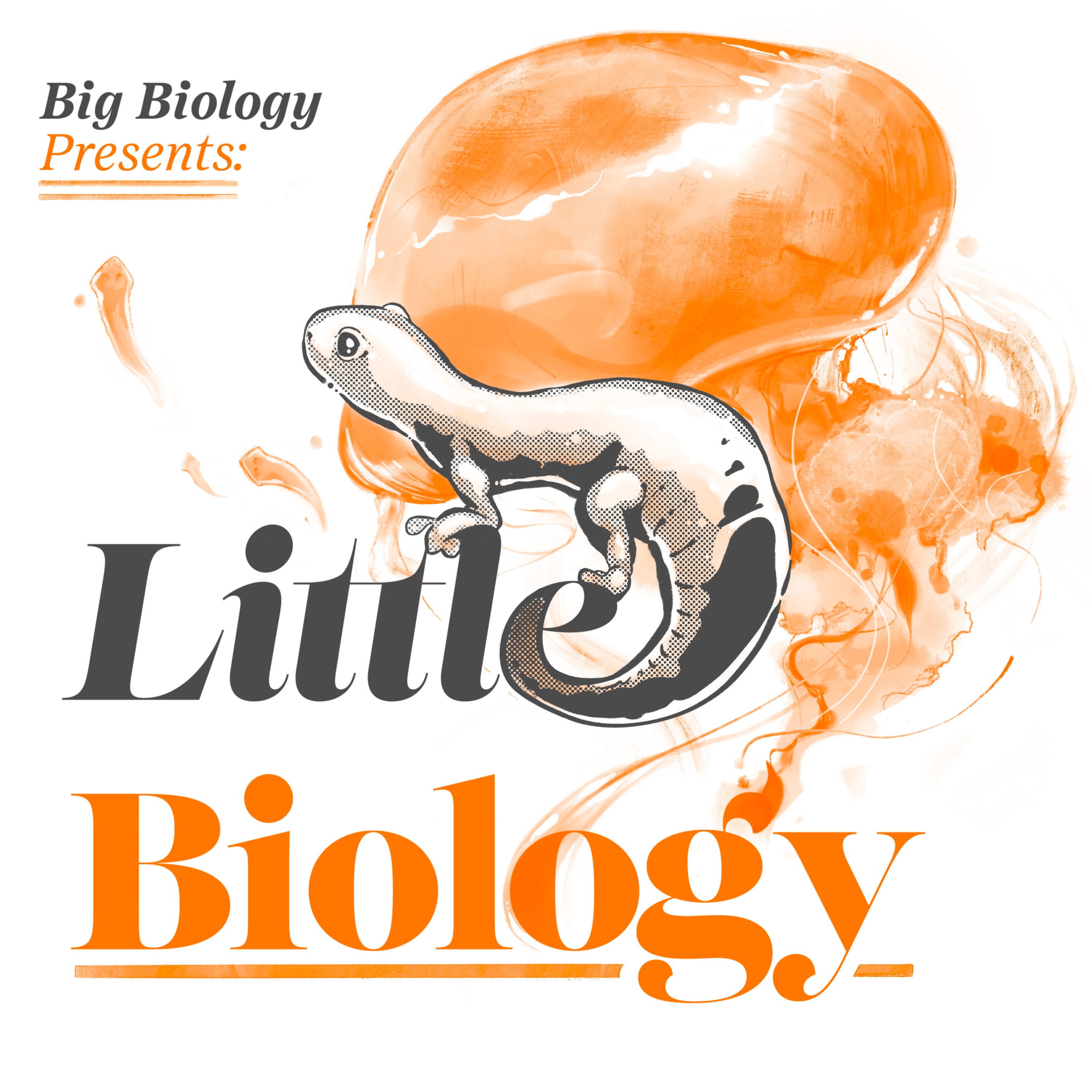
Little Biology: Why can’t I regrow my arm?
Why can some animals regrow limbs while others can’t? Will understanding regeneration in other vertebrates help us regrow arms one day?Our intern team has taken over the channel to talk about one of their favorite biology topics, limb regeneration! In the episode, Dayna and Kyle break down the mechanisms of regeneration and discuss why some animals can regrow organs and limbs, and why the evolutio
Sleeping beauties: the mystery of dormant innovations in nature and culture (Ep 104)
This is a free preview of a paid episode. To hear more, visit bigbiology.substack.comWhere does biological innovation come from? Why do some innovations wait millions of years for their spotlight?Life must constantly innovate for evolution to occur, but many forms of biological innovation often lie dormant, sometimes for millions of years. In this episode, we speak to Andreas Wagner about his rece
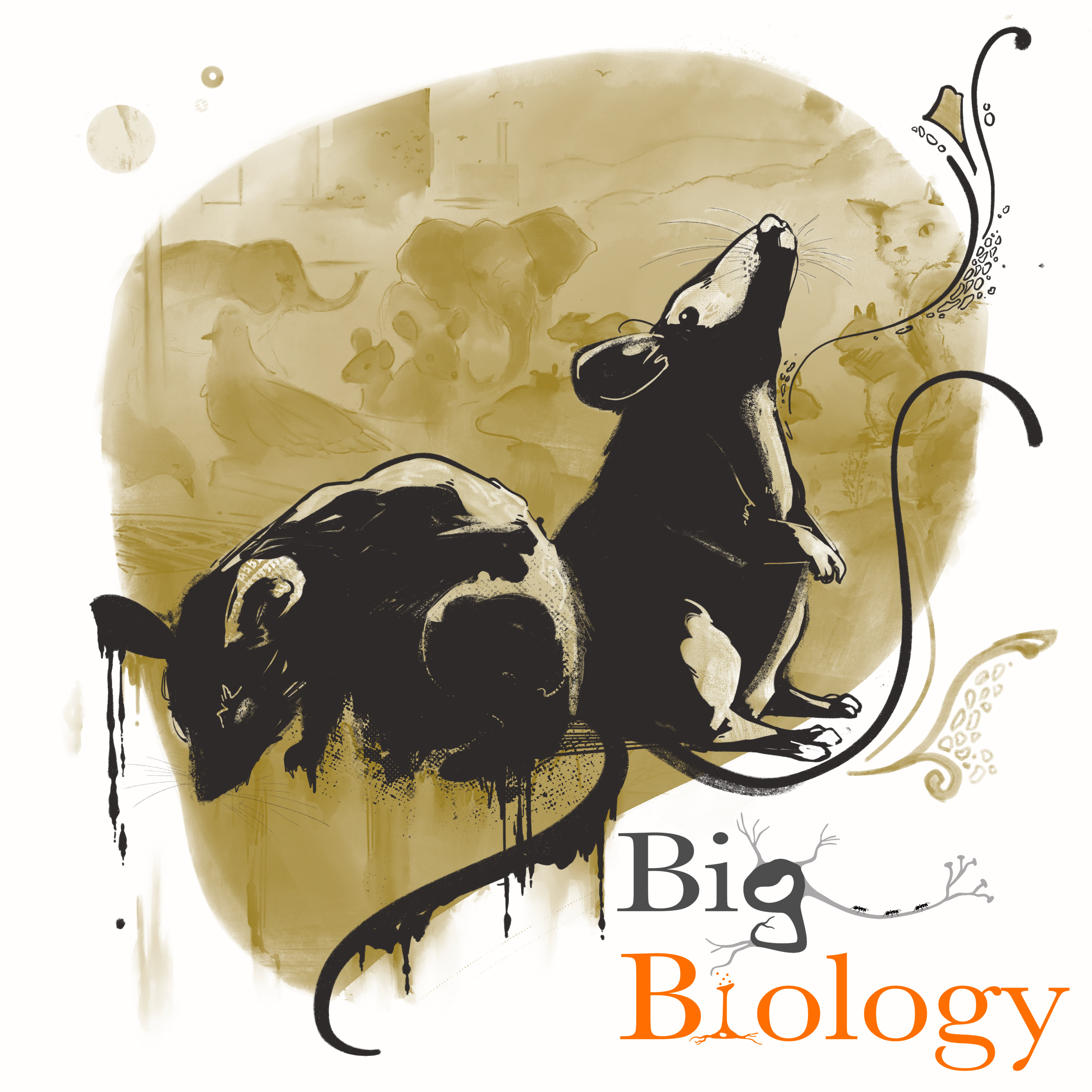
Pest-o, change-o: how culture shapes our view of animal commensals (Ep 103)
This is a free preview of a paid episode. To hear more, visit bigbiology.substack.comWhat makes a pest? Why are some animals revered in one culture and vilified in another? How do our ways of life bring us into conflict versus companionship, and what do these interactions mean for us and them?Rats, squirrels, coyotes, pigeons...often, we view animals like these as pests. We usually don't like
Inherency in evolution (Ep 102)
This is a free preview of a paid episode. To hear more, visit bigbiology.substack.comWhat is inherency? What are the potential flaws with our understanding of biological function?On this episode, we talk with Stuart Newman, professor at New York Medical College. In his recent paper, “Inherency and agency in the origin and evolution of biological functions,” Stuart argues against the commonly held
NEON: The promises and challenges of large-scale ecological research (Ep 101)
This is a free preview of a paid episode. To hear more, visit bigbiology.substack.comWhat is NEON? What hopes and concerns do we have for large-scale research projects in ecology?On this episode of Big Biology, we talk about the challenges of doing…big biology! The National Ecological Observatory Network, or NEON, is a US National Science Foundation-funded project that has started collecting massi
A retrospective on agency (Ep 100)
This is a free preview of a paid episode. To hear more, visit bigbiology.substack.comBig Biology celebrates its 100th episode! You’re only 100 once, and though we hope there will be many more episodes to come, we wanted to celebrate this milestone with something special. A recurring theme from many of our conversations with guests on the show has been agency. This is a BIG and oftentimes controver

Creativity and passion in science communication (Ep 99)
This is a free preview of a paid episode. To hear more, visit bigbiology.substack.comOn this episode, we take a break from the regular format to talk with Itai Yanai and Martin Lercher of The Night Science Podcast, a show that explores the creative side of science with guests from across the globe. Itai is a professor in the Department of Biochemistry and Molecular Pharmacology at the NYU School o
There’s a thousand genes for that! (Ep 98)
This is a free preview of a paid episode. To hear more, visit bigbiology.substack.comWhat is the “infinitesimal model”? How has our understanding of complex traits changed recently?On this episode, we talk with Nick Barton, an evolutionary quantitative geneticist at the Institute of Science and Technology Austria. Quantitative genetics has changed a lot in the past 30 years, driven by massive adva
Mutation bias in evolution: climbing Mount Probable (Ep 97)
This is a free preview of a paid episode. To hear more, visit bigbiology.substack.comWhat is mutation bias? How does it affect evolution?In this episode, we talk with Arlin Stoltzfus, a research fellow at the University of Maryland’s Institute for Bioscience and Biotechnology Research. Arlin studies mutation bias – the idea that some types of mutations occur more often than others – and how these
The network motifs that run the world (Ep 96)
This is a free preview of a paid episode. To hear more, visit bigbiology.substack.comWhat are network motifs, and how and why do they matter to biological networks?On this episode, we talk with Uri Alon, systems biologist at the Weizmann Institute of Science, about biological networks. In the early 2000s, Uri discovered some of the fundamental characteristics of these networks and, since then, has
Why are we like this? (Ep 95)
This is a free preview of a paid episode. To hear more, visit bigbiology.substack.comWhy do humans look so different from one another? Why do we have different types of hair and different skin colors? And what do these traits have to do with the concept of race?On this episode, we talk with Tina Lasisi, incoming professor at the University of Michigan, about variation in human hair structure and s
Introducing: The Science of Everything
Happy holidays from the Big Biology team! As a bonus episode this week, we are sharing Art's recent interview with James Fodor on The Science of Everything podcast. Art and James discuss various topics in evolution and genetics, covering material that spans years of Big Bio conversations.Enjoy, and see you next year! This is a public episode. If you'd like to discuss this with other subscribers or
Synthesizing life on the planet (Ep 94)
This is a free preview of a paid episode. To hear more, visit bigbiology.substack.comWhat’s the smallest number of genes that cells need to grow and reproduce? Is it possible to synthesize minimal genomes and insert them into cells? What do minimal genomes teach us about life?In this episode, we talk to John Glass, leader of the Synthetic Biology Group at the J. Craig Venter Institute. Over the pa
Assembling life in the universe (Ep 93)
This is a free preview of a paid episode. To hear more, visit bigbiology.substack.comHow will we find life beyond Earth? Can we use a molecule's complexity to distinguish life from non-life?A common way to search for extraterrestrial life is to look for signs of complex organic molecules on other moons and planets. One trouble with this approach, though, is that lots of complex molecules can arise
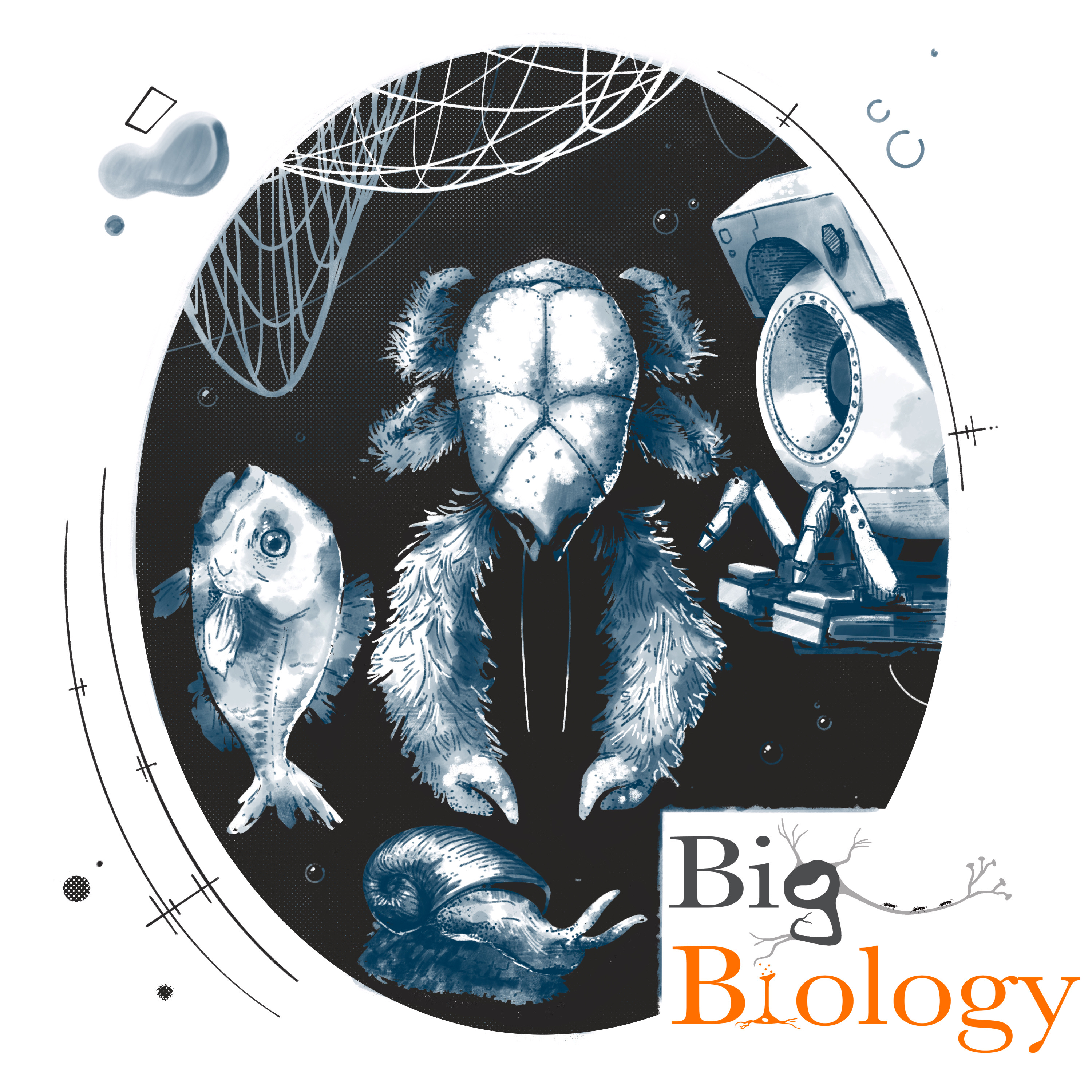
A journey into the brilliant abyss (Ep 92)
This is a free preview of a paid episode. To hear more, visit bigbiology.substack.comWhat hidden life lies at the bottom of the deep ocean? How do so many species survive and even thrive with so little light and food and at such pressure?In this episode, we talk to Helen Scales, a marine biologist, writer, and broadcaster who has written the essential guidebook to the deep ocean titled “The Brilli
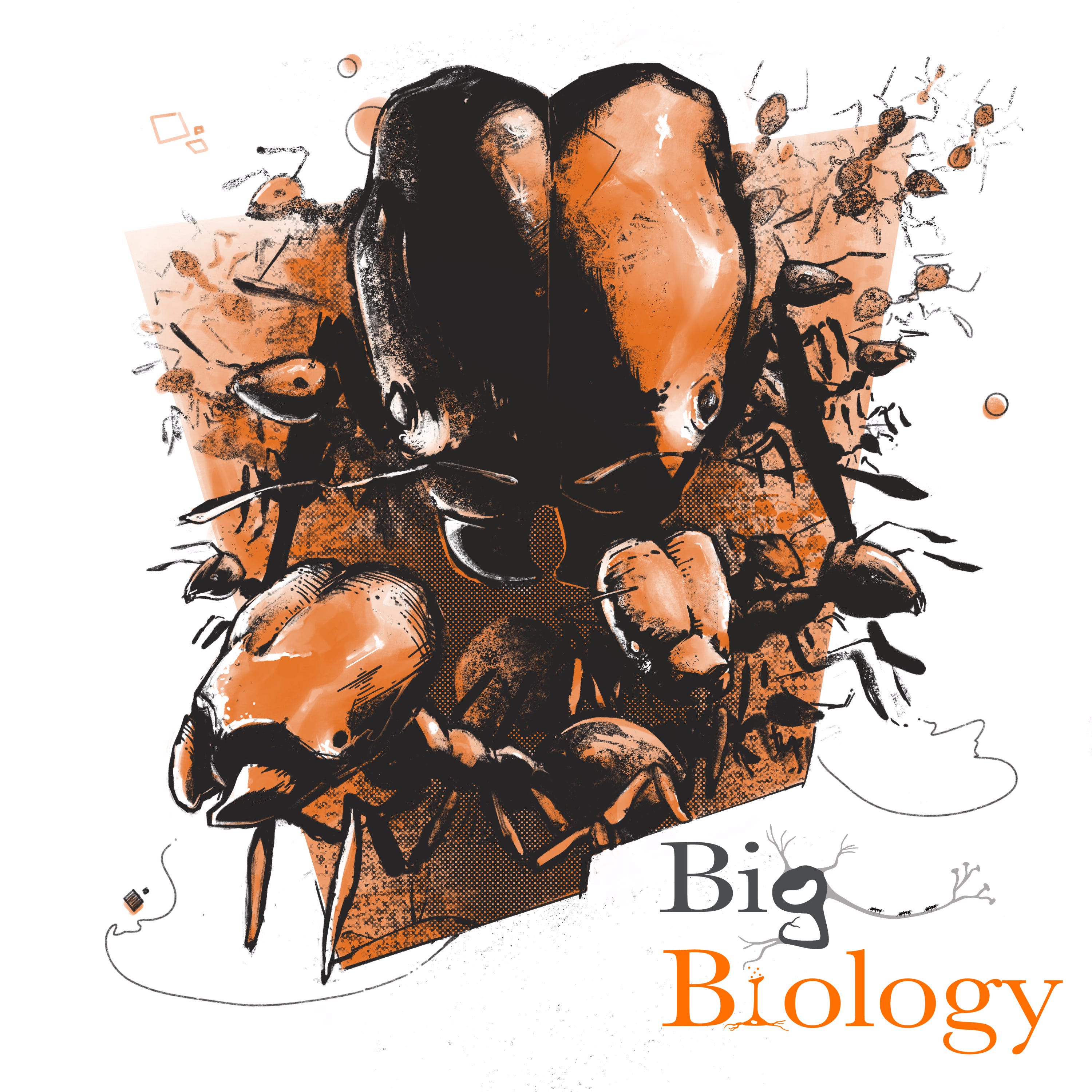
How stealth organs make super soldier ants (Ep 91)
This is a free preview of a paid episode. To hear more, visit bigbiology.substack.comWhat is eco-evo-devo? How can ants help us understand the evolution of development?There are 20 quadrillion ants in the world, and they come in lots of different shapes and sizes. We even see big differences within colonies, like ants in the genus Pheidole which have different castes: workers, soldiers, and, in so
Fabricated images threaten the integrity of Alzheimer’s research (Ep 90)
This is a free preview of a paid episode. To hear more, visit bigbiology.substack.comWhat happens when potential fraud is detected in research papers on major medical issues?In this episode, we talk to Charles Piller, an investigative journalist who published a shocking story in Science magazine in July this year laying out compelling evidence for misconduct in multiple journal articles on Alzheim
How one gene determines the fate of a food web (Ep 89)
This is a free preview of a paid episode. To hear more, visit bigbiology.substack.comCan genes in single species act as keystones in ecosystems? What is AOP2, and how does it affect community composition and persistence?In this episode, we talk to Matt Barbour, a professor at the University of Sherbrooke, about “keystones” in biology. You’re probably familiar with the keystone species concept, but
How I learned to stop worrying and follow the data (Ep 88)
This is a free preview of a paid episode. To hear more, visit bigbiology.substack.comHow much coffee should we drink? Is there a scientific way to have a healthy, happy life? And how do we distinguish scientific sense from nonsense?In this episode, we talk with author and University of Alberta professor Timothy Caulfield about decision making and misinformation in the modern world. A surprising nu
Big Biology Trailer
The biggest and best biology and science podcast!! If you enjoy science podcasts featuring in-depth conversations with scientists subscribe now. Big Biology covers breaking research and original thinking regarding evolution, genetics, physiology, psychology, wildlife, nature, conservation, epidemiology and more. Everything biological, anything mysterious, anything philosophical, everything s
Life in the lab, are model organisms an asset or impediment to biology? (Ep 87)
This is a free preview of a paid episode. To hear more, visit bigbiology.substack.comWhat are model organisms? Why have they been so important to biology?Much of biological research over the past 50 years has relied on model organisms. These species – which include mice, rats, fruit flies, and others – have yielded many insights and led to the development of better molecular tools and a scientific
Introducing Genetics Unzipped
Season 5 of Big Biology starts next week, so this week we are thrilled to highlight Genetics Unzipped, another one of the great science podcasts out there. Genetics Unzipped is the official podcast of the Genetics Society, one of the oldest learned societies dedicated to promoting research, training, teaching and public engagement in all areas of genetics. Hosted and produced by Drs Kat Arney and
Replaying the MP3 of Life (Episode 21 Re-release)
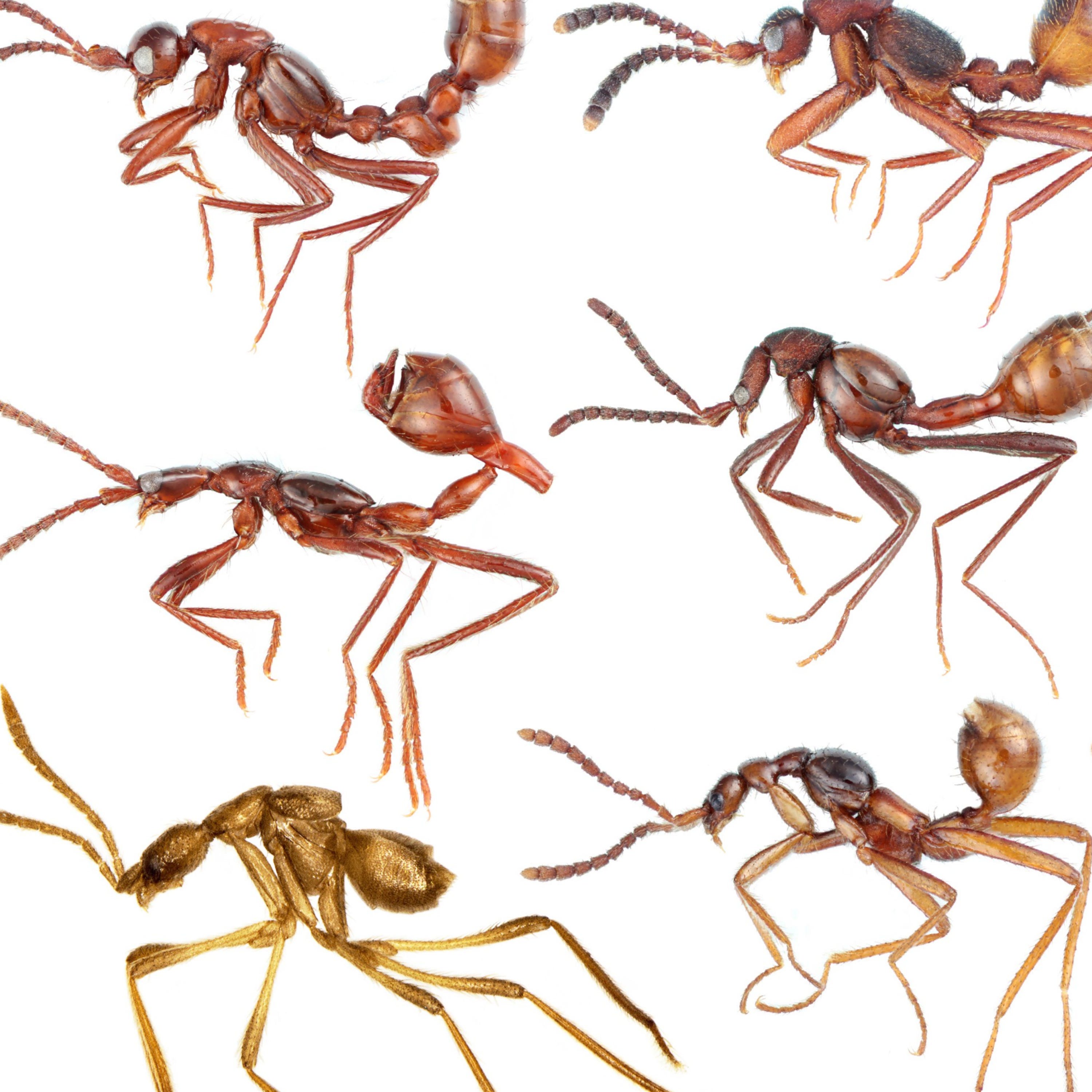
This is a free preview of a paid episode. To hear more, visit bigbiology.substack.comWhy do some rove beetles look like ants? Why do living things evolve similar solutions to common problems? Is there predictability within the evolutionary process?On this episode, Art and Marty talk with Joe Parker, an entomologist at Caltech. Joe has been collecting beetles since the age of 16, when he first beca
Containing Cancer with Squirrel Ecology (Ep 12 Re-release)
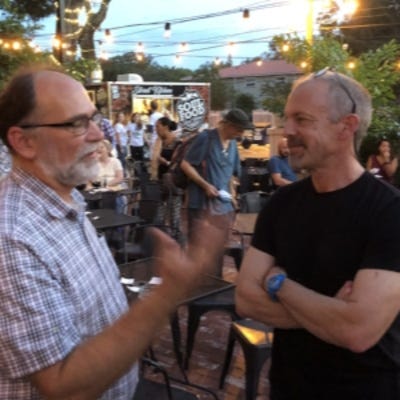
This is a free preview of a paid episode. To hear more, visit bigbiology.substack.comWill cancer ever become just another chronic but manageable disease? What can a squirrel biologist teach us about treating cancer?In this episode, Marty and Art talk with Joel Brown about how to contain cancer using basic ideas from ecology and evolution. To Joel, cells in tumors are like organisms in ecosystems,
Recommended
Fantasy Flex
زن بودن

Medicine with Meaning

Yours Truly Johnny Dollar Collection

Take Back Your Health®
CBS Radio Mystery Theater | Old Time Radio

Solved Murders - True Crime Stories
紐約鳥|New York Aperture
The Swerve Podcast: Obscure Topics | Conspiracy Theories

The Bread and Banter Podcast
The Church of What's Happening Now: The New Testament
Busted Open
