Sustainable Minimalists
Sustainable Minimalists explores the intersection of minimalism and sustainability, emphasizing conscious consumerism and non-toxic living. Host Stephanie Seferian challenges the modern decluttering trend, arguing that true minimalism must be eco-friendly. The podcast offers practical advice for creating a non-toxic home and adopting environmentally-friendly parenting practices. It aims to help listeners break the cycle of buying and purging, promoting a slower, more intentional lifestyle.
Episodes
No Scrap Left Behind
Not so long ago, humanity’s main pursuit was finding food and staving off hunger. But these days, we’re throwing out strawberries. We’re letting salad greens go bad in the crisper. And when it comes to transforming those broccoli stalks or potato peels into something delicious, we’ve lost the know-how.In an age where the average home discards enough edible meals to sustain an entire extra person,
Backyard Climate Activism
A quiet revolution is starting in our backyards.News headlines are certainly frightening at the moment, and watching billion-dollar corporations harm people and the planet in the name of profit is infuriating. But don’t let yourself slide into hopelessness. Whether you have a small urban balcony or sprawling rural acreage, you can reclaim your power as an activist through the small-scale choices y
UnSmarting Your Smart Home
We live our lives surrounded by smart phones, smart devices, Wi-Fi networks, and wireless wearables. But as our homes become "smarter", the constant electropollution these devices emit carries risks for our long-term health.Your home should be a sanctuary, not a radiation zone. On today's show, radiologist and author Dr. Rob Brown offers simple ways to dramatically reduce your daily el

How To Make Your Phone Boring (On Purpose)
Reaching for your phone out of habit rather than necessity isn't a failure of self-discipline—and the fix isn't raw willpower. If you find yourself on your phone more than you'd like, it's likely time to make your phone far less enticing to pick up in the first place.On today's show, author Ruby Ryba shares how decluttering your home screen can quiet the impulse to scroll, rest
Autopilot Off
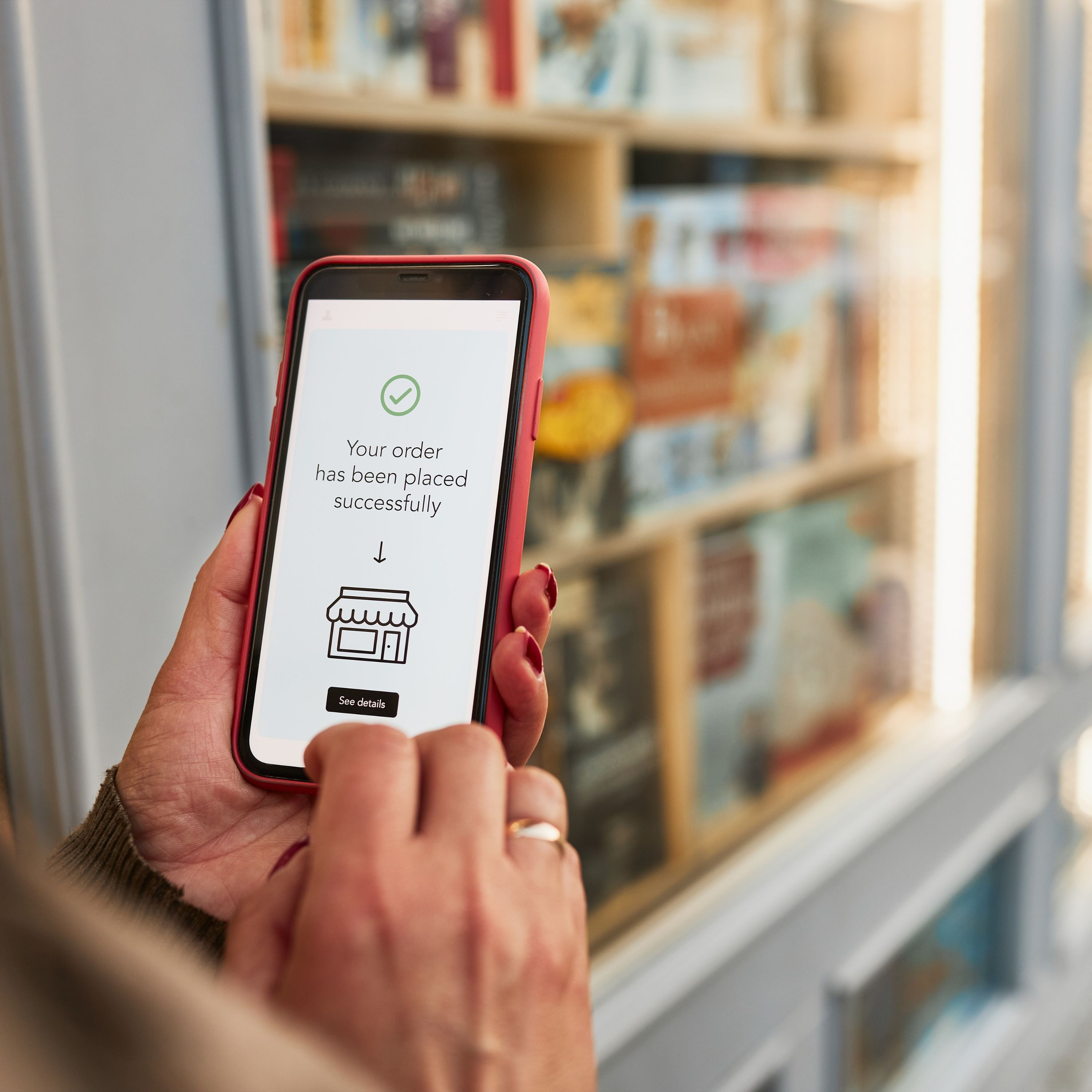
Our economy is built to keep us consuming on autopilot. Between frictionless digital checkouts, targeted algorithms, and subscription traps, buying has become effortless. So effortless, in fact, that we rarely register it as an active choice anymore.But what happens when we slow down and reclaim that awareness?On today’s show, author David Gaines makes a case for moving away from isolated, guilt-d

What Nature Teaches Us
In a world filled with endless digital noise, it’s easier than ever to lose touch with the natural world. Children are drawn to the excitement of screens, parents are increasingly anxious about real-world outdoor risks, and our culture far too often views the earth as a commodity to be bought and sold, not valued and preserved.
How do we rebuild our relationship with nature when our schedules are
Climate-Conscious Parenting
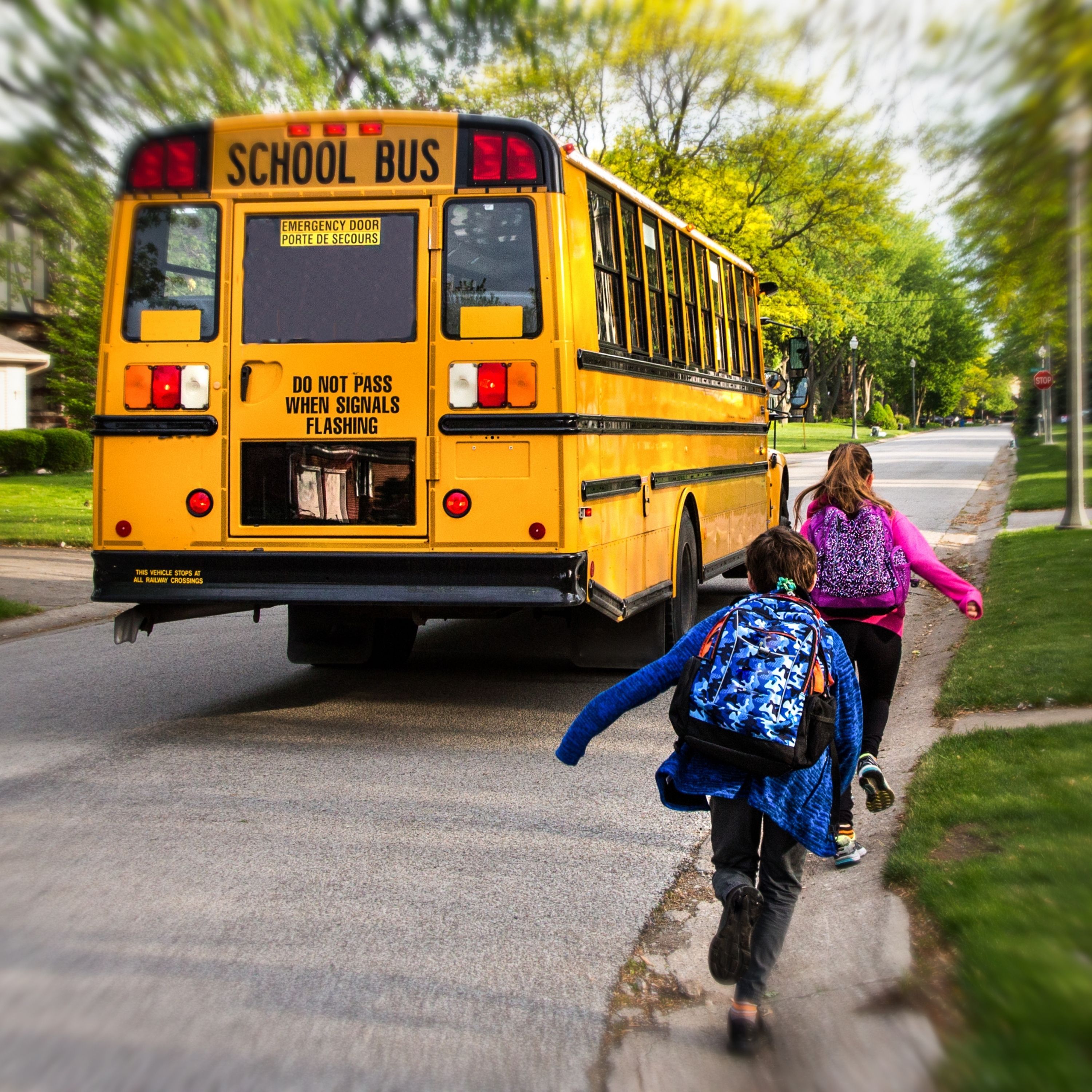
Extreme heat, wildfires, flash floods, and poor air quality are no longer abstract future projections—they form the backdrop of our kids' childhoods. Right now, extreme weather and their subsequent environmental factors are directly impacting our children's physical health, brain development, and outdoor play.On today's show, national climate advisor Dr. Laura Schifter offers urgent, p

Low-Tech Living
In a world dominated by digital noise, reclaiming our peace has become one of the most urgent challenges of modern life. For parents, the stakes are even higher. How do we set healthy screen boundaries for our tech-obsessed kids? Where do we draw the line as artificial intelligence inserts itself in our homes and routines?On today's show writer, father, and dumb phone user Andrew Broman explor
The "Away" Illusion
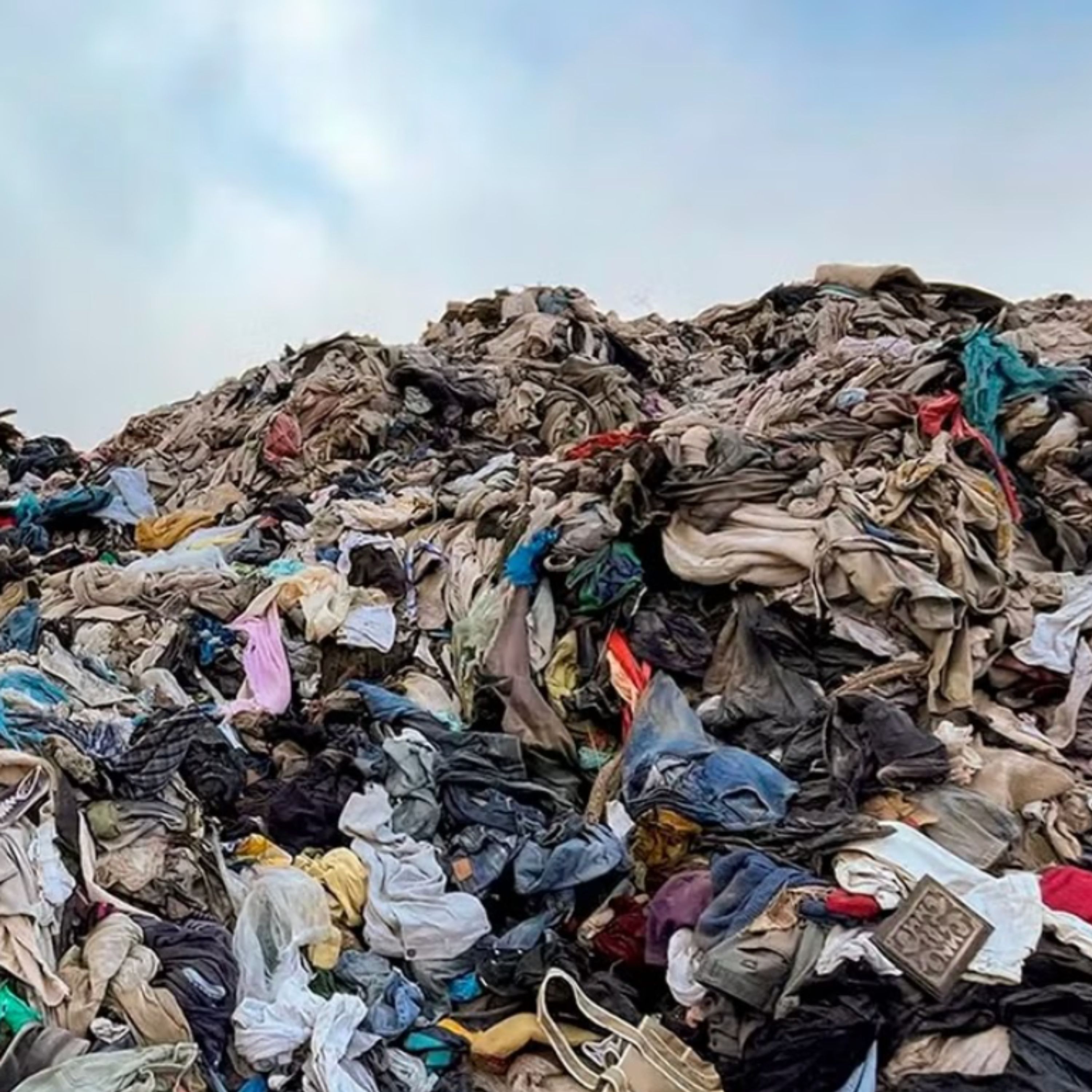
Ever wonder where your bags of donated clothes actually end up?
Most of us treat dropping off a bag at a donation bin like a magic trick. We hand it over, walk away, and assume it finds a good home.
But very often, away is Kantamanto Market in Accra, Ghana, where 15 million secondhand garments arrive every single week.
On today’s show, contemporary artist Emmanuel “DoTT” Kunfaa pulls back the curt

Joy is Resistance
When the world is burning, finding joy can feel impossible—or worse, selfish. How do we make space for celebration without turning a blind eye to reality? Why would we even want to?
While it can feel like a heavy lift, practicing joy is, in fact, an act of resistance. Joy prevents burnout, moves energy, builds solidarity, and promotes resilience.
On today’s show, author Cheryl Leutjen dives into t
Nature As Medicine
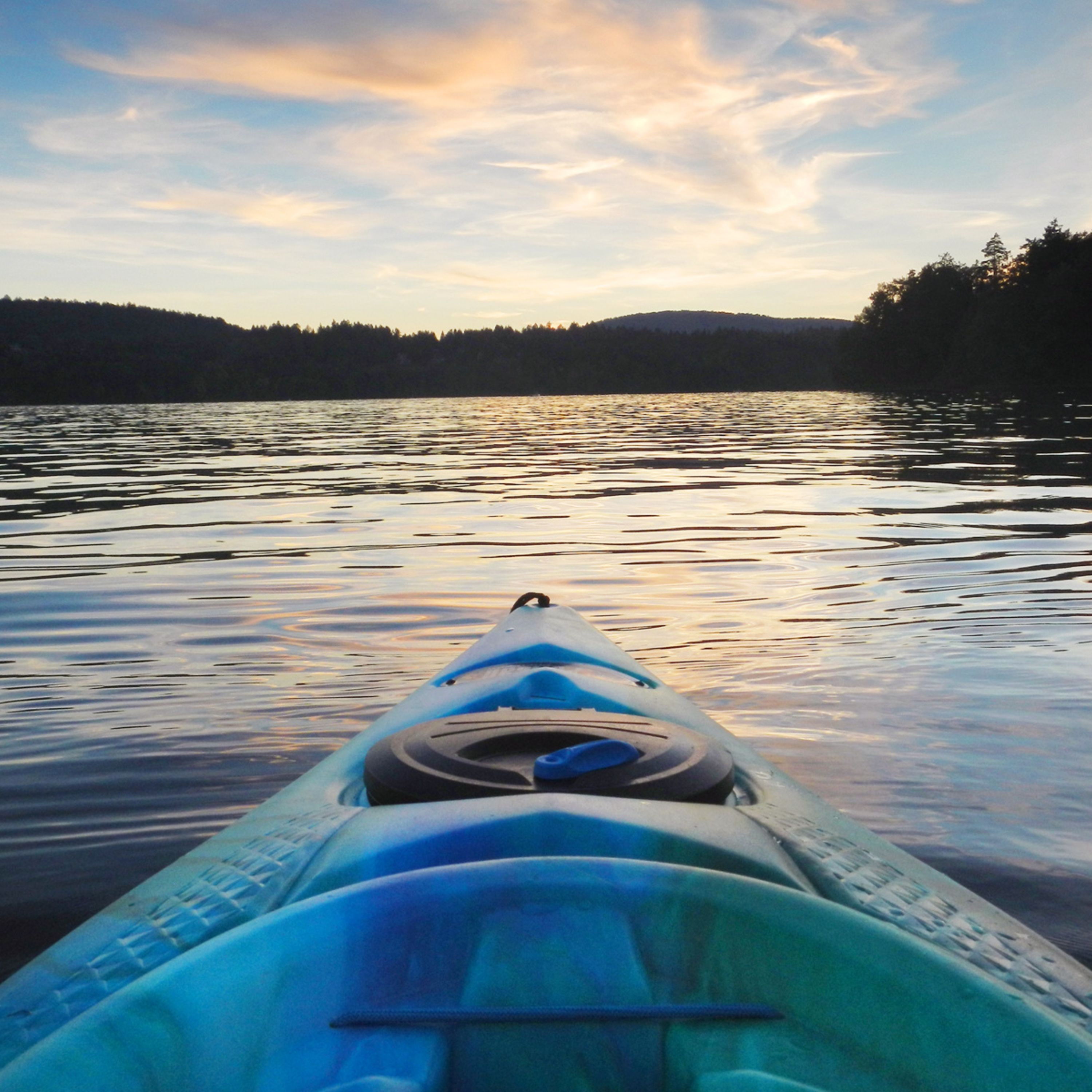
Are we treating the symptoms of modern life while simultaneously ignoring our habitat?
The average American now spends 93% of their life indoors. But humans evolved for millennia alongside the natural world, and research suggests that our indoor lifestyle is disrupting our sleep, focus and long-term health.
You don’t need a gym membership or expensive workout gear to get your health back on track.
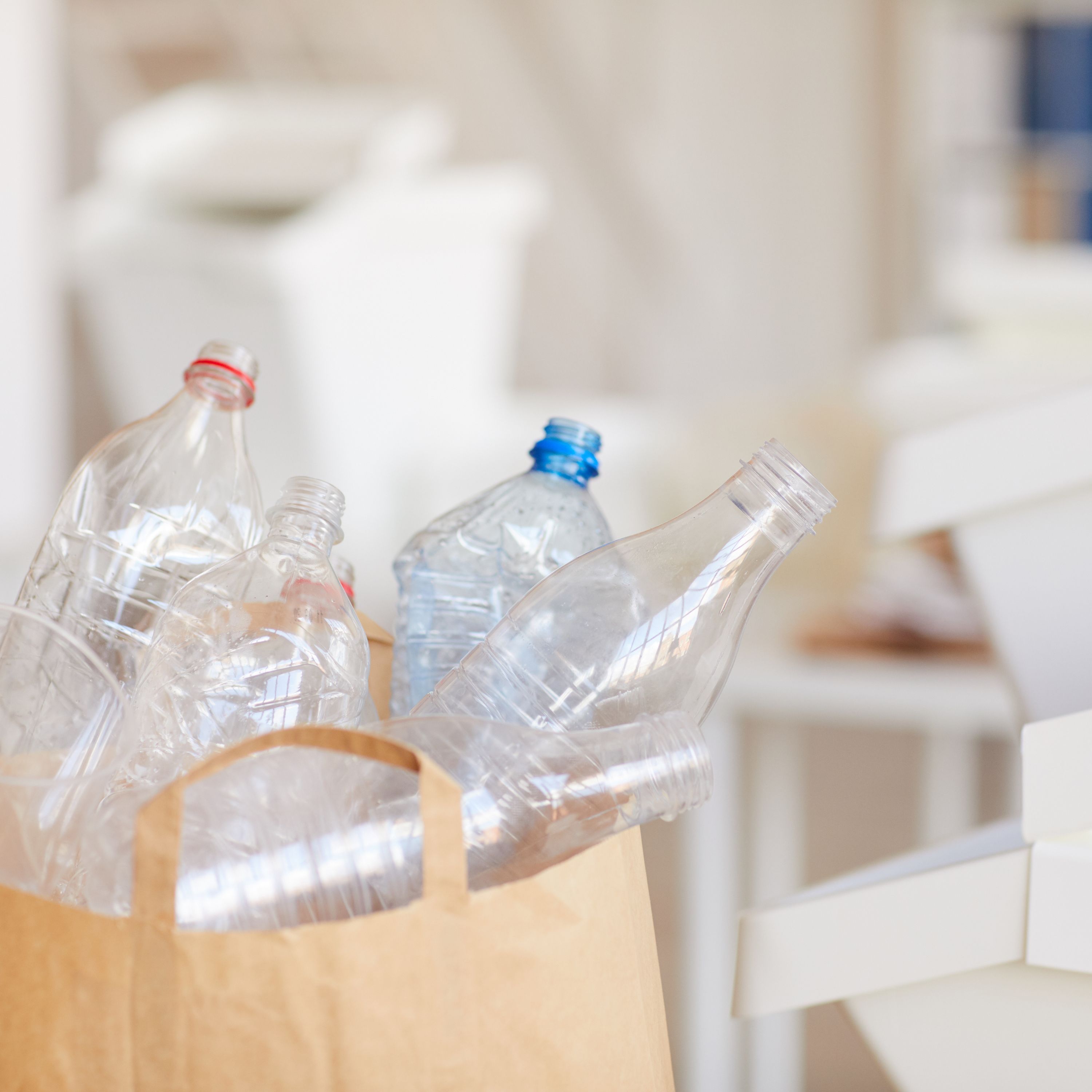
Plastic Free July
What started in 2011 with just one woman and a small local government has exploded into a worldwide movement of over 174 million people. That movement is Plastic Free July.
Yet 15 years after the challenge’s inception, plastic production continues to exponentially grow. It’s all-too easy to dismiss the challenge as little more than an opportunity to post a picture of a bamboo toothbrush on social
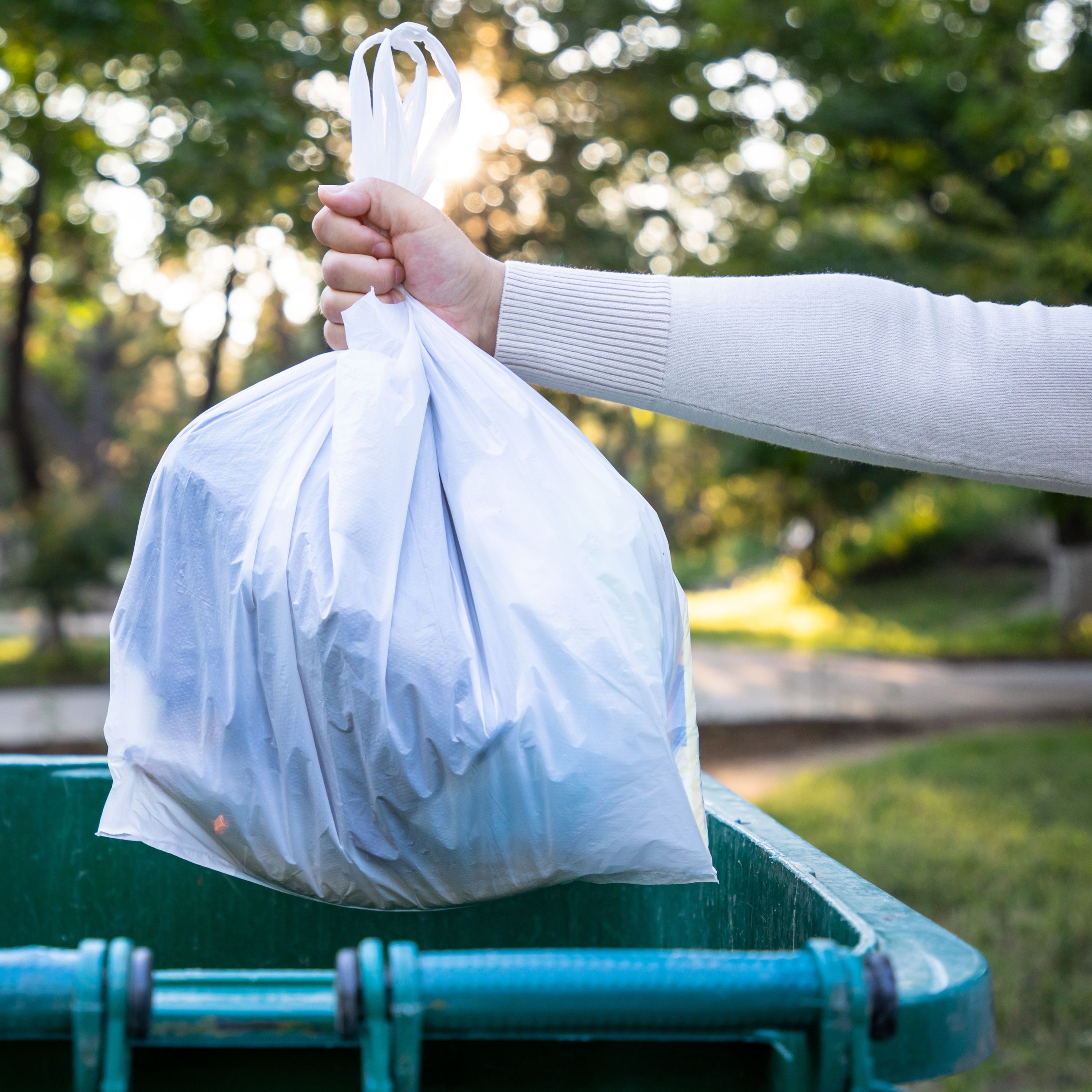
What We Leave Behind
Every week, we drag our trash bins to the curb, close the lid, and forget about them. But where does "away" actually go? And does the mere existence of waste "management" mean we can continue to consume more and more without major consequence?
On today's show, author and sanitation worker Simon Paré-Poupart discusses what he's learned in his 20 years on the back of a Montre
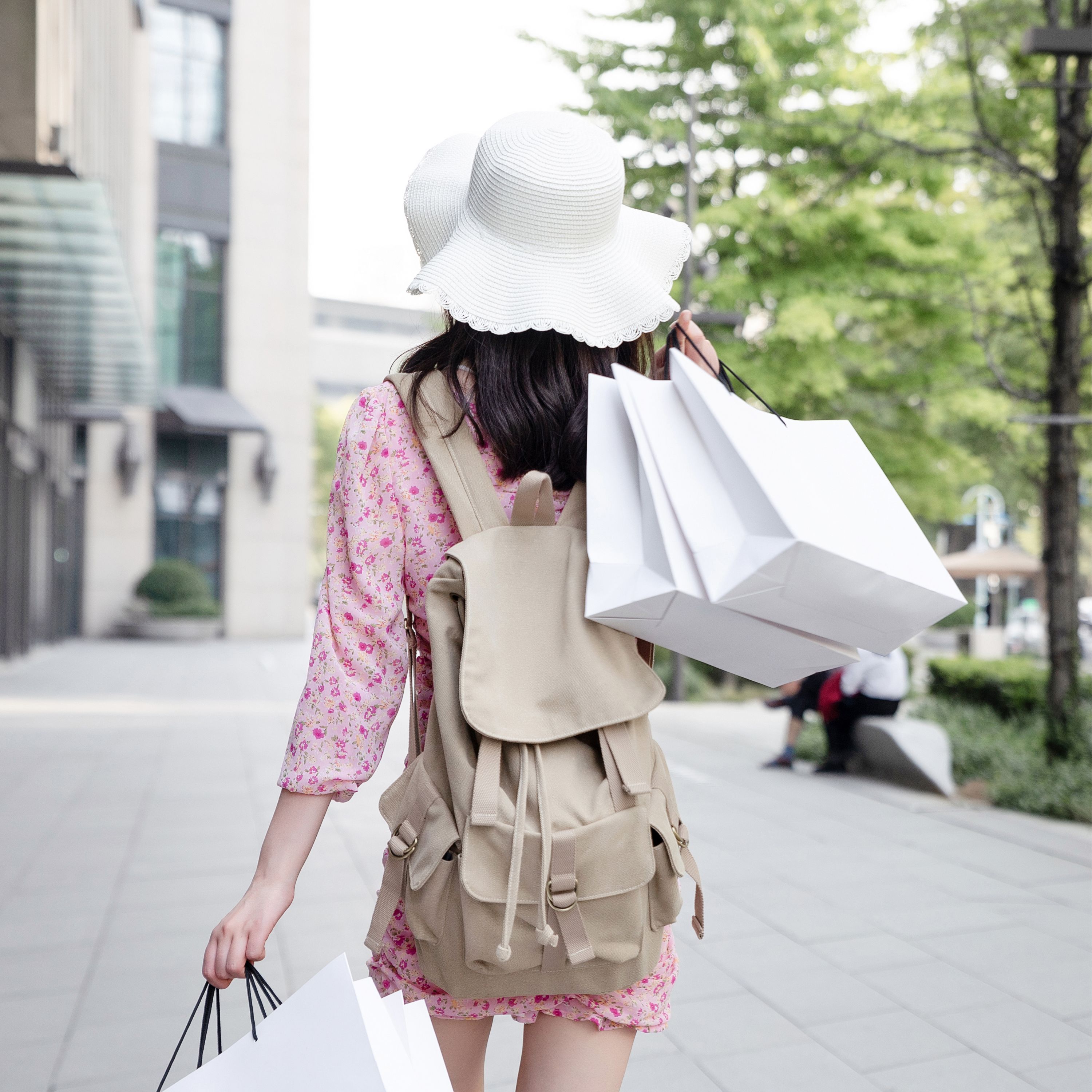
Saying No To New
New things are everywhere—and they’re causing us to disconnect from what we value most.
In a world that constantly tells us that new is better, our relentless pursuit of material wealth is costing us money, time and happiness. Worse, when we define ourselves by what we own rather than who we are, we reduce our lives to a single, superficial dimension.
On today’s show, New York Times journalist Eri
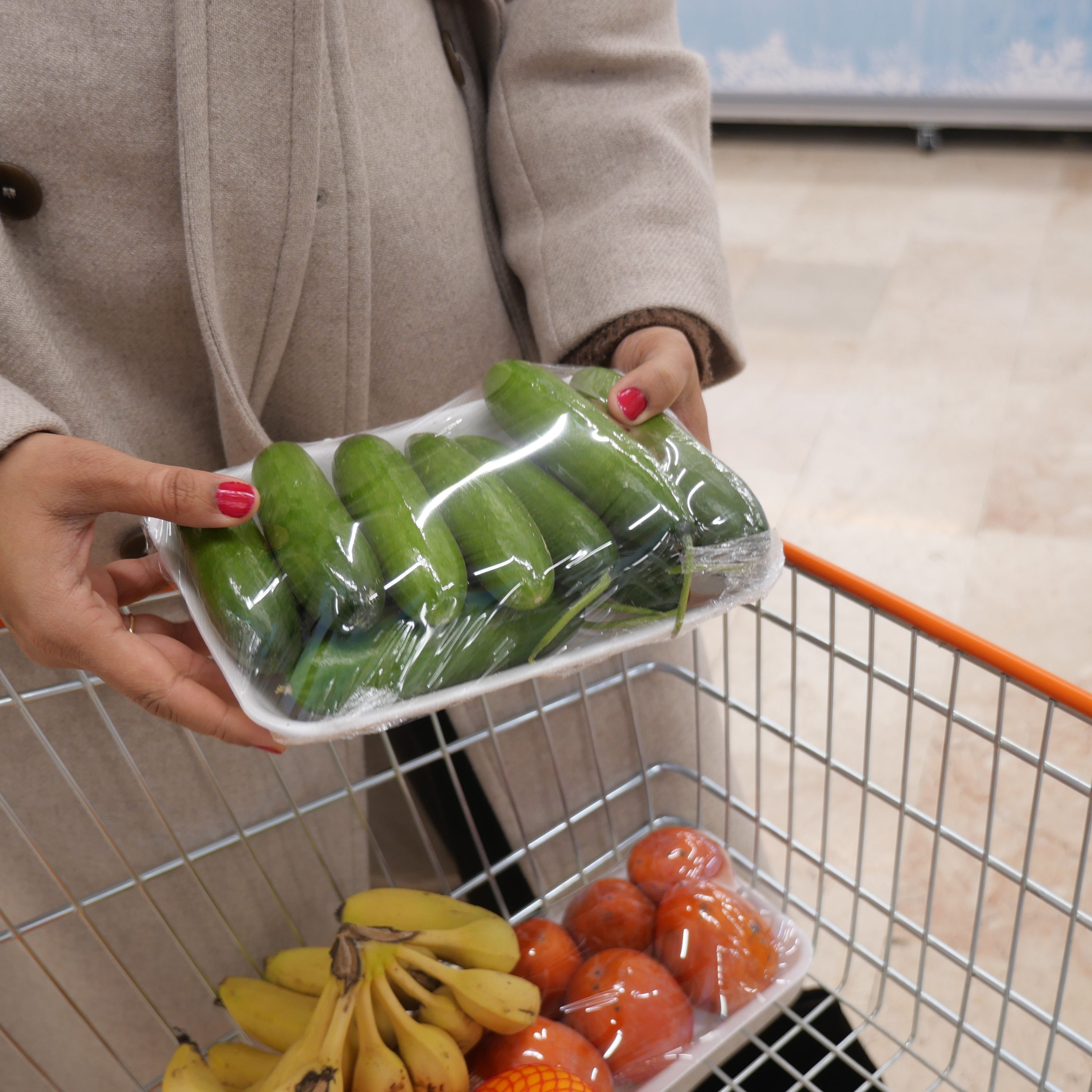
Plastic, Plastic Everywhere
The plastic-drenched, disposable world we live in didn’t happen by accident. It was slowly, methodically built by Big Oil.
They’re doing everything in their power to get people to use as much plastic as possible, all so they can make money from every single molecule they extract from the ground. And right now, they’re pouring billions of dollars into plans to double, or even triple, plastic produc
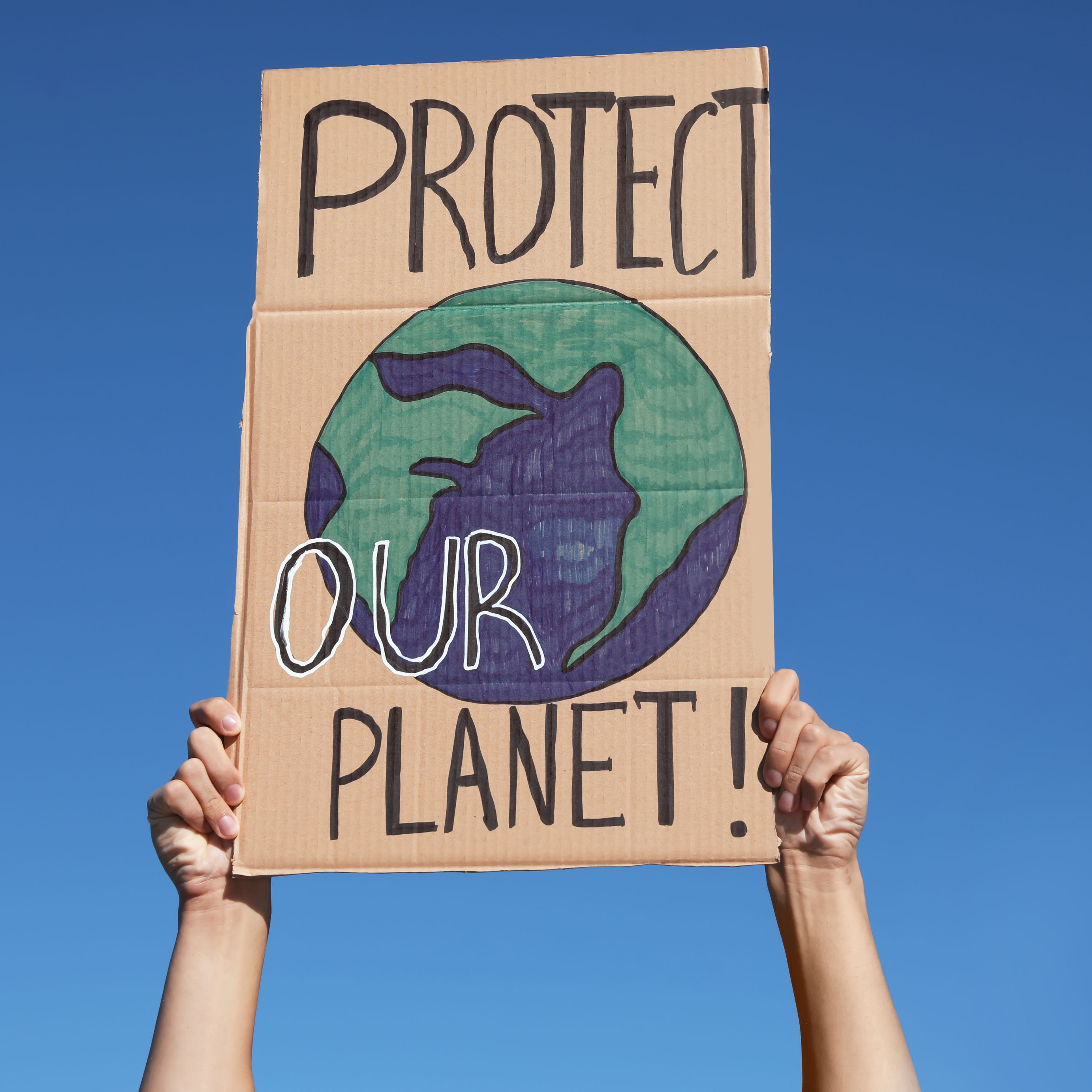
Talking It Out
Why aren't we talking about the elephant in the room?
Broaching the topic of climate change can be socially awkward at best and polarizing at worst. In fact, psychology, evolutionary biology and modern day tribalism keep many of us tongue-tied.
But staying quiet isn't an option. Breaking the silence around our warming planet is one of the most powerful tools we have for systemic change. On
The Unfollow Effect
We've come a long way. But not necessarily in the right direction.
From the the nostalgic days of AOL Instant Messenger to 2026's high-stakes, algorithmic landscape, constant connectivity has fundamentally shifted our attention spans, our peace of mind, and the way we show up for our families.
Worse, the desire to show up online often takes us directly out of real life. It's no surpris
The Cost of Constant Connection
In this era of relentless connectivity, taking an exit ramp from our digital lives has never looked more inviting. In fact, emerging science is now confirming what many of us feel: Smartphones are draining our cognitive reserves, shattering our focus, and keeping us in a state of low-level chronic anxiety.
To see if there’s a better way, reporter Courtney Lindwall shelved her iPhone for a $45 Noki
The Power of Place
In a world obsessed with consumption, we may try to buy our way into a sense of belonging. But a true feeling of “home” isn’t found in the latest trends or newest decor. It’s actually built by aligning our spaces with our deepest, core needs.
The link between our environment and our well-being goes far beyond aesthetics. On today’s show, author Leidy Klotz offers research-backed strategies for des
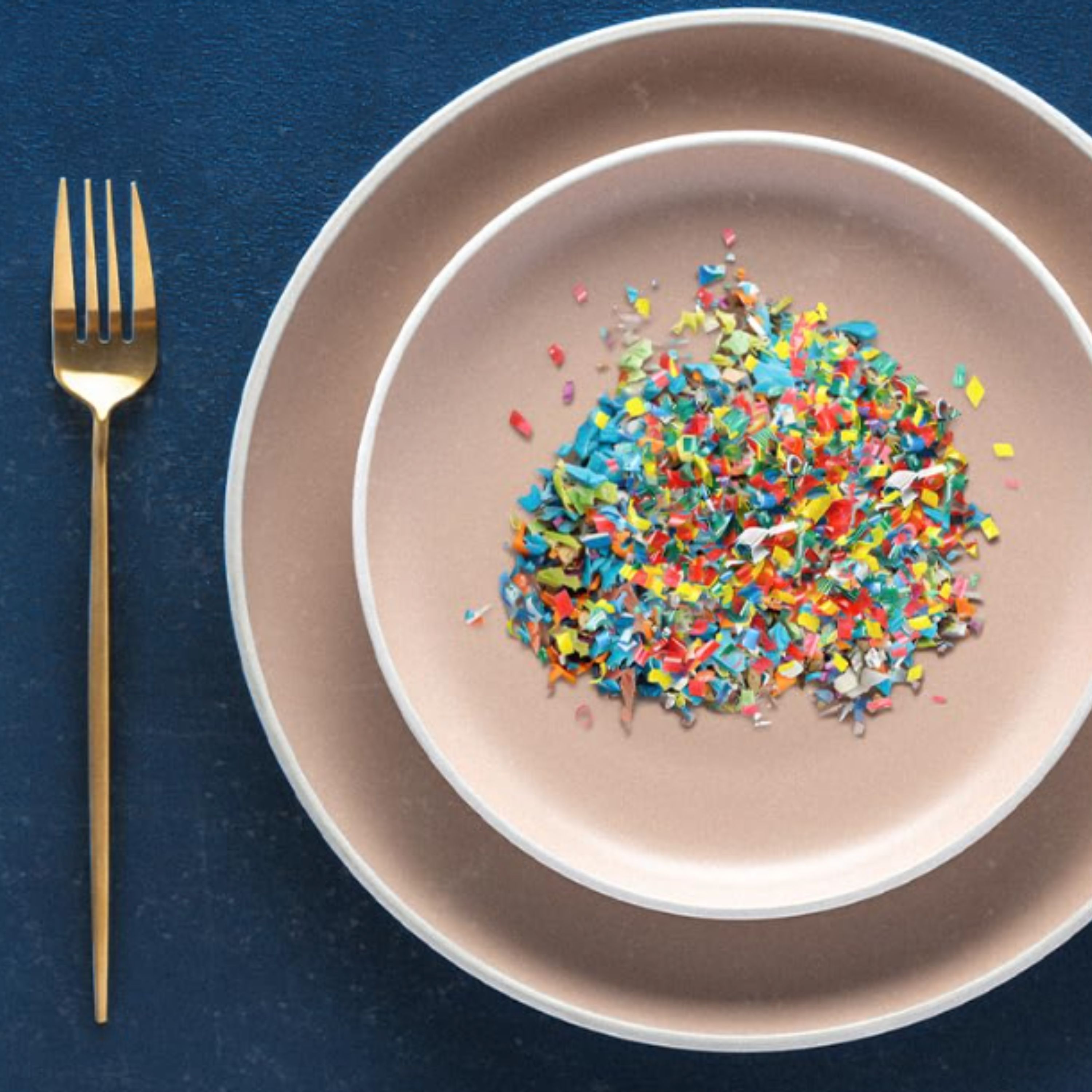
The Plastic Detox
Plastic has infiltrated our wardrobes, our water and even our bloodstreams, where it is quietly disrupting our hormonal health.
That’s the premise of Netflix’s ground-breaking new documentary, “The Plastic Detox”.
On today’s show Dr. Shanna Swan, the renowned environmental epidemiologist from the film, exposes exactly how plastic chemicals are quietly reshaping our health.
Here’s a preview:
[6:00]
Beyond the Beige
We’ve all seen the images. The stark white rooms, the single designer chair, the perfectly curated capsule wardrobe. We’re told that if we just clear the clutter, we’ll find peace.
But if we’re not careful, the minimalist aesthetic can become just another thing to buy, another thing to consume.
On today’s show, Melora Johnson deconstructs the modern minimalist movement so that each of us can mov
The Architecture of Connection
We’ve all heard the minimalist mantra: If you want peace, clear the clutter. But while clearing clutter reduces the “noise,” it doesn’t automatically fill the void.
On today’s show author Suzanne Searcy Johnson argues that the true antidote to our “more is more” culture isn’t just owning less—it’s connection. And to truly connect, we must first peel back the layers of noise, clutter, and distracti
The IDGAF Decade
American culture tends to market aging as a slow fade into the background. After all, women are told that getting older comes with a loss of relevance, memory, and attractiveness.
But what if the season of midlife isn’t a crisis?
We aren’t just getting older; in fact, we’re getting louder, bolder, and more authentic. On today’s show podcast host Stacey Hutson dismantles the myth that our best year
Starve The Machine
Behind every clever AI response is a massive, windowless data center humming with heat.
From the water-starved plains of West Texas to the sprawling 'Stargate' megaprojects in Wisconsin, the infrastructure that powers ChatGPT, Gemini, and Claude is eating up natural resources and altering the landscapes of countless communities.
And while news headlines are hyper-focused on what AI can do,
The Anti-Catalog Home
In a world of minimalist trends and beige-on-beige living rooms, it’s easy to feel as though your home should look like a page from a high-end decor catalog. But when you prioritize perfection over personality, your home may become just another place in which you feel pressure to "keep up".
Let's ditch picture-perfect spaces in favor of lived-in havens. On today's show author Don S
Timeless Parenting
The world has changed so much, but the tenets of timeless parenting haven't changed one bit.
Our culture tends to treat childhood like a race. But the push to meet academic benchmarks at younger and younger ages is counterproductive to how a child's brain naturally develops. And when parents overschedule their children because they're afraid they'll be left behind, they may be robb
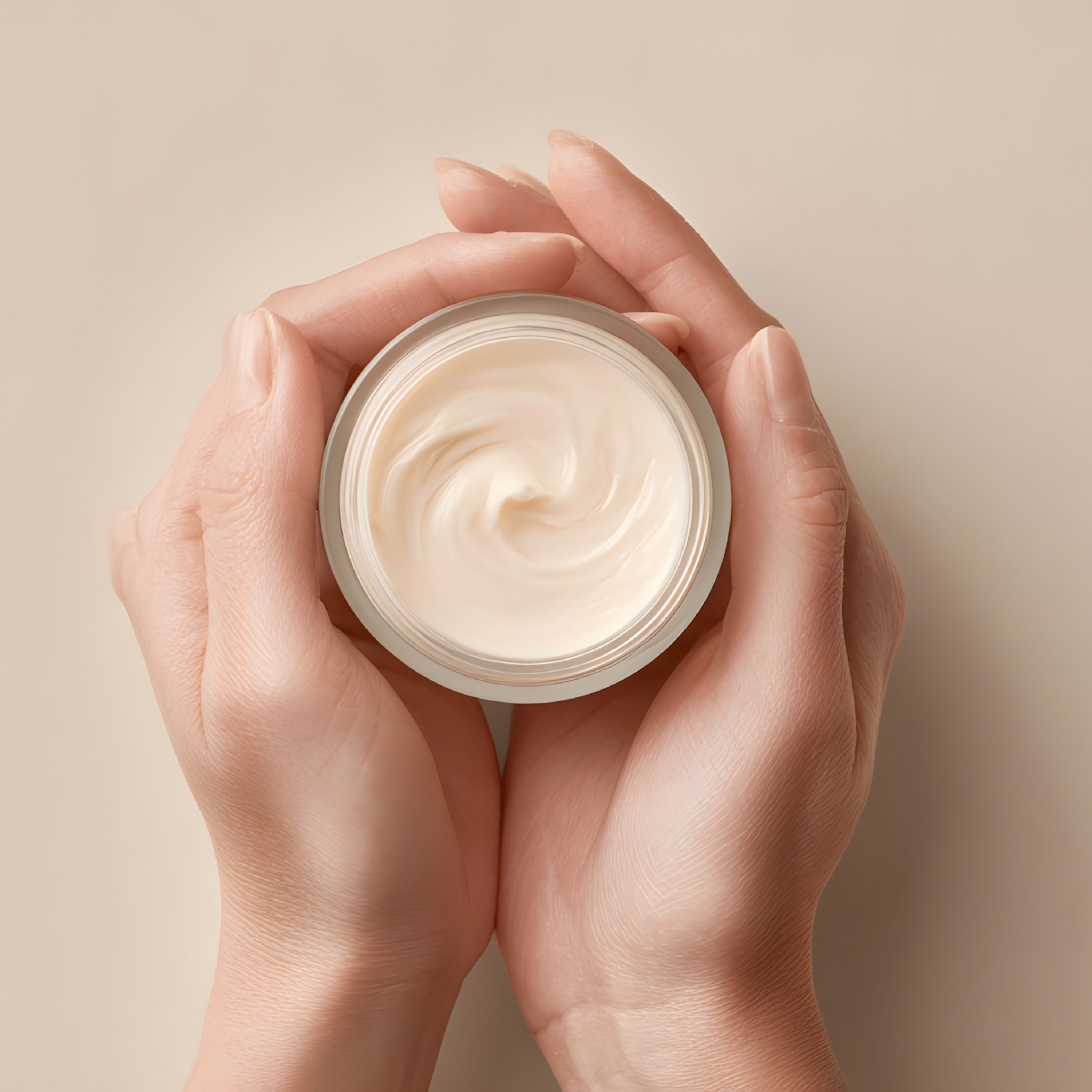
The #SkinTok Effect
A former Meta executive recently revealed that, when a girl posts a selfie on social media and takes it down, the algorithm then targets her for beauty products.
Enter today's teen and tween skincare craze, where Sephora Kids and "SkinTock" reign supreme. But pushing skincare on young girls is a business that's off of highlighting a child's flaws. Worse, many of the products be
The Digital Childhood
My husband and I made a fatal error. We gave our pre-teen limited access to a screen at a developmentally vulnerable age. And then we took it back.
On today's show: A cautionary tale about what happened when we eased up on our household's screen rules.
Here's a preview:
[3:00] My household's descent into screendom: How did we get here?
[16:00] "The light went out behind her eye
Suburban Sprawl
While suburbia has long symbolized comfort, safety, and home ownership, its consequences reach far beyond picket fences and cul-de-sacs. From traffic congestion and environmental degradation to economic inequality and declining community life, our reverence for sprawl has reshaped how we live, work, and connect.
On today's show author and developer Steve Nygren discusses how this pattern of de
The Downsizing Mindset
The downsizing mindset isn’t just about moving to a smaller home or getting rid of clutter. It’s a lifestyle that creates a habit of routinely shedding excess weight from your life.
If you’re feeling heaviness and overwhelm, embracing a downsizing approach to life may serve as an act of personal liberation. Detaching from possessions often frees up time, money, and energy for what really matters.
Incrementally Off-Grid
Want to get off fossil fuels but don't know where to start? Thinking about ditching utilities but overwhelmed by the complexity? Many off-grid advocates attest that countercultural living saves money and infuses meaning into daily life. For my environmentalists listening, burning fewer fossil fuels also means you're living and breathing your pro-climate values.
On today's show author a
Conditioned Consumerism
After World War II Americans became bonafide consumers. And yet conditioned consumerism sneakily hijacks our time, money, and mental bandwidth. It also harms the planet.
The system is entrenched, the marketing is omnipresent, and it's all designed to keep us buying until we die. But there IS a way out. On today's show author and former marketer Ashlee Piper pulls back the curtain on modern
Your Net Worth Isn't Your Self-Worth
From a young age, many of us were exposed to messages linking financial success with personal value. Advertisements, media, and even family conversations equate wealth with achievement and social status.
Not surprisingly, this constant reinforcement creates strong associations between money and self-worth.
Although our culture tends to regard money (and fancy job titles, for that matter) as symbol
Unhappy? You're Normal
Cultural messaging and suggests you should be happy all the time. But your "happy chemicals"—dopamine, serotonin, oxytocin, and endorphin—evolved to motivate survival behavior, not make you happy.
In fact, unhappiness is your brain's default state.
On today's show Dr. Loretta Breuning argues that you can manage your happy chemicals when you know how they work in the state of nature
Your Shopping Superpowers
Every purchase you make has an impact on the world. If you aren't careful, your shopping choices contribute to climate change and social injustice. But when you align the contents of your shopping cart with your personal values you slowly but surely shape the market.
Times are uncertain and everyday goods are getting more expensive. Still, we should purchase with intention anyway. On today'
Sneak Peek: Influencers Aren't Friends
Influencer marketing is a case study in how easy it is to sell things to followers who trust their favorite online personalities. But offering that elusive 'personal recommendation' for EVERYthing has normalized both inauthentic endorsing and impulse shopping. It has normalized the buying and selling of your precious attention, too.
Here's a sneak peak of today's episode for subscr
The Psychology of Spring Cleaning
There are few things more satisfying than completing a proper spring cleaning. Deep cleaning when the weather warms is a biological imperative that's rooted in centuries of tradition because the practice lightens moods and improves health. It also symbolizes renewal as we come out of hibernation and back into the sunshine.
You aren't alone in your seasonal desire to deep clean. On today
How To Let Stuff Go
When we let go of what doesn't serve us, we remove weight that holds us down. On today's show we turn to Zen Buddhism for wisdom on letting go of anxiety about the future, grudges, stuff, dead relationships, and more.
Here's a preview:
[4:00] Insanely anxious about the future? (Me too!) Don't spend your energy worrying; do this instead
[12:00] Think of decluttering not as throwing
The Shopping Conspiracy
Women have been targeted for decades with the message that shopping is recreation. It’s a way to relax and unwind, sure, but recreational shopping also contributes to the climate crisis, supports the worst of shareholder capitalism, and creates an awful lot of unnecessary waste.
Enter Buy Now: The Shopping Conspiracy, a hard-hitting new Netflix documentary that forces viewers to look at our waste-
Zero-Waste In The Land Of Wasteful Maximalism
Have you ever thought about what your life would be like without a trash can?
Here in the US, we don't think much about what happens to stuff once we're done with it. Indeed, American infrastructure isn't equipped to properly handle waste, and our wonton wastefulness on the cultural level exacerbates the climate crisis.
It's entirely possible to take matters into your own hands by
New Year, Same Ol' Wonderful You
Does it feel like there’s something hypocritical about New Year’s resolutions? They run counter to the idea that we should accept who we are. That we should give ourselves grace.
Resolutions shouldn’t be so grand that we set ourselves up to fail; they shouldn't attempt to "fix" what we've been told is broken, either ("I should be skinnier! I should make more $$!"). There’s
Revisiting The Capsule Wardrobe Conversation
Have a closet full of clothes but nothing to wear? While capsule wardrobes are often touted as the singular solution to closet overwhelm, many report that they can be restrictive, boring and, frankly, unrealistic in practice.
A minimalist closet is best served by first identifying the outfits needed to live YOUR unique life. On today's show podcaster Lauren Morley shows us how to streamline ou
No Such Thing As Bad Weather
In Scandinavia, daily interaction with nature has helped turn many people into passionate advocates for the environment. But there are forces at play in American society that divide humans from nature. To name just a few? Schools cut recess to make more time for academic instruction, cities boast sprawl over walkability, and our societal reverence for cleanliness prevents many Americans from getti
Living Seasonally, Not Commercially
What is the "holiday season", really?
Savvy marketers have inserted gingerbread lattes, blow up lawn decor, and lots of gifts as synonymous with December. But we aren't in some made-up season of buying; instead, we are approaching the Winter Solstice. And when nature is our guide, living seasonally is less about shopping hauls and more about existing in pace with the changing seasons.
How Many Jeans Do You Own?
Denim jeans were once the preferred trouser for cowboys in the American west; some decades later, they became a symbol of rebellion for non-conformist teens. These days jeans are all about comfort and casual style, and the average American woman owns 7 pairs.And yet blue jeans also happen to have one of fashion's biggest environmental footprints. On today's show Sarene Alsharif reveals the
A Poverty Of Spirit
We Americans may indeed be "rich" in material terms, but we suffer from what Mother Teresa calls a poverty of spirit. As we chased economic growth we closed ourselves off. We abandoned interconnectedness with other people, beings, and things. We also abandoned ourselves. Many of the problems in our world today are visual manifestations of such abandonment. If the world isn't looking th
Micro Activism
Many of us shy away from the word 'activist' because the term brings to mind a very specific type of person. But if you're regularly taking action to make the world a better place? Guess what my friend, you're already an activist (yes, really!).What matters is not the size of the action, nor how vigorous the action is. It's all about consistency. On today's re-air author Om
How To Be An Anti-Capitalist
Capitalism has transformed the world, sure. But at what cost? (Immense environmental ones, of course.)Americans, it's high-time we accept that the Golden Age of capitalism is long gone. On today's show: A frank discussion with sustainable finance visionary Kara Perez about insulating ourselves from late-stage capitalism's most damaging effects with individual and collective action. Her
The Distorted Mirror
Cyberpsychology is an emerging field that examines the ways in which technology influences human behavior. On today's show we discuss what happens to our purchasing habits when psychology, sociology, and 21st century tech collide.Here's a preview:[1:30] Who you think you are is influenced by others (hello, looking glass self!)[8:30] It's human nature to compare and compete: Here's
A Life Of Purpose
Our culture is marked by both comparison and overconsumption, and we are constantly urged to hustle for something bigger, better, or more expensive because (supposedly) happiness lies within the next purchase or achievement. But what if the key to living a more satisfied life is to simply slow down and listen to your intuition?On today's show: A conversation with best-selling author Stephanie
Reclaiming Movement Opportunities
There's no way around it: more stuff means more sedentarism.Products of convenience move on our behalf, and our kids are moving their bodies less than any other generation in human history. Our culture–and the items the market produces to support our ways of life—dissuade self-sufficiency, and so creating a movement-rich life for our health and for the planet's may often feel like an uphil
Water Smarts
Water is a finite resource. Freshwater shortages are increasingly striking regions around the globe and, as demand for water rises while supply continues to drop, the price of water will likely skyrocket.It’s more important than ever to be smart about water. On today's show horticulturist Noelle Johnson offers easy ways to save water and have a beautiful yard — even amongst challenging climati
Future-Conscious Thinking
Many people — and many societies, for that matter — rely on short-sighted quick wins as their Number One go-tos when managing oversized problems. But what works in the short-term likely isn’t best in the long run; worse, such near-sightedness rarely considers its impacts on generations to come.Enter longpath thinking, a mindset that prioritizes future-conscious thinking and behavior.On today’s epi
Stuff You Should Know
These days, dry cleaners press shirts, industrialized farms grow monocrops, and factories churn out single-use varieties of (nearly) everything. And when a possession looks a little worn or a little torn? Many Americans trash it and buy new without a second thought.Life can be simpler, more affordable, and downright sweeter when you do things yourself and maintain what you already own. On today
How To Host A Clothing Swap
Clothing swaps (or toy swaps, or book swaps, or home goods swaps) are a low-stakes way to declutter your closet and acquire new-to-you clothes. These events also happen to be the epitome of communal care and can fundamentally change how others view secondhand items.Share resources with your neighbors, reduce waste, and get socializing without exchanging money! On today's show 4-time clothing s
The C Word (Cancer!)
Since the dawn of the chemical era more than 300,000 chemicals have been invented, and many are made from oil and natural gas. While some manufactured chemicals have indeed provided benefit (Disinfectants! Antibiotics!), they have also caused great harm. Manufactured chemicals pollute every corner of the planet. They kill bees, fish, and mammals. They nearly destroyed the ozone and, yes, they give
Selective Mediocrity
Our To-Do lists are never-ending, sure. But it's neither realistic nor fair to assume we can excel in every arena. Enter selective mediocrity, a.k.a. that conscious choice to let some stuff go. We simply can't do it all, and selective mediocrity enables us to give our whole selves to the tasks and goals that really matter. On today's show: A conversation with Dr. Whitney Casares about
Rebuilding Your Village
A recent study finds Americans are spending notably more time at home, and it's not wholly the pandemic's fault. Thank technology: For the last 20 years Americans have slowly traded their social institutions — like churches and clubs — for isolation.Have we forgotten how to be social creatures? On today's show: A conversation with journalist Rosie Spinks about concrete ways to rebuild
Edit Your Life
Life is noisier, messier, and more complicated than ever. In our quest to keep up, we can try to do it all—with mixed results.Instead of life passively happening TO us, we each have the power to create the life we want to live. On today's show: A conversation with author Elisabeth Sharp McKetta about figuring out what matters most and hitting delete on what doesn’t. Here's a preview:[7:00]
The Antidote To Hedonic Adaptation
The US hails consumption as a patriotic duty. But refraining from buying isn't a punishment, and practicing a bit of self-control both resets our hedonistic baseline and re-centers our behaviors around moderation. It's paradoxical but true: Imposing temporary limits ultimately sets you free. On today's show author John Oakes discusses the numerous benefits associated with fasting from
The Commercialization Of Kids
Big tech trains kids to become consumers from … well, birth.Child-targeted marketing is cringe-worthy at best and unethical at worst. It also undermines children’s healthy development because it robs them of opportunities to play, imagine, and learn freely without manipulation.Today I speak with Dr. Susan Linn about the ways in which technology exploits children (and what we can do about it at hom
Removing The Mask
The Japanese argue that we each have three faces. The first is your idealized, near-perfect version; it's also the mask you present to the world. You reveal your second face selectively to very close friends and family, and you keep your third face — your true self — hidden from everyone (including, perhaps, yourself).Our first mask conveys self-assuredness. Of being happy, put together, and i
A Mindful Wardrobe Refresh
Want to be "up to date" with your wardrobe choices? Fashion forwardness understands that the textile industry is incredibly polluting; having your finger on the fashion pulse, then, is about consciously choosing not to participate in trends.And yet we somehow must dress ourselves. While fast fashion is quite literally made to fall apart, wearing what we wore decades ago isn't a good lo
Ripple Effects
More free time and less stress. Extra money in the bank. While minimalists often report such benefits of the lifestyle over and over, for many of us, it goes deeper. Indeed, a minimalist lifestyle may fundamentally change the way we interact with the world.As this podcast approaches its 500th episode I find myself curious about the ways in which adopting a minimalist or minimal-ish outlook has alt
Phthalates And Kids Products
Just because a product is marketed to babies or kids doesn't mean it's safe, and new research published just last week has alarming things to say about the presence of phthalates in personal care products for children. While minimalists know that excess stuff harms our emotional well-being and mental loads, *sustainable* minimalists understand that products can harm our physical health. On
Streamlining Non-Negotiables
Meal planning and prepping, laundry, and taking out the trash: These non-negotiable household tasks are never truly "done". And because it's impossible to get ahead of these mundane chores, they are likely the reason you feel like you’re always busy but never accomplish anything.The bad news? Non-negotiables are a part of adulting. The good news? Streamlining such chores with a reduces
Sleep Is Medicine
American culture is heavily influenced by a “rise and grind” reverence for hustling, and many of us have adopted the belief that sleep is a waste of time. When we dismiss the importance of sleep, we have more time to work harder and longer. And when we have more money in our pockets, what we are really doing is keeping our capitalist engines turning.Contrary to what you've been told, sleep is
Roots
We humans are evolutionarily primed to live in concert with the natural world, but these days Americans spend over 92% of time either indoors or inside a vehicle. The result? Stress, inflammation and — for some of us — a pervasive sense of malaise. American culture is designed to keep us indoors because capitalist engines make money when we are distracted, and yet cutting-edge science supports the
What Advertisers Know
A product needs to fit into someone’s life seamlessly in order for it to be bought, and it’s the job of the advertiser to show exactly how the item in question will fit into a life. On today's show: 5 crucial insights advertisers know about us (that we perhaps don't know about ourselves). Here's a preview:[1:00] Examining our clutter problem through metaphor (bathtub, baby!)[9:00] Sell
If Trees Could Talk
One football field's-worth of forest is lost every single second of every single day. Loss of forests means loss of species and loss of stored carbon; it also means an increased risk of pandemics.On today's show: Explaining the ways in which deforestation is linked to the pandemic prevalence, with tangible action steps for conscious consumers.Here's a preview:[5:00] It's not *just*
Extracurriculars Are Extra
Parenthood is awash with immense pressure to do right by our kids. We are told that children need certain (expensive) experiences to 'get ahead', and many of us observe our parenting peers investing in countless extracurriculars. But children need downtime, and recent research suggests that children should experience twice as much unstructured time as structured enrichment.On today's s
Back To School Shopping
‘Tis the season for back-to-school door busters, price slashes, and closeouts. On today’s re-air: How to reduce clutter, save money, and help the planet by shopping for back-to-school with greater intention. Here's a preview:[6:00] Let’s pull back the curtain on back-to-school marketing, shall we?[11:00] Here’s what it actually means (and what it actually looks like!) to shop your own home[18:
Feeding Littles Lunches
Welcome to Back To School Week 2024!In many homes, back to school season means back to packing lunchboxes. It's a stress-inducing chore, sure, as many parents find it difficult to think up new, creative lunch ideas that are actually healthy (and will actually get eaten!).On today's show registered dietician nutritionist Megan McNamee offers up her tried and true lunchbox formula; she also
Big Cleaning
Scientists have found unsettling details about the potential health risks of common household cleaning products. And yet Big Cleaning capitalizes on fear of germs, bacteria, and disease to sell us home cleansers with traditional chemical compounds on the regular.It behooves us to ask ourselves whether the ways things have always been done align with our own values. On today's show Zac Kieffer
Decluttering For Self-Care
If you're like me, you're likely dealing with constant, low-grade clutter situations, and that's because once a purchase is made, the item is ours to maintain, manage, and store. Sadly, consumerism never talks about the negative wellness effects of buying (I'm looking at you, cortisol!).If clutter keeps piling up despite your best efforts, my guest today argues that it's time t
Glimmers
In our hyper-capitalist society, it's often implied that the only things worth savoring are the really fancy, really shiny, really new, and really exotic. Let's push back against that narrative by finding the glimmers, also known as those simple moments of pleasure that pop up during our days.We minimalists already know that it's in the small things that beauty lies. On today's sho
Climate Solutions
We talk an awful lot about "climate science" and "what climate scientists predict" on this podcast. Today, I'm talking to one of them. What exactly are the next 100 years likely going to look like for humans? What needs to happen for the US to mobilize for real? On today's show: A conversation with Michael Barnard about climate solutions, with an emphasis on that pesky air
How To Stop Eating Microplastics
When it comes to environmental concerns, there's certainly plenty to worry about at the moment. Whether you and your family is eating microplastics on the regular may not be your list of top concerns.But it’s an important topic to cover. While the health effects of microplastics on humans are not fully understood, common sense measures that reduce our exposures to both the plastic itself and a
Values-Driven Spending
In 1901, American families spent 20% of their income on non-necessities. But 123 years later? These days that figure has risen to 50%. Many of us spend hard-earned money in hopes of acquiring things that money can't buy, and the result? Nearly 3 and 4 of Americans identify finances as a top stressor in their lives.Marketers have created consumer desire, sure, but it's entirely possible to
Create More, Consume Less
Once upon a time (oh, about 175 years ago) we were epic creators. Human hands made things, grew things, built things, and even invented things on the regular. But these days? By and large, we identify as consumers, and our hands are mostly used for typing and swiping.And yet, when we consume too much, many of us experience stress, anxiety, and depression. We know it because we're living it: Ou
Recommended

Booked, Blonde & Busy w/ Olivia Ponton
McKinsey on Consumer and Retail
megahired.com

Hard Knocks Podcast
Effective Weight Loss for Moms | High protein, Strength Training, Lose Weight, Meal Planning, Fat Loss, Healthy Habits

The Human-Animal Connection - Pet Life Radio Original

Infinite Health with Dr. Arasi Maran

The Daily

World News Tonight with David Muir
The Joe Rogan Experience

English Vocabulary Help
TED Talks Daily
