
Family Systems In 15 Minutes
Family Systems in 15 Minutes is an audio adaptation of the Family Systems H.I.T. newsletter. Each short episode breaks down a concept from structural and systemic therapy, making it practical and ready for use in therapy sessions. The show targets licensed therapists, associates, trainees, and graduate students who are new to family therapy. Hosted by Oliver Drakeford, a Licensed Marriage and Family Therapist and Certified Group Psychotherapist, it aims to translate theory into actionable tools.
Episodes

3 Powerful Questions To Ask Parents In Your Next Family Therapy Session
Ask these 3 powerful questions to parents in your next family therapy session to break unproductive cycles. Gain clinical clarity on how symptoms function within a family system.In this episode, we examine how couples often use their children as a focal point to avoid dealing with their own relationship dynamics. By exploring family systems concepts like The Triangle and The Bedroom Block, you can
Family Therapists Beware: The Most Dangerous Dynamic In Romantic Relationships?
This is a video about particular pattern in family dynamics that can turn toxic and is extremely challenging, I call it the Bonnie and Clyde effect and white it's been documented and written about, it's quite rare, but super challenging to work with. In this episode, we xplore family systems therapy to identify the unwritten rules and power plays that control your most important relationsh
When and How To Use Paradoxical Interventions
Learn when to use paradoxical interventions effectively in your practice. This video breaks down the clinical application of this approach using a real family systems therapy case study.We start with a 15-year-old client presenting with recurring physical symptoms that mimic epilepsy, despite clear medical tests. By examining this clinical case study, we can look at how symptoms function within a
Circular Questioning Workshop from The Family Systems Collective
In this second installment of the Circular Questioning Workshop, we delve into the practical applications of Family Systems Theory, a concept that has been widely studied and applied in the field of family therapy. Circular Questioning is a technique used to explore the complex dynamics within family systems, and by understanding the theory behind it, therapists and individuals can gain valuable i
Five Reasons Consequences Fail (and how to help parents set them)
Most families who come in for therapy are dealing with teens or tweens who are acting out — and often, parents have already given up on consequences because "nothing works." In this episode, I break down why consequences fail when a family's hierarchy has flipped, and how to help parents think about limit-setting differently when a teenager has more power in the household than they s
Family Therapy Consultation Groups
Graduate school taught us systems theory. Then we sat with a real family and discovered the theory doesn't tell you what to say when the room erupts. And once you're licensed, supervision disappears, and you carry your hardest families alone.https://www.skool.com/family-systems-collective-7929/about I'm Oliver Drakeford, LMFT and Certified Group Psychotherapist. As Clinical Director of

Family Therapy Models : Drawing The Line w Oliver Drakeford & Dr Ben Edwards
How do family therapy models change the way we understand a teenager who is lying, failing school, and becoming the focus of an entire family?Get more family systems theory, training and resources in my free online Skool Community here https://www.skool.com/family-systems-collective-7929/aboutIn this episode of Drawing the Line, Oliver Drakeford, LMFT, talks with Dr. Ben Edwards, a Los Angeles the
Circular Questions: Forward Facing Questions That Make Change
Most of the questions therapists ask families point backward: What happened? When did it start? What have you tried already?Those questions are useful. But when an entire session stays focused on the past, a family may hear an unintended message: you are stuck because of what has already happened.In this episode of Family Systems in 15 Minutes, Oliver Drakeford, LMFT, looks at how family therapy m
Creating A Hypothesis In Family Therapy: The Free Tool I Created
In this episode, I explore systemic case formulation in family therapy and why therapists can get stuck when we rely on simple, linear explanations of who or what is causing the problem. I look at how family systems therapy helps us move beyond the identified patient and begin seeing the relational patterns surrounding a symptom.I break down how I map a behavioral loop in couples and family therap
When Is A Family Enmeshed Or Just Close? The Tool You Need To Know For Sure
Enmeshment is one of the most overused words in family systems therapy and one of the least precise. Fun fact: Minuchin used it two different ways in the same book, and we have been carrying that confusion ever since. There is also some research on how much family closeness therapists think is normal that I found genuinely uncomfortable to read.So this episode is about telling healthy closeness ap

Case Conceptualization in Family Therapy- Structural Family Therapy
This Minuchin structural family therapy case conceptualization explores one of the most fascinating and clinically complex presentations you'll encounter in family work: a young man whose dissociative identity disorder is deeply rooted in dysfunctional family structure, porous boundaries, and a cross-generational coalition between mother and son. Using structural family therapy's core asse
3 Column Worksheet For A Family Therapy Case Formulation
Family therapy case formulation is hard, and it's easy to blur your modalities the moment you sit down to organize a session. In this episode of 15 Minutes of Family Systems, I share the simple tool I use to keep a family case formulation systemic instead of sliding into attachment styles, DSM diagnoses, and learning labels.The video is here: https://youtu.be/F0zSbt6VwPEIt's three columns
Circular Questions Family Therapy: A Techniques Framework For Structural Family Therapy
Circular Questions Family Therapy - a framework and technique you can use in your next Structural Family Therapy session or just to brush up on your family systems therapy techniques.Most therapists live in two or three types of circular questions without realizing there are eight. This video walks through a full framework with example questions you can use in your next session.Circular questionin
4 Ways Family Therapists Get Stuck In The System (And What To Do About It)
Ways Therapists Get Pulled Into The Family System (And The Questions That Bring You Back)Every therapist who does family systems work has felt it: the quiet pull toward one person in the room. In structural family therapy we're taught to join the family while staying neutral, but neutrality is slippery. By the time the parents, the school, and the psychiatrist have all had their say, the case
Complementarity: your new favorite family therapy skill.
This episode of Family Systems in 15 Minutes, hosted by Oliver Drakeford LMFT CGP covers complementarity — a concept from Minuchin's family systems theory.Core idea: Every person's behavior organizes everyone else's in a family, like a mobile where pulling one piece moves all the others. Problems don't live in one person; they live in the space between family members.Sign up for my new Family Sys
3 Signs a Family's Hierarchy Has Flipped And What To Do About It
In this episode of Family Systems in 15 Minutes, I’m looking at one of the sneakiest structural problems in family therapy: what happens when parents stop being in charge.In family therapy, the authority issues are usually much harder to spot. They show up as “communication problems,” school refusal, anxiety, conflict, curfew debates, or one parent being “too harsh” while the other becomes “the pr
Reframes In Family Systems Therapy
Reframes in family systems therapy are one of the most powerful tools a therapist can use — and one of the least explicitly taught. In this video I break down FRAME, a five-step framework for formulating and delivering reframes that actually land, using a single family case study from first session to intervention.Whether you're new to family therapy or looking to sharpen your structural famil
5 Types Of Circular Questions For Your Next Family Therapy Session
This week I get into circular questioning, the approach I reach for most when I want a family to stop handing out blame and start noticing the pattern they're all standing inside. I sort it into five types, something I wish someone had laid out for me years earlier, and I talk through the one thing that separates a question that moves a family from one that only sounds clever. Oh and I include
Five Signs of Parental Alienation Explained: Structural Family Therapy
Parental alienation is one of the most heartbreaking dynamics therapists encounter when working with divorced families. In this video, I break down the five structural stages of parental alienation through the lens of Salvador Minuchin's family systems theory—so you can recognize it early, assess it accurately, and intervene effectively.Whether you're a therapist working with teens who refuse to s
8 Reasons To Offer Executive Coaching In Your Practice
I want to make the case that everything you've already learned as a family systems therapist transfers directly into working with teams and organizations. The theory, the clinical instincts, the assessment approach: it all applies.In this episode I break down the eight structural areas I examine when I'm consulting with managers and workplace teams, all drawn directly from structural famil
Four Red Flags In Family Communication Styles and How To Spot Them
Have you ever walked out of a session knowing something felt off — tense, charged, heavy — but struggled to find the clinical language to describe it? In this episode, I unpack a deceptively simple framework that gives therapists a more precise lens for what's actually happening in the room.This is the audio version of my free weekly family therapy newsletter. Subscribe to it here: https://www
Every Structural Family Therapy Techniques Explained
Learn the essential techniques that make structural family therapy so effective. In this comprehensive guide, I break down each core technique with practical examples and real-world applications to help you work more effectively with families.Whether you're a seasoned family therapist or just starting out, these techniques will transform how you approach family sessions. From establishing rapp
Family Systems Therapy Assessments - What I've Learned About Intakes
I break down a practical, real-world structural family systems therapy assessment kit built from a mistake I made early in my career. Despite strong rapport and supportive techniques, I completely missed what was actually driving change in the family. What I learned is that without a clear structure for assessing what’s happening in the room, therapists get pulled into the family’s story instead
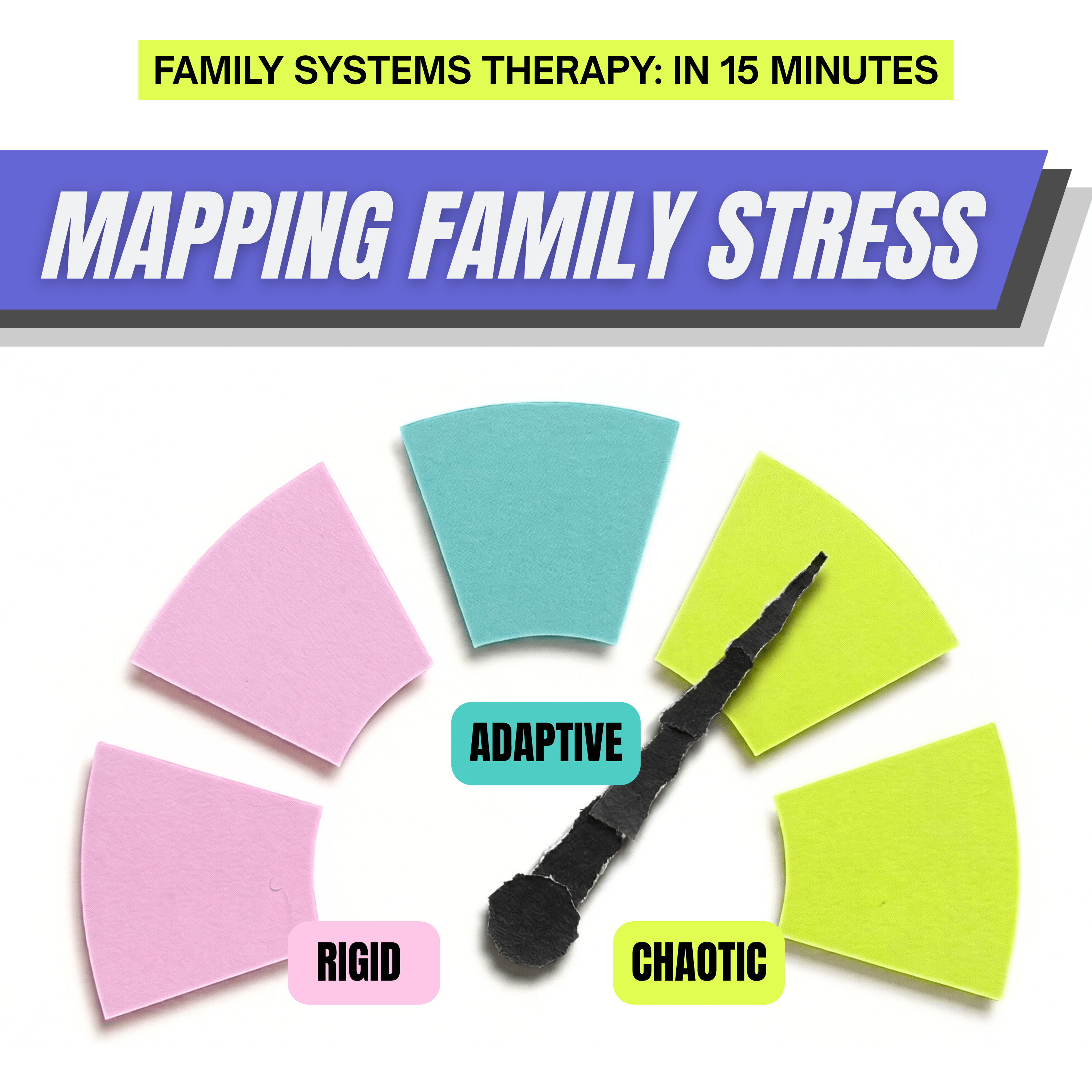
4 Sources of Family Stress — And The Question That Make A Difference
Every family faces stress at some point, but the way they handle it is often part of the reason they come to see a family therapist. Understanding where stress comes from is important. In my experience, most assessments look at just one area, but families often face stress from several sources at once. In this post, we’ll explore where stress comes from and how to see how a family is handling
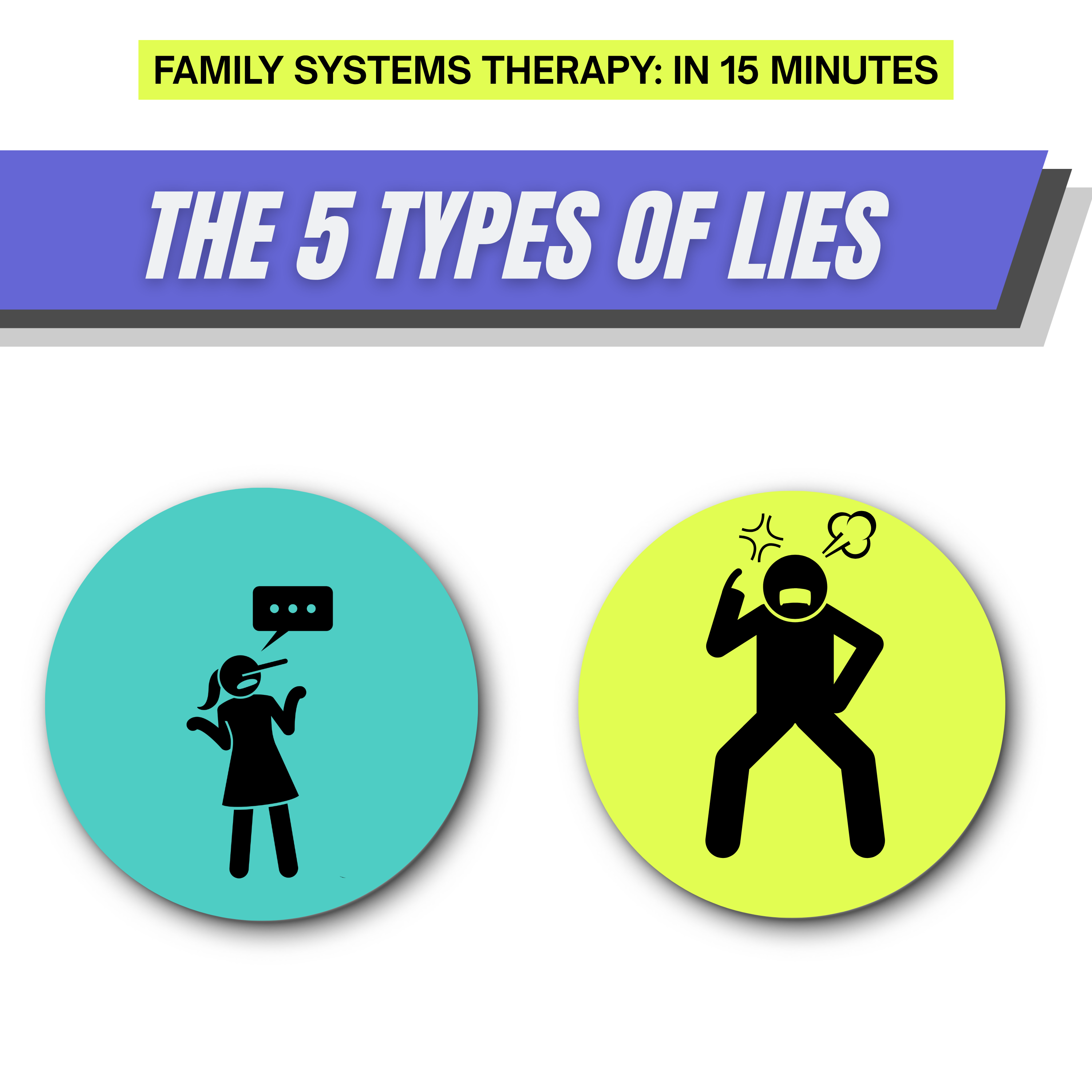
Five Types Of Lies Kids Tell (and how to deal with it in family therapy)
When a child in your caseload is lying constantly, the first question most parents want answered is how to stop it. In this episode, I want to offer a better one: what is this lie actually doing? From a family systems perspective, lying is almost never just bad behavior — it's a signal embedded in a pattern. I walk through the two main types of lying that show up in family work, five specific patt
Recommended

K-Drama Obsessed Mamas | Beyond “Just One More Episode!”

True Crime Classics

The Healer Revolution

Becoming: HER with Nikki Spoelstra

Booked, Blonde & Busy w/ Olivia Ponton

McKinsey on Consumer and Retail

megahired.com

Hard Knocks Podcast

Effective Weight Loss for Moms | High protein, Strength Training, Lose Weight, Meal Planning, Fat Loss, Healthy Habits

The Human-Animal Connection - Pet Life Radio Original

Infinite Health with Dr. Arasi Maran

The Daily
