The Biology of Trauma® With Dr. Aimie
Dr. Aimie Apigian, a physician and expert in attachment, trauma, and addiction, hosts this podcast about understanding trauma from a biological perspective. The show challenges traditional approaches and presents a new model for healing, focusing on how trauma affects the body on a cellular level. Aimed at listeners ready to address trauma directly, it serves as a practical guide for navigating a modern, traumatizing world.
Episodes
Can Early Life Stress Show Up in My Gut? Dr. Emeran Mayer
A hard start in life can still be shaping your gut decades later.What will surprise you is that your gut microbes can sense when you are stressed, and they change how they treat your gut wall.➡ Full show notes + resourcesDr. Aimie speaks with Dr. Emeran Mayer, gastroenterologist, neuroscientist and Distinguished Research Professor at UCLA, about how early life stress reaches the gut, the immune sy
Can I Safely Feel Emotions I Buried? Dr. Howard Schubiner
Emotions held down for decades are still shaping your body.What will surprise you is that the way back can start very small, even with one finger.This is Part 2 of a two-part conversation. Part 1 is here.➡ Full show notes + resources➡Trauma Pattern Quiz: https://draimie.co/4jIXc9VDr. Aimie continues her conversation with Dr. Howard Schubiner, internist, Clinical Professor at Michigan State and an
Is My Pain Coming From My Brain? Dr. Howard Schubiner
➡ Full show notes + resources➡Trauma Pattern quiz: Pain that no test has fully explained is still real pain.What will surprise you is that the brain decides whether to turn on pain, and it treats emotional danger from childhood or from an unjust world as danger.This is Part 1 of a two-part conversation Dr. Aimie welcomes back Dr. Howard Schubiner, internist, Clinical Professor
Where Do I Start With Flaring Mast Cells? Dr. Bruce Hoffman
➡ Full show notes + resources You react to everything. You want to find the cause and get rid of it.What will surprise you is that the most common place people start, binders, chelation or a mold detox, may be the very thing that makes a reactive body worse.This is Part 2 of a two-part conversation. Part 1 is here: Apple · Spotify · show notes.Dr. Aimie and Dr. Bruce Hoffman talk about where
Why Do My Mast Cells React to Stress? Dr. Bruce Hoffman
Full show notes + resources[COMPANION GUIDE NAME]: Every term from this conversation explained in plain words, in the order it comes up.First it was one food. Now it is smells, supplements, heat and stress, and the list keeps growing.What will surprise you is that mast cells respond to your total load, and a sensitized system can react to the thought of a trigger alone.This is Part 1 of a tw
How long does it take to heal a dysregulated nervous system?
➡ Full show notes + resources: 2 Min Assessment:In this solo episode, Dr. Aimie explains what dysregulation actually is and why it never exists on its own. She walks through the patterns of stored trauma that feed it, and the four questions you can use to tell whether your nervous system is healing.She also shares why children's nervous systems change faster than adults', what a patient in th
Why Are My Autoimmune Symptoms Worse in Perimenopause?
Your labs keep coming back acceptable. Your symptoms keep getting harder to hold. And you have probably landed on one of two conclusions: either something is wrong with you that nobody has found yet, or something is wrong with how you are handling it.I want to offer a third.Full show notes Three things change at the same time in this decade, and each one is invisible on its own.Your immune ba
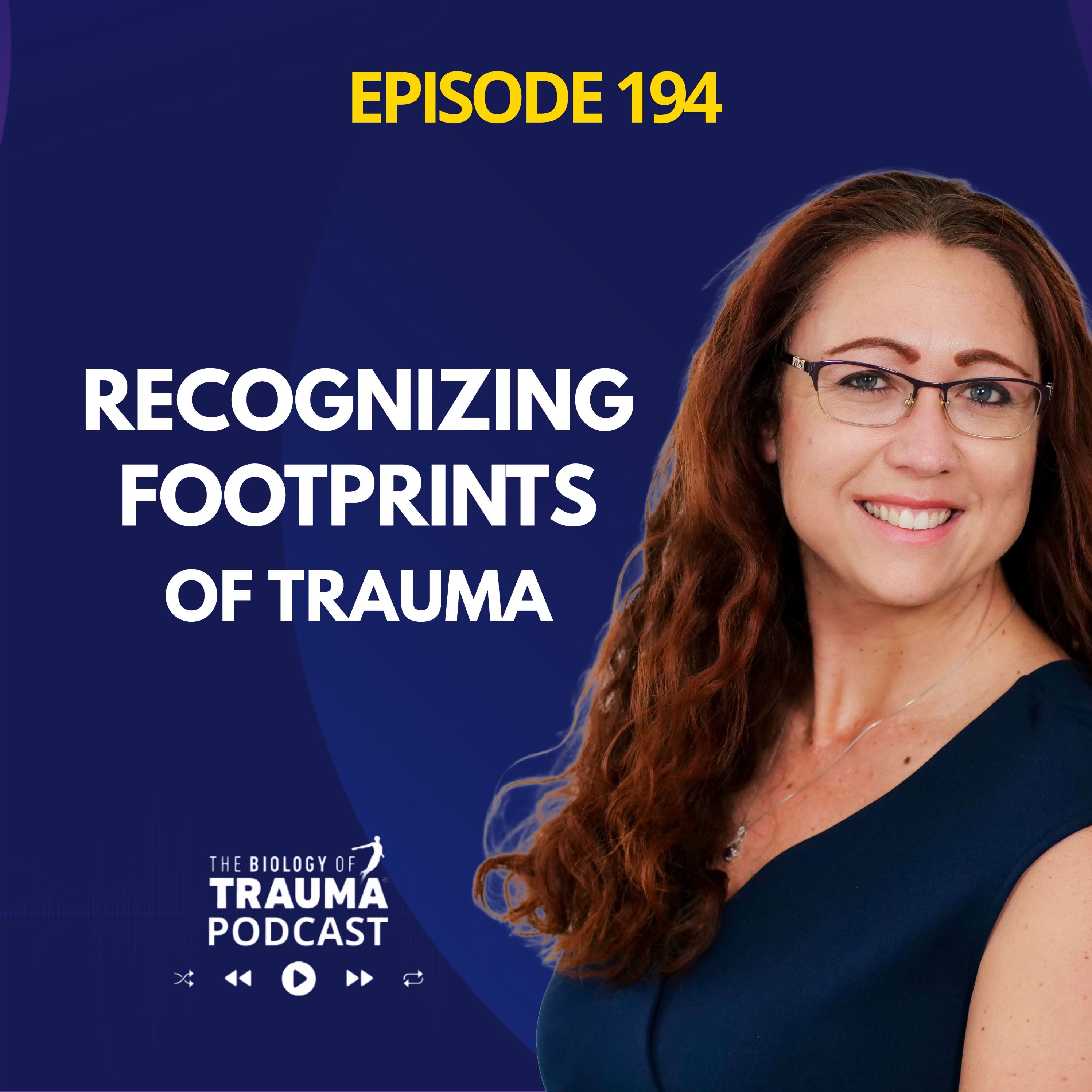
I don't ask about your past. Here's what I ask
I do not ask about your past. I do not get out the checklist of adverse childhood experiences. I am not calculating your ACE score. And I know how strange that sounds coming from a physician who works with stored trauma.Full show notesWhat I look at is the impact of your past on your today, because that is where it is still leaving its footprint.In this episode I walk you through the assessment I
Why Depression May Be an Early Sign of Autoimmunity
Your labs confirmed the autoimmune diagnosis. The hardest symptom turned out to be the one nobody prepared you for.
Dr. Aimie goes solo on depression and autoimmunity, and which one actually comes first. The answer is less orderly than the one most people are given, and it changes what to do about it.
➡️ Full show notes and research: CLICK HERE
Most people are told depression is a reasonable respo
Gut or thyroid first in chronic freeze? Dr. Amie Hornaman
You have been doing the work. The therapy, the somatic practices, the self-care. And your body still will not come online.
You have also been doing the gut protocol. Months of it. And the exhaustion has not lifted.
Here is what almost nobody tells you. The thyroid governs gut motility. When it runs low and slow, the bloating and the constipation you have been treating from the gut end may have be
Stuck in Freeze? The Thyroid Piece Nobody Checked
You have been doing the work. You understand your patterns. And you are still waking up unable to face the day.
When the body decides survival is the priority, it stops converting thyroid hormone into the form your cells can use. It produces an inactive version instead, called reverse T3, and that version blocks the active hormone at the cell door. The result is a body running low and slow. It is
Can I Recover From Medical Trauma? Dr. Jim Jackson (Part 2)
Most trauma has a place you can avoid. Medical trauma lives inside your body, so there is nowhere to go.
Dr. Aimie sits down with Dr. James Jackson for the second half of their conversation on medical trauma. What will surprise you is how much recovery is available while the symptoms are still present.
This is Part 2 of a two part conversation. Part 1 is here.
➡ Full show notes + resources: https:
Medical Trauma Has a Name, with Dr. Jim Jackson (Part 1)
A hospital saved your life, and now you plan your route so you do not drive past it. That has a name, and the name is medical trauma.
Medical trauma is a trauma response that comes from a medical experience. It can follow an ICU stay, a hard surgery, or an emergency C-section. Post-intensive care syndrome, or PICS, describes new or worsened problems in thinking, mood, and physical function after
What Type of Anxiety Do I Have? Dr. Nicole Cain (Part 2)
A new mom was losing weight without trying. Her heart raced. Waves of panic arrived without warning. Her doctor congratulated her on the weight and offered her something for the anxiety.
Her anxiety had been doing its job the whole time. It was a message from her thyroid.
In Part 2, Dr. Aimie and Dr. Nicole Cain, author of Panic Proof, walk through the last six of the nine body systems that can pr
Why Do I Feel Anxious for No Reason? with Dr. Nicole Cain (Part 1)
You feel anxious. Nothing has happened. Nothing is wrong on paper.
Dr. Aimie learned in the emergency room that anxiety is never one thing. Someone would come in and say the word, and her job was to work out why. It could be a hard week. It could be a heart attack. Same word, two entirely different bodies.
She still runs that checklist on herself. Then she read Dr. Nicole Cain's book Panic Proof a
Is Not Trying Laziness, or Survival? With Josh Trent (Part 2)
You know the thing that would help. You have known for a while. You still have not done it.
Dr. Aimie recognized herself in the research on learned helplessness. For a long stretch of her life she expected everything to be hard, expected to fail, and quietly stopped trying without ever deciding to. It is not laziness. It is a body that learned effort did not matter and powered the effort down.
I
Josh Trent on Why We Escape Instead of Rest (Part 1)
You finally have an evening with nothing in it. Twenty minutes later you are on your phone.
Josh Trent spent most of his life in a body that did not know how to rest. A clench in his stomach. A breath that stayed high in his chest. His first memory is of being a boy watching the adults around him be angry, unable to change it and unable to leave. The bracing stayed for thirty years.
Dr. Aimie and
Why Do I Crash Every Time I Finally Slow Down?
Why do I crash every time I finally slow down? Maybe you feel fine all week, then crash on the weekend. Maybe an open Saturday fills you with a quiet dread. So you fill it. An early bike ride. A full list. Anything to keep moving. Many people call this high-functioning burnout. It has a name, and it has a cause.
➡️ Full show notes: https://www.biologyoftrauma.com/post/episode-184-why-you-crash-whe
Grieving Is a Skill: HRV, Intention, and the Biology of Resilience with Dr. David Rabin (Part 2)
Most of us were told to grieve, to rest, to be present. Nobody taught us the skill. In Part 2, Dr. Aimie and neuroscientist Dr. David Rabin get into heart rate variability and resilience, why anxiety masks itself as focus, and why grieving is a skill your body has to learn. Feeling safe enough to feel is where the work begins.
➡️ Full show notes: https://www.biologyoftrauma.com/post/why-grieving-i
Why Stress Was Never the Enemy, with Dr. David Rabin (Part 1)
Stress was never the enemy. Your body was built to use it. What wears the body down is chronic stress with no recovery on the other side. Translational neuroscientist Dr. David Rabin splits stress into two forms. Eustress builds capacity. Distress, carried over time, moves the body toward disease.
➡️ Full show notes: https://www.biologyoftrauma.com/post/eustress-distress-difference-means-for-your-
EP 181: What Your Food Cravings Reveal About What You Survived | Dr. Tian Dayton
Cravings point to a need underneath. This episode covers the three unmet needs behind food. It looks at the childhood roots of reaching for it. And it helps you tell stress from something deeper.
➡️ Full show notes: https://www.biologyoftrauma.com/post/what-your-food-cravings-mean-nervous-system
In This Episode You'll Learn:
01:11 — The difference between hunger and an unmet need
05:27 — When a
EP 180: Is Your Acid Reflux a Nervous System Problem? | Molly Pelletier
An early read on your nervous system explains why reflux holds on. This episode covers reflux hypersensitivity, lost hunger and fullness cues, and the somatic tools that calm the gut, including diaphragmatic breathing after meals.
➡️ Full show notes: https://www.biologyoftrauma.com/post/nervoussystemandacidreflux-thegut-brainconnection
In This Episode You'll Learn:
01:10 — Why Molly Pelletier c
EP 179: Why Do Adoptees Struggle With Addiction? | Lisa Coppola
This is where adoption, attachment, and addiction meet. An early attachment rupture leaves the nervous system braced and hypervigilant. A substance can feel like the first relief from that noise. Drawing on her own recovery, Lisa Coppola names the four hidden losses adoptees carry. She shares why recovery asks for more than abstinence. It asks for safe connection.
➡️ Full show notes: https://www.b
EP 178: What Your Eyes Reveal About Your Attachment & Stress | Dr. Bryce Appelbaum
Vision is one of the primary signals your nervous system reads for safety or danger. Under stress, peripheral vision collapses and the body locks into central focus. Dr. Bryce Appelbaum walks through three eye exercises that begin retraining the eye-brain connection and the felt sense of safety.
➡️ Full show notes: https://www.biologyoftrauma.com/post/vagus-nerve-and-vision-how-your-eyes-signal-sa
EP 177: Beyond Anxious and Avoidant: 6 Attachment Wounds Your Body Learned Before You Had Words
Attachment is a survival imprint that lives in the body, encoded before you had language. In this episode, Dr. Aimie Apigian walks through the 6 hidden attachment pains, the adult symptoms each one creates, and why inner work alone cannot reach where the pattern lives.
➡️ Full show notes: https://www.biologyoftrauma.com/post/episode-177-6-attachment-wounds-chronic-symptoms
In This Episode You'll L
EP 176: Smart, Strong, and Still Crashing? Why Regulation Matters — 3 Women's Stories
Information alone does not resolve nervous system dysregulation. The body comes out of stored trauma in a precise three-step sequence: Safety, Support, Expansion. Skipping the order keeps the system stuck. Three Biology of Trauma® professionals describe the same shifts emerging in the same order, across three different conditions.
➡️ Full show notes: https://www.biologyoftrauma.com/post/nervous-sy
EP 175: What Fear Does to Your Immune System: 4 Adaptive Patterns
Metabolic syndrome, long-haul syndromes, hypersensitivity, and autoimmunity are four ways the immune system adapts to a nervous system living in fear.
Each one is the immune system adapting to a fear-driven nervous system. These are adaptations. The body is doing what bodies do.
In this solo episode, Dr. Aimie walks through all four immune adaptive patterns. The fear pattern behind each one. What
EP 174: Grief Is a Verb: Seven Principles I'm Living After Losing Amada
Grieving without getting stuck is possible. But most people don't know what that actually looks like from the inside. In this personal episode, Dr. Aimie shares seven principles she is living right now — attachment grief, heart shock, body holding, and toxic positivity. Not the theory of grief. The actual practice from inside it.
If you have ever wondered how to grieve without shutting down — or w
EP 173: What Sugar, Bread, and Salt Reveal About Your Nervous System in Menopause
Food cravings are not a willpower problem. They are messages from a nervous system trying to survive. In this episode, Dr. Aimie Apigian maps the cortisol, blood sugar, and inflammation patterns behind cravings, why menopause makes them louder, and how stored trauma in the body keeps the loop running.
➡️ Full show notes: EP 173: What Sugar, Bread, and Salt Reveal About Your Nervous System in Menop
Mother Hunger: The 3 Qualities of Maternal Love with Kelly McDaniel
Mother hunger is what the body carries when it missed one of three essential elements of maternal care: nurture, protection, or guidance.
On this Mother's Day Bonus Episode, Dr. Aimie sits down with Kelly McDaniel — author of Mother Hunger — to map the biology underneath. They walk through how unmet nurture shapes adult eating patterns, how unmet protection leaves a nervous system that never learn
The 3 Hidden Costs of Being the Strong One - Burnout's Real Biology
➡️ Get the full show notes and episode breakdown at Biology of Trauma® Podcast - The 3 Hidden Costs of Being the Strong One - Burnout's Real Biology
You've been the strong one. The one who keeps everything running. The one others lean on when things fall apart.
Your body has been keeping score. And the bill has three items.
There is a specific biology behind the pattern of holding everything toge
Is Your Chocolate Holding Your Marriage Together? | With Luis Mojica
➡️ Get the full show notes and episode breakdown at Biology of Trauma® Podcast - Is Your Chocolate Holding Your Marriage Together? | With Luis Mojica
Three women walked into Luis Mojica's nutrition practice with the same chocolate habit. When he asked each one what would happen if they stopped, the answer was identical — "I'd leave my husband." That moment became the birthplace of food therapy.
What If Safety Is What Your Body Was Taught to Fear?
➡️ Get the full show notes and episode breakdown at Biology of Trauma® Podcast - EP 170: What If Safety Is What Your Body Was Taught to Fear?
You learned to assess the mood of a room before you walked into it. To listen to the sounds in the house before you got out of bed. To become whoever was needed — quickly, automatically, without being asked. Your nervous system built that skill before you ha
Is Your Body Still Running a Trauma Response?
➡️ Get the full show notes and episode breakdown at Biology of Trauma® Podcast - Is Your Body Still Running a Trauma Response?
What if the anxiety that will not settle, the fatigue that sleep does not fix, and the chronic health conditions that appeared out of nowhere are not separate problems? What if they are the same pattern — the nervous system running a stored trauma response it was never abl
What Stored Trauma Does to Your Hormones?
➡️ Get the full show notes and episode breakdown at Biology of Trauma® Podcast - Why Menopause Is When Your Stored Trauma Finally Surfaces
What if the anxiety, the depression, the rage, and the emotional floods did not begin with perimenopause and have been there all along? And menopause is simply when the body can no longer hold them? What if your childhood ACE score is one of the strongest pred
Did Attachment Trauma Start Before You Had Memories?
➡️ Get the full show notes and episode breakdown at Biology of Trauma® Podcast - What Did Your First Year of Life Teach Your Body About Safety?
What if the patterns you've called personality — the distrust, the hyper-independence, the certainty that your needs are too much — were never personality at all? What if they are the nervous system doing exactly what it learned to do before you had a sing
What Does Overwhelm Have To Do With Chronic Pain?
➡️ Get the full show notes and episode breakdown at Biology of Trauma® Podcast— What Does Overwhelm Have To Do With Chronic Pain?
If you have chronic pain, you've probably been told that stress is making it worse. But here's what the biology actually shows: by the time your pain is flaring, you're past stress. You've crossed into overwhelm — and that changes everything about what your body can do.
Is Being "Good" a Trauma Response? The Biology of Proving Worth
➡️ Get the full show notes and episode breakdown at Biology of Trauma® Podcast - Is the Need to Always Be “Good” a Trauma Response?
What does your body do with guilt it can never undo?
Have you ever done everything right — and still felt something unresolved living in your body?
Maybe it's not a dramatic story. Maybe it's just a moment you can't stop replaying. A decision you can't forgive yourse
Could Your Trauma Be Disrupting Your Metabolism? The Weight Health Conversation
➡️ Get the full episode breakdown at Biology of Trauma® Podcast – Episode 164: Could Your Trauma Be Disrupting Your Metabolism? The Weight Health Conversation
What if the reason your body is holding onto weight has nothing to do with what you're eating — and everything to do with hormones you may not have heard about?
In this episode, Dr. Aimie talks with registered dietitian and author Ashley Ko
Growing Up With Addiction Left a Trauma Your Body Still Carries
➡️ Get the full episode breakdown at Biology of Trauma® Podcast - Episode 163: Growing Up With Addiction Left a Trauma Your Body Still Carries
What happens when a child has to become the adult in the family? Dr. Tian Dayton, clinical psychologist and author of Growing Up with Addiction, joins Dr. Aimie for one of the most personal conversations on the podcast. Both share their own childhood storie
Why Fixing Someone You Love Is Destroying Your Nervous System
➡️ Get the full episode breakdown at Biology of Trauma® Podcast — Episode 162: Why Fixing Someone You Love Is Destroying Your Nervous System
When someone you love is struggling with addiction, your nervous system absorbs what theirs numbs out. Relational trauma repair therapist Karen Moser joins Dr. Aimie Apigian to explain why the families of substance users often carry deeper nervous system dysr
The Biology of Grief: Why Your Gut Holds What You Can’t Feel
Grief, regret, loneliness, inflammation, pain. There are deeper layers than we are even aware of.
Dana was a family physician who had managed gut issues for years. Constipation. Bloating. Acid reflux. She had every tool available to her. She rotated medications, over-the-counter laxatives, and antacids. She pushed through. Then one brave question changed everything. I asked her: what happened that
Dopamine and Depression: The Metabolic Link You Need to Know
➡️ Get the full episode breakdown at Biology of Trauma® Podcast - Episode 161: Dopamine and Depression: The Metabolic Link You Need to KnowDopamine doesn't just create pleasure. It signals unexpected experiences and primes the brain to learn. New research reveals that depression, anxiety, and ADHD have different metabolic phenotypes. Understanding your unique metabolic footprint explains why stan
How Creativity Rewires Your Nervous System with Adam Roa
➡️ Get the full episode breakdown at Biology of Trauma® Podcast - Episode 160: How Creativity Rewires Your Nervous System with Adam RoaWhat if the key to healing isn't more therapy—but creativity? Adam Roa's poem "You Are Who You've Been Looking For" reached over 250 million people. But before that poem existed, Adam spent 25 years emotionally shut down. He didn't remember his childhood sexual abu
Can Stem Cells Accelerate Trauma Healing?
➡️ Get the full episode breakdown at Biology of Trauma® Podcast - Episode 159: Why Trauma Blocks Your Stem Cell Repair System What if we knew how to repair cellular damage from stress and trauma? Stem cells are your body's repair system—replacing 50-70 billion cells every day. But chronic inflammation from trauma creates what Dr. Dan Pardi calls a "noisy neighborhood" where repair signals can't ge
The Biology of Dopamine: Why We Can't Stop What Isn't Good for Us
You know it's not good for you. You do it anyway. Then you ask yourself why. Late-night scrolling when you promised you'd sleep. Sugar after dinner when you said you'd stop. The fight you picked that you didn't need to pick. We call it lack of willpower. But willpower isn't the problem. This is the biology behind the main episode this week with addiction policy expert Dr. Kevin Sabet. He shared wh
Marijuana, Addiction, and the Body: What We've Been Getting Wrong
➡️ Get the full episode breakdown at Biology of Trauma® Podcast - Episode Marijuana, Addiction, and the Body: What We've Been Getting Wrong If you've watched a family member struggle with addiction, you know how helpless it can feel. Treatment programs that don't work. Policies that seem disconnected from reality. Debates about legalization versus criminalization that never address what actually
The Biology of Brain Fog: Why Your Body Still Feels Unsafe
Can you do all the therapy and still have brain fog? Yes. Can you talk through your past and still have chronic fatigue? Absolutely. Here's the tension. We've been told that processing trauma means talking about it. That resilience means surviving hard things. But what if your body is still holding what your mind thinks it released? I go deeper into this with Marie Demasio in Episode 157. She s
What Do Soul Contracts Have to Do With Healing Trauma?
➡️ Get the full episode breakdown at Biology of Trauma® Podcast - Episode 157: Why Spiritual Insight Alone Can't Heal Trauma with Marie Damasio She understood her grief completely. After her son Tristan died from brain cancer, Marie Damasio dove deep into spiritual work—soul contracts, Akashic records, the meaning behind her loss. She found peace. And her body stayed stuck. You'll hear more on: [
Can't Get Off Antidepressants? Ask for These Lab Tests
Why do so many people with depression struggle to stop their antidepressants? What if the answer isn't about willpower — but about missing nutrients your brain needs to function? Dr. James Greenblatt has spent 30 years in inpatient psychiatry. He watched patients go from one medication to two, then three, then five. Suicide rates kept climbing. And he started asking: What if the brain is simply m
The Body Trauma Loop: Why Time Doesn't Heal Chronic Illness
What if the slogans we've trusted about healing are actually in conflict? "The body keeps the score." "Time heals all wounds." We've heard both. They can't both be true. Here's the tension. If time heals all wounds, staying busy should eventually work. Decades of pushing through should land us somewhere good. But that's not what happens. The body keeps the score whether we acknowledge it or not
Time Doesn't Heal: What 20 Years of Research Actually Shows
We've been told time heals all wounds. Go back to work. Stay busy. But what if decades of stress are still rewriting the body right now? Dr. Karestan Koenen, a Harvard researcher who has followed 100,000 women over twenty years, shares what she's discovered about how unaddressed trauma doesn't fade—it becomes biology. In this conversation, we explore why major disease studies have ignored trauma,
Why Resolutions Fail: The Biology of Survival Strategies
What if the habit you've been trying to break is actually how you learned to survive? It's January. You've made the resolution. This year will be different. You start strong. First week goes well. By February, you're back where you started. Maybe feeling worse because now you've added shame to the pile. I share about Rachel, a 42-year-old marketing director. She tried everything to stop late-night
The Biology of Burnout (Part 2): What Understanding Can't Do
In part one, we learned why so many of us stay stuck despite trying everything. This episode reveals what actually worked for the dogs in that study. Spoiler: it wasn't understanding. It was movement. I share Claire's breakthrough moment standing at her kitchen sink. What she felt in those 90 seconds changed everything. → Get the full episode breakdown at Biology of Trauma® Podcast - Episode 154:
Hustle Is How I Proved I Mattered
What if the hustle that's wearing you out is actually how you learned to matter? In this final part of my three-part conversation with my friend Jalon, we get honest about why slowing down can feel so threatening. For those of us who weren't seen for who we were, doing became the way we proved we deserved to exist. I share about the moment I stopped blaming my body for breaking down and started
The Biology of Burnout: Why Pushing Through Stops Working
If more self-care worked, it would've worked by now. In this episode, I share my own burnout story and introduce Claire—a patient whose chronic fatigue reveals a missing piece in how we understand stress. Through the research on learned helplessness and the metaphor of the elephant tied to a stick, this episode uncovers why so many of us feel stuck despite trying everything. → Get the full episode
Your Freeze Questions Answered: Live Q&A with Dr. Aimie
What if the grief you've been pushing away is trying to tell you something? In this mini episode, I open the vault on my live Q&A with Biology of Freeze students. These are the real questions people ask when they're in the deep work. The answers might surprise you. A caregiver asked how to show up for her family while grief keeps pulling her under. A practitioner wondered why her autoimmune cli
Am I Too Old or Stressed To Get Pregnant? The Real Reason
The same nervous system patterns that keep us stuck in survival mode may also be telling our body it's not safe to create new life. In this episode, I'm joined by Dr. Ann Shippy, a leading functional medicine physician and former chemical engineer who reveals the hidden biological barriers to conception. Get the full episode breakdown at Biology of Trauma® Podcast - Episode 152: Am I Too Old or S
Why Saying No Feels Like Danger: The Nervous System Truth
What if the reason we can't say no isn't a willpower problem—but a nervous system problem? In Part 2 of this raw, unscripted conversation, Dr. Aimie Apigian and her friend Jalon Johnson go deeper into what actually happens inside our body when we try to set a boundary. This isn't theory—it's two people sharing what it felt like to rehearse conversations for days, to brace for rejection, and to g
Why Trauma Returns in Midlife: A Chinese Medicine Lens
Chinese medicine may help explain why stored trauma causes old patterns to resurface when we least expect it. In this episode, I'm joined by Dr. Lorne Brown, a leader in integrative reproductive health and Chinese medicine who brings 25 years of clinical experience to the conversation. Get the full episode breakdown at Biology of Trauma® Podcast- Episode 151: Why Healed Trauma Returns in Perimeno
Frozen in Success: The Biology of Staying Stuck in Survival with Dr. Aimie Apigian
Many high-achieving people look successful on the outside while part of them remains frozen in childhood survival patterns. Through the Biology of Trauma® lens, I share how trauma disrupts the natural flow and movement of life—and the healing roadmap that takes us from stuck to truly alive. If we've ever wondered why we can reach every external goal and still feel disconnected from our own life, t
Family Boundaries and Dysfunction: How to Stay True to Yourself Around Family with Jalon Johnson
What if the hardest part of our healing journey isn't the inner work—but showing up to family gatherings after we've changed and our family hasn't? In this raw, unscripted conversation, Dr. Aimie Apigian sits down with her friend Jalon Johnson to talk about something most healing resources won't touch: the exhausting reality of being around family when we're no longer willing to play the role th
Mind-Body Trauma Research: The Truth with Dr. Gabor Maté
Why does groundbreaking research on mind-body medicine disappear without a trace? How do emotional factors create conditions for chronic illness and autoimmune disease decades later? What happens when a Harvard study shows severe PTSD doubles ovarian cancer risk—and the medical system simply ignores it? Dr. Gabor Maté joins me to discuss the writing process behind The Myth of Normal, his 19-week N
Why You Crave Sugar When Overwhelmed: The Biology of Freeze & Avoidance
What if your sugar cravings, need to clean, urge to call a friend, or desire to put on a movie while working aren't just procrastination—but your nervous system desperately trying to help you avoid drowning in emotions that feel too intense to face?
In this mini episode, Dr. Aimie gets vulnerable about discovering a new level of chronic functional freeze in herself—sharing the exact moment she fou
Why You Can't Sit Still: The Hidden Biology of Busyness
Discover how trauma lives in the body—and how the vagus nerve, nervous system shutdown, and somatic healing explain why stillness can feel unsafe. Through the Biology of Trauma® lens, Dr. Aimie shares the trauma response sequence and the Essential Sequence needed to heal stored trauma without overwhelm. If we've ever felt like we can't stop moving—like sitting still feels unsafe—this episode helps
Health Avoidance and Oxidative Stress: The Dangerous Feedback Loop
What if the reason you keep saying "I'm fine" isn't about denial or stubbornness—but about your nervous system being programmed to avoid looking at problems because looking feels too dangerous? In this mini episode, Dr. Aimie Apigian explores the powerful story Dr. Tom O'Bryan shared about Ray—a beloved janitor who said "I'm fine" for three years until the day he finally agreed to testing, pulle
The Hidden Biology of Holding On: Toxins, Trauma & True Freedom
Our bodies hold onto trauma, toxins, and pain for biological reasons—not willpower. Dr. Aimie Apigian shares her bathtub breaking point and the 3-phase Biology of Trauma® framework that changed everything: how to prepare, open channels, and safely release what our nervous systems have been protecting us from. After her third collarbone break in a 2017 car accident, Dr. Aimie found herself back in
Why Insecure Attachment Blocks Dopamine Response (& How to Repair It)
What if the reason connection feels so hard isn't about willpower or awareness—but about your brain literally not getting the dopamine reward that makes relationships feel joyful and worth pursuing? In this mini episode, Dr. Aimie Apigian dives into groundbreaking 2009 research that revealed something shocking: mothers with insecure attachment showed almost no dopamine response to their own babies
How Attachment Affects Us For Life: 6 Childhood Pains and How to Repair
Many people struggle with anxiety, relationship patterns, or chronic health conditions without realizing these challenges stem from attachment trauma stored in the body. Attachment isn't just about relationship styles or emotional patterns—it lives in our nervous system, immune system, and cellular biology, creating survival mechanisms that formed before we could even walk. In this episode, I reve
Essential Oils and Nervous System Regulation: Using Smell to Heal Grief and Trauma with Jodi Cohen
Why does the simple act of smelling essential oils directly regulate the nervous system during trauma and grief? How can practitioners support clients who struggle with feeling their bodies? What if smell is the most underutilized tool for creating safety and embodiment? Seven years ago, Jodi Cohen's 12-year-old son died suddenly in a car accident. Her 14-year-old daughter, about to start high sc
Understanding Your Relationship with Goodbyes and Closure
What if your struggle with goodbyes isn't just about being emotional—but reveals something deeper about how you've been protecting yourself from grief? In this mini episode, Dr. Aimie Apigian shares one of her most personal stories about transformation: how her lifelong pattern of avoiding goodbyes led to carrying decades of unprocessed grief, and how learning to stay present through endings compl
The Perimenopause Revolution: Trauma, Transitions and Tools with Dr. Mariza Snyder
Many women enter perimenopause unprepared for the brain remodeling and nervous system changes that make this transition feel destabilizing. For practitioners supporting clients through midlife, and for women navigating perimenopause themselves, understanding how stored trauma amplifies symptoms and shrinks capacity changes everything about this journey. This episode features Dr. Mariza Snyder, aut
Fear From Breast Cancer: How Two Mothers Reject 'Normal' & Find Freedom
After treatment, Dirci was told by her oncologist to go back to her life as "normal." But as she steps into the cancer support groups, everyone is in fear of remission. Melanie received the diagnosis of breast cancer, felt the fear of if treatment would get it all, and decided now was the best time for nervous system healing -not later. She finds herself on the radiation table using her somatic to
Understanding the Freeze Response and Brain Fog
What if the brain fog you're experiencing isn't just tiredness—but your nervous system's way of disconnecting you from an unbearable reality? In this mini episode, Dr. Aimie Apigian answers a question from Rachel, a therapist in Seattle, about why the freeze response is associated with brain fog. Many people think of the freeze response as simply paralysis, not understanding the sophisticated biol
Why Stress Isn't Trauma: How to Spot Overwhelm and Start Healing Your Nervous System with Dr. Aimie Apigian
Why does brain inflammation happen during the freeze response? How do you explain the difference between stress and trauma to patients? What's the single most important starting point for nervous system regulation? This episode answers these critical questions while revealing why emotional eating isn't a willpower problem and introducing the simple three-day tracking tool that changes everything f
BRCA Gene Carriers: How Nervous System Dysregulation Affects Breast Cancer Risk
What if having the same gene as your sister doesn't mean you'll have the same outcome? What if trauma and nervous system dysregulation could be the difference between expressing a genetic disease—or not? In this mini episode, Dr. Aimie Apigian answers a question from Rachel in Texas, who discovered she carries the BRCA gene mutation. Despite making the same lifestyle changes as her sister—who also
Can Trauma Make Genetic Disease Worse? The Role of the Nervous System
Many people living with genetic conditions like MEN1, or hereditary autoimmune disorders feel trapped by their diagnosis. Practitioners often monitor and treat symptoms without addressing how trauma and nervous system dysregulation amplify those symptoms. But what if your nervous system still holds the key to how you experience your genetic condition? In this conversation, Lizzie Dunn, diagnosed a
Why Does My Body Hold Trauma? Dr. Aimie Apigian Reveals How Chronic Fatigue, Autoimmunity & Weight Gain Have An Emotional Trigger
You push through exhaustion, telling yourself it's just stress. Your body sends signals you can't ignore: chronic fatigue, unexplained pain, digestive issues, mood swings. What if these are messages about the emotional wounds that remain unresolved from your past? In this episode, I sit down with Dr. Partha Nandi for a conversation on chronic health issues, share five key insights that transform h
Trauma, Immunity, and Healing: How Your Body Renews in 90 Days
What if healing from trauma wasn't just about your nervous system, but also your immune system? What if science could show us that your body is capable of renewal—faster than you think? In this mini episode, Dr. Aimie Apigian is joined by Dr. Jeffrey Bland, founder of the Institute for Functional Medicine and one of the leading voices in integrative health. Together, they discuss why trauma isn't
Breaking the Body Trauma Loop: Why Healing Takes More Than Willpower (And How to Actually Transform)
Traditional healing approaches often focus on managing symptoms or returning to who you were before. But what if healing could take you beyond recovery to discovering capacities you never knew you had? What if your patterns of responding to stress getting stronger over time isn't a sign of failure, but your nervous system following predictable patterns that can be redirected? In this episode, I sh
Recommended

History of the Earthquake and Fire in San Francisco

Fox news

K-Drama Obsessed Mamas | Beyond “Just One More Episode!”

True Crime Classics
The Healer Revolution

Becoming: HER with Nikki Spoelstra

Booked, Blonde & Busy w/ Olivia Ponton

McKinsey on Consumer and Retail

megahired.com

Hard Knocks Podcast
Effective Weight Loss for Moms | High protein, Strength Training, Lose Weight, Meal Planning, Fat Loss, Healthy Habits

The Human-Animal Connection - Pet Life Radio Original
