Advances in Care
Advances in Care is a health and medicine podcast hosted by epidemiologist and science communicator Erin Welsh, who talks with physicians from NewYork-Presbyterian hospital about the research and treatments shaping modern care. Episodes dig into breakthroughs such as genome sequencing and the stories behind life-saving cardiac procedures, featuring doctors from Columbia and Weill Cornell Medicine. The show is aimed at health care professionals and listeners who want to stay current with the latest medical innovations. More information is available at nyp.org/Advances.
Episodes
Research Reveals Potential Causes Behind the Rise in Early-Onset Colon Cancer
On this episode of Advances in Care, host Erin Welsh revisits her conversation with Dr. Joel Gabre, a gastroenterologist at NewYork-Presbyterian and Columbia who specializes in cancer care. They discuss the ongoing rise in colorectal cancer rates among younger individuals. Dr. Gabre lays out trends observed by the medical community in colorectal cancer rates, including the increasing likelihood by
Exploring Psychedelics as the Next Wave of Psychiatric Innovation
On this episode of Advances in Care, host Erin Welsh revisits a recent conversation about psychedelic drug therapies for psychiatric disorders. First Erin hears from Dr. Richard Friedman, a clinical psychiatrist at NewYork-Presbyterian and director of the Psychopharmacology Clinic at Weill Cornell Medicine. Using his background in psychopharmacology, Dr. Friedman distinguishes between psychedelics
GUARDIAN Screening Panel Expands Early Detection for Rare and Treatable Diseases
On this episode of Advances in Care, host Erin Welsh revisits the story behind the GUARDIAN study, which screens thousands of newborn babies against rare disease by sequencing their genes, and looking for more conditions than any of the current standard screening panels. First, she hears from Dr. Jordan Orange, former physician-in-chief at Morgan Stanley Children’s Hospital at NewYork-Presbyterian
Groundbreaking Gene Therapy Restores Natural Hearing for Genetic Deafness
On this episode of Advances in Care, Erin Welsh speaks with Dr. Lawrence Lustig, otolaryngologist-in-chief at NewYork-Presbyterian and Columbia. Dr. Lustig has spent decades working to advance various interventions to treat genetic deafness and after years of research, his team was the first to show that gene therapies could be effective at reversing hearing loss in mouse models.
Dr. Lustig focuse
A Novel Immune-Based Cell Therapy Improves Treatment for Metastatic Melanoma
On this episode of Advances in Care, Erin Welsh is joined by Dr. Barbara Ma, a medical oncologist at NewYork-Presbyterian who leads Cellular Therapy for Solid Tumors at Weill-Cornell Medicine. Dr. Ma and her team are at the forefront of advancing cell-based treatments which include tumor-infiltrating lymphocyte therapy—or TIL—a groundbreaking cell therapy for metastatic melanoma that received FDA
The Positive Impact of Electroconvulsive Therapy for Severe Psychiatric Illness
On this episode of Advances in Care, Erin Welsh is joined by Dr. Leonardo Lopez, a psychiatrist at NewYork-Presbyterian and vice chair for inpatient services in the Department of Psychiatry at Weill Cornell Medicine. Dr. Lopez and his team are at the forefront of electroconvulsive therapy (ECT), and have built one of the largest programs of its kind in the country dedicated to treating severe psyc
How a Complex Partial Liver Transplant Saved a Two-Month Old Infant
On this episode of Advances in Care, Dr. Steven Lobritto, pediatric medical director for liver transplant at NewYork-Presbyterian and Columbia, joins host Erin Welsh to tell the story of a high-risk pediatric liver transplant that he and his team performed to save the life of a two month old baby, after the center where the baby was originally treated deemed her inoperable.
Dr. Lobritto describes
Cerebral Organoids Provide New Strategy to Personalize Glioblastoma Treatment
On this episode of Advances in Care, Erin Welsh is joined by Dr. Howard Fine, a neuro-oncologist at NewYork-Presbyterian and director of the Brain Tumor Center at Weill Cornell Medicine, to explore his pioneering research on glioblastoma, the most common and aggressive form of brain cancer.
Glioblastoma has long resisted meaningful therapeutic progress. When Dr. Fine began working in this field,
Navigating High-Risk Pregnancy with Multidisciplinary Cardio-Obstetrics Care
Erin Welsh is joined by Dr. Jennifer Haythe, director of the Adult Pulmonary Hypertension Center and Cardio-Obstetrics programs at NewYork-Presbyterian and Columbia, to discuss the prevalence of high-risk pregnancies due to heart disease and the multi-disciplinary efforts required for optimal patient care.
Many women in the US are having children at a later age than in the past, and with that com
Redefining Treatment for Chiari Malformation with a Transitional Care Model
On this episode of Advances in Care, Erin Welsh and Dr. Jeffrey Greenfield, pediatric neurosurgeon at NewYork-Presbyterian and director of the Chiari CARE program at Weill Cornell Medicine, discuss a rare condition called Chiari malformation.
Typically diagnosed by MRI, Chiari malformation is classified when part of the cerebellum descends into the upper spinal canal. Though some of the most seve
Single Port Robotic Surgery Transforms Outcomes for Lung Tumor Removal
Erin Welsh is joined by Dr. Jeffrey Port, a thoracic surgeon at NewYork-Presbyterian and Weill Cornell Medicine, and a leader in thoracic surgical oncology, to discuss advances in minimally invasive robotic surgery and the unique collaborative care model that his program employs to operate on complex chest tumors.
When Dr. Port first started his career, the surgical techniques used to operate on l
Improving Preterm Birth Outcomes with Virtual Cervix Technology
On this episode of Advances in Care, host Erin Welsh is joined by Dr. Mirella Mourad, maternal-fetal medicine specialist at NewYork-Presbyterian and co-director of the Preterm Birth Prevention Center at Columbia, to explore a groundbreaking new technology aimed at improving the diagnosis and treatment of preterm birth.
Preterm birth impacts approximately 1 in 10 pregnancies in the United States, m
How ECMO Leadership is Driving Improved Survival and Post-ICU Recovery
On this episode of Advances in Care, Erin Welsh is joined by Dr. Cara Agerstrand, director of the Medical ECMO Program at NewYork-Presbyterian and Columbia, and Dr. Matthew Baldwin, critical care specialist at NewYork-Presbyterian and research lead of Columbia’s Baldwin Lab which focuses on the study of critical illness survivorship.
Thousands of people suffer from cardiopulmonary conditions such
Phase 3 Trial Reduces Risk of Progression in Metastatic Prostate Cancer
On this episode of Advances in Care, host Erin Welsh is joined by Dr. Scott Tagawa, medical oncologist at NewYork-Presbyterian and director of the Genitourinary Oncology Program at Weill Cornell Medicine, to talk about the latest developments in prostate cancer care.
On this episode of Advances in Care, host Erin Welsh is joined by Dr. Scott Tagawa, medical oncologist at NewYork-Presbyterian and
Breakthrough Technology Improves Concussion Assessment and Player Safety
On this episode of Advances in Care, host Erin Welsh sits down with Dr. Thomas Bottiglieri, chief of the primary care sports medicine division at NewYork-Presbyterian and Columbia, to discuss the evolving landscape of concussion care– from prevalence to emerging diagnostic breakthroughs.
With over 2 million estimated concussions occurring annually in the United States, and many of them affecting

2025 Year in Review: Revisiting the Top Takeaways from Advances in Care
On the final episode of 2025, host Erin Welsh is joined by Courtney Allison, host of NewYork-Presbyterian’s health and wellness podcast, Health Matters, to recap the year’s highlights from their dozens of conversations with clinicians, researchers, and health care specialists from Columbia & Weill Cornell Medicine. They highlight key takeaways, revisit groundbreaking treatments that were pioneered
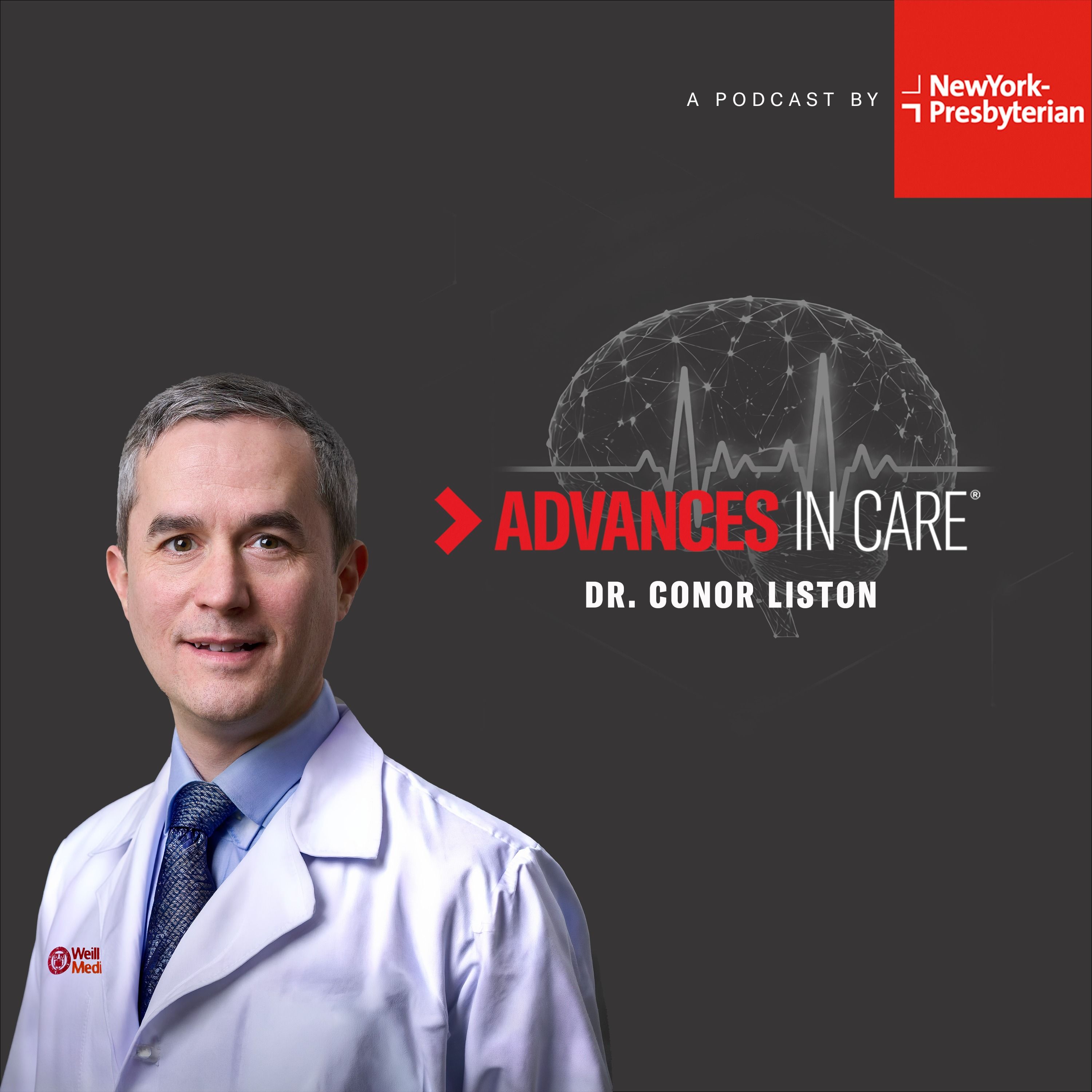
Revisiting the Network Effect: Analyzing Brain Structures to Treat Depression
For any patient diagnosed with depression for the first time, the recommended course of treatment is the same: a medication like a selective serotonin reuptake inhibitor (SSRI), an evidence based psychotherapy, or both. But there is a large group of people for whom these treatments simply won't work. That’s where Dr. Conor Liston and his team focus. In this episode from the Advances in Care archiv
Revisiting Deep Learner: Building AI to Improve Cardiovascular Care
In this episode from the Advances in Care archives, Dr. Pierre Elias sits down with Catherine Price to talk about how utilizing technologies like artificial intelligence and machine learning can help diagnose patients even before symptoms develop, and support doctors by freeing them up to focus on providing personalized care to their patients. They discuss navigating bias in both artificial intell
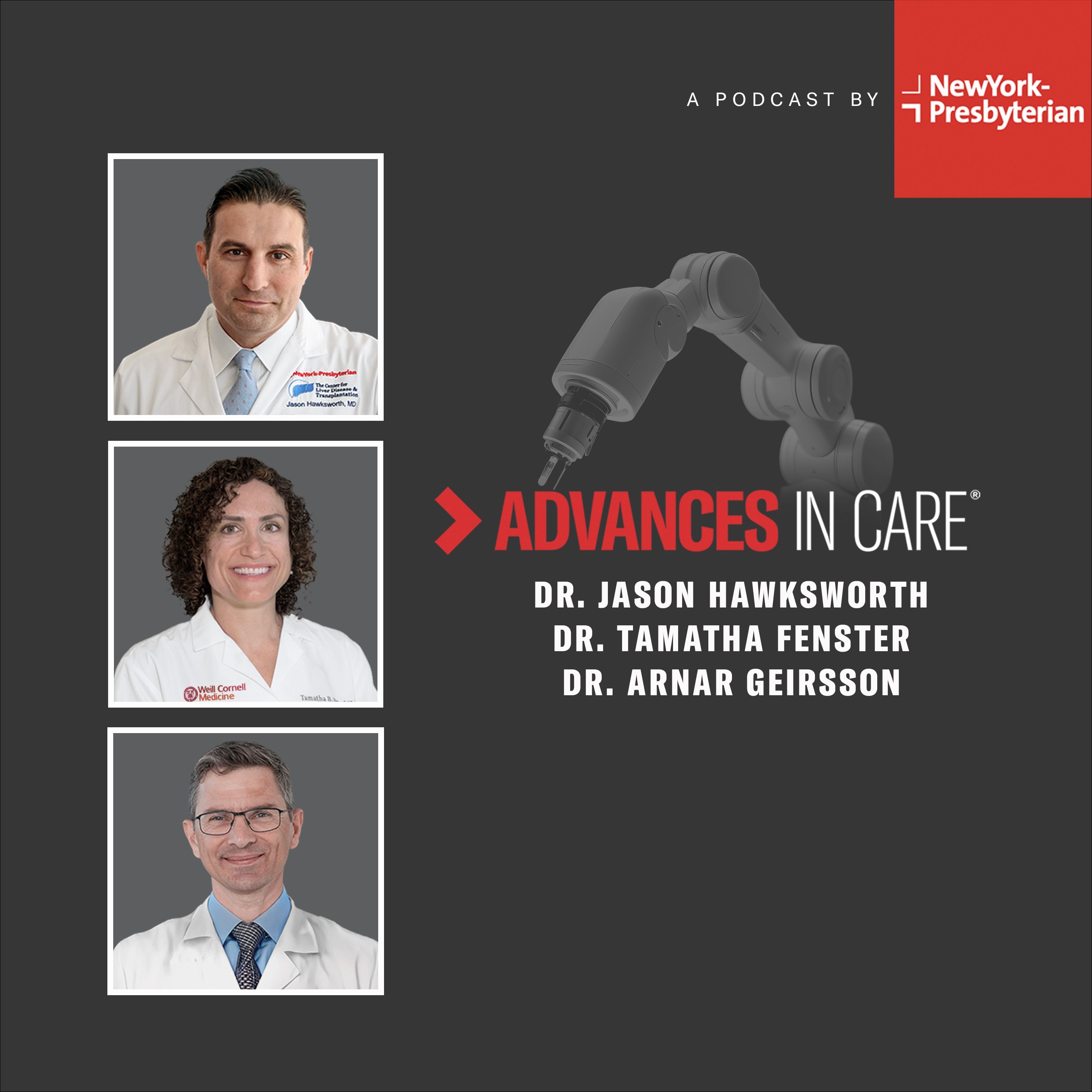
Revisiting Surgical Robot: Advancing Medicine with Robot-Assisted Technology
With perspectives spanning hepatobiliary, gynecologic, and cardiac surgeries, NewYork-Presbyterian’s Dr. Jason Hawksworth (Columbia), Dr. Tamatha Fenster (Weill Cornell Medicine), and Dr. Arnar Geirsson (Columbia) describe how they each came to incorporate robotics into their practices. One of the biggest takeaways: robotic surgeries allow for more accuracy in minimally-invasive approaches; so pat
Revisiting Heartmaker: Revolutionizing Pediatric Heart Surgery
Catherine Price and Dr. Emile Bacha, Chief of the Division of Cardiac, Thoracic, and Vascular Surgery at NewYork-Presbyterian/Columbia discuss the history of heart surgery, ventricular assist devices, and a new frontier in cardiac surgery: The Total Artificial Heart. Dr. Bacha tells the groundbreaking story of successfully fitting a pediatric patient with a Total Artificial Heart. He explains the
Revisiting Team Doc: Engineering a Better Recovery
Dr. Chris Ahmad knows firsthand how devastating an untimely injury can be for a young athlete. In this episode from the Advances in Care archives, Dr. Ahmad discusses how his own college soccer injury led him to fall in love with orthopedics. He tells the history of the infamous baseball injury that resulted in the invention of Tommy John surgery, and shares how he learned to perform the correctiv
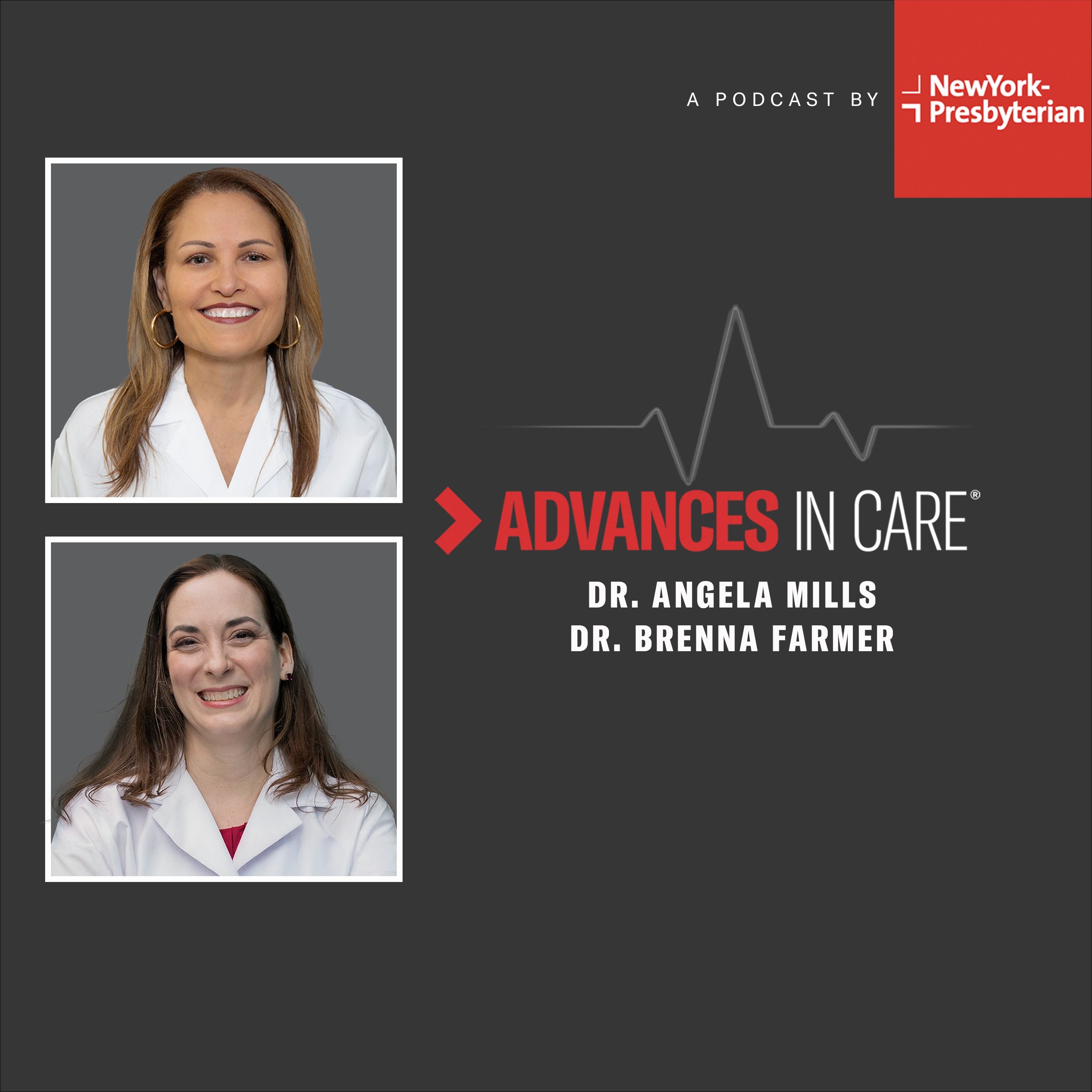
Part 2: Innovating These NYC Emergency Departments to Address the Mental Health Epidemic
On this episode of Advances in Care, we return to the high-intensity environment of New York City’s emergency departments with Dr. Angela Mills and Dr. Brenna Farmer. Host Erin Welsh hears from these leaders at NewYork-Presbyterian about how they are implementing innovative strategies to meet the challenges of the behavioral health emergencies epidemic.Dr. Brenna Farmer, chief of emergency medicin
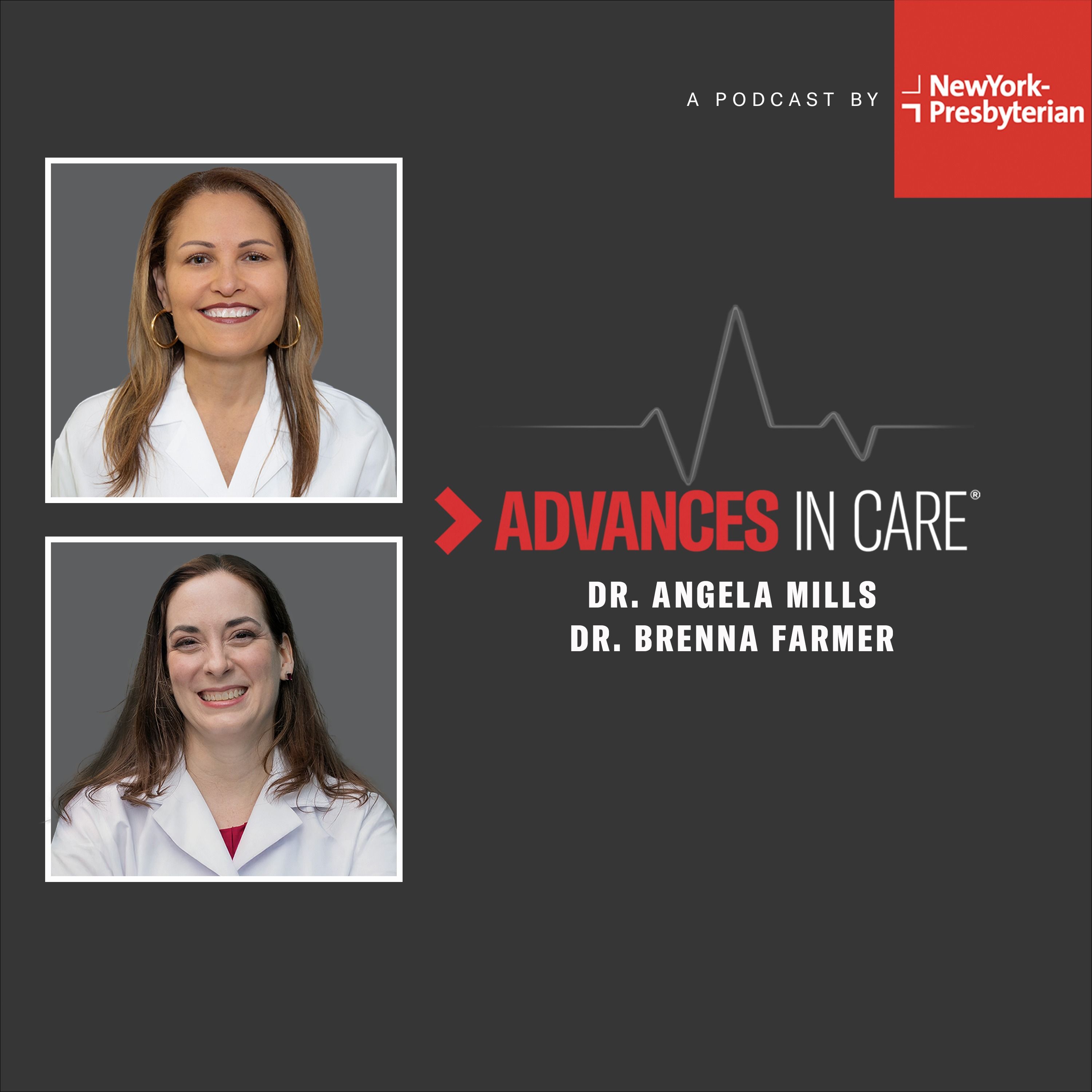
Part 1: Managing the Complexity of NewYork-Presbyterian’s High Volume Emergency Departments
On this episode of Advances in Care, host Erin Welsh hears from two emergency department chiefs at NewYork-Presbyterian about how they optimize operations in their uniquely high-intensity, high-volume EDs.Dr. Angela Mills, chief of emergency medicine at NewYork-Presbyterian and Columbia, and Dr. Brenna Farmer, chief of emergency medicine at NewYork-Presbyterian Brooklyn Methodist, both lead large
Revisiting Reproductive Researcher: Decoding the Science of Perinatal Mood Disorders
When her own experience with a complicated pregnancy reignited an interest in medicine and science, Dr. Lauren Osborne left her career in publishing to pursue medical school. Now a reproductive psychiatrist, Dr. Osborne leads the way in researching the connection between immune system dysregulation, stress reactivity, and the role of allopregnanolone in mood and anxiety disorders, particularly in
Building an AI-Powered System to Improve Fertility Success
On this episode of Advances in Care, host Erin Welsh speaks with Dr. Zev Williams, Chief of the Division of Reproductive Endocrinology and Fertility at NewYork-Presbyterian and Columbia and Director of the Columbia University Fertility Center. Recently, Dr. Williams and a team of researchers and clinicians used artificial intelligence to develop a system called STAR, or Sperm Track and Recovery, w
Solving Long Term Side Effects of Chemotherapy Cancer Treatments
On this episode of Advances in Care, host Erin Welsh hears from Dr. Meghna Trivedi, an oncologist at NewYork-Presbyterian and Columbia, who is spearheading new research to assess cancer patients’ risk of developing chemotherapy induced peripheral neuropathy–an all too common side effect of cancer treatment.Dr. Trivedi describes a study that she and her team undertook to identify and assess patient
Pioneering a First in Robotic Liver Transplant
On this episode of Advances in Care, host Erin Welsh hears from Dr. Juan P. Rocca, a transplant surgeon at NewYork-Presbyterian and Weill Cornell Medicine, who recently led the first fully robotic liver transplant in New York.Dr. Rocca details the recent developments in robotic surgery at Weill Cornell Medicine’s Division of Liver Transplantation and Hepatobiliary Surgery, including an ongoing pus
Rise in Early-Onset Colon Cancer Being Studied Through Single-Cell Sequencing
On this episode of Advances in Care, host Erin Welsh and Dr. Joel Gabre, a gastroenterologist at NewYork-Presbyterian and Columbia who specializes in cancer care, discuss the ongoing rise in colorectal cancer rates among younger individuals. Dr. Gabre lays out trends observed by the medical community in colorectal cancer rates, including the increasing likelihood by birth cohort for patients to de
How GLP-1s Provide New Options to Manage Heart Disease
On this episode of Advances in Care, host Erin Welsh talks to Dr. David Majure, a cardiologist and heart failure specialist at NewYork-Presbyterian and Weill Cornell Medicine. Together they discuss the rapid rise in GLP-1 research over the past few years, indicating new applications for these therapies to help a wide variety of patients. They explore how GLP-1s work on a molecular level, and how u
Developing Precise Diagnostics for this Common Genetic Heart Disease
On this episode of Advances in Care, host Erin Welsh and cardiologist Dr. Diala Steitieh discuss the current landscape of care for hypertrophic cardiomyopathy — or HCM — the most common genetic heart disorder. Dr. Steitieh outlines the advantages of genetic screenings for patients who have HCM, along with the symptoms and risks if the condition is left undiagnosed or unmanaged.She expands on the i
A Landmark Surgery that Saved Three Children with One Heart
On this episode of Advances in Care, host Erin Welsh talks to Dr. Andrew Goldstone and Dr. David Kalfa, pediatric cardiac surgeons at NewYork-Presbyterian and Columbia, about their groundbreaking heart transplant that saved the lives of three separate children. It was the first time doctors at NewYork-Presbyterian Morgan Stanley Children’s Hospital performed a split-root domino partial heart trans
Preventing Unnecessary C-Sections through Labor Induction Research
On this episode of Advances in Care, host Erin Welsh and Dr. Moeun Son, OB/GYN and Maternal-Fetal Medicine Specialist at NewYork-Presbyterian and Weill Cornell Medicine, discuss Dr. Son’s perspective on treating patients who face a high-risk pregnancy and might need a caesarian delivery.Dr. Son explains that even though c-sections are a highly common and safe delivery option for many women, they’r
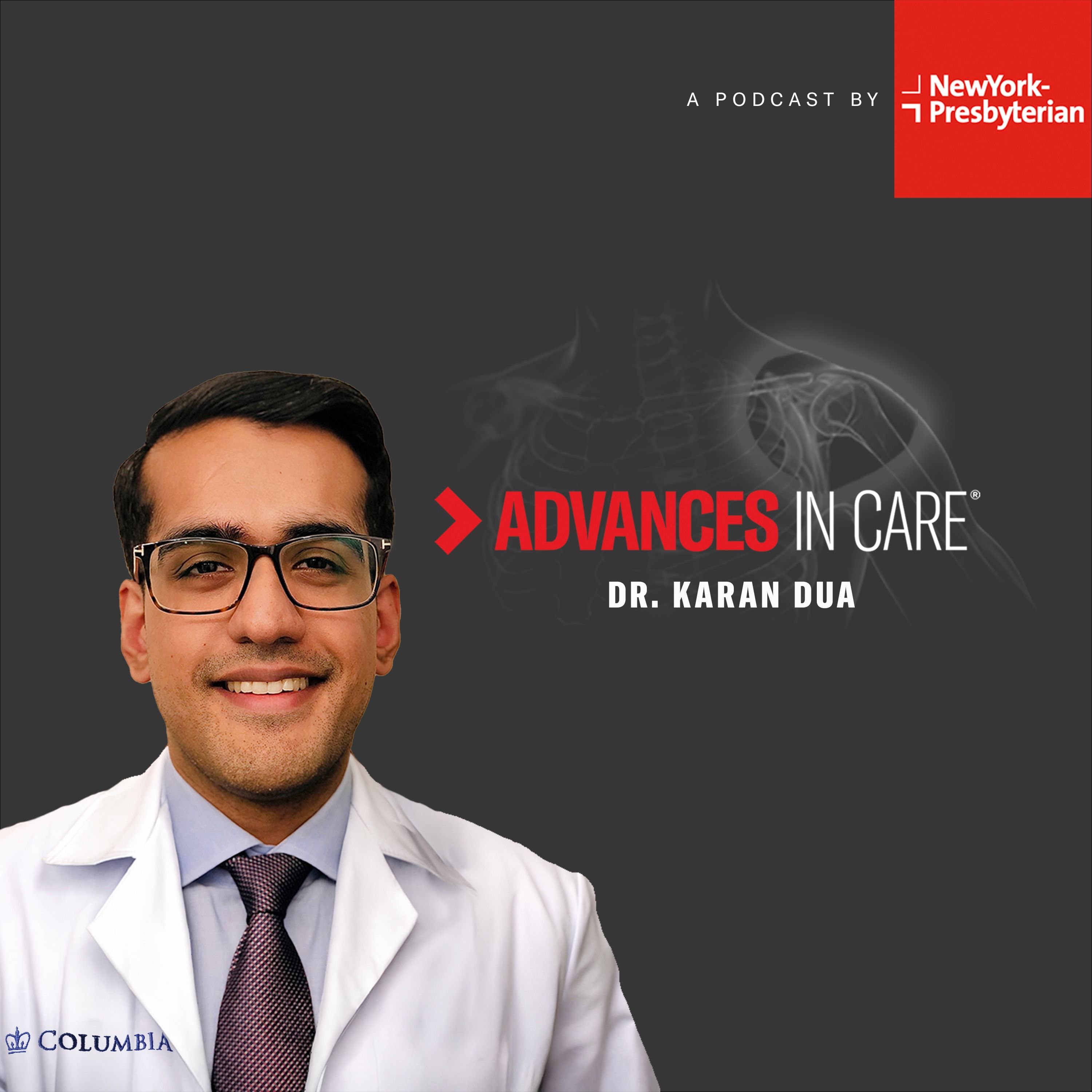
Innovating Shoulder Surgery through Tendon Transfers
On this episode of Advances in Care, host Erin Welsh and Dr. Karan Dua, an orthopedic surgeon at NewYork-Presbyterian and Columbia, discuss novel approaches to shoulder surgery, including transferring donor tendons to the upper extremity with arthroscopic tools. Dr. Dua shares his passion developing personalized treatments that get to the root cause of a wide range of shoulder issues.Dr. Dua expla
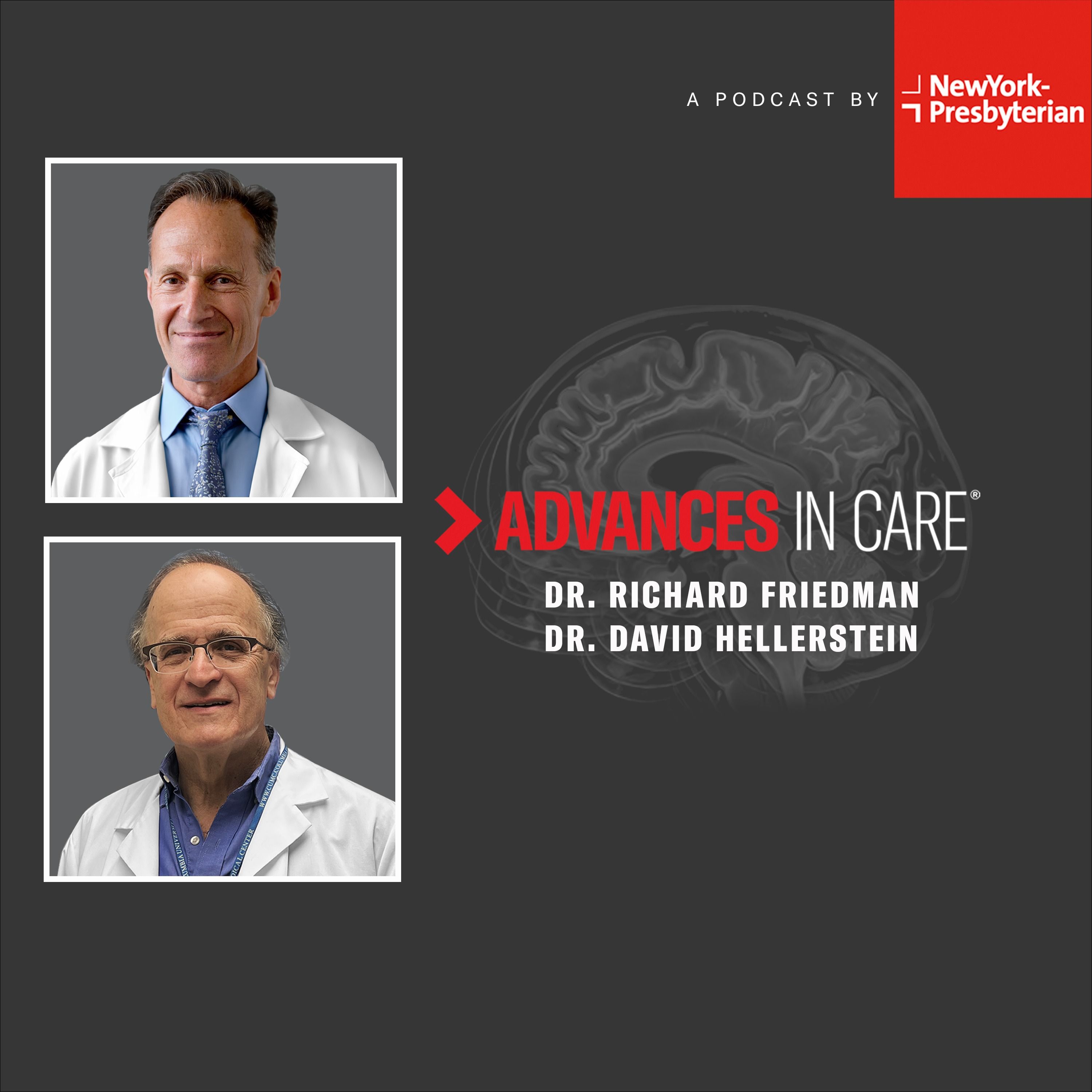
Exploring Psychedelics as the Next Wave of Psychiatric Innovation
On this episode of Advances in Care, host Erin Welsh first hears from Dr. Richard Friedman, a clinical psychiatrist at NewYork-Presbyterian and Director of the Psychopharmacology Clinic at Weill Cornell Medicine. Using his background in psychopharmacology, Dr. Friedman distinguishes between psychedelics and standard antidepressants like SSRIs and SNRIs, explaining the various mechanisms in the bra
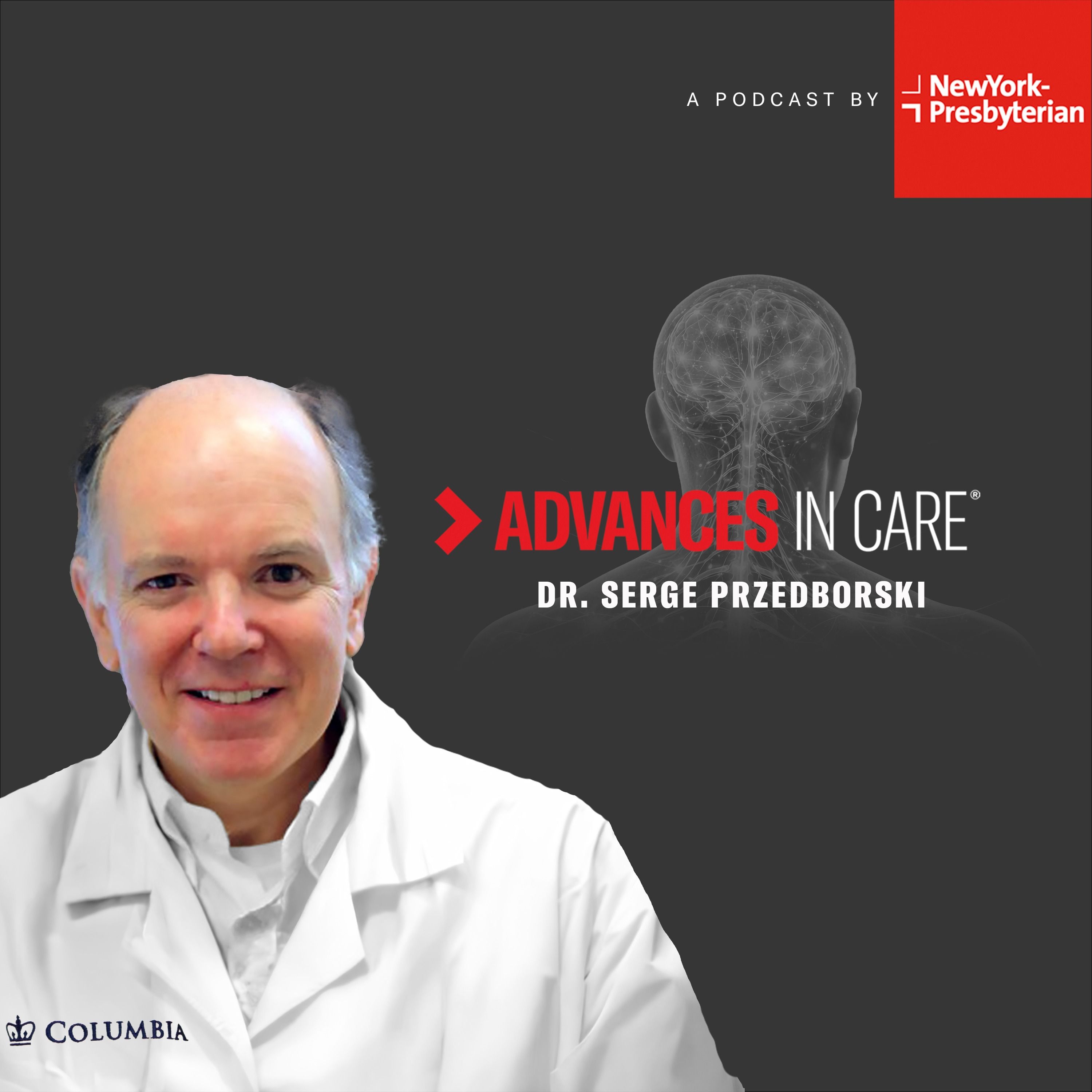
Detecting Parkinson’s Disease Sooner with Biomarker Research
On this episode of Advances in Care, host Erin Welsh and Dr. Serge Przedborski, Chief of the Division of Movement Disorders at NewYork-Presbyterian and Columbia, discuss what happens in the brains of patients with Parkinson’s disease. Dr. Przedborski came to Columbia thirty two years ago and has spent that time researching why some neurons in the brain die while others live in people who suffer fr
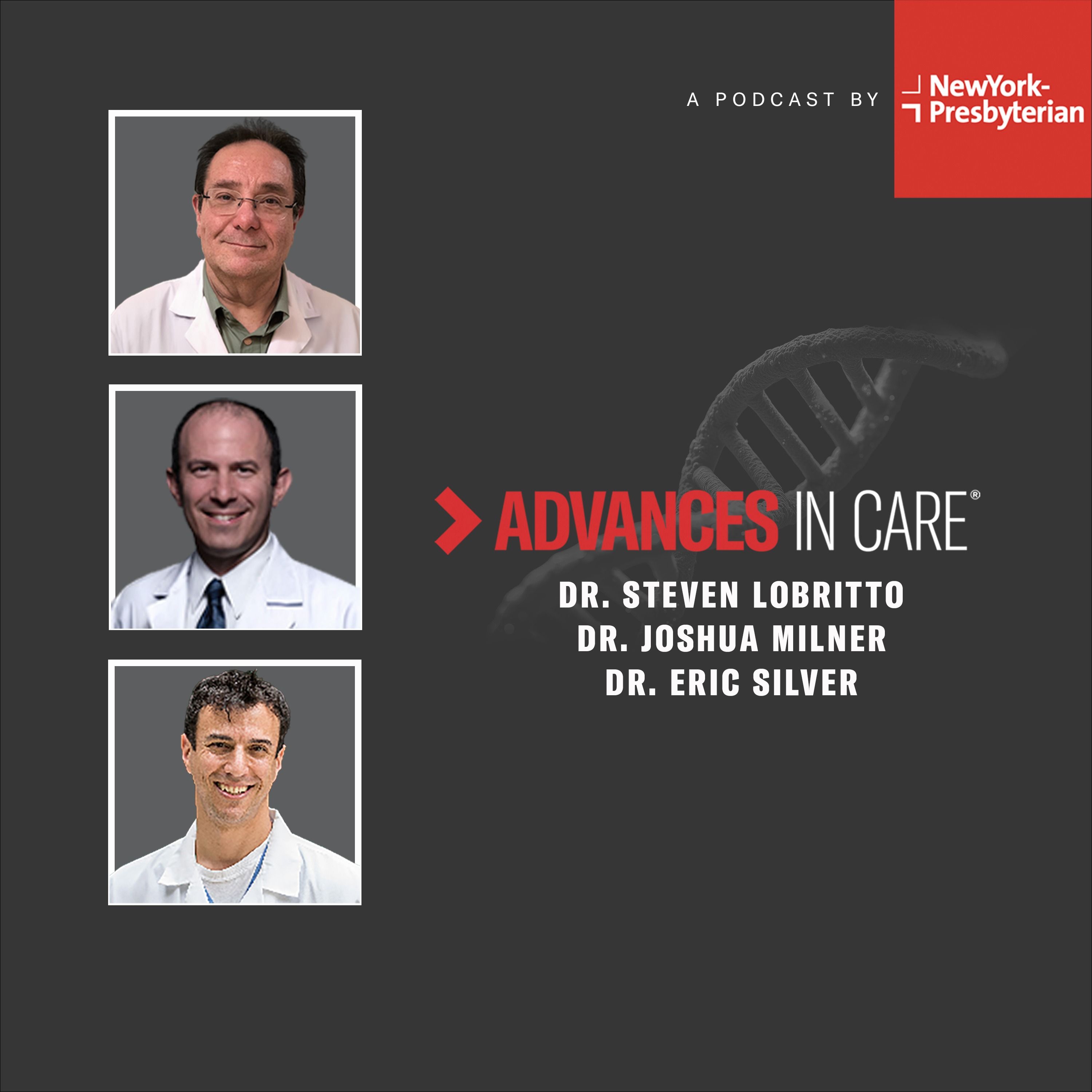
Newborn Gene Sequencing: Expanding Early Detection of Treatable Diseases
On this episode of Advances in Care, host Erin Welsh explores the story behind the GUARDIAN study, where thousands of newborn babies have been screened against rare disease by sequencing their genes, and looking for more conditions than any of the current standard screening panels. First, she hears from Dr. Jordan Orange, Physician-in-Chief at Morgan Stanley Children’s Hospital at NewYork-Presbyt
How Gene Therapies are Revolutionizing Care for Sickle Cell Disease
On this episode of Advances in Care, host Erin Welsh and Dr. Markus Mapara, Director of the Blood and Marrow Transplantation and Cell Therapy Program at NewYork-Presbyterian and Columbia, discuss the current challenges in treating sickle cell disease and how newly FDA approved gene editing treatments are leading to new treatment pathways. Dr. Mapara covers two new gene editing approaches, explaini
Advancing Cardiology and Heart Surgery Through a History of Collaboration
On this episode of Advances in Care, host Erin Welsh and Dr. Craig Smith, Chair of the Department of Surgery and Surgeon-in-Chief at NewYork-Presbyterian and Columbia discuss the highlights of Dr. Smith’s 40+ year career as a cardiac surgeon and how the culture of Columbia has been a catalyst for innovation in cardiac care. Dr. Smith describes the excitement of helping to pioneer the institution’s
Advances in Care is Back
Join host Erin Welsh as she talks with NewYork-Presbyterian physicians from Columbia & Weill Cornell Medicine about how they are solving some of the most challenging and complex cases in medicine. Together, they discuss groundbreaking discoveries, novel treatments, and the dedication to providing compassionate patient care. This is a show for medical professionals interested in how cutting-edge re

Introducing Health Matters: How the Gut is the Connection Between Digestive Health and Mental Health
On this episode of Health Matters, Faith Salie talks with Dr. Benjamin Lebwohl, a gastroenterologist at NewYork-Presbyterian and Columbia. He’s also the Director of Clinical Research at Columbia’s Celiac Disease Center, and an expert on the connections between gastrointestinal health and the other systems in our body that rely on good digestion for their function. He describes how GI diseases like
Getting Ahead of Cancer: The Life-Saving Power of Cascade Genetic Testing
Dr. Melissa Frey, a gynecologic oncologist at NewYork-Presbyterian and Weill Cornell Medicine, has a genuine passion for the power of genetic testing because she knows that it can completely change the direction of her patient’s lives for the better. As a leader in the field, she helped launch a unique screening program with multi-disciplinary expertise and counseling, the Genetics and Personalize
Expert Experience: Achieving Greater Success in Lung Transplantation Through Access & Innovation
The field of lung transplantation is relatively new with widespread lung transplants beginning in the early 1980s. Throughout the last forty years, it is a field that has rapidly evolved with drastic changes in lung allocation, or deciding who will receive the next available lungs for transplantation. Dr. Selim Arcasoy has led the NewYork-Presbyterian and Columbia Lung Transplant Program through t
Cracking the Code: Sequencing the Hodgkin Lymphoma Genome to Uncover New Precision Therapies
In 2012, Dr. Lisa Roth had just landed her dream job as a research scientist and attending physician at NewYork-Presbyterian and Weill Cornell Medicine. But her world came to a screeching halt when she discovered a swollen lymph node on her neck, and was soon diagnosed with the exact type of cancer that she had dedicated her career to studying and treating: Hodgkin Lymphoma. After that experience,
Data Mining: Using Machine Learning for Predictive Neurocritical Care
Monitoring patients with aneurysmal rupture for delayed cerebral ischemia was historically a numbers game. It was difficult for doctors to predict outcomes in the weeks that followed their rupture, so at-risk patients could find themselves under observation in the ICU anywhere from 7 to 21 days. Dr. Soojin Park, Medical Director of Critical Care Data Science and AI at NewYork-Presbyterian/Columbia
Connecting Cardio & Cancer: Mitigating Cardiotoxicity with Optimized Treatment Strategies
As methods for early cancer detection improve and the number of cancer survivors rises, the innovative field of cardio-oncology has emerged to ensure that patients with chemotherapy or cancer-related cardiac dysfunction can be safely, and swiftly, treated for their cancer. Dr. Stephanie Feldman, a clinical cardiologist with focus on cardio-oncology at NewYork-Presbyterian/Weill Cornell Medicine, i
The Surgical Robot: Advancing Medicine with Robot-Assisted Technology
With perspectives spanning hepatobiliary, gynecologic, and cardiac surgeries, NewYork-Presbyterian’s Dr. Jason Hawksworth (Columbia), Dr. Tamatha Fenster (Weill Cornell Medicine), and Dr. Arnar Geirsson (Columbia) describe how they each came to incorporate robotics into their practices. One of the biggest takeaways: robotic surgeries allow for more accuracy in minimally-invasive approaches; so pat
Joint Effort: A Collaborative Surgery Revolutionizing Hip Preservation
Dr. Christian and Dr. Van de Velde’s backgrounds are a complementary combination. At their clinic, they see, diagnose, and determine treatment for their patients together. Dr. Christian takes on minimally invasive procedures, utilizing arthroscopy to address extra bone growth that can limit range of motion and can lead to labral tears. Dr. Van de Velde specializes in a more invasive type of surger
Reimagining Research: Enhancing Cardiac Care for Underrepresented Populations
Dr. Mario Gaudino is a cardiac surgeon at NewYork-Presbyterian/Weill Cornell Medicine and the Director of the Joint Clinical Trials Office at Weill Cornell Medicine. There he oversees ongoing improvement and enhancements to existing clinical infrastructure and is currently leading research on the effects of coronary artery bypass surgery on women and people of color. His work not only focuses on g
Delivering Transformation: Reducing Maternal Mortality through Systemic Change
It has been widely reported over the past ten to fifteen years that maternal mortality and morbidity in the US is on the rise. Dr. Dena Goffman has made it her personal goal to improve those numbers across the entire NewYork-Presbyterian health system. But how can one begin to tackle such a large and challenging issue? Dr. Goffman focuses on systematic shifts. She worked to set obstetrics goals ac
A Move to Minimal: Improving Recovery with Less Invasive Spine Surgery
As a doctor trained in both minimally invasive and open approach surgery, Dr. Chan is very familiar with comprehensive spinal care. But there are aspects of minimally invasive surgery that, when possible, position it as preferable for postoperative recovery, namely when it comes to pain. Open surgeries can have patients taking opioids for weeks or even months after their procedure. With minimally
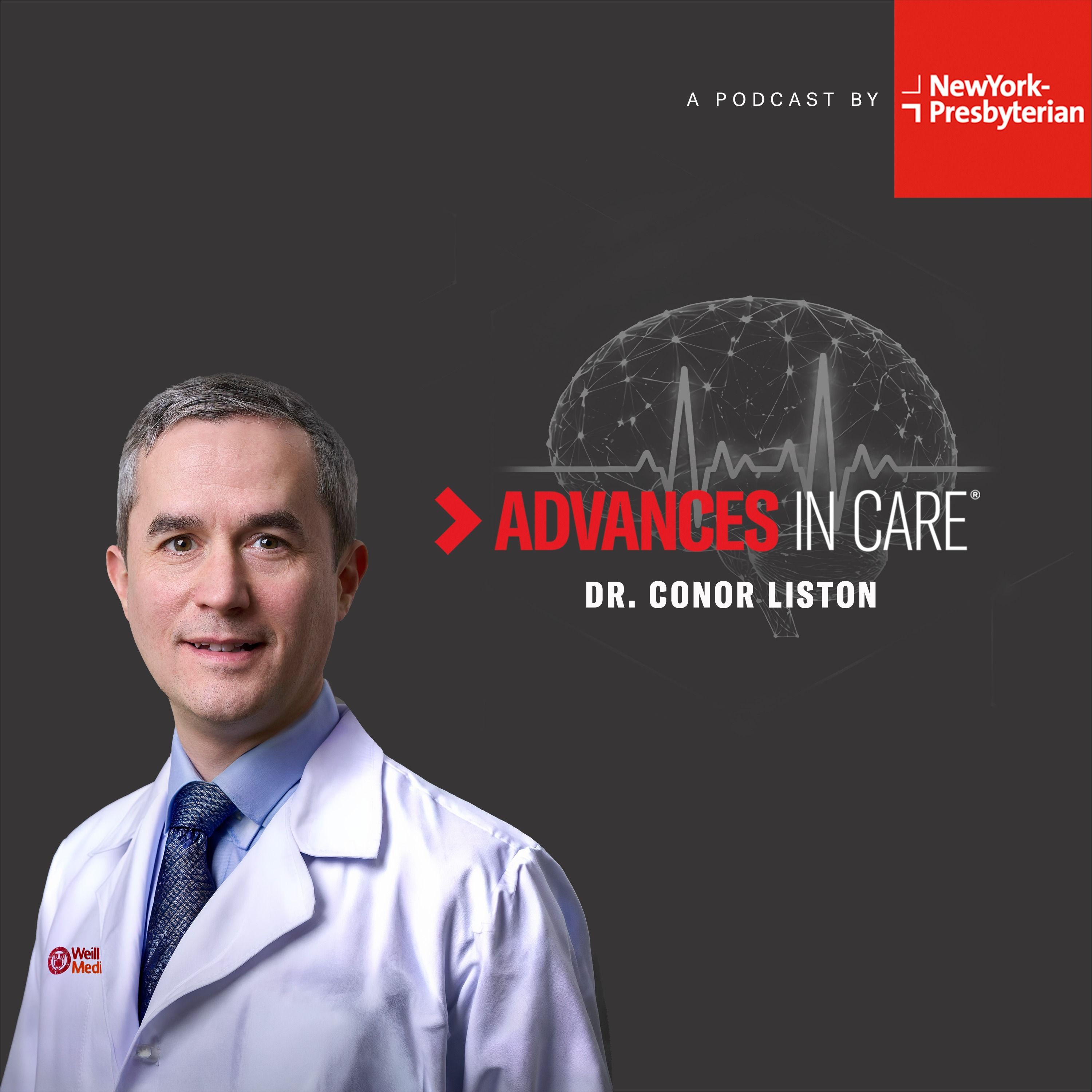
The Network Effect: Analyzing Brain Structures to Treat Depression
For any patient diagnosed with depression for the first time, the recommended course of treatment is the same: a medication like a selective serotonin reuptake inhibitor (SSRI), an evidence based psychotherapy, or both. But there is a large group of people for whom these treatments simply won't work. That’s where Dr. Conor Liston and his team focus. His work mapping the brain is helping doctors be
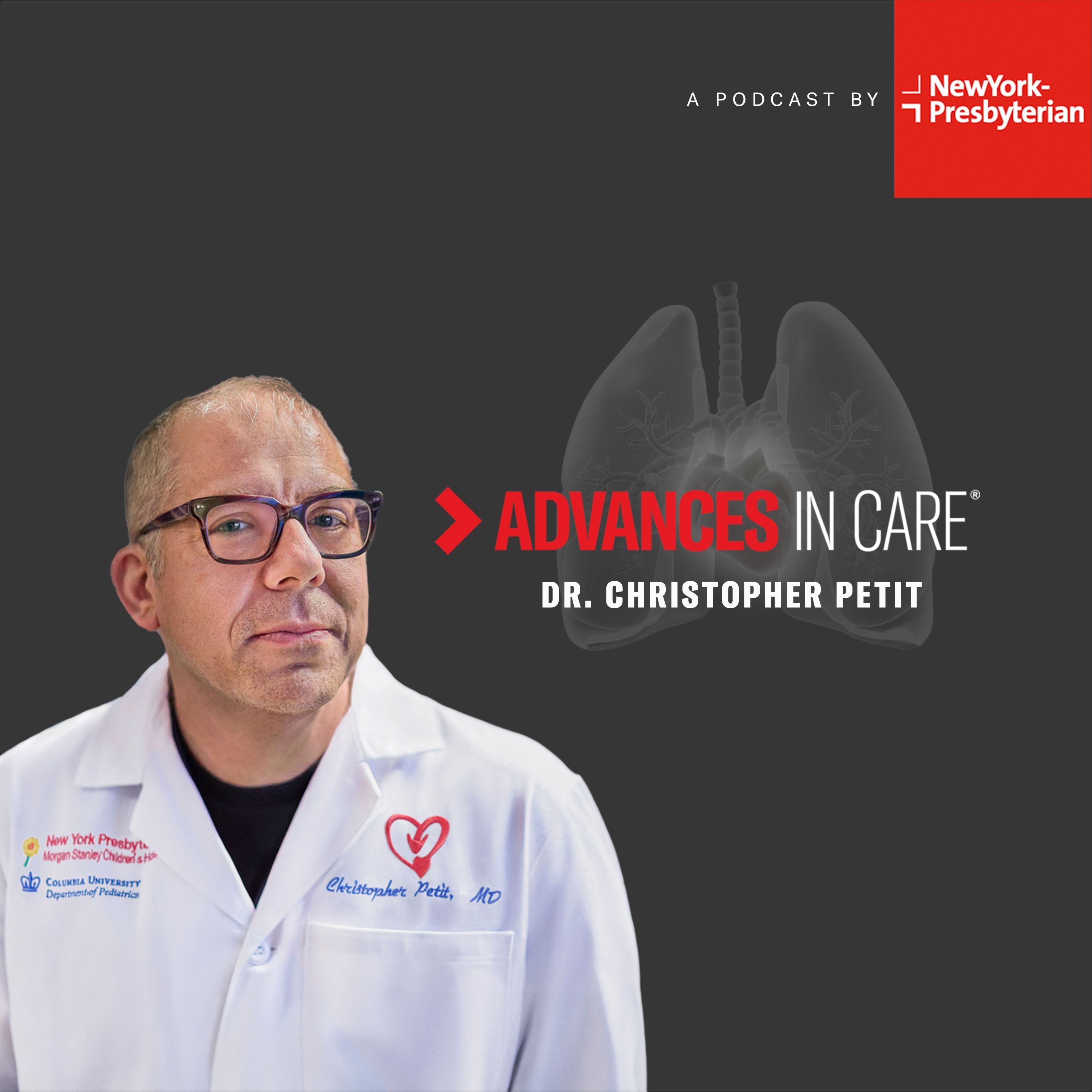
Against the Odds: Improving Survival for Children with Pulmonary Vein Stenosis
Dr. Christopher Petit is the co-director of the Children's Heart Center at NewYork-Presbyterian Morgan Stanley Children's Hospital and division chief of pediatric cardiology at Columbia University, and… a stubborn optimist. That optimism has made all the difference in his years of treating a rare heart disease in newborns: Pulmonary Vein Stenosis (PVS). Dr. Petit’s determination to better understa
Advances in Care
Listen in as science journalist Catherine Price speaks with physicians from Columbia & Weill Cornell Medicine who are pushing the leading edge of clinical research to find solutions for every medical challenge. Whether using robotics to advance minimally invasive surgeries, or finding effective treatments for previously terminal pediatric diseases, these physicians fearlessly take on some of the m
Heart Healer: Pioneering Treatments for Heart Failure for Longer Life Expectancy
Heart failure impacts more than 8 million people in the United States today, but with the right treatments, the course of the disease can be corrected. Dr. Nir Uriel is determined to do just that. He’s spent his career pushing forward advancements to better diagnose and treat advanced heart failure patients. These advancements include a new, magnetic levitated pump that can improve the outcomes of
The Gene Messenger: Advancing Neurological Gene Therapy
After establishing that neurological gene therapy can help address brain cells damaged by Parkinson’s, Dr. Michael Kaplitt and his team have set their sights on a new mission: preventative intervention. For patients with an inherited form of Parkinson’s caused by a GBA gene mutation, Dr. Kaplitt and his colleagues are working to deliver genes that can stop the degeneration of damaged braincells, a
The Matchmaker: Creating New Pathways for Kidney Transplantation
In the United States today, there are over 110,000 people waiting for an organ transplant. And, Dr. Sandip Kapur says, 92% of those patients are waiting for a kidney. In this episode, Dr. Kapur describes a simple philosophy that helped guide Weill Cornell Medicine into one of the top kidney transplantation centers in the nation: offer the maximum amount of opportunities to transplantation that cou
Mind Seeker: Exploring the Recovery of Consciousness
Whether a patient will ultimately recover from an unconscious state after brain injury isn’t easy to predict– yet. But Dr. Jan Claassen is working to change that. He describes the staggering revelations of his study on Cognitive Motor Dissociation, and how his team used a combination of widely available diagnostic tools and open source machine learning algorithms, to detect signs of consciousness
Cancer Crusader: Challenging the Current State of Gynecologic Cancer
Inspired by her beloved aunt, Dr. Onyinye Balogun began her medical career with a mission in mind: to mitigate the suffering that people with cancer experience over the course of their life-saving treatments. Her approach has been multi-faceted and systematic. After being awarded New York Genome Center’s Polyethnic-1000 grant, Dr Balogun has led the investigation into potential genomic mutations t
Reproductive Researcher: Decoding the Science of Perinatal Mood Disorders
When her own experience with a complicated pregnancy reignited an interest in medicine and science, Dr. Lauren Osborne left her career in publishing to pursue medical school. Now a reproductive psychiatrist, Dr. Osborne leads the way in researching the connection between immune system dysregulation, stress reactivity, and the role of allopregnanolone in mood and anxiety disorders, particularly in
The Psychologists: Focusing on the Treatment of Youth Anxiety
Clinical psychologists Dr. Anne Marie Albano and Dr. Shannon Bennett are no strangers to the trials of social anxiety, both citing formative experiences in their youth that have shaped their careers. With decades of combined experience in the field, the two have contributed to the gold standard for treatment of anxious youth using cognitive behavioral therapies. Dr. Albano and Dr. Bennett share de
Deep Learner: Building AI to Improve Cardiovascular Care
Dr. Pierre Elias sits down with Catherine Price to talk about how utilizing technologies like artificial intelligence and machine learning can help diagnose patients even before symptoms develop, and support doctors by freeing them up to focus on providing personalized care to their patients. They discuss navigating bias in both artificial intelligence and clinical care, and how new technology wil
The Team Doc: Engineering a Better Recovery
Dr. Chris Ahmad knows firsthand how devastating an untimely injury can be for a young athlete. In this episode, Dr. Ahmad discusses how his own college soccer injury led him to fall in love with orthopedics. He tells the history of the infamous baseball injury that resulted in the invention of Tommy John surgery, and shares how he learned to perform the corrective procedure from the man who design
The Visionary: Seeing the Future of Spine Surgery
Dr. Roger Härtl is no stranger to forging new ground in neurosurgery. In this episode, Dr. Härtl and Host Catherine Price discuss how far navigation technology has come over the past 20 years and look ahead to how implementing augmented reality can make surgery even more precise for surgeons and less invasive for patients. Dr. Härtl also shares the impact of his work teaching and training neurosu
The Genetic Detective: Solving the Mysteries of Genetic Disease
Dr. Wendy Chung's childhood fascination with puzzles and mysteries gives her an edge when it comes to solving the mysteries of genetic diseases. In conversation with Host Catherine Price, Dr. Chung outlines her innovative work with The Human Genome project, her role in identifying the genes that cause spinal muscular atrophy and the collaborative efforts that went into developing life-sustaining t
Heartmaker: Revolutionizing Pediatric Heart Surgery
Host Catherine Price and Dr. Emile Bacha, Chief of the Division of Cardiac, Thoracic, and Vascular Surgery at NewYork-Presbyterian/Columbia discuss the history of heart surgery, ventricular assist devices, and a new frontier in cardiac surgery: The Total Artificial Heart. Dr Bacha tells the groundbreaking story of successfully fitting a pediatric patient with a Total Artificial Heart. He explains
Welcome to Advances in Care
Join science journalist Catherine Price as she sits down with top physicians from NewYork-Presbyterian hospital to discuss advances in their latest research, pioneering new treatments, and compassionate patient practice. From the most complex cases in pediatric surgery, to the way AI will improve disease detection and diagnostics – the work of these physicians is united by a collective mission to
Recommended

TED Talks Daily

Learn English B1 with Daily News | English Listening Practice

Talk About Talk - Executive & Leadership Communication Skills

English with Olivia | Slow Conversations & Vocabulary

Stand In The Circle

SLOW ENGLISH PODCAST (A1-A2) With Subtitles | Daily Videos | English With Us Podcast

Learn English A2 with Daily News | Simple English Listening Practice

پلی لیست | PlayList

Conspiracy Files with Paige Carter

Bad Friends

Learn 50 English Phrases While You Sleep | Everyday English Phrases & Vocabulary

This Past Weekend w/ Theo Von
