WorldSnap – Psychology, Ideas & Human Nature
WorldSnap – Psychology, Ideas & Human Nature explores the hidden forces that shape how we think, feel, choose, believe, and behave. Each episode examines a timeless question about human nature, from cognitive biases and instincts to power, status, fear, persuasion, and group behavior. Through psychology, philosophy, history, behavioral science, and real-world stories, it asks why we follow the crowd, why intelligent people believe irrational things, and why power changes people. The show aims to help listeners understand not just what people do, but why they do it.
Episodes
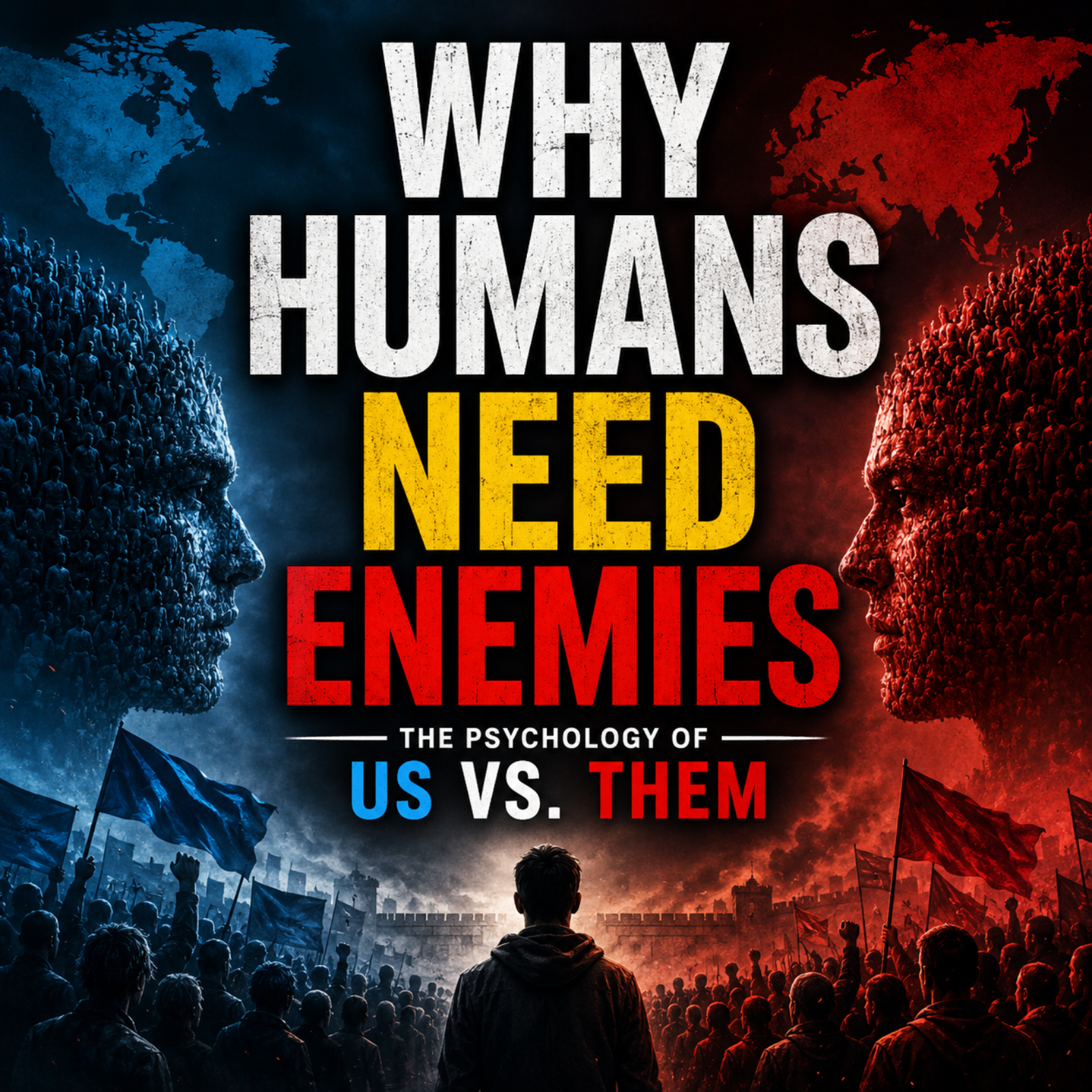
Why Humans Need Enemies — The Psychology of Us vs. Them
Why do humans so often divide the world into “us” and “them”? And why can a common enemy make people feel more united, loyal, and purposeful?In this episode, we explore the psychology behind enemies, tribalism, group identity, scapegoating, nationalism, political conflict, propaganda, and shared fear. We look at why external threats can strengthen communities, why societies sometimes search for so

Why We Romanticize the Past — The Psychology Behind the “Good Old Days”
Why does the past so often feel better than the present? Why do old songs seem more meaningful, childhood memories feel warmer, and previous decades appear simpler, safer, or more authentic?In this episode, we explore the psychology of nostalgia and why human memory tends to soften the difficult parts of the past while preserving its most meaningful moments. We look at fading affect bias, survivor
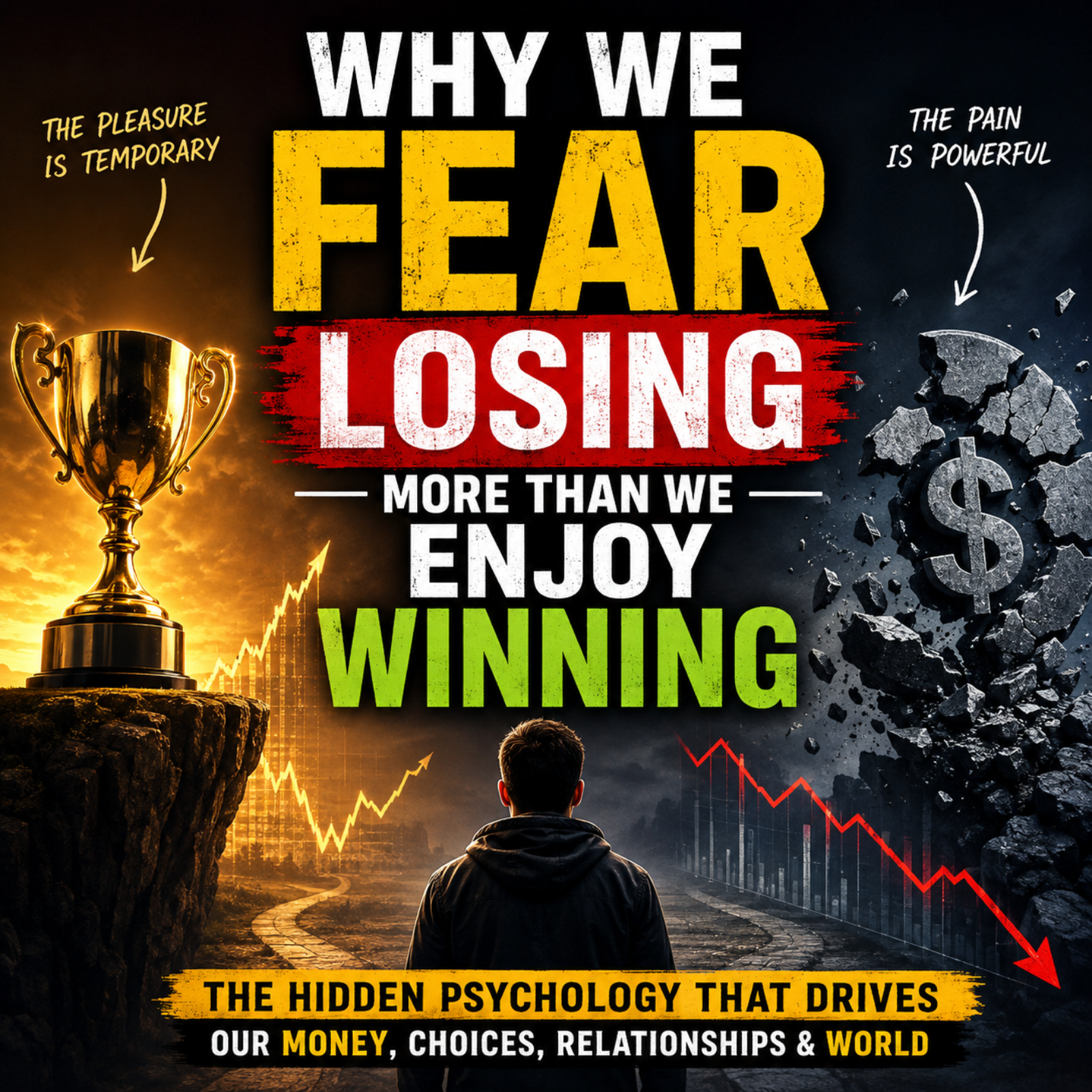
Why We Fear Losing More Than We Enjoy Winning | The Psychology of Loss Aversion
Why does losing $100 hurt more than gaining $100 feels good?In this episode, we explore the psychology of loss aversion and why the human mind reacts so strongly to losing money, status, opportunities, relationships, and things we already possess. We look at the work of Daniel Kahneman and Amos Tversky, prospect theory, the endowment effect, sunk costs, investing behavior, career decisions, consum
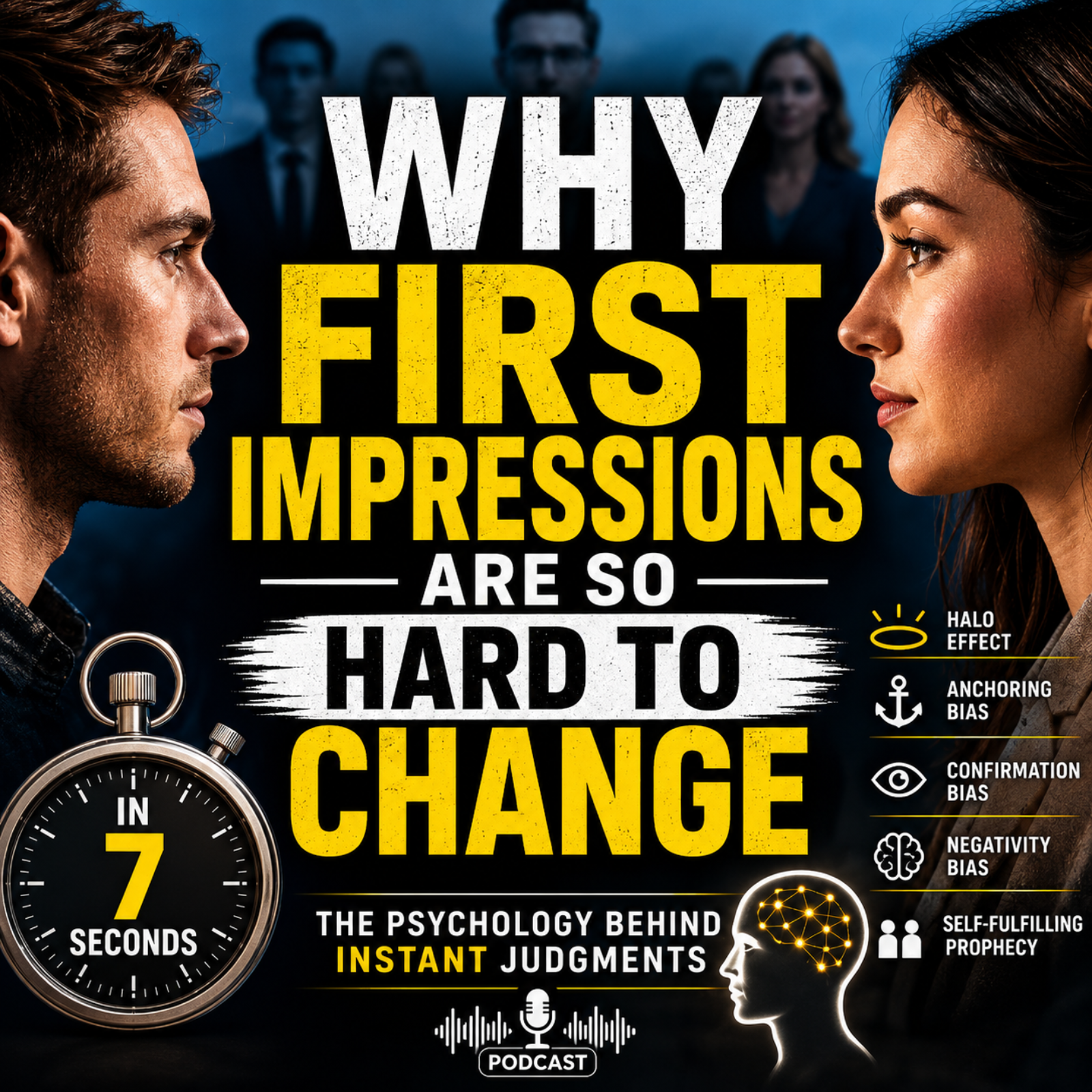
Why First Impressions Are So Hard to Change | The Psychology Behind Instant Judgments
Why do we form opinions about people within seconds—and why are those opinions so difficult to change?In this episode, we explore the psychology behind first impressions and the mental shortcuts that make them so powerful. From the halo effect and confirmation bias to anchoring, negativity bias, attribution errors, and self-fulfilling prophecies, we look at how the brain quickly builds a story abo
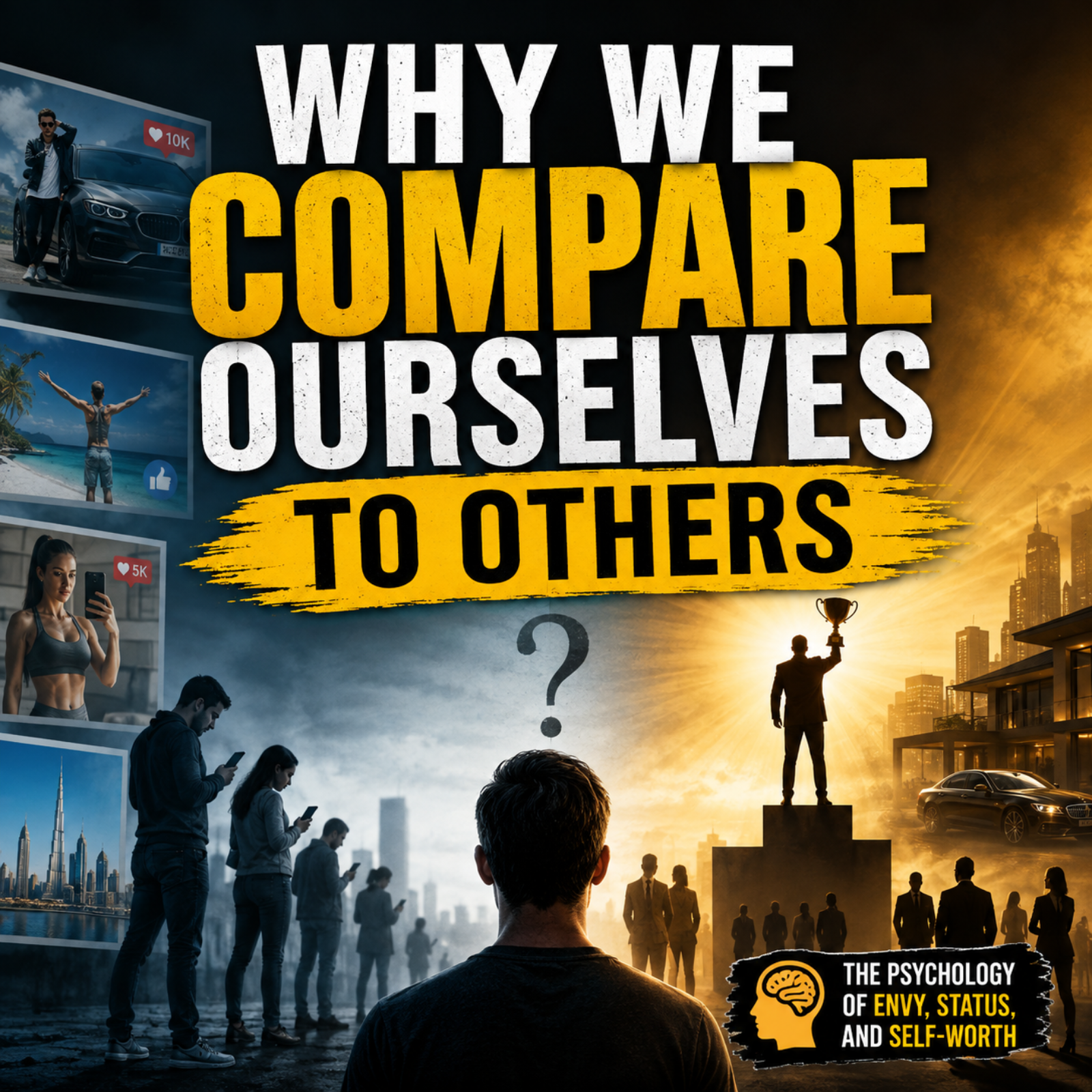
Why We Compare Ourselves to Others — The Psychology of Envy, Status, and Self-Worth
Why do other people’s success, wealth, appearance, or achievements sometimes change the way we feel about our own lives? In this episode, we explore the psychology of social comparison and why the human brain is constantly measuring where we stand.From evolutionary status hierarchies and social comparison theory to envy, ambition, money, careers, consumer culture, and social media, this episode ex
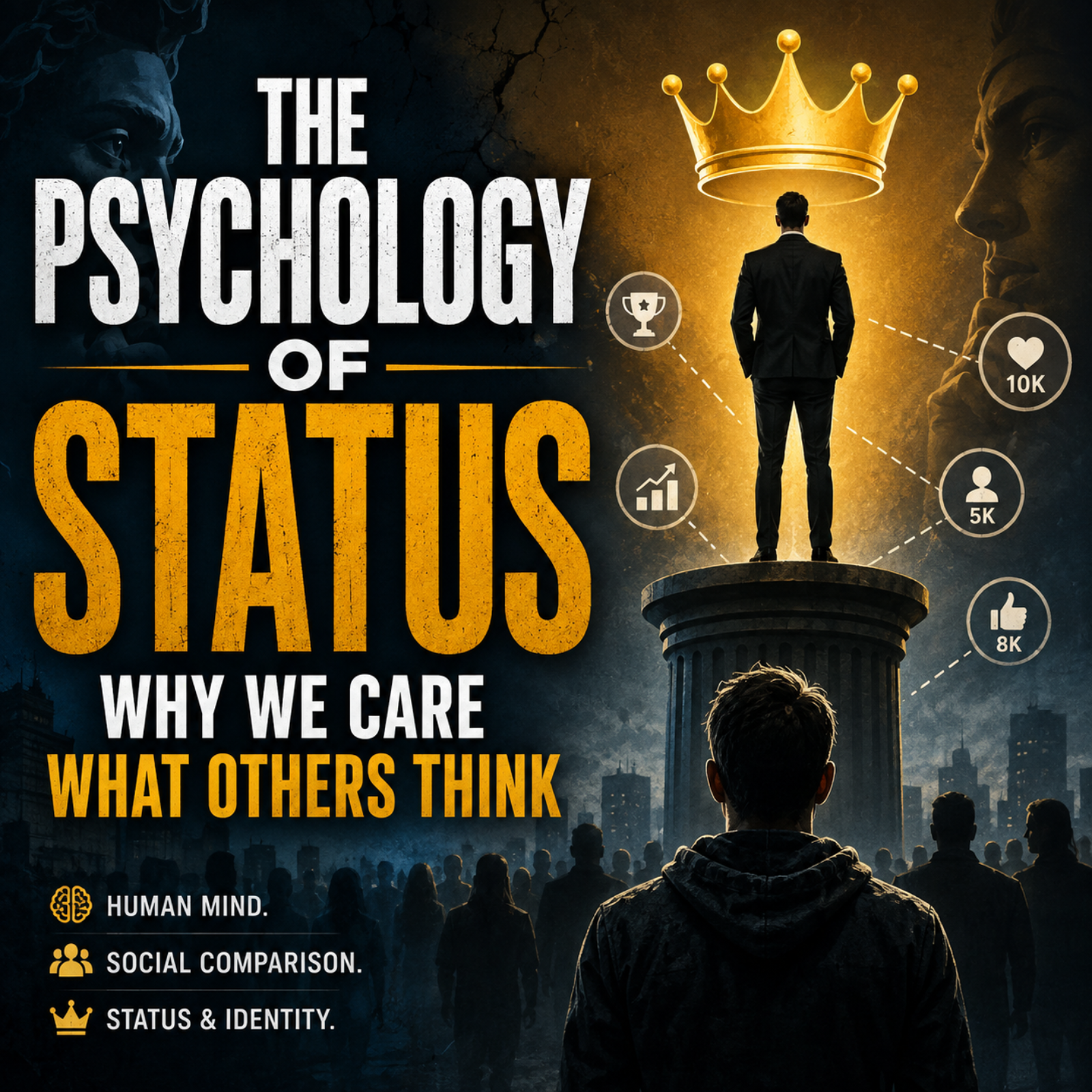
The Psychology of Status: Why We Care What Others Think
Why do we care so much about how other people see us? Why can a promotion, luxury purchase, social media number, or someone else’s success change the way we feel about ourselves?In this episode, we explore the psychology of status and why social rank has such a powerful influence on human behavior. From our evolutionary need for reputation and belonging to modern status symbols, career competition
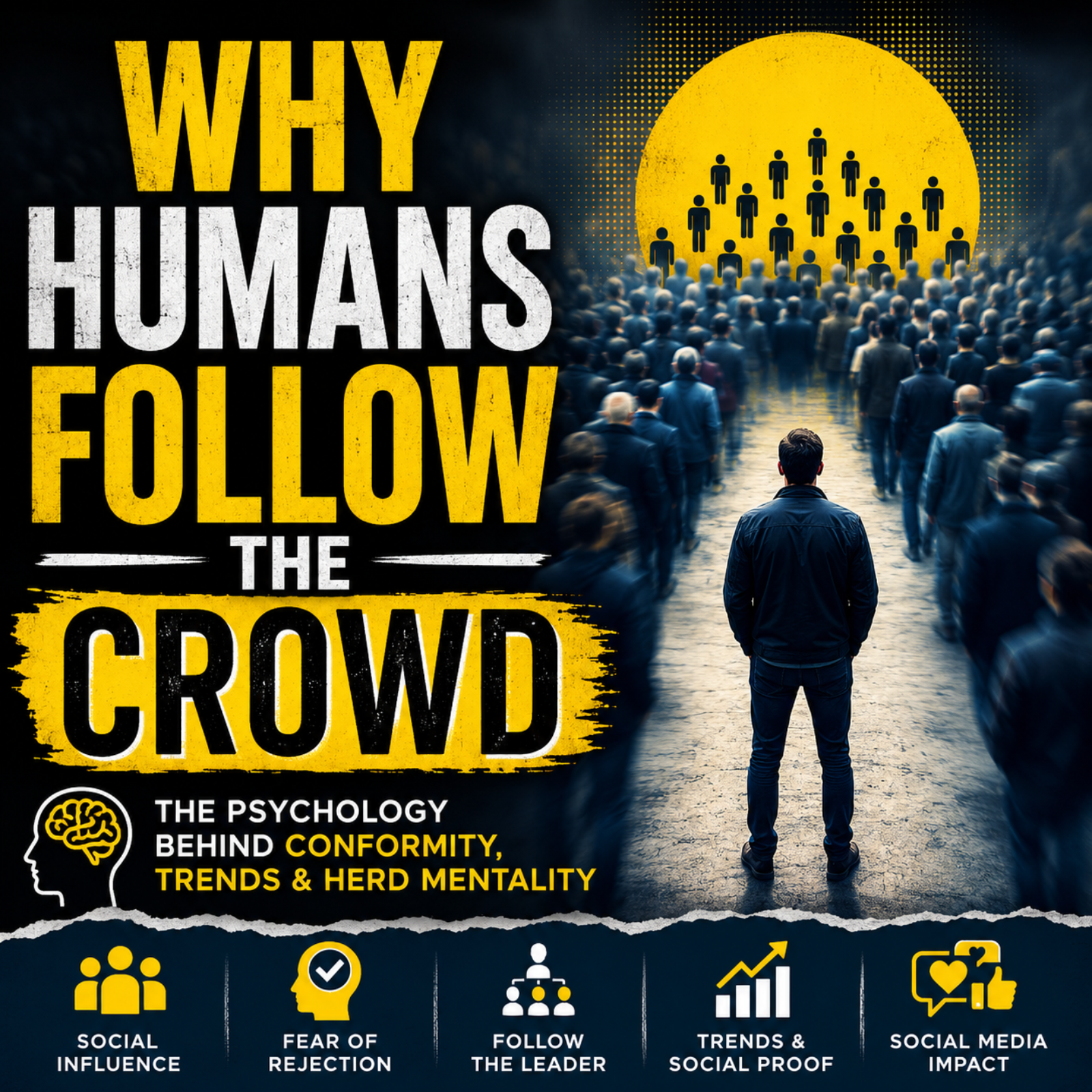
Why Humans Follow the Crowd — The Psychology of Conformity and Herd Behavior
Why do we copy other people, follow trends, trust popular opinions, and sometimes go along with a group even when we suspect the group is wrong?In this episode, we explore the psychology behind conformity, herd behavior, social proof, fear of rejection, financial bubbles, panic, groupthink, and the powerful influence of social media. From ancient survival instincts to modern algorithms, discover w
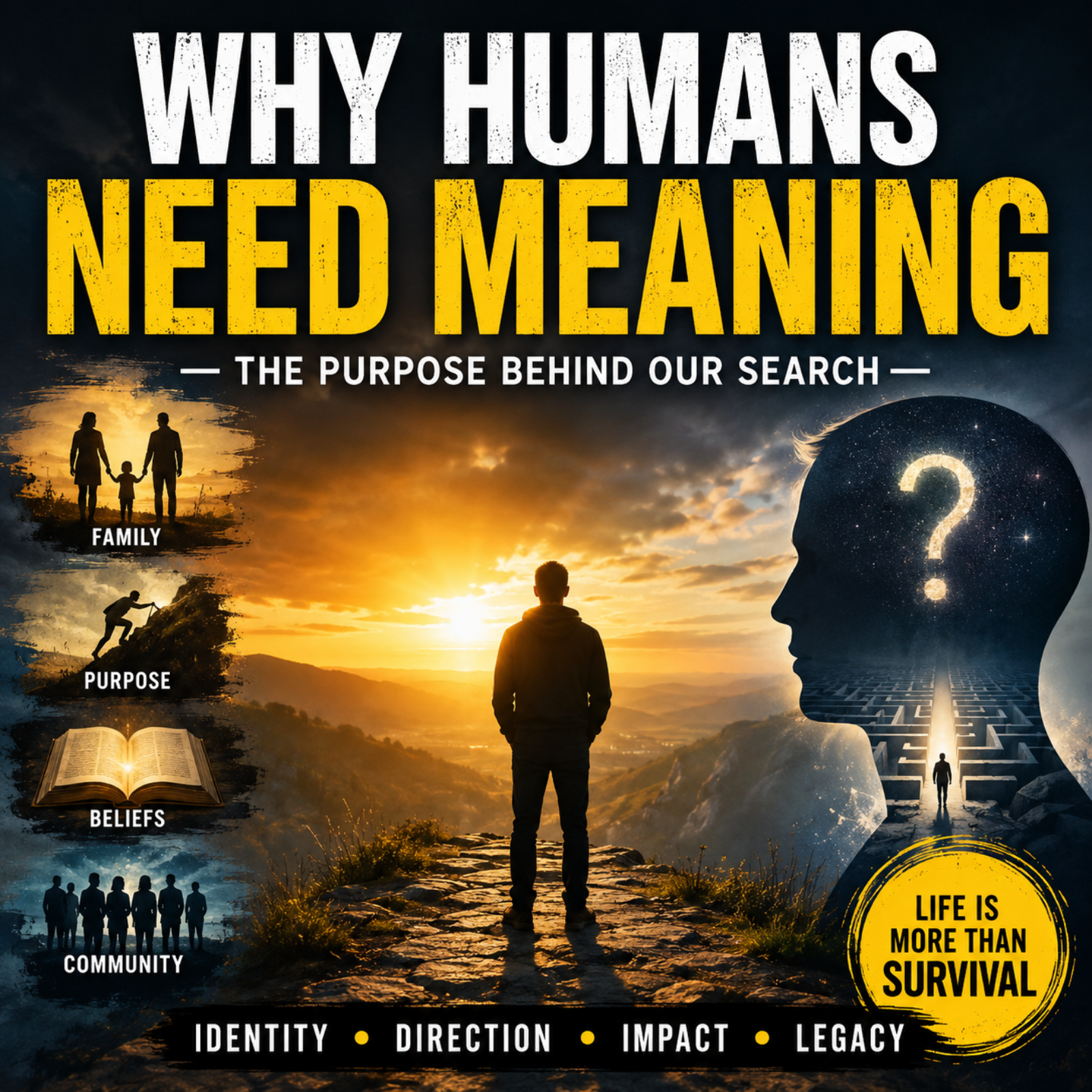
Why Humans Need Meaning — The Invisible Story That Gives Life Purpose
Why do human beings search for purpose even when their basic needs are already met? In this episode, we explore the deep psychological need for meaning and how it shapes identity, motivation, suffering, relationships, work, religion, community, and personal ambition. We look at why humans create stories about their lives, how meaning helps people endure hardship, why modern freedom can sometimes c
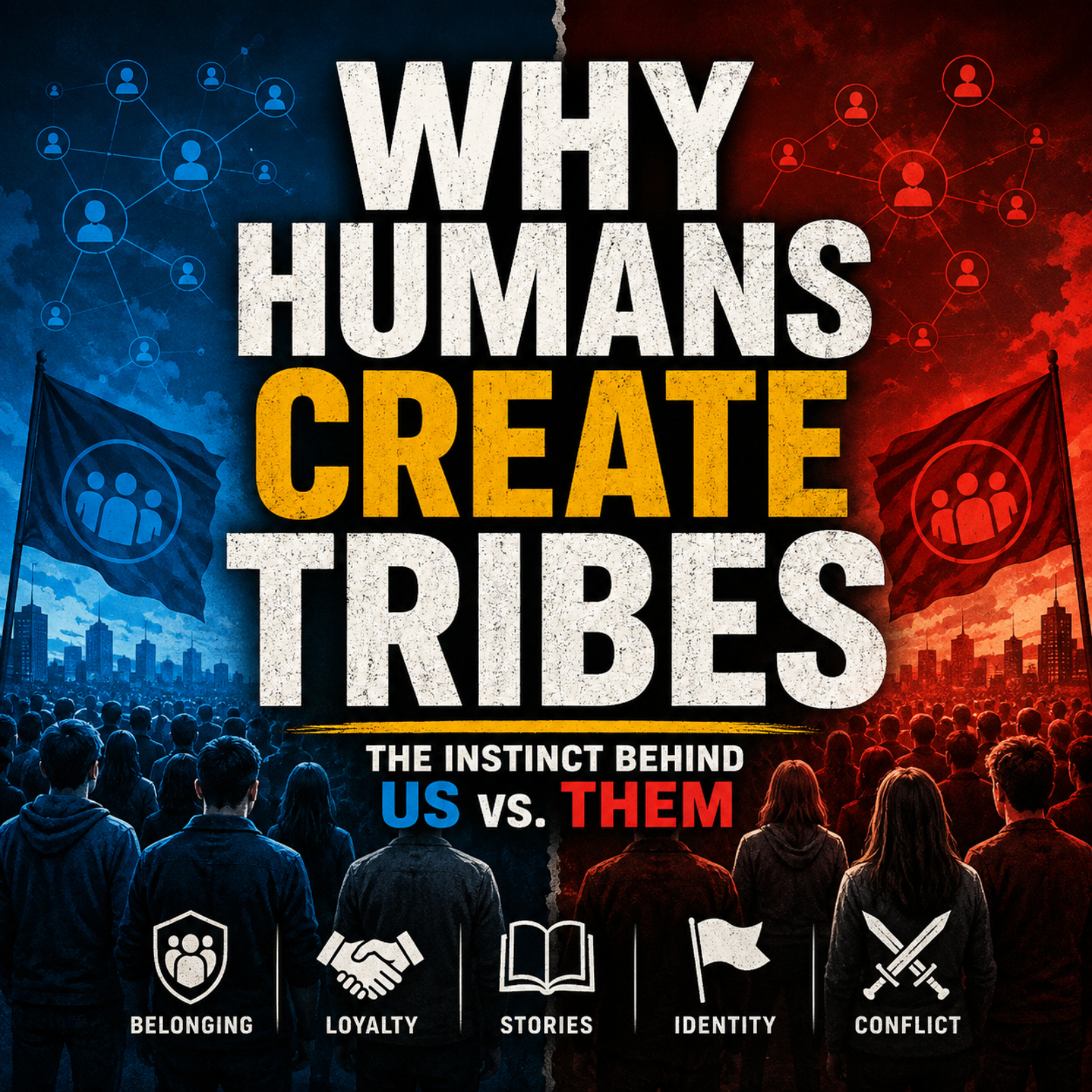
Why Humans Create Tribes — The Ancient Instinct Behind Us vs. Them
Why do humans naturally divide themselves into groups? From ancient hunter-gatherer communities to modern nations, political movements, religions, sports fandoms, companies, and online communities, tribal behavior has remained a powerful part of human psychology.In this episode, we explore why belonging once meant survival, how humans learned to distinguish between insiders and outsiders, why shar
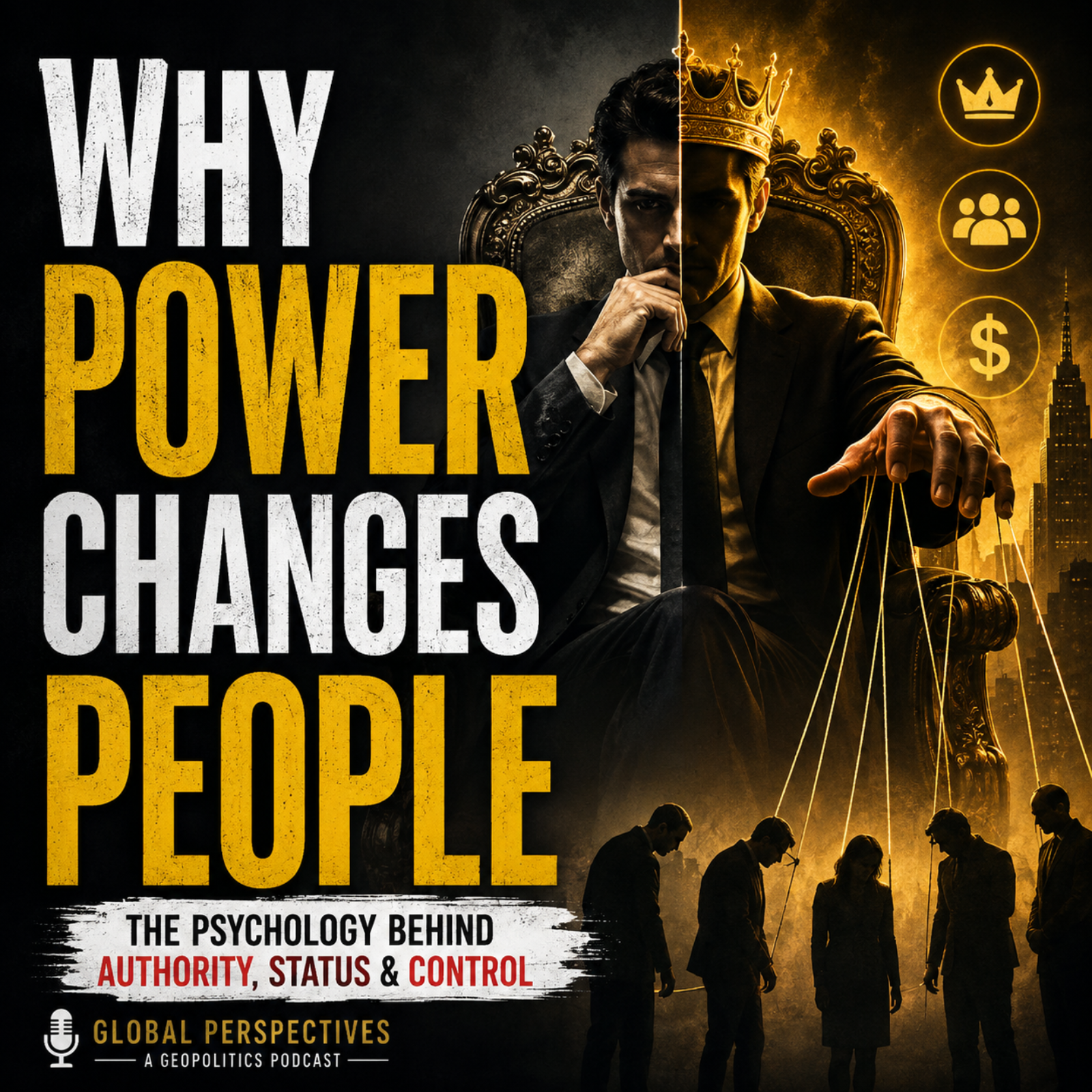
Why Power Changes People — The Psychology of Authority, Status, and Control
Why does gaining power change the way people think, behave, and treat others? In this episode, we explore the psychology behind authority, status, wealth, leadership, and control. We look at how power can increase confidence, reduce honest feedback, create entitlement, weaken perspective-taking, and isolate leaders from reality. From political rulers and corporate executives to celebrities and eve
Recommended

K-Drama Obsessed Mamas | Beyond “Just One More Episode!”

True Crime Classics

The Healer Revolution

Becoming: HER with Nikki Spoelstra

Booked, Blonde & Busy w/ Olivia Ponton

McKinsey on Consumer and Retail

megahired.com

Hard Knocks Podcast

Effective Weight Loss for Moms | High protein, Strength Training, Lose Weight, Meal Planning, Fat Loss, Healthy Habits

The Human-Animal Connection - Pet Life Radio Original

Infinite Health with Dr. Arasi Maran

The Daily
