Travelers In The Night
Albert D. Grauer 1 000 episodes Nov 10, 2026
Travelers In The Night is a short astronomy and space science podcast hosted by Dr. Al Grauer, a member of the Catalina Sky Survey. Each episode offers a quick "science snack" about asteroids, comets, near-Earth objects, planetary defense, and other extraterrestrial topics. The show draws on Grauer's experience with a survey that has led the world in near-Earth asteroid discoveries. It also features music by John Lyell.
Episodes
414E-456-Dangerous Trio
In the space of only four days, my Catalina Sky Survey teammates, Brian Africano, Alex Gibbs, and Greg Leonard, discovered three Potentially Hazardous Asteroids. Searching for such a large space rock on an impact trajectory with planet Earth is what keeps my team, the Catalina Sky Survey, going to our four telescopes, 24 nights per month, when the moon isn't too bright, in the Catalina Mountains n
924-Alessandra's Impactor
My Catalina Sky Survey teammate Alessandra Serrano was asteroid hunting in the constellation of Cetus with our 60 inch telescope on Mt. Lemmon, Arizona when a rapidly moving unknown object streaked through a set of her images on its way to impact Earth.
413E-454-Comets And Asteroids
If you set your mind to it, you can find and hold a sample of an asteroid, called a meteorite, which has landed on the Earth's surface. On the other hand, watching major meteor showers will allow you to see but not touch comet dust as it enters and burns up in the Earth's atmosphere.
923-From Alpha Centauri Star With Love
A fascinating research paper suggests the possibility that there is an exchange of chemical elements, organic molecules, and potentially life’s precursors between star systems. Could it be possible that microorganisms or complex organic molecules could hitch a ride inside rocky meteorites ejected from a living planet? If so living organisms in our neighborhood of the Milky Way might be related to
412E-453-HAMMER
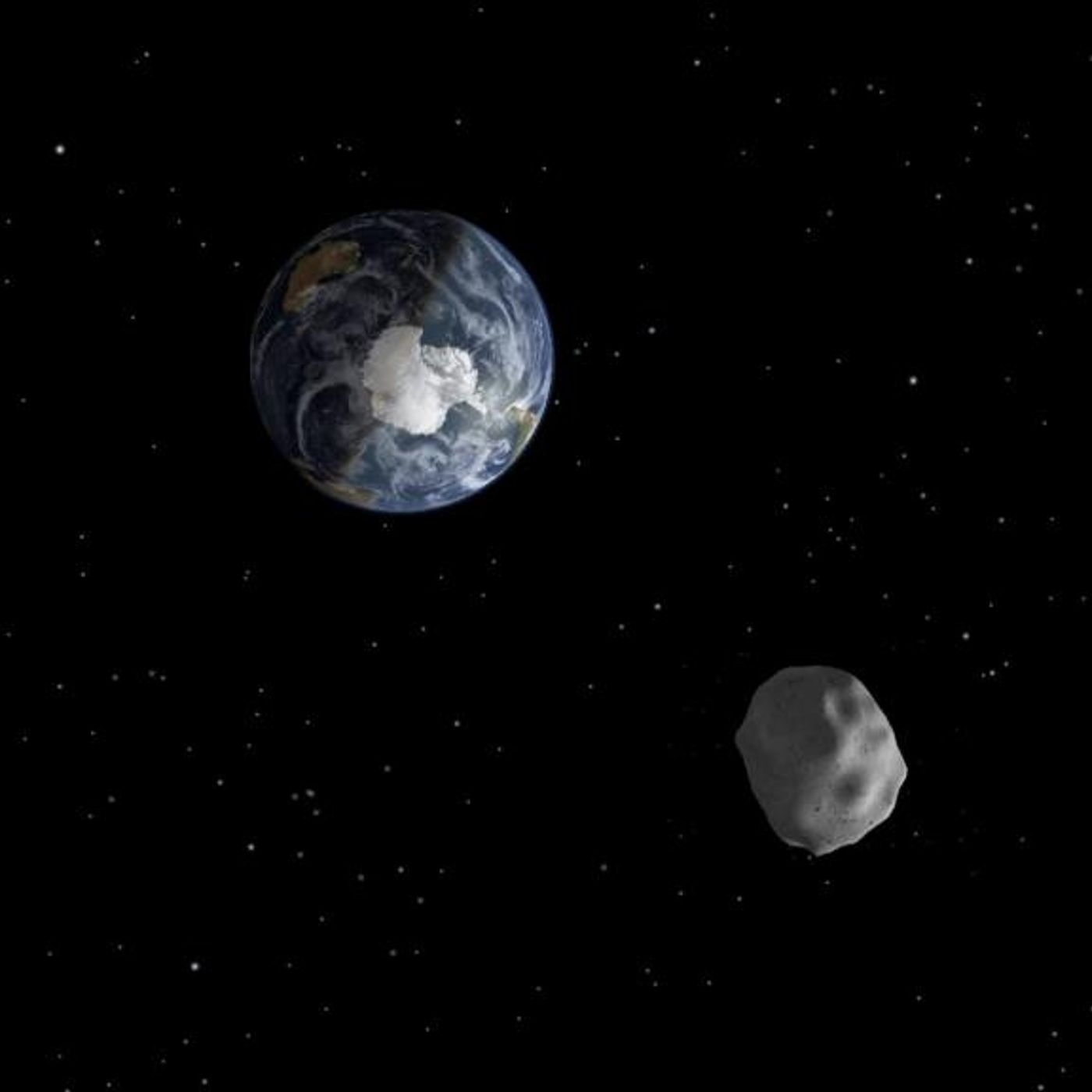
Theoretically, If an asteroid on a collision course with our planet could be slowed sufficiently it could be made to pass behind our planet as it orbits the Sun.
922-Earth Impactors from Vera Rubin
The Vera C. Rubin Observatory, also known as LSST, with its 8.4 m mirror, the width of a tennis court, and the worlds largest 3.2 gigapixel camera, roughly the size of a small car, will image the entire sky every 3 or 4 nights in such a way as to detect objects that change in position and/or brightness. It is estimated the LSST will discover one or two new impacting small asteroids per year and pr
411E-452-Small But Deadly
My Catalina Sky Survey teammate Greg Leonard's discovery of, 2018 FO5, a three football field diameter asteroid that can come closer than our Moon is a reminder that we need to keep searching for the many thousands of Potentially Hazardous asteroids larger than 500 feet in diameter which are likely to exist.
921-Little Spinner
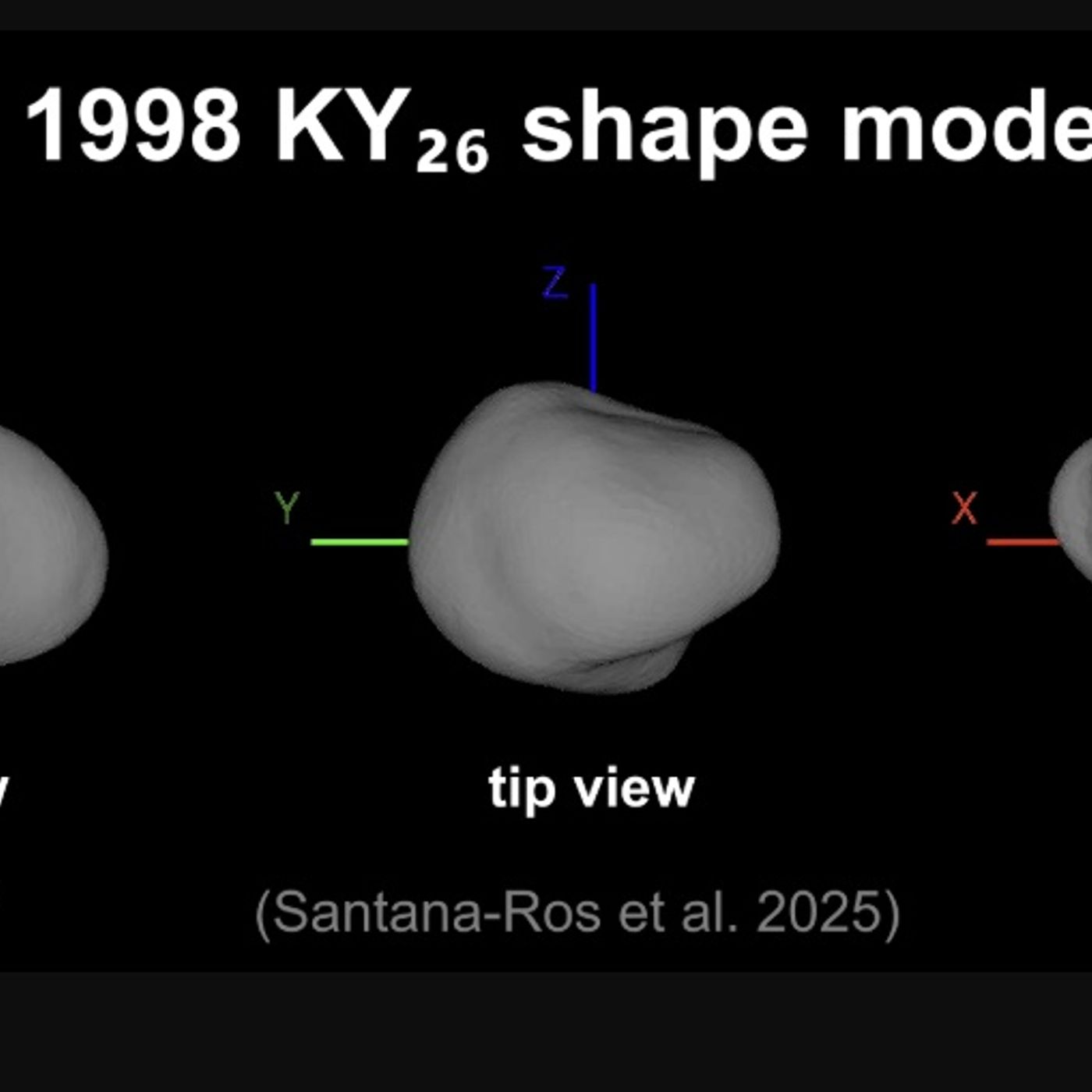
After completing a sample and return mission to the asteroid Ryugu (ree-oo-goo) and a fly by of asteroid Torifune (toh-ree-foo-neh), the Japanese asteroid exploring spacecraft Hayabusa2 (high-yah-BOO-sah-too )is on its way to fly by the rapidly spinning tiny asteroid 1998 KY2 .
410E-451-Going Far
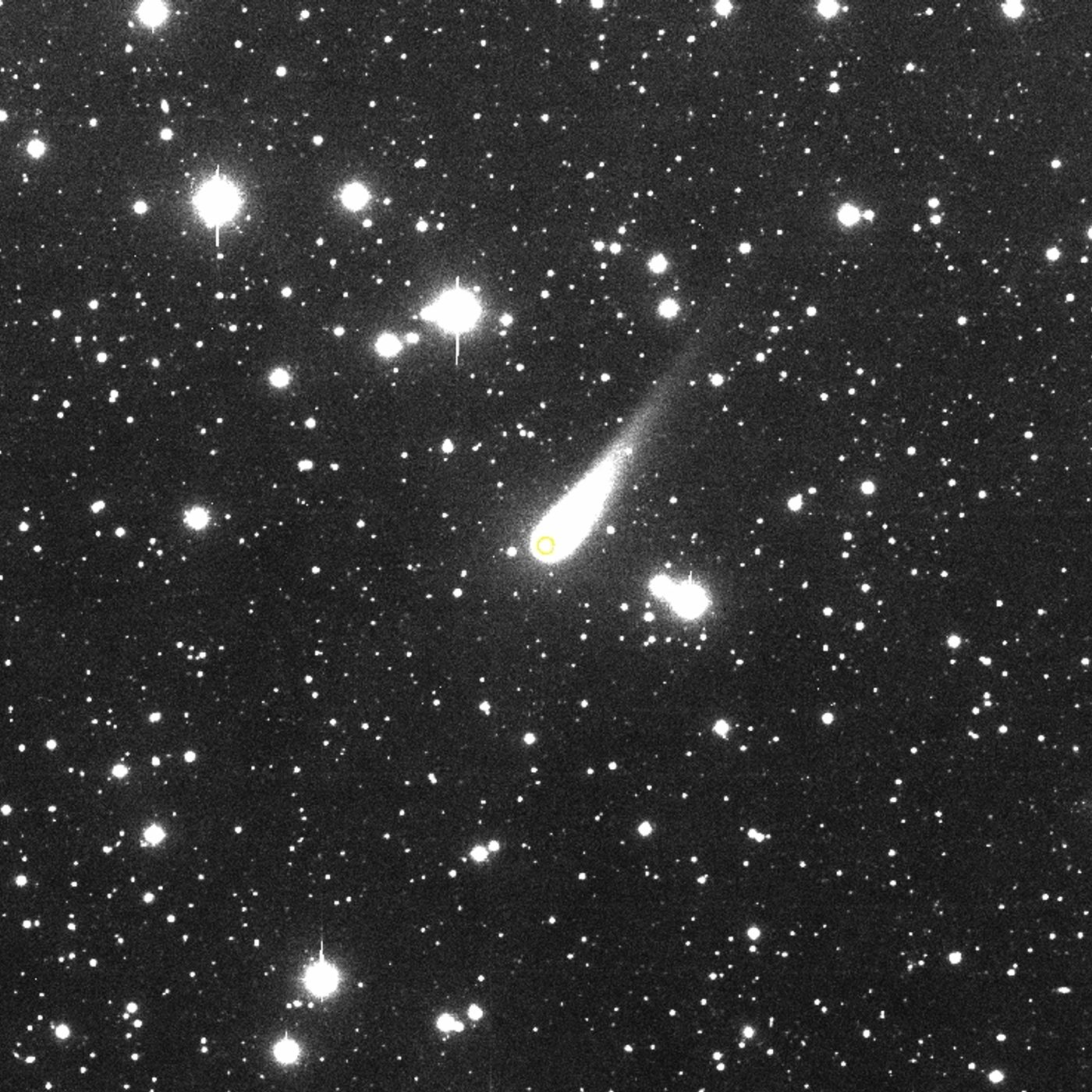
My Catalina Sky Survey teammate Jess Johnson was very surprised when the large comet with a long stringy tail, which he has just imaged with our 60 inch telescope on Mt. Lemmon, Arizona, was an unknown object. Jess quickly emailed his discovery observations along with a description of the comet's coma and tail to the Minor Planet Center. Over the next eight days astronomers at 11 different observa
920-Cometary Rocket
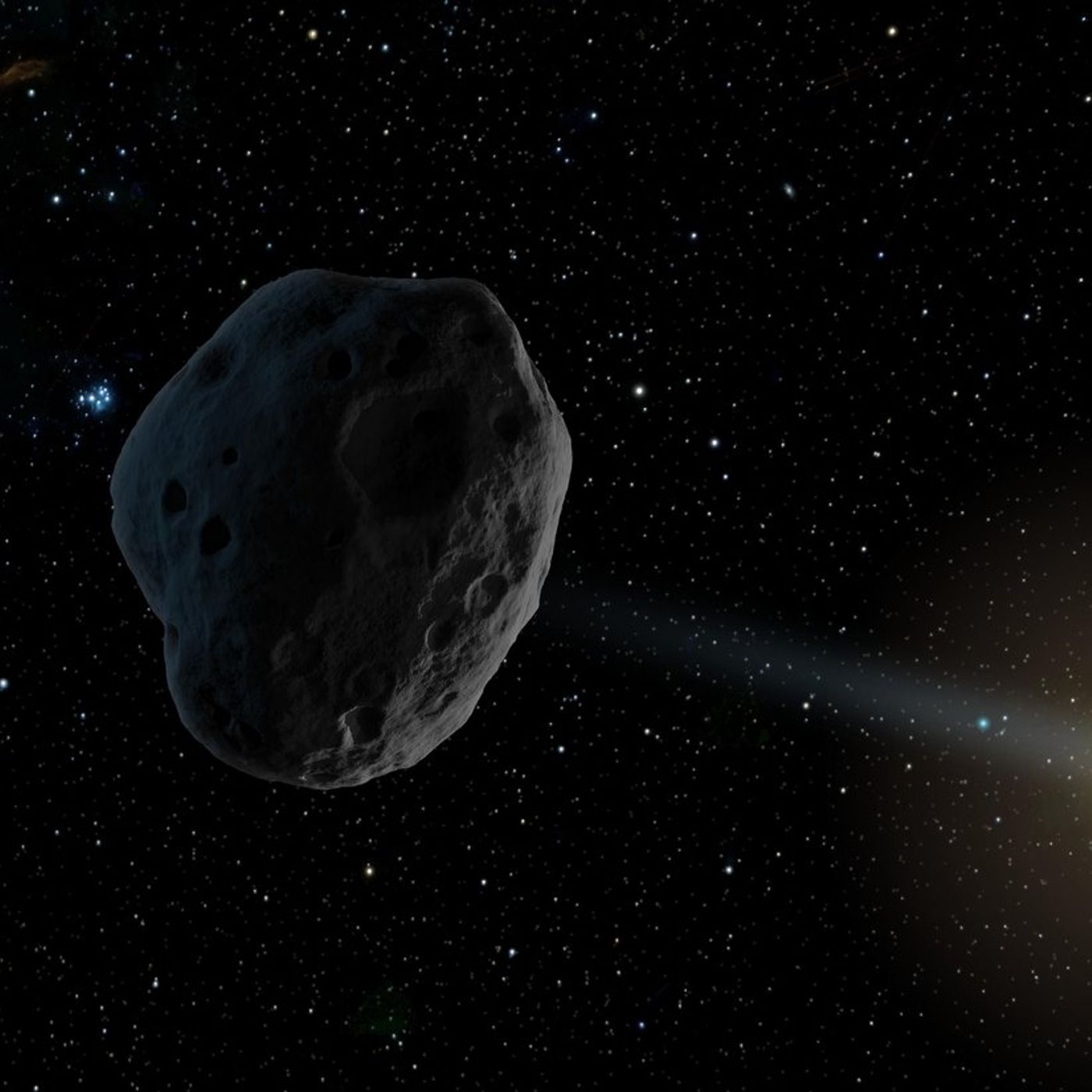
Viewed in a telescope an asteroid appears as a moving star like point of light while a comet often appears to be a fuzzy point of light with a tail. The orbit of an asteroid is governed force of gravity exerted by the Sun, planets, and in some cases our moon. In addition the Yarkovsky Effect can cause the orbit of a spinning asteroid to shift slightly over millions of years as the heat it absorb
409E-450-Saint Patrick's Day Comet
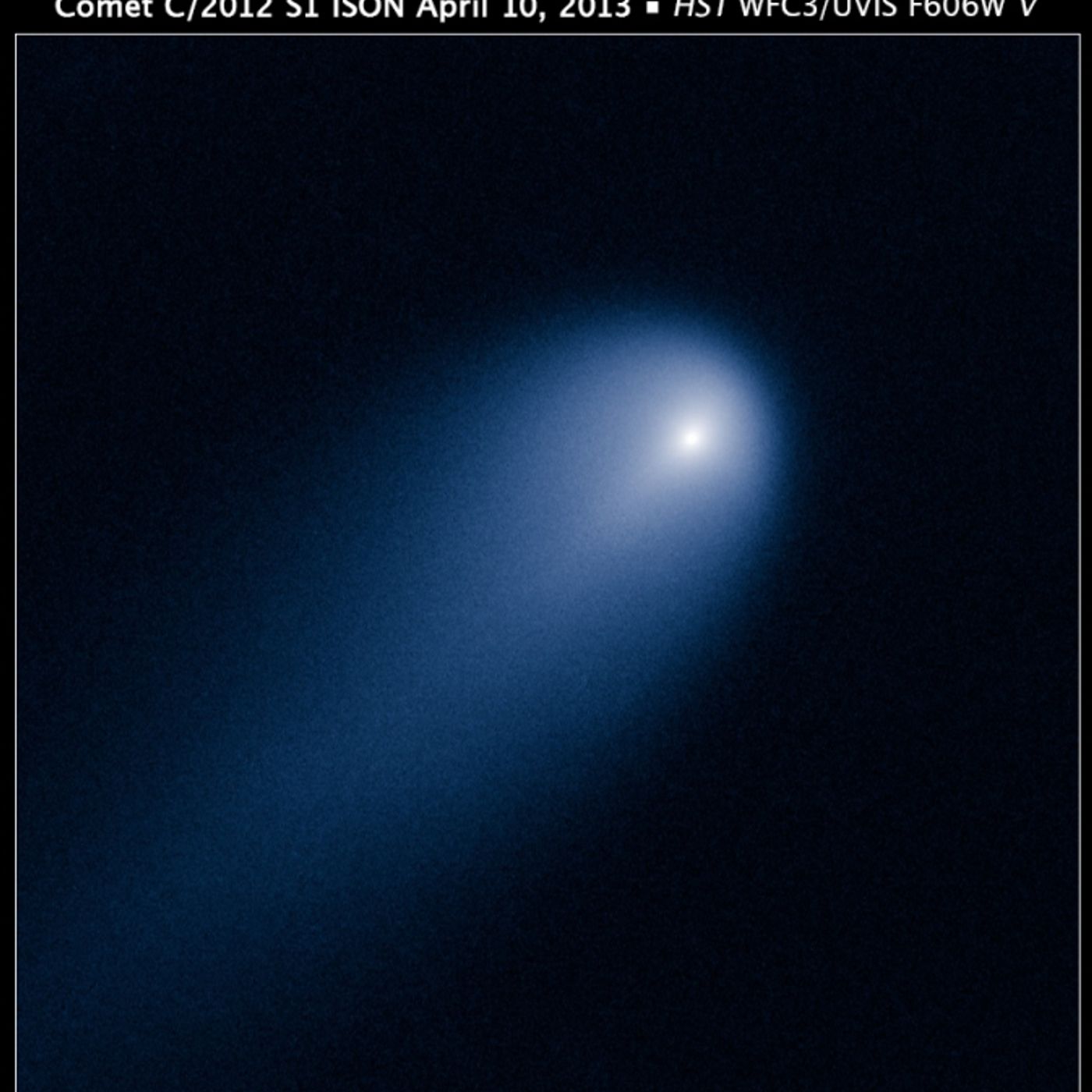
On Saint Patrick's Day, while searching for Earth approaching asteroids with the Catalina Sky Survey's 60 inch telescope on Mt. Lemmon, Arizona I spotted a slightly enlarged star like object with a tiny tail moving through the constellation of Virgo. After checking to see that it was not a known comet, I sent my discovery observations along with a description of it's coma and tail to the Minor Pla
919-Automatic Detection Of An Impactor
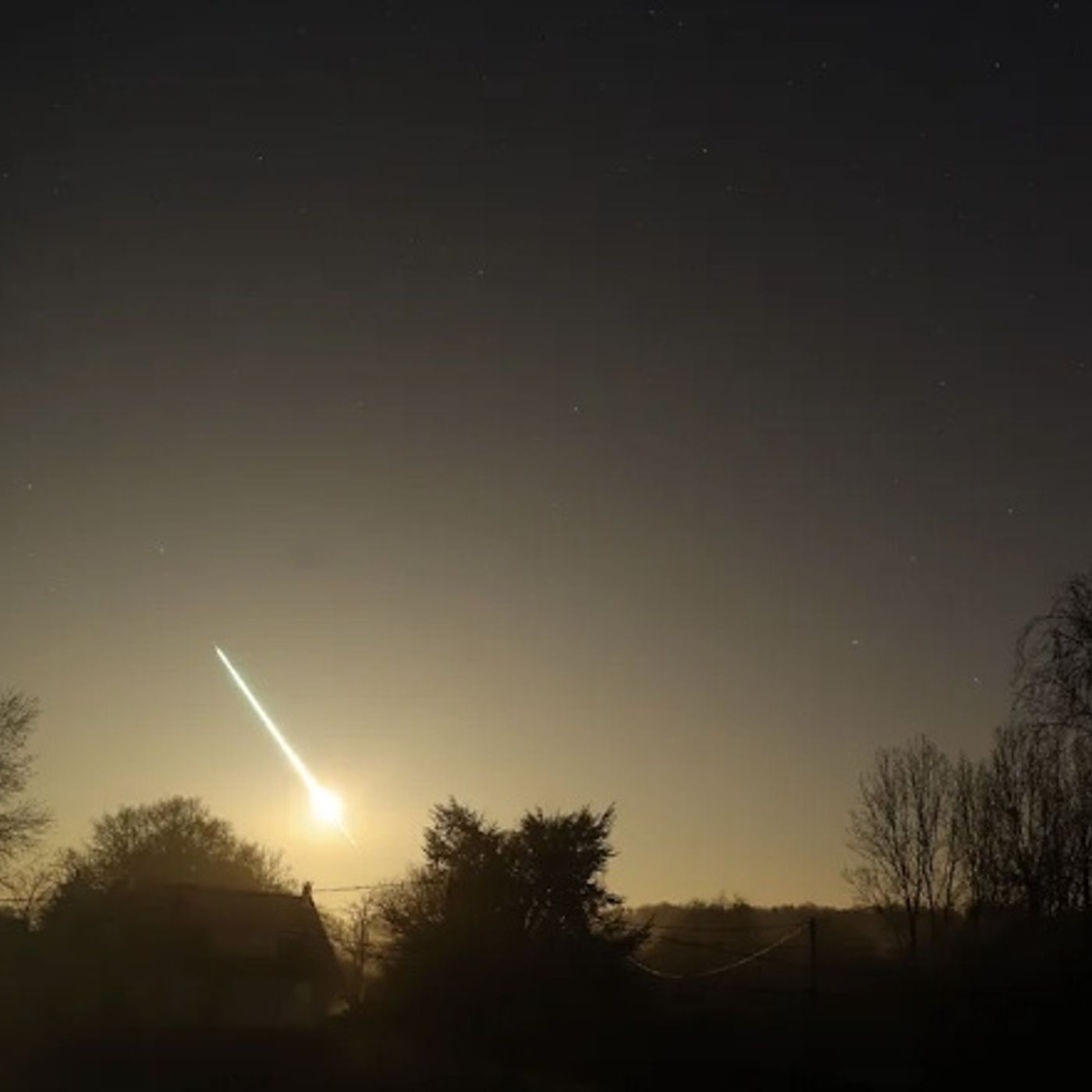
Recently a pair of JPL SynTrack Robotic automated telescopes located at a high altitude low light pollution site in California provided 4 tracking data points taken less than 30 minutes apart which indicated that a small space rock with a diameter smaller the height of a human being was on a collision course with Earth.
408E-449-Cloud 7
To give you an idea of the asteroid traffic in our neighborhood, on a mostly cloudy night, through holes in the clouds, in a space of less than 2 hours, my Catalina Sky Survey teammate Richard Kowalski posted 7 new close approaching asteroid discoveries on the Minor Planet Center's Near Earth Object Confirmation Page
918-Auroras from Space
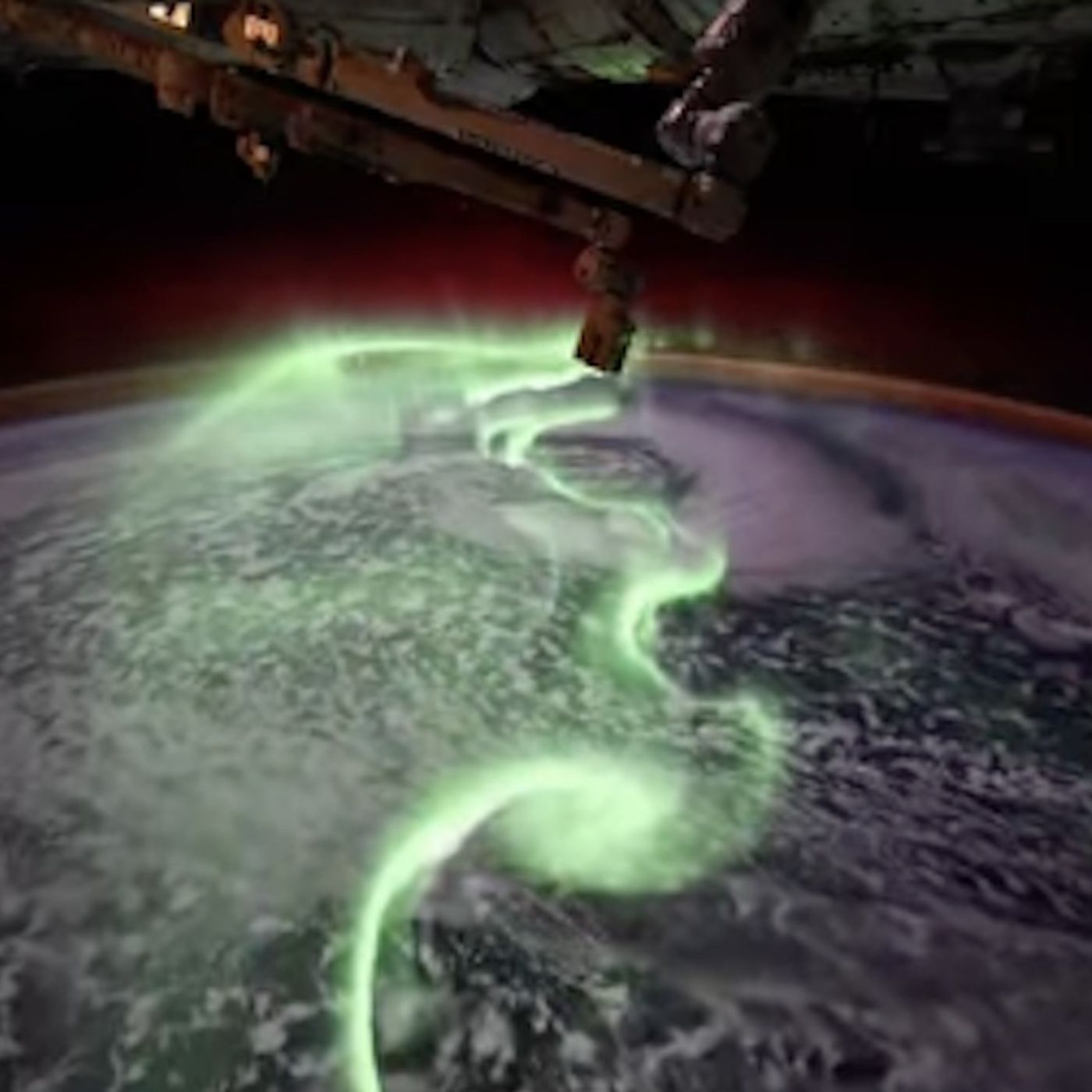
The northern lights or Aurora Borealis have fascinated humans throughout the ages. Today aurora watching is a multimillion dollar industry in places like Alaska, Canada, Norway, Sweden, Finland, Greenland, and Iceland. Auroras are manifestations of the interaction between the solar wind, radiation, and our atmosphere we call space weather.
407E-448-Two PHA's
The large dangerous asteroids that we don't know about are what keep asteroid hunters going to the telescope.
917-Space Dust
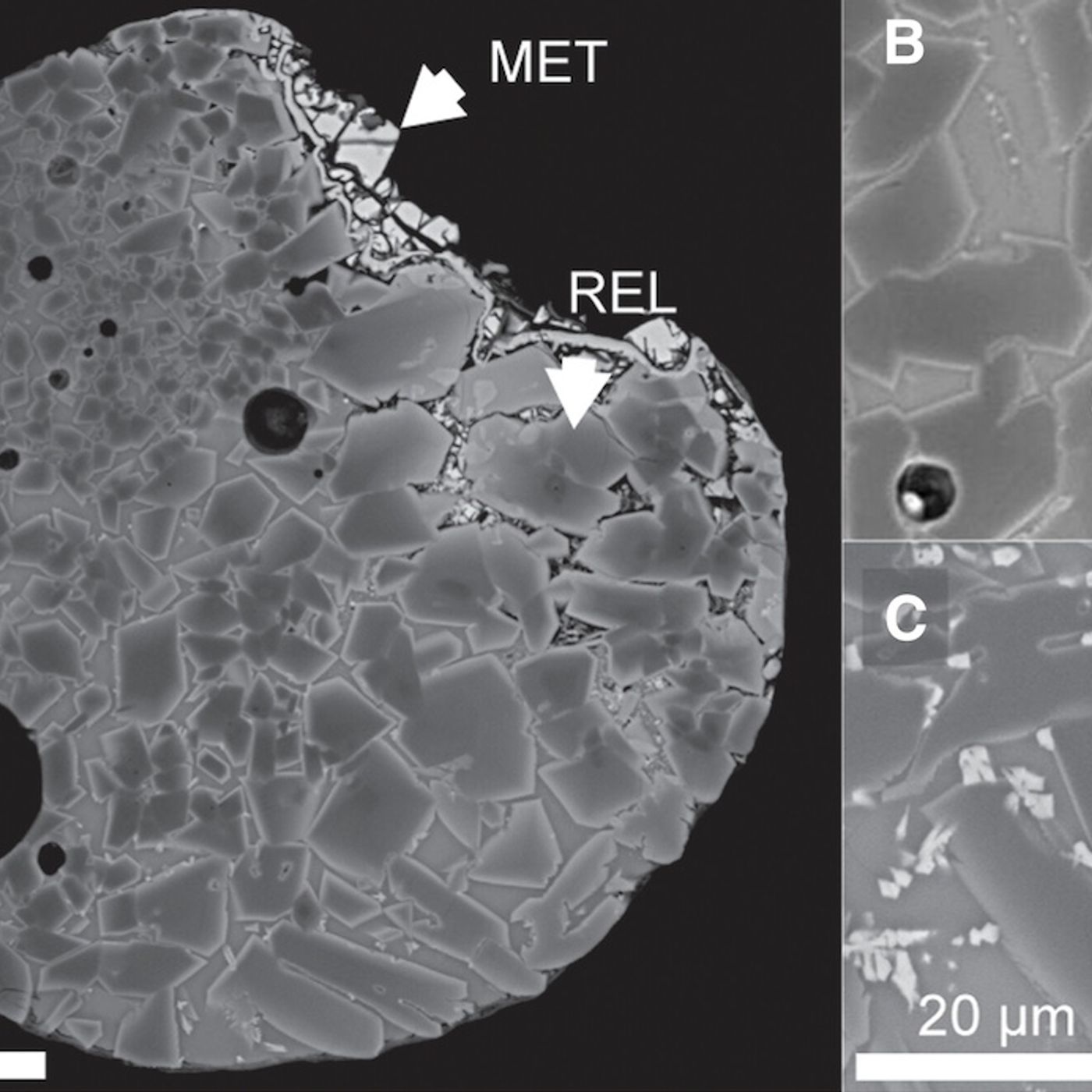
As the Earth orbits the Sun at 18.5 mi/s it sweeps up about 100 tons of micrometeorites and space dust every day of which some 14 tons eventually makes it to the ground. You can even find some of these particles of space dust by using a magnet on material in the rain gutters attached to your roof.

406E-447-Nuking An Asteroid
Tonight, even though the chances are extremely slim, an asteroid hunter could find a sizable asteroid on a collision course with planet Earth. If we have decades warning, the potential impactor's arrival time could be changed by impacting the dangerous object with a high velocity mass or if we have less time we will need to nuke it which will either blow it to bits or give it a rocket like push.
916-Past Glory
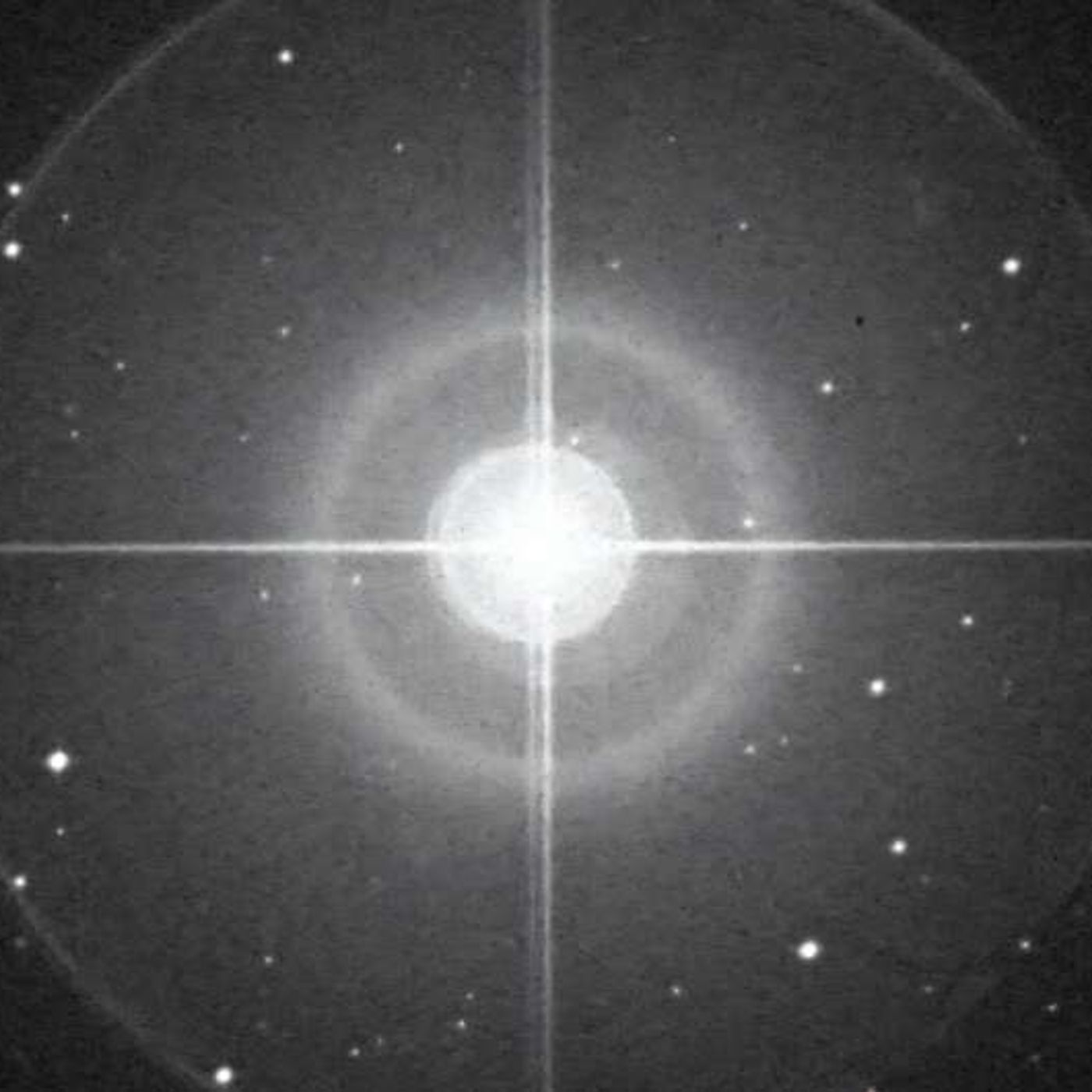
When accurately recorded historical observations do not agree with what we what we see today it is often very rewarding to find out why. In modern telescopes we see Theta Eridani to a be pair separated by about 425 times our distance from the Sun orbiting a common center of gravity. Detailed observations of the spectrum of one of these show it to be itself a pair of stars orbiting each other every
405E-446-Asteroid Homestead
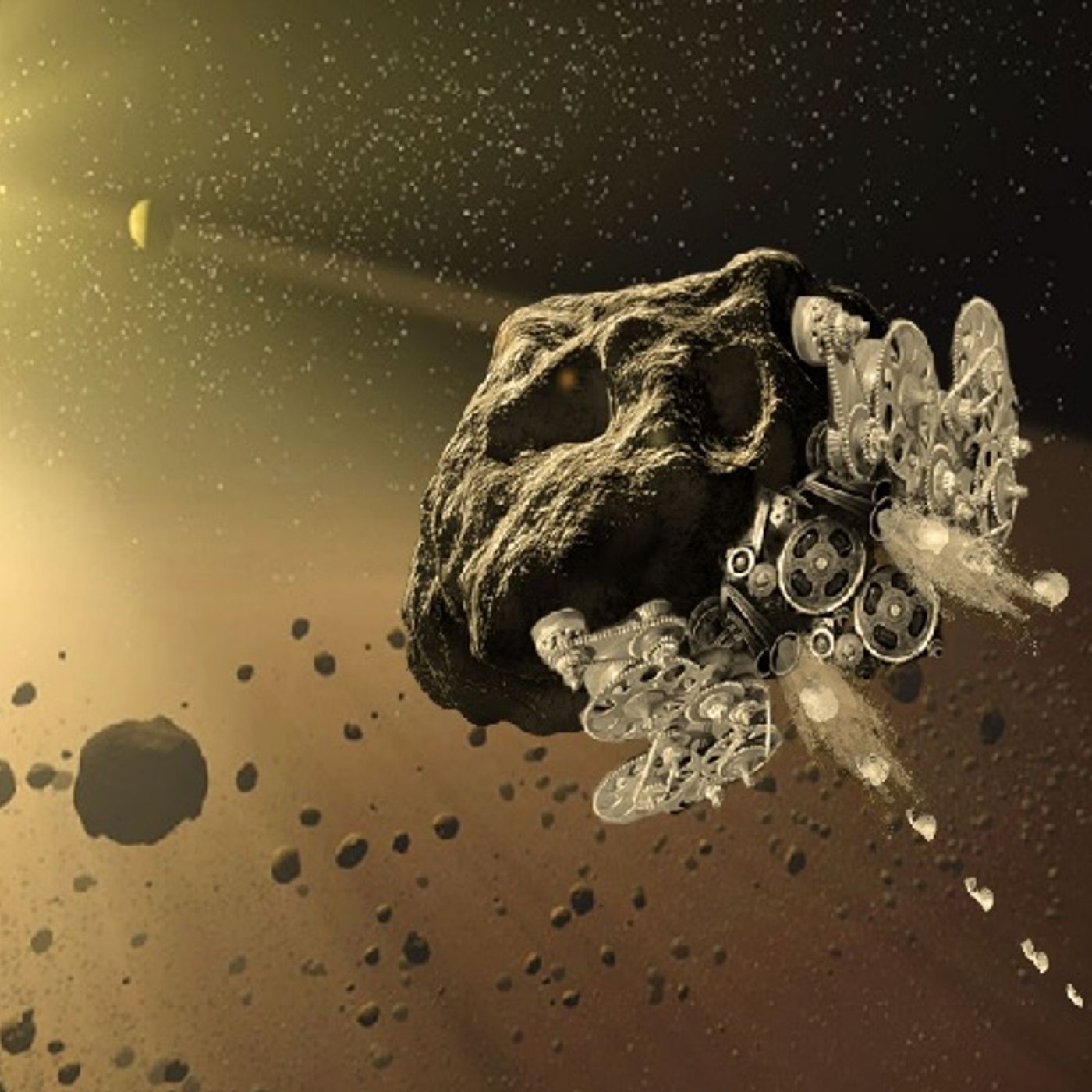
In the future one can envision a space mining family boarding a descendent of the SpaceX Falcon Heavy Launch Vehicle for a trip into low Earth orbit. A few hundred miles above the Earth's surface they would rendezvous with their asteroid mining spacecraft which will be their home for the next five years or so.
915-Raining Comets
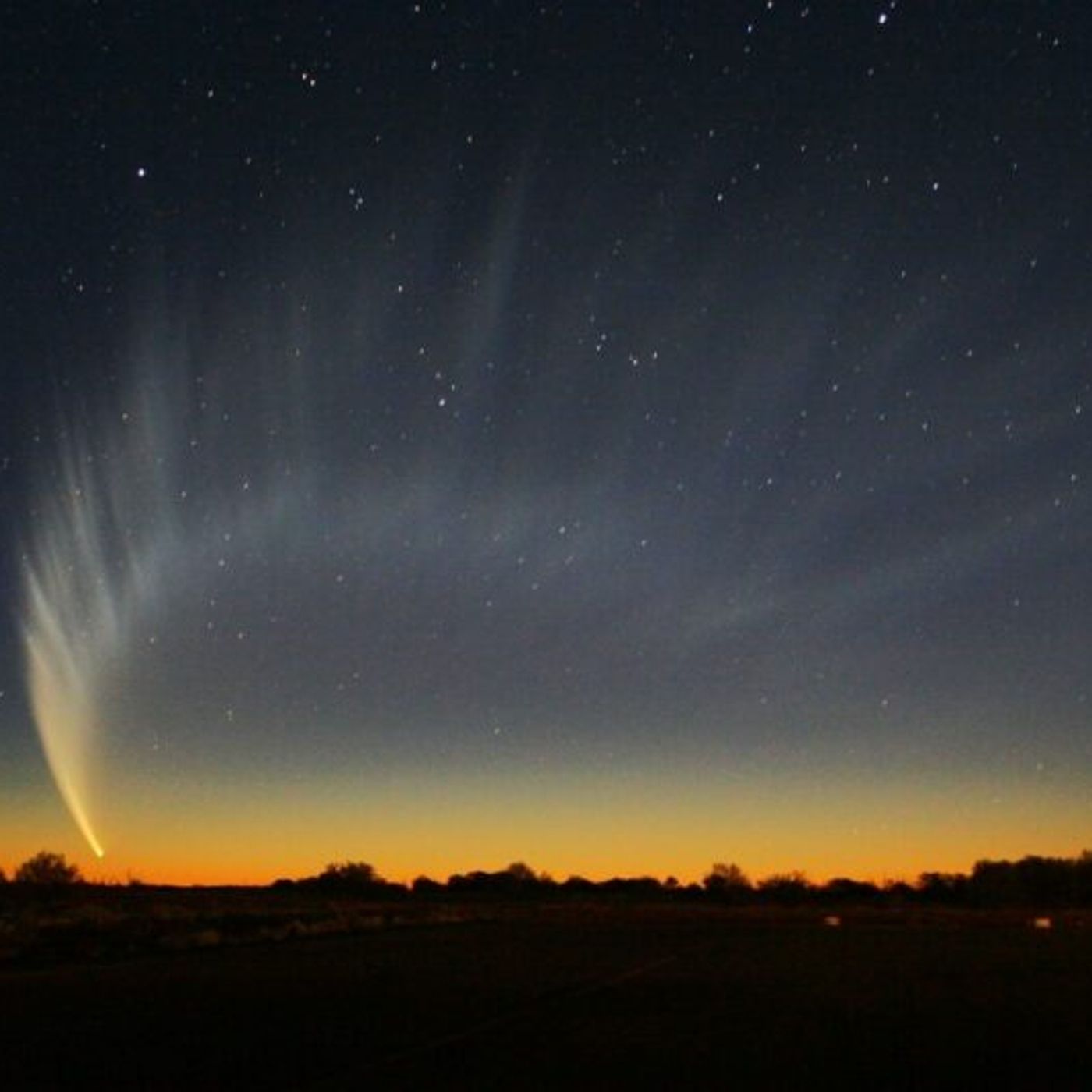
The comets we observe generally start out as icy dirty snowballs of frozen gases like water and frozen carbon dioxide in the Oort cloud. If recent scientific analysis is correct, we are now witnessing a parade of comets produced by the passage of a star when our first ancestors began to roam the Earth in Africa.
404E-445-Not So Secret
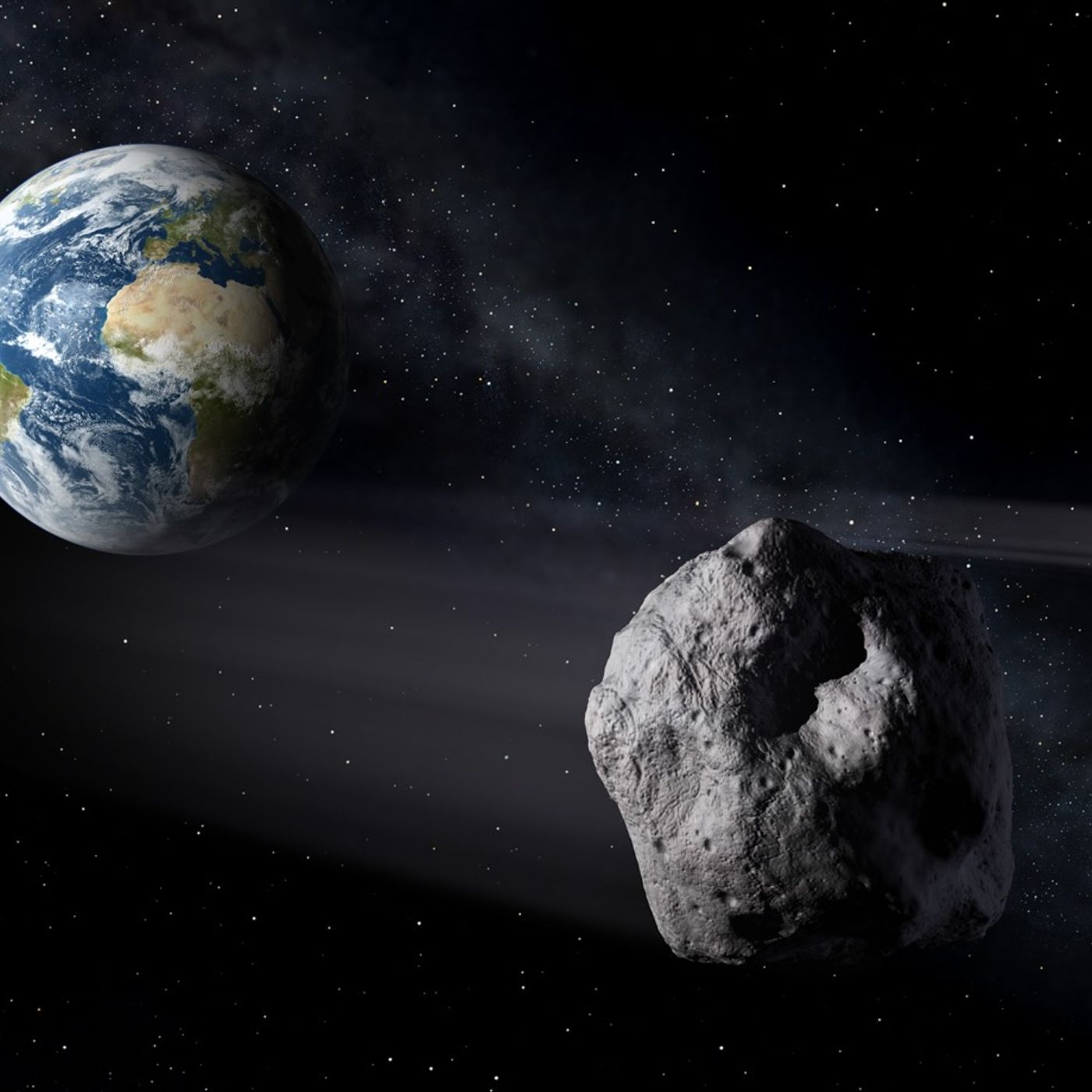
A partnership of humans and computers will help to minimize the damage when asteroid hunters find a space rock with our number on it.
914-Deep Synoptic Array
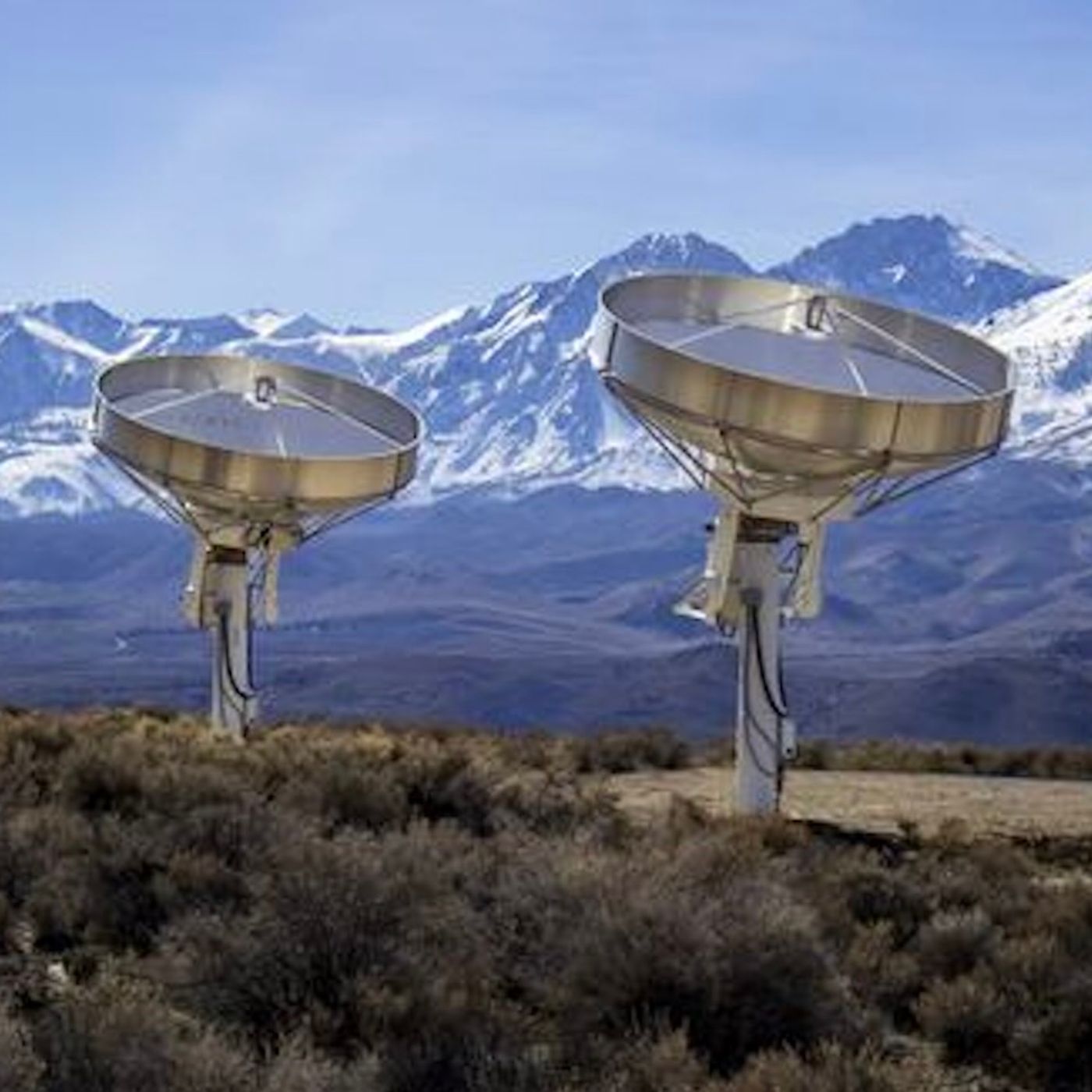
Looking into the sky at night with radio eyes you would not see the points of starlight forming the constellations instead you would see a very bright, colorful and wildly changing scene. In a desert valley near the Great Basin National Park Caltech is building the world’s largest radio telescope called the Deep Synoptic Array or DSA for short.
403E-444-Near Comets
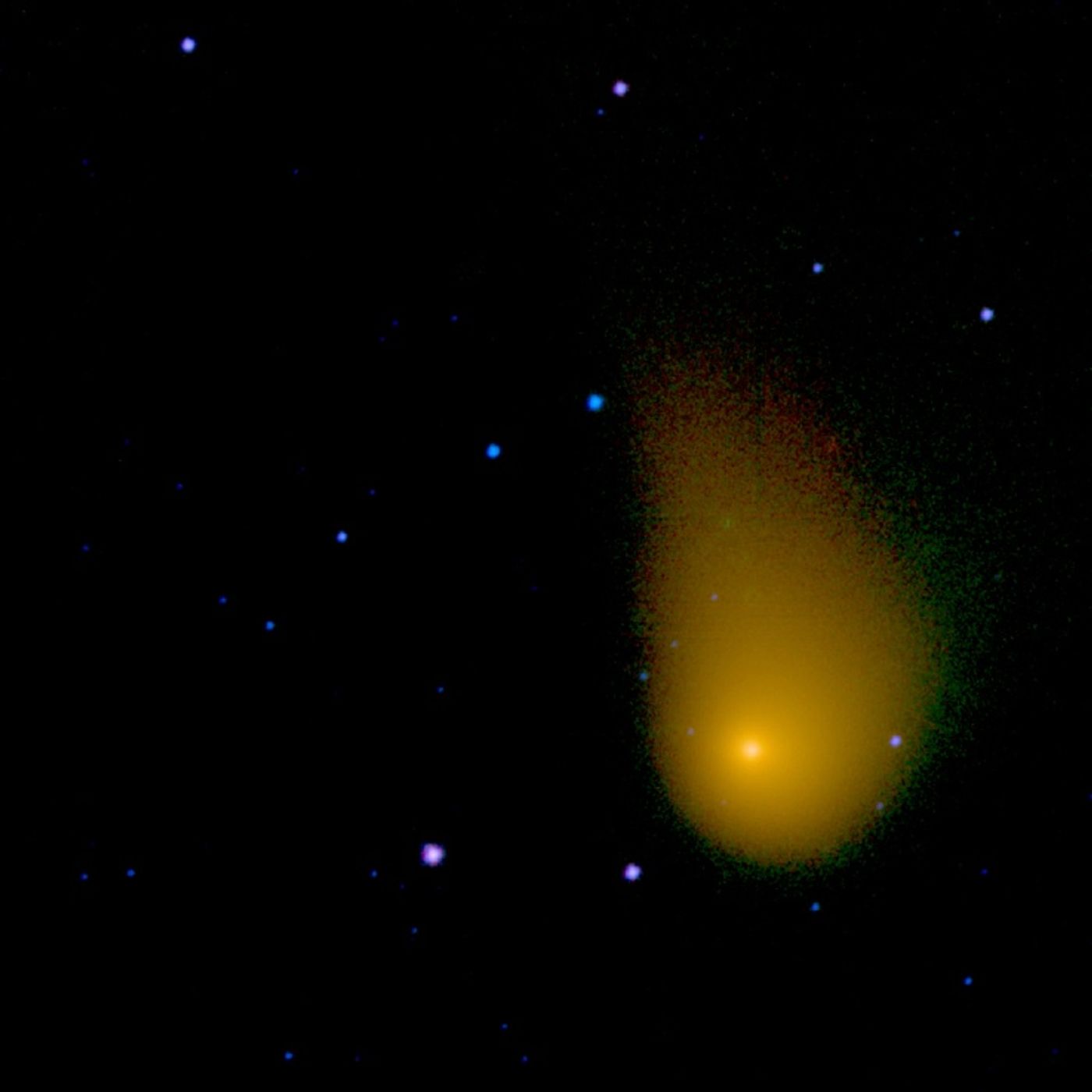
Although no comet nucleus impact on the Earth has been conclusively identified, there is some evidence that suggests the 1908 Tunguska event in Russia, which knocked down trees over a 770 square mile area, could have been caused by a fragment of Comet Encke. However there is no doubt that the Earth's collision with dust and small debris left trailing from comets produces some of the meteor showers
913-Moon Impact
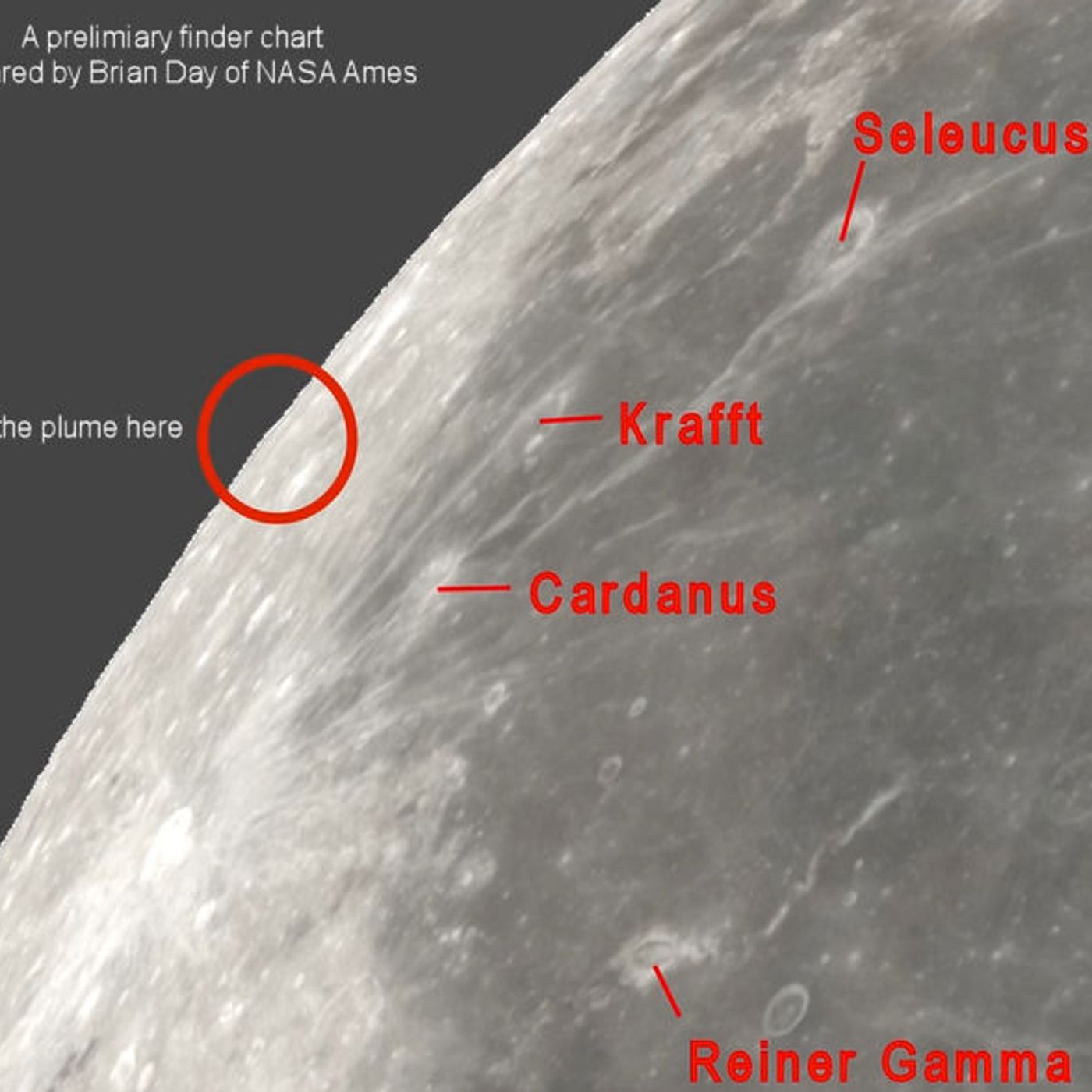
Bill Gray is an astronomer who specializes in tracking objects in space which come near the Earth. In addition to natural objects like asteroids and comets Bill also tracks rocket boosters and space junk that humans have discarded. On several occasions he has helped asteroid hunters to not waste time following a piece of space junk which initially appeared to be a threatening Earth approaching ast
402E-443-Unsung Heroes
In 2017 observers in 50 countries at 440 different observatories made nearly 19 million observations of asteroids and comets which enable scientists to calculate where about 800,000 objects will be in the future.
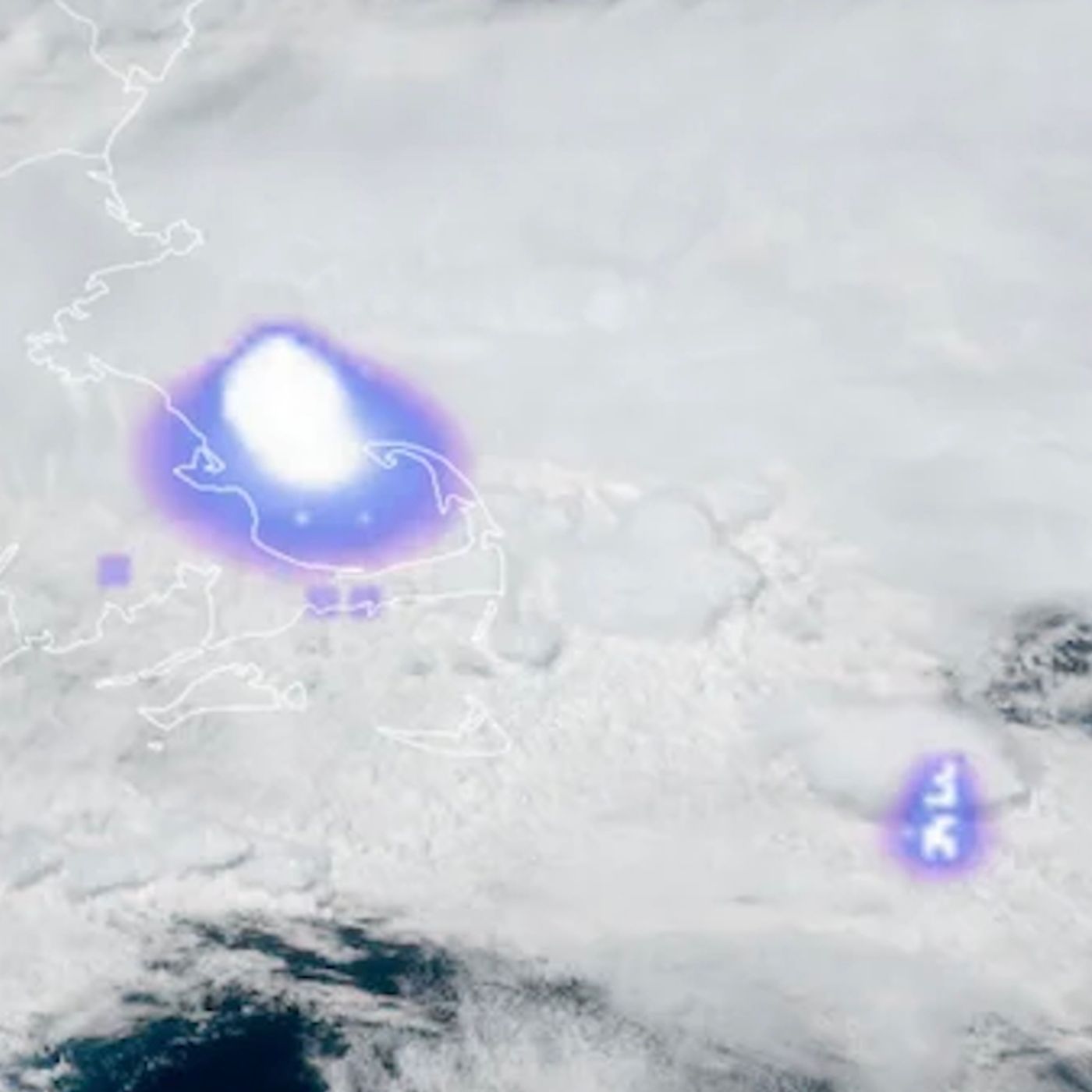
912-Boston Bolide
Recently on a Saturday afternoon a loud double booming sound startled residents of Massachusetts and Rhode Island as a large bolide meteor exploded high above. This type of space rock is a message from nature which reveals the conditions which existed when the planets formed.
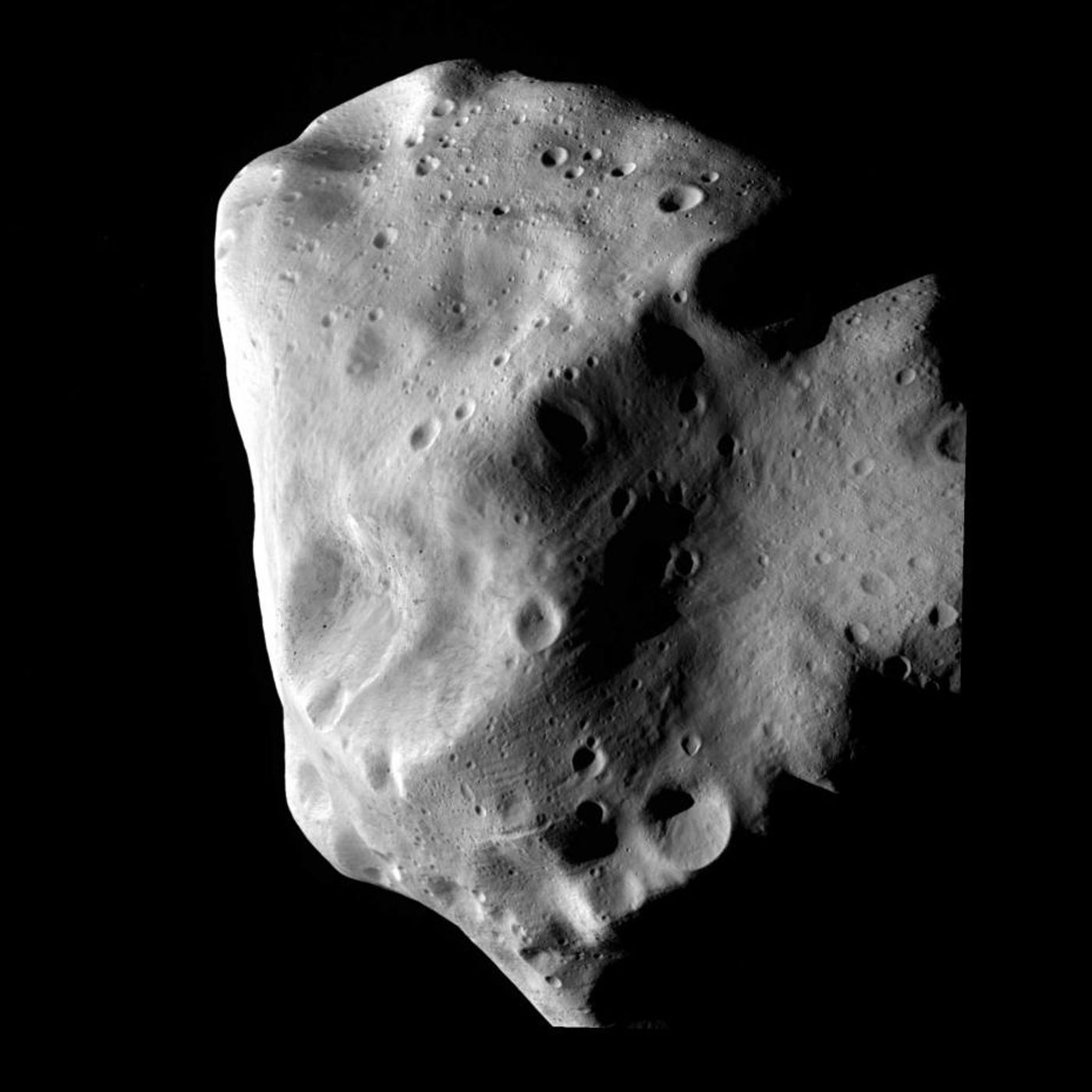
401E-442-Brian's Debut
During the only 3 clears hours of his first night solo as an asteroid hunter, my new Catalina Sky Survey teammate Brian Africano discovered two new Earth approaching asteroids with our Schmidt Telescope on Mt. Bigelow, Arizona. Since one of Brian's discoveries is almost 300 feet in diameter, astronomers at 18 different observatories around the world stayed on it for more than 68 hours, after Brian
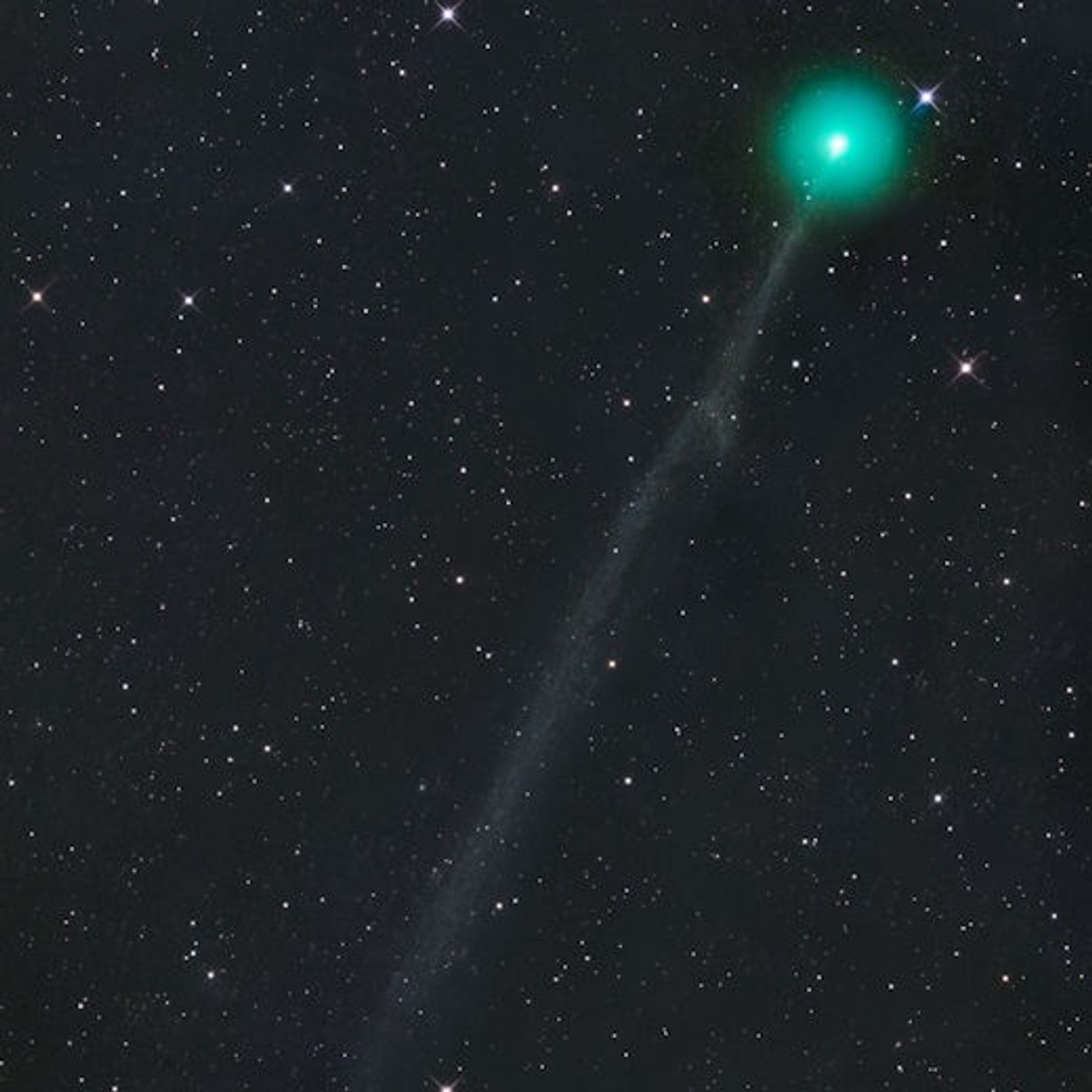
911-Comet Brightness Explosion
Comet 220P/McNaught orbits the Sun once every 5.5 years on a path which is between Mars and Jupiter. At that extreme distance, more than 1.5 times the Earth’s distance from the Sun, it still receives a significant amount of solar radiation. In 2026 Comet 220P/McNaught had an outburst which caused it to brighten 600 times in about 13 hours and then to continue to brighten to about 8,000 times brigh
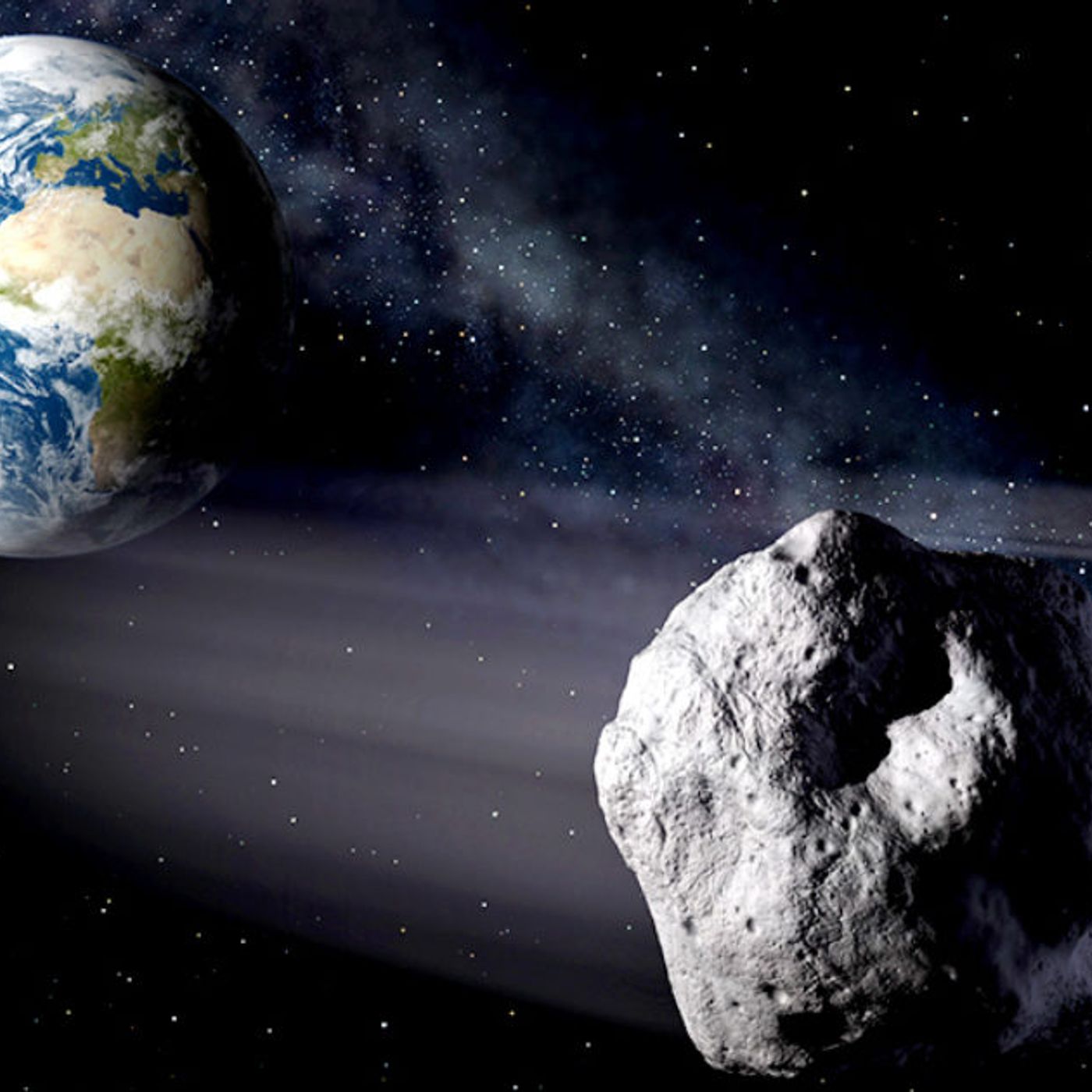
400E-441-Carson's Pair
My Catalina Sky Survey teammate Carson Fuls was observing, in the constellation Lynx, with our Schmidt telescope on Mt. Bigelow, Arizona , when within the space of only 35 minutes, he discovered two small space rocks well before they made very close approaches to Earth. 79 hours after Carson discovered the first, 2018 CB, this approximately 70 foot diameter space rock passed about 1/5 of the Moon'
910-Mega Constellations
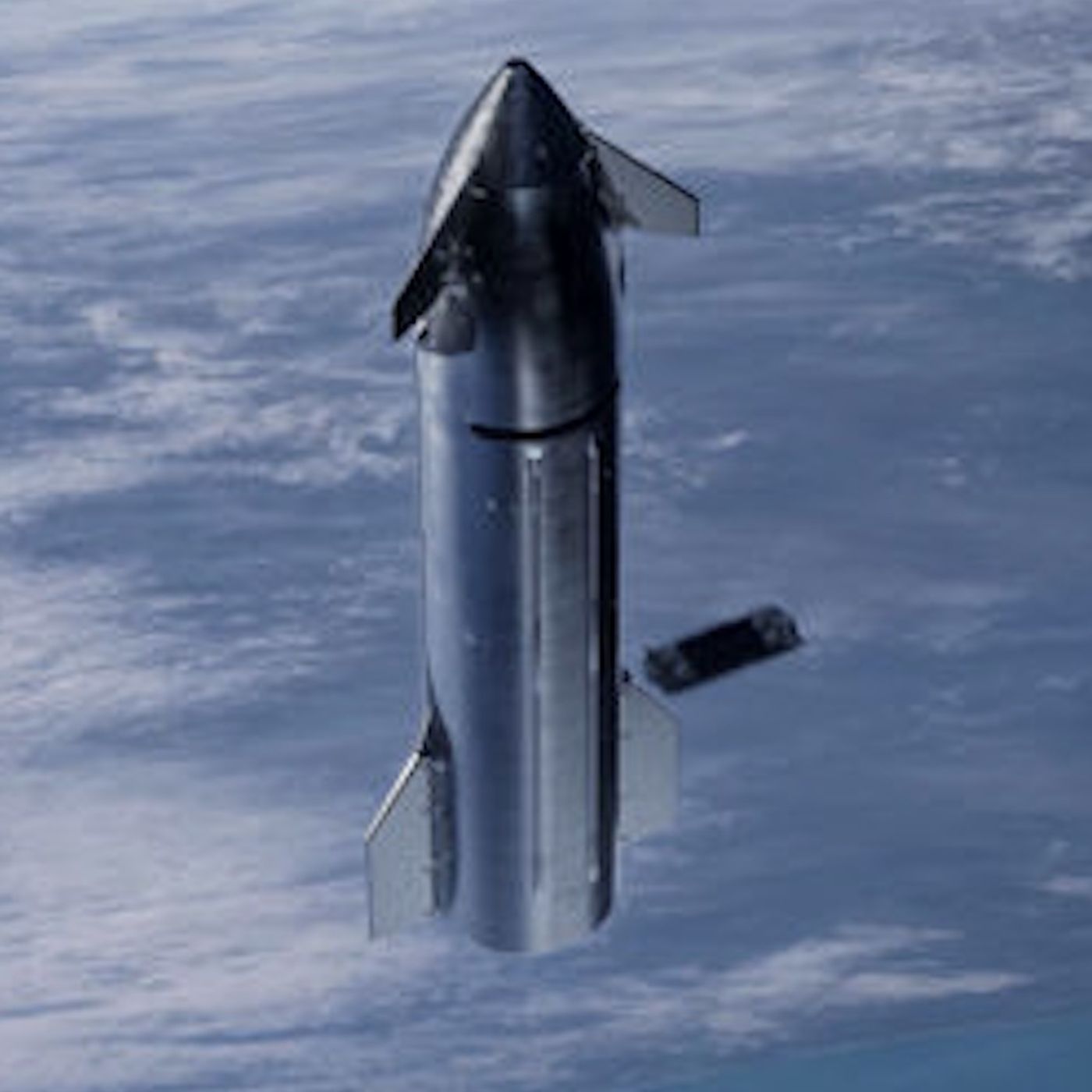
In an experiment that will involve all of the residents of planet Earth SpaceX has asked the FCC for permission to launch 1 million satellites into low Earth orbit to create a solar powered data center. Since the agriculture which produces our food is very sensitive to weather and climate it is important to conduct serious research about the effect of a mega constellation of satellites before allo
399E-440-Tracking Elon's Car
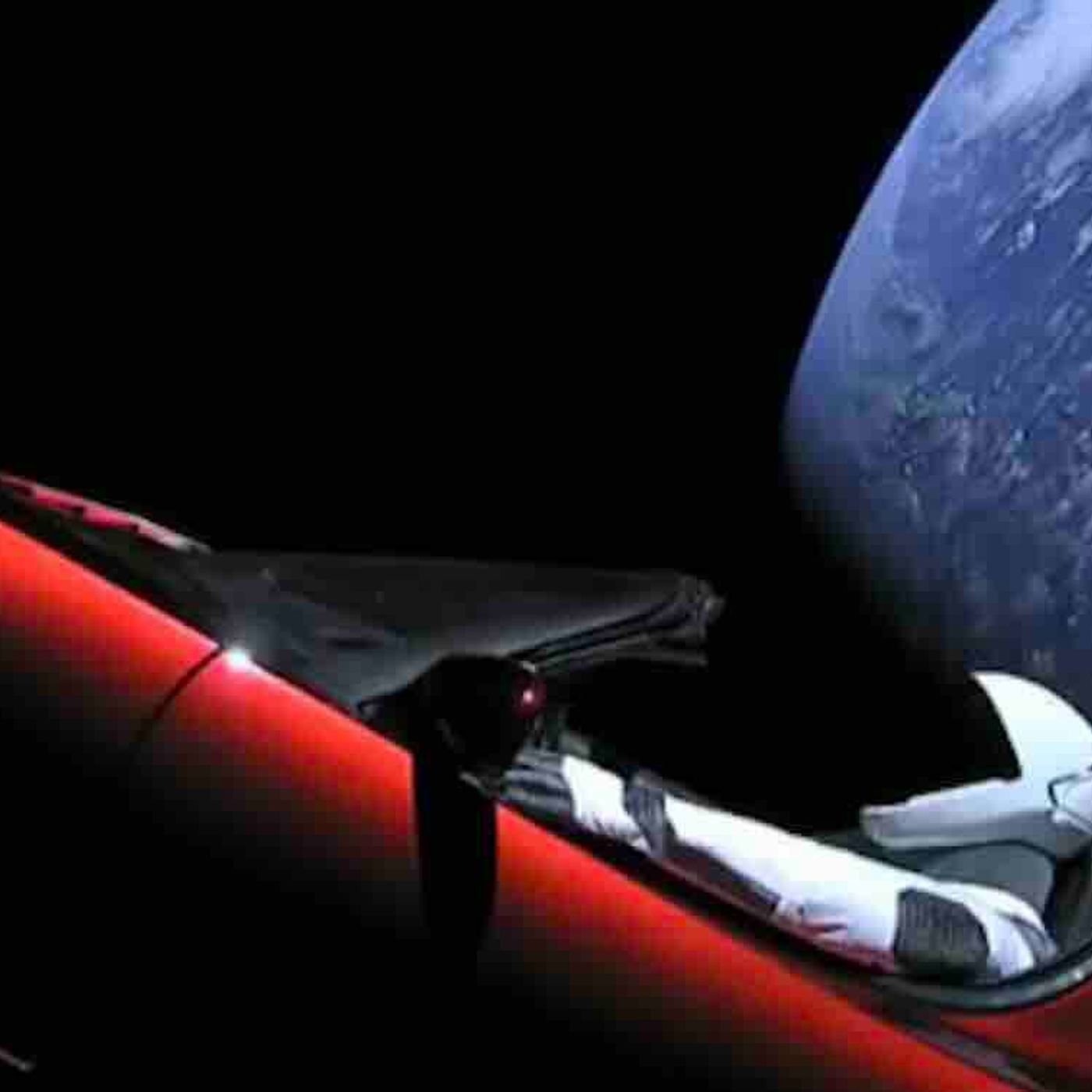
Elon Musk decided not to use a traditional mundane concrete block dummy payload for the first launch of the SpaceX Falcon Heavy launch vehicle to test his rockets lifting capabilities. After orbiting the Earth for 5 hours a third burn by the Falcon second stage placed a 2,750 pound payload consisting of a 2008 Tesla Roadster, Starman mannequin, Hot Wheels toy model roadster, electronic copy of Isa
909- 2026 JH2
My Catalina Sky Survey teammates Josh Hogan and Alessandra Serrano were asteroid hunting in the constellation of Ursa Major when they discovered a fast moving point of light in the night sky. My team the Catalina Sky Survey operates 5 telescopes on top of mountains near Tucson, Arizona except for the 3 nights per month when the moon is too bright. Our goal is to detect an impacting object like 2
398E-439-Big and Close
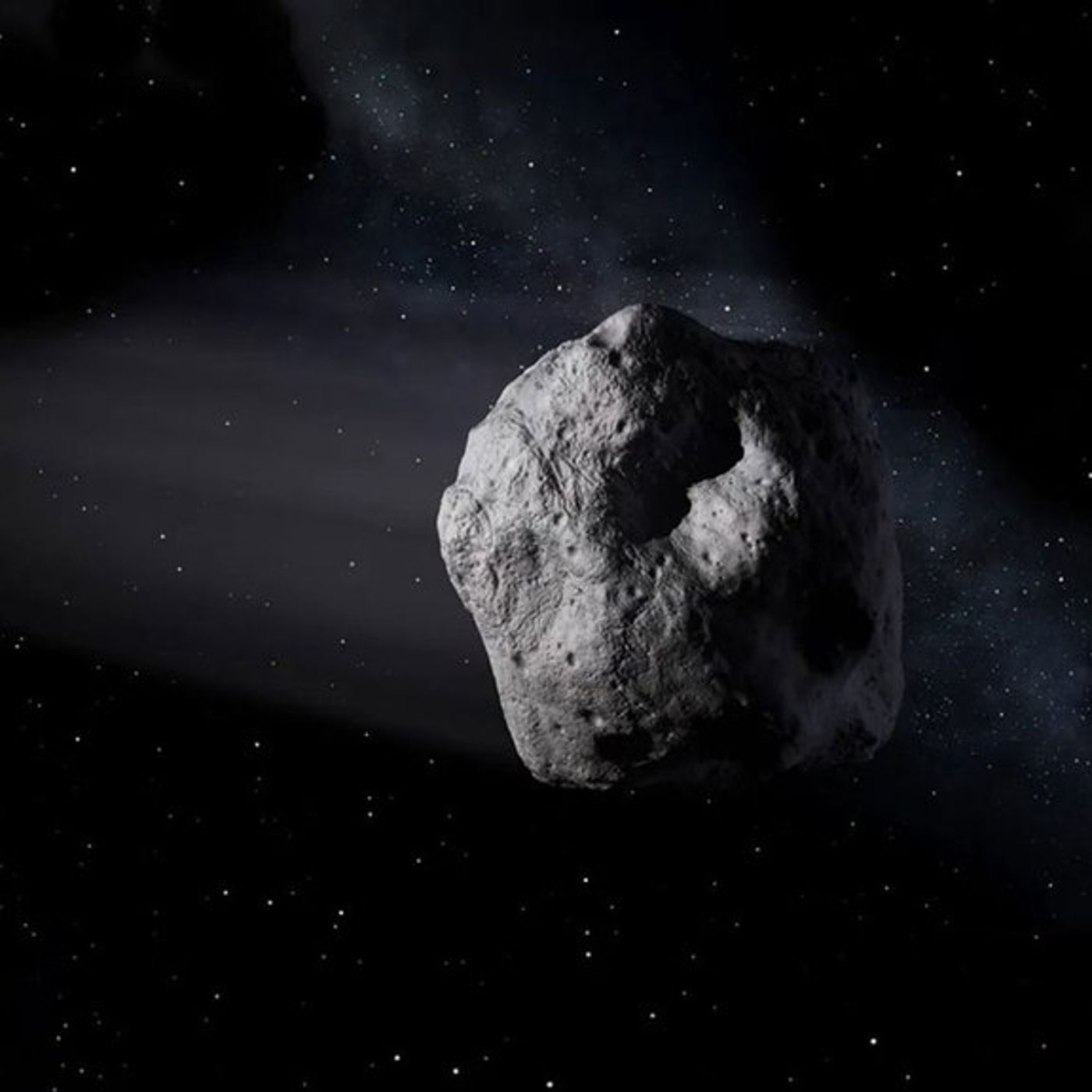
Using our Schmidt telescope on Mt. Bigelow, Arizona, my Catalina Sky Survey teammate Richard Kowalski was searching for Earth approaching asteroids in the constellation of Virgo when he discovered a moving point of light which had suddenly appeared and was about 40 times brighter than is typical for a near Earth asteroid. 75 hours later, scientists at the Minor Planet Center used data from 17 diff
908-Head On
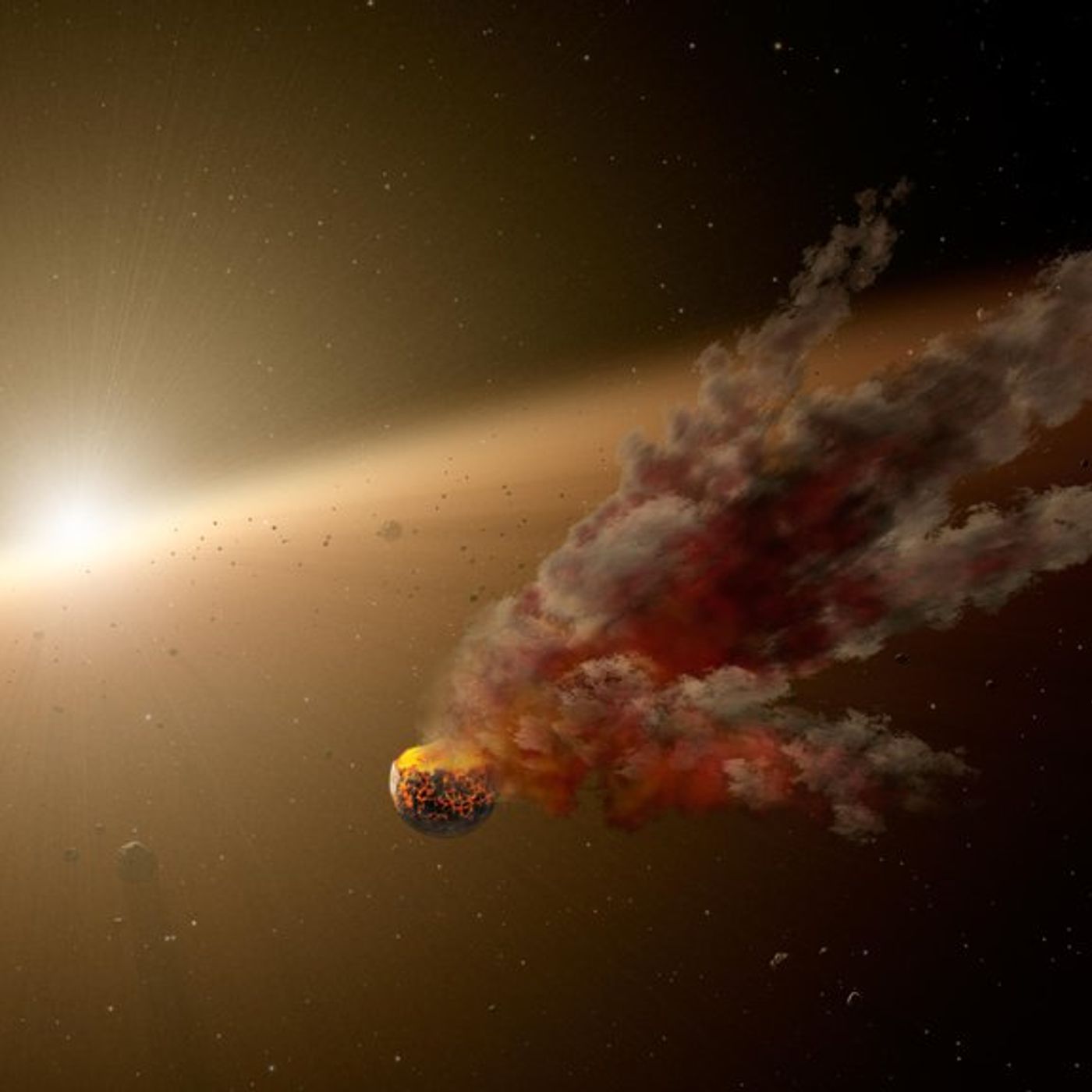
Asteroid hunters find asteroids by looking for objects which change their position relative to the stars. If an asteroid happened to match the Earth’s motion it might appear stationary and thus be virtually undetectable until it is right on top of us. The trick is finding potentially dangerous asteroids at some other point in their orbit so we know about them before they have a chance to approach
397E-438-Bright Darkness
Most of the humans on planet Earth have never witnessed that the natural night sky is not dark; but rather it is alive with it's own lights. To see for yourself, pick a dark sky place near you like the Cosmic Campground International Dark Sky Sanctuary from the International Dark Sky Association's website, darksky.org, and recruit a friend. Do a bit of research on how to achieve and sustain your n
907-Large and Close
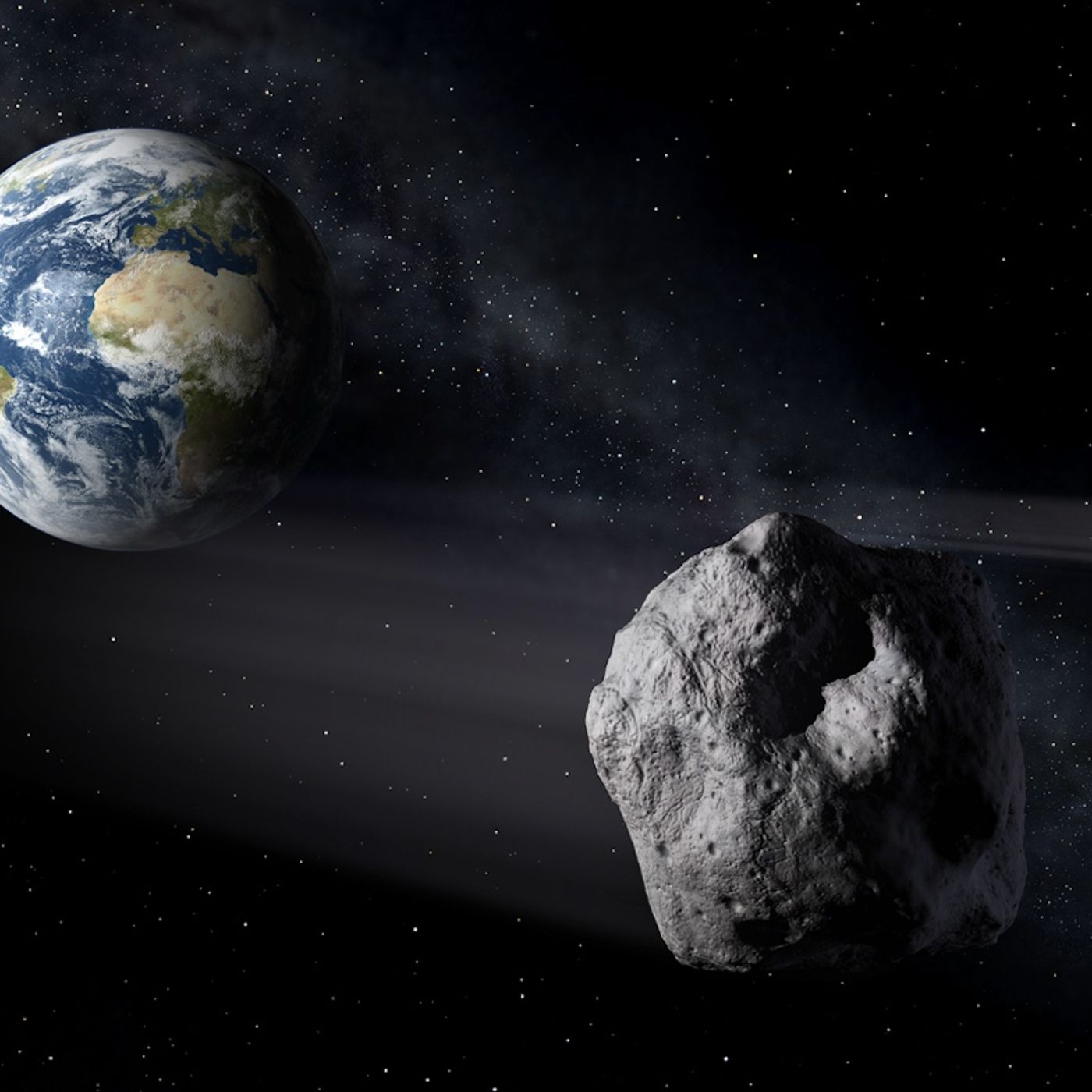
My Catalina Sky Survey teammate Josh Hogan was asteroid hunting in the constellation of Ursa Major with our small but mighty Schmidt telescope when he spotted a fast moving point of light in a set of his images and posted his observations on the Near Earth Object Confirmation Page or NEOCP for short. The NASA Sentry software system automatically scans the NEOCP and from the initial observations o
396E-437-Christmas Comet
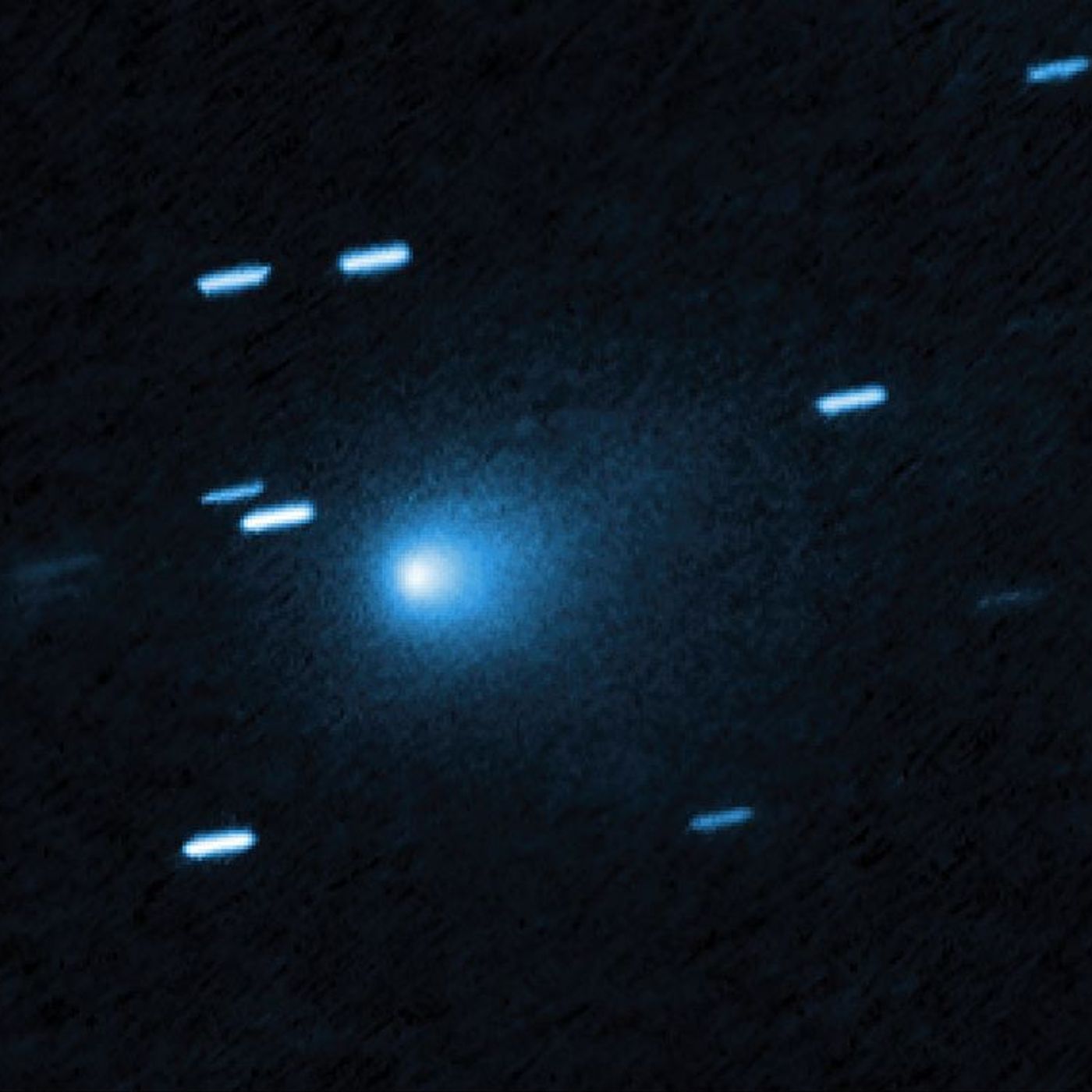
On December 25, 2017, while searching for Earth approaching asteroids in the constellation of Virgo, the Universe gave my Catalina Sky Survey teammate Greg Leonard a Christmas present in the form of a comet which now bears his name. Comet P/2017 Y3 (Leonard) orbits the Sun once every 31 years on a highly elliptical path which takes it from between the orbits of Earth and Mars out to almost the pla
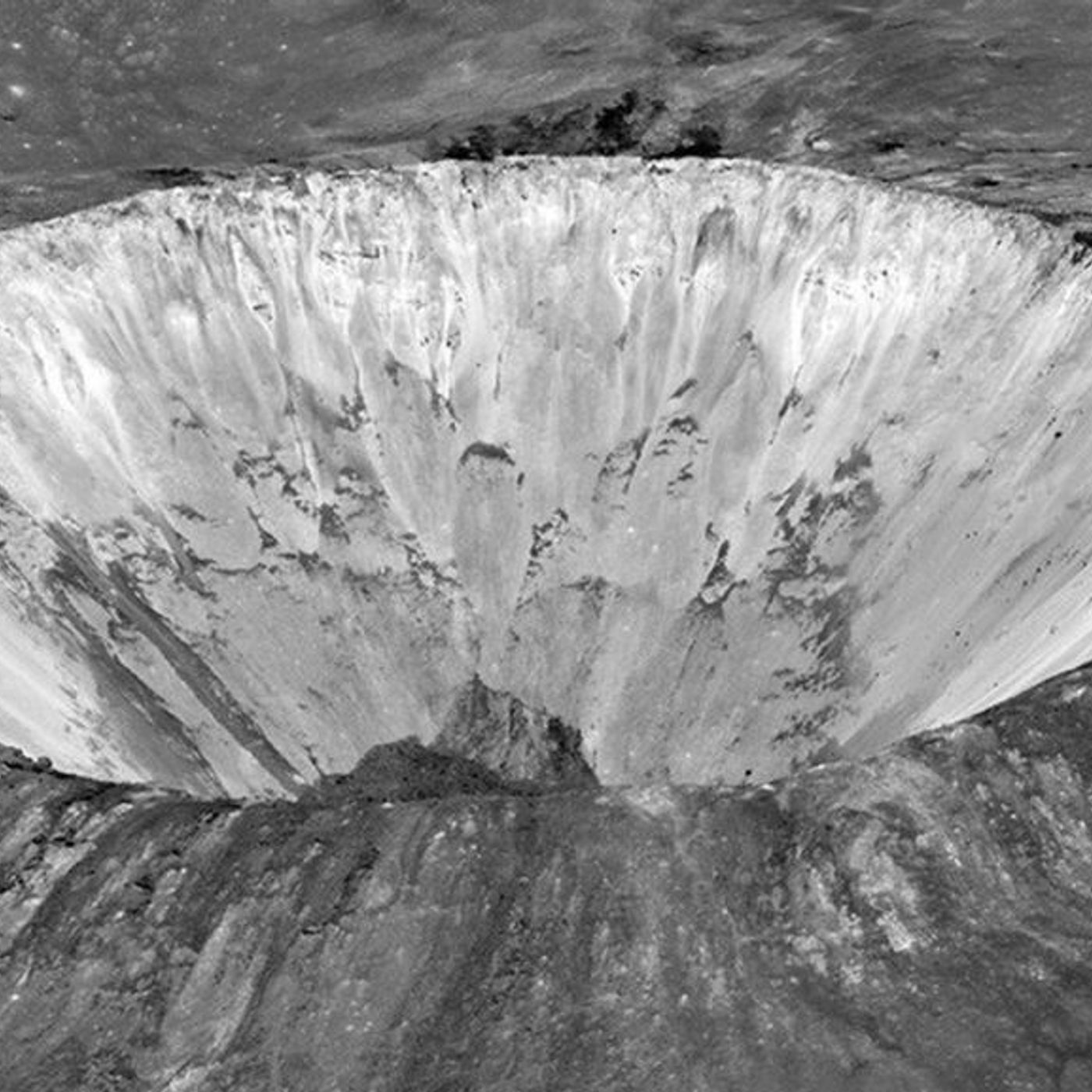
906-Pierazzo Lunar Crater
The visually stunning Lunar Crater Pierazzo, named for the late Planetary Scientist Elizabeth “Betty” Pierazzo was observed by the Artemis II Crew as they passed over the Moon’s far side. It is a 5.9 mile diameter crater with white streaks or rays which extend more than 50 miles in all directions.
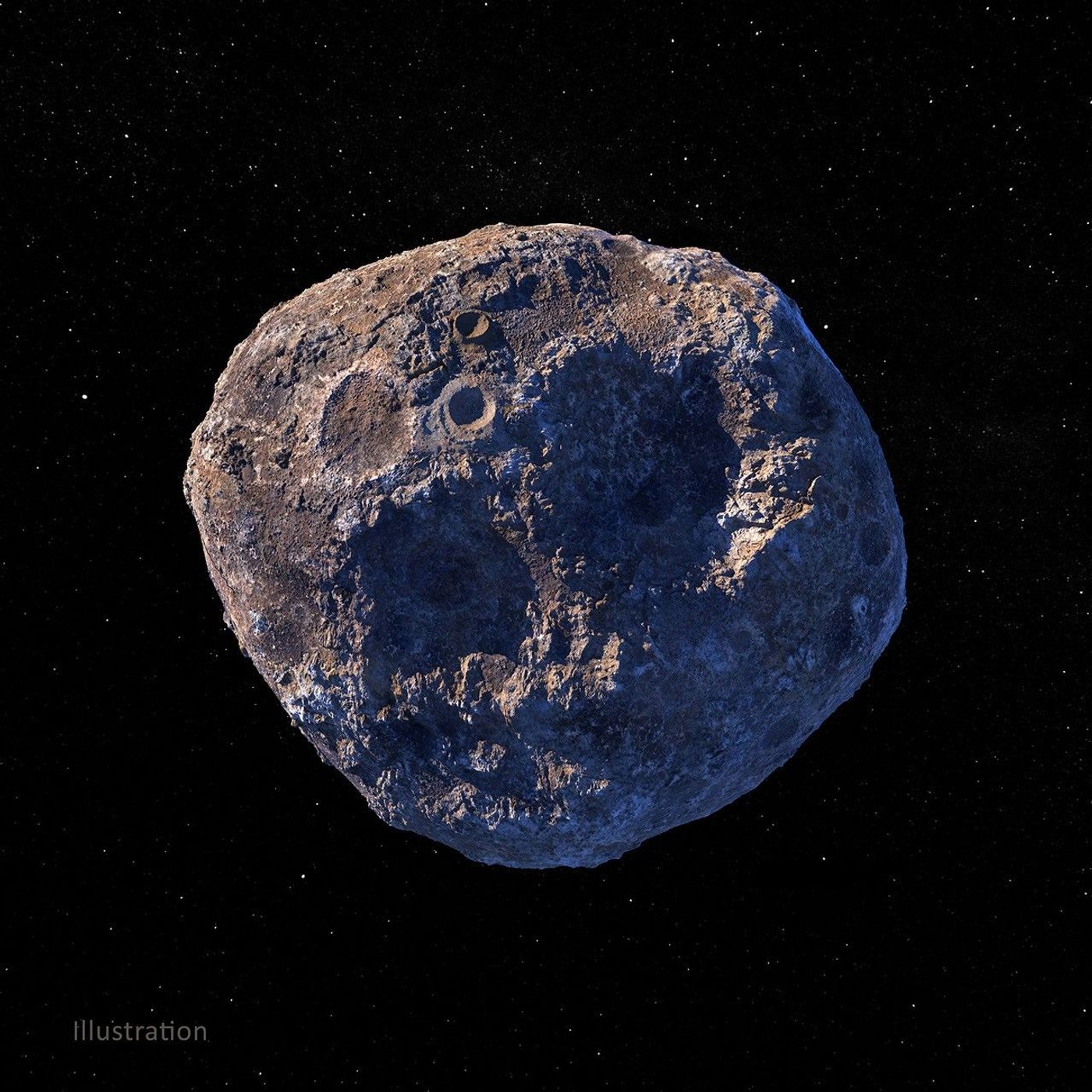
395E-436-Lonely Asteroids
Most asteroids are located in the lonely space between Mars and Jupiter where the average distance between two asteroids is about 600,000 miles. Even though there is a tremendous space between asteroids they occasionally collide and pieces of them become Earth approaching objects. Most of them remain close to the plane of the solar system, however, a few are sent on paths which take them into the
905-Hogan’s Interesting PHA
My Catalina Sky Survey teammate Josh Hogan has discovered a 2 football field diameter asteroid that was placed on NASA’s Sentry list because it has a tiny minuscule but non-zero chance of impacting our home planet. With this motivation my team the Catalina Sky Survey, the Pan STARRS group in Hawaii, the ATLAS group with telescopes Hawaii, Chile, and South Africa , the Vera C. Rubin telescope in C
394E-435-Number 31
Asteroids appear as moving points of light in an asteroid hunter's images so that when my Catalina Sky Survey teammate Alex Gibbs spotted a fuzzy moving object he immediately suspected it to be a comet. The data obtained by astronomers over the next 8 days enabled scientists at the Minor Planet Center to verify Alex's 31st comet discovery and give it the name C/2018 A6 (Gibbs). In January of 2018
904-Ohio Fireball
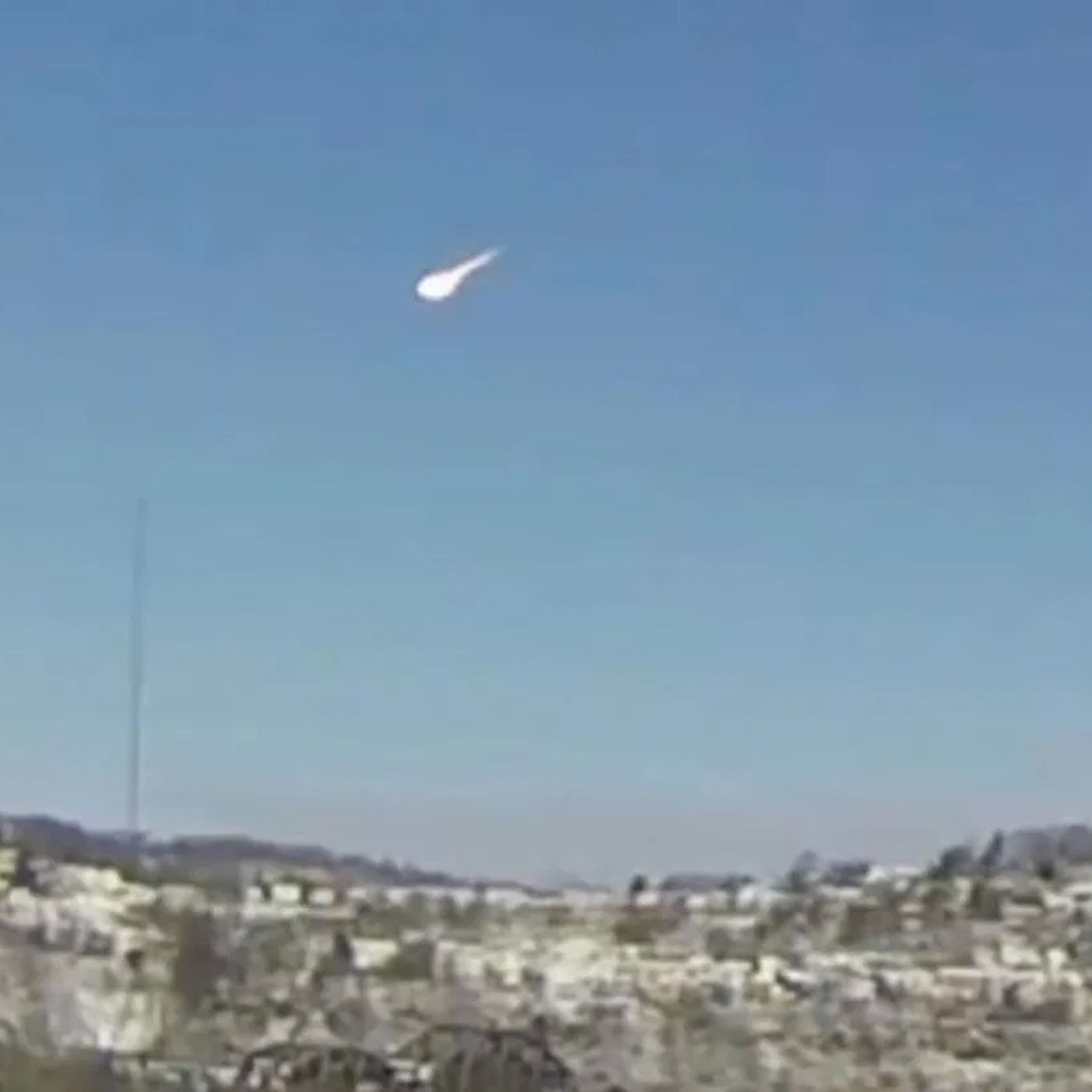
On St. Patrick’s day 2026 a fireball meteor brighter than the full moon streaked across the daytime sky. The American Meteor Society received 223 eyewitness reports from observers in 15 states, the District of Columbia, and Ontario Canada as well as 5 videos and 6 photos. NASA reported that the incoming object was approximately 6 feet in diameter, weighed about 7 tons, released the energy of 250
393E-431-Tough Space Rocks
Most small asteroids are likely to be rubble piles of small rocks and dust loosely held together by their weak force of gravity while others may be made of ices of various substances. A few are solid objects which may contain metals like iron and nickel as well as gold, silver, and platinum. As they whiz by us it is hard to tell much about them from their overall brightness and distance from us. I
903-Eclipse of the Moon Observing
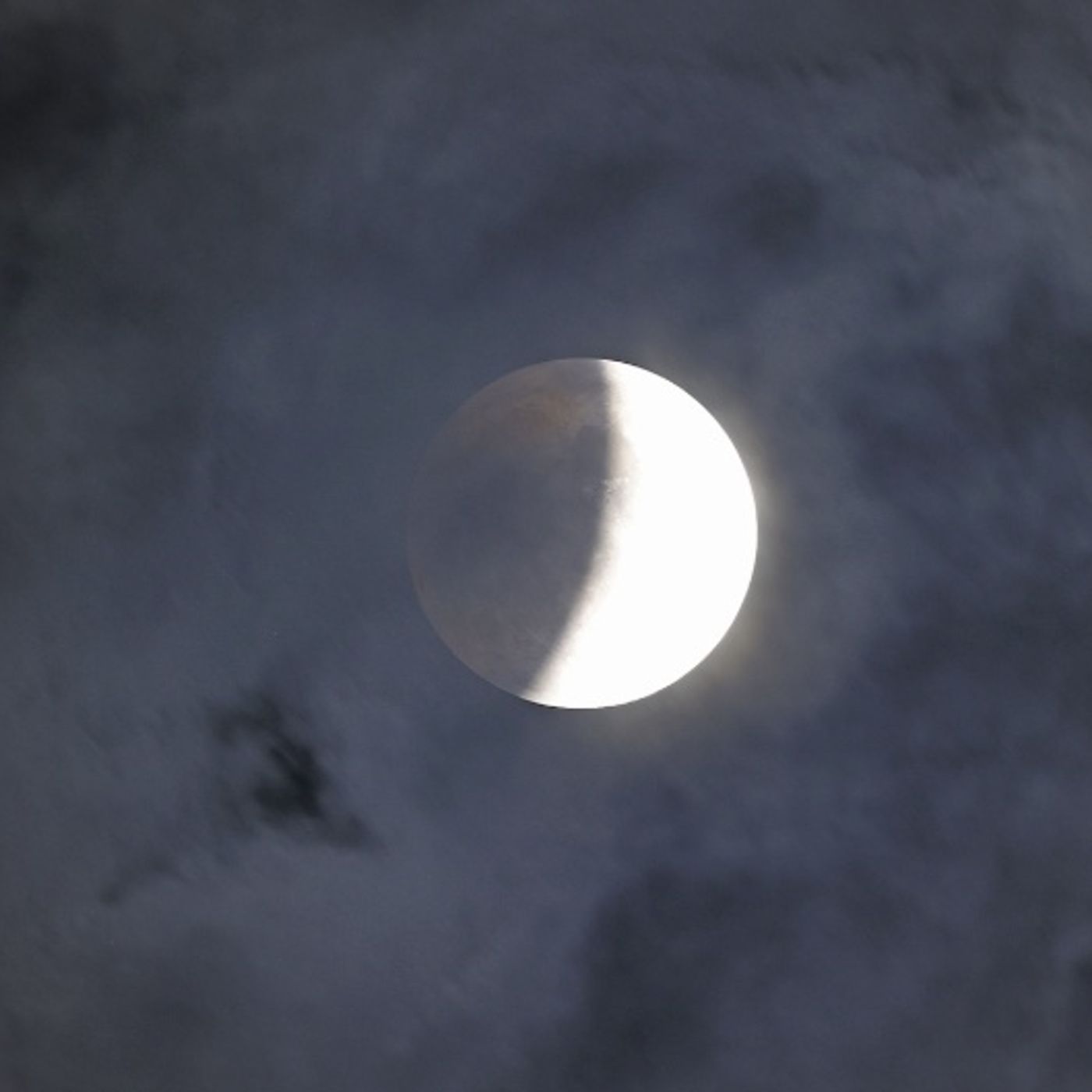
My team the Catalina Sky Survey has pioneered searching for asteroids coming from the direction of the dark side of the moon.
392E-430-Deportee
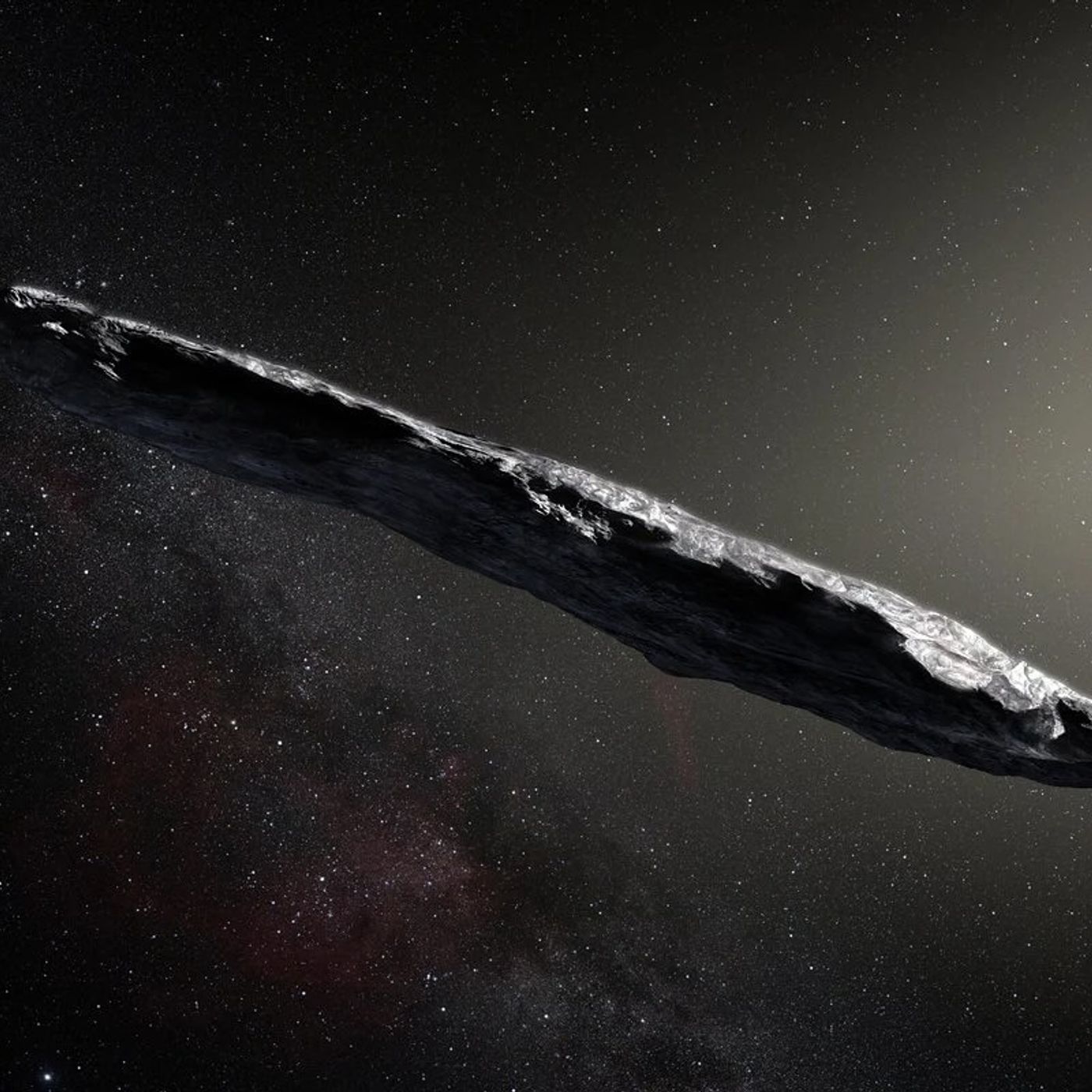
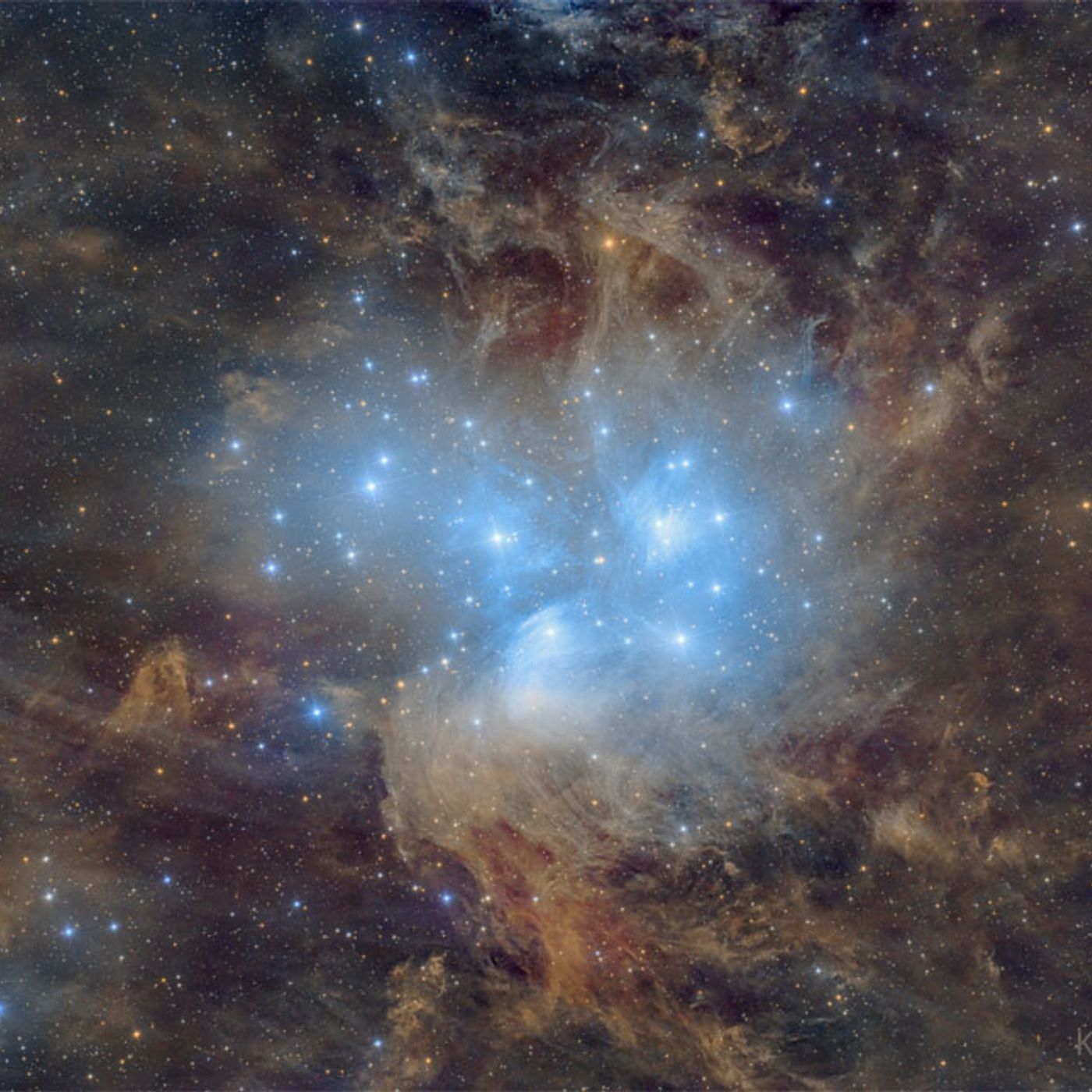
The beautiful star cluster the Pleiades in the constellation of Tauris is about 100 million years old making it one of the youngest objects that you can see in the natural night sky. Data obtained by observing Oumuamua (“Oh-moo-ah-moo-ah”), the first object humans have identified which is definitely from outside of our solar system suggests that it is an icy body with a red, rock appearing shell,

902-Lighting Up The Night
A start up company Reflect Orbital is proposing to launch 50,000 satellite mirrors by 2035 to illuminate solar panels on Earth all night long. This would be devastating for human sleep cycles, birds, insects, plants and many of the biological systems of organisms on which we all depend.
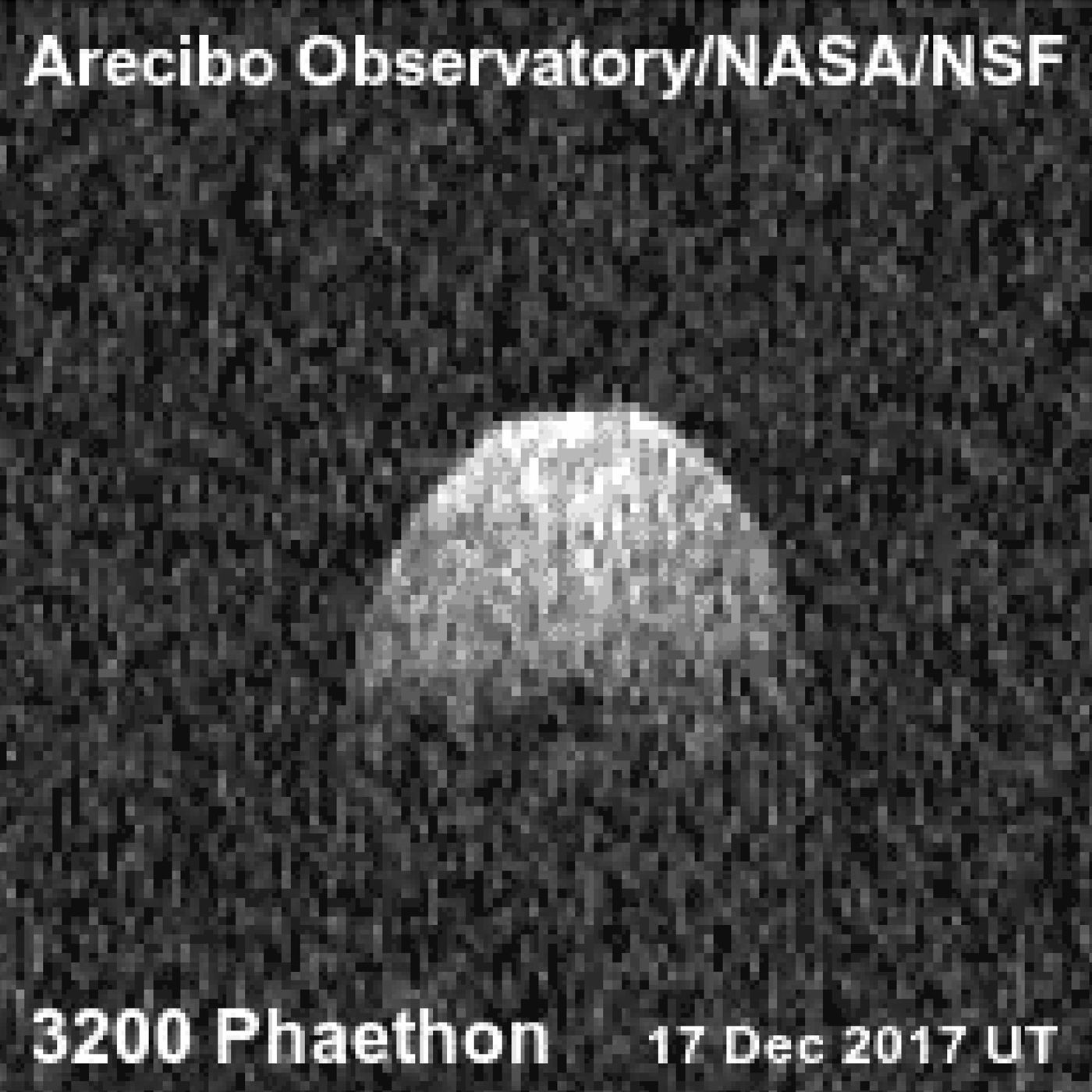
391E-428-Phaethon
The mysterious Earth approaching object Phaethon (FAY-eh-thon) does not fit neatly into our definition of either an asteroid or a comet. Further it appears to be like the Peanuts character Pigpen in that it leaves a trail of dust and other fine debris in it's wake which in the case of Phaethon produces the Geminid Meteor Shower to delight us every year around Christmas time. Phaethon is amazing in
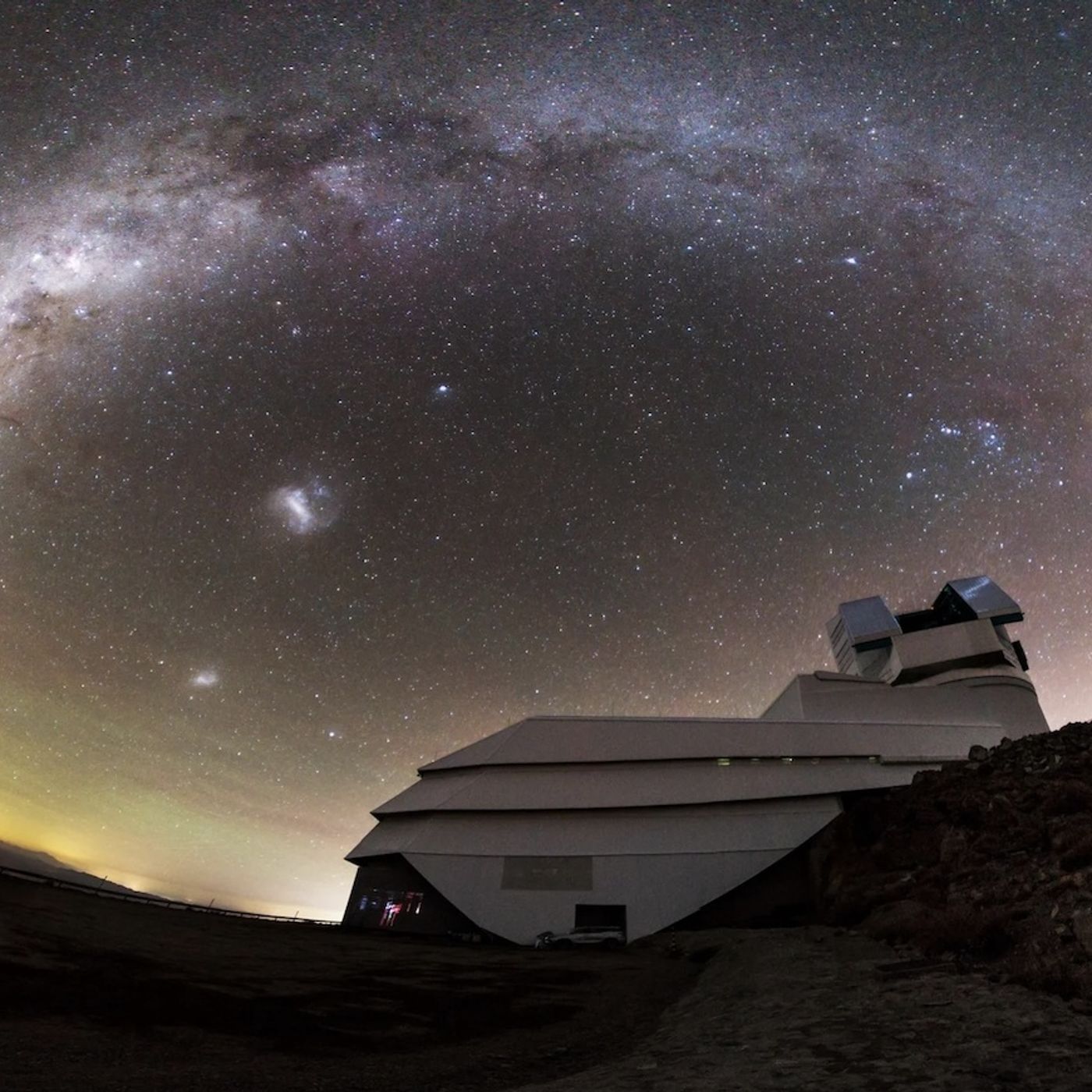
901-Rubin and Incoming Asteroids
However, according to a recent research project, the Rubin Observatory will discover but not give an adequate warning time for objects destined to hit the Earth. To provide time to take action to deflect an incoming object we will need to rely on ground based telescopes used by my Catalina Sky Survey teammates and other asteroid hunting groups as well as NASA’s NEO Surveyor satellite when it is la
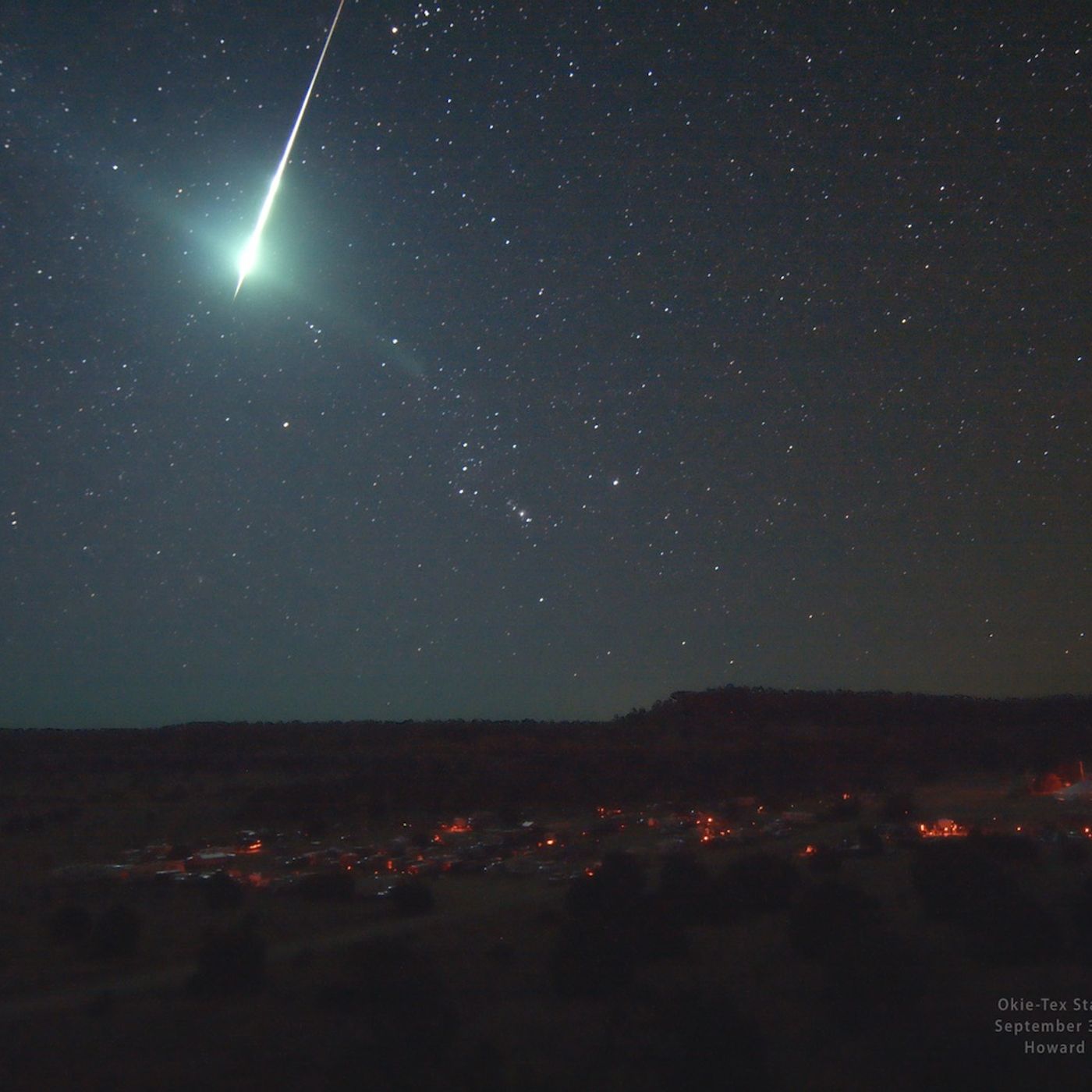
390E-427-Meteor Whispers
Often observers report hearing a percussive sound, like a sonic boom from an aircraft, minutes after viewing a bright meteor fireball. In addition, in a fewer number of instances, there are many reliable reports of observers hearing popping, hissing, and rustling sounds at the same time they are observing a very bright meteor traveling though the night sky. Professional astronomers have long dismi
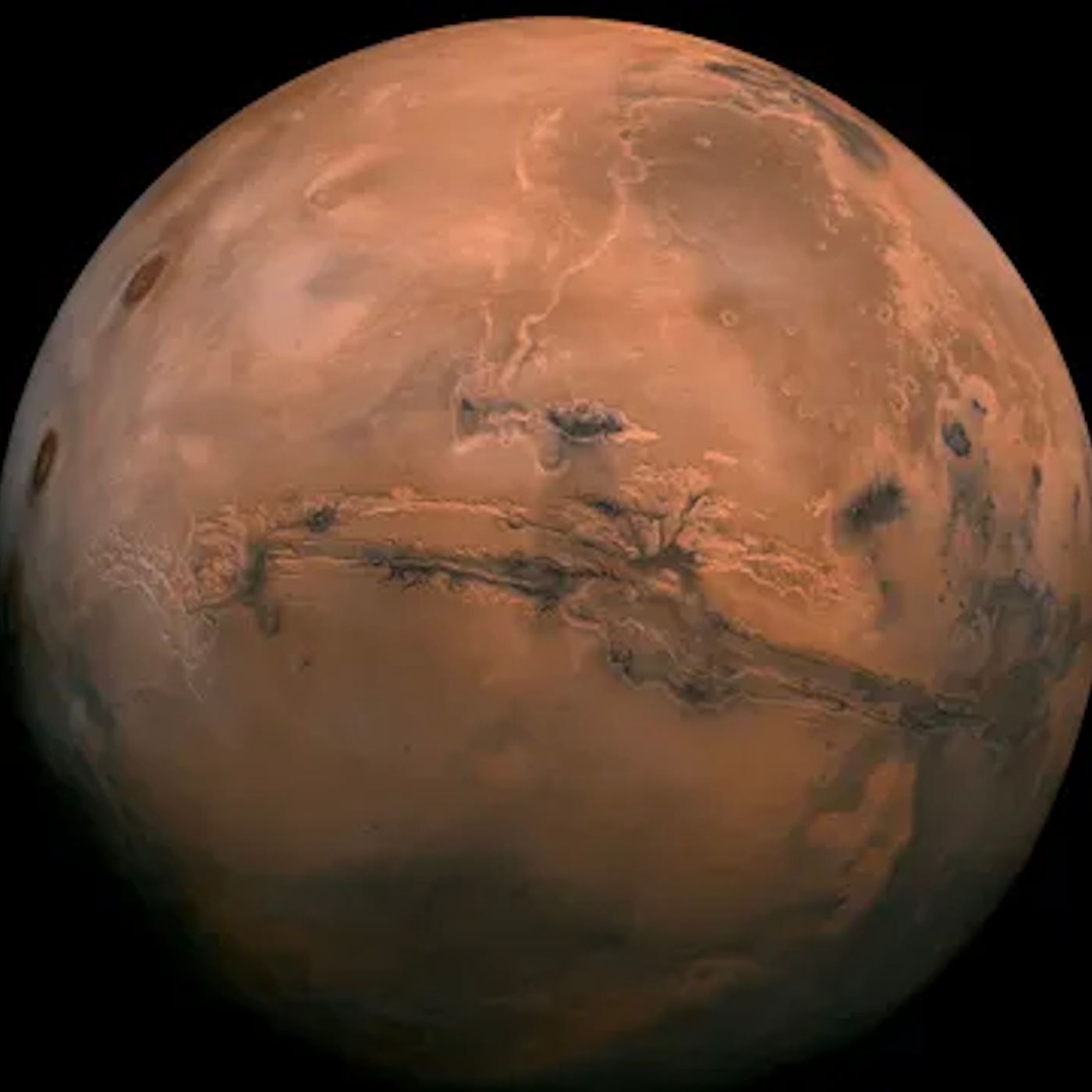
900-Earth Life from Mars
Some of the 635,000 impact craters found on Mars are the result of such violent impacts that pieces of Mars are ejected, travel around the solar system, and a few become one of the several hundred Martian meteorites which have been discovered here on Earth. An experiment is described which does not prove we are descendants of martian bacteria however it does improve our ability to protect our plan
389E-426-Rose Rules Again
389E-426-Rose Rules Again Recently my Catalina Sky Survey teammate Rose Matheny discovered 8 new Earth approaching object candidates on a single night with our Schmidt telescope on Mt. Bigelow, Arizona. One of them, 2017 YO is a mile and a half diameter, main belt asteroid, while the other 7 are interesting Earth approaching objects. Another one of Rose's single night discoveries is 2017 YM1. When
899-Hitch Hiking an Asteroid to Mars
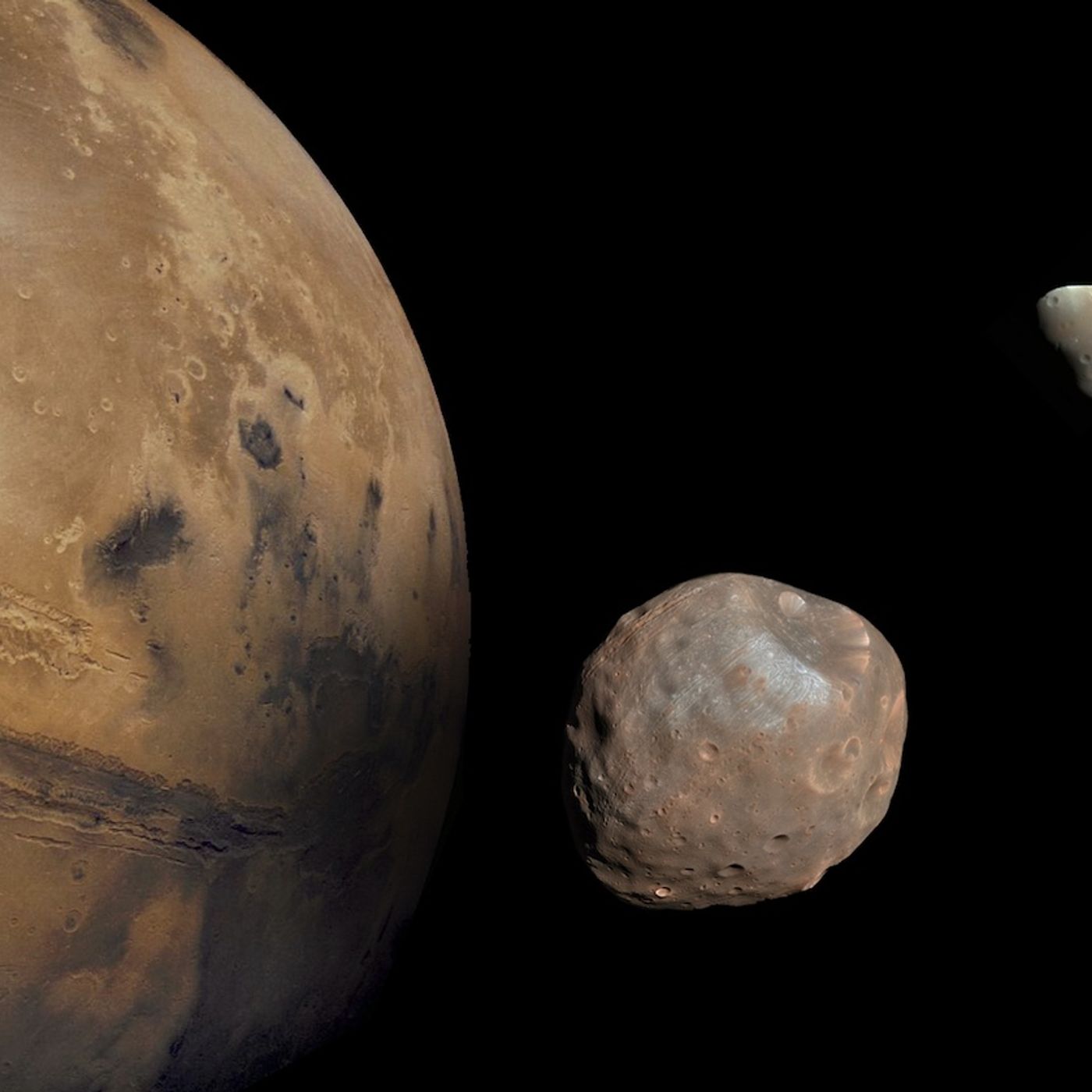
Asteroids could provide a solution for the serious problem of how to protect astronauts from harmful solar and cosmic radiation during long duration space flights and thus eliminate the need for the spacecraft itself to have heavy shielding material. The idea is for the spacecraft to spend most of the journey inside the asteroid.
388E-425-Greg's Comet
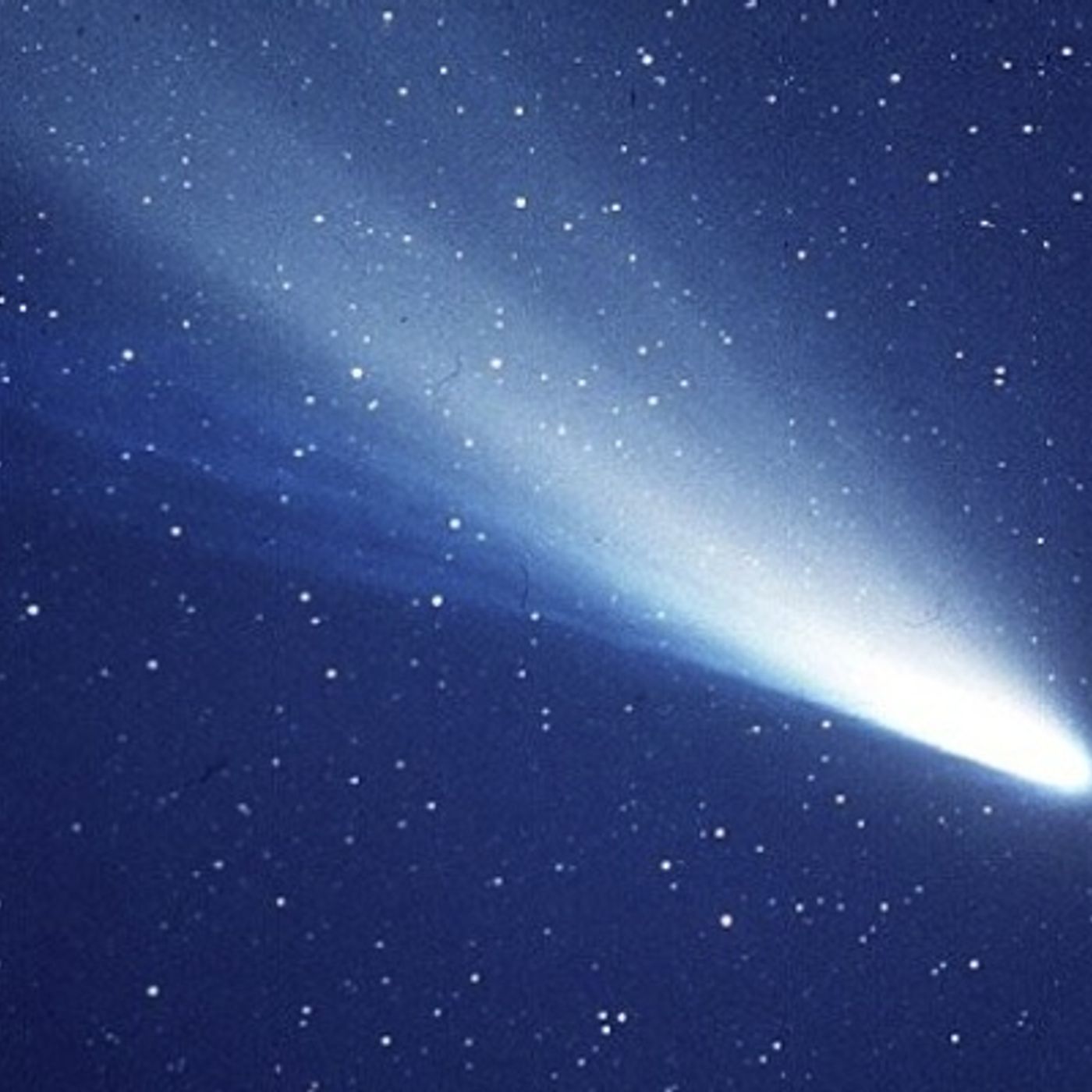
My Catalina Sky Survey teammate Greg Leonard was searching for Earth approaching objects with our 60 inch telescope on Mt. Lemmon, Arizona when he discovered an interesting new comet moving through the constellation of Leo. After Greg posted his discovery observations on the Minor Planet Center's Near Earth Confirmation Page it was observed over the next 3 weeks by 10 different observatories aroun
898-Pandora
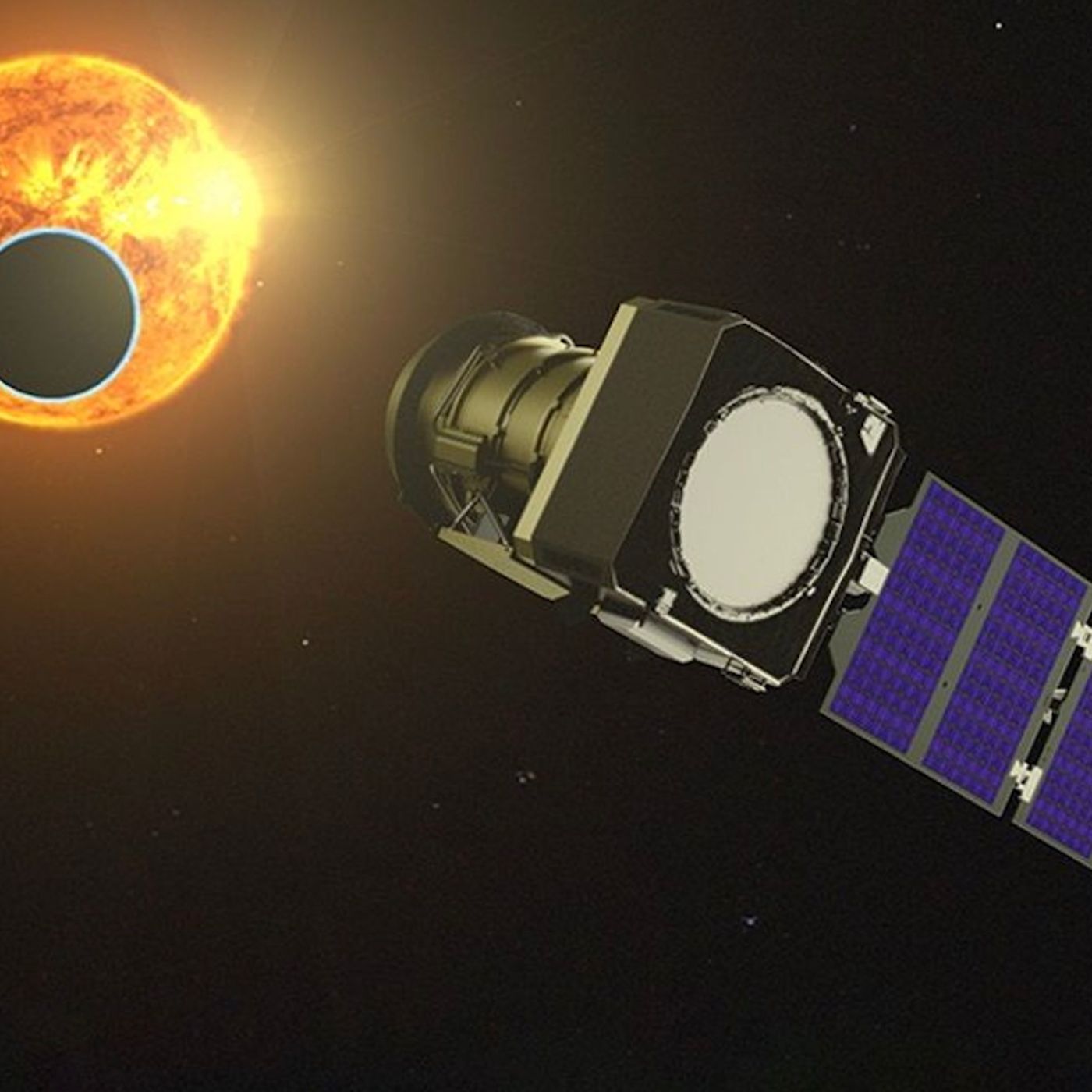
Looking into a star filled sky at a place like the Cosmic Campground International Dark Sky Sanctuary in New Mexico inspires a person to wonder if our home planet is unique in the Universe. To begin to answer this question, NASA launched the small satellite Pandora on January 11, 2026 . It is on at least a one year long mission to study the chemical composition of more than 20 planets orbiting nea
387E-424-Long Winter Nights
Winter nights can be exhausting, productive, as well as sometimes frustrating for asteroid hunters. At the Sixty Inch Telescope on Mt. Lemmon, Arizona, near winter solstice, the night's observing starts at 6:30 PM and continues till after 6 AM which combined with start up and end tasks makes the asteroid hunter's work "day" more than 13 hours long. On such a recent long winter work night, my Catal

897-Kacper's Comet
In 2007 a small icy object moving in the constellation of Ursa Minor crossed the orbit of Pluto at a speed of approximately 4.2 mi/s starting its journey towards the inner solar system. It was between the orbits of Saturn and Jupiter traveling at some 9 mi/s towards the Sun, when my Catalina Sky Survey teammate Dr. Kacper Wierzchoś discovered it on March 3, 2024, while asteroid hunting, in the con

386E-423-Silent ET
Oumuamua (“Oh-moo-ah-moo-ah”) is the asteroid that zipped by the Earth on a trajectory that started beyond our solar system in truly deep space. After rounding our Sun at 97,000 mi/hr this unusual space rock will continue onward into deep interstellar space. The fact that this reddish object's brightness changes by a factor of 10 every 7.3 hours has been interpreted as being due to an elongated ro
896-Sneaky But Potentially Dangerous
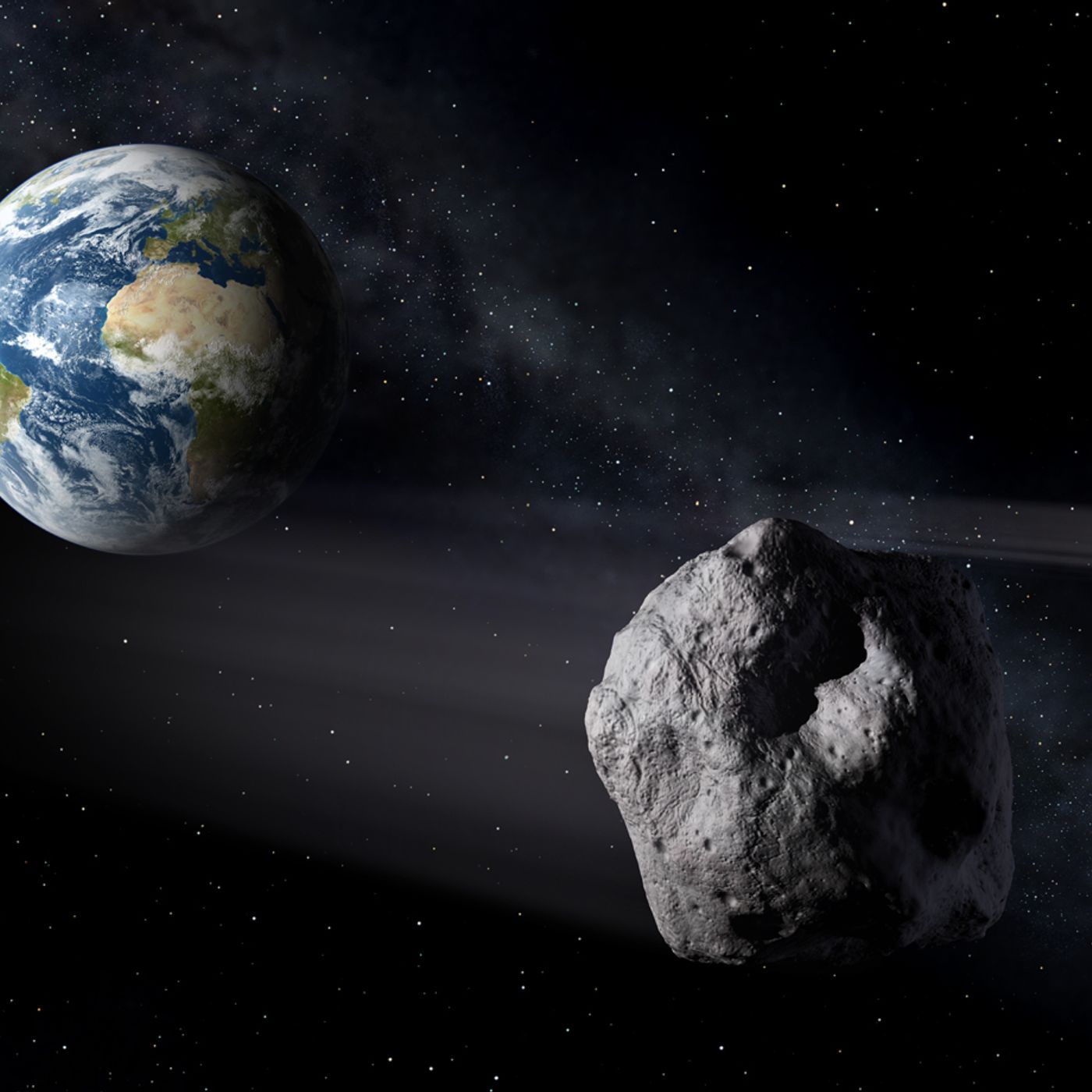
My Catalina Sky Survey teammate Greg Leonard was asteroid hunting with our 60 inch telescope on Mt. Lemmon, Arizona when he came across an unknown moving point of light in the night sky. After Greg reported his observations to the Minor Planet Center his discovery was tracked by telescopes in California, Romania, Germany, New Mexico, Arizona, Bavaria, and Japan. Astronomers used these data to calc
385E-421-New Aten
Recently my Catalina Sky Survey teammates Carson Fuls and Greg Lenoard discovered an Aten asteroid which orbits the Sun once every 272 days and on a path that crosses the orbits of Venus and Earth a number of times each year. Atens account for only about 6% of the Earth approaching asteroids that asteroid hunters discover. They are relatively dim and difficult to discover because they spend most o

895-Tracking Space Junk
According to NASA an average of one catalogued piece of space junk per day has come down to Earth over the past 50 years. Research is described which can track space junk in the atmosphere and provide the starting location and altitude for tracking clouds of environmentally problematic toxic chemical and/or nuclear contaminants released by the disintegration of reentering spacecraft.
384E-420-Dry Sands
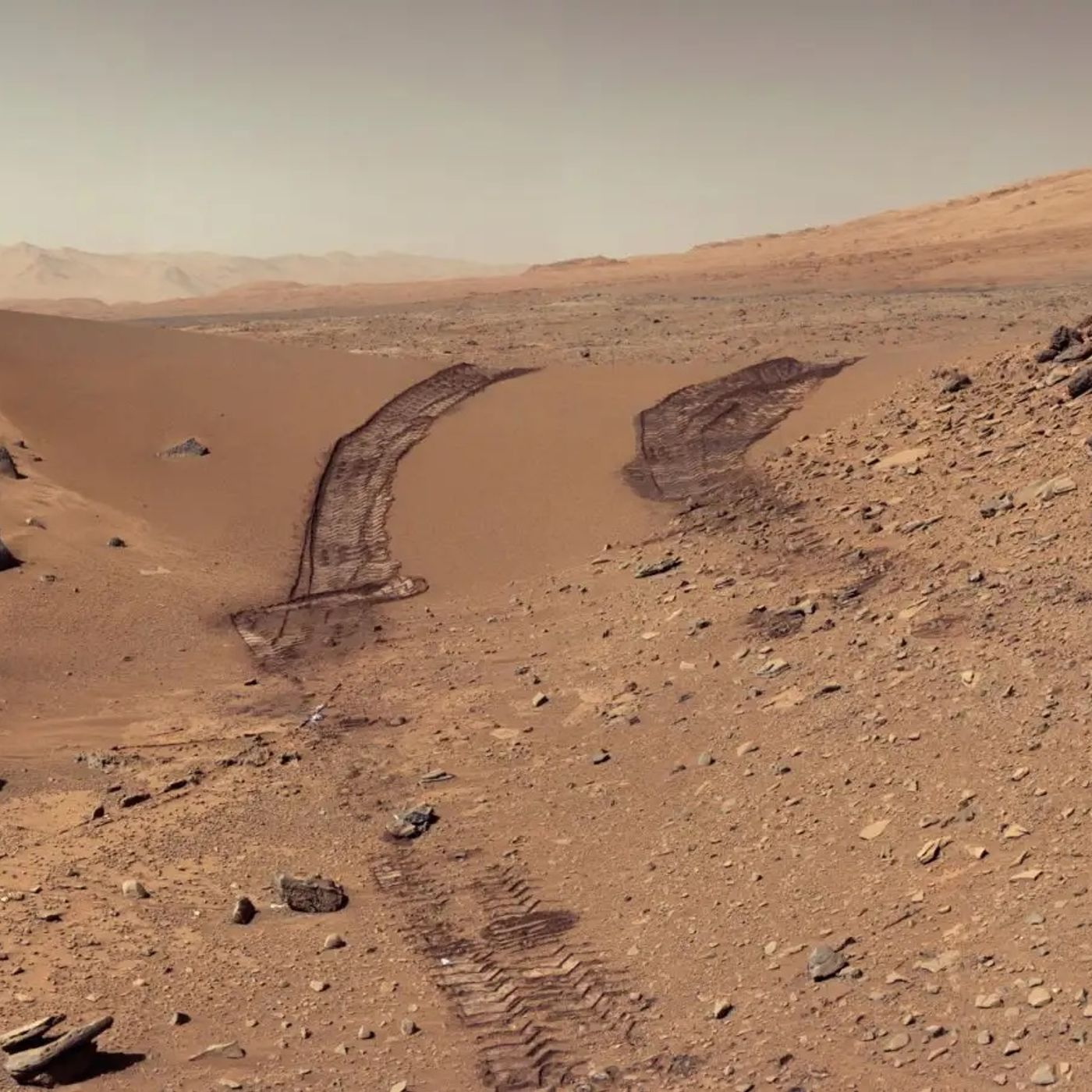
The NASA Curiosity Rover has shown us evidence of ancient rivers and bodies of liquid water on the martian surface. Given it's thin cold atmosphere, seeps of liquid water, presently on the surface of Mars which are capable of hosting microbial life appear to be unlikely. Scientists were thus surprised when high resolution imaging of the red planet's surface revealed thousands of intriguing dark st
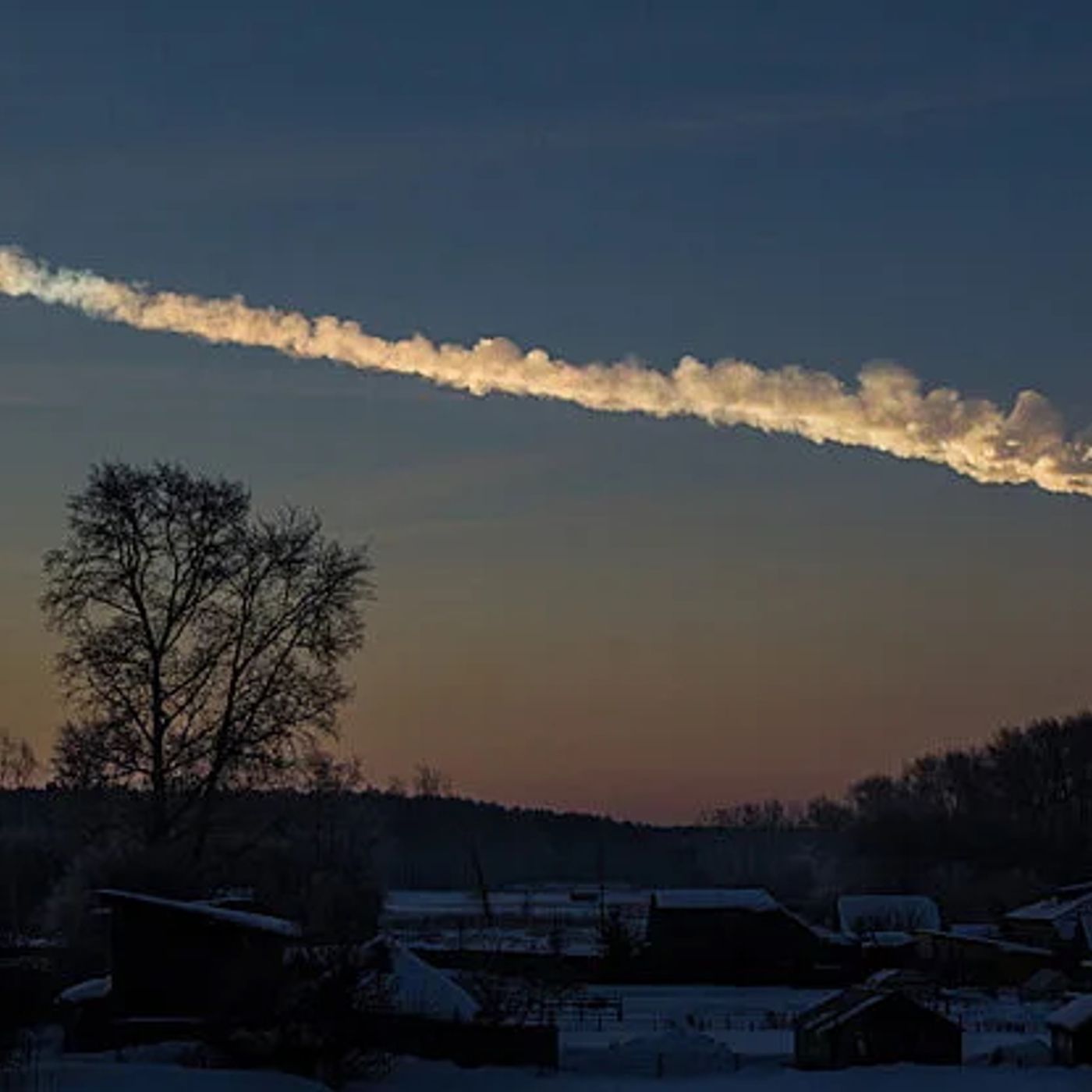
894-Discovery Night at the Schmidt
On a recent night my Catalina Sky Survey teammate Vivian Carvajal found 4 Earth approaching space rocks with our small but mighty Schmidt telescope on Mt. Bigelow, Arizona. These Earth approaching asteroids are all small with an average diameter about the width of tennis court. On their current paths none of them come closer than about 4 lunar distances from our home planet.
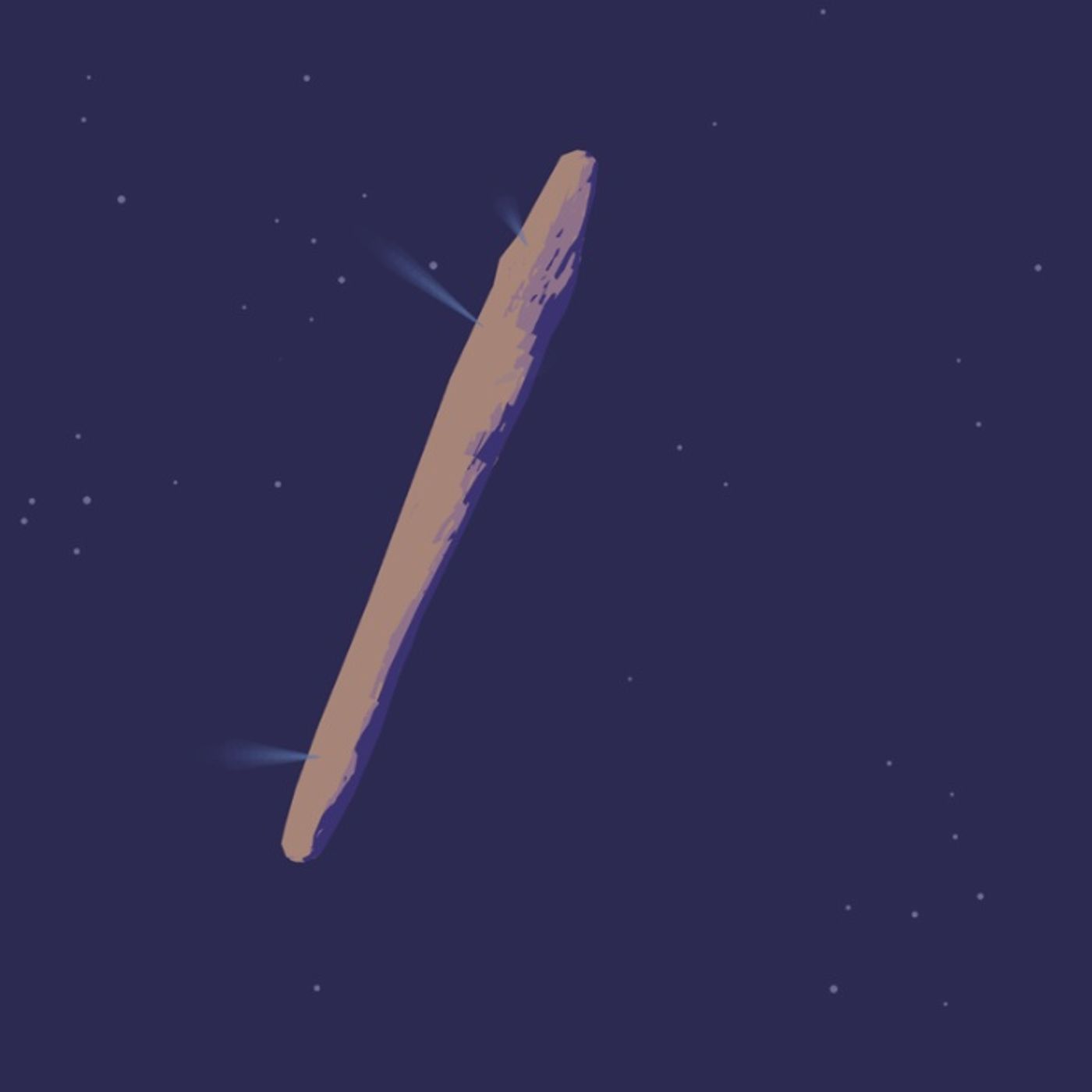
383E-419-ET's Cigar
In 2012 as it crossed the orbit of Neptune heading towards the Sun a small space rock was 250 times fainter than can be detected by the Hubble Space Telescope. Five years later, after it had rounded the Sun, it became visible in asteroid hunter's telescopes for about 16 days, as it streaked across our planet's orbit at 37 miles per second, as it continued to move away from the Sun. During that bri
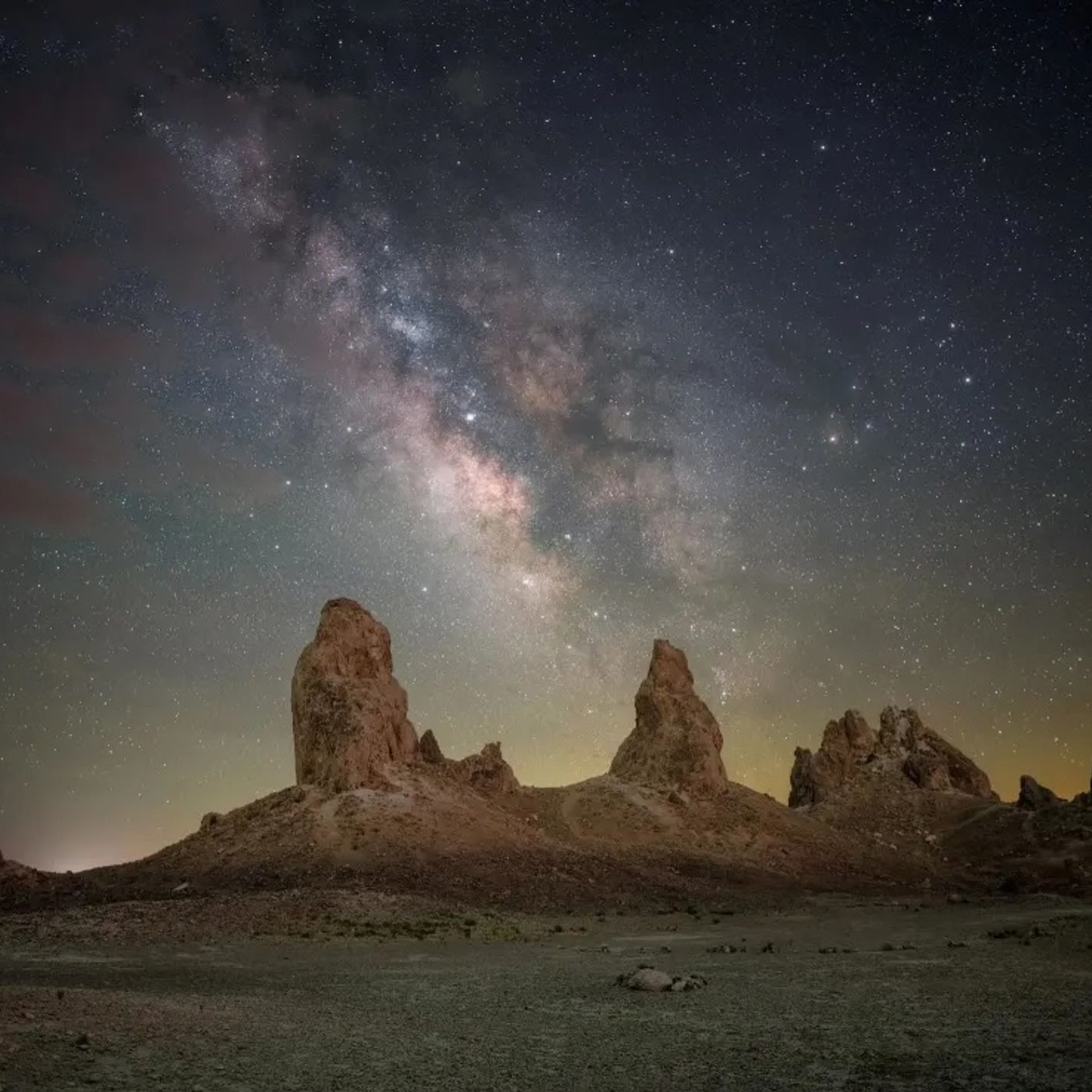
893-DarkSky Oregon
Artificial light at night also known as light pollution is degrading human safety and health as well as damaging the natural environment on which we all depend. The loss of the connection with the natural night sky has happened over the past 100 years. Restoring the natural night sky is relatively simple and can even save money. Before restoration can effectively begin it is essential to make nigh
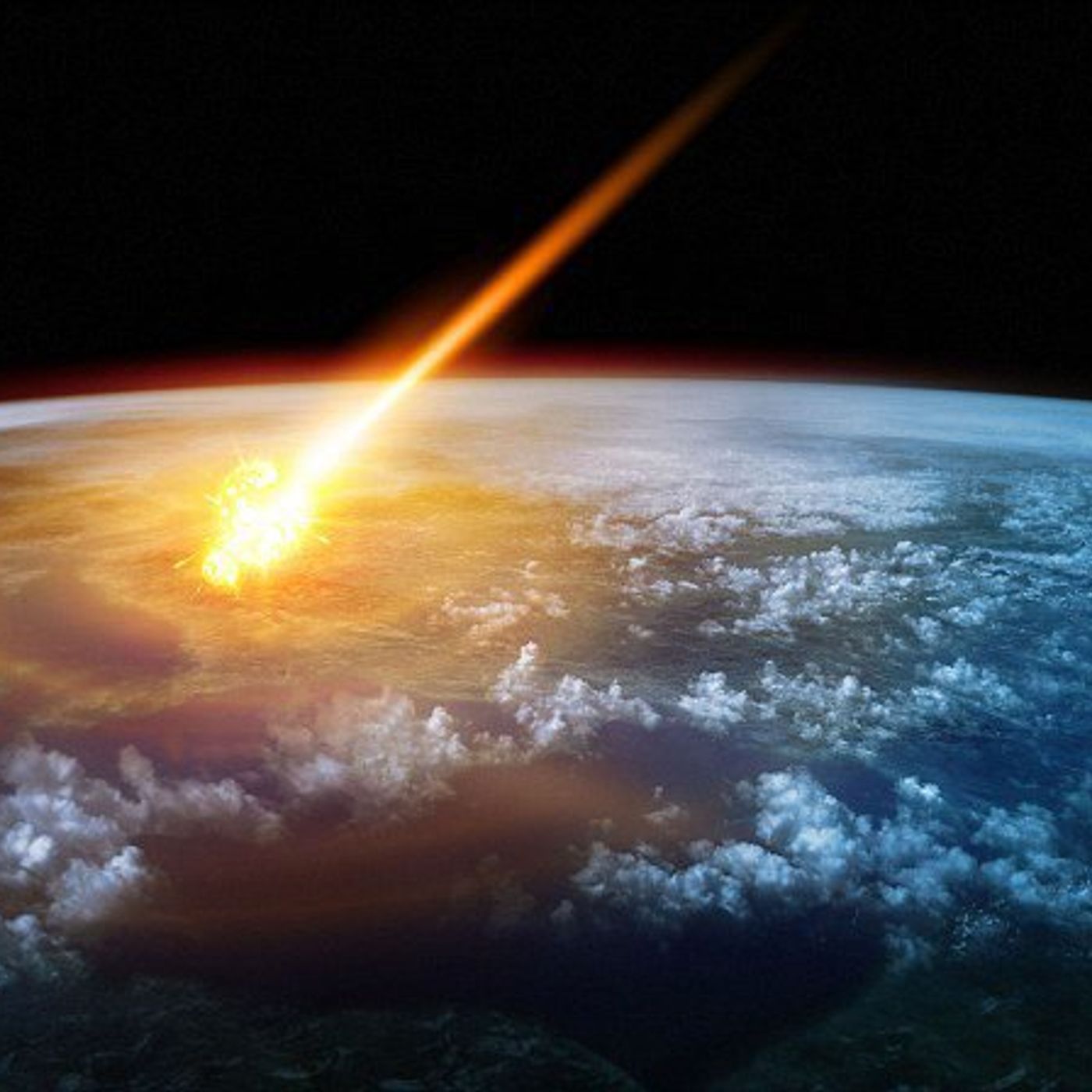
382E-418-Fireball II
Recently there were four fireball meteors, brighter than the planet Venus, which exploded over Germany, France, Ohio, and Arizona within the space of only 10 hours. A total of 1320 individuals were treated to light shows and reported their observations to the American Meteor Society. The one which exploded over Arizona was probably several feet in diameter and entered the Earth's atmosphere over F
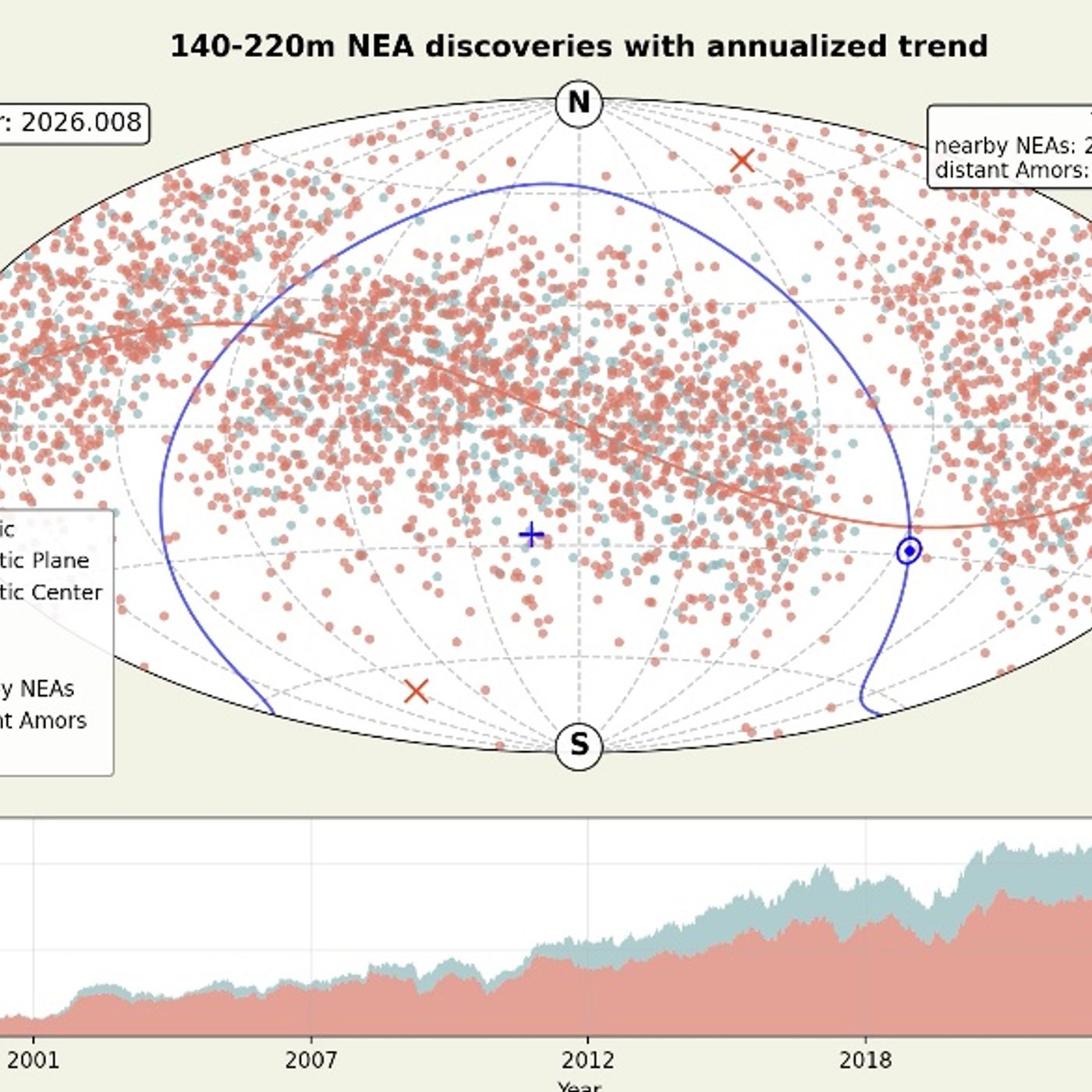
892-140m-asteroids
Humans can mitigate the damage done by the impact of an asteroid given a sufficient lead time. In 1998, the US Congress mandated NASA to detect and track 90% of the 1 km sized asteroids capable of effecting local mass destruction as well as global disruption of agriculture and other human activities. This goal has been accomplished. In 2005 Congress extended the mandate to require NASA to detect a
381E-417-Red Dwarf Planets
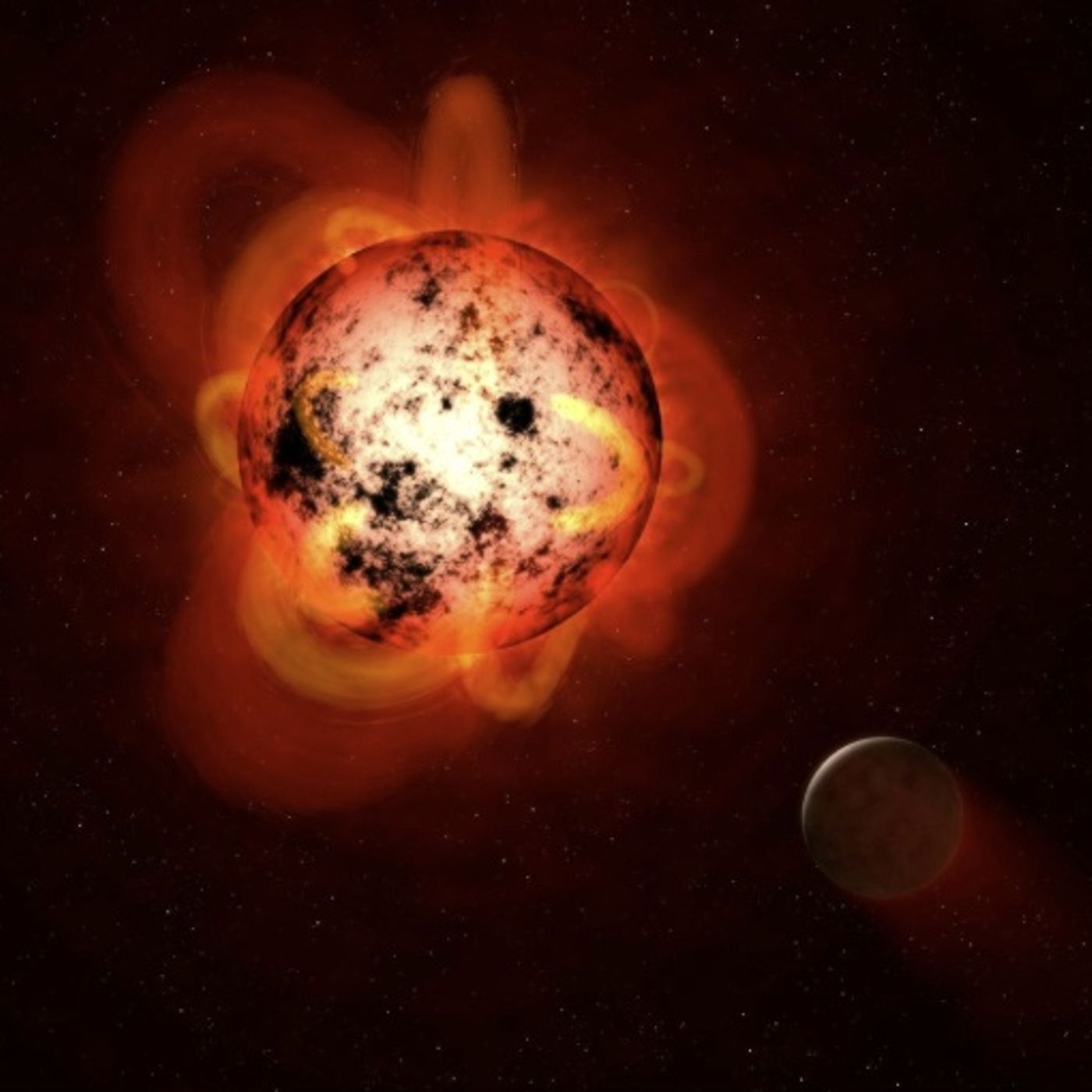
Astronomers continue to be delighted when they discover an Earth sized planet. Scientists were thus very disappointed when the red dwarf star hosting the nearest such planet, Proxima b some 4.2 light years away, turns out to have the nasty habit of emitting bursts of radiation which are likely to sterilize and/or remove the atmospheres of it's family of planets. Recently, hope of finding a nearby
891-2026-AA
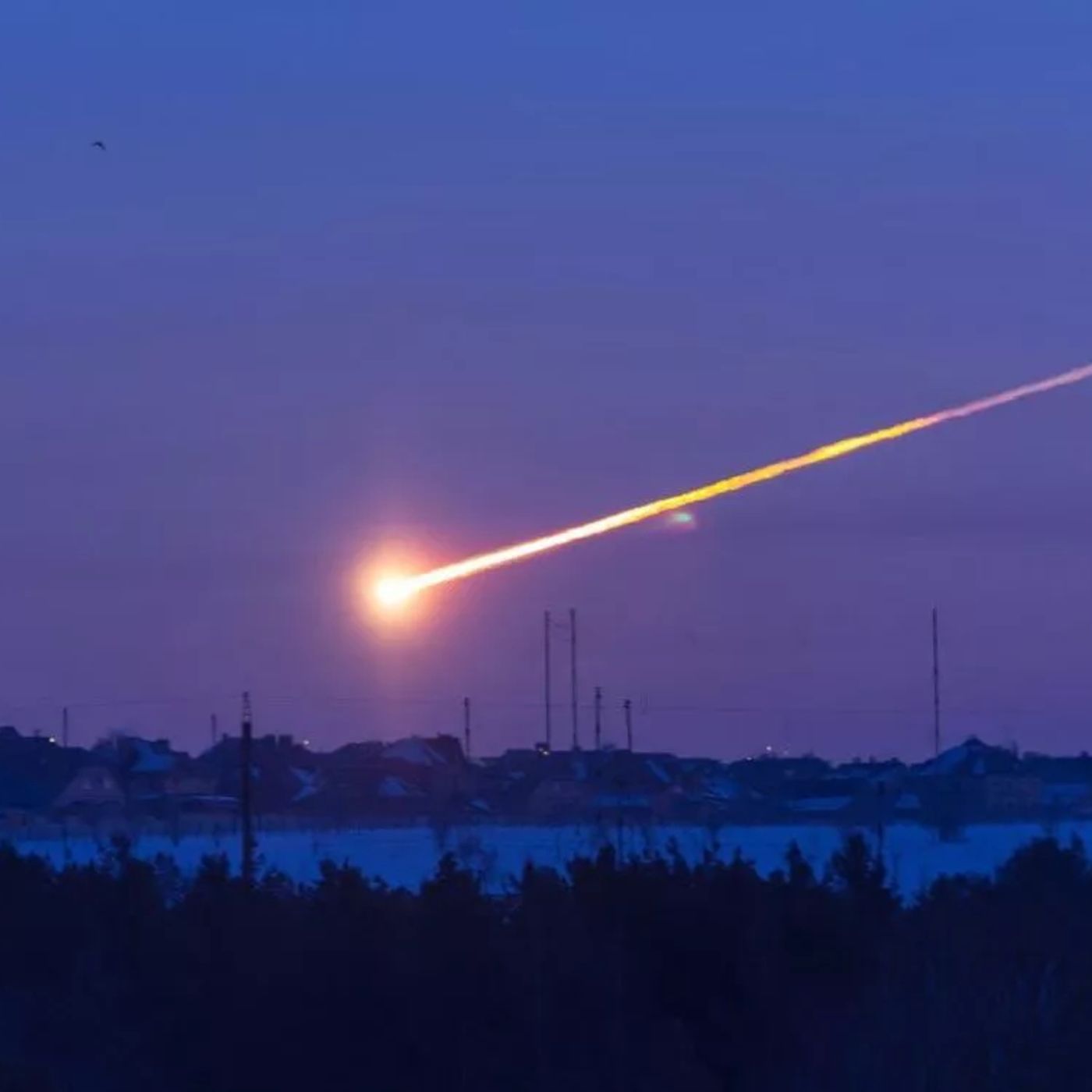
My Catalina Sky Survey teammate Tracie Beuden was observing with our Schmidt telescope on Mt. Bigelow, Arizona in the constellation of Persus when she found the first asteroid of 2026. Asteroid hunters are trying to like Tracie's discovery with our number on it far enough in advance so humans could give it a tiny nudge and make it miss Earth.
380E-416-Odd Ball
The orbits of the planets are closely aligned with the extension of the Sun's equator into space and are contained within the flattened disk of material which forms the plane solar system. Most asteroids have orbits with inclinations or tilts to the solar system's plane which are less than 20 degrees. Thus, when my Catalina Sky Survey teammate Rose Matheny discovered a small space rock which soars
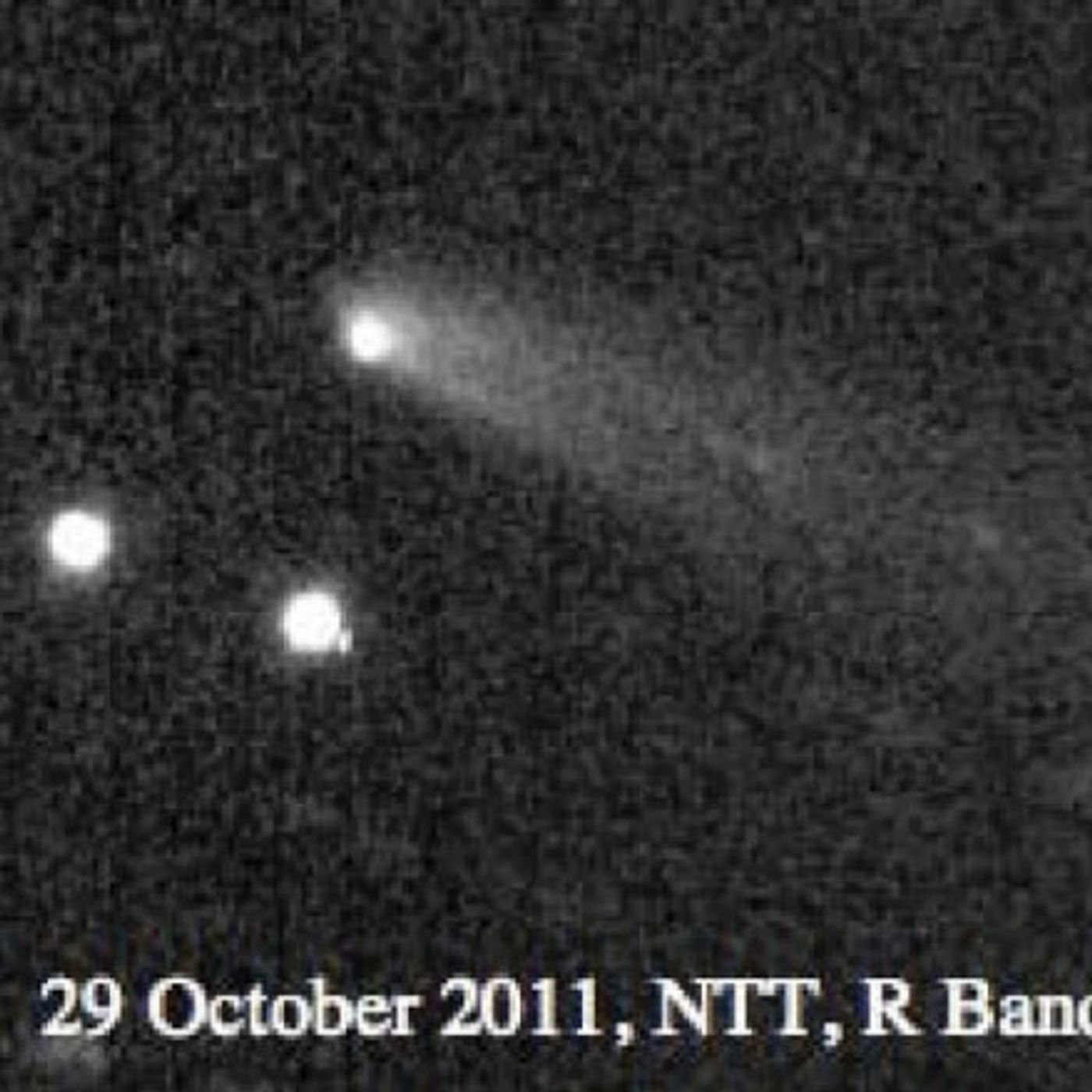
890-Comet 467P(Linear-Grauer)
Astronomers using the 8.1 m Gemini South Telescope in Chile were excited by the fact that 467P (LINEAR-Grauer)’s Centaur like orbit had been changed as the nucleus emitted rocket like bursts of gases as it was warmed by the Sun. Inert inactive asteroids orbit the Sun following the law of gravity whereas active asteroids can emit little rocket like bursts of gas which can change their path about th
379E-415-Well Done
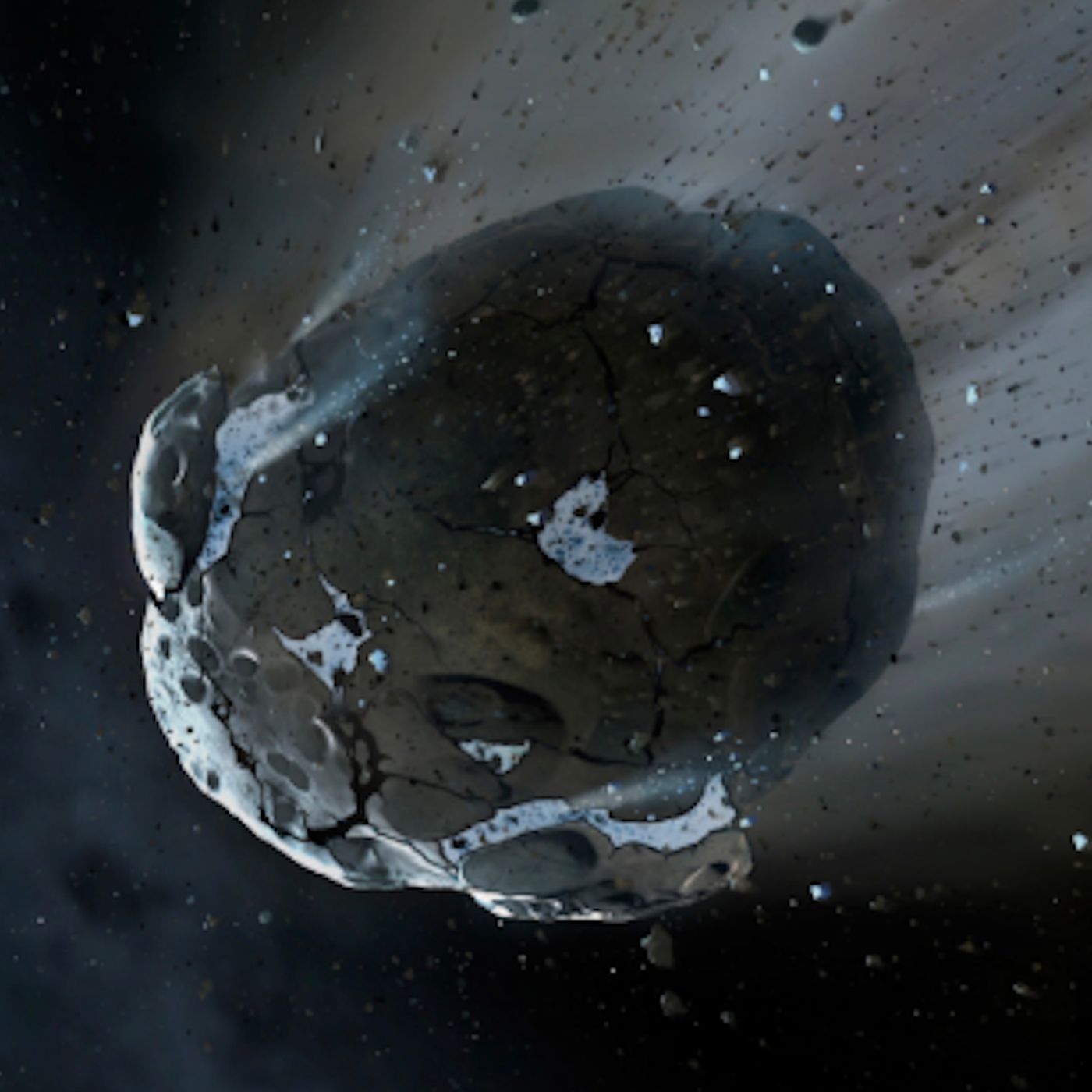
Once every 1,435 days , a 780 foot diameter space rock that my Catalina Sky Survey teammate Carson Fuls discovered makes an annihilation defying close approach to our star. At it's nearest point to the Sun, Carson's well done space rock is traveling at an amazing 93 miles per second and receives 26 times the amount of solar radiation that heats the surface of the planet Mercury to 800F. After Cars
889-Lick Observatory
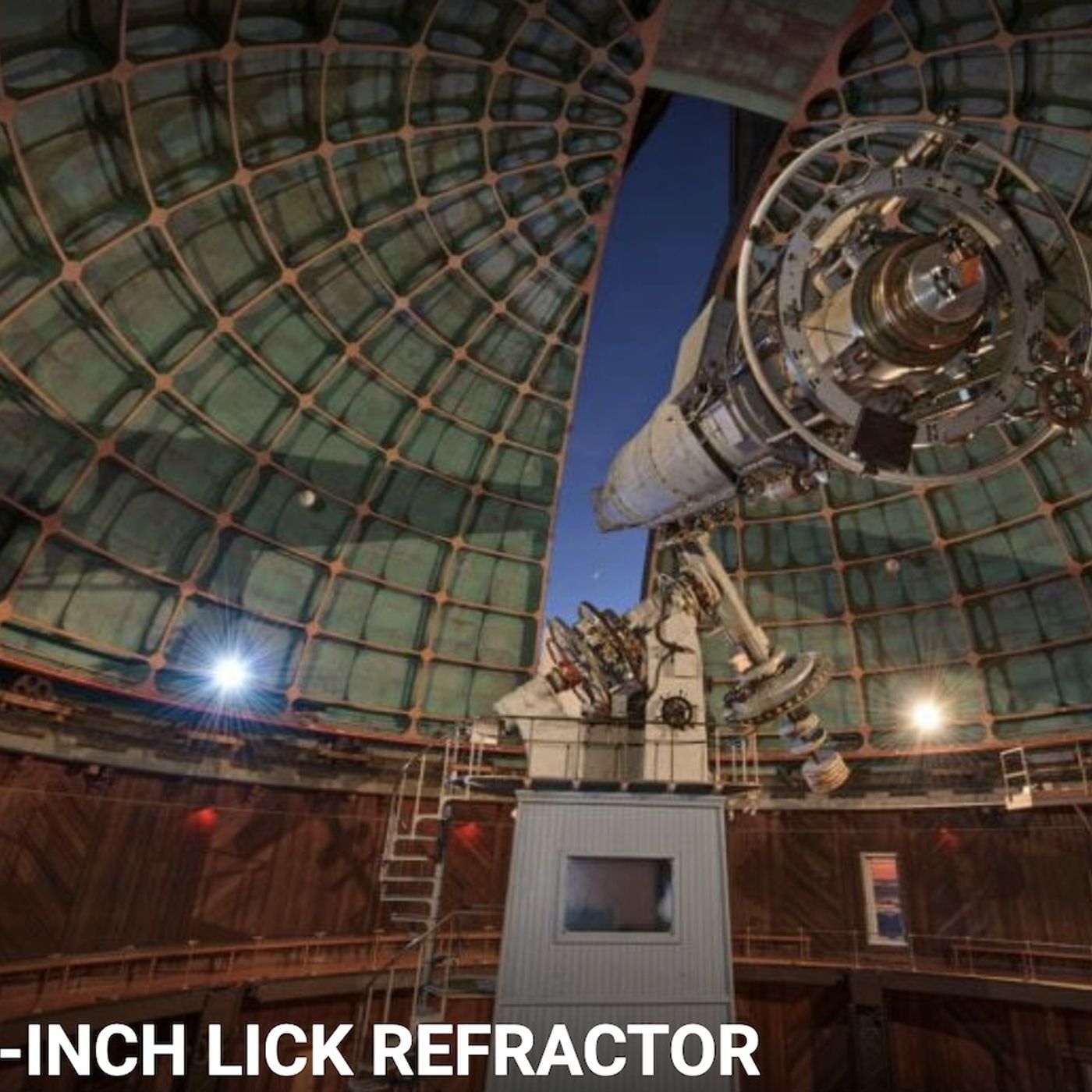
In 1892 the world’s largest telescope, the Lick Observatory’s 36 inch refracting telescope made the news when E.E. Barnard discovered, Amalthea, the 5th moon of Jupiter. In 2025 this historic telescope made the news again when on Christmas morning winds of 114 mph blew off a 3 ton piece of the shutter on its dome.The adaptive optics research pioneered at Lick Observatory helped in the creation of
378E-414-Enormous Visitor
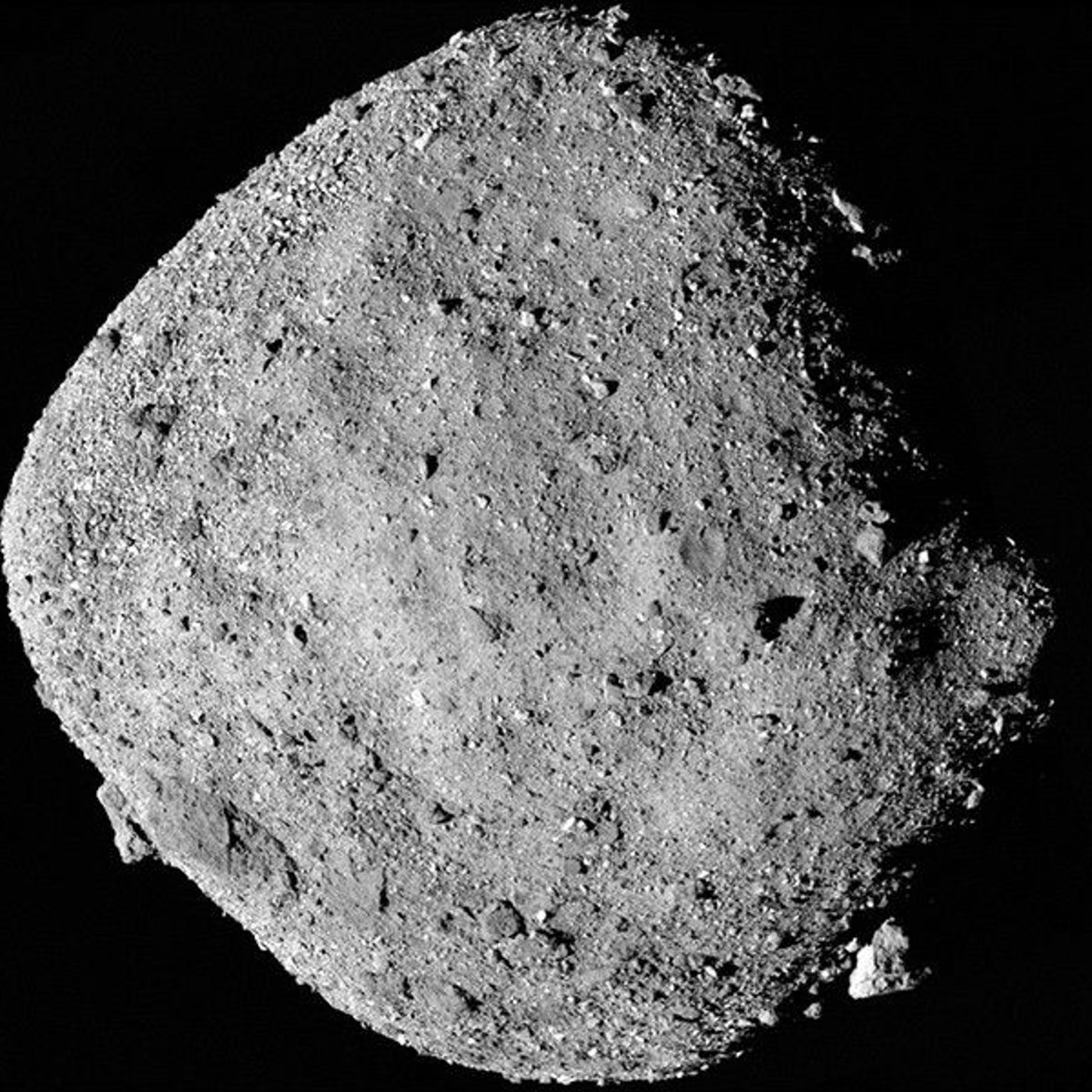
Without additional data, the true nature of the rapidly northward moving point of light my Catalina Sky Survey teammate Carson Fuls had just discovered would have remained a mystery. Fortunately, this new object was tracked by telescopes in both Arizona and New Mexico. These data were used to calculate it's orbit around the Sun, estimate it's size, and give it the name 2017 UX5. When Carson first
888-Investigating the Mystery of How Life Formed
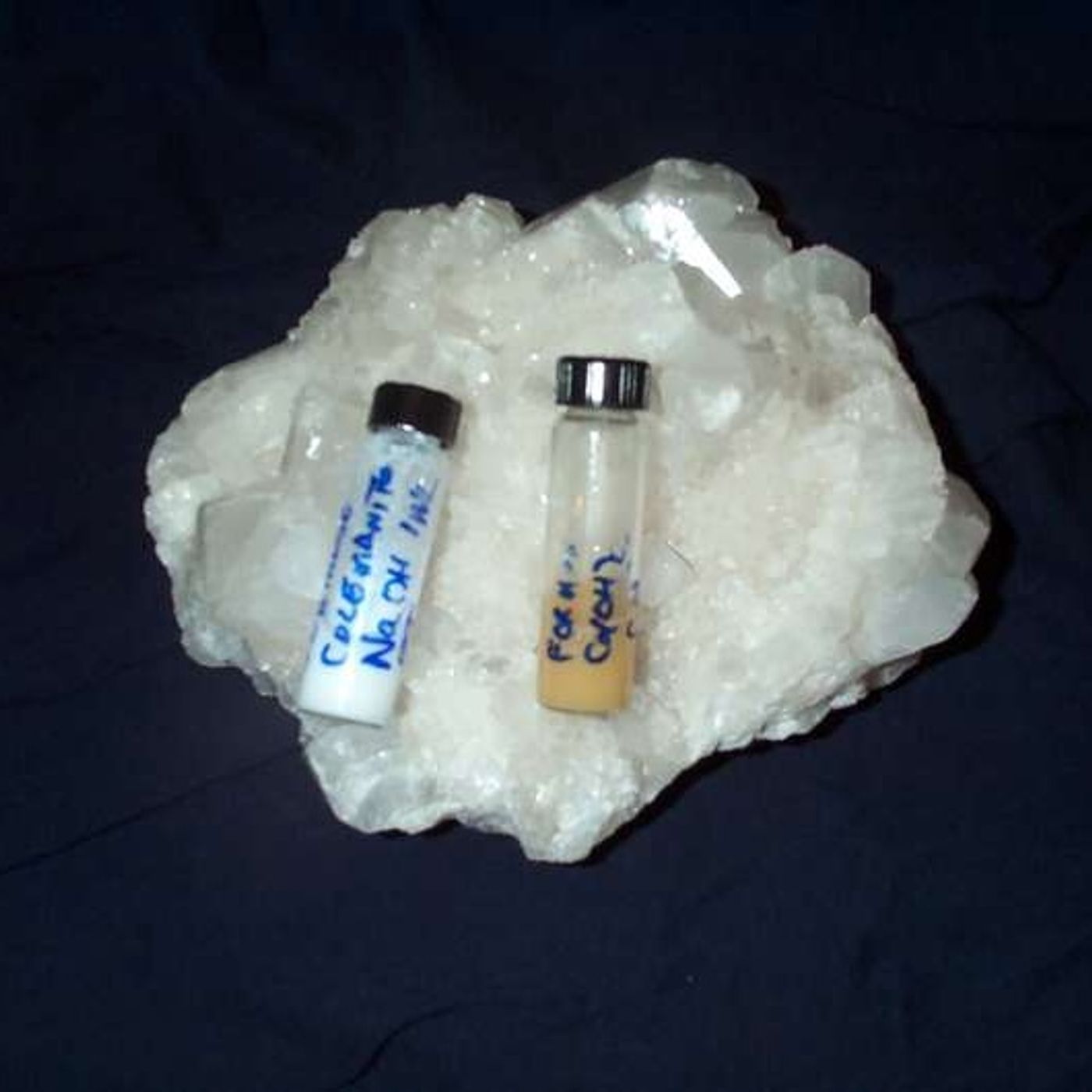
On Earth living things are everywhere from the deepest ocean depths to the highest mountain tops. On our home planet RNA (Ribonucleic Acid) is a complex essential molecule involved in the process of translating genetic information into the working components of living cells. In a recent paper in the peer reviewed scientific journal Proceedings of the National Academy of Sciences , Dr. Yuta Hirakaw
377E-413-Fission Rocket
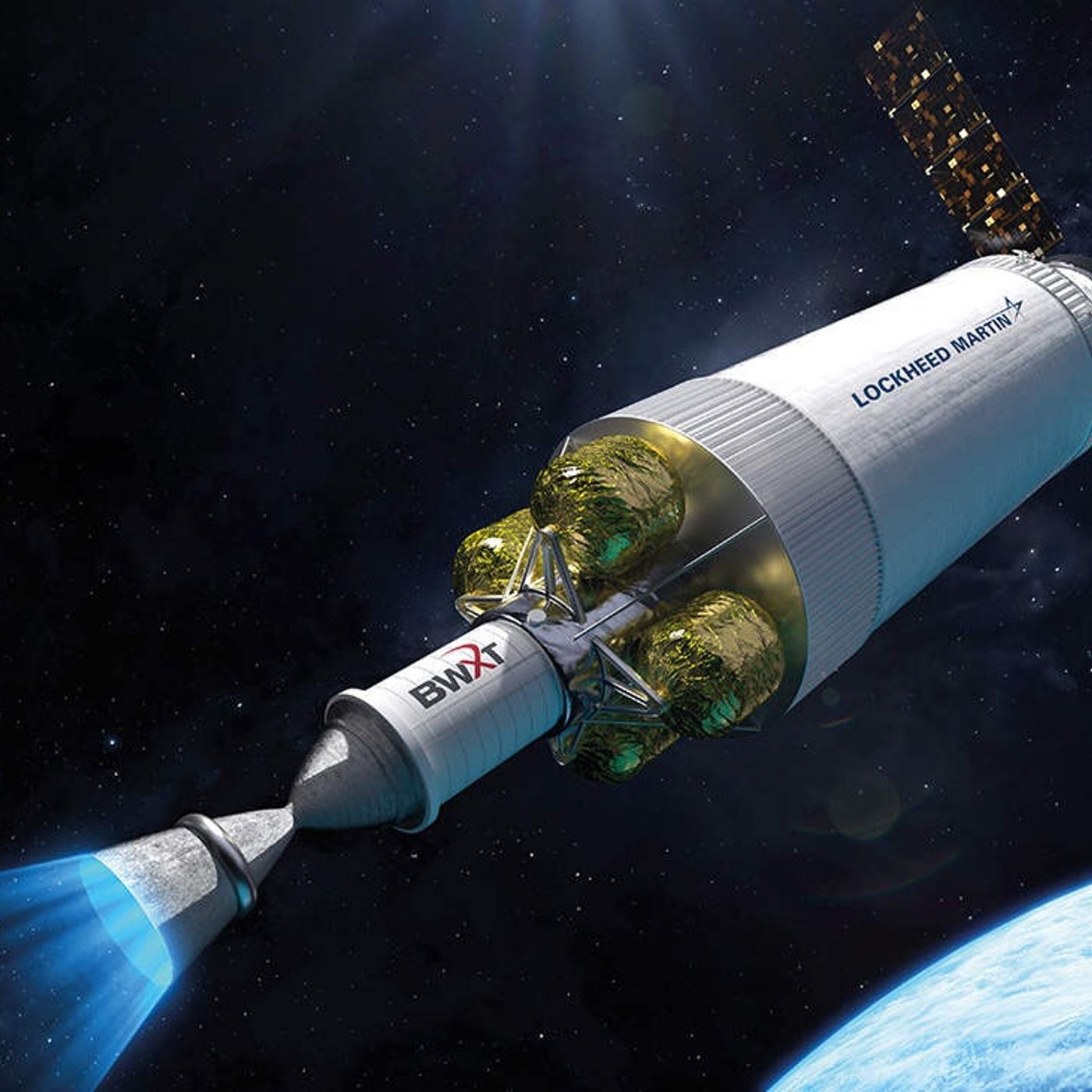
To get an idea of the energy involved in a rocket launch, the NASA Saturn V, moon rocket, fully fueled on the launch pad contained the chemical energy of 2,000 pounds of TNT. This old technology could carry us to Mars and back on missions that would last years. To cut the mission time, the risks, and the mass of supplies required for such a prolonged space mission NASA is looking at alternative me
887-Apophis Bound
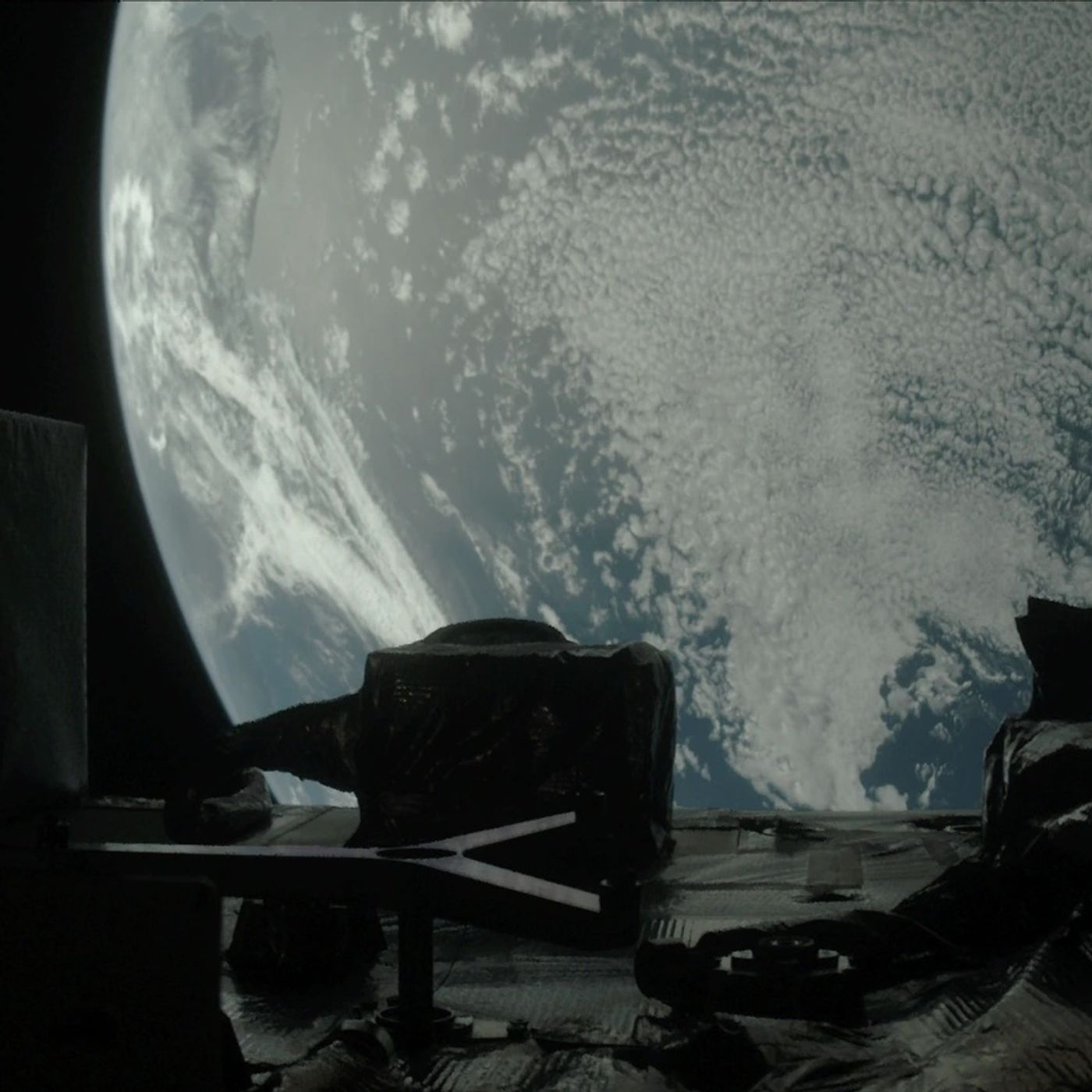
In April 2029 on one of the luckiest Friday the 13th in human history the 1500 ft by 500 ft asteroid Apophis will pass within 23,600 miles of the Earth’s surface traveling at some 4.6 mi/s. This is extremely fortunate since an Apophis impact would release the energy of scores of nuclear weapons and cause wide spread devastation. NASA's OSIRIS-APEX will become the companion of the potentially hazar
376E-412-Tiny Space Rock
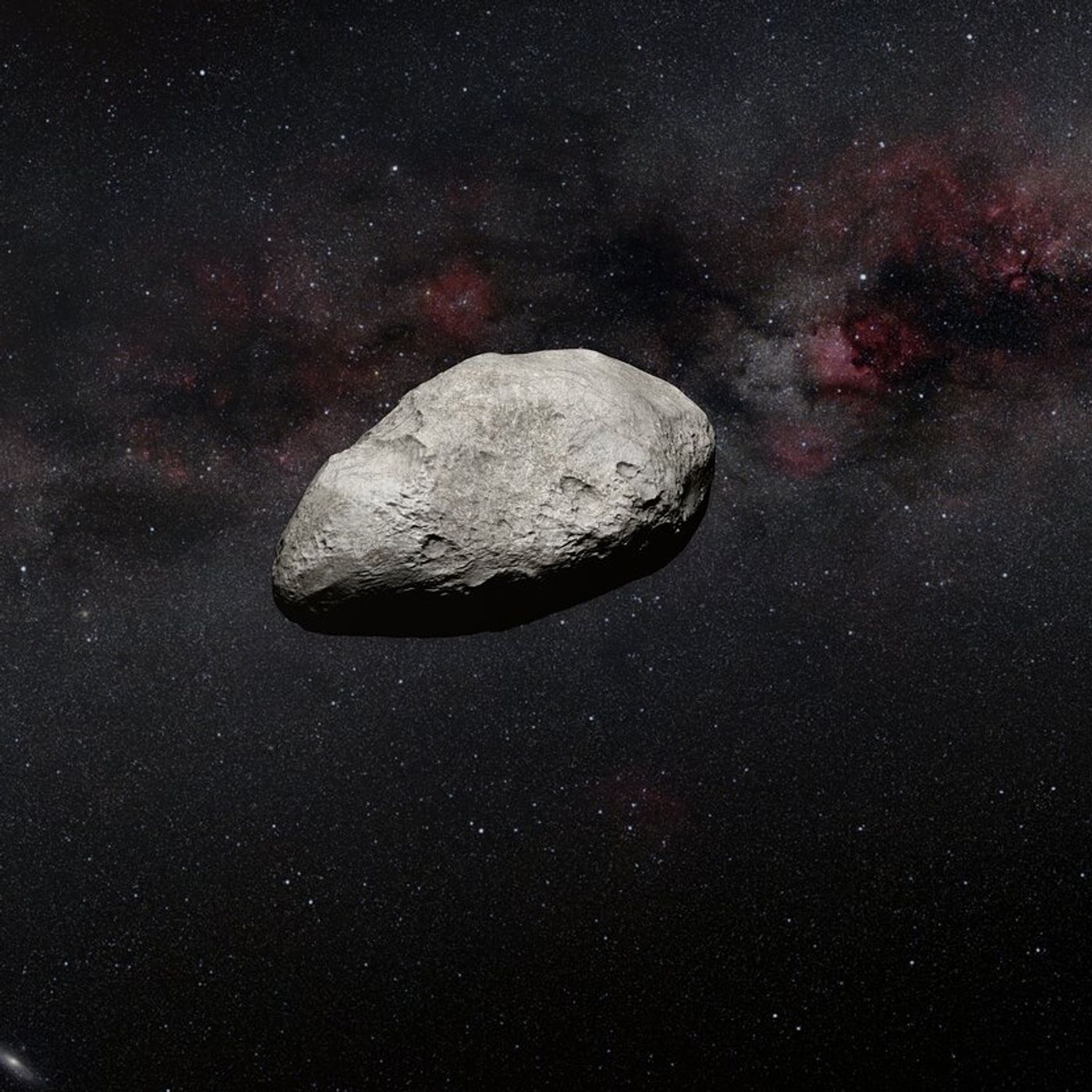
Eighteen hours before my Catalina Sky Survey teammate Rose Matheny first spotted a small space rock with our Schmidt telescope on Mt. Bigelow, Arizona it had passed less than the Earth's diameter from the surface of our planet. Rose was able to discover this Smart Car sized space rock after it moved out of the Sun's glare. At this point it was about the Moon's distance from her and was traveling a

886-Aviation&Space Weather
The Earth’s atmosphere does a good job of protecting humanity from space weather, however, occasionally a major event does break through our shield and gets our attention. Tree rings and ice cores have recorded past space weather events thousands of time larger than which have occurred in the modern age. investing in research seems wise.
375E-410-Extraterrestrial Whales
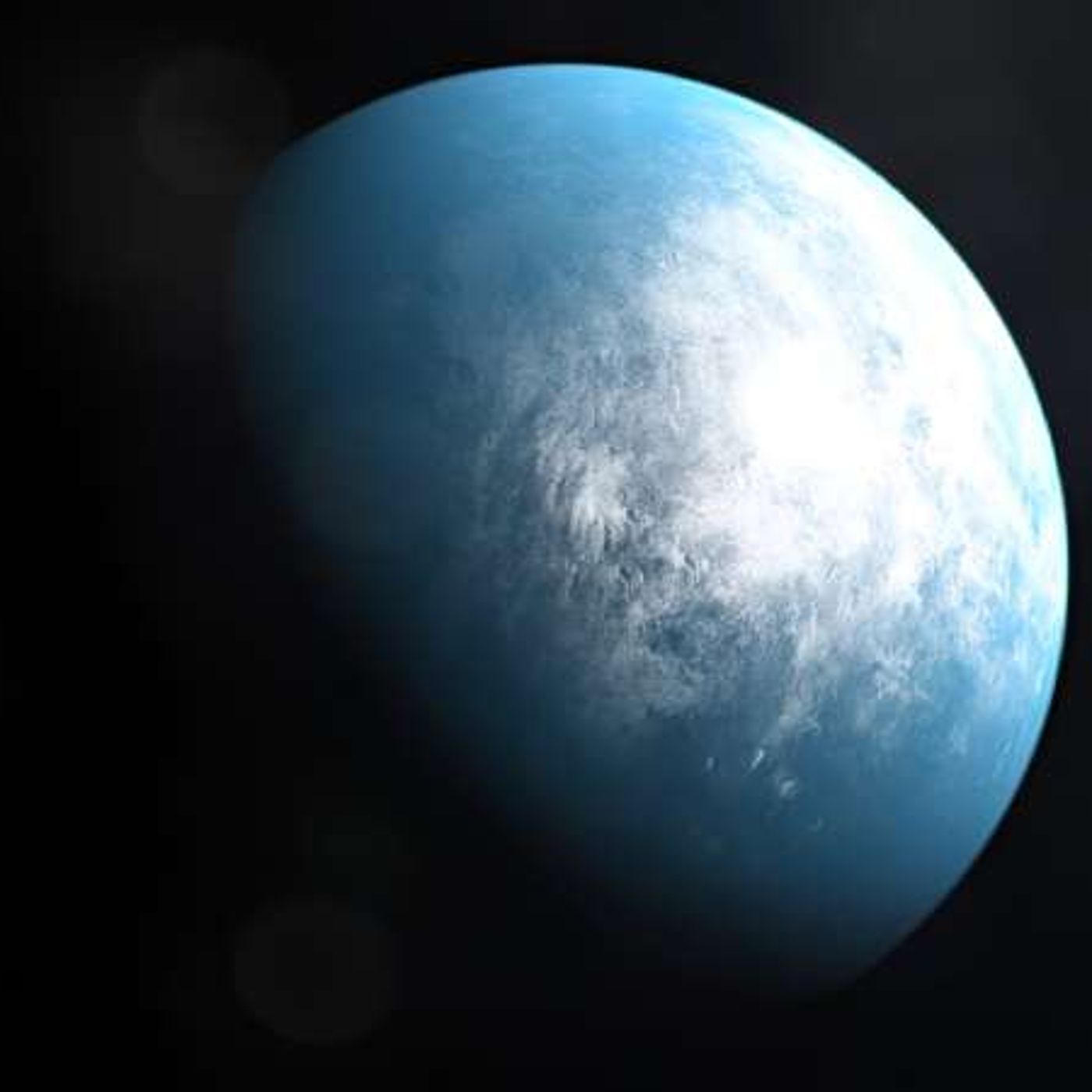
In an area which is about 1/400th of the entire sky, the NASA Kepler spacecraft has discovered 30 Earth like planets which are likely to have liquid water on their surfaces orbiting distant stars. These planets are likely to represent a tiny sample of the habitable planets which exist in the Milky Way. In spite of our efforts to find them, the question remains where are the alien civilizations? In
885-Dark Sky Network
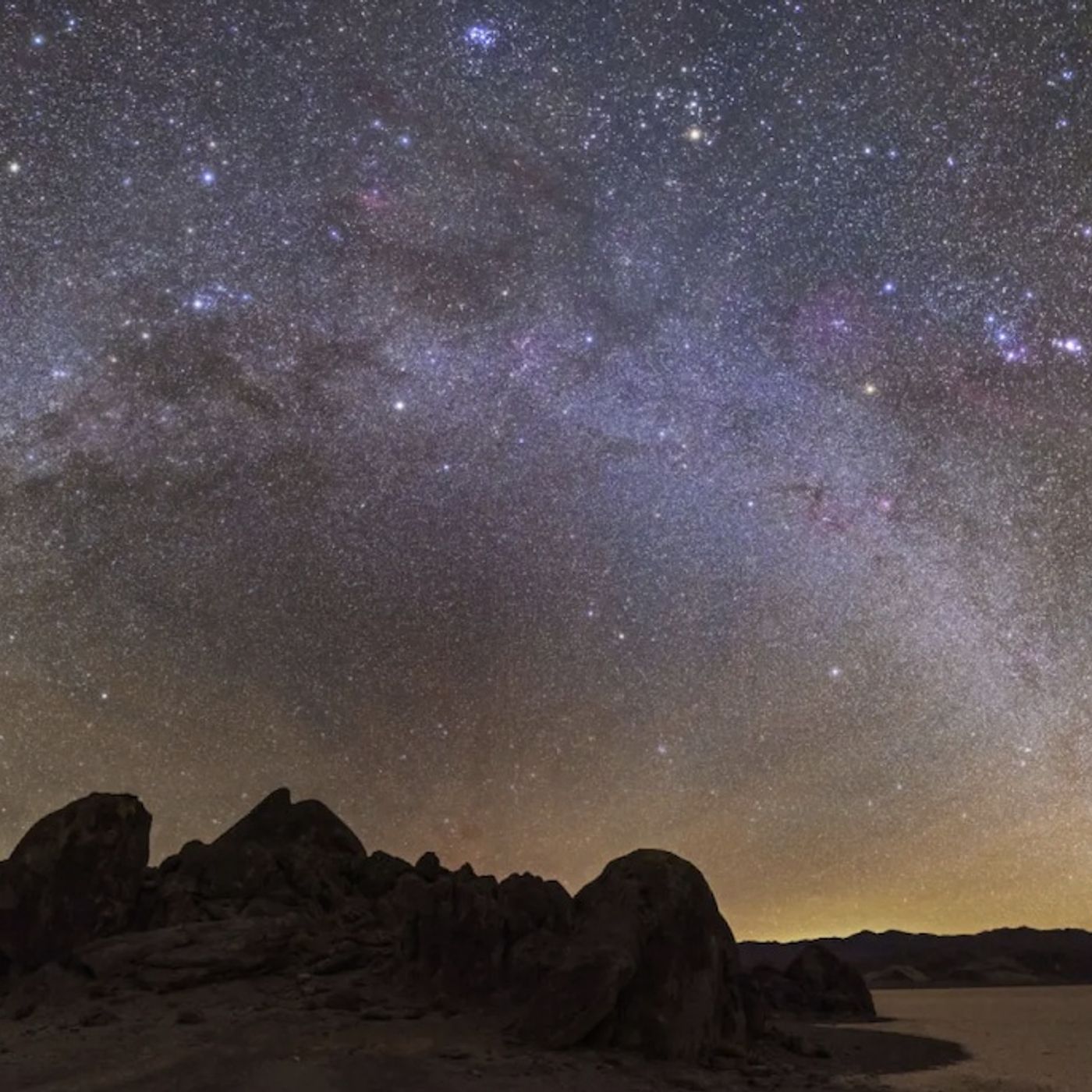
Around the world those who value the natural night sky are evaluating the effects of light pollution. In addition to impairing astronomy and star gazing the past 100 years of increasing light pollution is proving to be harmful to human health and the natural world upon which we all depend. The purpose of the Dark Sky Network is monitor and facilitate the mitigation of the harmful effects of light
Recommended

Learn 50 English Phrases While You Sleep | Everyday English Phrases & Vocabulary

Dateline NBC

True Crime Classics

Yours Truly Johnny Dollar Collection

Suspense OTR

پلی لیست | PlayList

Crime Stories with Nancy Grace

Conspiracy Files with Paige Carter

Bible Tea

Dark Night Tales with Brian King

Fox news

CBS Radio Mystery Theater | Old Time Radio
